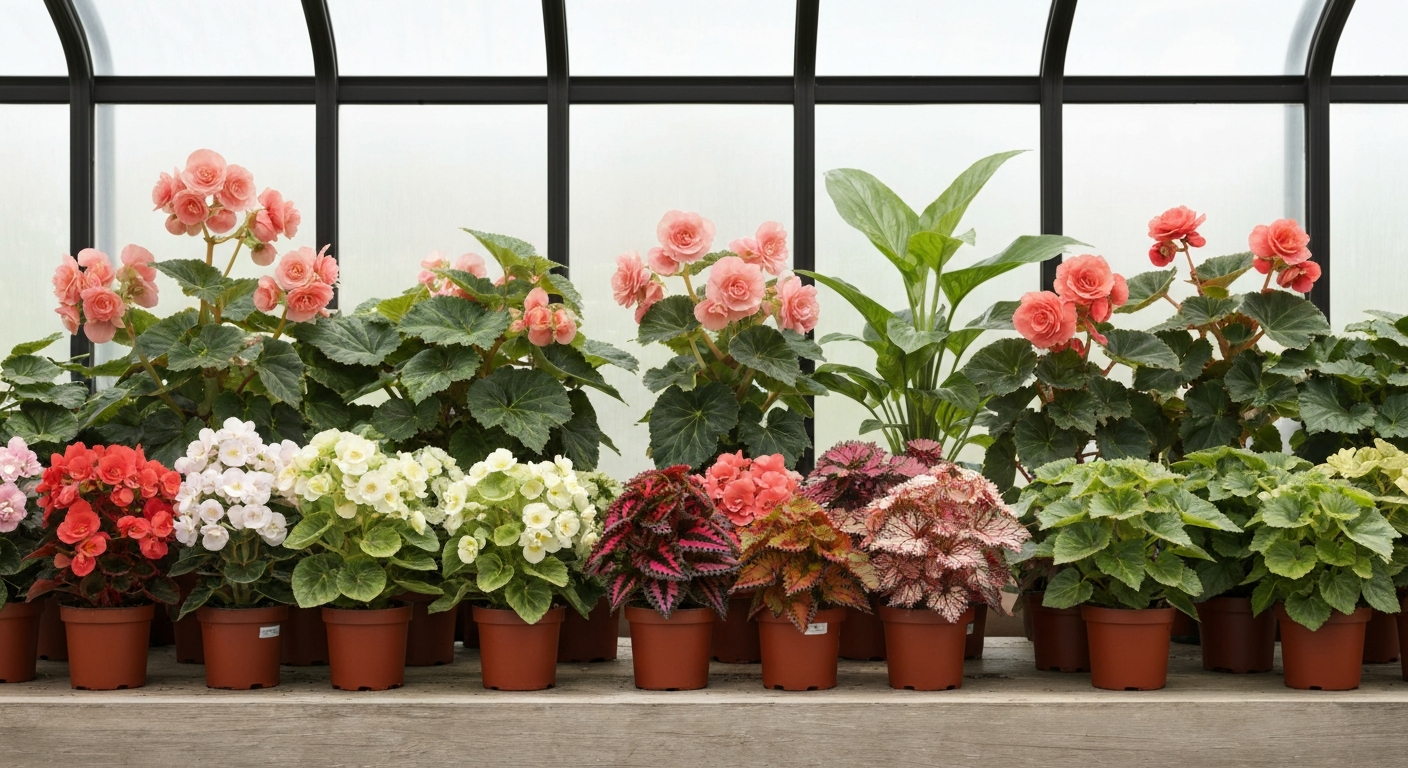
Begonias are genuinely one of the best plants you can grow, whether you're a first-timer or someone who's killed a dozen houseplants and needs a fresh start. They flower reliably, come in a huge range of forms, and adapt well to containers, garden beds, and windowsills. The catch is that 'begonia' covers a massive group of plants with different needs, and treating a tuberous begonia the same way you'd treat a wax begonia will frustrate you fast. Once you match the type to your setup and follow a few specific routines, growing begonias becomes genuinely straightforward.
How to Grow a Begonia: Step by Step Care to Bloom

Harriet Whitmore
19 Apr 2026
Choosing the right begonia type

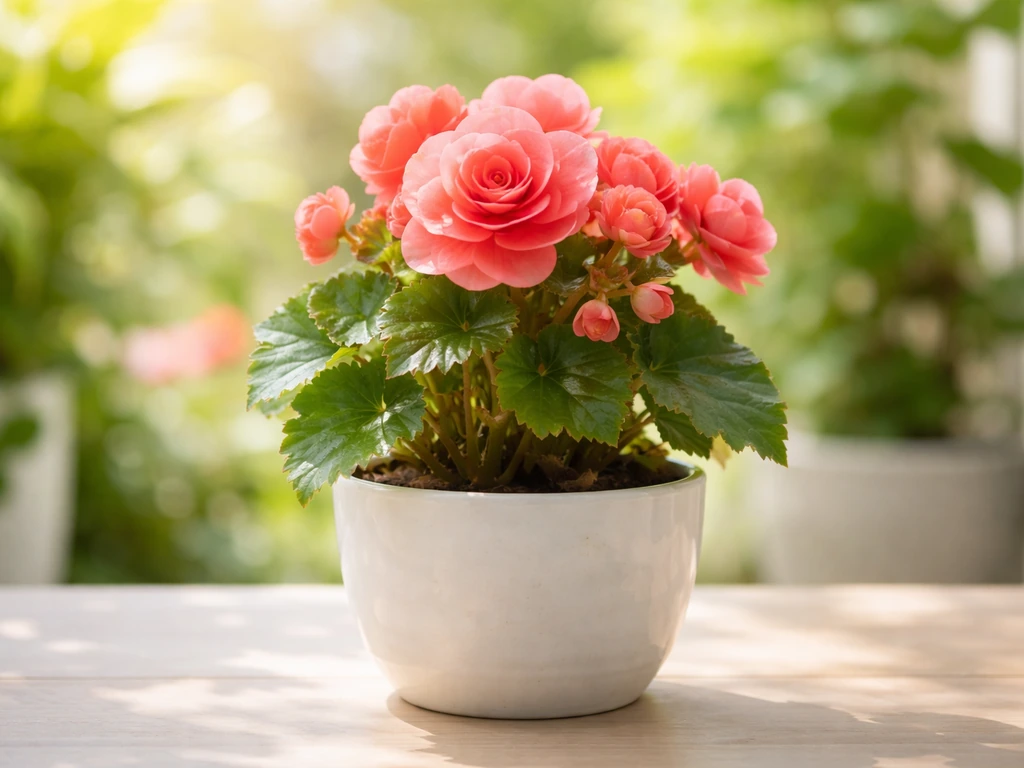
The three main groups you'll encounter as a home gardener are tuberous, fibrous (also called wax or semperflorens), and rhizomatous begonias. They look different, grow differently, and need different care. Weeping begonias are typically grown as fibrous or tuberous types depending on the variety, so the care routines above help you get them off to a great start need different care. Picking the right one for your situation is the single most important decision you'll make, so it's worth spending a minute here.
Tuberous begonias
Tuberous begonias grow from a fleshy underground tuber (similar to a bulb) and are famous for their large, showy flowers that bloom all summer long. They perform best in partial shade and dappled light, making them ideal for covered patios, north-facing spots, or under trees. The important thing to know upfront is that tuberous begonias go dormant every winter regardless of whether you keep them indoors or out. Foliage will yellow, collapse, and drop, which is completely normal. They're not true year-round houseplants, so if you want something that looks good on your windowsill in January, this isn't the one. If you want a spectacular summer container or shade garden plant, it absolutely is.
Fibrous (wax) begonias
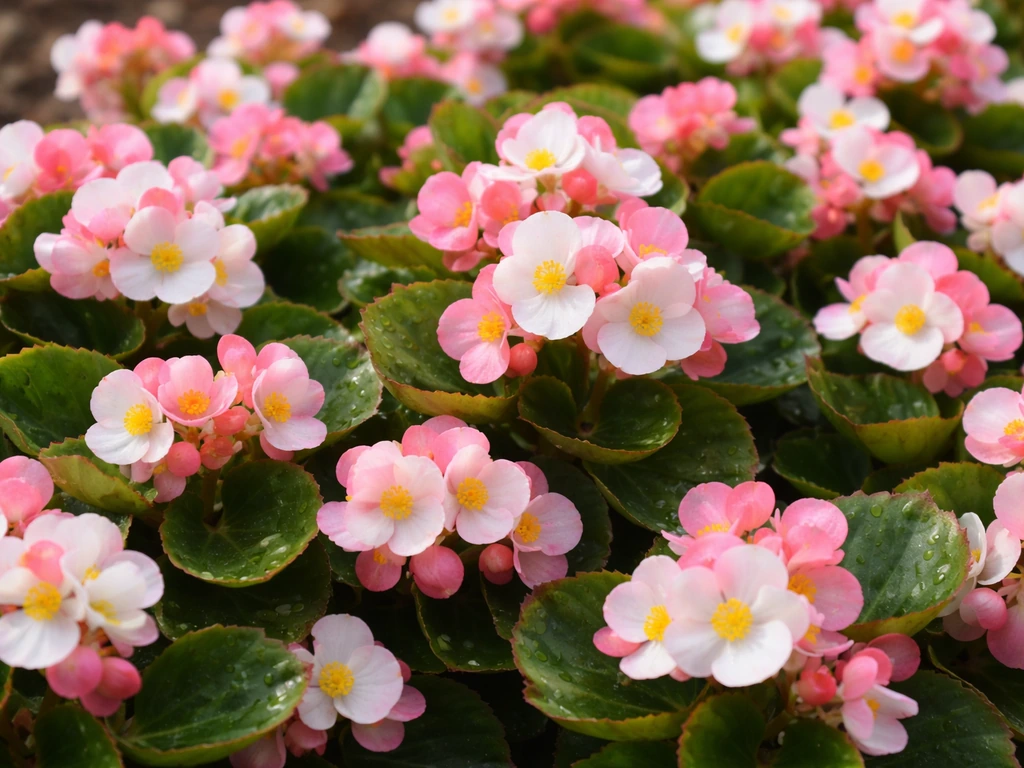
Fibrous or wax begonias (the species most gardeners call semperflorens) are the most forgiving of the three groups. They have a fibrous root system rather than a tuber or rhizome, which makes them very adaptable. They evolved in forest understory conditions, so they're naturally suited to shadier spots and indirect light, though modern varieties have been bred to tolerate more sun. They bloom almost continuously, they handle heat reasonably well, and they're the classic choice for summer bedding plants and window boxes. If you're a beginner and just want reliable color, start here.
Rhizomatous begonias
Rhizomatous begonias grow from a thick, creeping stem (the rhizome) that sits at or just below the soil surface. This group includes some of the most striking foliage plants you'll find, like rex begonias and polka dot begonias, and they tend to be grown primarily as houseplants. For more detailed, type-specific guidance on rex begonias, follow the steps in our guide on how to grow rex begonia. They do flower, usually in late winter or spring, but the foliage is the real show. They're more drought-tolerant than the other groups because the rhizome stores water and nutrients. If you want a low-maintenance indoor plant with interesting leaves, rhizomatous types are your best bet.
| Type | Best setting | Bloom style | Dormancy | Beginner rating |
|---|---|---|---|---|
| Tuberous | Outdoor shade/containers | Large, showy, summer-long | Yes, every winter | Moderate |
| Fibrous (wax) | Beds, containers, partial shade | Continuous, smaller flowers | No | Excellent |
| Rhizomatous | Indoors, bright indirect light | Late winter/spring, foliage focus | No | Good |
Getting the basics right: soil, containers, light, and temperature
Before you plant anything, it helps to understand what all begonias share: they hate sitting in wet soil, they need good airflow around their roots, and they won't tolerate frost. Get those three things right and you're already ahead of most beginner failures.
Soil mix
A well-draining mix is non-negotiable. I use a peat-based or coco coir potting mix with about 20 to 30 percent perlite added to improve drainage and aeration. Straight garden soil is too dense and holds too much moisture, which is the fastest route to root rot. For rhizomatous types especially, a slightly gritty or bark-amended mix works well. Aim for a slightly acidic pH in the range of 6.0 to 6.5.
Containers
Drainage holes are mandatory. I've made the mistake of using decorative pots without drainage and lost plants to rot within weeks. Terracotta pots are a great choice for rhizomatous and tuberous types because the porous walls help the soil dry out evenly. For fibrous begonias in summer containers, plastic or glazed ceramic works fine as long as there's drainage. Don't go too large with your pot size: begonias actually perform better when slightly root-bound, and an oversized pot retains excess moisture around the roots.
Light
Light needs vary by type, but as a general rule, begonias prefer bright indirect light rather than harsh direct sun. For tuberous begonias outdoors, early morning and late afternoon sun is fine, but strong midday sun will scorch the leaves. Fibrous begonias handle a bit more sun but still prefer some afternoon shade in hotter climates. Rhizomatous types grown indoors do best in a bright spot with no direct sun, like a north or east-facing windowsill. Insufficient light is one of the most common reasons begonias produce weak, leggy growth and few flowers.
Temperature
Most begonias thrive between 60 and 75 degrees Fahrenheit. They do not tolerate frost at all, so if you're in a climate with cold winters, plan to bring tuberous and rhizomatous types indoors before the first frost date. Fibrous begonias are usually treated as annuals in colder zones. Avoid placing any begonia near heating vents, air conditioning units, or drafty windows. Cold drafts and sudden temperature swings are a common cause of leaf drop and poor flowering.
Propagation and starting your plants
You have three main ways to start begonias: from seed, from stem cuttings, or from tubers (for tuberous types). Each has trade-offs worth knowing before you commit.
Starting from seed
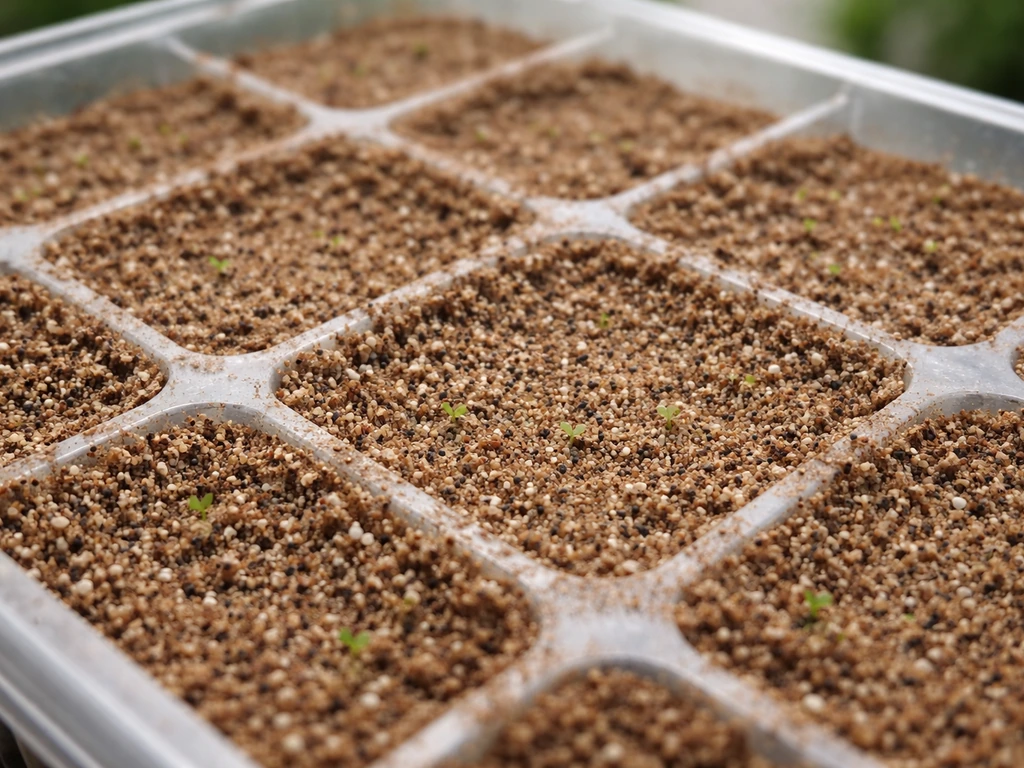
Begonia seeds are tiny, almost dust-like, which makes them tricky to handle. Surface-sow them on a moistened, fine seed-starting mix without covering them, because they need light to germinate. Keep the tray covered with a clear plastic lid or plastic wrap to hold humidity, and maintain a temperature of around 70 to 75 degrees Fahrenheit. Germination typically takes 14 to 21 days, sometimes longer. Seedlings are slow-growing at first, so starting indoors 12 to 16 weeks before your last frost date is realistic for fibrous begonias. For most home gardeners, seeds are worth trying for fibrous types but are more hassle than they're worth for tuberous or rhizomatous varieties, where cuttings or tubers give much faster, more reliable results.
Stem cuttings
Stem cuttings are my preferred method for propagating fibrous and rhizomatous begonias. Take a 3 to 4 inch cutting just below a leaf node, remove the lower leaves, and let the cut end callous for an hour or two before inserting it into a moistened mix of perlite and peat. Keep the cutting in bright indirect light and maintain humidity by loosely covering it with a plastic bag. Roots typically develop within 3 to 4 weeks. For rhizomatous types, you can also propagate by cutting off a section of the rhizome and placing it horizontally on the soil surface, barely pressing it in.
Starting tuberous begonias from tubers
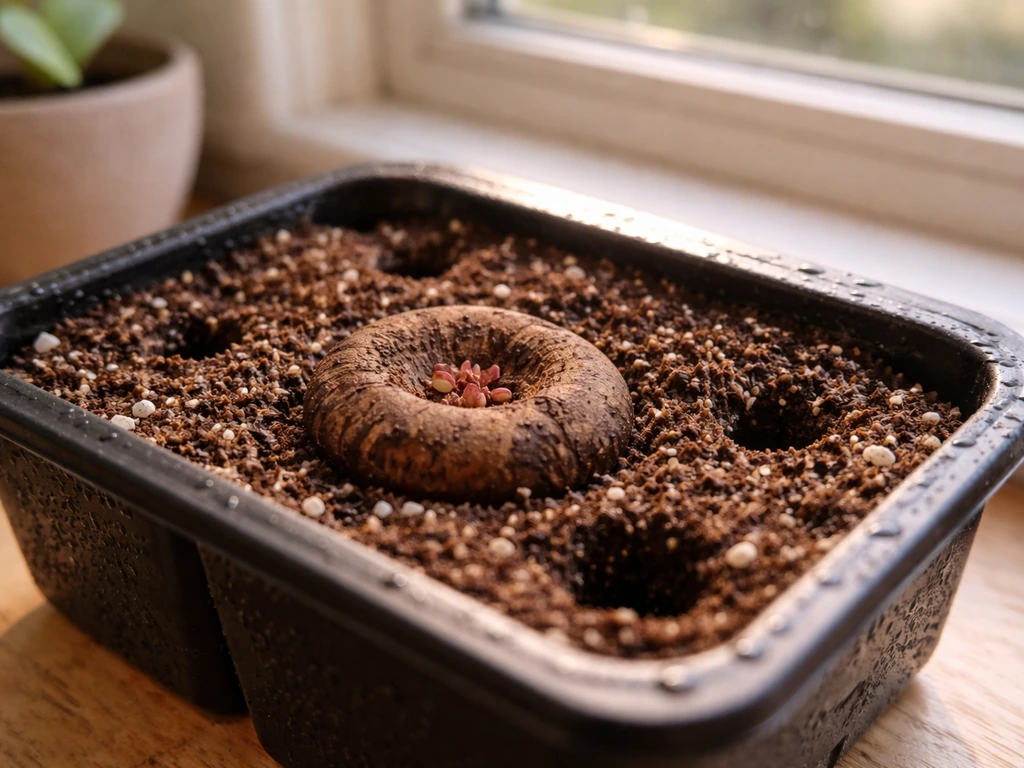
Tubers should be started indoors 6 to 8 weeks before your last expected frost. Place the tuber concave-side up (the hollowed or slightly dished side faces upward, because that's where the growing points emerge) in a shallow tray of barely moist potting mix, with the top of the tuber at or just above the soil surface. Keep the tray at around 65 to 70 degrees Fahrenheit in bright indirect light. Shoots will appear in 2 to 4 weeks. Once shoots are about 2 to 3 inches tall, pot them up individually into their growing containers. Don't rush to water heavily at this stage; light moisture is enough until you see active leaf growth.
Planting and transplanting for healthy growth
Whether you're moving a seedling, a rooted cutting, or a sprouted tuber into its final container or garden bed, the principles are the same. Handle roots gently because begonias, especially fibrous types, have relatively delicate root systems. Plant at the same depth the plant was previously growing at, with the exception of tuberous begonias, where the tuber should sit with its top just at or slightly below the soil surface.
For outdoor planting, wait until all frost risk has passed and nighttime temperatures are consistently above 50 degrees Fahrenheit. In most of the northern US, that means late May to early June. Space fibrous begonias about 8 to 12 inches apart in beds. Tuberous begonias in containers need room for their eventual spread, so one tuber per 10 to 12 inch pot is about right. After transplanting, water the plant in thoroughly to settle the soil, then allow the surface to dry slightly before watering again.
When repotting rhizomatous begonias, choose a pot only one size larger than the current one. These plants actually tend to flower more readily when a little pot-bound, and too much extra soil volume holds moisture longer than the plant needs. Spring is the best time to repot, just as new growth begins.
Watering and feeding to keep begonias growing and blooming
Overwatering is the single most common way begonias die. The goal is to keep the soil evenly moist but never waterlogged, and to let the top inch or so dry out between waterings. The exact frequency varies by type, container material, season, and environment, so learning to read your plant is more useful than following a strict schedule.
Watering by type
For rhizomatous begonias, a useful trick is to pick up the pot and get a feel for its weight. A light pot means the soil has dried out and it's time to water. A heavy pot means there's still moisture present and you should wait. This weight-based approach is more reliable than checking the calendar or even just sticking your finger in the top of the soil, especially for types with thick rhizomes that store moisture internally.
Tuberous begonias need regular watering during their active growing season, from when growth emerges in spring through to late summer. Keep the soil consistently moist but with good drainage so water moves through freely. In late summer, as days shorten and temperatures drop, you'll notice the foliage start to yellow and flop. This is dormancy kicking in, and it's your cue to stop watering entirely. Let the foliage die back naturally, then dig the tubers, dry them, and store them in a cool, frost-free location until spring.
Fibrous begonias are the most forgiving on watering, but they still resent soggy roots. Water when the top inch of soil feels dry, water thoroughly until it drains from the bottom, then don't water again until that top inch dries out again. In hot, dry summer conditions this might mean watering every 2 to 3 days for outdoor containers.
Feeding schedule
Begonias are moderate feeders and respond well to a balanced liquid fertilizer applied every 2 to 4 weeks during the growing season (spring through early fall). Once plants are actively growing and showing buds, switch to a fertilizer with a higher phosphorus content (the middle number on the NPK ratio, such as 10-20-10) to support flower production. Avoid over-applying nitrogen-heavy fertilizers once flowering begins, as excess nitrogen pushes leafy growth at the expense of flowers. Stop feeding entirely during dormancy or in winter when growth slows.
Getting your begonias to actually flower
If your begonia has healthy foliage but isn't flowering, the most likely culprits are too much nitrogen, insufficient light, or (for tuberous types) simply being too early in the season. Here's how to push begonias toward better blooming.
- Make sure the plant is getting enough light. Bright, indirect light for several hours a day is the minimum for consistent flowering. If your plant is in a dim corner, move it closer to a window or to a brighter outdoor spot.
- Switch to a phosphorus-forward fertilizer when the plant reaches mature size and you want it to shift from vegetative growth to flowering.
- Deadhead spent flowers on fibrous and tuberous begonias regularly. Removing old blooms redirects the plant's energy toward producing new ones and keeps the plant looking tidy.
- For tuberous begonias, pinching out the first few small flowers when plants are young can encourage a bushier plant with more and larger blooms later in the season.
- Keep temperatures in the 60 to 75 degree range during the day. Prolonged heat above 85 to 90 degrees can cause flower drop and bud abort, especially in tuberous types.
- For rhizomatous begonias, a period of cooler temperatures (around 55 to 60 degrees Fahrenheit) in fall can actually help stimulate the late winter/spring flowering cycle.
Tuberous begonias typically begin flowering in early summer and continue through until the first frost if cared for properly. Fibrous begonias flower nearly continuously from planting time until frost. Rhizomatous types generally flower once a year in late winter to spring, with the foliage being the main attraction the rest of the time. Setting realistic expectations for each type prevents a lot of unnecessary worry.
Troubleshooting the most common begonia problems
Even when you do most things right, begonias will occasionally throw problems at you. Here are the most common issues and how to fix them.
Yellow leaves
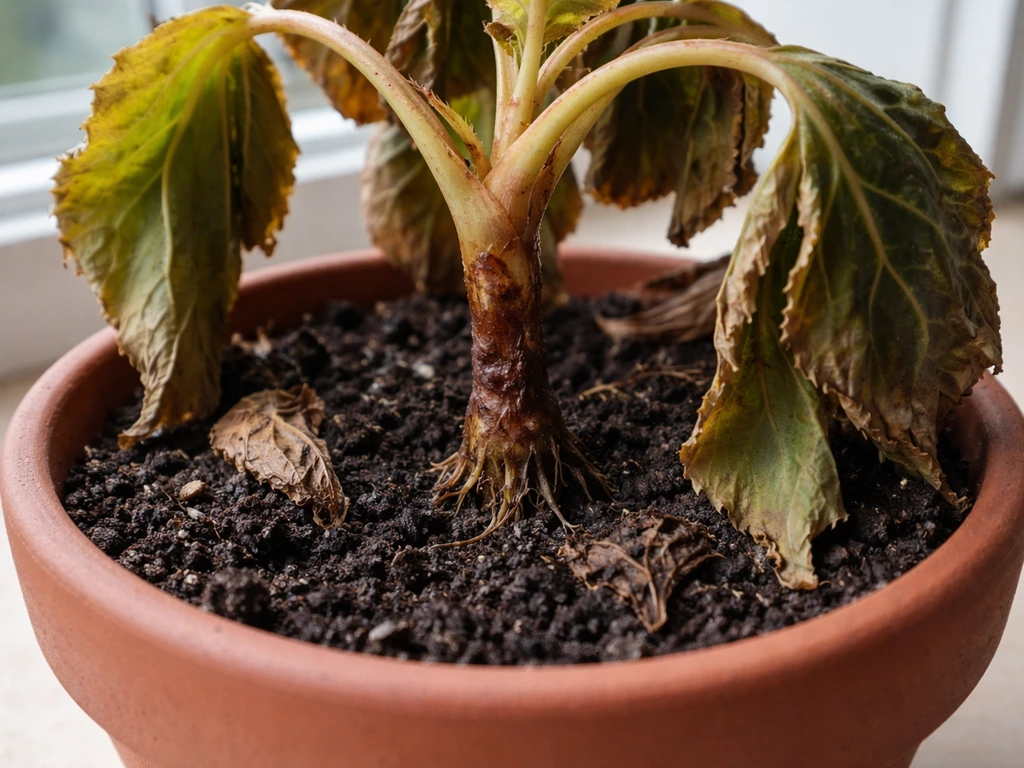
Yellowing leaves are the most common complaint, and the cause is almost always one of three things: overwatering, underwatering, or natural dormancy in tuberous types. Check your soil moisture first. If the soil is constantly wet and soggy, back off watering and make sure the pot is draining properly. If the soil is bone dry, you've let it go too long between waterings. If the yellowing is happening in late summer or fall on a tuberous begonia, it's simply dormancy, and no intervention is needed. Nutrient deficiency (particularly nitrogen or iron) can also cause yellowing, usually appearing in newer leaves first, which is a sign to resume a regular feeding schedule.
Root and stem rot
Rot is almost always caused by poor drainage combined with overwatering. The stem at the soil line turns soft and brown, and the plant wilts even when the soil is moist. If caught early, you can sometimes save the plant by removing it from the pot, trimming away rotted tissue with clean scissors, letting the remaining healthy roots air dry for an hour, and repotting in fresh, well-draining mix. Prevention is far easier than cure: always use a mix with adequate drainage, use pots with holes, and never let pots sit in standing water in saucers.
Leggy, weak growth
Long, stretched stems with widely spaced leaves is a light problem. The plant is reaching toward a light source it isn't getting enough of. Move it to a brighter location and pinch back the leggy stems to encourage bushier growth from lower nodes. If the problem occurs indoors in winter, a grow light set to run for 12 to 14 hours a day will make a significant difference.
Powdery mildew
Powdery mildew shows up as a white, dusty coating on leaves and is triggered by poor air circulation combined with high humidity. It's especially common on tuberous begonias. Improve airflow around the plant, avoid wetting foliage when you water (water at the soil level, not overhead), and treat affected plants with a diluted neem oil spray or a sulfur-based fungicide. Remove and bin heavily affected leaves.
Common pests
The main pests to watch for on begonias are mealybugs, spider mites, and vine weevils (on tuberous types in containers). Mealybugs appear as white, cottony clusters in leaf joints and can be removed with a cotton swab dipped in rubbing alcohol. Spider mites thrive in hot, dry conditions and cause a fine stippling on leaves, and the best first response is to increase humidity and rinse the plant with water. Vine weevil grubs eat tuber roots from below, so if a tuberous begonia suddenly collapses without obvious above-ground cause, check the roots for white, C-shaped grubs and treat the soil with a nematode-based biological control.
Your next steps starting today
Here's how to put this into action right now. If it's spring (which it is as of mid-April), you're in a perfect window to get started.
- Decide on your type based on where you'll be growing. Outdoor shade containers or beds: go with tuberous begonias. Easy summer color in sun or partial shade: choose fibrous/wax begonias. Indoor houseplant with interesting foliage: pick a rhizomatous type like a rex begonia.
- Buy tubers or nursery starts now. For tuberous begonias, start tubers indoors immediately if you haven't already (you want 6 to 8 weeks of indoor growth before moving outdoors after frost). For fibrous begonias, transplant seedlings or starts outdoors after your last frost date.
- Prepare your containers or bed with a peat or coco-based mix amended with perlite for drainage. Make sure every container has drainage holes.
- Place your plant in the right light. Bright indirect light for indoor rhizomatous types, dappled or morning sun for tuberous types, and a spot with some direct sun for fibrous types.
- Start a feeding routine once new growth is actively growing, using a balanced fertilizer every 2 to 4 weeks, then switch to a higher-phosphorus formula when the plant looks mature and you want it to start flowering.
- Keep track of watering by checking soil moisture before every watering session, not on a fixed schedule. Adjust based on season, weather, and how quickly your specific pot and mix dry out.
Once you've got the basics dialed in, it's worth exploring the more specific varieties within each group. If you’re specifically wondering how to grow montbretia, the key steps are similar: choose the right light, use well-draining soil, and water and feed consistently during active growth. Begonia maculata and polka dot begonias have their own quirks as rhizomatous types, and begonia semperflorens has some nuances for getting the best flowering.
If you're specifically growing begonia semperflorens, the right light, watering, and feeding approach can make a big difference in how consistently it blooms. If you're specifically working with begonia maculata, use our guide for how to grow begonia maculata to nail its light, watering, and propagation needs. Begonia polka dot varieties are rhizomatous, so the best care and propagation tips are a bit different from fibrous begonias polka dot begonias.
Growing begonias from corms follows a slightly different process than from stem cuttings, and some gardeners even experiment with growing begonias in water as a propagation method. If you want to try water propagation, follow a few simple steps to keep the cutting healthy and encourage new roots without rot growing begonias in water.
Each of those paths opens up once you have the fundamentals in hand, and the fundamentals really do work once you commit to the right type for your conditions.
FAQ
Can I grow begonias in a self-watering planter or with a water reservoir?
Usually not, unless you control the wicking so the roots never stay wet. Begonias do best when the top inch can partially dry, so in a reservoir setup use only a model that lets you adjust or turn off the reservoir, and keep saucers empty after watering.
How do I tell whether my begonia is under-watered or over-watered?
Look at the soil and the pot weight together. Overwatering is often accompanied by consistently heavy pots, yellowing plus soft stems, and wilting despite moist soil. Underwatering tends to come with a light pot, dry or pulling-away soil edges, and limp growth that perk up after thorough watering.
Should I mist begonias to increase humidity?
Misting can raise humidity briefly, but it also wets leaves and can worsen powdery mildew if airflow is poor. For most homes, better options are grouping plants, using a humidity tray that does not let pots sit in water, or running a small humidifier.
Why are my rhizomatous begonias getting leggy and fewer new leaves?
This is most often low light. Indoors, rotate the pot weekly and move closer to bright indirect light (often a few feet away from a north or east window). If you use a grow light, keep it at a consistent distance and run it long enough to prevent stretching.
Do begonias need deadheading to bloom more?
It helps, especially for tuberous and fibrous plants. Remove faded flowers before they set seed, and for tuberous types, keep fallen petals cleaned up because decaying petals can contribute to fungal issues in humid conditions.
What fertilizer should I use if I want more flowers but I do not want to overfeed?
Use a balanced liquid for steady growth, then switch to a higher-phosphorus bloom formula once buds appear. Stop short of frequent “half doses,” because excess salts can accumulate in small pots; flush the pot with plain water every few weeks to prevent buildup.
How can I prevent root rot when I repot or transplant?
Use fresh, draining mix and keep the plant at the same depth as before. After repotting, water once to settle the soil, then wait until the top inch dries before watering again. Also avoid oversized pots, because extra soil stays wet longer.
What should I do with tuberous begonias when they start going dormant?
When foliage yellows and collapses in late summer or fall, stop watering fully and let the plant die back naturally. After the foliage is gone, lift tubers, dry them for a short time, and store them in a cool, frost-free place with minimal moisture to prevent mold.
Can begonias handle morning sun and afternoon shade outdoors?
Yes, especially tuberous begonias. Morning sun is generally safer, but if leaves scorch or edges brown, adjust the placement to earlier sun, more dappled light, or stronger afternoon shade, particularly during heat waves.
Is it better to grow begonias from seed or cuttings for faster results?
For speed and reliability, stem cuttings are usually faster for fibrous and rhizomatous types, while tubers give tuberous types a clear seasonal start. Begonia seed is possible but slow and requires consistent warmth and light germination, so it is best if you enjoy experimenting.
Why are my seedlings failing after germination?
Most losses happen from drying out or damping-off. Keep the seed-starting surface lightly moist (not wet), maintain stable warmth, and ensure airflow under the cover. Once seedlings have a few true leaves, increase ventilation gradually to avoid sudden humidity drops.
What is the safest way to water begonia leaves if the plant is in direct sun?
Prefer watering at soil level only. If you do get water on leaves, do it in the morning so foliage dries quickly. Avoid late-day overhead watering, because persistent leaf wetness plus night humidity encourages mildew.
How do I know if vine weevils or other pests are the real cause of decline?
Check the roots if a tuberous begonia collapses without clear soil-soggy conditions or leaf rot. Lift the tuber and look for white, C-shaped grubs. Treat soil with a biological nematode product and repeat if instructions require a follow-up application.
Next Article
When Do Begonias Start to Grow? Timing, Types & Planting Calendar
When do begonias start to grow: clear planting dates, timelines by type, and quick care fixes for reliable starts.