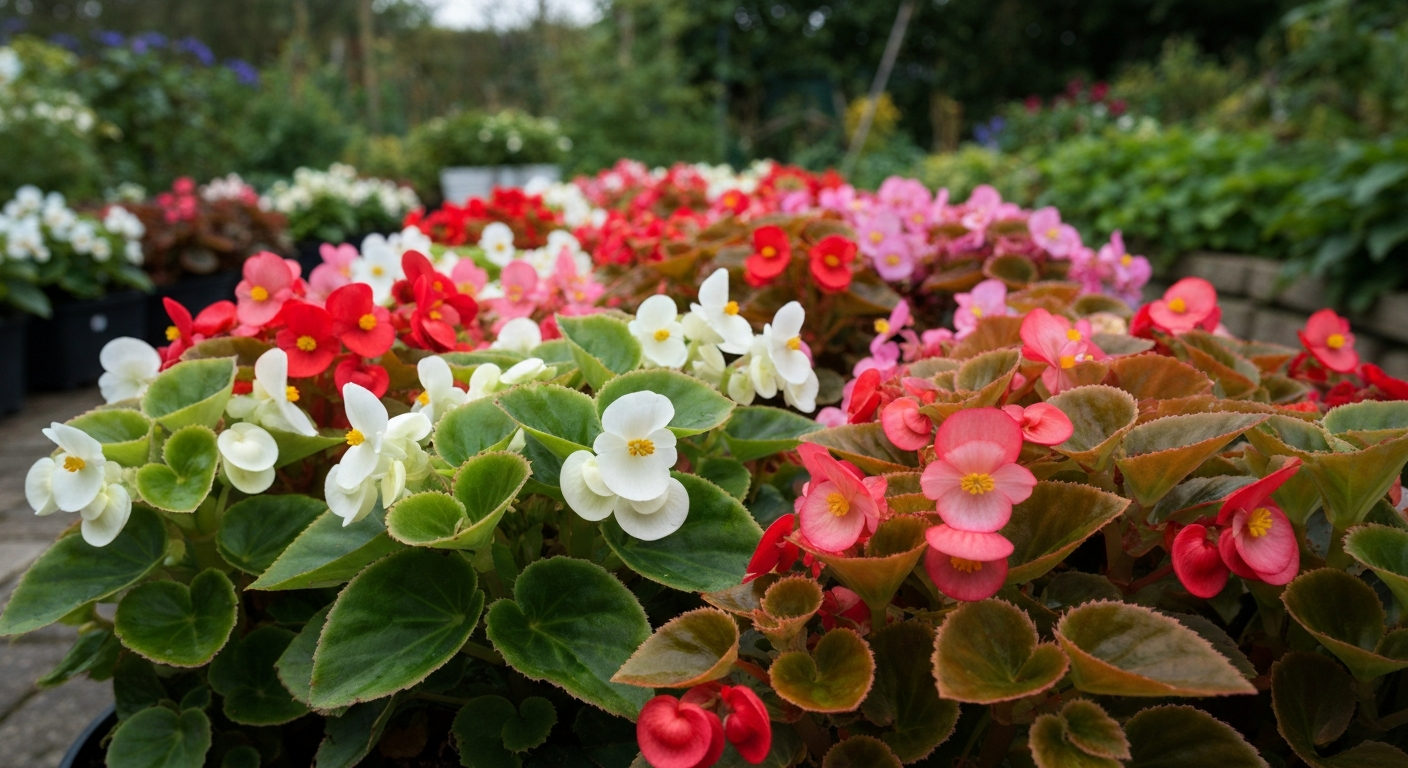
Begonias are genuinely easy to grow once they're established as transplants, but getting them there from seed is a different story. As container or bedding plants started from purchased transplants, they're forgiving, low-fuss, and rewarding. Starting them from seed, though, requires real attention to humidity, light, and temperature during germination, and that's where most beginners hit a wall. If you go in knowing the specific quirks upfront, you can absolutely do it.
Are Begonias Easy to Grow From Seed? A Practical Guide

Harriet Whitmore
7 May 2026
Easy or hard? Here's the honest verdict
For most home gardeners, begonias as a growing plant are solidly in the 'easy' column. They tolerate shade, they look great in containers, and they don't demand constant attention once they're in the ground or a pot. Where they trip people up is overwatering, begonias are highly susceptible to root rot, and it's the single most common way gardeners lose them. UMN Extension advises that begonias prefer shade over direct sun and warns not to overwater because they are highly susceptible to root rot UMN Extension advises begonias prefer shade over direct sun and warns against overwatering due to root rot. Keep water off the leaves to reduce powdery mildew risk, water at the base, and check at least an inch below the soil surface before watering again rather than going by how the surface looks.
From seed, though, begonias deserve a more honest rating: intermediate to difficult, especially tuberous types. CalBegonias.com flatly recommends seed-starting tuberous begonias mainly for experienced hobbyists. That said, wax begonias and some fibrous-rooted types are more forgiving from seed than tuberous varieties. If you know what you're dealing with, you can set yourself up to succeed with any type.
What makes begonias tricky from seed
Begonia seeds are extremely tiny, almost like dust. That one fact creates a chain reaction of challenges that catches beginners off guard. Because the seeds are so small, they can't push through any covering medium, which means you have to surface sow them and rely on light for germination. That same exposed-surface requirement means the seeds dry out fast, and if they dry even once during the critical germination window, you'll end up with very few seedlings or none at all. The American Begonia Society puts it plainly: if the surface dries out, 'if they grow at all there will be very few seedlings.'
Then there's the timing issue. Tuberous begonias in particular need a long runway, UMN Extension recommends starting them in December or January to get summer bloom. That means you're managing delicate seedlings under grow lights for months before they ever see outdoor conditions. Germination itself takes roughly 7 to 21 days depending on the variety and temperature consistency, and germination rates drop noticeably if your soil temperature dips below 70°F. Add in the risk of damping-off (a fungal collapse of seedlings at the soil line, triggered by overly wet conditions), and you can see why this isn't quite like starting tomatoes.
Setting up your seed-starting station
Timing
For tuberous begonias, start seeds in December or January. For wax and fibrous-rooted begonias, late February through early March works well for most regions, SDSU Extension examples show a March 1 sowing targeting early May transplant readiness, which lines up with when outdoor soil temperatures reliably hit 60°F in many northern zones. In warmer climates (zones 8 and up), you can push that start date later.
Containers and media
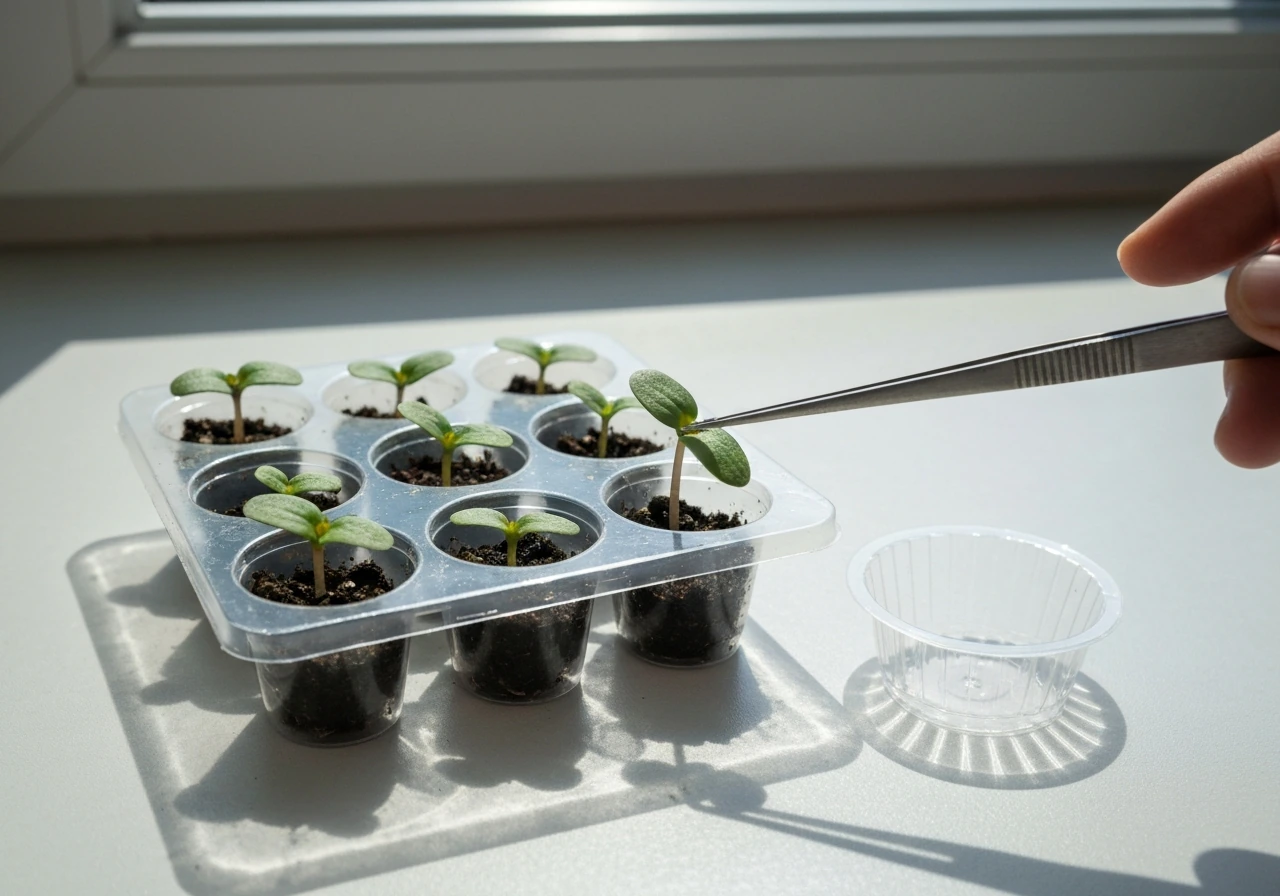
Use clean, sterile containers every time, no recycled cell packs from last year unless they've been scrubbed and disinfected. The American Begonia Society is firm on this: contaminated media and containers are a top cause of mold, fungal failures, and damping-off. Fill containers with fresh, sterile seed-starting mix. Avoid regular garden soil or heavy potting mixes, which compact too easily and don't drain well enough for tiny seedlings. Target a media pH of about 5.4 to 6.2, which aligns with begonias' preferred slightly acidic range of 5.5 to 6.5.
Light
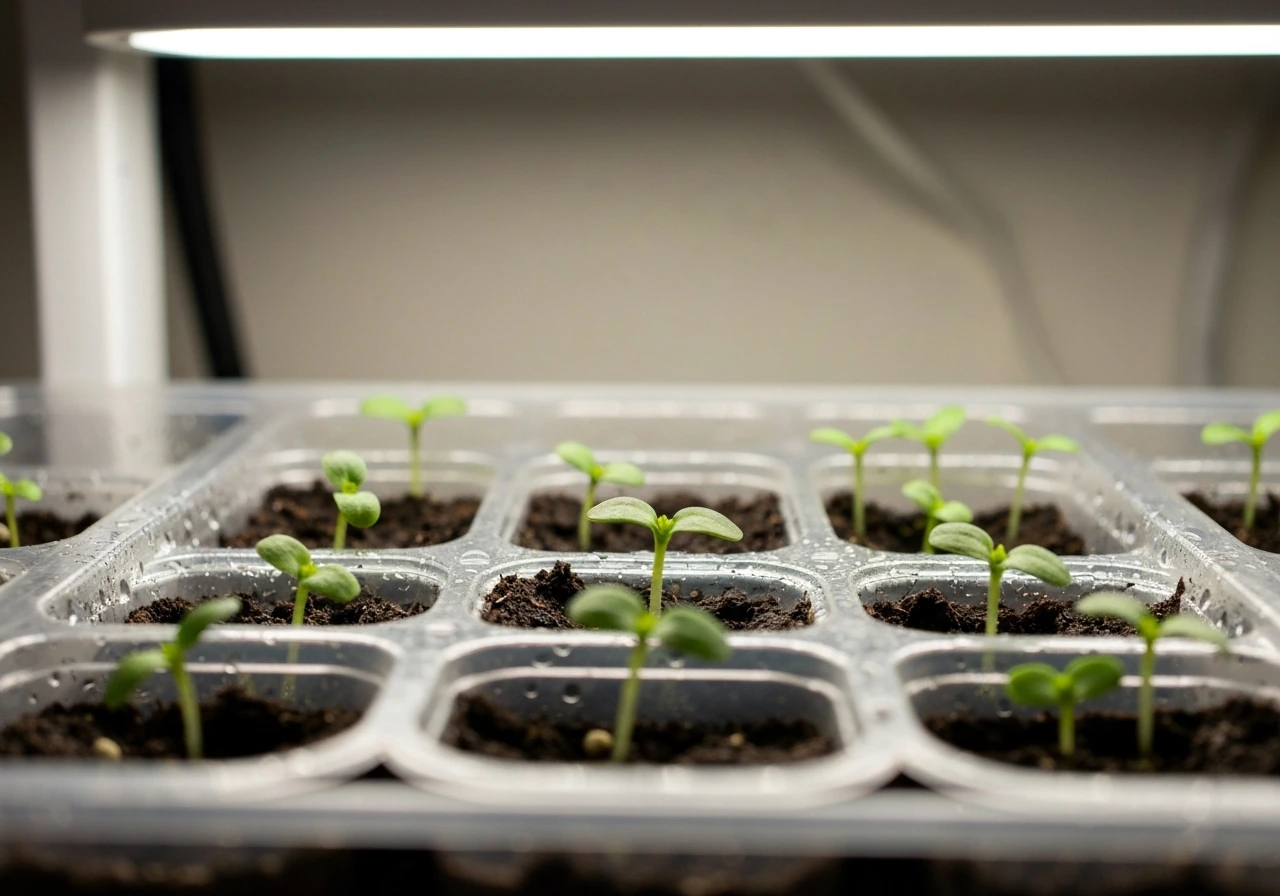
You need a grow light, a bright windowsill alone usually won't cut it. Begonia seedlings are tiny and slow-growing, and insufficient light produces weak, spindly plants that struggle to recover. Ball Seed's propagation data targets 400 to 2,000 foot-candles during early growth stages. A standard T5 fluorescent or LED grow light kept 2 to 4 inches above the seedling tray works well. Run it 14 to 16 hours per day.
Temperature
Keep your germination environment at a steady 70 to 77°F (21 to 25°C). A heat mat under the tray is the easiest way to maintain this, especially if your home is cooler in winter. At a consistent 70°F, most begonia varieties germinate in 7 to 14 days. If temperatures fluctuate or your soil stays cooler than the ambient air, germination can stretch to 3 weeks or more. Premier Seeds Direct notes some tuberous types need a minimum of 25°C (77°F) for reliable germination, so don't skip the heat mat for those.
How to sow begonias step by step
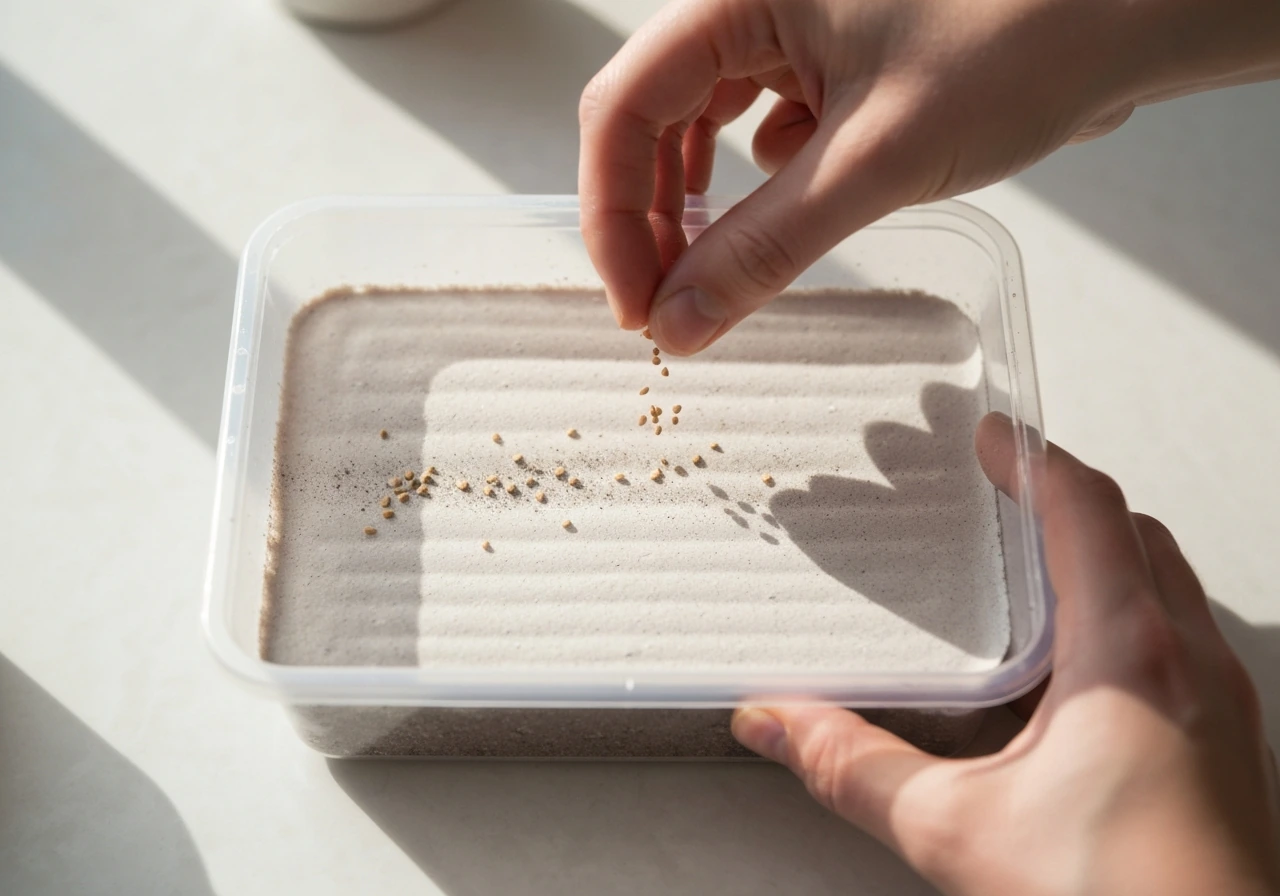
- Fill your clean container with pre-moistened, sterile seed-starting mix. The surface should be level and lightly firmed.
- Sprinkle the seeds directly on the surface. Do not cover them with any medium — begonia seeds need light to germinate. If you bury them even a little, they won't come up.
- Press the seeds gently into the surface using a clean finger, a small flat piece of cardboard, or the bottom of a clean cup. Good contact with the media helps moisture reach the seed without burial.
- Water in with a very fine mist sprayer — never pour water directly onto the surface, which will displace or clump those tiny seeds. A spray bottle on the finest setting works; a garden watering can will ruin the surface.
- Label the container clearly with the variety and sowing date.
- Enclose the container in a clear plastic bag or place it inside a propagation dome or sealed clear storage container to lock in near 100% humidity. This step is not optional — it's what keeps the surface from drying out between checks.
- Place the sealed setup on your heat mat under your grow light. Check daily, but resist the urge to water unless the surface is clearly drying.
- Expect to see the first tiny seedlings emerge in 7 to 14 days for most fibrous types, and up to 21 days for slower varieties like Gryphon begonia.
From seedling to transplant and finally bloom
Once seedlings are up and you can see a first true leaf forming (usually within a week of emergence), you can start adjusting their environment. The American Begonia Society recommends gradually lowering humidity rather than pulling the cover off suddenly, crack the dome or bag for a few hours a day, then longer, then leave it off. Sudden humidity drops stress seedlings badly and can cause dieback.
When seedlings are large enough to handle, carefully pot them on into individual small cells or a shallow tray, handling by the leaf rather than the stem. Keep them under lights and away from drafts. At this stage, they need consistent moisture but never soggy conditions, the same overwatering risk that threatens established begonias applies double to seedlings. If you want to keep your seedlings thriving after they sprout, follow practical guidance on how to help begonias grow throughout the transplant and early-care stages.
Before moving plants outdoors, harden them off over 7 to 10 days by setting them outside in a sheltered, shaded spot for increasing amounts of time each day. Begonias are forest understory plants that prefer indirect light and morning sun at most, direct afternoon sun will scorch them. Transplant to the garden only after your soil temperature has reached at least 60°F and all frost risk has passed. Space plants about 1 foot apart. From a late winter indoor sowing, you can expect flowers by early to midsummer, with tuberous types taking the longest overall.
For a more detailed look at supporting plants through each growth phase once they're established, the guides on how to grow begonias and how to help begonias grow cover those specifics in depth.
When things go wrong: fixing the most common seed-start failures
Nothing germinated
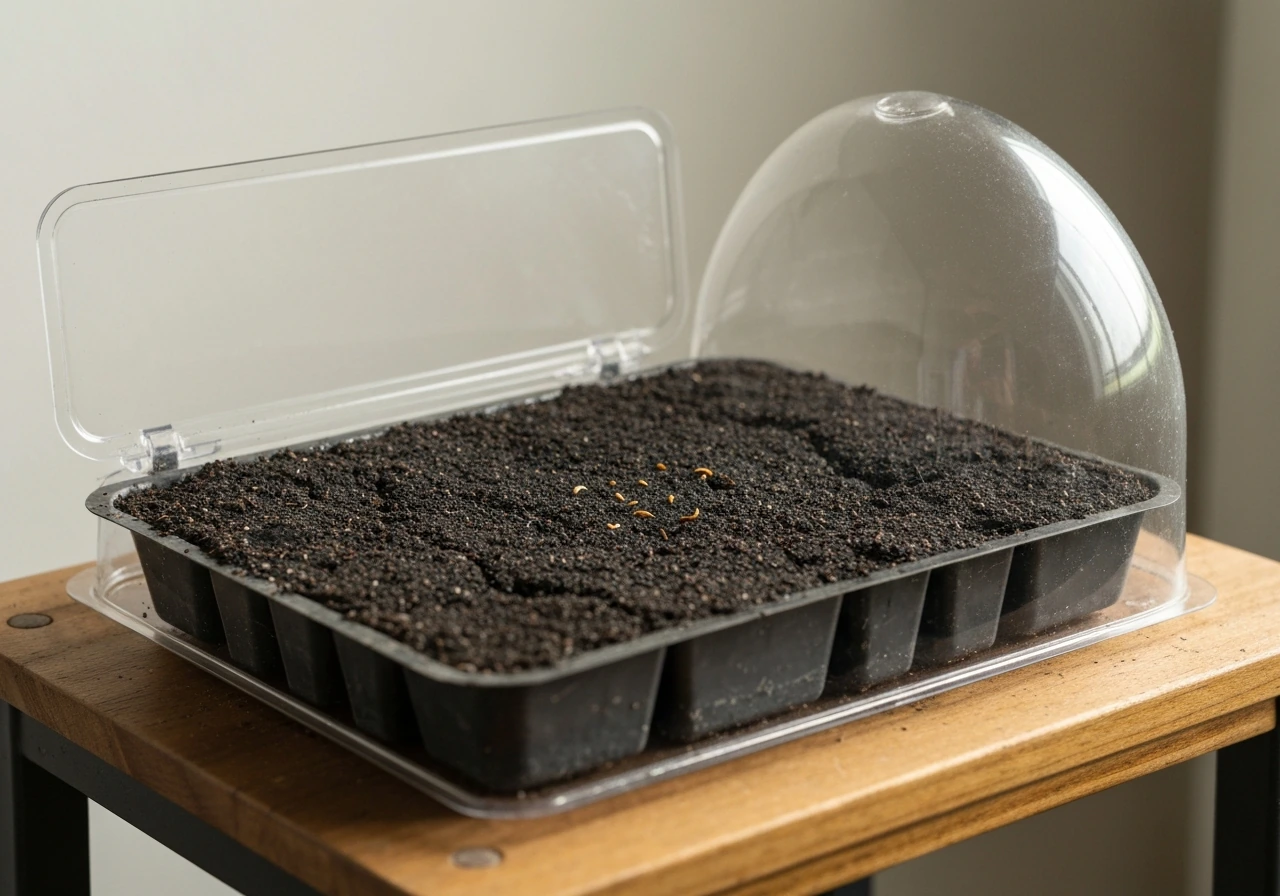
Nine times out of ten, the surface dried out. Even once. That's all it takes with begonia seeds. Check your humidity enclosure for gaps, and make sure the container was actually sealed properly. The other common cause is seeds buried under medium, remember, no covering at all. Temperature too low (below 68°F) will also dramatically slow or prevent germination.
Seedlings collapsing at the soil line (damping-off)
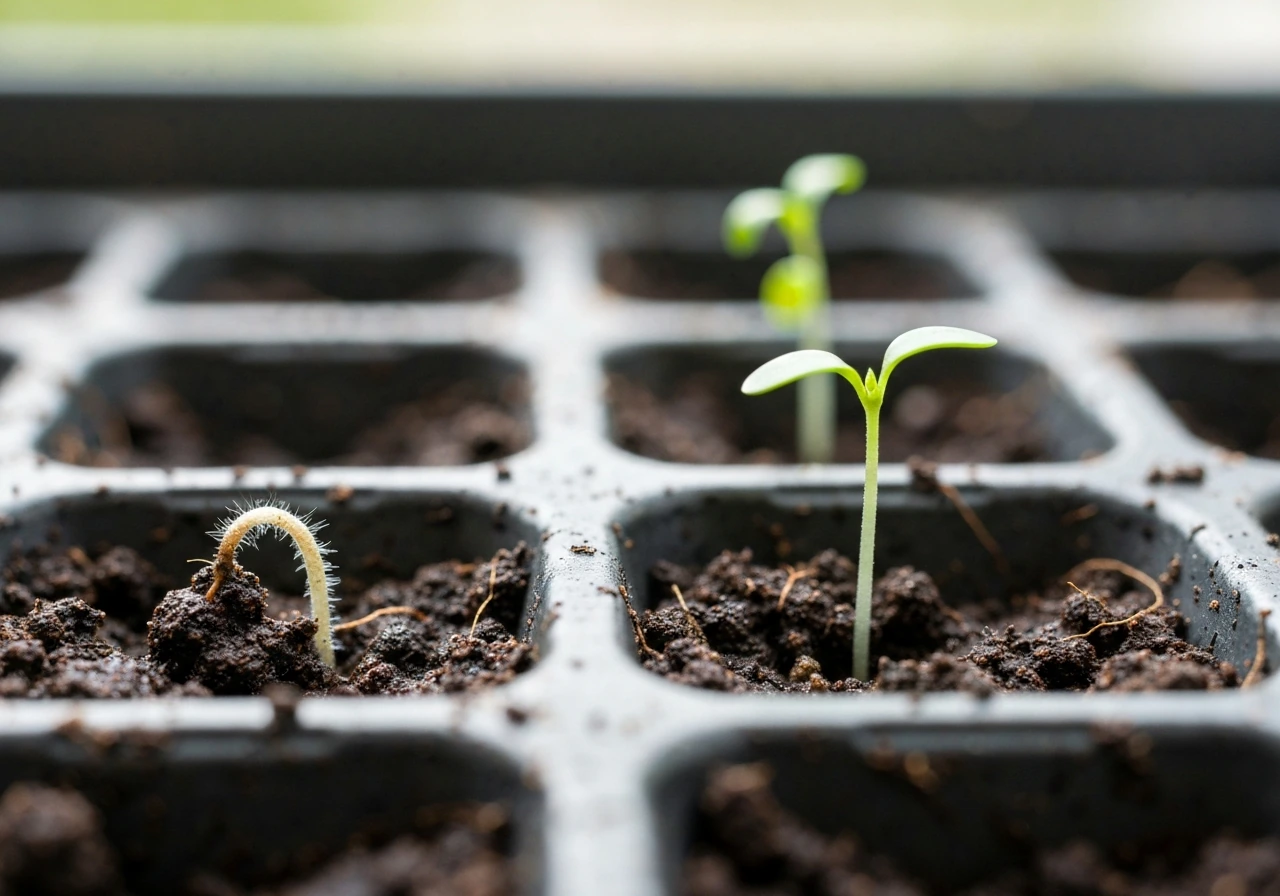
This is a fungal problem that thrives in the exact high-humidity, moist environment begonias need for germination. The fix is about balance: maintain high humidity to prevent drying, but don't let the medium stay waterlogged. As soon as seedlings emerge and are a few days old, start allowing brief air circulation by cracking the dome. Sterile media and clean containers help prevent damping-off before it starts, once you see it, it tends to spread fast through a tray.
Seedlings are alive but tiny and slow
Almost always a light problem. Begonia seedlings are slow enough even under good lights, without adequate light they just stall. Move the grow light closer (keep it 2 to 4 inches above the tray canopy), extend the daily light period to 16 hours, and make sure nothing is shading part of the tray. Cold temperatures also cause slow growth, so double-check that your heat mat is keeping the medium warm, not just the air above it.
Mold on the media surface
Surface mold usually means the media is staying too wet and airflow is nonexistent. Once seeds have germinated, introduce brief air exchanges daily. Check that your seed-starting mix drains adequately and isn't holding water like a sponge. Starting fresh with sterilized materials in your next batch will prevent this from happening again.
Small upgrades that make a real difference
If you've struggled with begonias from seed before, a few targeted changes will shift your results significantly. A heat mat with a thermostat is the single best investment, it takes the guesswork out of soil temperature and pays for itself in germination rates. Pelleted begonia seeds (available from many commercial suppliers) are much easier to handle than raw dust seeds and are worth the extra cost for beginners. Greenhouse growers know that pellet saturation in the first 10 days is critical for radicle emergence, so with pelleted seeds, make sure the pellets are fully moist, not just damp on the surface.
On variety selection: if you're new to starting begonias from seed, start with wax or fibrous-rooted types like the BabyWing or Dragon Wing series rather than tuberous begonias. They germinate faster (7 to 10 days vs up to 3 weeks), have a shorter indoor grow time, and are more tolerant of less-than-perfect conditions. Tuberous begonias are beautiful but they're a longer, more demanding project, save them for once you've got your setup dialed in.
Zone awareness matters too. If you're in zones 4 to 5, start seeds in late February for transplanting in late May or early June. Zones 6 to 7 can push to early March. In zones 8 and warmer, you have more flexibility and a wider window. The key number to track is that 60°F soil temperature threshold for outdoor transplanting, use a soil thermometer, not a calendar, to decide when it's actually time.
Realistic seed-to-bloom timeline
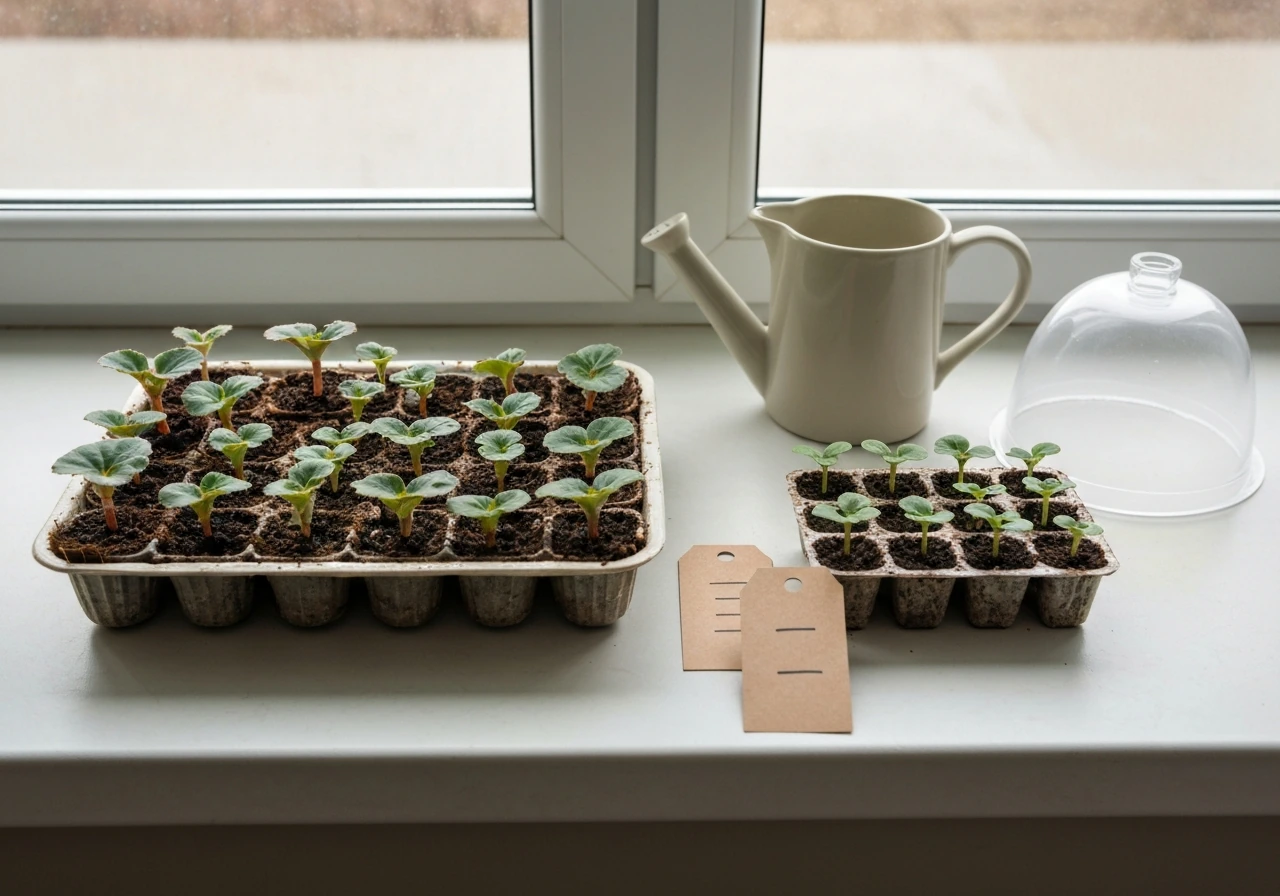
| Begonia Type | Start Seeds Indoors | Germination | Transplant Outdoors | Expect First Bloom |
|---|---|---|---|---|
| Wax / Fibrous (e.g., Dragon Wing, BabyWing) | Late February to early March | 7 to 10 days | After last frost, soil 60°F+ | Early to midsummer |
| Gryphon / Larger fibrous types | Late February | 10 to 30 days | After last frost, soil 60°F+ | Midsummer |
| Tuberous begonias | December to January | 10 to 21 days | After last frost, soil 60°F+ | Midsummer to late summer |
Begonias from seed are achievable for a committed beginner, but they reward preparation more than most flowers. If you want nonstop blooms, you can keep begonias flowering longer with the right deadheading, light, and feeding routine throughout the season how to grow non-stop begonias. Nail the humidity, the heat, the surface sowing, and the sterile setup, and you'll have seedlings. Everything after that, caring for established begonias through summer, knowing when they start to grow outdoors, and keeping non-stop varieties blooming, gets progressively easier the further you get from that tricky germination window.
FAQ
If I buy begonia transplants instead of starting from seed, are begonias easy to grow?
Yes, transplants are typically low-fuss. The main “easy vs not easy” factor becomes watering discipline, since rot is still the biggest failure point, even for established plants. Water at the base, keep foliage dry, and let the top inch or so of mix dry before watering again.
Why won’t my begonia seeds germinate even though the soil seems moist?
Most often the surface either dried out even briefly or the seeds were covered. Begonia seeds must be surface sown, and tiny moisture dips during germination can wipe out the batch. Also verify the medium temperature stays near the target range, since cool media can stall germination despite warm room air.
Can I surface sow in coco coir, peat, or regular potting soil?
For best results, use a seed-starting mix that drains well and stays workable for tiny seedlings. Heavy potting mixes can compact and hold water too long, which increases damping-off risk. If you mix your own, prioritize light texture and consistent drainage rather than “moisture retention.”
Do I really need a grow light, or will a sunny window work?
A window usually isn’t reliable, because seedlings are slow and can stretch or stall. If you lack a grow light, you may need very bright, consistent light plus minimal temperature swings, but results will be less predictable. A dedicated light also lets you run a consistent photoperiod like 14 to 16 hours.
How do I know when to remove the dome or bag, without shocking seedlings?
Start with gradual “cracks” once you see emergence, then increase exposure over several days. If you pull the cover off suddenly, humidity drops fast and tender seedlings can die back. Aim for steady airflow while keeping the surface from drying out.
What causes damping-off, and how can I prevent it after seedlings sprout?
It’s fueled by persistently wet conditions plus poor airflow. Prevention is sterile media and containers, correct watering frequency, and introducing brief air exchange as soon as seedlings emerge. If you see collapse at the soil line, act fast and improve ventilation, since it spreads through trays quickly.
Should I water from the top or bottom when growing begonia seedlings?
Bottom watering can help keep the seedling crown and stem base drier, which reduces rot and mildew pressure. If top watering is all you can do, keep the stream gentle and avoid wetting the foliage, then ensure excess water drains away rather than pooling in the tray.
What spacing should I use when transplanting begonias outdoors?
A common starting point is about 1 foot between plants, which supports airflow and reduces disease pressure in humid weather. If you’re growing in very fertile soil or large-blooming varieties, you may need a bit more spacing for a fuller, better-ventilated canopy.
Can I harden off begonias if nights are still cool?
Yes, but do it based on conditions, not just a calendar. Harden off in a sheltered spot and extend time gradually, but protect plants if nighttime temperatures drop too low. Waiting until frost risk is gone and the soil is warm enough (at least around 60°F) is still the safest trigger for transplanting.
Are wax begonias always easier than tuberous types from seed?
Generally yes. Wax and some fibrous-rooted begonias tend to germinate faster and require a shorter indoor runway, while tuberous types are more temperature-sensitive and often need a longer head start. If you want an easier first attempt, choose non-tuberous types and keep your heat and humidity stable.
What’s the best way to fix slow growth after seedlings emerge?
Check light first, then temperature. Insufficient light leads to weak, spindly plants that struggle to recover, and cool media stretches development. Use the grow light close to the tray, keep day length consistent, and make sure your heat mat is warming the medium, not just the air.
Is it worth buying pelleted begonia seeds if I’m a beginner?
Often, yes. Pelleted seeds are easier to manage with dust-like raw seeds, and they can reduce mishaps like losing track of what was sowed. With pelleted seeds, the critical detail is making sure the pellets are fully moistened in the first days for radicle emergence, not just damp on the surface.
Next Article
How to Grow Wax Begonias: Seed to Bloom & Care (Zones)
Practical guide on how to grow wax begonias: seeds to bloom, soil, light, watering, pests, and timelines.