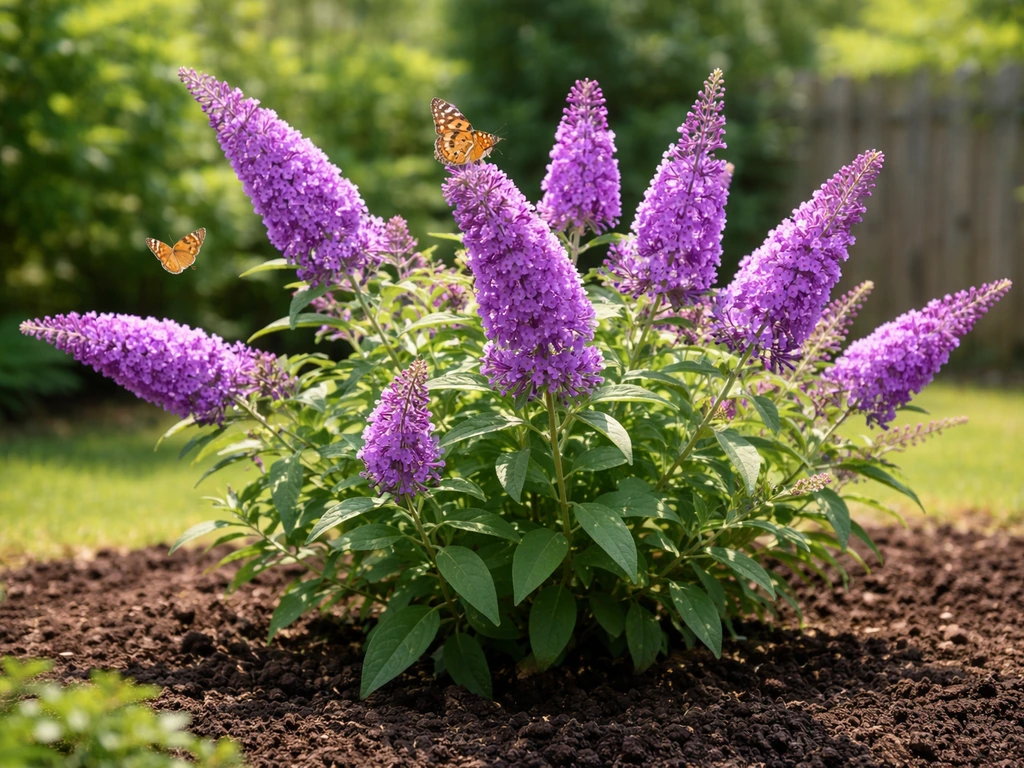
Butterfly bush (Buddleja davidii) is one of the most rewarding shrubs you can grow if you give it two things it truly can't live without: full sun and sharp drainage. Plant it in the right spot, cut it back hard every late winter, and it will reward you with long, fragrant flower spikes from midsummer right through to autumn. Ignore either of those two basics, and you'll end up with a sprawling green blob that barely blooms. The good news is that once you understand what this plant wants, it's actually very forgiving.
How to Grow a Butterfly Bush: Step-by-Step Guide

Harriet Whitmore
27 Apr 2026
Picking the right variety for your climate
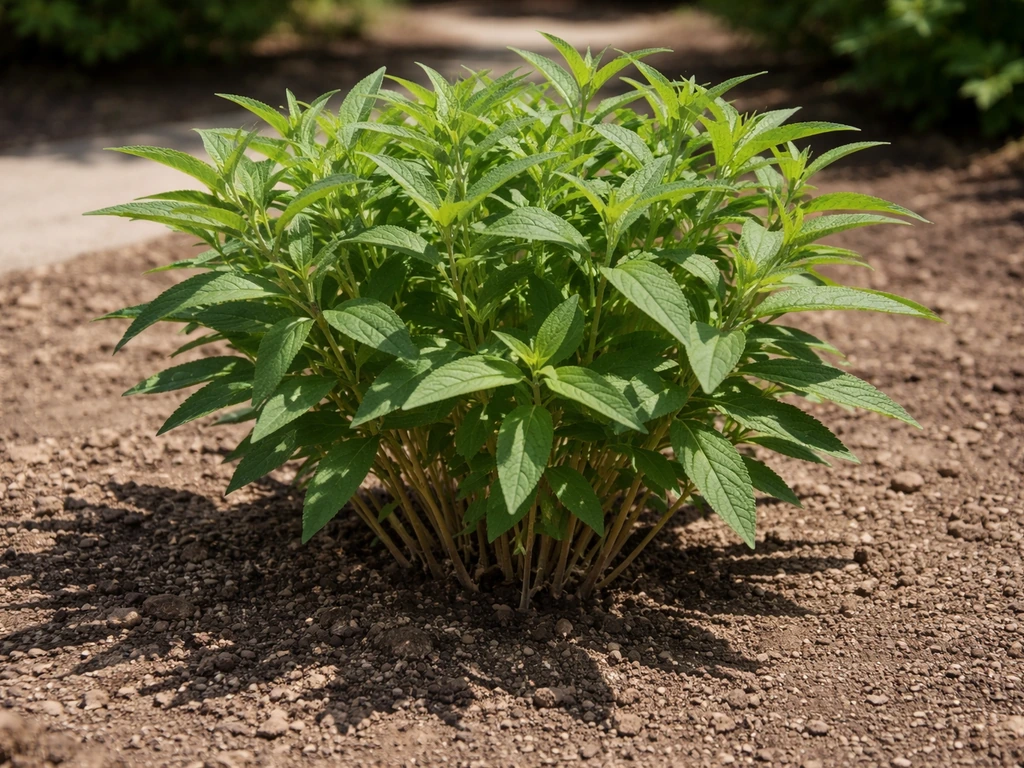
Standard Buddleja davidii cultivars are hardy in USDA zones 5 through 9, so they cover a wide range of the country. Mature plants typically reach 5 to 10 feet tall and equally wide, which surprises a lot of first-time growers who planted one thinking it would stay compact. If you have a smaller garden or want something for a container, look at the Lo & Behold series instead. 'Blue Chip Jr.' tops out at just 20 to 28 inches tall with a 20 to 32 inch spread, and it's also rated to zone 5. The 'Blue Chip' series generally stays low and spreading, making it far more practical for front-of-border planting.
One thing worth knowing before you buy: Buddleja davidii is listed as invasive in parts of North Carolina (the Mountain and Piedmont regions specifically), and it raises concern in other Pacific Northwest and temperate states because it self-seeds aggressively. N.C. Cooperative Extension highlights butterfly bush (Buddleja davidii) among invasive plants found in the mountains of North Carolina. If you're gardening in one of those areas, the sterile or low-seeding cultivars in the Lo & Behold series are a genuinely better choice, not just for the environment but because they often bloom more reliably too. Always check your local invasive plant council listings before planting the straight species.
Sun, soil, and spacing: the non-negotiables
Butterfly bush needs full sun, and I mean real full sun. Aim for at least 8 hours of direct sunlight per day. This isn't a plant that 'tolerates partial shade' without consequences: insufficient sun is the number one reason butterfly bush fails to flower well, and it's almost always the culprit when someone tells me their plant grew big but produced almost no blooms. Plant it in a spot that gets morning and afternoon sun, not just a couple of bright hours.
Soil-wise, butterfly bush is less picky than you might expect, but it absolutely must have good drainage. It actually prefers drier conditions over consistently moist soil. If you have heavy clay, it will struggle because clay holds too much moisture around the roots. Either amend the planting area generously with coarse grit or compost to open up the structure, or choose a raised bed or slope. The ideal soil pH sits between 6.0 and 7.0, which is a pretty standard slightly acidic to neutral range that most garden soils naturally fall into.
For spacing, plan on 4 to 8 feet between plants depending on the cultivar. Standard varieties genuinely need that room. If you crowd them, airflow decreases and the plants can start looking rough. For container growing, use a pot at least 24 inches in diameter. Anything smaller and the plant will become root-bound quickly, which stunts growth and reduces flowering. Smaller cultivars like 'Blue Chip Jr.' do well in containers at that size.
When and how to plant
Starting with a nursery plant (the easiest route)
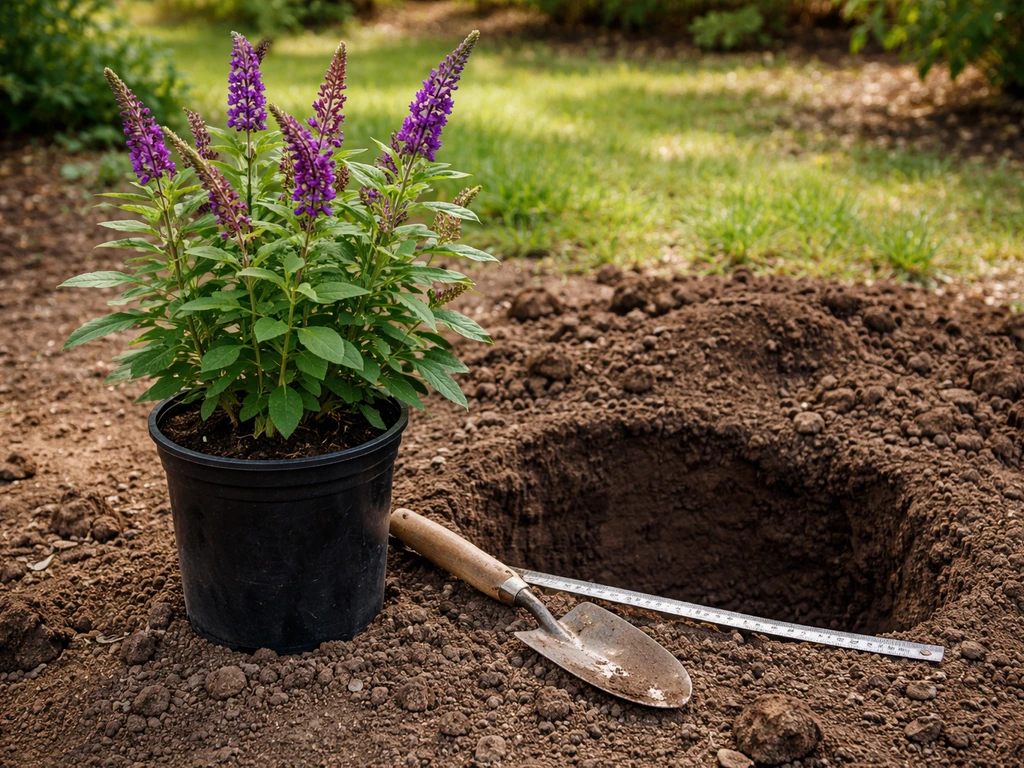
For most home gardeners, buying a nursery-grown plant in a gallon or larger container is the fastest and most reliable path to flowers in your first season. If you want wax begonias instead, the same idea applies: starting with healthy nursery plants can make it much easier to get established nursery-grown plant. Plant it in spring after your last frost date, once soil has warmed up a bit.
Dig a hole about twice as wide as the root ball but no deeper, set the plant so the top of the root ball sits level with the surrounding soil, backfill, water thoroughly, and you're done. Avoid planting in midsummer heat if you can help it because newly planted shrubs struggle to establish roots when temperatures are extreme.
Growing from cuttings
Butterfly bush propagates well from softwood cuttings, which is a good option if you want more plants from an existing one. Take cuttings in late spring to early summer when the new growth is green and flexible but not yet woody. Cut a 4 to 6 inch stem tip, remove the lower leaves, dip the cut end in rooting hormone, and stick it into a pot of moist perlite or propagation mix. Keep humidity high around the cutting (a plastic bag loosely over the pot works fine) and place it in bright indirect light. Roots typically form within a few weeks. Once rooted, gradually move the young plant into more light before hardening it off for outdoor conditions.
Starting from seed
Seed is slower but doable. Butterfly bush seed needs cold stratification first: refrigerate the seeds in a moist paper towel inside a sealed bag for about 4 weeks before sowing. After stratification, sow seeds indoors in a warm spot and expect germination in roughly 30 to 45 days. Once seedlings are established and all frost risk has passed, harden them off gradually by introducing them to outdoor conditions over 7 to 10 days, starting with shade and building up to full sun. One honest caveat: seed-grown plants from named cultivars won't come true to type, so if you want a specific variety, go with cuttings or a nursery plant.
Keeping it healthy through the growing season
Watering
Once established (usually after the first full season), butterfly bush is remarkably drought-tolerant. During the first few weeks after planting, water regularly to help the roots settle in, then back off. Mature plants actually prefer to dry out a bit between waterings. Consistent overwatering or planting in a wet spot is one of the fastest ways to kill a butterfly bush. If your garden tends to stay moist, that's a strong argument for amending the soil or choosing a different site.
Fertilizing
This is where I'd tell you to resist the urge to overdo it. Butterfly bush doesn't need heavy feeding. A light application of a balanced slow-release fertilizer in early spring as growth resumes is plenty. Over-fertilizing, especially with high-nitrogen products, pushes lots of lush green growth at the expense of flowers. If your soil is reasonably healthy, you may not need to fertilize at all beyond the first year.
Mulching
Apply a 2 to 3 inch layer of mulch around the base of the plant, keeping it a few inches away from the main stems to prevent rot. Mulch helps retain some soil moisture during dry spells, moderates soil temperature, and suppresses weeds. For newly transplanted seedlings or rooted cuttings, wait about a month after transplanting before mulching heavily, once the plant is clearly establishing itself.
Pruning for the best blooms
Pruning is probably the single most important thing you can do to make your butterfly bush flower well, and it's also the thing most gardeners are afraid to do properly. Butterfly bush blooms on new wood produced in the current growing season. That means the harder you prune it in late winter, the more vigorous new growth it pushes out, and the more flowers you get. Being too timid with the pruners is what leads to that leggy, woody, barely-blooming shrub you see in neglected gardens.
The timing window is late winter to early spring, before new growth begins. Late February is the target in most of the country. Cut the entire plant back hard, leaving only a short framework of stems, roughly 12 to 24 inches from the ground depending on the size of the plant. Some gardeners cut butterfly bush back almost to ground level and it bounces back just fine.
The key rule: do it before the plant pushes new growth. If you wait until you already see green shoots emerging, you'll sacrifice some of the current season's blooms. If you miss the window entirely and the plant is already leafing out, do a lighter shaping cut and plan to be more aggressive the following late winter.
One creative approach from wildlife gardeners: if you have multiple butterfly bushes, stagger the pruning dates across them (pruning one in January, another in February, another in March) to spread out the flowering times and give pollinators a longer season of blooms. This is a small but satisfying trick that I've found really does extend the show. Also, deadheading spent flower spikes during summer encourages the plant to push new ones, which keeps blooming going from midsummer well into autumn.
One thing to avoid: don't shear butterfly bush into a ball shape with hedge trimmers. That kind of pruning creates a dense, woody shell with dead branches inside and almost no flowers. If your plant has gotten to that point, cut it back hard to rejuvenate it. Most butterfly bushes can handle rejuvenation pruning every 3 to 5 years if they've become overly woody.
Getting through winter and watching it come back
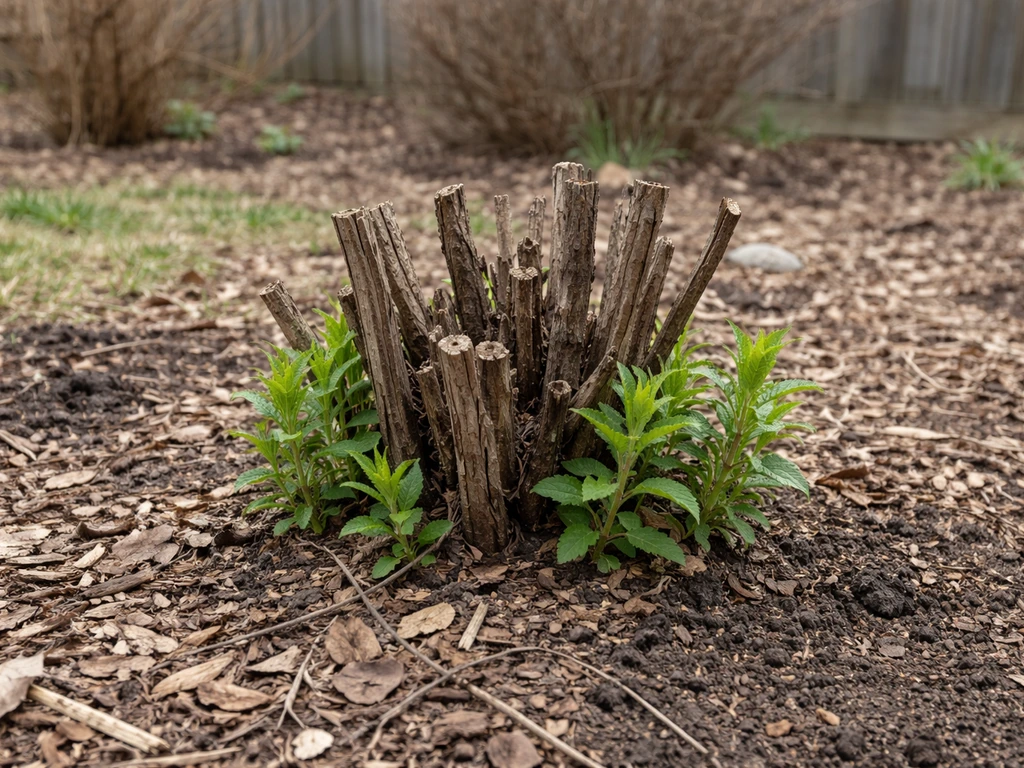
In zones 5 and 6, butterfly bush is technically winter-hardy but often dies back to the ground or close to it during a cold winter. This looks alarming if you're not expecting it, but it's completely normal behavior. The plant is not dead. Come spring, you'll see new growth emerging from the base, sometimes as late as May. Resist the urge to dig it up before then.
To give your plant the best chance in colder zones, hold off on hard pruning until late winter rather than cutting it back in autumn. The old stems actually provide some insulation for the crown through the coldest months. In zones 7 and warmer, dieback is minimal and the plant may retain a woody framework through winter. Regardless of zone, wait until you see new growth before doing your main pruning cut so you can see exactly how much winter damage occurred and cut back to healthy wood.
For less hardy species or cultivars (some of the more unusual buddleja species beyond B. davidii fall into this category), the RHS recommends using horticultural fleece to protect plants through hard frosts. Container-grown butterfly bushes in colder zones should be moved to an unheated but frost-free space like a garage for the winter.
Solving common problems
No flowers (or very few)
This is almost always a sun problem. If your butterfly bush is getting fewer than 6 to 8 hours of direct sun daily, it simply won't bloom well no matter what else you do. The second most common cause is skipping or being too gentle with the annual pruning. If you've been trimming it lightly for years rather than cutting it back hard, the plant becomes increasingly woody with less and less new flowering wood. The fix is a hard rejuvenation cut in late winter and moving the plant to a sunnier spot if transplanting is feasible.
Leggy, floppy growth
Legginess is another pruning problem, combined sometimes with too much shade. If the plant is stretching toward light or has long, arching stems that flop over, that's a sign it needs more sun and a much harder cut next late winter. Don't try to stake a butterfly bush into submission. Address the root cause: light and pruning.
Spider mites and other pests
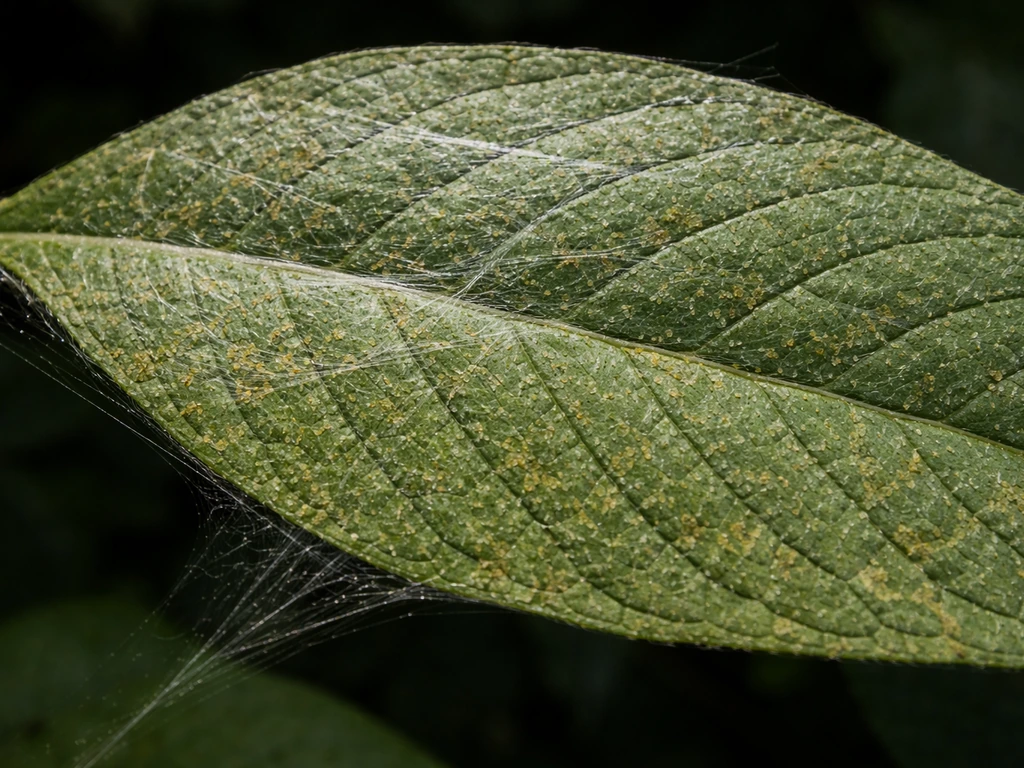
Spider mites are the most common pest problem on butterfly bush, and drought-stressed plants are significantly more vulnerable to them. You'll first notice fine webbing and stippled, dull-looking leaves. The best prevention is keeping the plant adequately watered during dry spells (not overwatered, just not completely parched for weeks on end). If you spot mites, a strong jet of water from a hose knocks them back effectively, or use an insecticidal soap spray. Dieback caused by fungal disease can also occur, particularly in wet conditions or overly crowded plantings, which is another reason good drainage and spacing matter.
Poor establishment after planting
If a newly planted butterfly bush looks sad and stalled for its first month, give it time before panicking. They can take a few weeks to settle in, especially if planted in warm weather. Make sure the planting hole wasn't dug too deep (roots should sit at the same level they were in the pot), water consistently during the first season, and avoid fertilizing heavily right after transplanting. If the plant drops all its leaves but the stems are still green and flexible, it's likely still alive and just stressed.
The 'it's spreading everywhere' problem
If you're finding butterfly bush seedlings popping up in your yard or nearby natural areas, deadhead the spent flower spikes before seeds mature. This is especially important in regions where the plant is considered invasive. Better yet, switch to a sterile cultivar. The Lo & Behold series was bred specifically to address this concern while keeping all the flower power and pollinator appeal.
A note on butterfly gardens
Butterfly bush attracts adult butterflies to its nectar, but it's worth knowing it's not a caterpillar host plant the way milkweed or native plants are. If your goal is supporting the full butterfly life cycle, pair it with native host plants alongside it in the garden. It's a great nectar source but not a complete butterfly habitat on its own.
Your action plan: what to do this week
If you're reading this in late April, you're right at the point where butterfly bush is breaking dormancy in most of zones 5 through 9. Here's exactly where things stand and what to do right now:
- Check your planting site for sun hours. Stand in the spot at 9am, noon, and 3pm. If it's shaded at any of those times, find a sunnier location before you plant.
- If you have an existing butterfly bush that hasn't been hard-pruned yet this year, do it now if new growth is just beginning. Cut back to 12 to 24 inches, cutting to healthy green wood.
- If you're buying a new plant, get a nursery-grown container plant and plant it now after your last frost date has passed. Water it in well and mulch around the base.
- Amend clay or soggy soil with coarse grit before planting, or choose a raised bed. This step is not optional.
- If you're in a region where B. davidii is listed as invasive, pick a Lo & Behold cultivar instead of the straight species.
- Plan to deadhead spent flower spikes through summer to keep the bloom cycle going.
- Mark your calendar for late February next year as your annual hard-prune date.
Butterfly bush is genuinely one of those plants that rewards you once you stop overthinking it. Angel wing begonias have their own specific needs for light, warmth, and watering, so make sure you follow a dedicated guide before planting how to grow angel wing begonias. Dragon wing begonias have similar appeal, but you’ll want to follow specific tips for light, warmth, and moisture so they thrive how to grow dragon wing begonias.
Wax begonias also have their own best practices for light, warmth, and watering, so it helps to follow a dedicated guide when you plant them. You can use the same basic approach, but butterfly begonias need different light and watering than butterfly bush how to grow butterfly begonias. If you want more specific steps, follow a guide dedicated to how to grow butterfly begonias for the best results butterfly begonias need different light and watering.
Get the sun right, cut it back hard every late winter, keep it out of wet soil, and you'll have a shrub covered in fragrant flower spikes that butterflies and bees absolutely can't resist from July through September. If you enjoy growing plants that attract pollinators, it pairs beautifully in the garden with other summer-blooming favorites like angelonia, which shares that same love of heat, full sun, and well-drained soil. If you want a warm-weather alternative with similar sun and drainage needs, this guide on how to grow angelonia will walk you through the basics.
FAQ
Can I grow butterfly bush in containers, and how should I manage watering?
Yes, but use the right cultivar and expect a shorter flowering window if you let it dry out too much. A container butterfly bush needs a very large pot (at least 24 inches), frequent checks for moisture, and a strict full-sun location. Also plan on watering more often in summer because pots lose moisture faster, while still keeping the mix fast-draining so the roots do not sit wet.
My butterfly bush is growing leaves but not flowers. What should I check first?
If it looks green but has few blooms, first verify you are giving at least 6 to 8 hours of direct sun. If sun is correct, the next most common issue is pruning that is too light or too late. Cut it back hard in late winter before new shoots emerge, because it flowers on new growth from the current season.
Do I need to prune butterfly bush in summer, or is late-winter cutting enough?
For long-term shape and bloom, most gardeners do not need to remove individual branches during the growing season. Instead, focus on late-winter hard pruning and summer deadheading of spent flower spikes if you want more flushes. If you see a single broken or diseased stem, remove that stem anytime, but avoid heavy summer cuts because you will reduce the current season’s flowering wood.
What’s the downside of shearing butterfly bush like a formal hedge?
You should not use hedge-trimmer shearing into a tight ball. That creates woody, dense interior growth and starves the plant of the fresh, new shoots it needs for flower spikes. If your plant has already been sheared for years, do a rejuvenation cut in late winter and then return to hard annual pruning rather than shaping with a trimmer.
Will deadheading alone keep butterfly bush blooming, or do I still need hard pruning?
Deadheading helps, but it will not replace the hard pruning requirement. In summer, cut off spent spikes soon after they fade to encourage new flowering later in the season. The plant will still rely on the late-winter cut to reset the structure and generate the most productive new flowering wood.
How do I troubleshoot butterfly bush cuttings that won’t root?
If you want to propagate from cuttings, the best results usually come from semi-hardwood, green but not overly soft growth, taken in late spring to early summer. Keep rooting medium evenly moist but not soggy, and use a bright but indirect light setup. If cuttings fail, the usual causes are letting the cut end dry out, low humidity, or using a medium that stays wet and rots the stem.
Can I grow butterfly bush from seed and keep the same flower color as my plant?
Seed can work, but named cultivars typically do not come true to type, so you may end up with different flower color or habit. If you want the exact variety you bought, use cuttings or start with a nursery plant. Also, plan on cold stratification (about 4 weeks) and the fact that germination can take roughly 30 to 45 days.
What’s the best way to winter butterfly bush in a cold climate, especially in a container?
Yes, but match the protection method to the climate and container size. In colder zones, move the pot to an unheated but frost-free spot (like a garage) for winter, and avoid letting it stay continuously wet. If your ground is marginally hardy, delay hard pruning until late winter so you can see how much died back and prune to healthy wood.
How much fertilizer should I use, and what happens if I overfeed butterfly bush?
No, and this is a common mistake. Butterfly bush generally does best with light feeding, especially a balanced slow-release fertilizer applied in early spring. High-nitrogen fertilizers push leafy growth and can reduce flowering. If your soil is reasonably fertile, you might not need fertilizer beyond the first year.
My new butterfly bush looks stressed after planting. How can I tell if it’s normal or a problem?
Wilting or leaf drop for a few weeks after planting can be normal, especially in warm weather or if the planting hole was deeper than the root ball. However, you should watch for signs of dehydration versus overwatering. Water consistently during the first season to settle roots, then ease off once established, and ensure the site drains well because wet feet can quickly lead to decline.
What should I do if butterfly bush seedlings are showing up in my yard?
If you suspect the plant is invasive in your area, the safest approach is to choose a low-seeding or sterile cultivar rather than the straight species. In addition, deadhead spent spikes before seeds mature to reduce self-sowing. If you do see seedlings nearby, remove them promptly and check local guidance on acceptable cultivars.
Next Article
When Do Begonias Start to Grow? Timing, Types & Planting Calendar
When do begonias start to grow: clear planting dates, timelines by type, and quick care fixes for reliable starts.