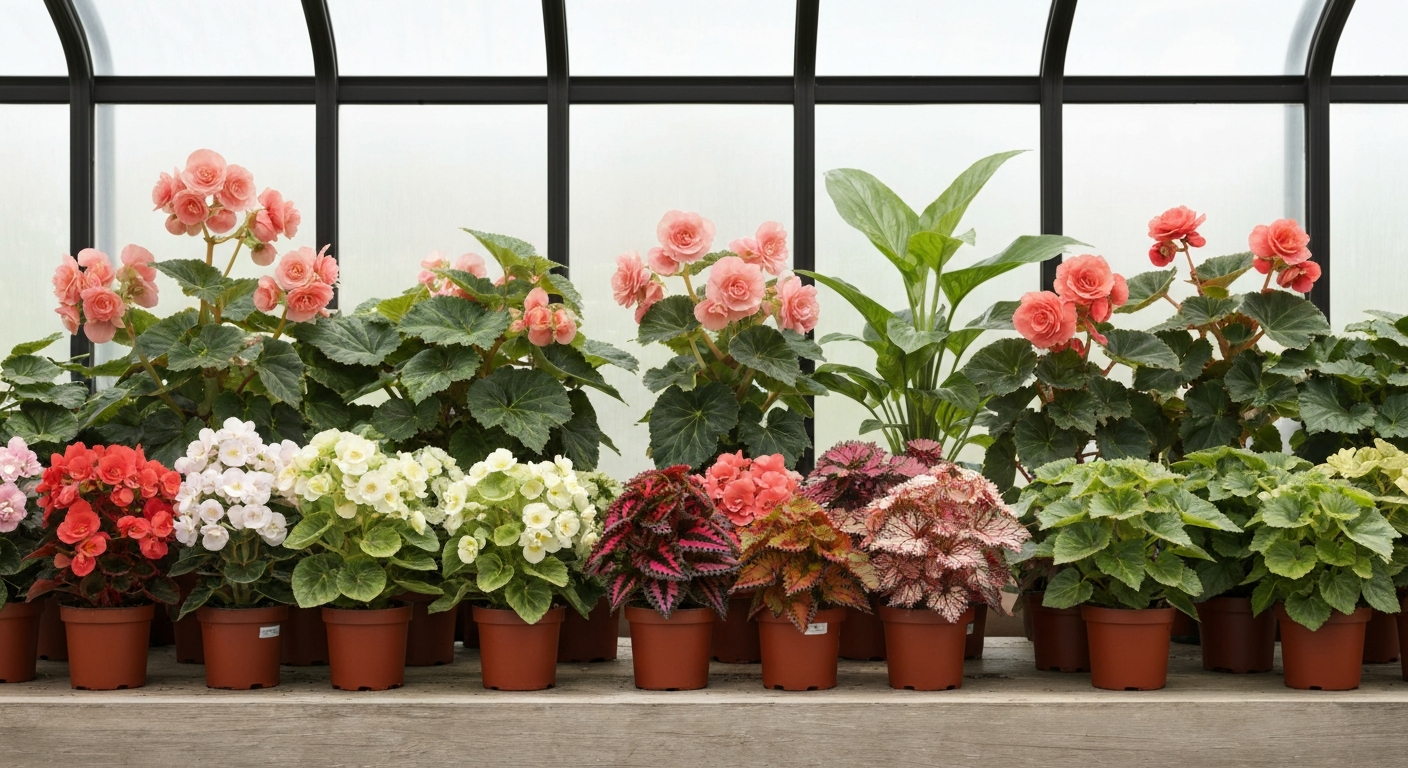
Geraniums are genuinely one of the most rewarding flowering plants you can grow, whether you're keeping them in pots on a windowsill or planting them out in the garden. If you are also trying geums, the approach is different, so it helps to read up on how to grow geums before you start planting. Give them full sun, well-drained soil, regular pinching, and a balanced feed every couple of weeks, and they'll reward you with months of bright, bold blooms. The learning curve is gentler than most flowering plants, but there are a handful of specific things that make the difference between a scraggly, barely-blooming plant and a full, floriferous one that stops people in their tracks.
How to Grow Geranium Plants: From Cuttings to Bloom

Harriet Whitmore
23 Apr 2026
Choosing the right geranium type and variety
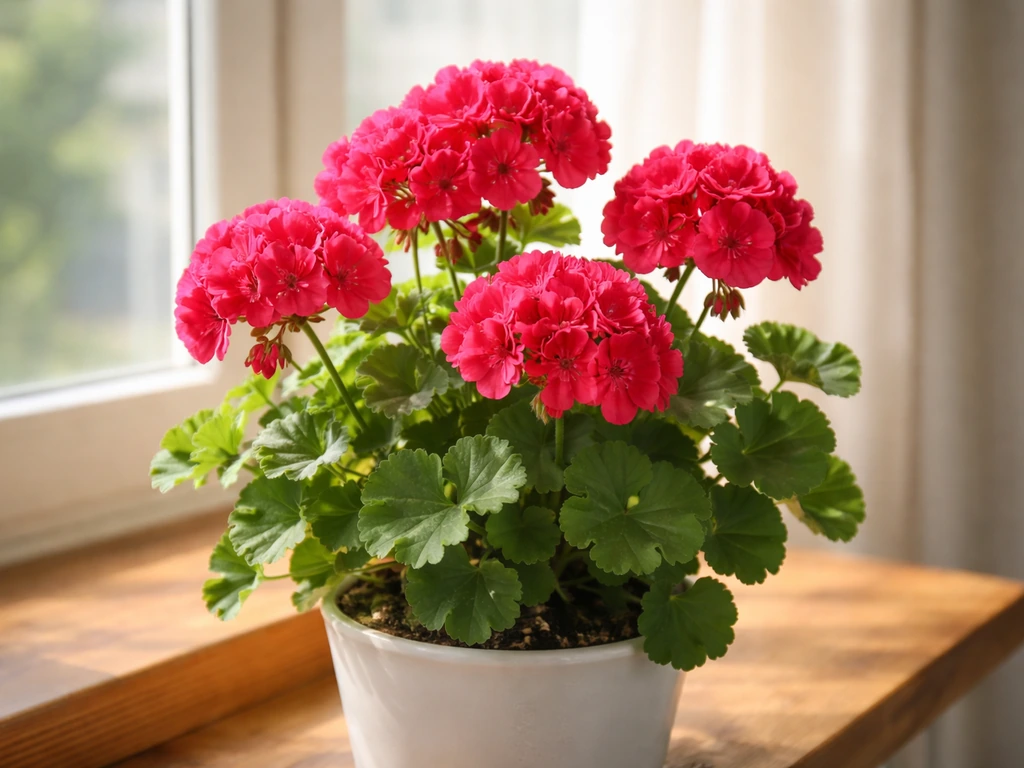
The word 'geranium' covers several distinct types, and choosing the right one for your situation is the first decision that matters. All of the most popular garden geraniums are technically Pelargoniums, but most gardeners still use the common name without any confusion.
| Type | Latin Name | Best Use | USDA Hardiness | Key Trait |
|---|---|---|---|---|
| Zonal geranium | Pelargonium × hortorum | Beds, borders, containers | Tender (annual outside Zones 10–11) | Most common; bold flower clusters, sun-loving |
| Ivy geranium | Pelargonium peltatum | Hanging baskets, trailing containers | Zones 10–11 (tender elsewhere) | Trailing habit; glossy, ivy-shaped leaves |
| Martha / Lady Washington | Pelargonium × domesticum | Containers, indoors | Tender | Intense flower colors; prefers cooler temps |
| Scented geranium | Various Pelargonium spp. | Herb gardens, containers | Tender | Aromatic foliage; flowers are secondary |
For most home gardeners, the zonal geranium is the go-to starting point. It's the most forgiving, produces the biggest flower heads, and adapts well to both pots and garden beds. Ivy geraniums are worth seeking out if you want something that cascades beautifully from a hanging basket or window box. Martha Washington types have stunning, almost orchid-like flowers but prefer cooler growing conditions, so they can be trickier in a hot summer garden. Scented geraniums and climbing geraniums are their own rewarding rabbit holes entirely, with very specific care needs worth exploring separately. Scented geraniums and climbing geraniums are their own rewarding rabbit holes entirely, with very specific care needs worth exploring separately how to grow scented pelargoniums. Once you know what type of climbing geranium you have, you can follow a specific care routine to keep it thriving and blooming climbing geraniums.
Within the zonal group, look for named varieties bred for compact growth and heavy flowering: 'Maverick', 'Orbit', and 'Multibloom' series are all reliable performers with excellent heat tolerance. For something more unusual, the 'Tornado' series in ivy geraniums gives you incredible basket coverage with minimal fuss.
Starting from seed vs. cuttings and getting strong roots

You have two practical routes into growing geraniums: starting from seed or propagating from cuttings. Both work, but they suit different situations and have very different timelines.
Growing from seed
Starting geraniums from seed is entirely doable, but you need to start early. Sow indoors 12 to 16 weeks before your last expected frost. Use a sterile seed-starting mix, press seeds lightly into the surface (don't bury them deeply), and maintain soil temperature around 70 to 75°F for good germination. A heat mat helps enormously here. Germination can take 5 to 15 days depending on variety and temperature. Seedlings are slow to establish compared to cuttings, which is why commercial growers use bottom heat around 70 to 74°F to speed things up. Once seedlings have two true leaves, pot them on into 3-inch containers and grow them on in bright light.
Propagating from cuttings
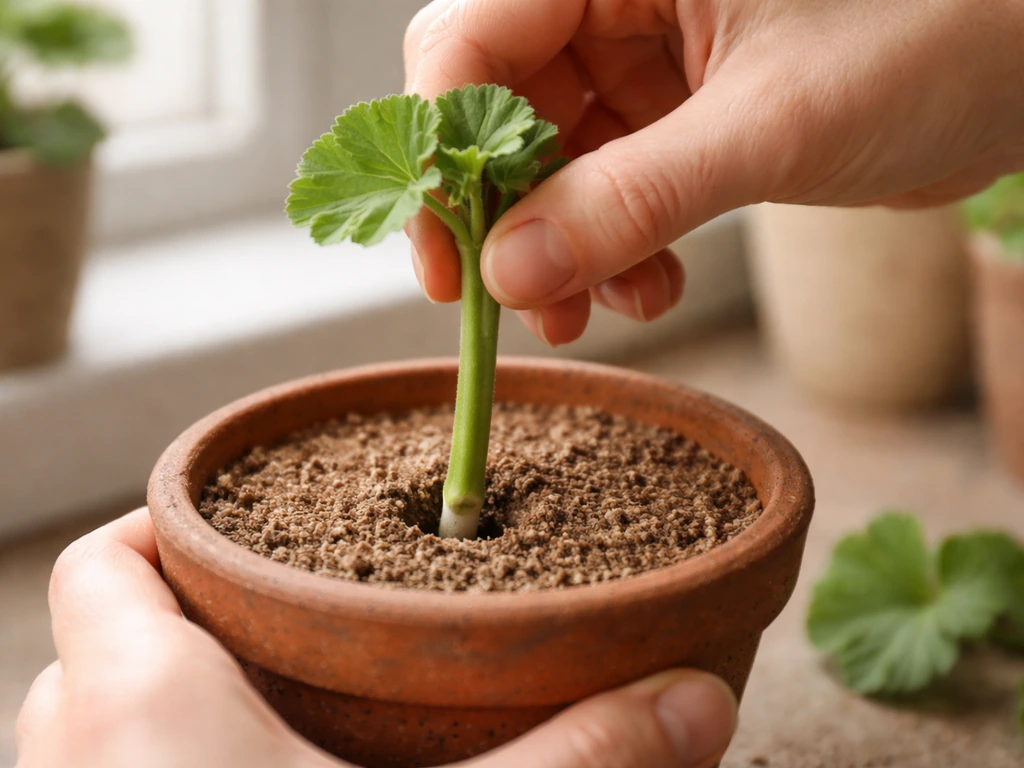
Cuttings are faster, free (if you already have a plant), and produce clones of the parent, so you know exactly what you're getting. Take a 3 to 4 inch stem tip cutting just below a leaf node, strip the lower leaves, and let the cut end dry in the air for an hour or two. This is slightly different from most cuttings, as geraniums are prone to stem rot if you plant a fresh, wet cut. Then dip the cut end into rooting hormone powder and insert the cutting into a pot of moist perlite or a 50/50 mix of perlite and multipurpose compost. Keep it at around 65 to 70°F and don't cover it with a humidity dome, as geraniums actually prefer lower humidity during rooting. Roots typically develop in 3 to 4 weeks. Once the cutting resists a gentle tug, it's rooted and ready to pot on.
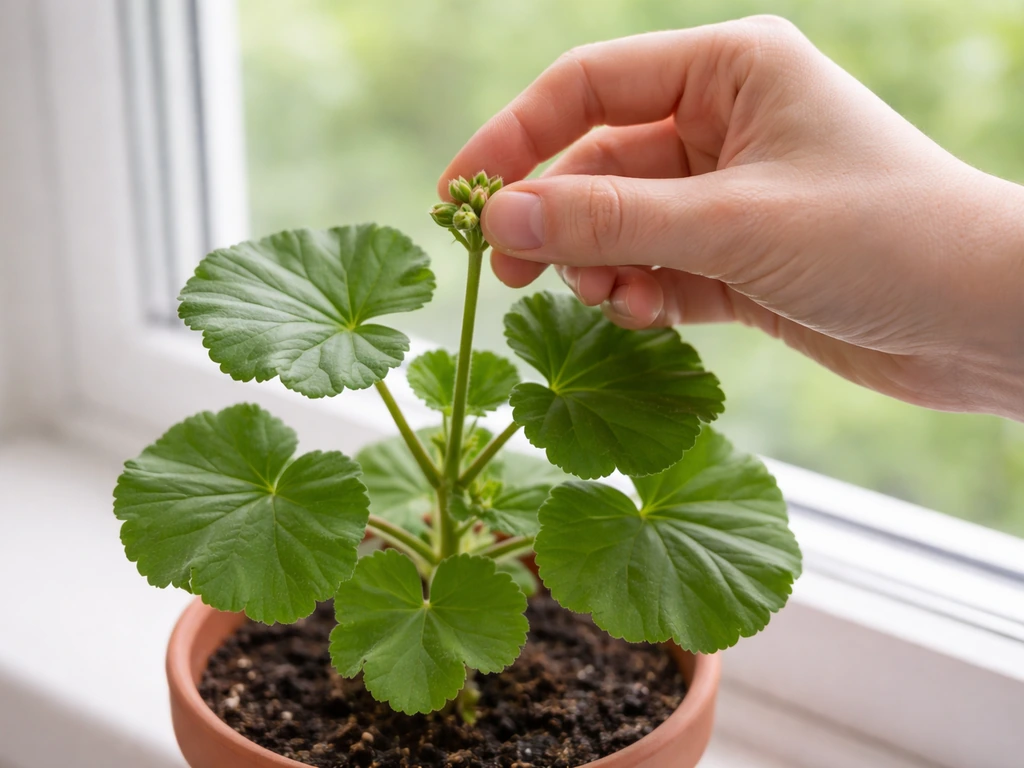
Pinch the tip off young plants after they have 4 to 5 leaves. This single step makes an enormous difference: it forces the plant to branch from lower nodes rather than growing straight up, giving you a naturally bushy plant rather than one long stem. I've skipped this step before and regretted it every time.
Planting setup: soil, pot size, light, and watering
Soil
Geraniums need fertile, well-drained soil above almost everything else. If you want more step-by-step guidance beyond geranium-specific care, this guide on how to grow gerbera plants can help you compare light, soil, and watering needs. Heavy, waterlogged soil is the number one killer. In the ground, work in plenty of compost and, if your soil is clay-heavy, grit or coarse sand to open up the drainage. In pots, use a good-quality potting mix rather than garden soil, and always use containers with drainage holes. Some growers add 20 to 30% perlite to their potting mix to improve drainage further, and this is worth doing if you tend to overwater or live somewhere with high rainfall.
Pot size
Start young plants in pots that are only slightly larger than their root ball. A 4-inch pot is right for a rooted cutting; move up to a 6-inch pot as it fills out, then to an 8 to 10-inch pot for a mature specimen. Geraniums actually bloom better when slightly root-bound, so resist the urge to pot them into something huge too early. An oversized pot holds excess moisture around the roots and slows flowering.
Light

Full sun is non-negotiable for zonal geraniums. They need at least 6 hours of direct sun daily to bloom well. Partial shade cuts bloom production significantly. For houseplants or windowsill growing, a south- or west-facing window is best. If you don't have a bright enough spot, a grow light positioned 4 to 6 inches above the plant for 14 to 16 hours a day will compensate. Inadequate light is the most common reason a geranium indoors refuses to flower or stretches into a leggy, sad-looking plant.
Watering
Water thoroughly, then let the top inch or two of soil dry out before watering again. Geraniums are far more drought-tolerant than they are tolerant of soggy roots. If you're also curious how to grow gypsophila, it helps to know that its care focuses on similarly excellent drainage and plenty of light for healthy, airy growth. When you water, water at the base of the plant rather than overhead. Wet foliage sitting overnight is a reliable way to invite gray mold (Botrytis), one of the most common geranium diseases. In summer, outdoor containers may need watering every day or two in hot weather, while houseplants in cooler, shadier conditions might only need water once a week. Watering needs vary based on the container and the growing medium, so adjust your schedule to match your setup for healthy flowering plants blank" rel="noopener noreferrer">watering every day or two in hot weather.
Feeding and care routine for healthy, vigorous growth
Geraniums are moderate feeders. A consistent, light feeding routine beats occasional heavy doses. During the growing season (spring through early autumn), feed every 2 weeks with a balanced, water-soluble fertilizer. A 20-20-20 balanced formula works well for overall growth; some gardeners switch to a higher-potassium feed (like a tomato fertilizer) once plants are established and actively budding, as potassium encourages flower production. If you prefer a more dilute, gentle approach, a half-strength all-purpose liquid feed applied with every other watering is a reliable method.
Stop feeding in late autumn and through winter for plants being kept indoors. Feeding during dormancy or low-light winter months pushes weak, leggy growth that does the plant no favors. Resume feeding in late winter or early spring as day length increases and new growth becomes active.
Deadheading is the other essential routine task. Snap or cut off spent flower clusters right at the base of their stem, not just the individual florets. This prevents the plant from directing energy into seed production and keeps new flower buds coming. I try to deadhead every few days during peak flowering, and the difference in bloom quantity compared to leaving spent flowers is genuinely dramatic.
How to trigger and maintain flowering
If your geranium isn't flowering, light is the first thing to check. If you want extra fragrance, look for scented varieties and adjust light, feeding, and deadheading to support their aromatic oils. Bright light is the primary trigger for bloom production, and a plant sitting in a dim spot will put energy into stretching toward light rather than flowering. Move it to your sunniest available spot before trying anything else.
Beyond light, consistent deadheading keeps the flowering cycle going. Once the plant sets seed, it's physiologically 'done' for that stem, so removing spent blooms before seeds develop tells the plant to keep trying. Pair this with regular feeding to give the plant the nutrients it needs to keep producing new buds.
Temperature also plays a role. Geraniums prefer daytime temperatures between 65 and 80°F and can slow or stop blooming in extreme heat above 90°F. In very hot summers, some afternoon shade can actually help maintain flowering by keeping temperatures manageable for the plant. Martha Washington types are even more temperature-sensitive, preferring cooler conditions to set buds, which is why they're often at their best in spring and autumn rather than midsummer.
For houseplants that have stopped flowering, a period of slightly cooler temperatures at night (around 55 to 60°F) in late winter can stimulate the next flush of blooms as temperatures warm again in spring. It mimics the natural seasonal rhythm these plants evolved with.
Getting bigger, thicker plants
The secret to a big, full geranium is repeated pinching in the early stages of growth. Every time you pinch out a growing tip, the plant produces two new shoots from the nodes below. Do this three or four times during the first growing season and you'll end up with a plant that has dozens of flowering stems rather than just a few. It feels counterintuitive to remove growth when you want more plant, but it's the single most effective technique for building a genuinely impressive specimen.
Pinch just above a leaf node using your fingers or a clean pair of scissors. Do this when stems reach 4 to 6 inches long, wait for the new growth to reach 4 to 6 inches, and pinch again. Stop pinching about 6 to 8 weeks before you want the plant to be in full bloom, as the new stems need time to mature and set buds.
Pot size management also contributes to overall plant size. As the plant fills its container and becomes root-bound, move it up one pot size (usually 2 inches larger in diameter). Repotting into fresh, nutrient-rich compost gives the roots room to expand and the plant a new reservoir of nutrients to draw from. Doing this in early spring, just as growth resumes, gives the plant the whole season to fill the new space.
Don't underestimate the value of overwintering your plants rather than starting fresh each year. A second or third year geranium that has been well maintained develops a thick, woody base and a much larger root system, which supports exponentially more growth and flowering than a young plant ever will. This is one area where patience genuinely pays off.
Troubleshooting: common problems and fixes

Yellowing leaves
Yellow leaves are one of the most common complaints with geraniums, and the cause is usually one of three things: overwatering, low light, or natural senescence of lower leaves. Check the soil first. If it's consistently wet or the pot feels heavy days after watering, you're overwatering. Let the soil dry more between waterings and check that drainage holes are clear. If light is the issue (and the plant is indoors), move it to a brighter spot. If it's just the lowest leaves yellowing while the upper growth looks healthy, that's normal aging and you can simply remove them.
Leggy, weak growth
Long, stretched-out stems with wide spacing between leaves is almost always a light problem. The plant is reaching toward whatever light source it has. Move it somewhere brighter or supplement with a grow light. Cut the leggy stems back hard to a healthy node, water in a dilute balanced feed, and the plant will typically respond with bushy new growth once light levels improve.
Gray mold (Botrytis)
Botrytis appears as gray, fuzzy mold on stems, leaves, or flowers, usually when conditions are cool and damp. Remove all affected plant material immediately and dispose of it (don't compost it). Improve air circulation around the plant, stop watering overhead, and water in the morning so any moisture on foliage dries quickly. Avoid splashing water onto leaves when you water. In severe cases, a fungicide labeled for Botrytis can help, but the cultural fixes are what actually stop it from recurring.
Root rot
Root rot is almost always caused by overwatering combined with poor drainage. If a plant suddenly wilts even though the soil is moist, or if stems at the base turn black and mushy, suspect root rot. Unpot the plant, cut away all blackened roots with clean scissors, dust the healthy roots with a fungicide powder, and repot into fresh, well-draining mix. Discard any cuttings taken from severely infected plants, as the pathogen can transfer and cause rot in the new cuttings too.
Common pests
- Aphids: soft, clustered insects on new growth and flower buds. Blast off with water or treat with insecticidal soap.
- Whitefly: tiny white insects that flutter up when you disturb the plant. Yellow sticky traps help monitor and reduce numbers; neem oil or insecticidal soap for more serious infestations.
- Vine weevil: if a plant suddenly collapses with no obvious above-ground cause, check for vine weevil grubs in the compost eating the roots. Use biological controls (nematodes) in spring and autumn.
- Spider mites: fine webbing under leaves and a stippled, dusty appearance on foliage, usually in hot, dry indoor conditions. Raise humidity slightly and treat with neem oil or a miticide.
Slow or no growth
If a geranium simply isn't growing, the usual suspects are insufficient light, cold temperatures, or a root-bound pot that has exhausted the available nutrients. Check all three. If the plant has been in the same pot for more than a year without fresh compost, repot it in spring and resume feeding. Geraniums generally don't push much new growth below about 50°F, so if temperatures are on the cool side, patience is often the answer.
Seasonal timeline: houseplants vs. outdoor gardens
What you should be doing with your geraniums right now depends heavily on whether they're indoors year-round or going outside for the summer. Here's a practical month-by-month framework to work from.
| Season / Month Range | Outdoor Garden | Houseplants / Indoor |
|---|---|---|
| Late winter (Jan–Feb) | Start seeds indoors 12–16 weeks before last frost. Take cuttings from overwintered plants. | Resume feeding with dilute balanced fertilizer as day length increases. Repot if root-bound. |
| Early spring (Mar–Apr) | Pot on seedlings and cuttings. Begin hardening off plants for outdoor planting. | Move to brightest window. Increase watering frequency as growth picks up. Pinch tips. |
| Late spring (May) | Plant out after last frost when soil has warmed. Plant in full sun with well-draining soil. | Continue regular feeding every 2 weeks. Deadhead regularly. |
| Summer (Jun–Aug) | Water frequently in heat; deadhead every few days. Feed every 2 weeks. Watch for pests. | Maintain bright light (supplemental if needed). Water when top inch dries out. |
| Early autumn (Sep–Oct) | Take cuttings before first frost. Begin moving tender plants indoors. | Reduce feeding. Continue deadheading and watering normally. |
| Late autumn / winter (Nov–Dec) | Store dormant plants at 50–60°F or take cuttings to overwinter indoors. | Reduce watering. Stop feeding. Keep in bright light. Minimum temp 45–50°F. |
If it's currently April 2026 and you're in a temperate climate, you're in the sweet spot for action. Start hardening off any indoor geraniums or purchased bedding plants by putting them outside in a sheltered spot for a few hours each day, gradually increasing exposure over 7 to 10 days before leaving them out permanently after your last frost date. If you haven't taken cuttings from last year's plants yet, do it now while the overwintered material is actively shooting new growth.
For houseplant growers, spring is the time to repot, resume feeding, and move plants to the brightest spot you have. If your geranium has been sitting in a dim window all winter looking sorry for itself, a move to a sunny windowsill and a liquid feed will often produce new growth within a couple of weeks. Give it the right conditions and it will almost always bounce back.
FAQ
Should I trim leggy geraniums or just wait for them to flower again?
If the stems are long and the plant is stretched, waiting usually means more stretching. Cut the stems back to a healthy node (where leaves emerge), then increase light immediately. After the cut, water normally but lighten up on fertilizer for 1 to 2 weeks, then resume a balanced feed. New branching typically starts within a couple of weeks if light is strong.
How do I know if my geranium is zonal or something else when the label is missing?
Look at the growth habit and leaf markings. Zonal types usually have rounder, upright growth with distinct leaf zones, and the flowers form solid, large heads. Ivy types trail or cascade, often with more trailing stems. Martha Washington often has softer, cooler-preference behavior and more delicate, showy blooms. If you can share a photo and whether it trails, I can help narrow it down.
Can I grow geraniums from store-bought cut stems in water?
Geraniums will sometimes root in water, but it increases the risk of stem rot because the cutting stays wet too long. For the best success, keep the cut end dry briefly (an hour or two), then root in moist perlite or a perlite and compost mix at about 65 to 70°F. If you already started in water, switch quickly to a well-draining rooting medium once roots appear.
What’s the best way to prevent stem rot when I root cuttings?
Use perlite-heavy, fast-draining media, let the cut end air-dry before planting, and avoid covering the cutting with a humidity dome. Bottom heat around 65 to 70°F helps without keeping everything constantly soggy. Also, don’t water so much that water pools in the base of the pot or under the insert tray.
Why are my geranium buds dropping before they open?
Most bud drop is linked to inconsistent conditions, especially low light, irregular watering, or sudden temperature swings. Confirm you have at least 6 hours of direct sun outdoors, or use a grow light indoors. Water thoroughly, then wait until the top inch or two dries. If nights are cool or heat spikes above about 90°F, try partial afternoon shade outdoors or move the pot slightly away from cold window glass indoors.
Do geraniums need fertilizer year-round, or can I feed in winter?
If you keep plants indoors through winter, stop regular feeding during the dark, slower-growth period. Fertilizing then often leads to weak, leggy growth. Resume feeding in late winter or early spring when new growth begins and day length increases. Use half-strength if growth is still minimal.
Is deadheading enough to keep blooms coming, or do I need to cut more?
Deadheading spent flower clusters keeps the plant from switching into seed production, but it won’t fix structural issues caused by poor light or lack of pinching. If blooms slow and the plant has long, unbranched stems, pinch or cut back to a node in early season so new flowering stems form. Deadhead regularly during peak bloom.
How root-bound should my geranium be before I repot?
Repot when roots have filled the pot and the plant starts drying out faster than usual, or when growth stalls despite good light and feeding. When you move up, choose only about one pot size larger (roughly 2 inches in diameter). Overpotting into a much larger container often increases soggy-root risk and delays flowering.
What’s the safest watering method to avoid gray mold (Botrytis)?
Water at the base of the plant, keep foliage dry overnight, and water in the morning so any accidental splashes dry quickly. Improve airflow around plants, especially in humid weather. Avoid overhead watering, and remove spent flowers promptly since damp, dead material can become a mold hotspot.
How can I tell yellowing leaves are overwatering versus natural aging?
Check the pattern. If lower, older leaves yellow while the top growth stays green and firm, it’s usually normal. If leaves yellow along with consistently wet soil, heavy pot weight, or mushy stems, it’s likely overwatering. Improve drainage and let the top layer dry more thoroughly before the next watering.
My geranium won’t grow, but the soil seems dry, what should I check next?
After light and soil moisture, the next most common issue is temperature or an exhausted pot. Geranium growth slows significantly below about 50°F, so cold spots near windows can stall it. Also repot in spring if it has been in the same container for over a year without fresh compost and resume feeding.
Can I save a geranium that has root rot?
Sometimes, if you catch it early. Unpot, cut away all blackened mushy roots with clean scissors, discard severely infected sections, and repot into fresh, well-draining mix. Dust healthy roots with fungicide powder if you have it, then keep the plant drier than usual while it recovers. Cuttings taken from badly infected plants are best discarded because the problem can transfer.
When should I bring outdoor geraniums back inside?
Bring them in before nights drop too cool, since growth slows around the 50°F range. If you have borderline temperatures, acclimate gradually by increasing indoor time over several days. Once inside, place them in the brightest window you have and do not rush into full feeding until you see steady new growth.
Next Article
When Do Begonias Start to Grow? Timing, Types & Planting Calendar
When do begonias start to grow: clear planting dates, timelines by type, and quick care fixes for reliable starts.