Pansies grow best in cool weather, and that single fact controls everything about when to plant them. If you get the timing right, they bloom like crazy. Get it wrong and you end up with leggy, heat-stressed plants that fizzle fast. The good news: once you understand their cool-season preference, scheduling them becomes pretty straightforward. Whether you're planning for spring color, fall interest, or even winter blooms in a mild climate, there's a window that works for you.
When to Grow Pansies: Planting Dates by Season

Harriet Whitmore
17 Apr 2026
Why cool weather is the whole game with pansies
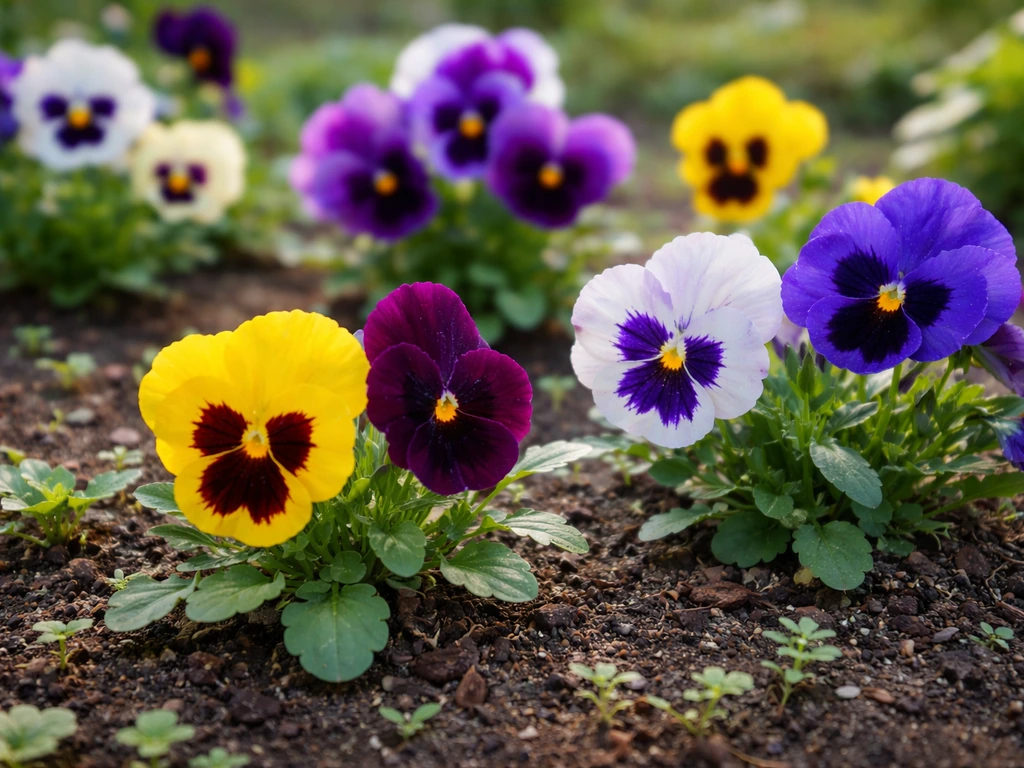
Pansies (Viola × wittrockiana) are classic cool-season annuals. They thrive when daytime temperatures sit in the 45–65°F range and struggle hard once heat arrives. Research has confirmed that warm temperatures directly inhibit flowering in pansies, which is why a plant that looked fantastic in April can look completely defeated by June. This isn't a soil problem or a watering problem, it's a temperature problem. Knowing this shapes every decision about when to plant, when to sow seed, and when to expect blooms.
Before diving into specific windows, it helps to understand that pansies essentially have two peak seasons: spring and fall. In mild-winter climates (roughly USDA zones 8–11), they can flower all winter long. In colder zones, they bridge the gap between the last frost and summer heat in spring, and between first cool nights and killing frost in fall. If you're thinking about where to grow pansies in your garden, keep in mind that a spot with morning sun and afternoon shade extends their season noticeably in warmer areas.
Planting windows by season: spring, fall, and winter
Spring planting
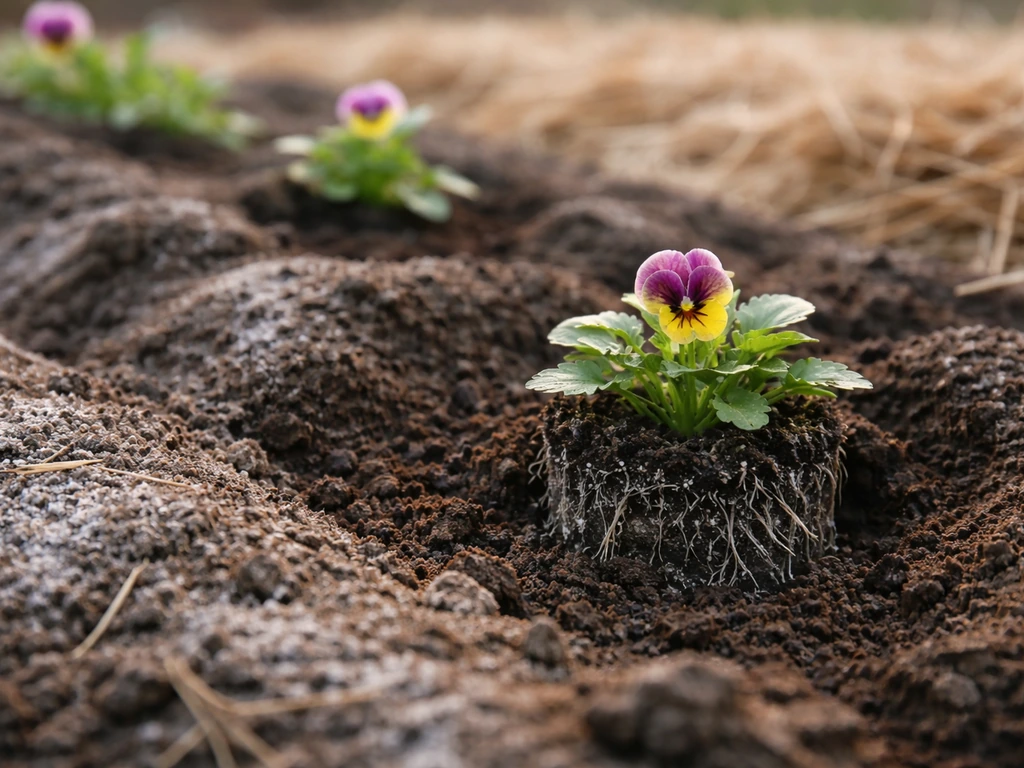
For spring blooms, set out transplants as soon as the ground is workable and nighttime temperatures aren't dropping below about 25°F consistently. Pansies can handle a light frost, but hard freezes will damage them. In most cold-winter zones (4–7), that means transplanting outdoors anywhere from late March to mid-April. The goal is to get them established before temperatures regularly hit the 70s, because once that happens, flowering slows and the plants start declining. You're essentially racing the calendar from the cold end rather than the warm end.
Fall planting
Fall is actually my favorite time to plant pansies, and it's underused by most home gardeners. The strategy: set seedlings or transplants out about 6 weeks before your average first killing frost. For fall planting, USU Extension advises setting pansy seedlings or transplants out about 6 weeks before your average first killing frost set seedlings or transplants out about 6 weeks before your average first killing frost. Soil is still warm from summer (ideally between 45–70°F), which encourages fast root development, but air temperatures are cooling toward that sweet spot pansies love. Plants that go in during fall build strong root systems and then bloom heavily as spring arrives. The general rule of thumb is to target a planting window that's 6–10 weeks before your expected first frost date.
Winter blooms in mild climates
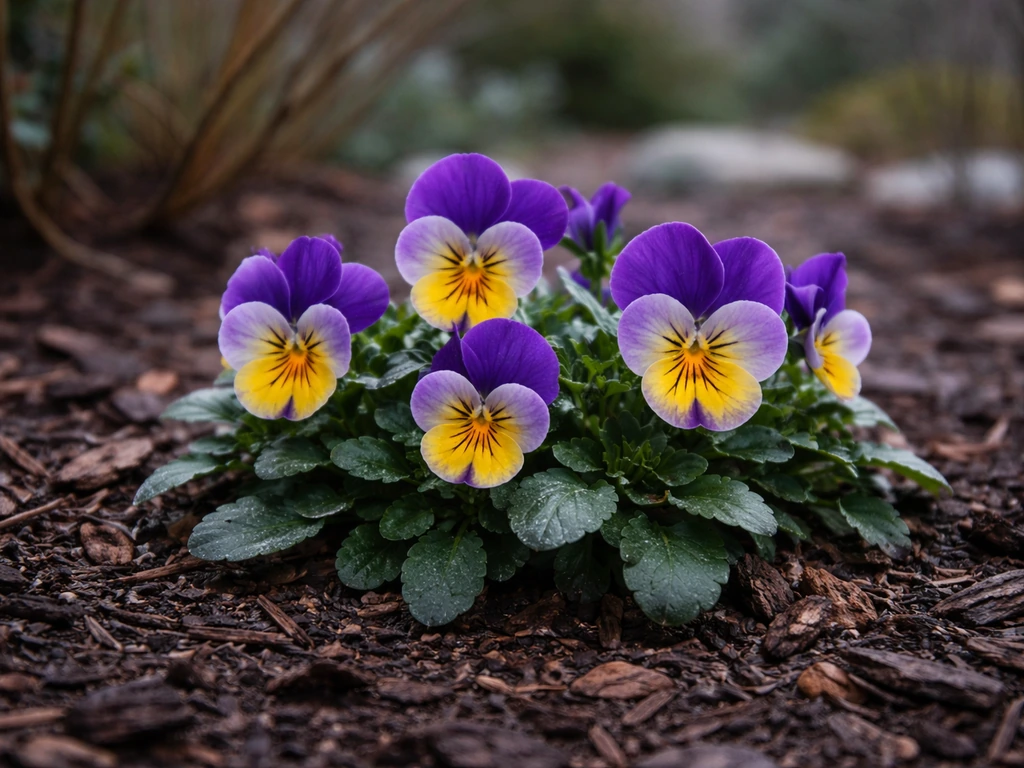
If you're in zones 8–11, pansies can be your winter flower. UF/IFAS research confirms they perform best during cool spring and fall days and can grow and flower through winter in warmer zones. In zones 10 and 11, the recommended planting months are November and December. You're not fighting frost, you're just waiting for temperatures to come down from summer heat. Once soil temperatures drop below 60°F, that's also a good trigger to start a liquid fertilizer program using a high-nitrate formula, which supports healthy growth through the cooler months.
Sowing seeds vs. planting transplants: which makes sense when
Seeds and transplants follow different timelines, and the choice matters a lot. Transplants (nursery starts or seedlings you've grown yourself) are the faster path to blooms, and for most home gardeners, buying transplants in spring or fall is the most practical approach. But growing from seed gives you access to more varieties and is significantly cheaper if you need lots of plants.
For spring blooms from seed, sow indoors 10–12 weeks before your last frost date. If your last frost is typically around April 15, that means starting seeds in late January or early February. The University of Missouri Extension recommends a seeding date of early to mid-January with a 14–15 week crop time, growing plants at 50–55°F after germination. Germination itself takes 6–10 days when conditions are right. For fall blooms, start seeds in late summer indoors, roughly 10–12 weeks before you want to set them outside.
The critical detail for germination is temperature. Pansy seeds need soil temperatures of 65–70°F to germinate well, and they actually need light too, so don't bury them deep. Surface sow or barely cover them and keep the germination medium consistently moist using a cover like white plastic film, aluminum foil, or moist burlap until sprouts appear. Once germinated, drop temperatures to 50–55°F to grow on sturdy, compact transplants. If you want to explore more detail on the full growing process, the complete guide on how to grow a pansy walks through every stage from seed to bloom.
| Method | Best For | Timing | Time to Bloom |
|---|---|---|---|
| Buy transplants (spring) | Fast spring color | Set out 2–4 weeks before last frost | 2–4 weeks after planting |
| Buy transplants (fall) | Fall and winter color | 6 weeks before first frost | 3–5 weeks after planting |
| Seed indoors (spring) | Variety selection, cost savings | Sow 10–12 weeks before last frost | 14–16 weeks from sow date |
| Seed indoors (fall) | Fall blooms, mild climates | Sow in late summer (July–Aug) | 10–14 weeks from sow date |
| Direct sow outdoors | Not recommended | Soil temp must be 65–70°F | Unreliable, slow |
How your climate zone shifts the schedule
Climate zone changes everything about pansy timing, and generic advice ignores this at the reader's expense. Here's how to think about it by region:
- Cold-winter zones (4–6): Spring is your main window. Get transplants in as soon as the soil is workable, typically late March to late April. Fall planting is possible but your window is short, so aim to have seedlings in by mid-September. Pansies won't survive the winter here.
- Moderate zones (7): You get a solid spring window and a longer fall window. Fall transplants set out in September or early October can bloom into December and sometimes beyond with light protection. Starting from seed indoors in late summer works well here.
- Mild-winter zones (8–9): Fall planting in September or October is fantastic. Plants establish through fall and bloom heavily from late winter through spring. Expect them to fade when summer heat arrives, not from frost.
- Warm zones (10–11): November and December are your planting months. No frost to worry about, but summer heat is brutal. Pansies are strictly a cool-season annual here, and they finish when temperatures climb in late spring.
The most reliable tool you have is your local average frost dates. In USDA NRCS’s climate glossary, blank" rel="noopener noreferrer">“last frost” is defined as the last date in the growing season when the minimum temperature drops below an index temperature, often 32°F. Use those dates as anchors, then count backward (for fall planting) or forward (for spring planting) to find your window. A soil thermometer is worth buying; when soil reads between 45–70°F and air temperatures are trending cool, you're in business. If you're growing a specific variety, note that different cultivars can behave somewhat differently. For instance, if you're working with a larger-flowered type like Pansy Swiss Giant, the timing principles are the same but those big blooms are especially sensitive to heat stress, so getting the cool-season window right matters even more.
What to do right now: a step-by-step plan based on today's date
Today is April 17, 2026. Depending on where you live, here's what makes sense to do right now:
- Check your last frost date. If you're in zones 5–6, your last frost may still be 2–4 weeks out (early to mid-May). Zone 7+ gardeners are likely past frost risk already.
- If you're in a cold-winter zone and haven't planted yet, buy transplants now. Don't start seeds at this point for spring, the season is too short. Get nursery starts in the ground immediately.
- If you're in zones 7–8 and your spring is heating up fast, honestly assess whether it's worth planting for spring blooms or whether you should wait and plan a fall crop instead. A few weeks of spring color may be all you get.
- If you're in zones 9–11, spring planting is likely past its best window unless you're at elevation or in a coastal area with naturally cooler temperatures. Start planning your fall planting instead.
- Prepare your bed now regardless of timing: work in compost, aged manure, or a 5-10-5 fertilizer, and make sure drainage is good. Poor drainage is one of the most common failure points with pansies.
- Set transplants at 6–10 inches apart. For decorative beds or containers, the tighter end of that range (6–8 inches) gives a fuller look faster.
- Water in transplants well after planting. Going forward, aim for about 1 inch of water per week, checking that the top inch of soil is dry before watering again. Don't water daily unless conditions are extreme.
- Apply a slow-release fertilizer at planting, then follow up with a water-soluble fertilizer every 1–4 weeks during the season.
- Deadhead spent blooms regularly. Removing faded flowers keeps plants producing new ones and reduces disease pressure.
Common timing mistakes and how to recover
Planted too late in spring
If you get transplants in the ground when temperatures are already regularly hitting the mid-70s, you'll still get some blooms, but the show will be short. The best fix is to choose a spot with afternoon shade to keep plants cooler, water consistently (heat plus drought is a double hit), and deadhead aggressively to keep new flowers coming as long as possible. Accept that the season is short and start planning a fall planting to compensate.
Started seeds too late indoors
If you started seeds fewer than 8 weeks before your transplant-out date, your seedlings will be underdeveloped. The honest answer: buy transplants for this season and start seeds on the right schedule next time. Rushing underdeveloped seedlings outdoors usually results in transplant shock and slow establishment, which eats into the already short cool season.
Planted in fall but too late
Setting transplants out fewer than 3–4 weeks before a killing frost doesn't give plants enough time to establish roots. In colder zones, those plants often don't survive winter even with protection. In zones 7–8, they may survive but bloom poorly in spring. If this happens to you, mulch heavily around the root zone to protect roots from hard freezes, and cross your fingers. For next fall, mark your calendar to plant 6 weeks before your average first frost date.
Seeds won't germinate
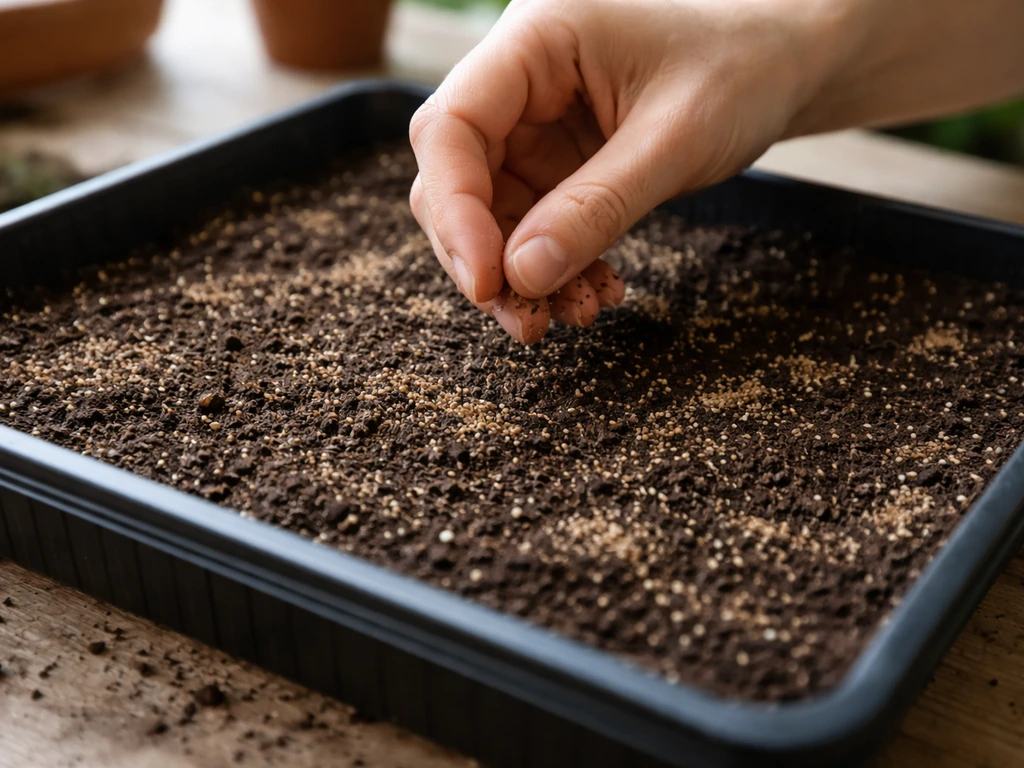
The two most common germination failures are temperature and light. Pansy seeds need soil temperature in the 65–70°F range and they need light, so surface-sow or barely cover them. If your germination area runs warmer than 70°F, germination drops off sharply. Keep the medium consistently moist but not soggy, and expect sprouts in 6–10 days under good conditions. If nothing happens after 14 days, temperature is almost certainly the issue.
Light, temperature, and care to keep blooms coming
Pansies do best with about six hours of sun daily. In cool spring and fall conditions, full sun is ideal. In warmer regions or as temperatures rise in late spring, some afternoon shade becomes genuinely helpful, extending the blooming period by keeping soil and foliage cooler. Avoid deep shade though, because insufficient light leads to leggy growth and reduced flowering.
Temperature management is your main lever once plants are in the ground. You can't control the weather, but you can choose your site, time your planting, and use mulch to moderate soil temperature. A 2-inch layer of mulch around your pansies keeps roots cooler as spring warms up, which can buy you several extra weeks of good bloom. Once daytime temperatures regularly exceed 70–75°F, flowering slows and plants decline regardless of care.
For fertilizing, apply a slow-release fertilizer at planting. Then either follow up with a water-soluble feed every 1–4 weeks, or apply a second round of slow-release at the midpoint of the season. In winter landscapes (zones 7–9), switch to a fertilizer where at least 50% of the nitrogen is in nitrate form when soil temperatures drop below 60°F. This supports uptake and growth during cool conditions better than ammonium-based formulas.
Deadheading is not optional if you want continuous blooms. Pinch or cut off spent flowers regularly, and if plants get leggy, trim back long stems by about a third. This keeps plants compact, directs energy into new flower production, and reduces the conditions that invite disease. If you want bigger, more impressive flowers from your plants, there are specific techniques worth knowing, and how to make pansies grow bigger covers the practical steps in detail.
Watering should be consistent but not excessive. About 1 inch per week during the growing season is the baseline, and checking the top inch of soil before watering helps avoid overwatering, which is a surprisingly common problem in spring when rain is frequent. Good drainage in your planting bed is non-negotiable, as waterlogged roots are a fast track to crown rot and plant loss.
One last thing worth mentioning: if you've found this guide because you're also interested in in-game gardening, the principles for growing real pansies are quite different from the hybrid color mechanics you'd use when trying to grow blue pansies in Animal Crossing. Real-world pansy timing is all about temperature windows and frost dates, not color-crossing algorithms. For everything you need on real pansies, the guidance above will serve you well through every season.
Also, if you're a fan of purple-toned gardens, it's worth knowing that many purple pansy varieties and other Purple Queen-type plants share similar cool-season preferences, so the timing logic in this guide transfers well if you're mixing those into your beds alongside pansies.
Similarly, if you're exploring other cool-season options beyond pansies and want to branch out into related in-game hybrids for comparison or inspiration, the process for growing purple pansies in Animal Crossing: New Horizons and the approach for growing purple mums in Animal Crossing show how differently virtual and real-world gardening work, which can actually deepen your appreciation for why real pansies are so tied to the seasons.
FAQ
What if daytime temperatures are perfect for pansies, but nights are still getting below freezing?
Pansies tolerate light frost, but repeated hard freezes can damage foliage and slow establishment. If nights are dropping hard, delay transplanting until nighttime temperatures are consistently above about 25°F, or use temporary protection (cloche or row cover) only long enough to bridge the coldest nights.
Can I grow pansies in containers, and does that change when to plant them?
Container pansies follow the same cool-season timing, but the roots heat up and cool down faster than in-ground beds. If you are in a warm spring or summer transition, start fall container plants a little earlier (closer to 8–10 weeks before first killing frost) and be ready to move pots into afternoon shade as air temps rise.
How do I know whether I should sow seeds versus buy transplants for my timeline?
If you cannot start seeds 10–12 weeks before your last frost date (spring) or roughly 10–12 weeks before you need to set them out (fall), transplants are the safer choice. Seedlings started too late tend to be underdeveloped, and rushing them outdoors usually costs more bloom time than it saves.
Is it okay to bury pansy seeds if my soil keeps drying out at the surface?
Burying them deeper usually reduces germination because they need light. Instead, keep the seed shallow, keep moisture consistent, and if surface drying is a problem, use a moisture-retaining cover over the germination area rather than increasing seeding depth.
What should I do if my pansy seedlings are germinating but getting leggy quickly?
Leggy growth is typically a light shortage or temperature that is too warm during growth. Increase light exposure, aim for cooler growing conditions after germination (about 50–55°F), and avoid prolonged high-heat windows before transplanting.
How late in the spring can I plant pansies and still get a meaningful bloom?
Planting works best when you can establish before daytime temperatures regularly reach the 70s. If you are already seeing frequent mid-70s, plan for a shorter display, then shift your effort to an early fall planting to rebuild for the next long cool-season flush.
Do pansies need fertilizer right away after transplanting?
A starter slow-release feed at planting is helpful, but avoid heavy nitrogen boosts when temperatures are still cool and daylight is limited, since it can encourage soft, disease-prone growth. After that, use light, periodic liquid feeding only if plants look like they need it.
My pansies are blooming, then suddenly stop. Could it be drought or heat stress?
Heat stress is the most common cause of sudden bloom slowdown once days move beyond their comfort range, but drought can worsen it. Check whether soil is drying between waterings and whether daytime highs are climbing above the cool-season window. Consistent watering plus afternoon shade often restores some flowering if heat has not fully taken over.
How much sun do pansies need during fall, when days are shorter?
About six hours of sun is the practical target. In fall, leaning toward morning sun with some afternoon shade can help keep foliage cooler, but avoid deep shade because reduced light can lead to leggy plants and fewer flowers.
What protection should I use if my pansies are planted in fall and a hard freeze is forecast?
Mulch around the root zone to buffer temperature swings, and consider temporary covering during the coldest nights. The goal is to protect the crowns and roots so plants can establish before winter, especially in borderline zones where survival may be inconsistent.
Can I revive leggy pansies instead of replacing them?
Yes. Trim long stems back by about a third to encourage new, compact growth, then deadhead spent flowers regularly. If heat has already pushed temperatures above their flowering range, trimming may buy time but it will not fully reverse decline, so plan a fall refresh.
If my seeds fail to sprout after two weeks, what’s the most likely reason?
The top two causes are temperature and lack of light. If your germination area runs warmer than about 70°F, germination often drops sharply. Confirm you are surface-sowing (or barely covering) and keep the medium consistently moist, not soggy.
Next Article
When Do Begonias Start to Grow? Timing, Types & Planting Calendar
When do begonias start to grow: clear planting dates, timelines by type, and quick care fixes for reliable starts.