blank" rel="noopener noreferrer">Start petunia seeds indoors about 10 weeks before your last expected frost date. That's the most reliable rule, and it gives you transplant-ready plants right when outdoor conditions are safe. If you're in a zone with a mid-May last frost, you're starting seeds in early March. University of Minnesota Extension notes petunias typically need about 10 to 12 weeks before they are big enough to plant out, so starting early is important blank" rel="noopener noreferrer">starting seeds in early March. If your last frost is late March, you should have already started in January. Once outdoors, petunias generally begin blooming about 8 to 10 weeks after germination, so getting the start date right is what locks in your summer flower show.
When to Grow Petunias: Seed, Transplant, Bloom Timing

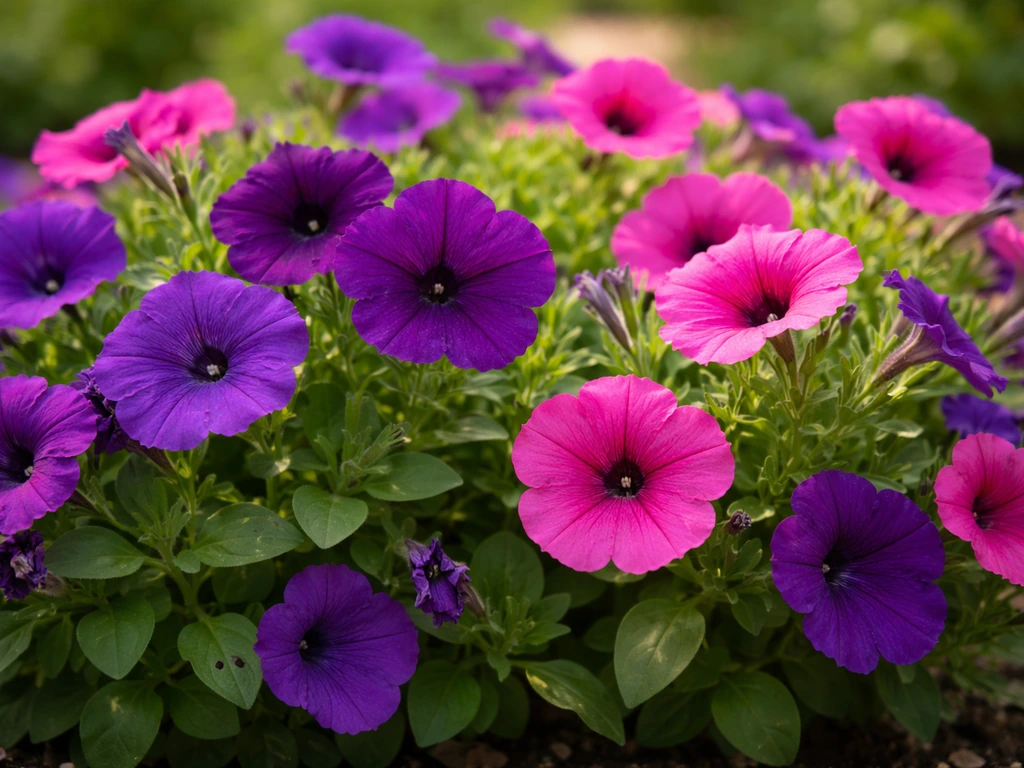
The petunia growth timeline from seed to bloom
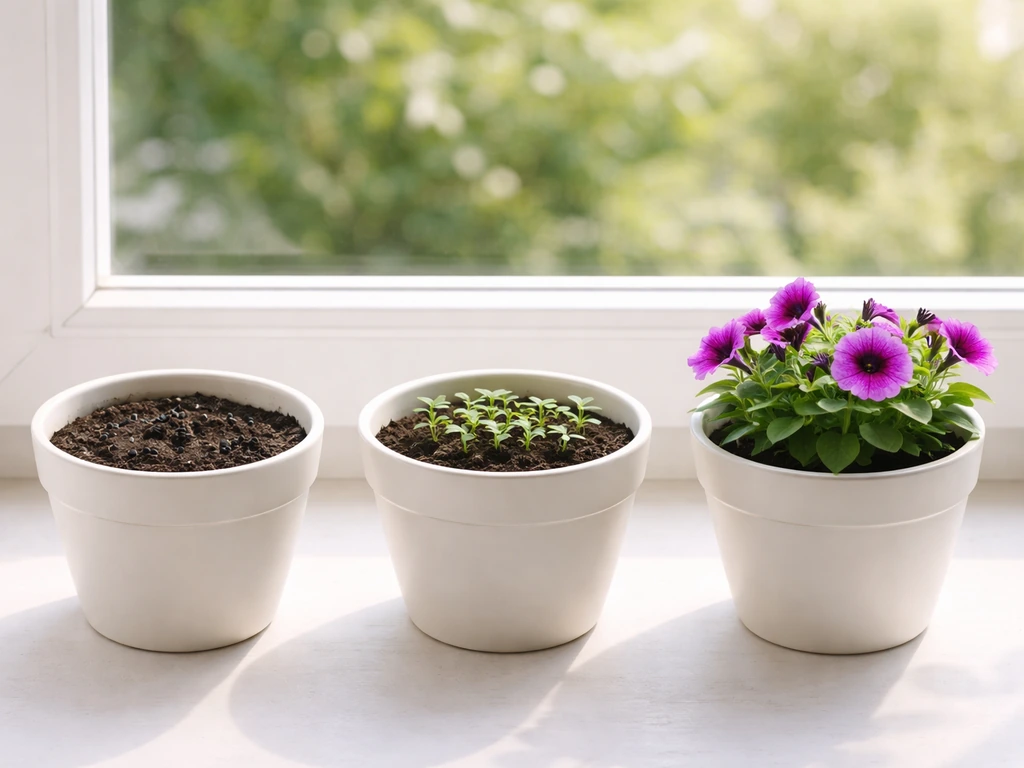
It helps to see the whole journey laid out before you dive into timing decisions. Petunias move through a few distinct stages, and knowing roughly how long each one takes lets you plan backward from the date you actually want flowers.
| Stage | Typical Duration | What to Watch For |
|---|---|---|
| Germination | 6 to 12 days | Tiny sprouts emerging from soil surface |
| Seedling establishment | 2 to 3 weeks | First true leaves appear after seed leaves |
| Indoor grow-out | 6 to 8 weeks total from sowing | Sturdy stems, no legginess, roots filling cell |
| Hardening off | 7 to 10 days | Gradual outdoor exposure before transplant |
| Transplant to first bloom | 3 to 4 weeks outdoors | Flower buds forming, spreading roots into soil |
From the moment you drop a seed into moist mix to the day you see the first open flower, you're looking at roughly 10 to 14 weeks total. The seed-starting window (about 10 weeks before last frost) accounts for all of that except the final push to bloom, which happens once plants are settled outside in warm soil and full sun. If you’re starting with plugs instead of seed, you can use the same timing logic but adjust for faster early growth from the established root mass how to grow petunias from plugs.
How to pick your exact start date
Your last frost date is the anchor for everything. Look it up for your specific zip code or region, not just a general zone estimate, because microclimates vary more than people expect. Once you have that date, count back 10 weeks on a calendar. That's your seed-sowing day.
Here's how that plays out across common last-frost windows in the US:
| Last Frost Date | Start Seeds Indoors By | Safe Transplant Window |
|---|---|---|
| March 15 (Zones 8–9) | Early January | Mid-March to early April |
| April 15 (Zones 6b–7) | Early February | Mid-April to early May |
| May 1 (Zone 6a) | Late February | Early to mid-May |
| May 15 (Zones 5–6) | Early March | Mid to late May |
| May 30 (Zones 4–5) | Late March | Early June |
If you're in a warmer climate like the Deep South or Pacific Southwest where winters are mild, you can push seeds earlier or even direct sow outdoors in early spring once soil temperature holds above 60°F. Petunias don't really tolerate frost well, so even with some cold hardiness after hardening, I wouldn't risk setting them out before your area's last frost date has reliably passed.
As of today, April 26, 2026, if your last frost date is still a week or two away, you can still start seeds now and transplant in late May or early June. You'll be a bit behind the ideal timeline, but petunias planted in late spring will catch up quickly in warm weather and still give you a full summer of color.
Starting petunias indoors: temperature, light, and when they're ready
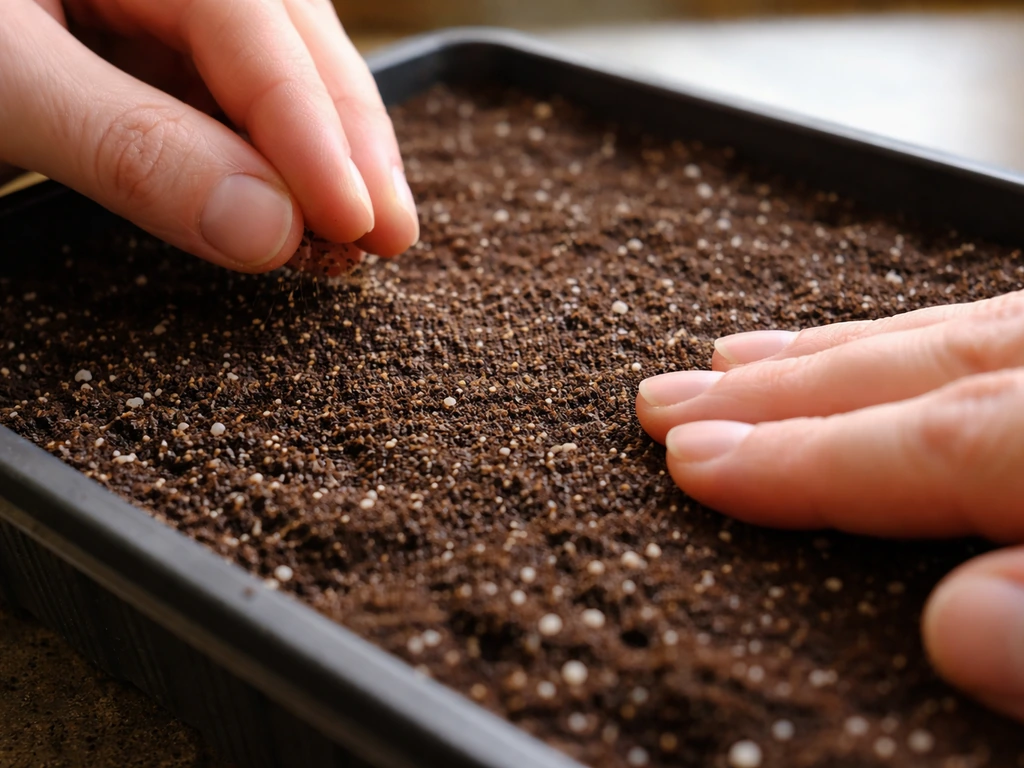
Petunia seeds are tiny and dust-like, which catches a lot of beginners off guard. Don't bury them. Press them lightly onto the surface of a moist, fine-textured seed-starting mix and keep them uncovered, or just barely dusted with vermiculite for moisture retention. They need light to germinate, so covering them too deeply is one of the fastest ways to get nothing.
Temperature
Keep the soil temperature between 70 and 80°F during germination. A heat mat under your tray is genuinely worth it here because room temperature alone is often too cool, especially in early spring when you're heating your house. Once sprouts appear, you can remove the heat mat but keep the room warm. Expect germination in 6 to 12 days under good conditions, though older or cheap seed can stretch that out.
Light
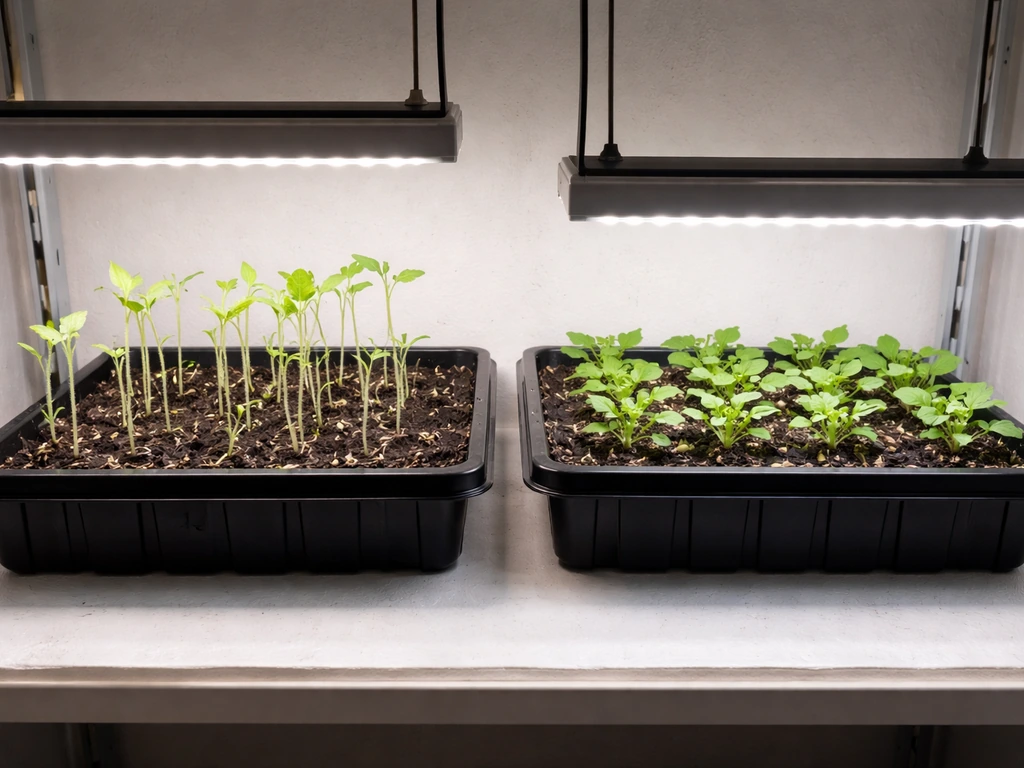
This is where most indoor failures happen. Petunias are sun-hungry plants, and seedlings started under insufficient light get leggy fast. If you want to know how to grow Mexican petunias specifically, you can use these same light and transplant principles, then adjust for their slightly different growth needs Petunias are sun-hungry plants.
For general petunias how to grow steps, follow the same indoor start and light guidance before transplanting after your last frost If you want to know how to grow Mexican petunias specifically. They'll stretch toward whatever light source they have and end up with weak, floppy stems that never fully recover. Use a full-spectrum grow light positioned about 2 to 3 inches above the seedling tray and run it for 14 to 16 hours per day.
A sunny south-facing window can work in February and March, but it's usually not enough on its own in northern climates. The key concept here is daily light integral (the total amount of light a plant receives over 24 hours), and petunias need a high one. Long hours of dim light won't replace shorter hours of intense light.
When are they ready to transplant?
A transplant-ready petunia seedling has multiple sets of true leaves, a sturdy (not floppy) stem, and roots that are starting to hold the soil plug together but haven't wound around the bottom of the cell. That typically happens around 8 to 10 weeks after sowing. Before they go outside, harden them off over 7 to 10 days by setting them outdoors in a sheltered, partly shaded spot for increasing hours each day. Skip this step and you'll see wilting, sunburn, and setback that costs you a week or two of growing time.
Outdoor planting windows and adjusting for your weather
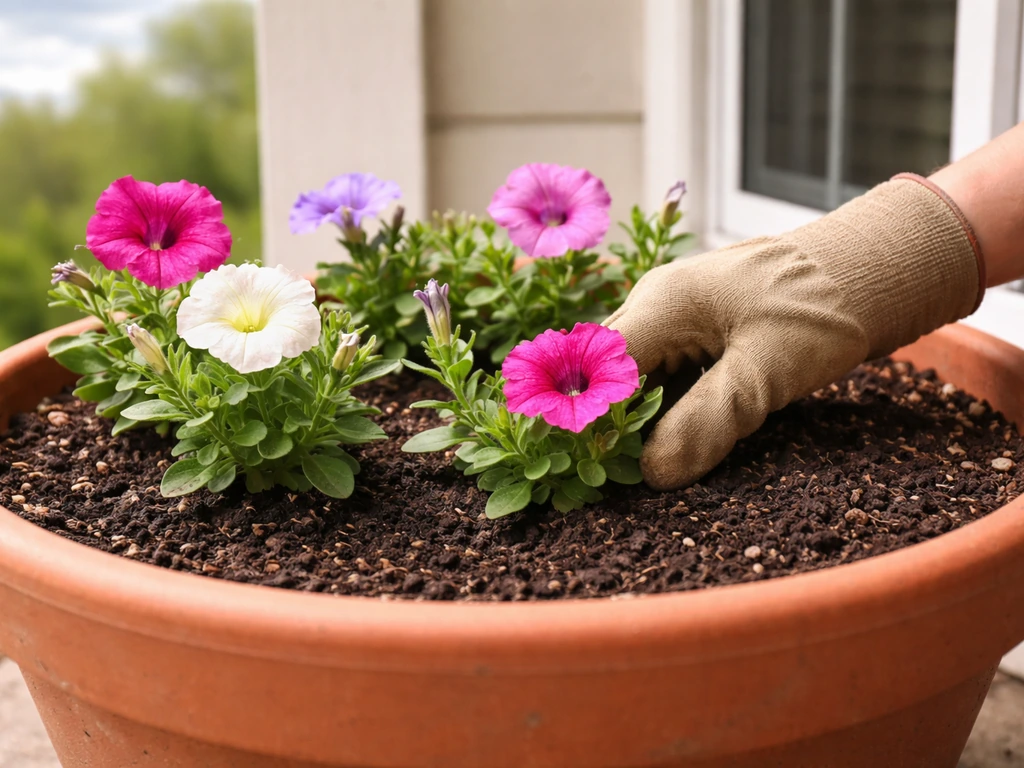
Petunias go in the ground (or containers) after your last frost date has passed and nighttime temperatures are consistently staying above 40°F. They can handle a light, brief frost after hardening, but sustained cold below 35°F will slow them significantly and can damage young transplants. If you get an unexpected late cold snap after planting, cover plants with a frost cloth overnight and they'll usually be fine.
Cool, cloudy springs are tough on petunias. I've had seasons where newly transplanted seedlings just sat there looking miserable for three weeks waiting for warmth, then exploded into growth once temperatures climbed. That's normal. Don't panic and over-water or over-feed in response. Petunias in cold, soggy soil are far more at risk than petunias just waiting for the sun to show up.
Container gardeners have a small advantage here: you can start containers a week or two earlier than in-ground planting because containers warm up faster and can be brought indoors if a surprise frost threatens. To get a lush display in a basket, follow the same seed-starting and transplant timing, then focus on choosing a basket-friendly potting mix and watering schedule grow petunia baskets. If you're planning to grow petunias in hanging baskets or window boxes, you can often get a jump on the season by a full week or more compared to gardeners planting into cold ground.
Why your petunias aren't growing on schedule
Timing problems with petunias almost always trace back to one of a handful of causes, and most of them are fixable once you identify the stage where things went wrong.
Slow or no germination
- Soil temperature below 65°F: seeds sit dormant rather than sprouting. Add a heat mat.
- Seeds buried too deep: petunia seeds need light to germinate. Sow on the surface.
- Mix drying out between checks: use a humidity dome or plastic wrap to keep moisture consistent until sprouts appear.
- Old seed: germination rates drop significantly in seeds more than 2 years old. Buy fresh seed each season.
Leggy seedlings
Leggy, stretched seedlings are almost always a light problem. If your seedlings look like they're reaching for something, they are. Move your grow light closer (2 to 3 inches above the canopy), increase hours to 14 to 16 per day, or upgrade to a brighter fixture. There's no recovering fully from severe legginess, but you can bury a leggy stem slightly deeper when transplanting to compensate.
Slow growth after transplanting
Transplant shock combined with cold soil is the most common reason outdoor petunias stall. Give them time before assuming something is wrong. If temperatures are below 50°F regularly, wait it out rather than applying more fertilizer, which can actually burn roots stressed by cold. Also check that they're getting at least 6 hours of direct sun per day outdoors, because petunias slow down dramatically in shade.
No flowers by the expected date
- Started too late: if seeds went in fewer than 8 weeks before transplant time, plants will be immature and slow to flower.
- Not enough sun: petunias need full sun (6 or more hours of direct light daily) to bloom reliably.
- Too much nitrogen: heavy feeding with a high-nitrogen fertilizer promotes leafy growth at the expense of flowers.
- Skipping pinching: for grandiflora and multiflora types, not pinching them back at about 6 inches tall delays branching and therefore delays the number of blooms you get.
Keeping growth on track toward a full bloom season
Once your petunias are in the ground or containers and the weather has warmed up, the job shifts from timing to maintenance. If you’re wondering what to grow alongside them, pair petunias with heat-tolerant annuals and compatible bedding plants what to grow with petunias. A few consistent habits make the difference between a plant that peaks in June and then fades versus one that blooms all the way through frost.
Watering
Water petunias deeply but let the top inch of soil dry slightly between waterings. They don't like sitting in wet soil, especially in cooler weather, but they also wilt quickly in heat if allowed to fully dry out. Container petunias dry out much faster than in-ground plants and may need daily watering in midsummer heat. Always water at the base rather than overhead to reduce the chance of fungal issues on the foliage.
Feeding
Petunias are heavy feeders once they get going. A balanced liquid fertilizer formulated for flowering plants, applied every two weeks through the season, keeps them producing. Spreading types like Wave petunias are particularly hungry and benefit from weekly feeding. Hold off on fertilizing until plants are clearly established and actively growing after transplant, usually about 2 to 3 weeks in.
Pinching and deadheading
For grandiflora and multiflora petunias, pinch plants back by about a third when they hit around 6 inches tall. It feels counterproductive to cut off what's growing, but it forces branching and gives you many more flowering stems. Do not pinch milliflora or spreading (Wave-type) varieties, as they branch naturally. Deadheading, removing spent blooms before they set seed, prolongs flowering and keeps plants looking tidy. It's one of those small, regular tasks that has a surprisingly big payoff.
Mid-season, if your petunias get straggly and the stems get bare at the base, cut them back by up to half. They'll rebound within a couple of weeks with fresh growth and a new flush of blooms. I do this every year with my container petunias around mid-July and it saves the plants for another two months of flowering.
FAQ
What should I do if my petunias are getting big indoors before it is warm enough to transplant?
If you start too early indoors, you can get large, bloom-capable plants before it is warm enough outdoors. In that case, delay transplanting until nighttime stays reliably warm, and keep seedlings from getting rootbound by moving into a slightly larger cell or pot if they begin circling. Also reduce fertilizer to only what is needed for healthy growth until they are established outside.
Can I plant petunias out early if frost is forecast for a night or two?
Yes, but treat it as a cold-weather risk decision. Petunias can handle brief, light frost after hardening, yet they should not be set out when nights are consistently below 40°F. If a single cold night is predicted, use frost cloth overnight and remove it in the morning to prevent trapping moisture and chilling the plants further.
Should I fertilize right after transplanting petunias?
Not always. If your soil or potting mix feels cold and wet, fertilizing can stress new roots and cause slow recovery. Wait until plants show active growth after transplant, typically 2 to 3 weeks, then start a balanced liquid fertilizer on a light schedule (every two weeks for most types).
Why are my petunia seeds not germinating yet, and when should I assume they are not viable?
Germination is heavily tied to temperature and light. Press seeds onto the surface and keep them uncovered or only barely dusted, then maintain 70 to 80°F during germination. If you are using old seeds, expect a longer sprout window and consider starting a few extra seeds for insurance rather than repeating the whole cycle once you are behind.
How do I know whether I am overwatering or underwatering my petunias after they go outside?
Watering frequency depends on weather and container size, but a practical rule is to water deeply only after the top inch begins to dry slightly. Overly wet soil in cool conditions leads to stalling and disease risk, while fully drying out causes fast wilting, especially in hanging baskets. Aim to keep moisture even, not constantly saturated.
My petunias stalled after transplant in a cool spring, does that mean something is wrong with my seedlings?
Yes. When weather stays cool, petunias often stall due to slow root activity, not because of a nutrient problem. Focus on warmth, sun exposure, and proper drainage first, and avoid heavy feeding during the cold period. If they still do not bounce back once temperatures warm into a consistently favorable range, then reassess light (at least 6 hours of direct sun) and watering.
Can container petunias be started or transplanted earlier than in-ground petunias?
For hanging baskets and window boxes, you can usually get a head start because containers warm up faster and can be moved indoors if needed. In practice, consider transplanting a week or two earlier than ground planting only if you can protect them during unexpected nights. Otherwise, keep to the last frost date anchor to avoid setback.
What is the best way to correct leggy petunia seedlings?
If you see legginess before transplant, the fix is mostly prevention. Move the light closer to about 2 to 3 inches above the canopy, increase daily light hours to 14 to 16, and ensure the seedlings receive strong, direct illumination rather than relying on a dim window. When transplanting, you can bury a leggy stem slightly deeper to compensate, but severe legginess will not fully reverse.
If I seed on time, will my petunias definitely bloom on schedule?
Full early flowering can occur around the time plants are mature enough, but timing is still governed by outdoor warmth and light intensity. If you do everything right indoors but transplant too cold, bloom can be delayed even if the plants are ready. Your surest indicator is consistently warm nights, at or above about 40°F, plus enough outdoor sun to keep growth moving.
Do Wave, grandiflora, and multiflora petunias follow the same timing and care rules when it comes to pinching?
Different petunia types affect how long they look “busy” before flowering, and they change how you manage pinching. Grandiflora and multiflora benefit from pinching back once they reach about 6 inches tall, which can increase branching and flowering later. Spreading types, like Wave, branch naturally, so avoid pinching them and instead focus on light and consistent feeding.
When Do Begonias Start to Grow? Timing, Types & Planting Calendar
When do begonias start to grow: clear planting dates, timelines by type, and quick care fixes for reliable starts.