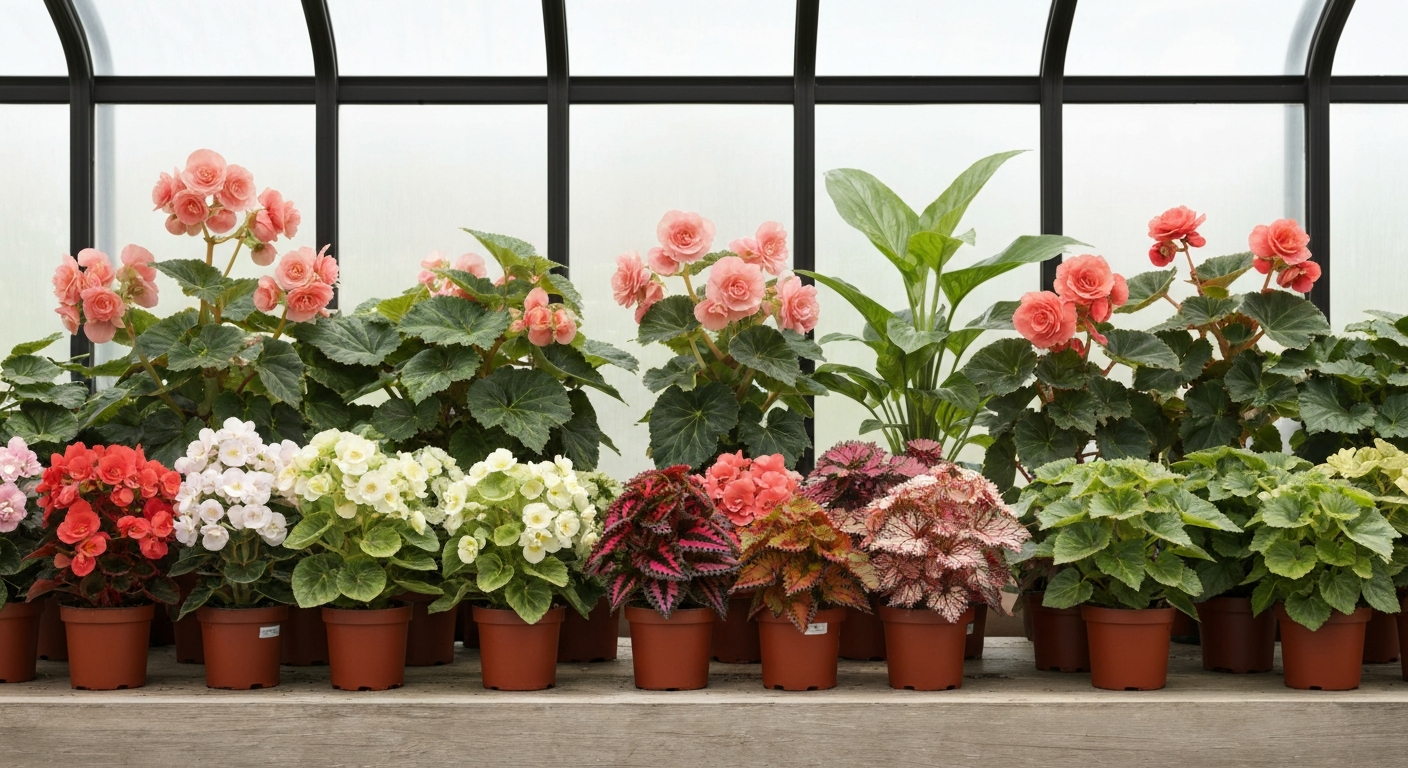
Growing begonias successfully comes down to matching the right type to your space, then nailing a handful of core care habits: good light without scorching sun, well-draining soil, careful watering, and consistent feeding. Get those four things right and begonias are surprisingly rewarding. Get them wrong and you end up with leggy stems, rotting roots, or flowers that just never show up. This guide walks you through the whole process end to end, including specific advice for double-flowered varieties and getting your begonias as big and bushy as possible.
How Do I Grow Begonias Successfully Step by Step

Harriet Whitmore
20 Apr 2026
Picking the right begonia type for your space
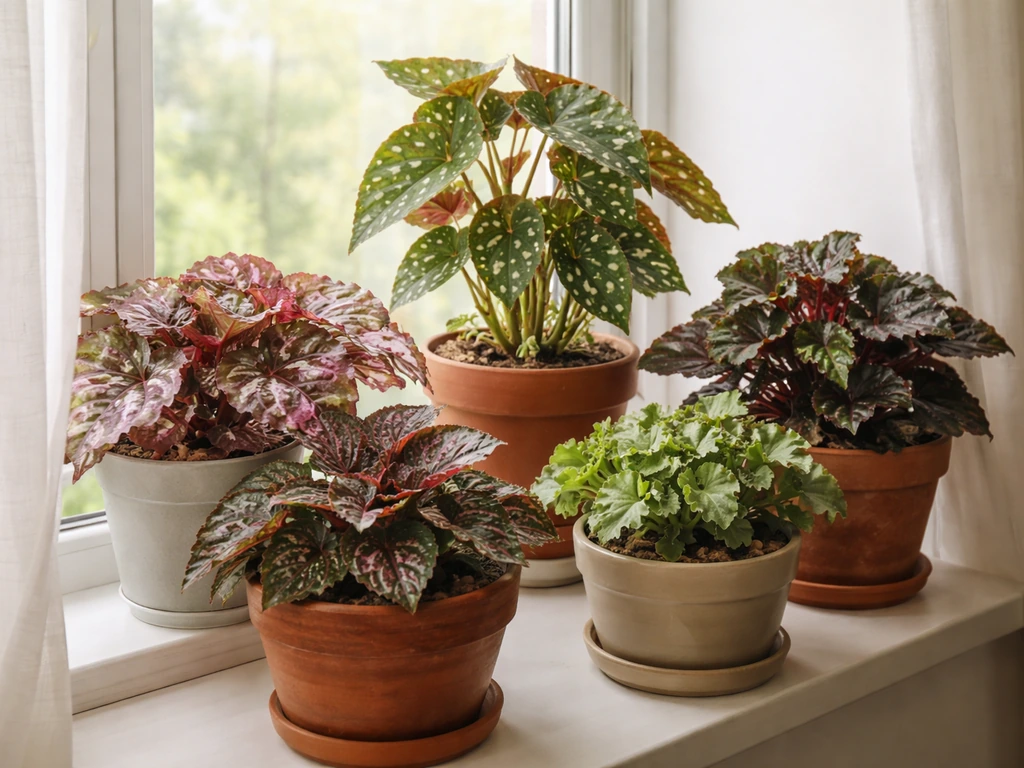
The American Begonia Society recognizes several major groups including cane-like, Rex cultorum, rhizomatous, Semperflorens (wax begonias), shrub-like, thick-stemmed, tuberous, and trailing/scandent types. That variety is genuinely exciting, but it also means the advice you need depends heavily on which group you're working with. Before you buy anything, narrow it down. Trailing begonias have their own habits, so once you know what group you’re working with, you can dial in the right light and trailing-support needs Before you buy anything, narrow it down..
For most home gardeners starting out, the choice usually comes down to three groups. Semperflorens (wax begonias) are the easiest: compact, tough as nails, and they churn out small flowers all season. They're treated as annuals in freezing climates and are your best bet for filling a sunny-to-partly-shady bed with minimal fuss. Tuberous begonias are the showstoppers, producing large blooms (sometimes the size of a fist) in shades of orange, red, yellow, pink, and white. They need more attention but reward you with a spectacle. Cane-like begonias (sometimes called angel wing begonias) are tall, architectural houseplants with spotted foliage that flower on and off indoors year-round. Rhizomatous types are grown mainly for their dramatic foliage and are a solid choice if you want something unusual on a shaded windowsill.
If your primary goal is outdoor beds and borders, bedding begonias (Semperflorens) are the reliable choice. If you want hanging baskets and window boxes, trailing and cascading types were bred specifically for that role and have a naturally pendulous habit that suits containers perfectly. If you're specifically aiming for cascading growth in containers, the trailing and cascading types also have their own focused approach, which complements the big-begonia tips above hanging baskets. Rieger begonias (also called Elatior types) are a winter-flowering option popular as houseplants. Knowing which group you're working with before you buy matters because dormancy requirements, watering needs, and light tolerance genuinely differ between them.
Best growing conditions: light, temperature, and airflow
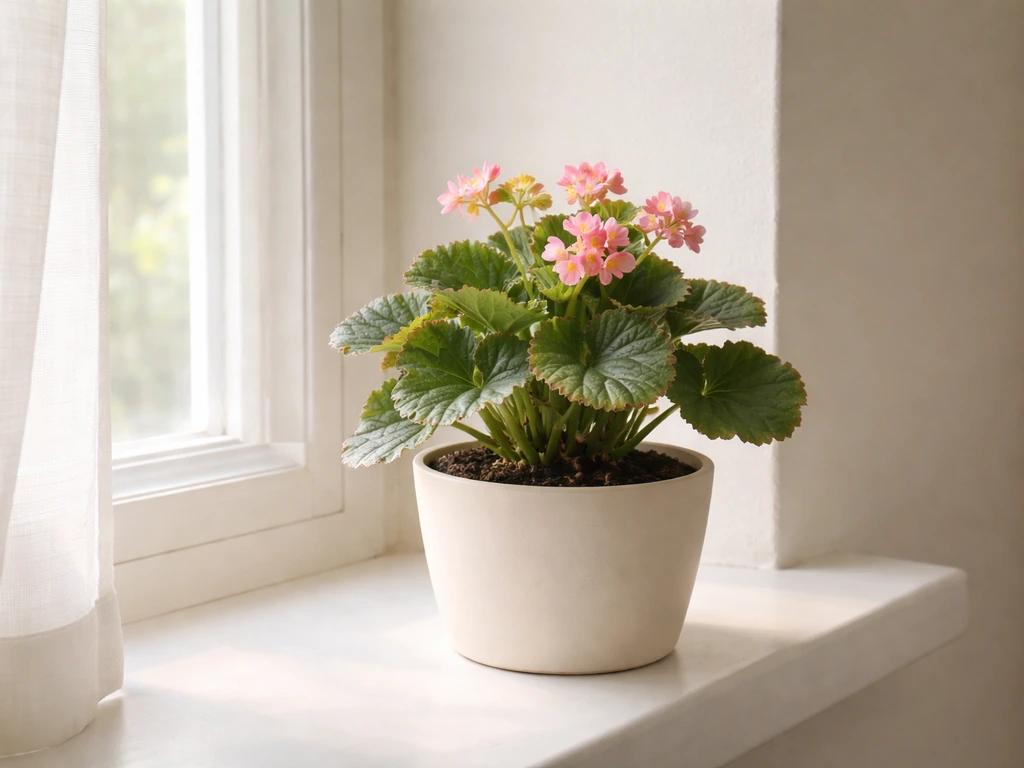
Begonias are generally classified as shade plants, but that label is a bit misleading. What they actually want is bright, indirect light. Too much direct afternoon sun bleaches foliage and scorches petals. Too little light and you get weak, spindly plants that bloom poorly or not at all. For outdoor plants, a spot with morning sun and dappled afternoon shade is close to ideal. Indoors, a bright east-facing window works well, or a few feet back from a south- or west-facing window.
Temperature is where many people quietly go wrong. Begonias stop growing and can't effectively use fertilizer below 60°F. The sweet spot for most types is daytime temperatures of 65 to 75°F, with nights staying above 55°F. Tuberous begonias in particular struggle when nights get too warm (above 70°F for extended periods), which is why they perform so well in cooler coastal climates and start to fade in hot, humid summers inland. As a general benchmark, indoor begonia culture does well around 72 to 74°F during the day with a slight drop at night.
Airflow matters more than most beginner guides mention. Stagnant, humid air around the leaves creates the perfect conditions for fungal diseases like Botrytis (gray mold). If you're growing indoors or in a greenhouse, make sure air circulates around the plants. Outdoors, don't crowd them. Give each plant enough space so foliage can dry out after watering or rain.
Soil, pots, and planting setup for success
Drainage is non-negotiable with begonias. Their roots are fleshy and rot fast in waterlogged soil. The ideal soil pH sits between 5.5 and 6.5 (slightly acidic), and the mix itself should be loose and well-aerated. A good all-purpose potting mix with some added perlite works well for containers. For in-ground planting, work in compost to improve drainage and structure, especially if your native soil is heavy clay.
For container growing, pot size matters more than people think. A pot that's too small restricts root growth and causes the plant to dry out too quickly between waterings. A pot that's too large holds excess moisture and invites root rot. For most begonias, start with a pot roughly 6 to 8 inches in diameter and size up only when the plant is genuinely root-bound. Always use pots with drainage holes. This isn't optional.
When planting tuberous begonias, the hollow or concave side of the tuber faces upward. Start them indoors 8 to 10 weeks before your average last spring frost date, sitting the tubers in barely moist potting mix with the tops just at or slightly above the surface. Don't bury them deep. Once you see growth, move them to brighter light. Transplant seedlings or tubers outdoors only after frost risk has passed and nighttime temperatures are consistently above 50°F.
Watering and feeding: the schedule that actually works

Overwatering is the single most common reason begonias fail. For tuberous types in containers, let the top inch of soil become slightly dry before watering again. Then water thoroughly so it drains out the bottom. Tuberous begonias are not drought tolerant though, so don't let them fully dry out either. It's a balance, but erring toward slightly dry rather than constantly moist is the safer side to be on.
Always water at the base of the plant, not overhead. Splashing water on foliage promotes fungal diseases, particularly Botrytis gray mold, which thrives when wet leaves combine with warm temperatures. Drip irrigation or a watering can directed at the soil, not the leaves, is the right approach. If you're growing indoors, a self-watering pot with a reservoir can work well as long as you're not keeping the reservoir topped up constantly.
For feeding, begonias respond well to a balanced approach. During active growth, a fertilizer with a higher phosphorus ratio, something like 15-30-15, helps push flower production. A nitrogen-heavy feed encourages lush green growth at the expense of blooms, so if you're not getting flowers, check your fertilizer numbers. A steady feed of 200 to 250 ppm nitrogen through your irrigation water is a reliable benchmark for container-grown begonias during the growing season. Cut back or stop feeding entirely when temperatures drop below 60°F, because the plants can't use the nutrients at that point anyway.
Watching for root and leaf problems
Root rot shows up as wilting despite moist soil, soft or mushy stems at the base, and yellowing lower leaves. If you catch it early, pull the plant from its pot, trim off any black or mushy roots with clean scissors, let the roots air dry briefly, and repot into fresh dry mix. Root rot is almost always caused by poor drainage combined with overwatering, so fix the underlying cause at the same time.
Powdery mildew is another common issue, showing up as a white powdery coating on leaves. Unlike Botrytis, powdery mildew spores can germinate without free moisture on the leaf surface, so keeping foliage dry doesn't fully prevent it. Good airflow is your best defense. If you spot it early, remove affected leaves and improve air circulation around the plant. A diluted neem oil or potassium bicarbonate spray can help manage established cases.
Month-by-month care from planting to bloom
The timeline below is based on a temperate Northern Hemisphere growing season. Adjust by 4 to 6 weeks in warmer zones where frost ends earlier, or if you're growing entirely indoors under consistent conditions.
| Month | Key Action | What to Watch For |
|---|---|---|
| January–February | Start tuberous begonia tubers indoors in barely moist mix; order seeds/plugs if needed | Keep soil barely moist; don't overwater dormant tubers |
| March | Move sprouting tubers to brighter light; sow Semperflorens seeds indoors (they need 12–16 weeks to bloom from seed) | Check for leggy seedlings; boost light or move closer to source |
| April | Harden off indoor-started plants gradually; continue feeding sprouted tubers with diluted balanced fertilizer | Watch night temps; don't rush outdoor planting if frost risk remains |
| May | Transplant outdoors after last frost; plant in well-draining, amended soil or containers | Water at base only; pinch tips of young plants to encourage bushiness |
| June–July | Peak growing season; water consistently, feed with higher-phosphorus fertilizer every 2 weeks | Watch for overwatering; check for powdery mildew and Botrytis in humid weather |
| August | Deadhead spent flowers regularly; continue feeding; support tall tuberous stems if needed | Leggy plants may need light pruning; check for pests on undersides of leaves |
| September | Reduce watering and feeding as growth slows; enjoy late blooms | Watch for frost warnings; bring containers indoors before the first frost |
| October–November | Dig tuberous begonia tubers after foliage yellows and dies back; cure and store in a cool, dry place | Store tubers at 40–50°F in dry peat moss or vermiculite; label varieties |
| December | Rest period for tuberous types; maintain indoor begonias with reduced watering and no fertilizer | Resume feeding only when new growth begins in late winter |
Semperflorens begonias don't follow this dormancy cycle. In frost-free climates they grow year-round. In cold regions, treat them as annuals and replace each spring, or dig and overwinter them as houseplants if you want to save a particularly good plant.
Double begonias: getting those thick blooms right

Double-flowered tuberous begonias (the kind with layer after layer of petals resembling roses or camellias) are the most visually dramatic begonias you can grow, but they have a few quirks worth knowing before you commit to them.
Double begonias tend to produce three flowers per stem cluster: one large double in the center flanked by two smaller single flowers. Those smaller side flowers are often male and the large double in the center is typically the main show. Many growers pinch off the smaller side buds (a process called disbudding) to direct the plant's energy into that central double flower, making it larger and more impressive. For display plants, HSOC recommends disbudding by leaving only the center male flower (with the central large male flower and smaller side flowers making up the typical flower head) disbudding to direct the plant's energy into that central double flower. It's a small extra step but worth it if you want the biggest possible blooms.
The heavy, fully double flowers on tuberous begonias can snap off in wind or rain, especially as they age. If you're growing them outdoors, a sheltered spot is important. Hanging them against a wall or fence breaks wind and reduces petal loss. The blooms are also heavier than those on single-flowered types, so taller plants often need a small stake to keep the main stem upright without bending or breaking.
To get the best flower quality on double begonias, consistent nutrition matters a lot. Switch from a balanced fertilizer to a higher-phosphorus formula (like 15-30-15) once buds start forming. Irregular watering, temperature stress above 85°F, and nutrient deficiencies are the main reasons double begonias produce smaller or fewer petals than expected. Keep conditions stable, and they'll deliver. Let things swing around too much and you'll get flowers that look half-finished.
How to grow big begonias: vigor, pruning, and avoiding common stunting mistakes
Getting genuinely large, vigorous begonias is very doable, but it requires paying attention to a few specific factors that most casual growers overlook.
Start with the right pot and soil
Root space drives above-ground size. If you want a big plant, give it room to develop a strong root system. For tuberous begonias, a 10 to 12 inch pot allows the plant to develop without running out of room mid-season. Use a rich, well-draining mix and don't be tempted to pot up too aggressively at once: going from a small tuber straight into a 12 inch pot means a lot of wet soil around undeveloped roots, which increases rot risk. Start modestly and pot up when roots begin to fill the container.
Light intensity is the growth lever most people underestimate
More light (up to the tolerance threshold of the specific type) directly translates to more vigorous growth and more flowers. For indoor growing, a grow light that delivers around 1,200 to 1,600 µmol per square meter per second is a solid target for pushing growth without burning the foliage. For outdoor plants, that sweet spot of morning sun and bright filtered afternoon shade gives you the best of both worlds: enough light energy for strong growth without the heat stress that stunts development.
Feed consistently, not occasionally
Sporadic feeding produces inconsistent growth. Big begonias come from steady, regular nutrition throughout the growing season. A liquid feed every 10 to 14 days during active growth, alternating between a balanced formula and a higher-phosphorus one as buds develop, keeps plants moving forward without the feast-and-famine cycle that causes uneven growth and delayed blooming.
Pinch early, stake later
Pinching the growing tips of young begonias when they're 3 to 4 inches tall encourages branching, which is how you get a full, bushy plant instead of a single tall stem. This is one of the most impactful things you can do early in the season. Once the plant is established and growing well, stop pinching and let it direct energy into flowering. For tall-growing tuberous types, add a slim bamboo stake and a loose tie before stems get heavy, not after they've already bent.
Common mistakes that stunt growth
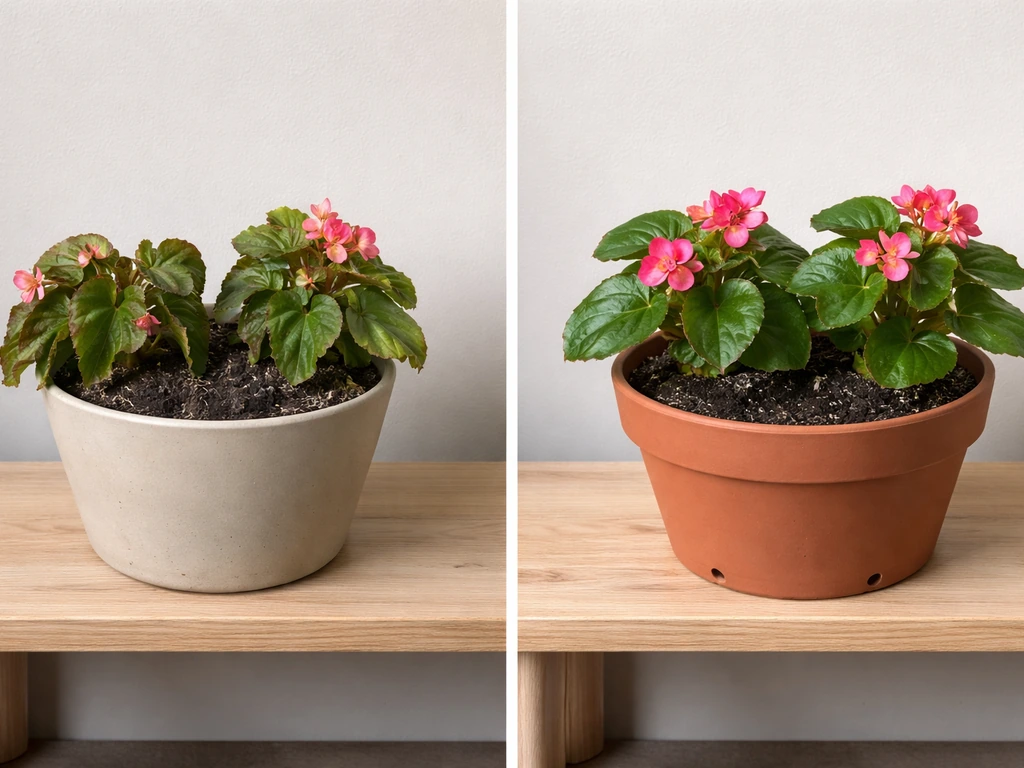
- Planting out too early when soil is still cold: begonias don't actively grow below 60°F and cold soil stalls them for weeks
- Using a pot without drainage holes: even one wet spell causes root rot that sets the plant back by months
- Overhead watering: wet foliage invites disease, and sick plants don't grow big
- Skipping the pinching step: one unpinched stem never becomes a bushy plant on its own
- Feeding with a nitrogen-heavy fertilizer all season: you get green leaves and few flowers, not the vigorous blooming plant you wanted
- Ignoring temperature stress: plants exposed to repeated temperature swings below 55°F or above 85°F go into survival mode and stop putting energy into growth or flowers
Begonias genuinely reward the grower who pays attention to their specific needs rather than applying generic "water and hope" care. Once you've matched the right type to your conditions and locked in the key habits around light, watering, and feeding, they're one of the most satisfying flowering plants you can grow. Whether you're working with a shady patio corner, a hanging basket, or a bright windowsill indoors, there's a begonia type built for exactly that spot. For outdoor success, use a spot that gives morning sun and dappled afternoon shade, and keep up the light, watering, and feeding basics consistently. If you're growing begonias from plugs, the same outdoor light and watering basics apply before you start acclimating the young plants For outdoor success.
FAQ
How do I tell which begonia type I’m growing, and why does it change the care?
Look at the growth habit first. Semperflorens are compact bedding plants, rhizomatous have creeping stems and thick textured leaves, cane-like form upright canes (often indoors), and tuberous grow from a tuber (a dormant bulb-like structure). The type affects dormancy timing, watering rhythm, and whether you should expect continuous growth or seasonal rest.
Can begonias grow in full sun?
They tolerate some sun, but full afternoon sun is usually too harsh. If you see bleached or crispy leaf edges, move the plant back or add afternoon shade. A good rule is bright light with protection from the hottest sun, especially for tuberous and double-flowered types.
What’s the best way to water begonias in containers if I’m unsure how dry the soil should be?
Use the “top inch” check, then water deeply. Stick a finger into the mix up to about an inch, if it feels slightly dry, water until it drains out the bottom. For tuberous begonias, avoid letting the pot completely dry out, but err slightly dry rather than constantly wet.
Why are my begonias wilting even though the soil isn’t bone-dry?
Two common causes are overwatering or root rot. If wilting happens with soggy mix, check for soft or mushy stems at the base and yellowing lower leaves. Also confirm the pot has working drainage holes and isn’t sitting in a cachepot with water.
What should I do if my begonia gets leggy and doesn’t bloom?
Legginess usually points to insufficient light or inconsistent feeding. Move it closer to the brightest window, or increase light for indoor plants, then switch to a bloom-supporting fertilizer when buds start. If temperatures have dropped near or below 60°F, stop expecting strong growth until conditions warm.
How do I prevent fungal issues like gray mold (Botrytis) without reducing airflow too much?
Keep leaves as dry as you can and avoid crowding. Water at the soil line, space plants so foliage can dry after watering or rain, and consider a gentle fan indoors to prevent stagnant air. Removing severely affected leaves early also helps slow spread.
Is neem oil or potassium bicarbonate safe for begonias, and when should I use it?
They can help for powdery mildew, but test first on a small leaf and apply when temperatures are moderate and foliage can dry quickly. Don’t rely on sprays to “prevent” problems from happening, airflow and leaf dryness are still the main defense.
Do I need to repot my begonia, and how can I tell when the pot is too small or too big?
Repot when roots are clearly filling the container or coming from drainage holes. Avoid jumping from very small to very large pots because excess wet soil increases rot risk. If the plant repeatedly stays wet for many days, the pot is likely too large.
How should I plant and position tuberous begonia tubers?
Place the tuber with the hollow or concave side up, tops at or slightly above the soil surface. Don’t bury it deeply, keep the mix barely moist during early growth, and then increase light once shoots appear to prevent weak, stretched growth.
What temperature is too hot for tuberous begonias, especially indoors?
Extended warm nights can cause tuberous begonias to struggle, even if daytime temps seem fine. If nights stay above about 70°F for long stretches, performance can drop. Try to keep nights slightly cooler than the day and protect plants from heat spikes near windows or heating vents.
Should I fertilize begonias year-round?
No for most outdoor and seasonal types. Stop or cut back when temperatures drop below 60°F because plants can’t use nutrients well. For indoor growers, reduce feeding during slower growth periods, then resume regular feeding when you see active new growth and stable warmth.
My double-flowered tuberous begonias have small outer blooms and a less impressive center. Should I disbud?
Often yes, disbudding helps the main central bloom get most of the energy. Pinch off the smaller side buds once the cluster forms, but don’t over-handle too late after petals have set. Also keep watering and temperatures stable because stress can reduce petal fullness.
How do I stop double tuberous blooms from snapping in wind or rain?
Choose a sheltered spot outdoors and consider staking earlier for taller plants. Support stems before they bend, because bent or already-stressed stems are more likely to lose flowers. Hanging begonias near walls or fences also reduces direct gusts.
What’s the fastest way to make a begonia bushy instead of tall and sparse?
Pinch early growth. Once young plants are around 3 to 4 inches tall, pinch the growing tips to encourage branching, then stop pinching once the plant is established so it can focus on flowering.
Can I grow begonias from seed or plugs, and what changes during acclimation?
You can, but the biggest change is getting light gradually. Whether starting from plugs or seedlings, increase brightness slowly and avoid keeping them too wet while they’re establishing roots. Follow the outdoor light and watering basics in the article, then acclimate over several days to prevent shock.
Next Article
When Do Begonias Start to Grow? Timing, Types & Planting Calendar
When do begonias start to grow: clear planting dates, timelines by type, and quick care fixes for reliable starts.