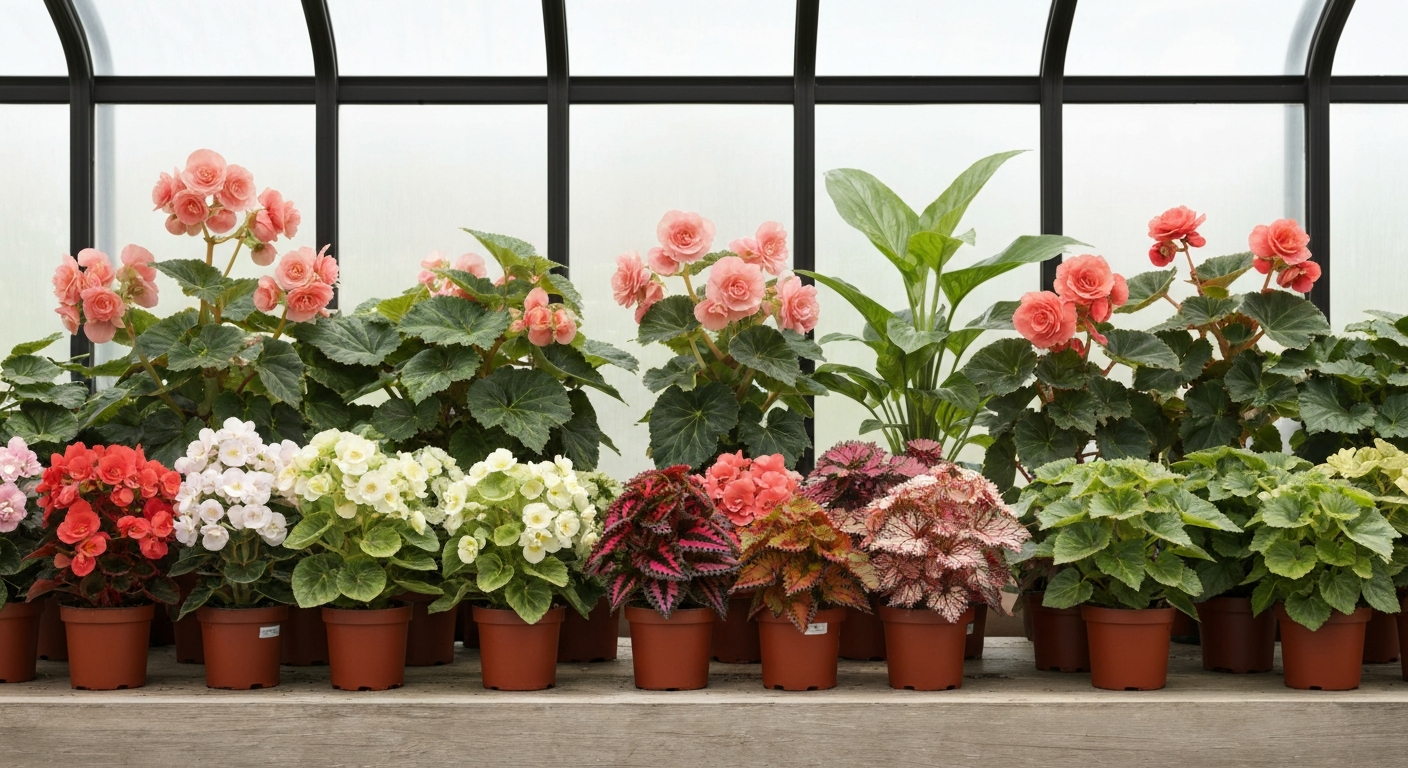
Impatiens are one of the most reliable flowering plants you can grow, but they do have a few non-negotiable needs: shade or filtered light, consistently moist soil, and warm temperatures. Get those three things right and they'll bloom their heads off from late spring until the first frost. Miss any one of them and you'll spend the whole summer wondering why your plants look terrible. This guide walks you through everything, from picking the right spot to fixing the most common problems, so you can stop guessing and actually get results.
How to Grow Impatiens: Thick Growth and Lots of Blooms

Harriet Whitmore
25 Apr 2026

The best conditions for growing impatiens

Light
Impatiens (Impatiens walleriana) thrive in partial to full shade, and that's genuinely one of their best qualities. A spot that gets 2 to 4 hours of morning sun with shade in the afternoon is close to ideal. Direct afternoon sun, especially in hot climates, will bleach leaves yellow to white and cause flowers to drop. If you're moving plants from indoors or from a shaded nursery bench, acclimate them to their new spot over a few days to avoid leaf scorch, even in moderate light.
Temperature
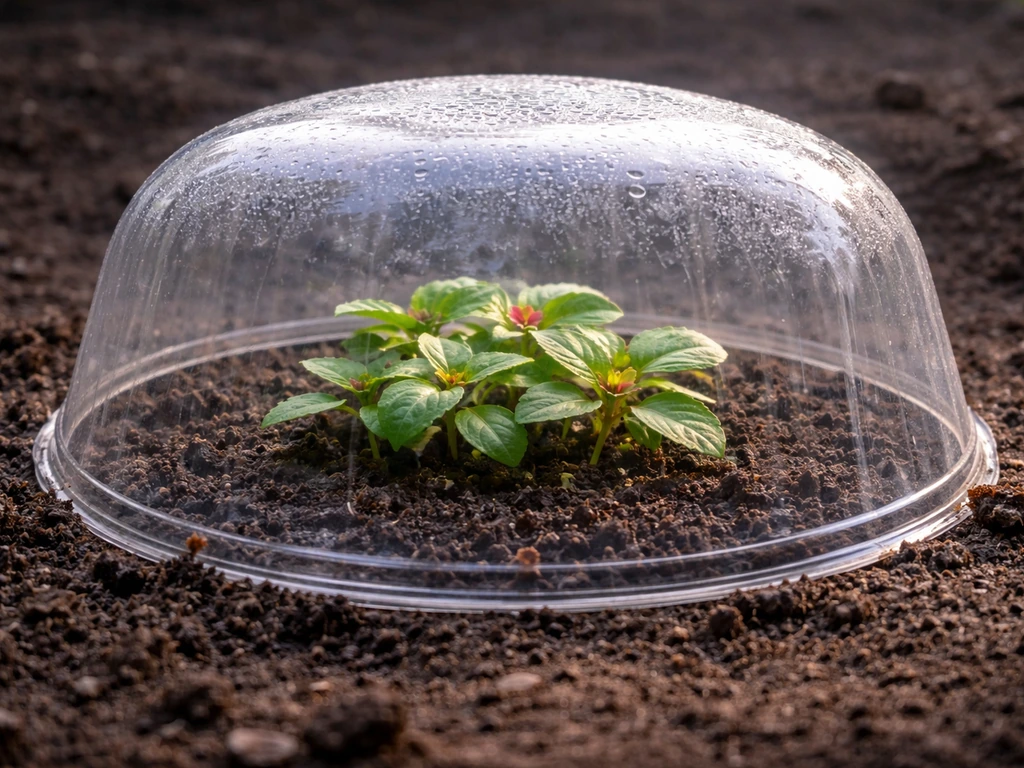
Impatiens are genuinely cold-sensitive. Don't let anyone rush you into planting them early. They want daytime temperatures around 68 to 76°F and struggle badly when nights dip below 50°F. A late cold snap after planting can set them back by weeks or even kill young plants entirely. Wait until all frost danger has passed and nights are reliably warm before putting them in the ground.
Soil
These plants need a lot of moisture, which means soil that holds water without becoming waterlogged. The target pH is 6. University of Minnesota Extension recommends aiming for a soil pH of about 6 to 6.5 and using blank" rel="noopener noreferrer">soil high in organic matter when growing impatiens. The North Carolina Extension Gardener Plant Toolbox also notes that impatiens do best in partial shade (direct sun only part of the day) and prefer a slightly acidic soil pH around 6 blank" rel="noopener noreferrer">Impatiens walleriana. 0 to 6.5, and high organic matter is your best friend here. Before planting, work in a couple of inches of compost to improve both moisture retention and drainage. In containers or hanging baskets, use a quality potting mix rather than garden soil, which compacts too easily. Portulaca is another great option for hanging baskets, and it will do best when you match its sunny light needs and provide fast-draining soil how to grow portulaca in hanging baskets. If you're growing them in containers, the same moisture-retentive approach applies, just with more frequent watering.
Starting from seed vs. buying transplants
Buying starts from a garden center is the easier path, and honestly, for most home gardeners it makes the most sense. You skip 10 to 12 weeks of indoor growing and get plants that are already at a blooming-ready size. That said, starting from seed is absolutely doable and gives you access to a much wider range of varieties, including some of the more interesting doubles.
Starting from seed indoors
Sow impatiens seeds indoors 8 to 10 weeks before your last frost date. They need warmth to germinate well, around 70 to 75°F, so a heat mat under the seed tray makes a real difference. Keep the growing medium consistently moist and don't let it dry out between waterings, since uneven moisture is one of the main reasons germination is spotty. Light matters too: use grow lights positioned about 4 to 6 inches above the seedlings for 12 to 16 hours per day. Impatiens seeds are tiny, so surface sow them or just barely cover with fine mix. Once seedlings emerge, maintain those warm, bright, moist conditions until they're ready to go outside.
Hardening off and transplanting
Whether you started from seed or bought transplants, spend about a week hardening them off before planting in the garden. Start by putting plants outside in a sheltered, shady spot for a couple of hours each day, then gradually increase their outdoor time. After a week, they'll be ready to go into their permanent spot without the transplant shock that causes wilting and slow establishment. Plant after your last frost date, when nights are consistently above 50°F.
Watering, feeding, and soil prep for strong blooms
Watering
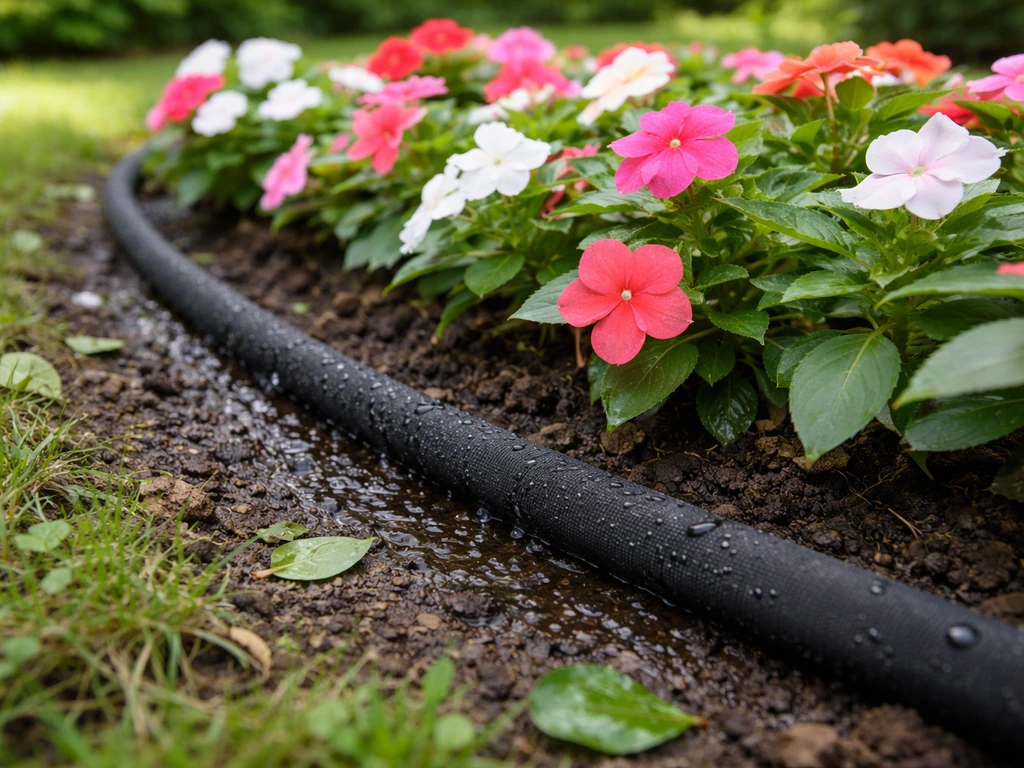
Impatiens need consistent moisture, more than most annuals. In garden beds, plan on watering about once a week during dry weather, but check the soil first. If the top inch feels dry, water thoroughly. In containers and hanging baskets, you'll likely need to water every day or every other day during summer heat. Wilting is their most obvious distress signal, but if plants are wilting regularly, that's a sign they need more frequent watering rather than just a rescue soak when things get bad.
Feeding
Impatiens are moderate feeders. A water-soluble balanced fertilizer applied every two weeks works well throughout the season. Look for something with nitrogen in the 175 to 225 ppm range if you're mixing from concentrate, or just follow label directions on a general-purpose flower fertilizer. Consistent feeding keeps plants producing new growth and flowers all season rather than peaking early and fading. If you notice pale foliage or a slowdown in blooming mid-season, feed more consistently rather than blaming the light or watering.
Soil amendments
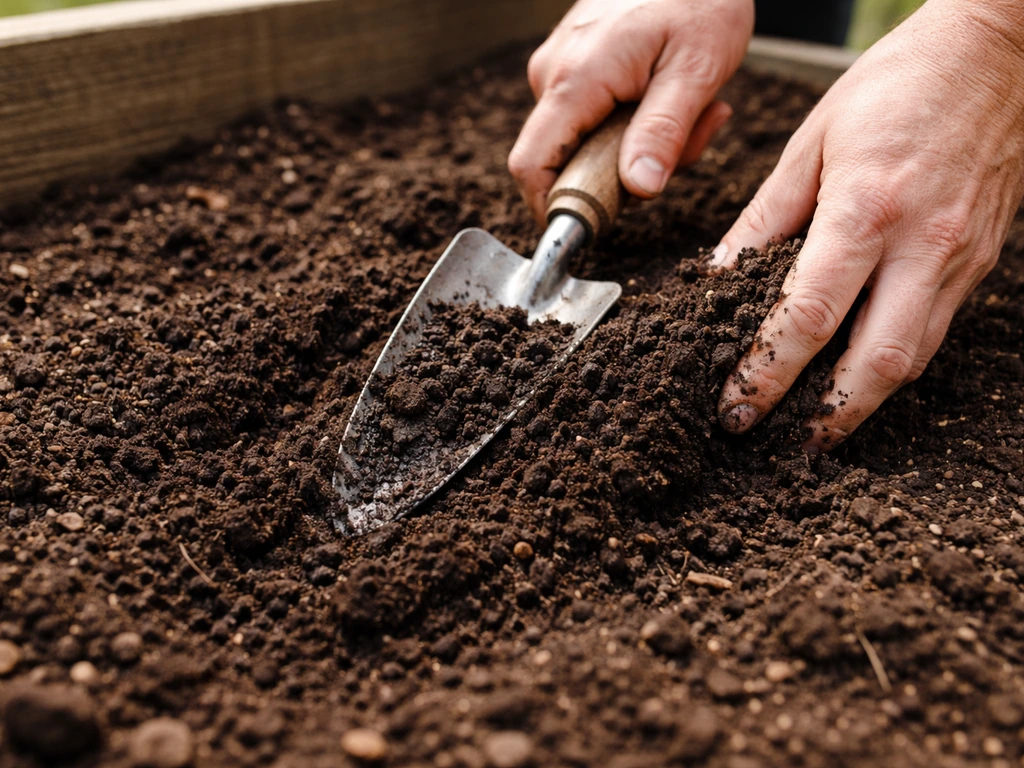
Before planting in beds, incorporate 2 to 3 inches of compost into the top 8 to 10 inches of soil. This improves both moisture retention and drainage, and it adds organic matter that feeds soil biology over time. If your soil is heavy clay, adding perlite or coarse sand alongside the compost helps prevent waterlogging, which impatiens won't tolerate. In containers, a potting mix with added perlite gives you good drainage without sacrificing moisture retention.
How to get more flowers and bigger blooms
Standard impatiens are actually self-cleaning to a large degree, meaning they drop spent blooms on their own. But regular deadheading still speeds up the rebloom cycle and keeps plants looking tidy. When you deadhead, remove the entire faded flower stem back to a node, which is the point on the stem where a new leaf or branch is growing. Don't just pinch off the petals. And resist the urge to do a major cutback all at once: removing more than about one-third of the plant at a time causes stress and can actually slow flowering down.
Managing stress is the other side of maximizing blooms. Heat stress from too much direct sun, drought stress from inconsistent watering, and cold stress from planting too early all cause the same result: fewer flowers and smaller blooms. Once you're meeting their basic needs consistently, the flower production tends to take care of itself. If plants seem to stall in summer, check whether they're getting afternoon sun that's too intense and whether watering has been consistent.
Making impatiens thicker and bushier
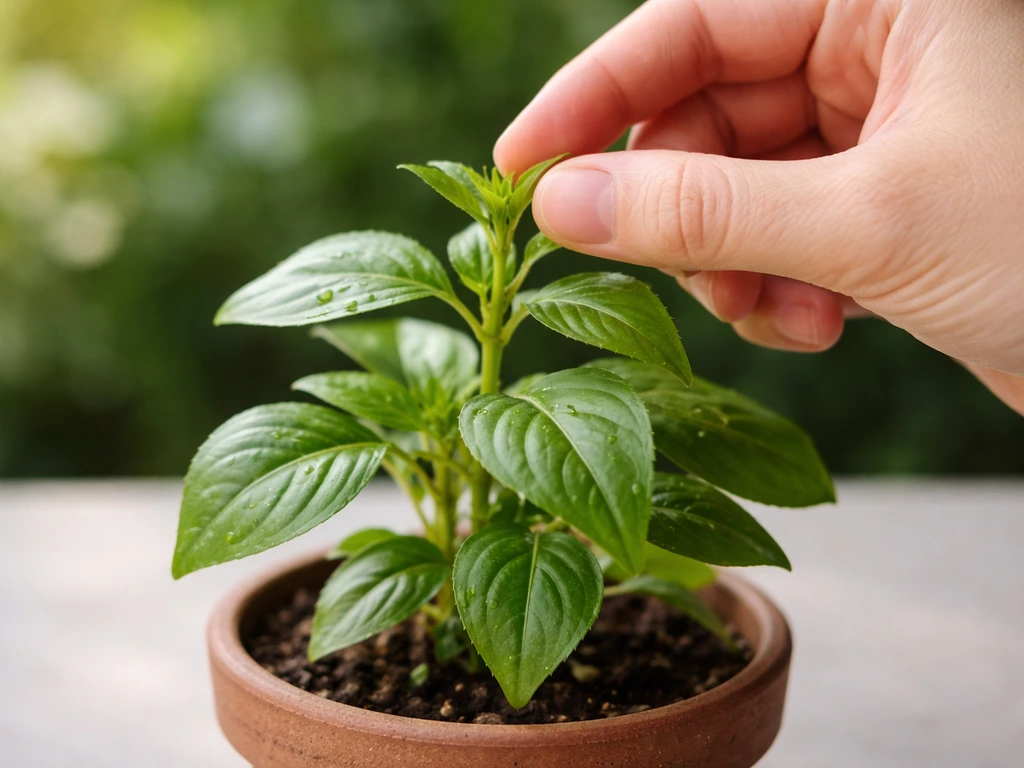
The fastest way to get fuller, bushier plants is pinching. Pinching means removing the growing tip of each stem, which removes the apical dominance (the plant's tendency to grow straight up) and forces it to branch out sideways. Do it early, within the first week or two after transplanting, while plants are still getting established. Pinch each stem back to just above a leaf node. You'll delay first blooms by a week or two, but the payoff is a much fuller plant that produces more flowers overall throughout the season.
Spacing also affects how bushy your plants become. Planting too close causes them to stretch toward light and grow tall and leggy instead of wide. For most standard varieties, 8 to 12 inches between plants gives each one enough room to fill out. If plants are already leggy, a combination of pruning back the long stems and then pinching the new growth that emerges can restore a fuller shape over two to three weeks.
Growing double impatiens
Double impatiens, sometimes sold as rose impatiens, produce full, multi-petaled blooms that look like miniature roses. Popular series include Fiesta and Fiesta Bonita. They're genuinely stunning, but they do have slightly higher care expectations than standard single-flowered types, so it's worth knowing what you're getting into.
Temperature management matters more with doubles. They want daytime temperatures in the 68 to 76°F range and night temperatures around 56 to 61°F. Too much heat, especially at night, can cause the double blooms to revert to single-petal form or drop prematurely. In very hot climates, positioning doubles in a spot that stays cooler, like a north-facing bed with good air circulation, helps maintain bloom quality through summer.
On pinching: double impatiens may benefit from one light pinch early in the season to encourage branching, but don't overdo it. The general guidance is zero to one pinch depending on how full the plant already looks. Unlike some annuals, heavy pinching on doubles can reduce overall plant quality rather than improve it. Otherwise, care is the same as standard impatiens: consistent moisture, biweekly feeding, partial shade, and protection from cold nights.
| Feature | Standard Impatiens | Double Impatiens |
|---|---|---|
| Bloom type | Single petals, simple form | Multi-petaled, rose-like |
| Heat tolerance | Moderate | Slightly lower, sensitive to hot nights |
| Pinching | Encouraged for fullness | 0–1 pinch; overdoing it hurts quality |
| Self-cleaning | Yes, largely self-cleaning | Less so; benefits from deadheading |
| Best use | Mass plantings, borders, containers | Containers, feature spots, hanging baskets |
| Difficulty | Easy | Moderate; more temperature-sensitive |
Troubleshooting the most common problems
Leggy, stretched-out plants
Leggy growth almost always means the plants aren't getting enough light, were started from seed under lights that were too far away, or were planted too close together. If you catch it early, move them to a slightly brighter spot (more filtered light, less deep shade) and pinch the stems back to encourage branching. If spacing is the issue, thinning plants out a bit and pinching the remaining ones will help. Don't be afraid to cut leggy plants back by up to one-third to reset their shape.
Few or no flowers
Poor flowering usually comes down to one of three things: too much shade, too much nitrogen fertilizer (which pushes leafy growth at the expense of blooms), or plant stress from heat, drought, or cold. Check your light situation first. If plants are in deep shade with no dappled light at all, they'll grow but won't bloom well. Shift to a spot with more light, even just an hour of morning sun added to what they currently have. Also check your fertilizer: if you've been using a high-nitrogen formula, switch to a balanced or bloom-focused one with more phosphorus.
Slow growth and small plants
Slow, stunted growth mid-season often points to cold stress (planted too early), poor soil, inconsistent feeding, or impatiens downy mildew. Check your watering and feeding schedule first, since those are the most fixable. If the soil is compacted or nutrient-poor, a liquid fertilizer application and a layer of compost worked around the base can help. If the problem is slow establishment right after planting, give it two more weeks and make sure temperatures are staying warm enough at night.
Downy mildew: the most serious problem
Impatiens downy mildew is a serious disease that's worth knowing about, especially if you're growing standard Impatiens walleriana in a region where it's been reported. Early symptoms are easy to miss: leaves turn pale green or yellow on the upper surface and curl downward. Flip the leaf over and you may see white, fuzzy patches on the underside. As it progresses, the plant becomes stunted and drops leaves and flowers rapidly. There is no effective treatment once a plant is infected. Remove and dispose of affected plants in the trash (not the compost), and avoid replanting standard impatiens in the same spot. New Guinea impatiens are resistant to downy mildew and are a good alternative if you've had recurring problems, and some newer series have also been bred with improved resistance.
Bleached or scorched leaves
If leaves are turning yellow to white, especially on the side of the plant facing the sun, that's light bleaching from too much direct exposure. Move the plant to a shadier spot or add shade cloth if it's in a container. This isn't a disease, but prolonged sun stress will weaken the plant and reduce blooming.
What to do right now (late April)
If you're reading this in late April, here's where most gardeners are: it's still too early to plant impatiens outdoors in most of the northern US and Canada, but seeds should already be well underway indoors if you started on time. If you haven't started seeds yet, buy transplants from your local garden center instead. They'll be available soon and will catch up quickly once temperatures warm. Focus on preparing your beds now: work in compost, check your pH if you haven't recently, and identify your shadiest, most moisture-retentive spots. Once your last frost date passes and nights are consistently above 50°F, you'll be ready to plant without the rushed, improvisational energy that leads to cold-stunted, struggling plants.
If you're planning on growing impatiens in containers or hanging baskets this season, that's a great option that gives you full control over soil quality and placement. You can use the same container and hanging-basket approach when learning how to grow fuchsia in hanging baskets, including choosing a fast-draining potting mix and staying on top of watering. Ferns do especially well in hanging baskets when you keep the soil evenly moist and give them the right indirect light in containers or hanging baskets. The care principles are the same, just with more frequent watering required. And if you've been curious about New Guinea impatiens, which tolerate more sun and have better downy mildew resistance, they make a great companion planting choice alongside standard types, or a smart replacement if you've had downy mildew problems in the past.
FAQ
Can impatiens grow in full shade with no morning sun?
They can survive in deep shade, but bloom quality usually drops. If you have no morning sun at all, try to create brighter filtered light (for example, under trees with dappled light) and keep the soil consistently moist, since low light and uneven moisture together are a common reason for weak flowering.
How do I know if my watering problem is underwatering or poor drainage?
Check the soil 2 to 3 inches down. If the surface is wet but the deeper layer stays soggy, drainage is the issue, and roots can suffocate. If the deeper layer is dry and the plant wilts, it is underwatering, especially in containers where heat drives faster moisture loss.
Should I fertilize when plants look healthy but blooming slows mid-season?
Yes, but avoid high-nitrogen feeds. If flowering fades while growth looks lush, switch to a balanced or bloom-focused water-soluble fertilizer and keep a steady schedule, rather than adding a large dose all at once.
What’s the best container size and spacing for impatiens so they stay bushy?
Use a pot large enough to prevent rapid drying, and space plants so leaves do not knit together tightly. In practice, crowded containers encourage stretching and faster drying, which reduces blooms, so it helps to follow the label spacing or thin if plants become dense.
Why do my impatiens drop flowers even though they are watered?
Flower drop often comes from heat stress (especially direct afternoon sun), cold nights after planting, or inconsistent moisture that swings between wet and damp-dry. Confirm your light exposure and ensure nights stay warm before planting, then water when the top inch is dry in beds and likely daily in very hot container conditions.
Can I prune impatiens if they get leggy?
You can. Cut back long stems by up to about one-third to reset the shape, then pinch the new growth once it appears. Avoid removing more than that at once, since heavy cuts can delay bloom for a couple of weeks.
How many times should I pinch standard impatiens, and when should I stop?
Pinch early, within the first week or two after transplanting, then stop. Repeated pinching later in the season can keep delaying blooms, especially if the plants are already producing heavily.
Do impatiens do well with mulch?
Light mulch can help moisture consistency, but thick or tightly piled mulch can trap too much moisture against stems and contribute to rot-like problems. If you mulch, use a thin layer and keep it a bit away from the plant crown.
What should I do if only part of my bed looks affected, like yellowing or stunting?
Treat it as a spot-specific issue. For localized yellowing or stunting, compare light exposure and soil moisture across the bed, check for uneven drainage, and inspect the undersides of leaves for fuzzy growth if you suspect downy mildew. Rotating positions or improving airflow can help prevent stress patterns from repeating.
Is it safe to compost impatiens leaves if I suspect downy mildew?
No. If you see signs consistent with downy mildew, remove and dispose of affected plants in the trash, not the compost, to reduce the chance of spreading the problem in subsequent seasons.
If my impatiens are not blooming, should I move them or change fertilizer first?
Change light first. If plants are in deep shade or have no dappled light, fertilizer alone rarely fixes poor bloom. If light seems adequate, then adjust feeding, since too much nitrogen commonly results in leafy growth with fewer flowers.
Can I save impatiens as perennials indoors over winter?
Not reliably. Impatiens are generally treated as annuals, and indoor conditions often do not match their warm, consistently moist, bright-but-not-direct-light needs. If you try, expect slower growth and fewer flowers, and re-starting from transplants or seed is usually the easier plan for next season.
When is the safest time to transplant impatiens outdoors if spring weather is unpredictable?
Only transplant after all frost risk is past and nights are consistently above about 50°F. If cold snaps happen, protect plants immediately with covers, since young impatiens can be set back for weeks or killed when nights drop too far after planting.
Next Article
When Do Begonias Start to Grow? Timing, Types & Planting Calendar
When do begonias start to grow: clear planting dates, timelines by type, and quick care fixes for reliable starts.