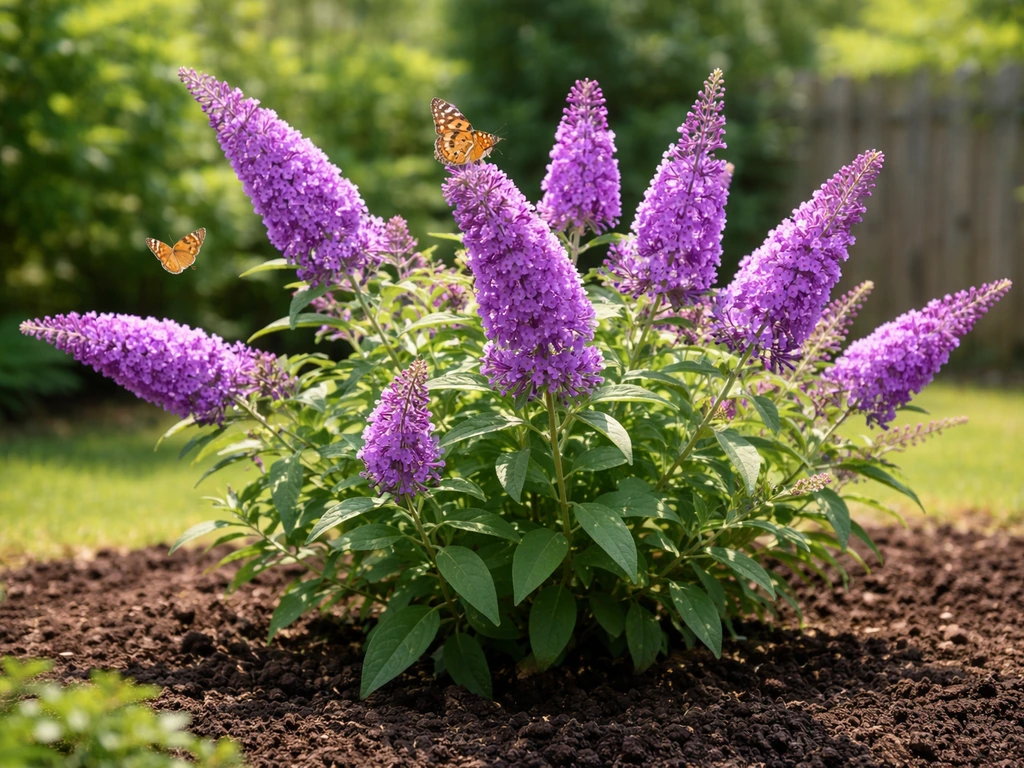
Buddleia (Buddleja davidii) is one of the most rewarding shrubs you can grow if you give it full sun, decent drainage, and a hard prune each spring. For bushes further forward, BTO advises cutting back to no more than about 2 ft, and pruning later into spring can delay flowering pruning-height guidance for Buddleja (Buddleja davidii).
How to Grow Buddleia Butterfly Bush From Seed to Bloom

Harriet Whitmore
2 May 2026
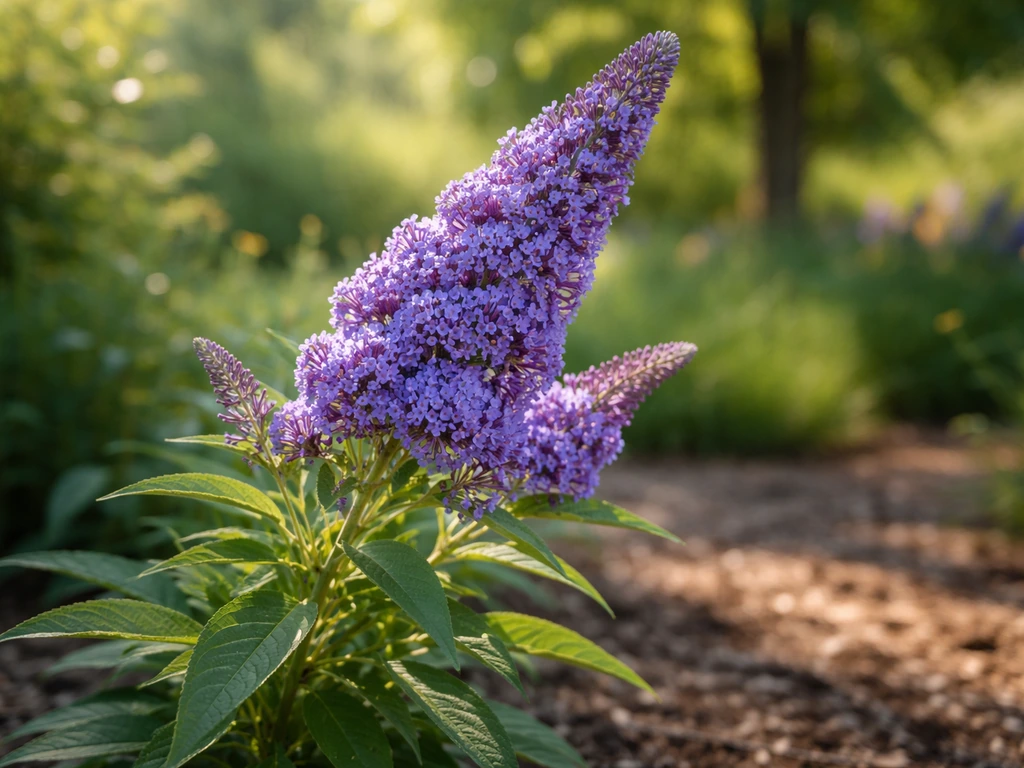
Do those three things and it will reward you with long fragrant flower spikes from midsummer right through to the first frosts, covered in butterflies and bees from the moment it opens. Skip the pruning and it turns into a leggy, twiggy mess that flowers less every year. So the single most important habit to build is the spring prune, and everything else falls into place around it.
Quick essentials: what Buddleia needs to bloom
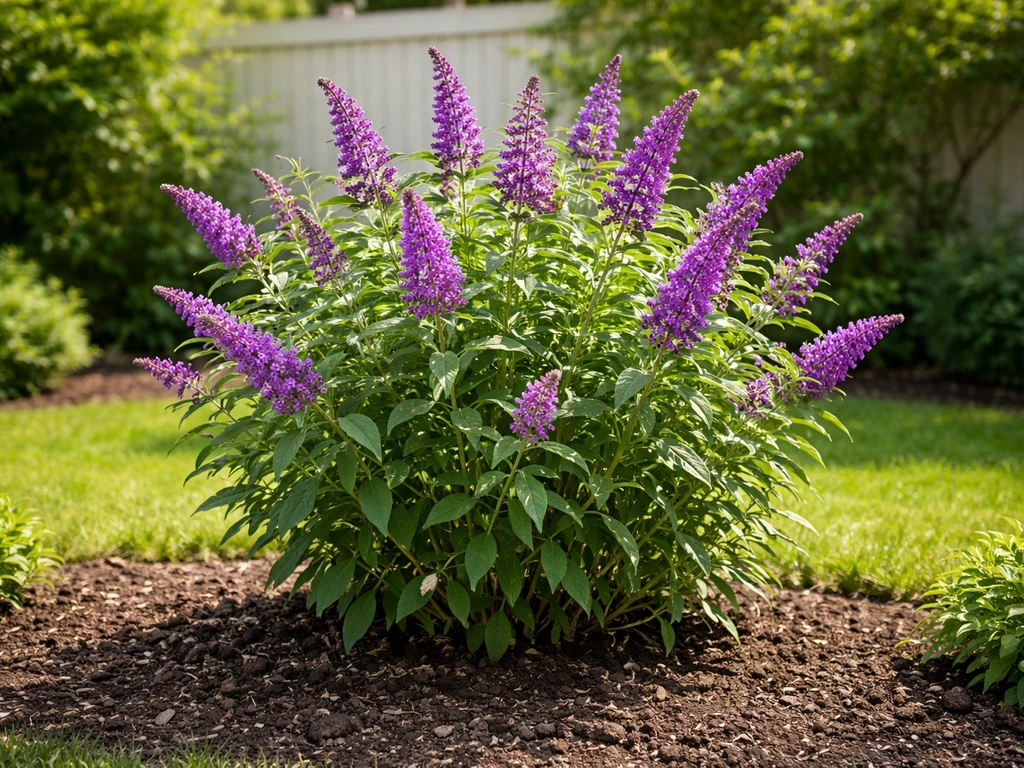
Before diving into the full process, here is what Buddleia actually requires to flower well. Get these fundamentals right and you have already solved most of the problems people run into.
- Full sun for the majority of the day (6+ hours minimum; more is better)
- Well-drained soil, even quite poor, dry, or stony ground works fine
- Soil pH anywhere from about 5.5 to 8.5, so it is extremely unfussy on pH
- A hard prune every early spring to stimulate the new flowering wood
- Light feeding only: too much nitrogen means lush leaves and almost no flowers
- Regular deadheading or cutback during the season to extend bloom
Buddleia blooms on new wood, meaning the fresh growth it puts on each summer produces that season's flowers. That is exactly why pruning hard in early spring is so powerful: you are forcing the plant to push out a flush of vigorous new flowering stems rather than just extending old tired wood.
Choosing the right butterfly bush variety and where it fits
There are dozens of cultivars available, and the choice really does matter depending on your space and goals. The classic large varieties are dramatic but need room; the newer compact types are genuinely useful for small gardens and containers. Here are four that consistently perform well for home gardeners.
| Variety | Size (mature) | Bloom colour | Bloom period | Best use |
|---|---|---|---|---|
| Black Knight | 4–6 ft tall, 3–6 ft wide | Deep purple, very fragrant | May to October | Back of border, wildlife focal point |
| Miss Molly | 4–5 ft tall, similar spread | Deep pink to near-red | May until frost | Mid-border, long season colour |
| Buzz Sky Blue | 2–4 ft tall, 3–5 ft wide | Soft blue-lavender | Midsummer to frost | Containers, small gardens, front of border |
| White Profusion | 5–8 ft tall, wide spread | White with orange eye | July to September | Large beds, cottage garden style |
If you have a standard-sized garden bed and want the classic butterfly-magnet experience, Black Knight or Miss Molly are hard to beat. If space is limited, the Buzz series (like Buzz Sky Blue) was bred specifically for compact growth and still blooms continuously from midsummer to frost, making it genuinely suitable for a large pot or a tight spot at the front of a bed. Whatever you choose, the growing method is essentially the same; the compact types just need less aggressive pruning to keep their shape.
Starting from seed vs buying starts: best methods and timing
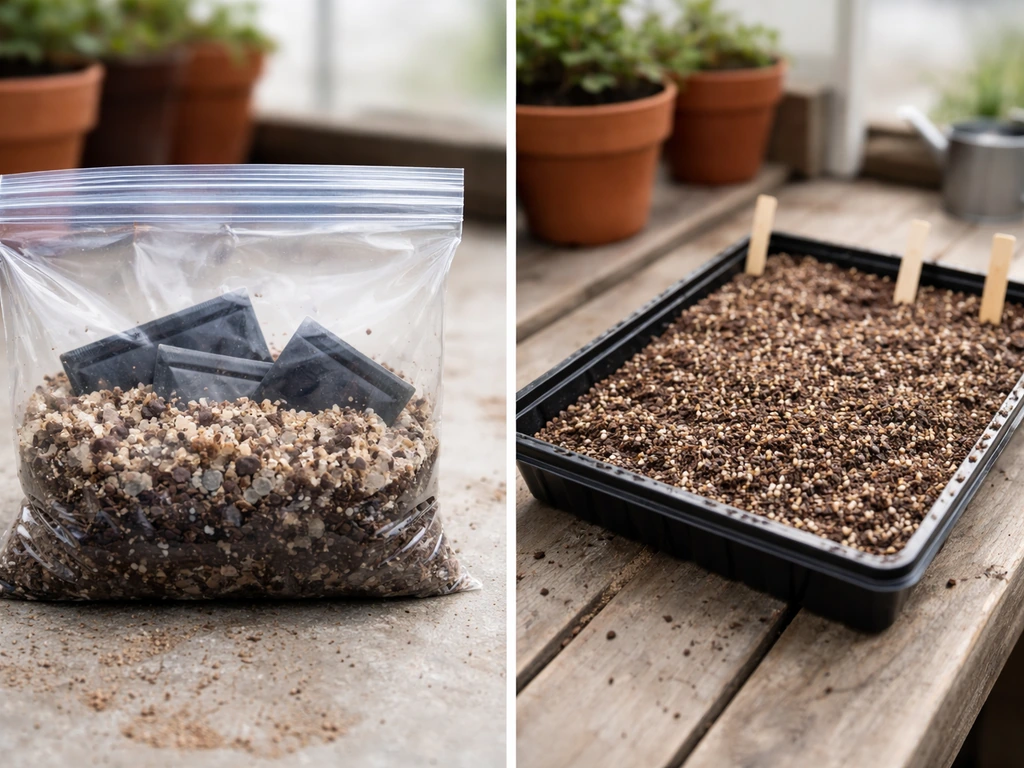
Buddleia grows readily from seed, and starting from seed is satisfying, though it does take patience. A greenhouse-raised plant started from seed in February can flower within about 7 to 8 months, which means late-summer flowers in the same year if everything goes well. Buying a potted start from a nursery obviously skips that wait, but seed-starting gives you access to a wider range of species and the genuine pleasure of taking a plant from tiny seedling to flowering shrub.
Starting from seed (the full process)
- Cold stratify the seeds first. Place them in a sealed bag with slightly damp paper towel or sand and refrigerate for 4 to 6 weeks (roughly 28–42 days at about 5°C/40°F). This mimics winter and breaks dormancy.
- Sow seeds in late winter. Aim for February indoors, or 8 to 10 weeks before your last expected frost. Sow thinly on pre-moistened compost mixed with about one-third sharp sand to aid drainage.
- Do not cover the seeds deeply. Buddleia needs light to germinate, so a very light pressing into the surface is enough.
- Keep the tray warm (around 18–22°C/65–72°F) and in good light. After stratification, expect germination in roughly 21 to 45 days.
- Prick out seedlings once they have two true leaves and pot on individually.
- Harden off before planting outside: gradually introduce young plants to outdoor conditions over 7 to 10 days before transplanting after your last frost date.
One honest note on seed-starting: named cultivars like Black Knight do not always come true from seed, meaning the seedlings may vary from the parent plant. If you want an exact cultivar, buy a named plant or take cuttings from an existing one. For species types and many davidii strains though, seed is perfectly reliable and far cheaper than buying multiple plants.
Buying starts from a nursery
If you buy a potted plant, timing is straightforward: plant it out in spring after your last frost, or in early autumn if you are in a mild climate where the ground does not freeze hard. Spring planting gives the roots a full growing season to establish before their first winter, which is almost always the better choice for colder zones.
Planting setup: site, soil, spacing, and early establishment
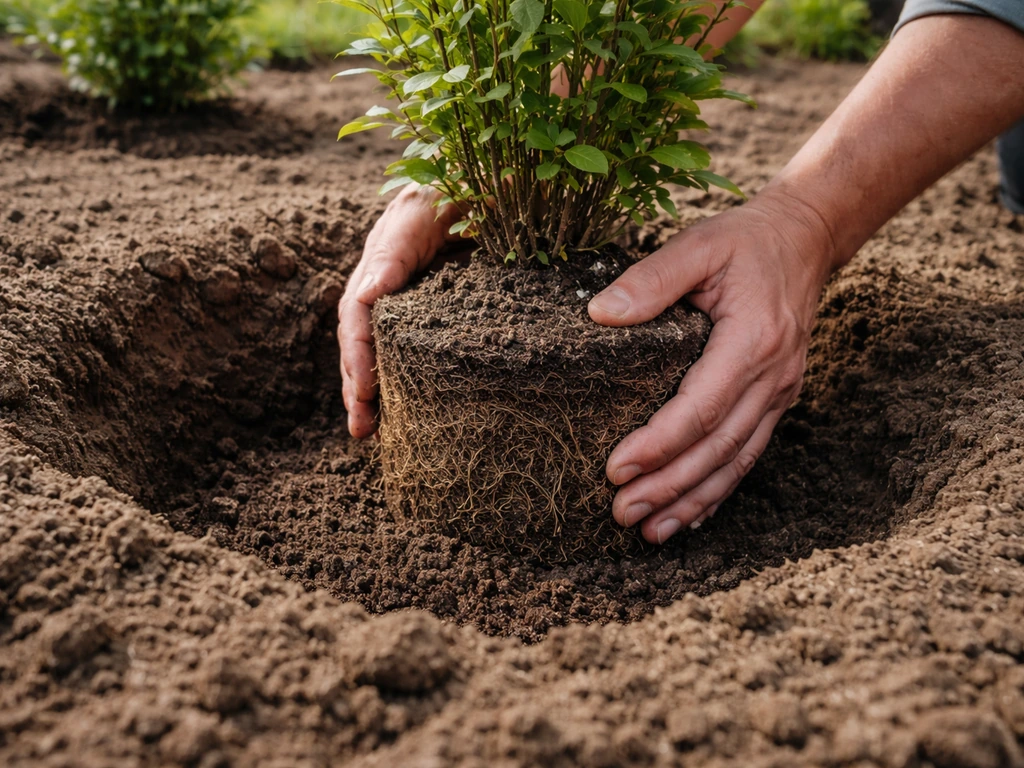
Site selection is where a lot of people get it wrong by trying to fit Buddleia into a shaded or poorly drained spot. It is a forgiving plant in many ways, but it genuinely needs sun to flower well. A spot that gets good light for most of the day is ideal. In terms of soil, Buddleia is remarkably tolerant: poor, dry, and even stony ground is fine as long as it drains. Waterlogged soil is the one thing that will kill it.
When planting, dig a hole roughly twice the width of the root ball. No need to amend the soil heavily; Buddleia actually does better in lean conditions than in heavily enriched soil. Place the plant at the same depth it was in the pot, backfill, and firm in well. For large varieties, space plants about 1.5 to 2 metres (5 to 6.5 ft) apart to give them room to fill out. Compact dwarf varieties can be placed closer, around 1 metre apart, or planted solo in a large container using peat-free multipurpose compost with a slow-release fertiliser mixed in.
After planting, water in thoroughly and apply a layer of mulch (about 5 to 7 cm deep) around the base, keeping it clear of the stem to prevent rot. This helps retain moisture during the critical establishment phase. The RHS notes that full establishment typically takes around 18 months, so be patient with young plants in their first winter.
Watering and feeding for strong growth and flowers
During the first growing season, water thoroughly whenever the top few centimetres of soil dry out. The goal is to keep the soil moist but never soggy, and to encourage roots to go deep rather than staying near the surface. Once your Buddleia is established (usually by its second or third season), it becomes genuinely drought tolerant. At that point you only need to water during extreme heat waves or prolonged dry spells of several weeks.
On feeding, less is usually more. A balanced or low-nitrogen fertiliser applied in spring is enough. Avoid high-nitrogen feeds entirely: excessive nitrogen pushes the plant into producing masses of leafy growth at the expense of flowers. If you notice your plant is lush and green but not flowering well, nitrogen overload is a likely culprit. A potassium-rich feed (like a tomato fertiliser) in late spring can actually help shift the plant's energy toward flowering instead of foliage.
Pruning and shaping for more blooms (and dealing with dieback)
This is the most important thing you will do for your butterfly bush, full stop. Because Buddleia davidii blooms on new wood grown in the current season, a hard prune in early spring directly translates into more and larger flower spikes later that summer.
This paragraph is about pruning and shaping for more blooms, so if you want the full step-by-step guide (including timing, how hard to cut, and what to do for dead spikes), see how to grow a butterfly bush. Dragon wing begonias have a similar need for vigorous new growth, so learning their specific light, soil, and pruning or deadheading routine helps them bloom their best how to grow dragon wing begonias.
Skip it, or prune too lightly, and the plant gets progressively woodier and floppier with fewer flowers each year.
How to prune Buddleia davidii (the most common type)
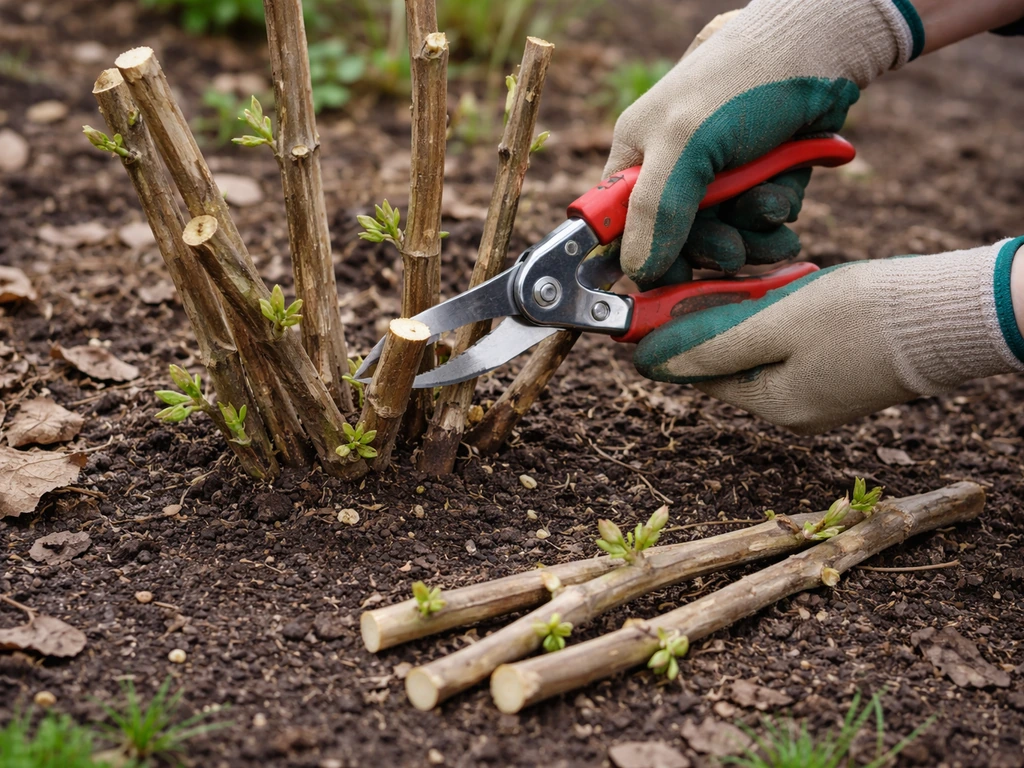
- Wait until early spring, once new growth is just beginning to emerge but after the main frost risk has passed (roughly late March to mid-April in temperate climates).
- Cut all main stems back hard. Plants at the back of a bed can be pruned to a framework of about 3 to 4 ft; those further forward to around 2 ft.
- Cut just above a pair of healthy buds or a node where you can see new growth breaking.
- Remove any dead or frost-damaged wood entirely, cutting back to living green tissue.
- If you want to delay peak flowering to coincide with late-summer butterfly activity, you can prune a little later in spring, which simply shifts the bloom window slightly later.
During the flowering season, deadhead spent flower spikes regularly by cutting them back to a side shoot or set of buds. This prevents the plant putting energy into seed production and encourages a second flush of flowers. Some gardeners do a light cutback of all faded spikes in late summer to push a final wave of blooms before autumn.
One note on dieback: in colder zones (USDA zone 5 and 6), stems often die back to the base over winter and it can look like the whole plant is dead in late winter. Do not panic. Check for green tissue lower down the stem before removing anything. Buddleia is remarkably good at shooting again from the base, and the hard prune process itself takes care of most dead wood naturally.
A note on other Buddleia types
Not all Buddlejas are pruned the same way. Some species (like Buddleja alternifolia) flower on last year's wood and should be pruned right after flowering in early to midsummer, not in spring. If you are not growing the standard B. davidii type, check which category your plant falls into before you pick up the secateurs.
Troubleshooting common issues: no flowers, leggy growth, pests and disease, winter damage
No flowers or very poor flowering
- Too much shade: Buddleia needs full sun. Even partial shade significantly reduces bloom. Relocate if possible.
- No spring prune or too-light pruning: this is the most common reason. Old woody stems produce far fewer flowers. Commit to a hard prune next spring.
- Too much nitrogen: switch to a balanced or potassium-rich fertiliser and stop any nitrogen-heavy feeding.
- Plant is too young: seed-started plants and newly transplanted shrubs may take a full season to establish before flowering properly.
Leggy, floppy growth
Leggy growth is almost always the result of insufficient light combined with not enough pruning. In low-light conditions the plant stretches toward the sun. In any conditions, skipping annual pruning results in long, weak stems with sparse flowers at the tips. Hard pruning in early spring resets this entirely within one season.
Poor germination from seed
If seeds are not germinating, the most likely issues are skipping cold stratification, sowing too deep (seeds need light), or soil temperature being too cold. Make sure you have done blank" rel="noopener noreferrer">the 4 to 6 week refrigerator stratification step, sow on the surface with just the lightest covering, and keep the tray at around 18 to 22°C. Germination can take anywhere from 21 to 45 days even under ideal conditions, so do not give up too quickly.
Pests
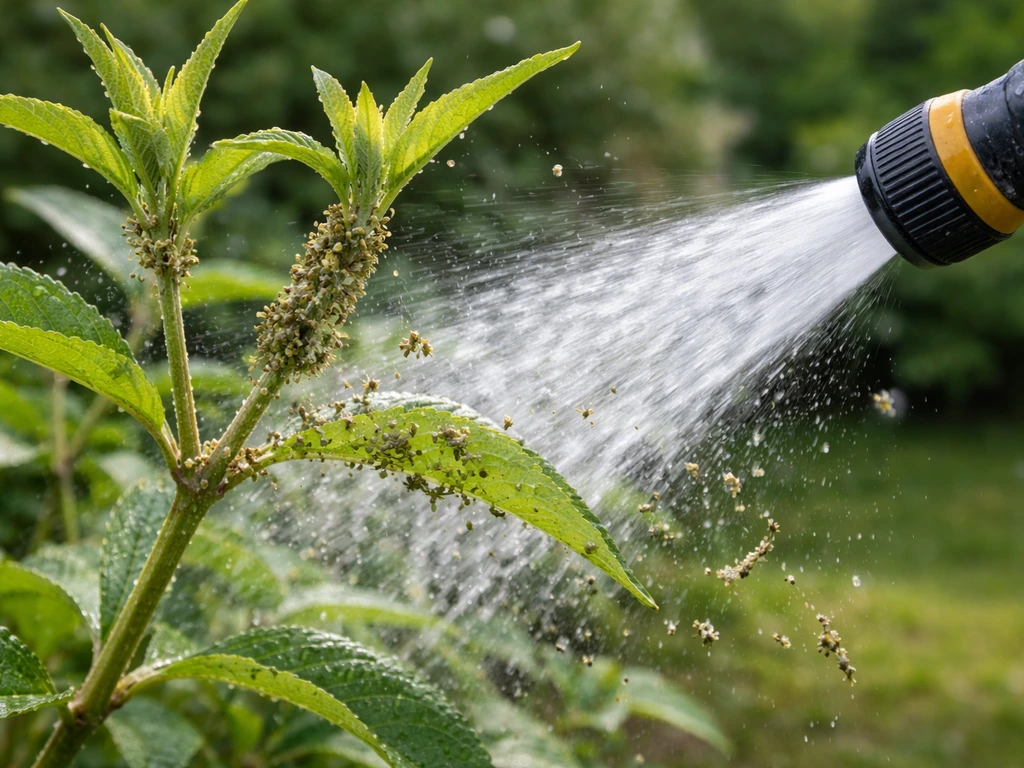
Aphids are the most common pest on Buddleia and can usually be dealt with by blasting them off with a strong jet of water from the hose. No chemicals needed in most cases. Red spider mite can appear during hot, dry spells (particularly after heat waves) and causes a stippled, dull look to the foliage. Improving air circulation through pruning and spacing, and keeping plants well watered during heat, helps keep mite populations down.
Disease
Powdery mildew can appear on foliage during humid weather, showing as white powdery patches. A spray of dilute baking soda with a light horticultural oil applied every 7 to 14 days during humid periods has shown effectiveness for woody ornamentals. Root and crown rot is more serious and almost always linked to waterlogged soil. If a plant suddenly collapses or shows brown, rotted tissue at the base, poor drainage is the culprit. There is no chemical fix once rot is established; prevention through well-drained planting is the only real answer.
Winter damage and dieback
In zones 5 to 6, heavy dieback to the base is normal and does not mean the plant is dead. The root system is hardy even when all the top growth dies back. In zone 5 and colder, a thick mulch of about 10 to 15 cm over the root zone before the ground freezes helps protect the crown. In zone 7 and warmer, stems usually survive mostly intact and just need dead tips removed in spring. Do not cut anything back in autumn in cold climates: the old stems actually provide some insulation for the crown over winter.
Seasonal care checklist and a simple grow-bloom timeline
Buddleia is genuinely low maintenance once established, but it does have a clear seasonal rhythm. You can use the same kind of straightforward seasonal care rhythm when figuring out how to grow butterfly begonias but it does have a clear seasonal rhythm. Keeping track of a few key tasks each season makes the difference between a plant that just survives and one that genuinely thrives and blooms for months.
Wax begonias need brighter light and a different pruning approach than butterfly bushes, but the basic idea is the same: encourage strong new growth to support lots of blooms how to grow wax begonias. Angel wing begonias have a similar “get the conditions right” rhythm, but they prefer warmer, brighter spots with consistent moisture rather than the pruning-heavy approach used for butterfly bush.
To get the best results, follow a simple, step-by-step plan for how to grow angelonia alongside your Buddleia.
| Season / Timing | Key tasks |
|---|---|
| Late winter (Feb) | Start seeds indoors after 4–6 week cold stratification; keep stratifying seeds started in January |
| Early spring (Mar–Apr) | Hard prune established plants to low framework once new buds are visible; remove dead wood; apply balanced fertiliser; refresh mulch layer (5–7 cm) |
| Late spring (Apr–May) | Harden off and transplant seedlings or nursery starts after last frost; water in well; keep soil moist for establishment |
| Early summer (Jun) | Watch for aphids; begin watering established plants only if prolonged dry spell; new growth is building the season's flowering stems |
| Midsummer to early autumn (Jul–Oct) | Peak flowering; deadhead spent spikes regularly to extend bloom; water during extreme heat; enjoy the butterflies |
| Late autumn (Oct–Nov) | Stop deadheading; leave old stems standing in cold climates for crown insulation; apply extra mulch over root zone in zone 5–6 before ground freezes |
| Winter (Dec–Feb) | Leave plant alone in cold climates; in mild climates a light tidy is fine; plan variety choices and order seeds for next season |
For seed-started plants, a rough timeline to expect: sow in February, germination by March or April, seedlings potted on through spring, transplanted outside after last frost in May, established and growing through early summer, first flowers possible by August or September in the same year. Not every plant will flower in year one from seed, but many do, especially in a warm summer.
If you are already growing other flowering shrubs and perennials alongside your Buddleia, the midsummer to autumn bloom window pairs beautifully with long-season annuals. The combination of plants that start blooming earlier in summer with Buddleia's reliable late-season peak creates a garden that supports pollinators almost continuously from spring through frost, which is the real goal for most gardeners who are drawn to butterfly bush in the first place.
FAQ
Can I prune buddleia in summer instead of waiting for early spring?
Yes, but use it like a tool for shape, not a shortcut for flowers. If you prune in spring after the coldest weather, leave the hard cutback as your main reset, then only tidy in midsummer by removing dead tips or very congested stems. Avoid heavy “second hard prunes” late in the season, because Buddleia flowers on that current season’s new wood and timing can reduce the late-summer spike count.
How often should I water buddleia the first year after planting?
For most Buddleia davidii types, water at soil level and stop once you see that the top layer stays damp less than it did before. A simple check is to wait until the top few centimeters dry, then water thoroughly until the ground is soaked, then wait again. This deep-then-dry pattern matters most in the first year, after that, only long heat waves and prolonged dry spells usually justify extra watering.
Will buddleia butterfly bush grow in a pot, and how should care differ?
Container Buddleia can bloom well, but the biggest risk is drought stress and root crowding, not poor soil. Use a large pot with good drainage, keep it in full sun, and water when the surface starts to dry, then water until excess drains. Expect you may need slightly more frequent feeding than in-ground plants, but still avoid high-nitrogen fertilizer to prevent leafy growth with fewer spikes.
If I grow buddleia from seed, will I get the same variety as the parent plant?
Most seedlings do not reliably match named cultivars, so treat seed-grown plants as “likely similar” rather than guaranteed Black Knight or Buzz-type traits. If you want the exact flower color and compact habit, the most dependable route is buying a labeled plant or taking cuttings from an existing cultivar. If you are fine with variation, seed is great for cheaper experimentation.
What are the top reasons my buddleia won’t bloom even though it grows leaves?
If your buddleia keeps flowering poorly, check light first, then pruning timing. Buddleia stretches and weakens in shade, producing fewer, smaller spikes, and skipped annual pruning leads to twiggy, aging wood at the tips. Nitrogen overload can also be a factor, look for very lush foliage with few blooms and consider switching to a lower-nitrogen, potassium-leaning feed in late spring.
How can I handle powdery mildew on buddleia without overreacting or losing the plant?
When you see powdery white patches, act during dry-to-humid stretches and improve airflow by spacing plants and removing the thinnest, congested growth during pruning. Also avoid overhead watering that keeps leaves damp for long periods. If you choose a household remedy, use it as directed and reapply at proper intervals, but the long-term fix is prevention through sun and airflow.
How do I know whether my buddleia should be pruned hard in spring or right after flowering?
It depends on which species you have. Buddleja davidii generally tolerates the hard early-spring prune and then flowers on new wood. Other species, like Buddleja alternifolia, bloom on last year’s wood and need pruning right after flowering. If you are unsure, identify the species or source label before cutting, because spring hard pruning can remove the buds you meant to keep.
My buddleia looks dead after winter, what should I do next?
Don’t treat dieback as a death sentence in colder regions, but do confirm living tissue before you cut. Look for green lower on the stems and around the base before removing anything, and wait until spring to do the main cleanup. In zone 5 to 6, add thicker winter mulch over the root zone before the ground freezes, because protecting the crown is what keeps the plant reliably coming back.
What should I troubleshoot if my buddleia seeds do not germinate?
If seeds are not germinating, focus on three common variables: cold stratification duration, sowing depth, and temperature. Keep the seed tray warm at roughly 18 to 22°C after stratification, sow on the surface or with only the thinnest covering so light can reach the seed, and do not assume it is failing early since germination can take up to about 45 days.
What fertilizer should I use for buddleia, and what should I avoid?
Aim for a slow release pace and avoid pushing soft, leafy growth. In spring, use a balanced or low-nitrogen fertilizer, and if you want to encourage flowering, consider a potassium-rich option later in spring rather than adding more nitrogen. If your plant is already very green and not forming spikes, stop “boosting” and correct the nitrogen first.
Next Article
How to Grow a Butterfly Bush: Step-by-Step Guide
Step-by-step guide to grow butterfly bush from planting to pruning, blooms, propagation, pests, and winter care.