Gypsophila paniculata, the classic baby's breath, is a tough, deep-rooted perennial that wants full sun, sharply drained soil on the alkaline side (pH 7.0–8.0), and very little fuss once it's established. Get those three things right and you'll have clouds of tiny white or pink flowers every June. Get them wrong, especially the drainage, and you'll spend the season wondering why it's rotting at the base or refusing to bloom.
How to Grow Gypsophila Step by Step for Blooming

Harriet Whitmore
24 Apr 2026
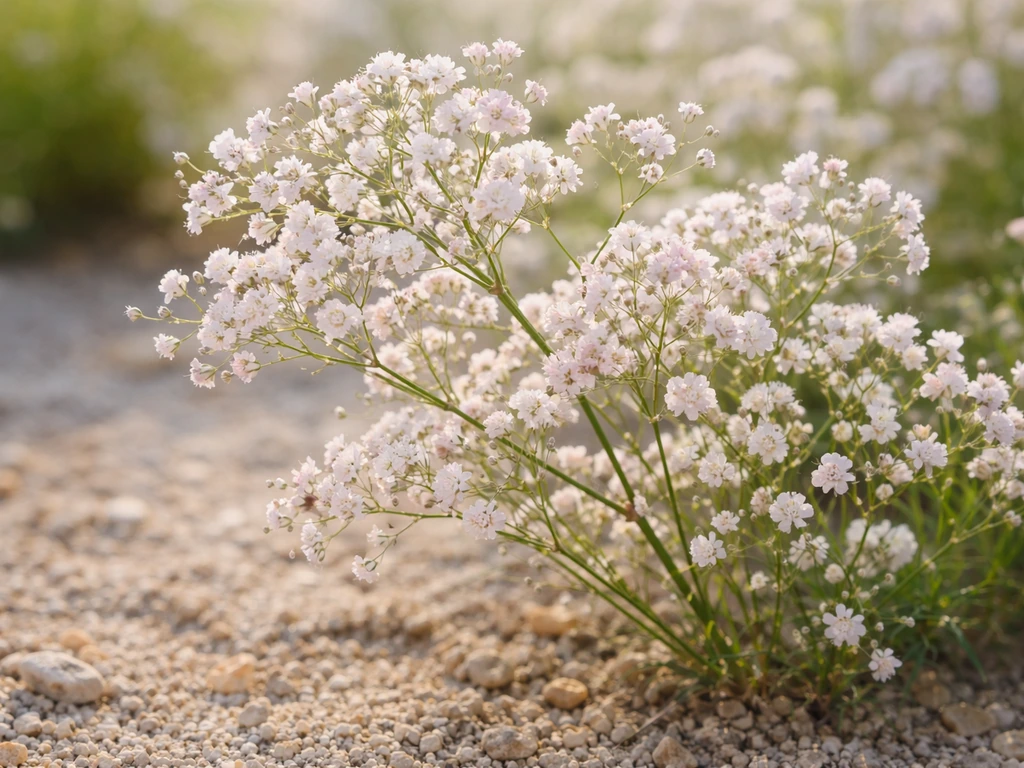
What gypsophila paniculata actually needs (and where it fits best)
This is a plant that evolved on open, stony, alkaline ground, and it remembers that. Gypsophila paniculata develops a large, fleshy taproot that goes deep into the soil searching for moisture, which is exactly why it's drought-tolerant once established but completely intolerant of waterlogged conditions. It's not a candidate for a shady border, a heavy clay bed, or a container that doesn't drain freely. Think of it as the opposite of moisture-loving perennials like geum, which thrive in richer, retentive soils. Geums, for example, are a different group that prefer richer, more moisture-retentive soil than gypsophila.
The good news is that most of the UK is perfectly suited to growing it as a long-lived perennial. Most varieties are hardy to RHS Zone H7, meaning they'll survive right across the country without any winter protection. G. paniculata 'Perfekta' reaches around 2.5–3 feet tall with a similar spread and is one of the best for cutting and drying. 'Compacta Plena' is a slightly shorter option at 14–30 inches, useful for the front or middle of a border where 'Perfekta' might dominate.
- Full sun (minimum 6 hours of direct sun daily)
- Free-draining, poor to moderately fertile soil — rich, heavy soils cause problems
- Slightly alkaline pH, ideally 7.3–7.5, tolerating up to around 8.0
- A permanent spot — don't plan to move it once established because of the deep taproot
- Good air circulation around the plant to reduce disease pressure
Setting up the right site and soil before you plant
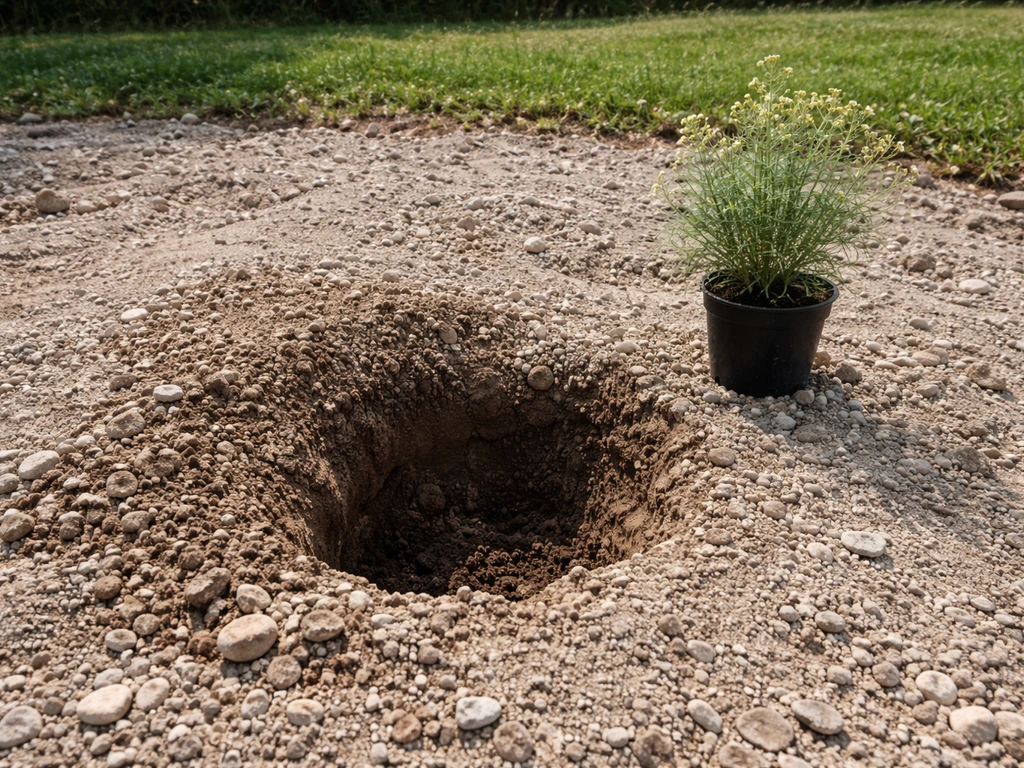
If your soil is clay-heavy or sits wet after rain, this is the most important thing you'll do: raise the bed or improve drainage before planting. Work in plenty of grit or coarse sand to open up the structure, and if you want to go further, a raised bed of 15–20 cm gives you much more control over drainage and pH. Avoid adding compost or manure in any quantity because gypsophila actually performs better in poorer, lower-nutrient conditions. Fertile soil pushes lush leafy growth at the expense of flowers.
If your soil is naturally acidic (common in many UK gardens, especially in the north and west), you'll need to raise the pH with garden lime before planting. A soil test is worth doing because gypsophila specifically wants that pH 7.0–8.0 range. Apply ground limestone at the rate recommended for your starting pH, rake it in, and ideally do this a few weeks before planting to let it work through the soil. Don't skip this step if your soil tests below 7.0, plants will struggle to establish and you'll see yellowing leaves and poor growth.
For the growing medium if you're starting in pots or trays, choose something with excellent permeability, a mix of seed compost with added perlite or grit works well. The key is that water drains through quickly rather than sitting around the stem base or roots, which is where rot starts.
When to plant: UK timing and seasonal schedule
Timing matters quite a bit with gypsophila, and it's one of the areas where people go wrong by treating it like a bedding annual rather than the perennial it is. Here's how the year breaks down for UK growers.
| Time of year | What to do |
|---|---|
| Late February to March | Start seeds indoors under cover (6–8 weeks before last frost) |
| March to April | Sow indoors if you missed the earlier window; pot up bare roots |
| April to May | Harden off indoor-started seedlings; transplant to final positions once frosts ease |
| May | Direct sow outdoors into final positions once soil can be worked |
| September to October | Alternative indoor sowing window for overwintering young plants |
| October to November | Cut back foliage as it dies down; mark plant positions to avoid disturbing the taproot |
The September to October sowing window is worth knowing about if you missed the spring season. Seedlings started in autumn can overwinter in a cold frame or cool greenhouse and be planted out the following spring, often giving you a head start on plants that flower in their first or second season.
Growing from seed: sowing, germination, and transplanting
Gypsophila seed germination is one of those topics where different sources give you slightly different advice, and the honest answer is that it can be variable. The RHS notes germination can be erratic and take up to a year in some cases, while West Coast Seeds puts it at 10–20 days for direct-sown outdoor seed and TrustBasket suggests 7–14 days under warmer indoor conditions. The difference comes down to temperature, seed freshness, and method. Here's what I've found works.
Sowing indoors
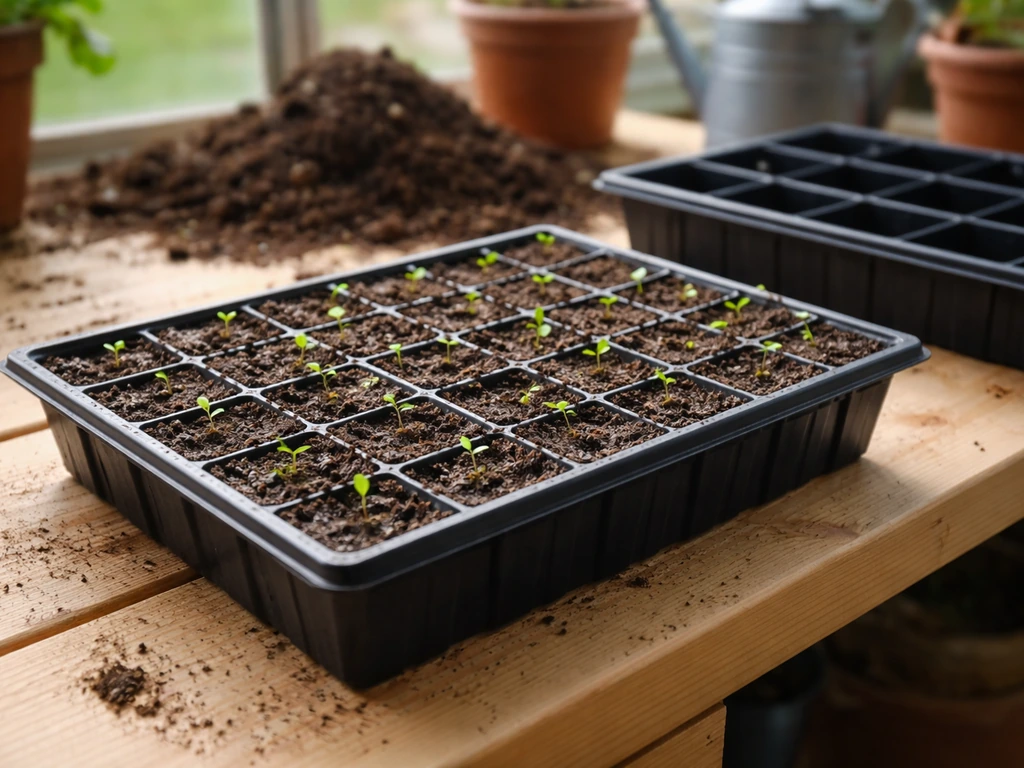
Sow into small trays or modules filled with a free-draining seed compost (add 20–30% perlite to standard seed compost). Sow seeds on the surface and cover very lightly, about twice the seed's own depth is the RHS guidance, which for gypsophila's tiny seeds means barely a dusting of compost or vermiculite. Some growers don't cover them at all. Aim for a germination temperature of around 13–18°C, a cool windowsill or unheated propagator is fine. Avoid high heat: you want cool rather than warm at this stage, and temperatures consistently above 21°C can actually inhibit germination or make it more erratic.
Keep the compost just moist, not wet. Once you see germination, reduce watering slightly to prevent damping off, which is a real risk with gypsophila seedlings in damp, enclosed conditions. When seedlings are large enough to handle (usually when they have their first true leaves), transplant them carefully into 7.5 cm pots using a well-draining mix, and grow on in cool, bright conditions.
Direct sowing outdoors
For direct sowing, wait until May in most UK regions when the soil can be worked but is still relatively cool. Prepare the surface to a fine tilth, sow thinly in shallow drills at about 3mm depth, and barely cover. Thin seedlings to final spacing (around 60 cm apart for most G. paniculata varieties) once they're established and easy to handle without disturbing neighbours. Direct sowing avoids any transplanting stress on that developing taproot, which makes it a genuinely good option if you have the bed ready.
Transplanting and bare roots

Here's the most important thing to know about transplanting gypsophila: that large taproot makes the plant genuinely difficult to move once it's settled in. If you're planting container-grown seedlings, do it while the plant is still small and before the taproot has gone deep. Handle roots as gently as possible and minimise root disturbance. If you're planting bare-root stock (which is sold by some UK nurseries), place the crown at or just slightly above soil level, not buried deep.
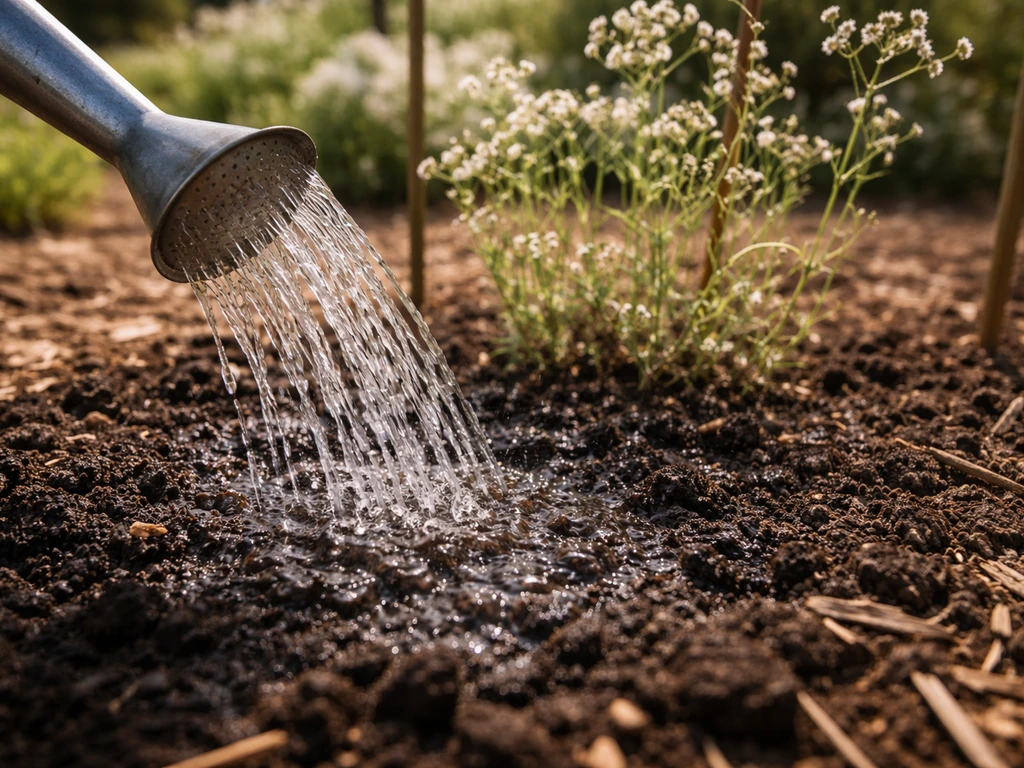
Water in well after planting, then ease off and let the soil dry down a little before watering again. This 'dry rest' approach after the initial watering encourages the roots to push downward rather than sitting in wet soil at the surface.
From establishment to bloom: watering, feeding, light, and support
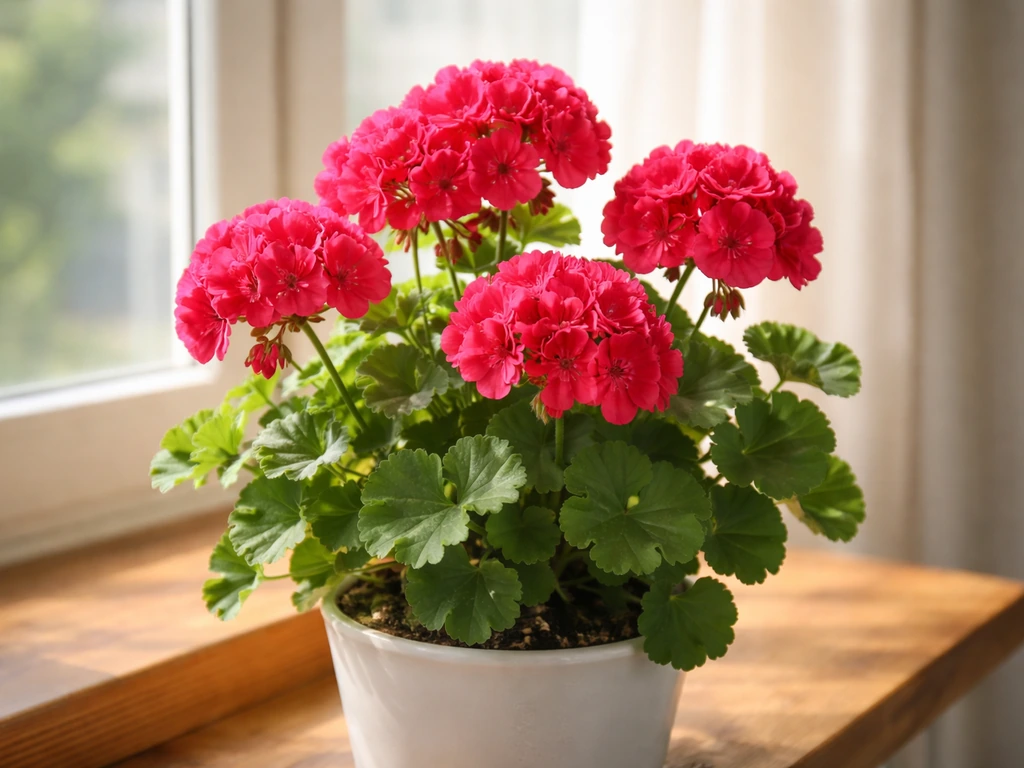
Once gypsophila is past the seedling stage and growing in its final position, it becomes surprisingly low-maintenance. The deep taproot accesses moisture from well below the surface, so established plants cope well with dry spells. Overwatering is a much more common mistake than underwatering. If you are also wondering about how to grow geranium plant, the big takeaway is to avoid overwatering because damp conditions can quickly cause rot in many common garden flowers.
When you learn how to grow geranium plants, watering consistency is also crucial, since overwatering can cause root problems. When you learn how to grow geranium plantss, watering consistency is also crucial, since overwatering can cause root problems, and it's similar to the careful balance you need in how to grow gerbera plants.
If you also want a fragrant planting, the approach for scented geraniums is different, so follow our guide on how to grow scented geraniums for best results. If you also want to move into more strongly scented plants, see how to grow scented pelargoniums for a different approach to sun, watering, and flowering. If you want climbing geraniums instead, follow the specific care steps for soil, sun, and training to get strong growth on a support.
Water young plants regularly until they show strong new growth, then cut back to watering only during prolonged dry periods.
Feeding is rarely needed and can actually work against you. High-nitrogen fertiliser promotes leafy growth and suppresses flowering. If your soil is genuinely poor and plants look starved (very pale, slow-growing), a single application of a balanced fertiliser in spring is enough. Otherwise, leave it alone.
Full sun is non-negotiable. Plants in partial shade will grow leggy and produce far fewer flowers. Position them where they get at least six hours of direct sun, ideally in an open, south or west-facing spot with good air movement. Climbing geraniums do best when you give them a sunny position and plenty of drainage, then train their stems onto a support as they grow.
Taller varieties like 'Perfekta' (up to 90 cm) can get top-heavy when in full bloom and may need light staking if your garden is exposed to wind. Use twiggy branches pushed in around the plant in spring so the stems grow up through them, which gives natural-looking support without visible stakes. Compact varieties generally don't need staking.
Deadheading spent flowers can encourage a second flush of blooms later in the season. It's worth trying, cut stems back by roughly a third after the main June flush and you may get a second wave of flowers in late summer.
Troubleshooting: why your gypsophila isn't performing
No flowers, or very few
This is almost always one of three things: too much shade, soil that's too fertile (especially high nitrogen), or plants that are simply too young. G. paniculata is a perennial that often devotes its first season to root development rather than flowering. Be patient, plants typically flower best from their second year. If a second-year plant still isn't flowering, check the pH (acidic soil suppresses blooming), the sun levels, and whether you've been feeding it with nitrogen-rich fertiliser.
Leggy or weak growth
Leggy, drawn-out stems usually point to insufficient light. Move the plant (while it's small enough) to a sunnier spot, or if it's in its permanent position, consider whether nearby plants or structures are casting shade. Weak growth combined with yellowing can also indicate overly acidic or waterlogged soil, both of which need addressing at the soil level rather than with feeding.
Rot, crown problems, and damping off
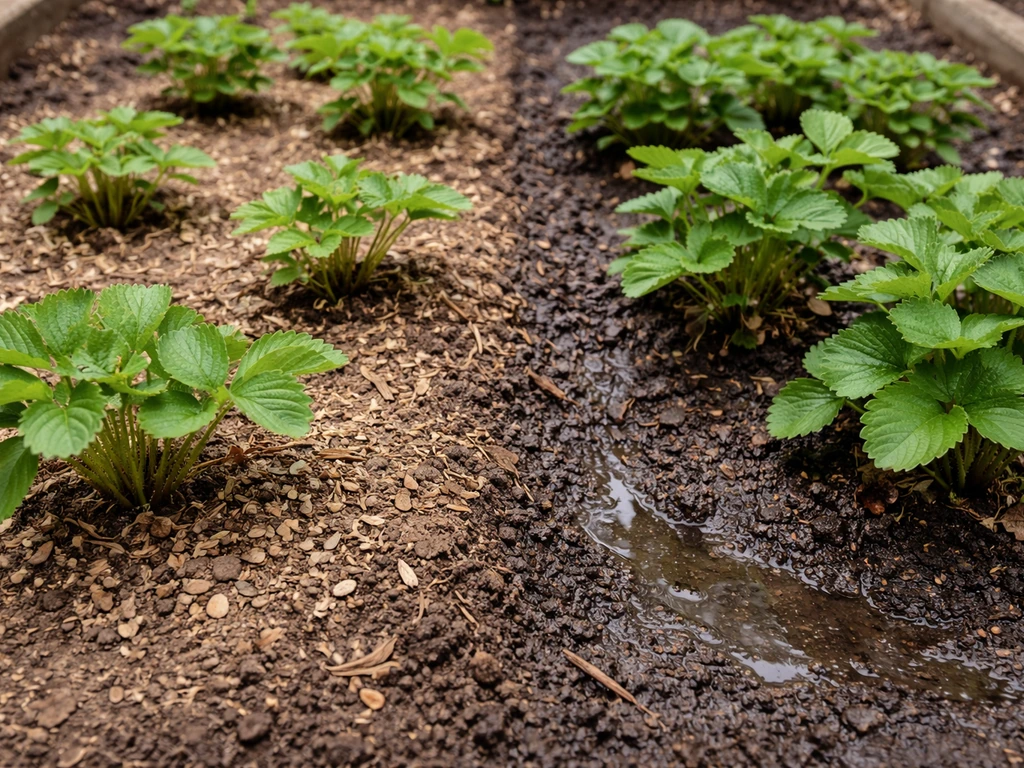
Crown rot and gray mold (Botrytis) are the main disease risks, and both are almost always triggered by excess moisture, poor drainage, or overcrowding that limits air circulation. Botrytis shows up as gray fuzzy mold on stems, buds, or the crown, and can cause blossom blight, stem canker, and seedling damping off. The fix is cultural rather than chemical: improve drainage, space plants further apart, remove any dead or dying plant material promptly, and avoid wetting foliage when you water.
A PubMed-indexed report describes [crown rot on Gypsophila paniculata caused by Fusarium proliferatum](https://pubmed. ncbi. nlm. nih.
gov/30743425/), confirming this disease is a real problem for the species. Damping off in seedling trays is best prevented by using clean containers, fresh compost, and avoiding overwatering from the moment of germination. University of Minnesota Extension advises preventing seedling damping-off by improving growing conditions, noting that cool conditions, such as water around 50°F, can increase opportunities for infection [seedling damping off](https://extension. umn.
edu/solve-problem/how-prevent-seedling-damping).
Poor or slow germination
If your seeds aren't germinating, the first question is temperature. Seeds sown at consistently cool temperatures (below 10°C) will be very slow. Aim for 13–18°C. If you've been covering seeds too deeply, try surface-sowing with the lightest possible covering. Seed freshness matters too, gypsophila seed doesn't store well for years. Always use fresh seed from the current season or the one immediately prior. If germination is simply slow and uneven after three to four weeks, keep the tray moist and don't give up too quickly, erratic germination is genuinely characteristic of this species.
Transplant failure
If plants wilt and collapse after transplanting, root disturbance is the most likely cause. The taproot is sensitive, and larger plants that have been in pots for a long time are especially vulnerable. Next time, transplant earlier (at the seedling stage), handle roots as carefully as possible, and water in well. Bare-root plants should be planted without delay after purchase, kept moist until they go in, and given that initial settling watering followed by a dry rest period.
Cutting for the vase and end-of-season care
Gypsophila is one of the best cut flowers in the garden, and cutting actually encourages the plant to keep producing stems. For the best vase life, cut the longest stems you can manage using sharp, clean secateurs or snips. Strip off any leaves that would sit below the waterline, and place the stems immediately into a clean bucket of water. Don't leave them lying out in the sun or air, wilting happens quickly and can be hard to reverse even with rehydration.
For drying, cut stems just as the flowers are reaching full open and before they start to drop. Hang bunches upside down in a warm, airy spot out of direct sunlight. Dried gypsophila holds its shape and colour well for months and is one of those flowers that genuinely earns its space in the garden just for this purpose.
At the end of the season, once the foliage has died down (usually in October or November), cut the plant back to near ground level. The RHS recommends cutting back at this point in autumn. Mark the position of the plant clearly, that dormant crown sitting just below soil level is easy to damage accidentally when you're digging nearby in winter. Mulching around (not over) the crown with grit rather than organic mulch helps keep moisture away from the crown during wet winters, which is a sensible precaution in wetter UK regions.
Come spring, resist the urge to dig the spot if growth seems slow to appear. Gypsophila is often later than neighbouring perennials to show above ground, so give it time before assuming the worst. Once you see new shoots, you're set up for another season of those airy, floaty flowers that make the whole garden feel lighter. If you are specifically after scented geraniums, focus on variety choice and give them bright light, consistent watering, and well-drained soil to keep their fragrance strong.
FAQ
Can I grow gypsophila in containers on a balcony or patio?
Yes, but treat it as a short-term nursery. Use a deep pot with free drainage, avoid compost-heavy mixes, and expect higher failure risk because the taproot needs consistent depth without getting waterlogged. If the pot stays wet after rain, crown and base rot are your main problems, so water only when the mix is dry down several centimetres.
Will gypsophila flower again if I deadhead it?
Don’t rely on deadheading alone for a guaranteed second flush. The timing that matters most is how you cut after the main flowering, cutting back about a third once the first flush is over, and only if plants are otherwise in the right spot (full sun and low fertility). If the plant is still establishing in year one, it often won’t repeat bloom.
What’s the best way to transplant an established gypsophila plant?
If you need to move it, do it only while it is very small, ideally in the seedling stage. Once the fleshy taproot has formed, transplanting frequently causes permanent setback or complete loss. If you must relocate a larger plant, lift with a long root ball, disturb as little soil around roots as possible, and keep the area on the dry side for the first few weeks after planting.
My gypsophila leaves are yellowing, what should I check first?
Yellowing leaves usually signal a soil problem, most often acidity that is too low for the 7.0 to 8.0 range, or wet, poorly drained conditions. Before adding any feed, check soil pH and drainage, then confirm you did not apply high-nitrogen fertiliser, because that can worsen the lush growth with fewer blooms.
How do I prevent mold or crown rot on gypsophila?
Overcrowding and constant dampness are the fastest routes to Botrytis and crown rot. Improve airflow by spacing plants at about the variety’s mature width (you can use around 60 cm as a general target for many paniculata types), remove dead material promptly, water at the soil level, and avoid wetting buds and foliage.
Why didn’t my gypsophila seeds germinate even though I followed the sowing steps?
Yes, but it must be shallow and you need fresh seed. Sow on the surface or under a very light covering (a dusting is often enough), keep temperatures around 13 to 18°C, and expect germination to be erratic. If nothing appears after 4 weeks, keep it going a bit longer rather than discarding too early.
What causes gypsophila seedlings to fall over after sowing?
If seedlings collapse, damping off is likely, and it is usually caused by excess moisture plus still air and contaminated or used compost. Use clean trays, fresh free-draining seed compost, water lightly from below if possible, and reduce watering once seedlings emerge to keep the surface from staying wet.
How can I get longer vase life from cut gypsophila?
Most cut flower problems come from handling after cutting and hydration at the start. Cut in the coolest part of the day, strip leaves that would sit in water, put the stems into a clean bucket immediately, and keep the bucket out of sun and wind. For extra reliability, recut the stem ends before arranging.
Should I feed gypsophila during the growing season?
In most UK gardens, you can stop fertilising once the plant is established, especially if soil is already decent. If plants look pale and weak, use only a single spring application of a balanced fertiliser, and skip anything with a high nitrogen ratio because it can reduce flowering and encourage soft growth that is more disease-prone.
Is it normal for gypsophila not to flower in the first year?
For the best chance of bloom, aim for a sunny position and low nutrient inputs, then wait. Gypsophila commonly spends its first year building the taproot, so lack of flowers in year one is normal. If you still get no flowers in year two, reassess pH, sunlight (at least about six hours), and whether any high-nitrogen feeding has happened.
Next Article
How to Grow Geranium Plants: From Cuttings to Bloom
Step-by-step how to grow geraniums from cuttings or seed to big blooms indoors or outdoors, with care and fixes.