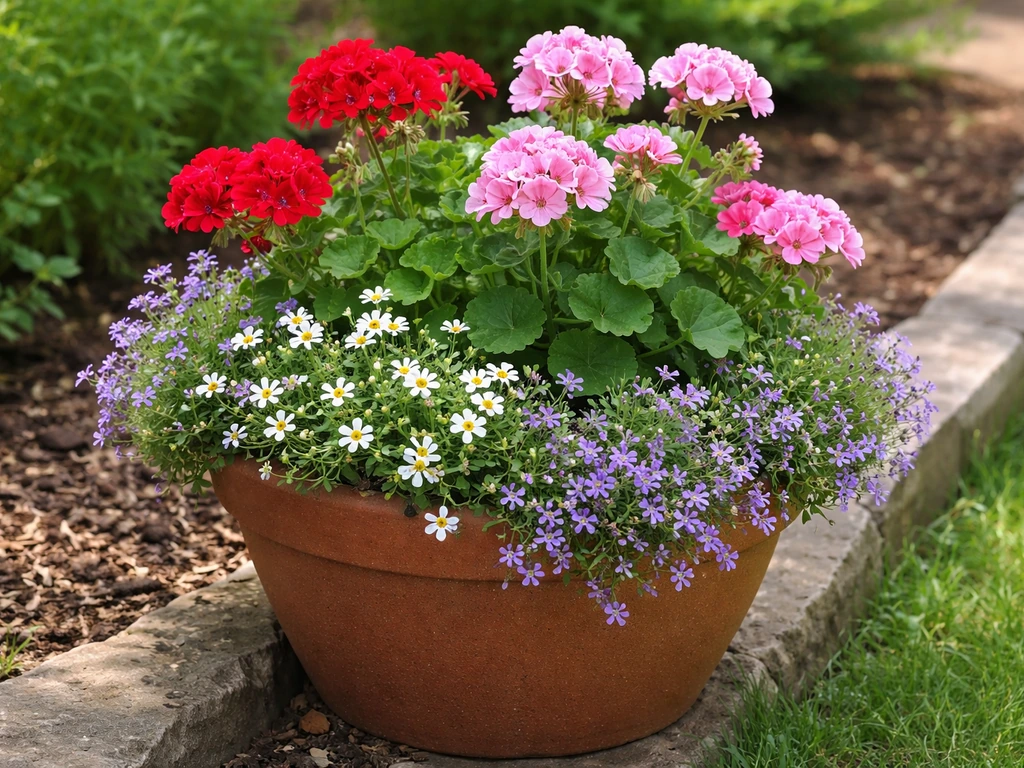
Geraniums grow best in a spot that gets at least 4 to 6 hours of direct sunlight a day, in well-drained soil or a container with good drainage, and away from frost. For most gardeners growing the common bedding or zonal types (pelargoniums), that means a sunny patio, a south- or west-facing border, or a bright windowsill if you're keeping them indoors. Hardy geraniums (true Geranium species) are more forgiving and can handle dappled shade, making them easier to tuck into trickier spots around the garden.
Where to Grow Geraniums: Best Spots, Soil, and Timing

Harriet Whitmore
1 May 2026
Where geraniums actually come from (and why it matters)
Understanding a plant's natural habitat is one of the fastest shortcuts to getting its growing conditions right. The common garden geraniums most people grow, the zonal types and ivy-leaved varieties sold at every garden center, are pelargoniums originating from southern Africa, specifically the Cape Provinces of South Africa. Pelargonium zonale and Pelargonium peltatum (the ivy-leaved type) both come from regions that are warm, sunny, and relatively dry for much of the year. That background tells you everything: these plants love sun, tolerate lean soil better than soggy soil, and absolutely cannot handle frost.
Hardy geraniums (true Geranium species like Geranium sanguineum) are a completely different group. They're native to temperate regions across Europe and Asia, which means they're adapted to cooler temperatures, varying light levels, and actual winters. Knowing which type you have changes where you can plant it, how you manage it seasonally, and whether it'll come back next year without any intervention.
Indoors vs outdoors: making the right call
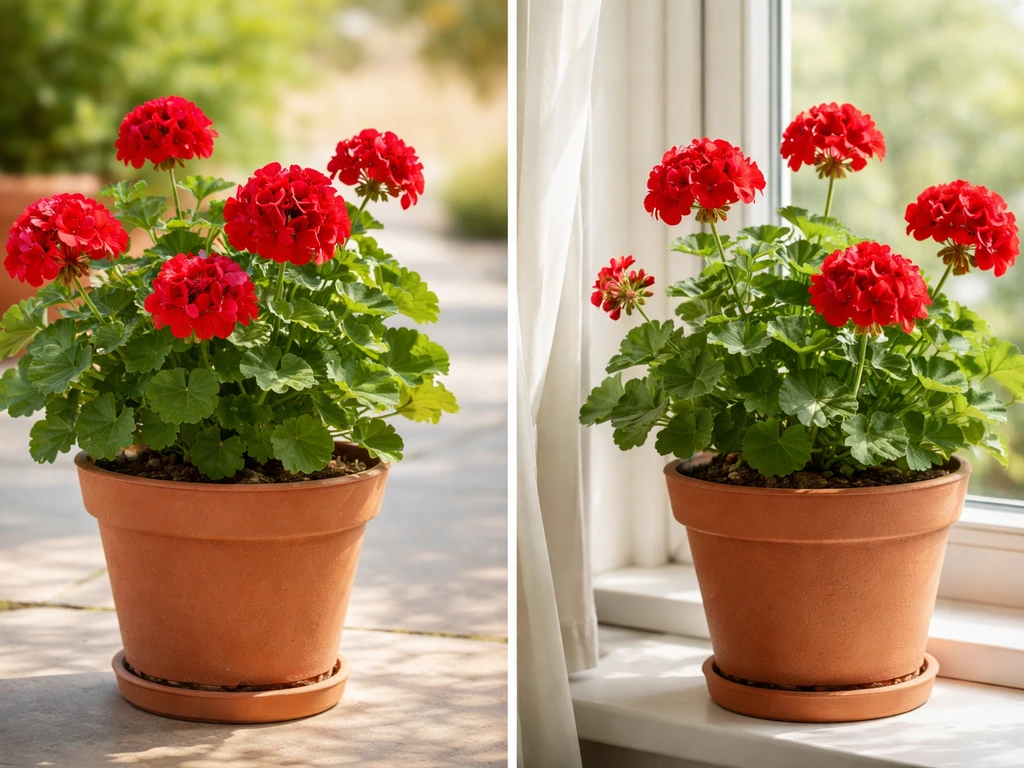
Most pelargoniums are grown outdoors during the warmer months and either discarded at season's end or brought inside before the first frost. If you're in a climate with mild winters (think coastal California, parts of the Pacific Northwest, or similar temperate zones), you can often leave them outside year-round with some protection. Everywhere else, treating them as tender annuals or moving them indoors for winter is the realistic approach.
Indoors, pelargoniums can do surprisingly well if you give them a south-facing window with as much direct light as possible. A sunny conservatory or heated greenhouse is ideal. They won't perform as dramatically as they do outside in full sun, but they'll stay alive and healthy through winter, ready to go back out in spring. If you want a fuller guide on keeping them going until spring, focus on light, temperature, and avoiding frost damage throughout the winter months through winter. If you're growing geraniums purely as houseplants year-round, be honest about your light situation. A dim corner won't work.
Hardy geraniums are genuinely different here. They stay in the ground outdoors through winter in most temperate climates without any fuss. They don't need to come inside, they don't need frost protection, and many actually benefit from a hard cutback in late summer to encourage fresh growth. If you're looking for a low-maintenance perennial for a border, a hardy geranium is a much easier outdoor commitment than a pelargonium.
Getting sunlight and temperature right
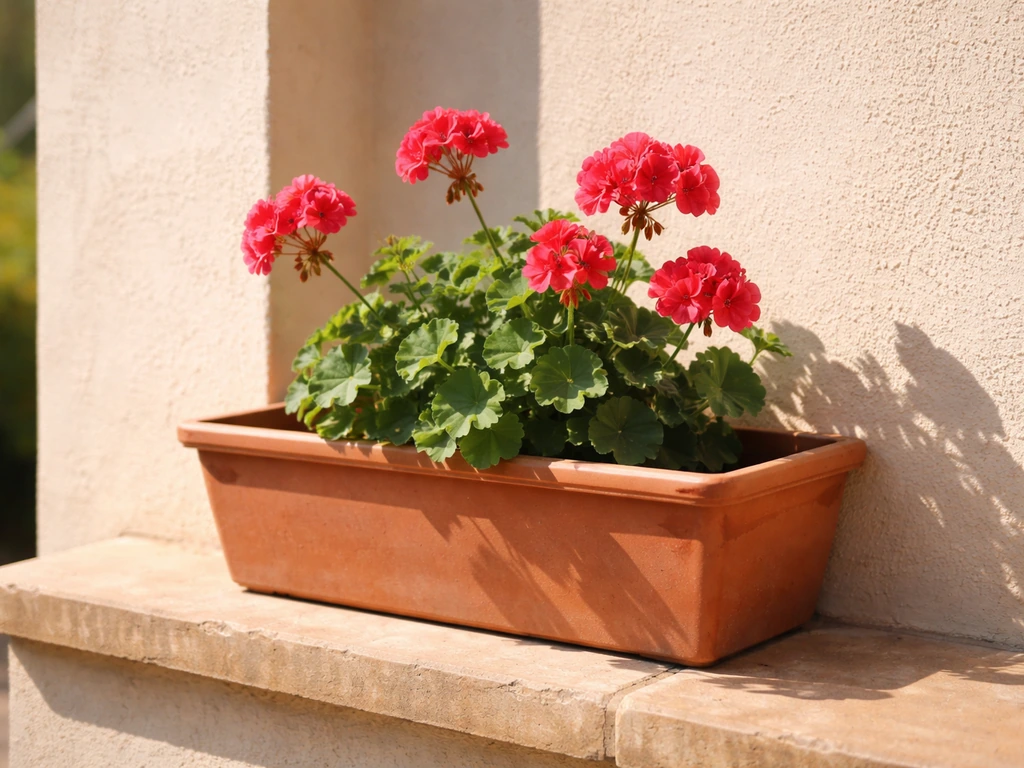
For pelargoniums, more sun is almost always better. They thrive with the maximum light available, and a south-facing spot, whether that's a patio, a window box, or a container by the front door, gives them the best chance to flower prolifically. Research from UF/IFAS shows that even with as little as 3 hours of sun, most bedding geraniums will still flower through summer, so low-light spots aren't a complete write-off. The UF/IFAS FPS458 fact sheet for pelargonium (bedding geranium) is provided as a PDF and supports the sun and flowering guidance for this crop. But the blooms will be less abundant and the plants less vigorous. If you have a choice, pick the sunnier spot every time.
Temperature is where pelargoniums draw a firm line. UMN Extension notes that annual geraniums need cool night temperatures, about 50 to 60°F, to blossom, which affects bloom timing cool night temperatures (about 50 to 60°F) to blossom. They will not survive frost, full stop. Even a light frost can kill or seriously damage them. In the UK and northern US, that means they go out after the last frost date in spring and come back in before the first frost in autumn. In warmer climates like the southern US, the timing shifts, and in some cases you might plant them in autumn for a winter and spring display instead.
Hardy geraniums are much more relaxed about temperature. Most are fully frost-hardy and can handle genuinely cold winters without protection. They prefer full sun to partial shade, with Geranium sanguineum specifically thriving in both. You'll get the most flowers in a sunnier position, but unlike pelargoniums they won't sulk badly in partial shade. Epic Gardening notes that full shade does reduce flowering, so aim for at least a few hours of direct sun if you can.
| Feature | Pelargonium (tender geranium) | Hardy geranium (true Geranium) |
|---|---|---|
| Frost tolerance | None, bring in before first frost | Fully frost-hardy in most zones |
| Best light | Full sun, minimum 4-6 hours | Full sun to partial shade |
| Overwinters outdoors | Only in frost-free climates | Yes, most temperate zones |
| Indoor growing | Viable with a sunny window | Not typically needed |
| Typical use | Annual, patio, containers, bedding | Perennial border, ground cover |
Soil, drainage, and container setup
Geraniums of all types do poorly in waterlogged soil. That's the single biggest mistake I see people make. Roots sitting in soggy ground or a pot without drainage holes will rot, and the plant will decline quickly. For in-ground planting, the ideal is moist, well-drained soil. If your garden has heavy clay that holds water, either amend it with grit and compost before planting or stick to raised beds and containers where you control the drainage.
For containers, use a good quality potting compost rather than garden soil, which compacts in pots and drains poorly. A mix with added perlite improves drainage further, which pelargoniums especially appreciate. Make sure every container has drainage holes at the bottom, and if you're using decorative outer pots, don't let water pool in them. For pot size, a 15 to 25 cm (6 to 10 inch) pot works well for a single zonal pelargonium. Ivy-leaved types trailing from a hanging basket or window box need more room, so a larger basket of at least 30 cm across gives the roots space to establish properly.
Hardy geraniums planted in the ground are easier to manage. To learn the full step-by-step process of how to grow hardy geraniums, focus on choosing the right spot, planting time, and drainage. They're less fussy about soil quality as long as drainage is reasonable, and they spread gradually to fill gaps in a border. Top-dress with compost annually and they'll largely take care of themselves.
When to plant and what to expect on the way to blooms
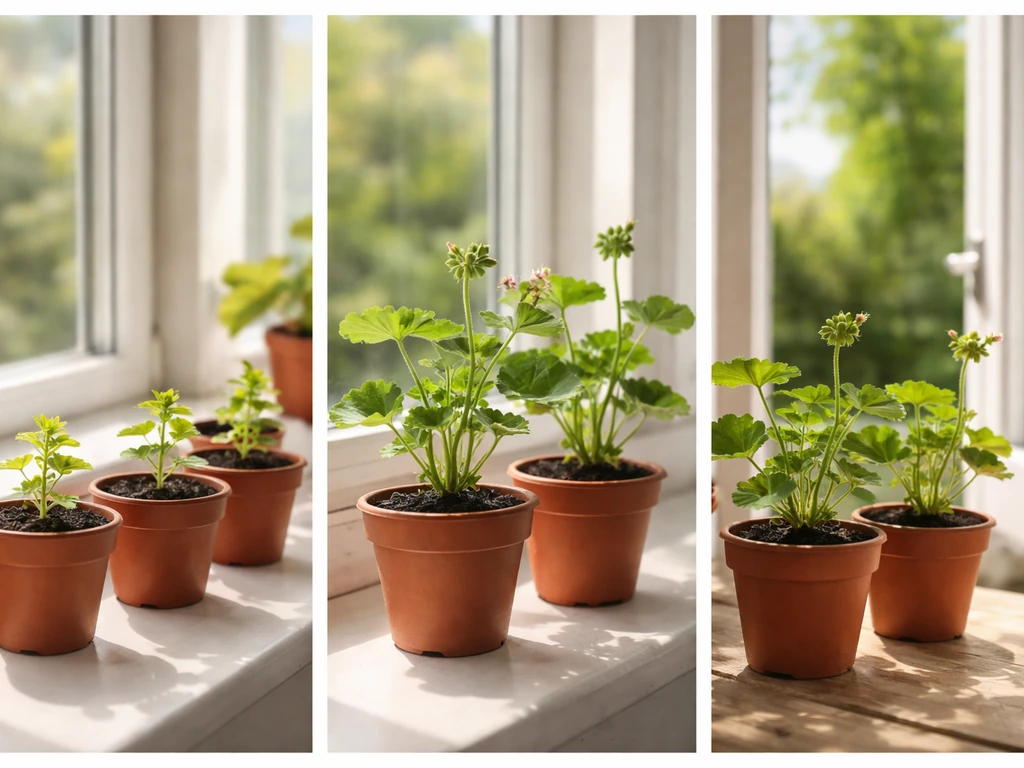
If you're growing pelargoniums from seed, start them indoors 12 to 16 weeks before your last frost date to get plants ready to go outside in spring. Seeds need warmth to germinate, around 21 to 24°C (70 to 75°F), so a heated propagator or a warm windowsill works well. From transplant-ready seedlings or purchased plug plants, the rule is simple: plant outside after the danger of frost has passed. In the UK that's typically late May; in northern US zones it's similar, shifting earlier as you move south.
Pelargoniums started from cuttings (a very reliable method) can be rooted in late summer and overwintered indoors, giving you established plants ready to go out the following spring without the seed-starting timeline. This is how a lot of experienced gardeners carry their favorite varieties from year to year.
Hardy geraniums are planted as young plants or divided clumps in spring or autumn. They establish quickly and most will flower in their first full season, continuing to return and spread each year with minimal effort. For seed-grown hardy geraniums, expect to wait until the second year for a strong display.
When they're not thriving: fixing common location problems
Leggy stems and few flowers
This is almost always a light problem. If your geranium is stretching toward the nearest window or producing long spindly stems with sparse blooms, it's not getting enough sun. Move it to a brighter spot as soon as you can. For indoor plants, the sunniest south-facing window you have is the target. Outdoors, relocate to a less shaded position. Pinching back the leggy growth encourages bushier regrowth once the light situation improves.
Wilting despite regular watering
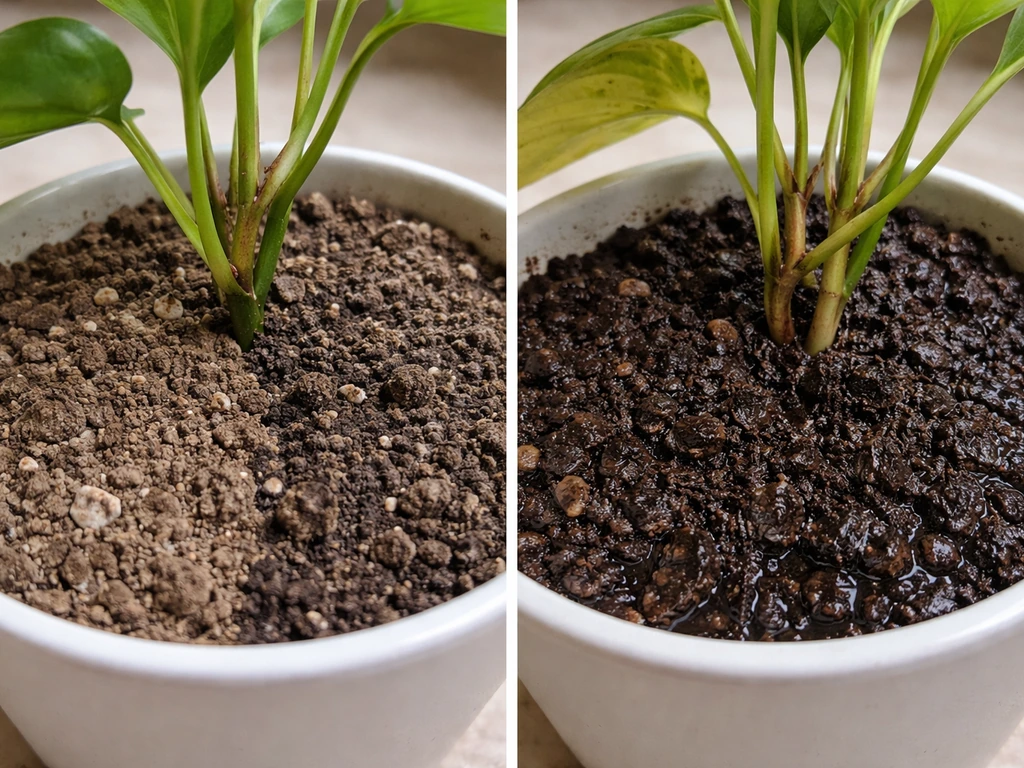
Counterintuitively, wilting often signals overwatering and root rot rather than drought. If the soil or potting mix feels constantly wet and the plant looks limp and yellowed, check the roots. If they're brown and mushy rather than white and firm, you have a drainage problem. Repot into fresh, well-draining compost, cut away any rotten roots, and ease back on watering. Water pelargoniums when the top inch of compost feels dry, not on a fixed schedule.
Heat stress and scorched leaves
Pelargoniums love sun but can struggle in extreme heat, especially in containers that heat up quickly. If you're in a climate with very hot summers (above 35°C / 95°F for extended periods), afternoon shade can actually help rather than hurt. A spot that gets morning sun and some protection from the most intense afternoon heat keeps plants more comfortable in midsummer. Make sure containers don't dry out completely in heat waves, as water stress compounds the problem.
No flowering at all
If a pelargonium isn't flowering, light is the first thing to check. After that, consider whether it's been overfed with nitrogen-heavy fertilizer, which drives leafy growth at the expense of flowers. Switch to a high-potash feed (like a tomato fertilizer) once plants are established and you want to encourage blooming. Also double-check that frost hasn't damaged the plant, even a near-frost event can set back flowering temporarily.
Variety differences and overwintering: where your type lives long-term
Zonal pelargoniums (the classic upright bedding types with rounded leaves and bold flower heads) are the most common and adaptable. They work well in borders, pots, and window boxes, and respond well to being lifted and overwintered indoors in a frost-free place. Ivy-leaved pelargoniums are natural trailers, perfect for hanging baskets and the edges of containers where stems can cascade. Their care requirements are similar to zonals but they tend to prefer slightly drier conditions.
Regal pelargoniums are showier and a bit more demanding. They prefer cooler temperatures to set buds and can struggle in very hot summers, making them better suited to a sheltered patio or greenhouse environment. Scented-leaved types are generally tough and compact, working well in containers and tolerating a bit more variability in conditions.
For overwintering pelargoniums, the approach is to lift container plants before the first frost, cut them back by about half, and keep them in a cool but frost-free place over winter. A temperature of around 5 to 10°C (40 to 50°F) is ideal. They'll look a bit sad through the coldest months, but they'll perk up and can be repotted and moved back outside once frost risk has passed in spring. Hardy geraniums need none of this. They're perennials that die back in winter and regrow reliably each spring, making them a genuinely plant-and-forget option for the right spots in your garden.
Whichever type you're growing, getting the location right is the foundation everything else builds on. Once your geraniums are in the right spot with the right drainage, the rest of the care, watering, feeding, deadheading, falls into place much more naturally. If you want your geraniums to look their best, it helps to plan what to grow with geraniums so the surrounding plants match their light and soil needs. Start with the spot, and the blooms will follow.
FAQ
I have only partial shade, where to grow geraniums so they still bloom?
For pelargoniums, choose the brightest available spot and protect them from the hottest afternoon sun if summers are very hot. If you must use dappled shade, aim for at least several hours of direct sun, expect fewer and smaller flower clusters, and rotate containers every week so all sides get light. For hardy geraniums, partial shade can work better, but flowering drops in deep shade, so try to place them where mornings or late-afternoon sun reaches them.
How close can geraniums be to a wall or under eaves without drying out or overheating?
Siding and eaves can create a “light trap” that reduces direct sun, even if the area looks bright. Place pelargoniums where they still receive direct sun at least part of the day, and leave enough spacing for airflow (avoid tightly packed corners). In hot climates, use morning sun plus afternoon protection, and check container moisture more often because walls radiate heat and speed up drying.
What’s the best place for geraniums if my garden soil stays wet in winter?
If the ground holds water, do not plant pelargoniums in that area because drainage failures show up as root rot. Use raised beds, amended soil with compost and grit, or containers with drainage holes instead. For hardy geraniums, they tolerate cooler conditions, but waterlogged soil still causes problems, so prioritize drainage and avoid planting low spots that collect runoff.
Do geraniums need morning sun or is afternoon sun better?
For pelargoniums, more total light usually means more flowers, but afternoon sun can be harsh in containers during heat waves. A practical compromise is morning sun with some afternoon shade, especially when temperatures exceed about 35°C (95°F) for long stretches. Hardy geraniums tolerate heat better than pelargoniums, but they still flower best when direct sun reaches them for at least a few hours.
Where to grow geraniums in containers if I use decorative outer pots?
Do not let water pool in the outer cachepot. Ensure the inner pot has drainage holes, empty any saucers after watering, and use outer pots that do not trap runoff. Also avoid potting “garden soil” in containers, it compacts and reduces drainage, so use quality potting compost and consider perlite for extra drainage.
What pot size should I choose based on where I place geraniums (windowsill vs hanging basket vs patio)?
For a single zonal pelargonium, a 15 to 25 cm (6 to 10 inch) pot is usually enough for steady flowering. Ivy-leaved trailing types need more room because their stems and roots spread, so use at least a 30 cm (about 12 inch) hanging basket or similar width container to reduce stunting. If you go smaller, the plant may bloom briefly but will dry out and fade faster in hot weather.
Can I move my geraniums to a better spot after planting, or will it shock them?
They can usually handle relocation, but do it thoughtfully. If you are moving pelargoniums for better light, transition gradually over several days to avoid sunburn, especially if they were in a dim or indoor window. For hardy geraniums, transplant young plants or divided clumps in suitable seasons (spring or autumn) and water in well, because moving at random mid-summer can slow establishment.
How do I decide between planting pelargoniums outside seasonally versus overwintering indoors?
Treat pelargoniums as tender plants if frost is a real risk, overwinter by lifting container plants before the first frost and keeping them cool (around 5 to 10°C, 40 to 50°F) but frost-free. If you live in a mild zone with consistently low frost, you may leave them outside with some protection, but you still need to monitor nights when temperatures dip. If you cannot provide enough winter light indoors, it may be better to start fresh in spring.
What should I do if my geranium looks healthy but won’t flower where I planted it?
First check light, even a sunny-looking spot can be too dim if direct sun hours are low. Next, consider fertilizer: heavy nitrogen encourages leafy growth with fewer blooms, so switch to a higher-potash feed once established. Also inspect for near-frost setbacks if your area gets borderline freezing nights, because flowers can stall even when plants survive.
Where to grow geraniums if the plants keep wilting, but the soil seems damp?
Wilting with consistently wet soil is a red flag for overwatering and root rot. Check roots if possible, look for brown, mushy tissue rather than firm white roots. Refresh the mix (repot with well-draining compost), remove rotten roots, and water pelargoniums only when the top inch of compost dries. This drainage correction is usually more effective than simply watering more or less.
Can I plant hardy geraniums in the same spots as pelargoniums and expect the same results?
Not reliably. Pelargoniums need warmth and absolutely cannot tolerate frost, so frost-prone beds and cold corners are not suitable for them. Hardy geraniums can handle winters in many temperate climates and are more forgiving of varying light, but they still prefer well-drained ground. If you want one “set-and-forget” bed, choose hardy geraniums for winter survival and pelargoniums only for seasonal color where you can control frost and drainage.
Next Article
What to Grow With Geraniums: Companion Plants and Tips
Companion plant picks for geraniums: best flowers, spacing, watering, airflow tips, and troubleshooting pests or poor bl