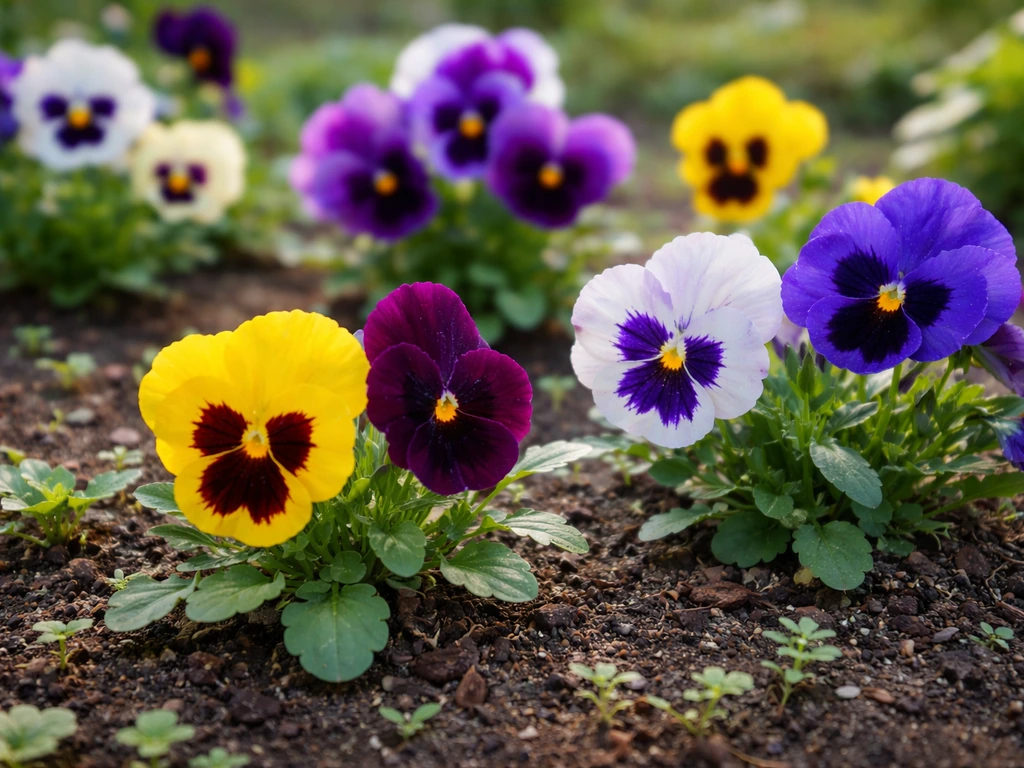
Pansies are one of the most rewarding cool-season flowers you can grow, and getting them to bloom well comes down to three things: planting at the right time, giving them rich and well-draining soil, and keeping up with deadheading once flowers start opening. If you’re playing Animal Crossing, you can use the same cool-season growing basics to figure out how to grow blue pansies efficiently. Get those three right and you'll have thick, colorful plants from fall through spring in most climates. Purple Queen is a deep-purple pansy variety, so once you’ve nailed the basic pansy care steps, you can apply the same growing guidance to get the best blooms.
How to Grow a Pansy: Seed to Bloom Guide

Harriet Whitmore
29 Apr 2026
Choosing the right pansy variety and timing
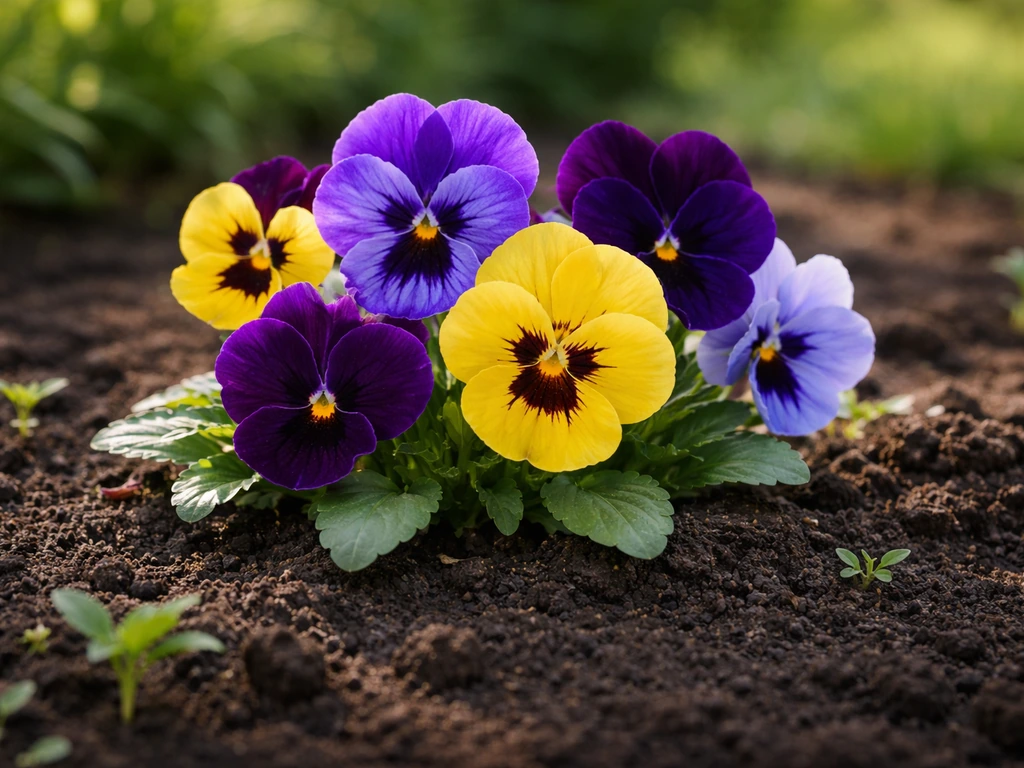
Most pansies you'll find are cultivars of Viola × wittrockiana, and the variety you choose matters more than beginners expect. If you want big, showy blooms, the Majestic Giants Series is hard to beat, with flowers reaching around 4 inches across and strong performance going into spring. Swiss Giants Mix is another classic, widely available as seed or transplants and reliable for both spring and fall bloom periods. Both are excellent starting points, and if you want to get into a specific color like deep purple or bi-color blotches, most garden centers carry single-color selections within these series.
Timing is everything with pansies because they genuinely thrive in cool weather and struggle when heat sets in. In most of the country, you have two planting windows: early spring (as soon as the soil can be worked, often 4 to 6 weeks before your last frost) and late summer into fall (about 6 weeks before your first hard frost). Once you know those windows, you can choose the best time for your region and start planning exactly where to grow pansies two planting windows. If you’re wondering when to grow pansies in your area, start by matching those windows to your local frost dates. In mild-winter climates with long frost-free periods, pansies can bloom all the way through winter with fall planting. If you're in a region with harsh winters, a fall planting establishes roots before the ground freezes and rewards you with very early spring bloom. For spring planting in cold climates, get transplants in the ground as soon as nighttime temps are consistently above about 25°F since pansies can tolerate light frost.
Starting pansies from seed vs buying transplants
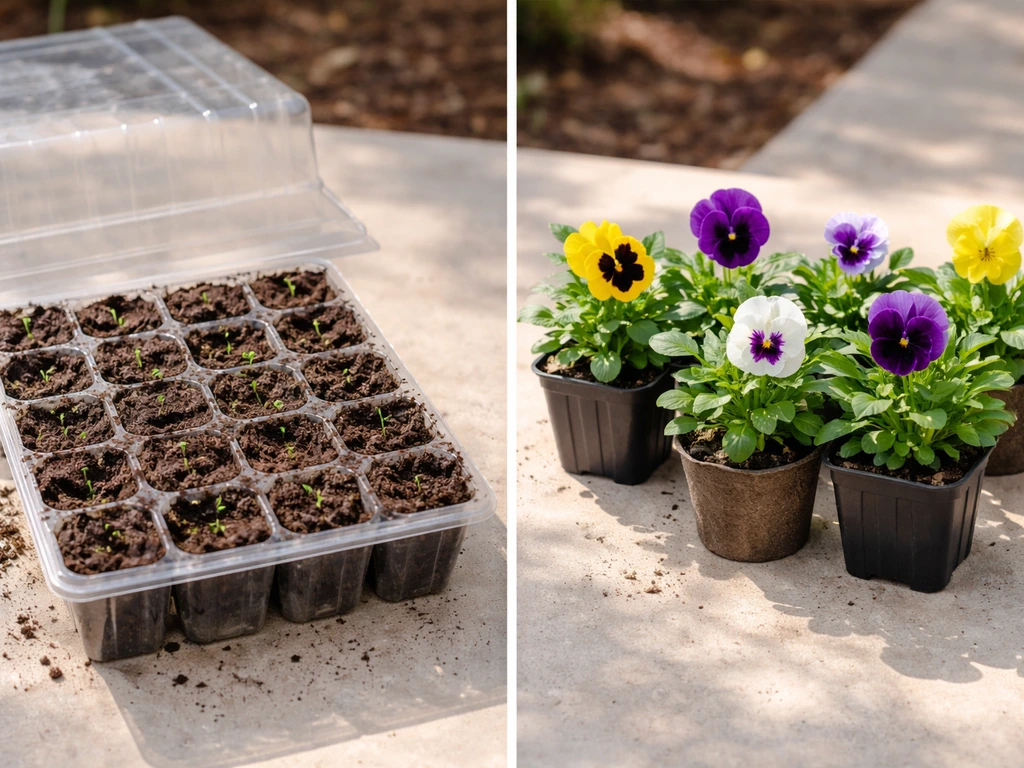
Both routes work, but they serve different gardeners. Transplants from a nursery are genuinely the easier path, especially if you're growing pansies for the first time. You skip 7 to 10 weeks of indoor growing and get instant color in the garden. If you want to start from seed, plan to sow indoors about 7 to 9 weeks before your intended outdoor planting date. Swiss Giants, for example, typically reach bloom in about 8 to 12 weeks from seed, so starting early pays off.
For seed starting, sow seeds in trays or small cells filled with a moist seed-starting mix. Pansy seeds germinate best in the dark, so cover them lightly with mix or place a piece of cardboard over the tray until you see sprouts, usually within 10 to 14 days at around 65°F. USU Extension also notes that pansy seeds sown from seed should be covered lightly, about 1/8 inch deep cover them lightly with mix. Once seedlings emerge, move them under grow lights or into a bright window. When sowing directly into an outdoor bed, Utah State University Extension recommends sowing in rows 4 to 6 inches apart rather than broadcasting seed randomly, which makes thinning and watering much easier. Direct sowing outdoors works best in fall in mild climates, but in colder zones, starting indoors and transplanting is more reliable.
Soil, sun, and site setup for pansy plants
Pansies want fertile, loose, well-draining soil with a slightly acidic pH in the range of 5.5 to 5.8. If your garden soil is heavy clay or compacts easily, work in a few inches of compost before planting. Good drainage is non-negotiable because pansies sitting in wet soil over winter or in cool rainy spells are prime targets for root and crown rot.
For sun, aim for full sun to partial shade, and here's the nuance: in spring and fall when temperatures are cool, full sun (6 or more hours) gives you the best blooming. In warmer climates or during shoulder-season heat, a spot with afternoon shade helps extend the bloom window before plants go leggy and quit. Avoid dense shade entirely. Low light is one of the top reasons pansies produce spindly, weak stems and disappointing flower counts. If you're seeing stretched plants and thin stems, poor light is usually the first thing to check.
Planting instructions for pots, beds, and spacing
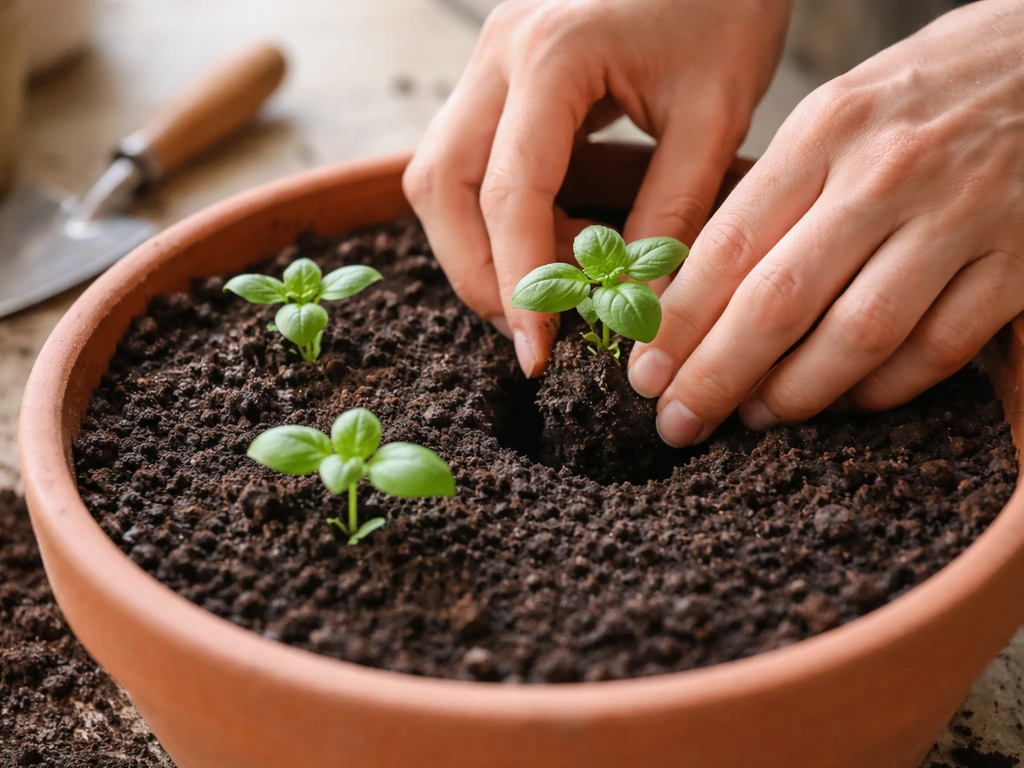
Whether you're planting in a bed or a container, the basics are the same. Set transplants at the same depth they were growing in their nursery cell or pot. Plant them about 6 to 8 inches apart for a full, mass-planted look. Closer spacing (around 6 inches) fills in faster and looks lush early in the season. Once transplants are in the ground, avoid cultivating more than about half an inch deep around the root zone, since disturbing roots can set plants back.
For containers, use a quality potting mix with good drainage, and make sure the pot has drainage holes. Pansies in pots dry out faster than those in beds, so they need more frequent watering, but they're also more portable, which means you can move them to shelter during unexpected heat spells or hard freezes. A 10 to 12 inch pot can handle 3 to 4 plants for a full, blooming display. Window boxes and hanging baskets work beautifully with trailing or compact varieties.
Watering and feeding schedule for pansy flowers
Pansies like consistent moisture but not soggy roots. Water deeply when the top inch of soil feels dry, then let it drain fully. Heading into cold weather, it actually helps to keep plants slightly on the dry side, since somewhat hardened growth going into winter is more cold-tolerant. During active growth in spring or fall, aim to keep soil evenly moist without letting the bed turn swampy.
For fertilizing, pansies are moderate feeders and don't need a heavy hand with nitrogen. At transplant time, drench the root zone with a diluted balanced fertilizer, something like a 15-2-20 soluble fertilizer at around 150 ppm nitrogen, to help plants establish quickly. During the growing season, a balanced liquid feed every 2 to 3 weeks keeps flowering strong. One important thing to watch: avoid pushing heavy nitrogen in September or again in April and May, when warmer temperatures are already encouraging fast, soft growth. Too much nitrogen during those windows leads to stretched stems and fewer blooms rather than more.
Ongoing care: deadheading, pruning, and temperature protection
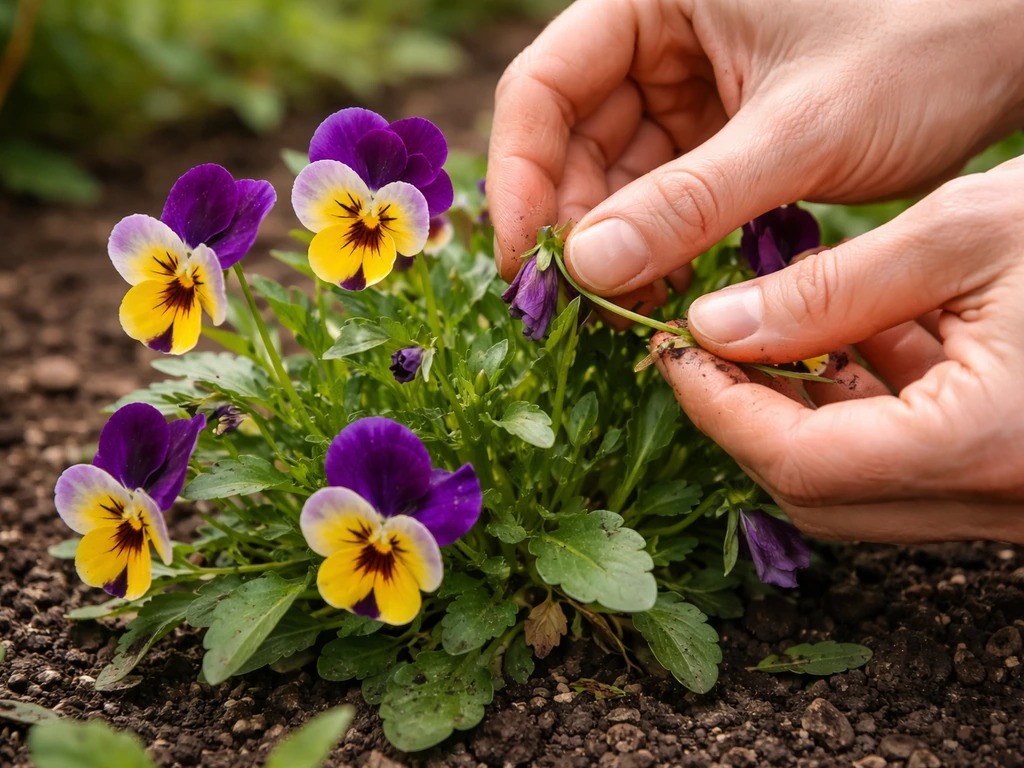
Deadheading (removing spent flowers before they set seed) is the single most effective thing you can do to keep pansies blooming heavily. Check plants every few days and pinch off any faded flowers right at the stem. If plants start to look leggy or stretched mid-season, don't be afraid to cut them back by about a third. This encourages fresh branching and a new flush of blooms, especially heading into the cooler weeks of fall or once temperatures drop in spring after a warm spell.
Temperature protection is worth thinking about on both ends of the season. Pansies can handle light frost and even brief dips below freezing, but a hard, sustained freeze will damage or kill them. In fall, mulching around the base of plants with a light layer of straw or shredded leaves after the first frost helps insulate roots. In late spring when heat returns, there's not much you can do to save pansies once daytime highs are consistently above 80°F. That's when most gardeners transition to heat-tolerant summer annuals, and that's perfectly normal. If you want to push pansies a little longer, afternoon shade and consistent watering buys some extra weeks.
Troubleshooting common problems: leggy growth, poor blooms, pests, and disease
Leggy plants and poor flowering
Leggy, stretched pansies are almost always caused by one of two things: too little light or too much heat. In low light, pansies reach toward the source and grow thin, weak stems with sparse flowers. Move containers to a sunnier location or reconsider the planting site for beds. Heat causes the same stretching effect as stems elongate rapidly in warm temperatures, which is why pansies grown through a warm spell in early fall or a warm stretch in spring always look straggly. Cut plants back, give them afternoon shade if possible, and make sure you're not overfeeding nitrogen, since that compounds the problem.
Aphids and spider mites
Aphids, particularly the green peach aphid, are the most common insect pest on pansies. You'll usually spot them clustered on new growth and flower buds, and they cause distorted, curled leaves. A strong blast of water from a hose knocks most of them off, and for heavier infestations, insecticidal soap spray works well. Spider mites show up more often during warm, dry periods and leave fine webbing and stippled, pale-looking foliage. Increase humidity around plants and use a miticide or insecticidal soap if the problem persists.
Botrytis blight, leaf spots, and other disease issues
Botrytis blight (gray mold) is the most common disease problem with pansies, especially in cool, wet, or humid conditions with poor air circulation. You'll see grayish-brown fuzzy patches on leaves, stems, or spent flowers. The fix is mostly cultural: remove spent blooms and any infected plant tissue promptly, avoid overhead watering in the evening, and space plants well for airflow. Cornell’s greenhouse horticulture factsheet notes that Botrytis infection requires free moisture on plant surfaces, such as condensation or splashing, for spores to germinate and infect avoid overhead watering in the evening. Anthracnose and other leaf spots show up as brown or tan blotches on foliage, usually in wet weather. Powdery mildew appears as white powdery patches on leaves. For all of these, sanitation (removing affected leaves quickly) and avoiding overhead watering goes a long way. In persistently wet seasons, a preventive fungicide labeled for ornamentals can help, but good spacing and airflow is a better first defense.
| Problem | Likely Cause | Fix |
|---|---|---|
| Leggy, stretched stems | Low light or heat stress | Move to brighter spot, cut back by one-third, reduce nitrogen |
| Few or no blooms | Spent flowers left on plant, overcrowding, or high nitrogen | Deadhead regularly, space plants 6-8 inches apart, ease up on feed |
| Gray fuzzy patches on leaves or stems | Botrytis blight (gray mold) | Remove affected tissue, improve air circulation, avoid evening watering |
| White powdery coating on leaves | Powdery mildew | Remove affected leaves, improve airflow, use fungicide if severe |
| Distorted new growth, sticky residue | Aphids | Blast with water, apply insecticidal soap |
| Pale stippled leaves, fine webbing | Spider mites | Increase humidity, apply insecticidal soap or miticide |
| Brown or tan blotches on foliage | Anthracnose or leaf spot | Remove infected leaves, avoid overhead watering, improve drainage |
Growing pansies well really does come down to working with their cool-season nature rather than against it. Plant at the right time, give them good drainage and honest sunlight, deadhead consistently, and most problems take care of themselves. If you want to go deeper on specific topics, timing by climate zone and tips on making pansy plants grow bigger and bushier are worth exploring once you have the basics down. If you want the biggest blooms, focus on choosing larger varieties, giving enough cool-season sun, and feeding the plants lightly so they stay vigorous tips on making pansy plants grow bigger and bushier. If you are also playing Animal Crossing, you can apply the same careful plant timing and care ideas when learning how to grow purple mums in Animal Crossing. If you’re also using ACNH mechanics, this same timing approach can guide when to plant and care for your purple pansies in the game timing by climate zone.
FAQ
How many pansy plants should I buy for the look I want in a bed or border?
Use spacing to estimate quickly: at 6 to 8 inches apart, you’ll plant about 1 to 2 plants per square foot. If you want fast fill-in and an early lush look, lean toward 6-inch spacing (closer to 4 plants per 2 square feet).
Why are my pansies flowering less even though they look healthy?
Check seed setting and stop it early, deadhead faded blooms promptly before seed pods form. Also watch fertilization timing, too much nitrogen in April to May or again in September often reduces bud counts even when foliage looks lush.
Do pansies need deadheading if they’re grown for foliage or as a short-term display?
Deadheading still helps even for temporary displays, because it redirects energy from seed production to new flower stems. If you only want a single flush, you can leave some blooms to set seed, but expect the flowering cycle to slow after pods develop.
Can I start pansies in the house and keep them going for months before transplanting?
It’s usually better to transplant fairly soon after they’re sturdy, because indoor light is often insufficient and leads to stretching. If you must hold them indoors longer, keep them under strong grow lights and keep soil lightly moist, not wet.
What’s the best way to cover seeds when sowing pansies indoors?
Cover lightly with seed-starting mix or use a barrier like cardboard to exclude light until sprouts appear. Heavy covering can slow or reduce germination, since pansy seeds are more reliably started when light is limited rather than buried deeply.
My pansy seedlings are leggy and weak. What should I change first?
Raise light intensity first (brighter window or move to grow lights close enough to prevent stretching). Second, avoid overwatering, since consistently wet media plus low light encourages damping off and weak growth.
How do I prevent crown rot and root problems in cold, wet weather?
Prioritize drainage and airflow. Don’t plant too deep, avoid overhead watering in the evening, and if your garden stays soggy, amend with compost and consider mounding or using a raised bed to keep crowns drier.
Are pansies safe to grow under trees or in partial shade that shifts during the day?
They tolerate partial shade, but avoid dense shade. If the site gives them at least several hours of usable sun, especially during cool parts of the day, they’ll stay sturdier and bloom more heavily than in consistently shaded spots.
What should I do if temperatures spike above 80°F during a fall or spring attempt?
Relocate containers to afternoon shade and water more consistently to reduce stress, but accept that bloom will likely slow. For beds, prioritize shade and moisture management, then be ready to transition to heat-tolerant annuals if the heat stretch persists.
How should I water pansies differently in containers versus in the ground?
Containers dry out faster, so check more often, especially on sunny or windy days. Water deeply until excess drains, then let the mix drain fully, aiming for even moisture during active growth rather than constant dampness.
What soil pH should I target if my garden soil is very neutral or alkaline?
Aim for slightly acidic conditions around pH 5.5 to 5.8. If you’re consistently above that, mix in organic matter and consider an acidifying amendment appropriate for ornamentals, then recheck before planting.
Can I use regular fertilizer, or do I need a specific type for pansies?
You can use a balanced fertilizer, the key is avoiding heavy nitrogen, especially in April to May and again in September. A diluted soluble fertilizer at transplant and then modest liquid feeding every 2 to 3 weeks usually keeps plants flowering without excessive soft growth.
How do I tell aphids from spider mites on pansies?
Aphids cluster on new growth and flower buds, often with distorted curling leaves. Spider mites are more likely during warm, dry periods and leave fine webbing and a stippled pale look rather than tight clusters.
What’s the fastest response if I see gray mold symptoms on my pansies?
Remove affected blooms and any infected tissue immediately, then improve airflow and avoid watering late in the day. If conditions stay consistently humid and problems spread, consider a preventive ornamental fungicide labeled for that disease.
Next Article
When to Grow Pansies: Planting Dates by Season
Season-by-season guide for when to grow pansies from seed or seedlings, with climate tips and fixes for timing mistakes.