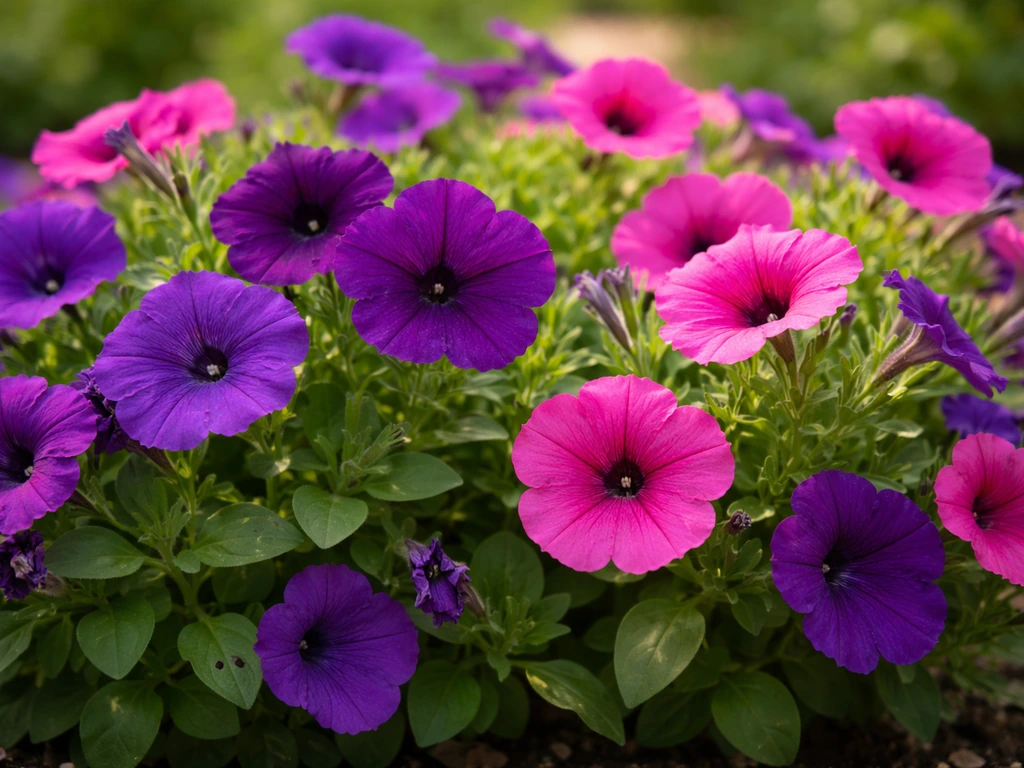
Mexican petunias (Ruellia simplex) are surprisingly easy to grow from seed, and if you start them indoors 4 to 6 weeks before your last frost date, you'll have transplant-ready seedlings right when warm weather arrives. Sow the seeds shallowly in a well-draining seed mix, keep the soil evenly moist, and expect to see sprouts in as little as 4 days under good conditions. Once they're in the ground in a sunny spot, these plants bloom reliably from late spring through fall with very little fussing. To pair petunias with the right companions, choose plants that share their sun and watering needs what to grow with petunias.
How to Grow Mexican Petunias from Seed to Bloom

Harriet Whitmore
6 May 2026
What you're working with and what to grab today
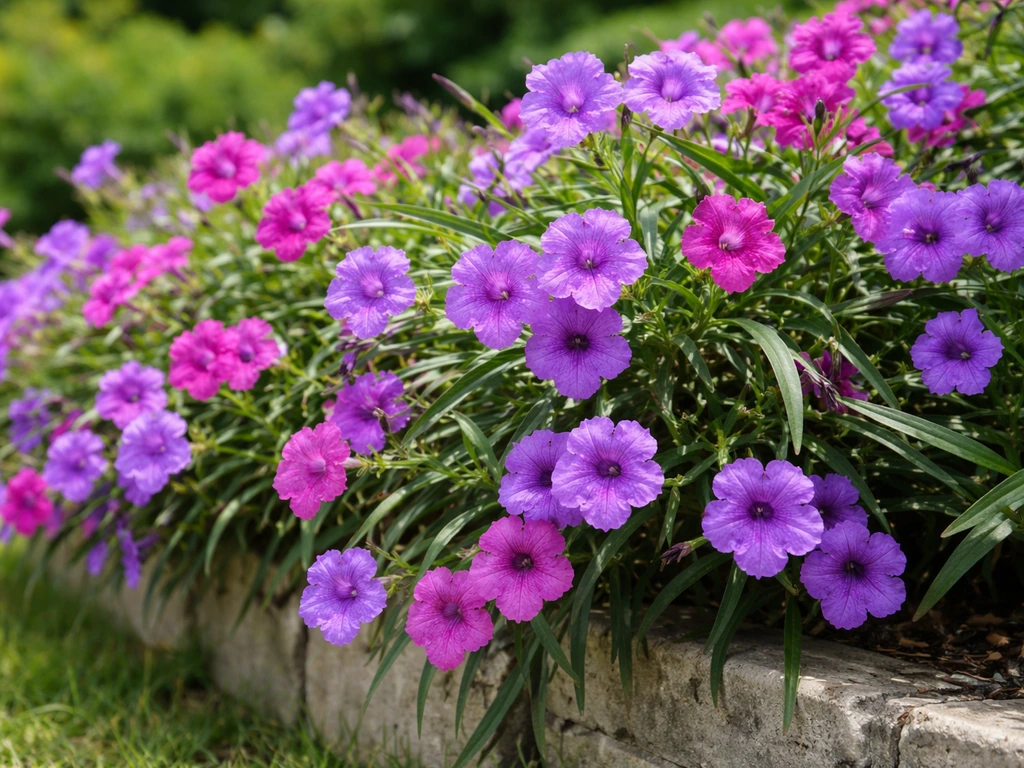
Before you do anything else, it helps to know what kind of plant you're actually dealing with. Ruellia simplex is a warm-climate perennial (or a fast-growing annual in colder zones) that produces vivid trumpet-shaped blooms in purple, pink, or white. It's tough, drought-tolerant once established, and very willing to spread, both by seed and by underground runners. That vigor is what makes it rewarding, but it's also why you want to plant it thoughtfully and keep it where you want it.
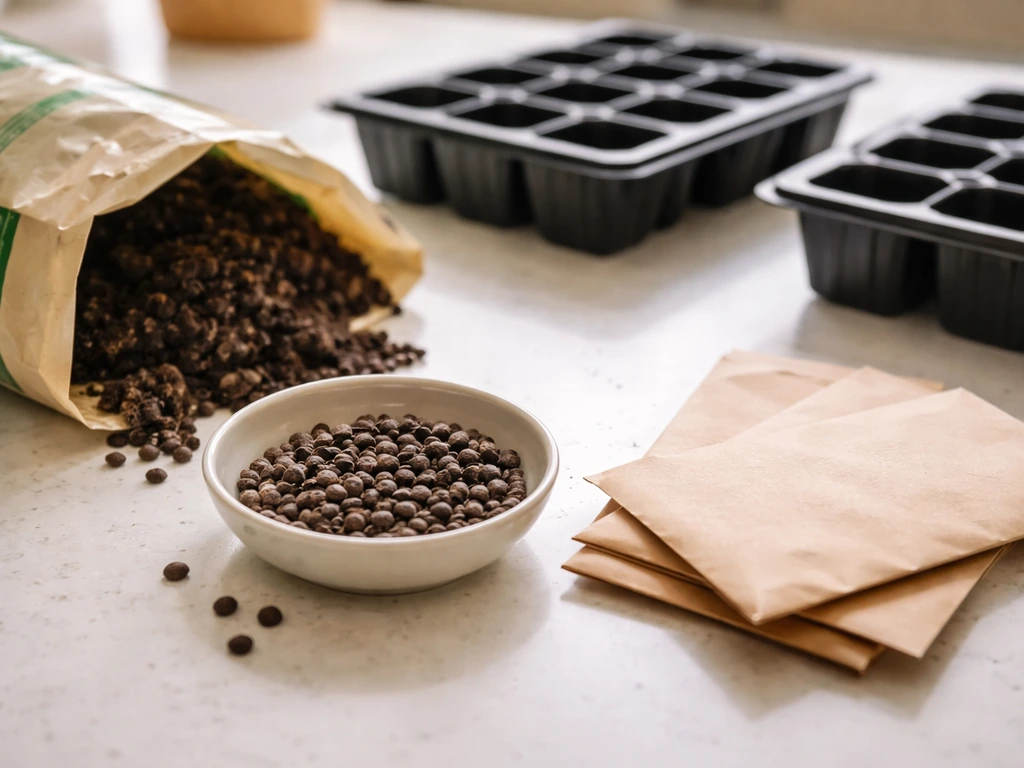
Here's what you need to pull together before you start:
- Mexican petunia seeds (labeled as Ruellia simplex or Ruellia brittoniana)
- A seed-starting tray or small pots with drainage holes
- Well-draining seed-starting mix (not garden soil or regular potting mix)
- A spray bottle or gentle watering can
- A warm indoor location or a heat mat set to around 70 to 75°F
- Grow lights or a very bright south-facing window
- A balanced granular fertilizer like 10-10-10 for later use
If you're in USDA zones 8 to 11, Mexican petunias can overwinter in the ground and come back year after year. In zones 6 and 7, treat them as annuals or dig and overwinter them indoors. Either way, growing from seed each season is totally practical and rewarding.
Starting your seeds: timing, soil, light, and temperature
The timing is simple: count back 4 to 6 weeks from your average last frost date and that's your indoor sowing window. For the best results, grow petunias by starting Mexican petunia seeds indoors 4 to 6 weeks before your last frost date when to grow petunias. So if your last frost is around April 15, you're starting seeds in early to mid-March. If you're not sure of your last frost date, a quick search for your zip code will get you there.
Fill your seed tray cells or small pots with a well-draining seed-starting mix, lightly moisten it so it holds its shape when you squeeze it but doesn't drip, and then sow your seeds on the surface. Cover them with just a thin layer of mix, about an eighth of an inch. Mexican petunia seeds don't need darkness to germinate and don't require any pre-treatment like soaking, scarifying, or cold stratification. They just need warmth and consistent moisture, which makes them genuinely beginner-friendly at the seed stage.
Temperature is the main variable that affects how fast germination happens. Aim for a soil temperature of 70 to 75°F. If your house is cool, a seedling heat mat makes a real difference here. You can direct-sow outdoors once the soil is consistently warm, but for most gardeners, starting indoors gives you a head start and more control over the critical early weeks.
Germination and caring for your seedlings
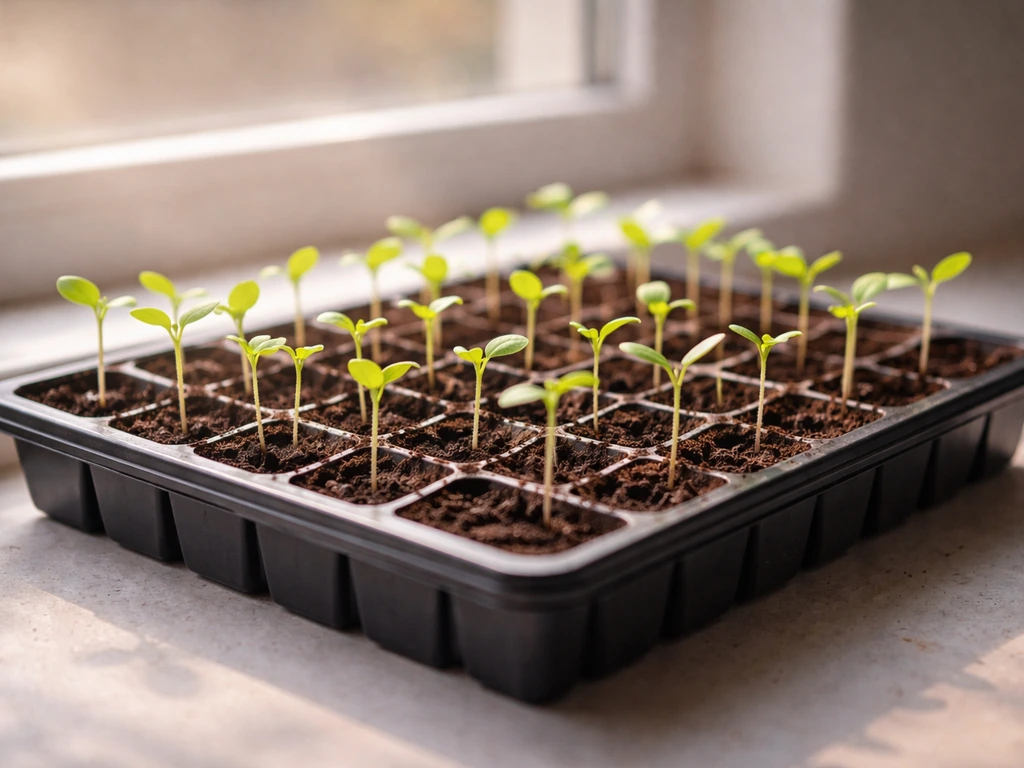
Under good conditions with consistent warmth and moisture, you can see the first sprouts in as few as 4 days, though 7 to 14 days is more common at home. Mexican petunia seeds germinate readily without any special treatment, so if nothing has appeared after 3 weeks, the most likely culprits are the soil drying out between checks or temperatures dropping too low at night.
Once seedlings emerge, move the tray somewhere with bright light immediately. A grow light set 2 to 4 inches above the seedlings for 14 to 16 hours a day works great. A south-facing window can work but tends to produce leggier seedlings if the light is inconsistent. Keep the soil evenly moist but not soggy. Overwatering at this stage is the main risk: the mix should never be bone dry, but standing water invites damping off, a fungal problem that kills seedlings at the soil line.
If you sowed multiple seeds per cell, thin seedlings once they have their first true leaves (the second set of leaves that look like the plant's adult foliage). Snip extra seedlings at the soil line with small scissors rather than pulling them, so you don't disturb the roots of the one you're keeping. When seedlings are a couple of inches tall and the roots start poking out of the drainage holes, pot them up into a 3- or 4-inch pot with regular potting mix to give them room to develop before transplanting. If you prefer a faster route, you can also start with petunias from plugs and skip straight to transplanting after hardening off.
Hardening off and transplanting outdoors
Don't skip hardening off. Seedlings raised indoors aren't ready for full sun and outdoor wind, and skipping this step often leads to scorched leaves and transplant shock that sets your plants back by weeks. Start about 7 to 10 days before your planned transplant date. Put the seedlings outside in a sheltered, shaded spot for an hour or two on the first day, then gradually increase their outdoor time and sun exposure each day. By the end of the week, they should be handling full sun without wilting.
Transplant after your last frost date has passed and nighttime temperatures are reliably above 50°F. Dig a hole the same depth as the root ball, set the plant in at the same level it was growing in the pot, backfill, and water thoroughly so the roots make good contact with the surrounding soil.
Site selection matters a lot for flowering. Mexican petunias bloom best in full sun (at least 6 hours of direct sun per day). If you're wondering how to grow petunias in a hanging basket, keep them in bright light and use a well-draining potting mix so the roots stay healthy Mexican petunias bloom best in full sun. They tolerate partial shade, but you'll get noticeably fewer flowers the further you move them into shade. Choose a spot with fertile, well-drained soil. They can handle wet conditions better than many plants, but they truly thrive in well-drained soil and really struggle if waterlogged.
Space plants about 18 to 24 inches apart. They spread by underground runners and can fill in gaps surprisingly fast, so giving them a little room to start lets you manage the spread as it happens rather than immediately crowding out neighbors.
Watering and feeding for steady blooms all season
Once established (usually 2 to 3 weeks after transplanting), Mexican petunias are quite drought tolerant. The rhythm that works well is to let the top inch or two of soil dry out between waterings, then water thoroughly so moisture reaches the root zone. Shallow, frequent watering encourages surface roots and makes plants less resilient. Deep, less frequent watering is what you're aiming for.
For fertilizing, a balanced granular fertilizer like 10-10-10 applied once in spring when growth picks up and again in midsummer is usually plenty. Mexican petunias don't need heavy feeding. Over-fertilizing with nitrogen-rich fertilizers can push leafy growth at the expense of flowers, so a balanced formula works better than anything labeled specifically for foliage.
Pruning, deadheading, and keeping the blooms coming
Mexican petunias produce individual flowers that don't last long, but the plant pushes out new buds continuously throughout the growing season. Deadheading spent flowers by cutting them back to the base of the flower stem does encourage the plant to redirect energy into new buds rather than seed production, so it's worth doing during the main growing season if you want the densest display.
If plants start looking leggy or overgrown during the season, don't be afraid to cut them back by about a third. They bounce back quickly and often put on a fresh flush of growth and blooms after a hard trim. In late fall or early winter, a hard cutback (down to 6 inches or so) helps regenerate a fuller, more compact plant form the following season, especially in warmer zones where they overwinter.
One thing worth noting: if you're growing Mexican petunias near natural areas or water features, deadheading is especially important. Ruellia simplex spreads vigorously by seed and is considered invasive in some warm-climate states. Because Ruellia simplex can spread and is treated as a natural-area weed, UF/IFAS EDIS discusses management/control considerations in natural areas, including impacts on native recolonization Ruellia simplex as a natural-area weed. Removing spent flowers before seeds set keeps the plant contained to where you want it.
Fixing the most common problems
Seeds not germinating
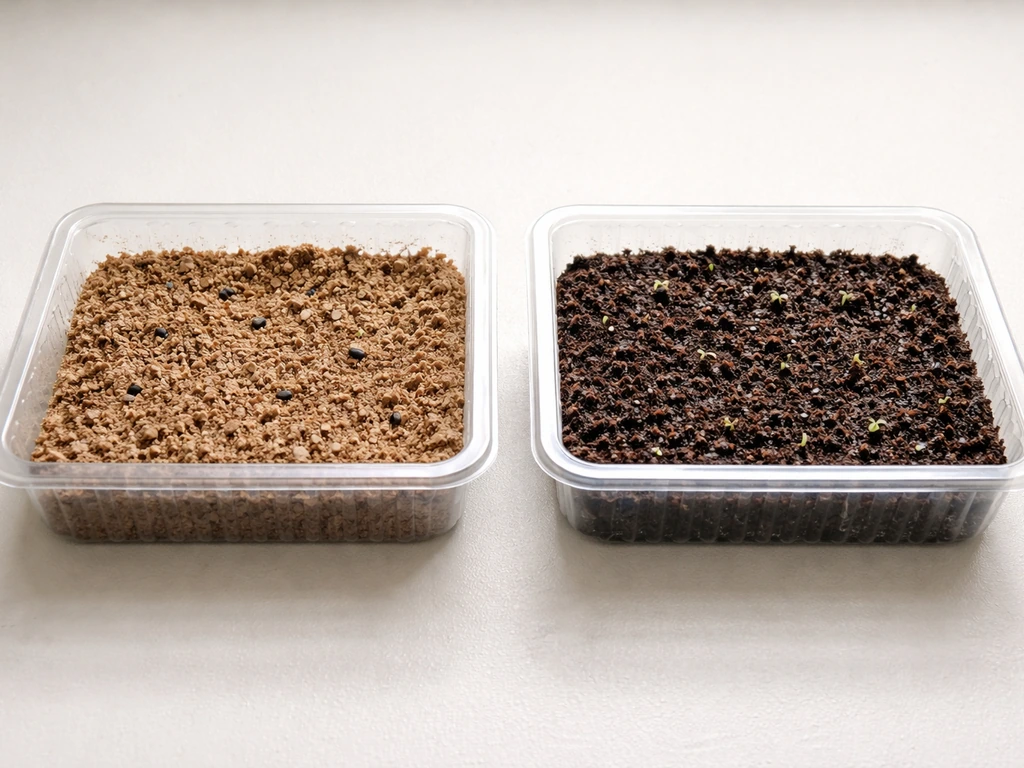
Mexican petunia seeds don't need cold treatment or scarification, so if yours aren't sprouting, look at temperature and moisture first. If the seed-starting mix dried out even once in the first week, germination can be knocked back significantly. Make sure your medium stays evenly moist (not wet) throughout the germination window, and use a heat mat if your indoor temps dip below 65°F at night. Seeds that germinate at day 4 in research settings are doing so in consistently warm, moist conditions. Match that, and you'll see sprouts.
Leggy, stretched seedlings
Legginess is almost always a light problem. If seedlings are stretching toward the window or growing tall and floppy, they're not getting enough light. Move them under a grow light as close as 2 inches from the bulb, or set the light on a timer for 14 to 16 hours a day. A leggy seedling can still be saved by burying part of the stem deeper when you pot it up, which encourages extra root development along the buried stem.
Damping off
Damping off shows up as seedlings that suddenly flop over at soil level, as if the stem has been pinched off. It's caused by fungal pathogens that thrive in soggy conditions. Prevention is much easier than treatment: use a sterile seed-starting mix (not garden soil), make sure your pots have drainage holes, and water from the bottom when possible so the soil surface stays drier. If damping off hits, remove affected seedlings immediately to keep it from spreading.
Plants not blooming
If your transplanted Mexican petunias are growing well but not flowering, the most likely issue is light. These plants flower best in full sun, and even a partially shaded spot can dramatically reduce bloom output. If moving the plant isn't an option, at least make sure surrounding shrubs or structures aren't blocking morning or afternoon sun. A mid-season fertilizer boost with a balanced 10-10-10 can also help trigger flowering, especially if the soil is depleted. Avoid high-nitrogen fertilizers if blooms are your goal.
Slow growth after transplanting
A week or two of slow growth after transplanting is completely normal. Mexican petunias put energy into establishing roots before they push new top growth. If the plant looks healthy (no yellowing, no wilting in the morning) but just isn't doing much, give it time and keep up with consistent watering. If it's still stalled after 3 to 4 weeks, check whether the soil drains well. Sitting in wet soil after transplant is one of the few things that will genuinely set these plants back.
Your next steps right now
If it's late winter or early spring, start your seeds indoors now in a well-draining seed mix, keep them warm and moist, and plan to harden them off and transplant after your last frost. If warm weather has already arrived where you live, you can direct-sow outdoors into warm soil or pick up transplants from a nursery and follow the same sun, spacing, and watering guidance above. Either way, Mexican petunias are forgiving plants that reward a little attention early with months of colorful, low-maintenance blooms from late spring right through fall. These same care basics apply when you build petunia baskets, from choosing a sunny spot to keeping the mix evenly moist.
FAQ
Can I propagate Mexican petunias from cuttings or runners instead of seed?
Yes, you can take advantage of the spreading habit by starting more plants from stem or runner pieces, but for best results do it in warm weather. Snip a piece with attached nodes, keep it in moist, well-draining potting mix until it roots, and avoid moving it outdoors until nights are reliably above 50°F.
What changes when I grow Mexican petunias in pots or containers?
In containers, give them a lot more drainage than you would for many annuals, because waterlogged mix is the fastest way to cause root and seedling problems. Use a pot with multiple drainage holes, a lightweight potting mix, and water only when the top couple inches feel dry, then water deeply so excess drains out.
Will Mexican petunias bloom in partial shade, like a porch or patio with only morning sun?
You can, but plan for a bigger light setup. Full sun is what drives the heavy bloom, and on a bright porch that only gets morning sun you may see fewer flowers even if the plants look healthy. If you cannot provide 6+ hours of direct sun, consider thinning other plants nearby so your Mexican petunias get unobstructed light.
My Mexican petunias look healthy but won’t bloom. What should I check first?
If a plant is getting enough sun but still refuses to flower, check nitrogen first. A “lush leaves” look usually means the fertilizer is too heavy or too frequently nitrogen-rich, so switch to a balanced 10-10-10 schedule and stop feeding if you recently used compost/manure high in nitrogen.
How do I keep Mexican petunias from spreading or going invasive?
They spread fast, so the safest control method is physical containment plus seed management. Plant in beds where you can install a hard edge barrier, and deadhead consistently before seeds form, especially near lawns, paths, and natural areas where dispersal is likely.
Can I transplant Mexican petunias before the last frost if days are warm?
Yes, but only after they are hardened off and soil conditions are warm enough. Even if daytime is warm, cold snaps and nights below about 50°F can delay growth or reduce flowering, so wait for steady nighttime temperatures before transplanting.
Is it safe to cut back Mexican petunias hard in fall or early winter in my area?
Snow or light frost is usually the problem, not late-season pruning. A late hard cutback is safest in mild areas that overwinter successfully, but in colder zones it can reduce survival because the plant has less stored growth heading into cooler weather.
How can I tell whether leggy seedlings are a light issue or a damping-off problem?
If you see seedlings that are stretching or falling over, address light and moisture separately. Stretching is almost always insufficient light, while flopping at the soil line suggests damping off, caused by soggy conditions. Treat by moving to brighter light for leggy growth, and removing affected seedlings immediately for damping off.
How should my watering routine change right after transplanting?
Mexican petunias are fairly drought tolerant once established, but newly transplanted plants still need steady moisture to re-root. For the first 1 to 2 weeks after transplant, water enough to keep the root zone from drying out completely, then shift to the “top inch or two dry, then deep water” routine.
Next Article
When to Grow Petunias: Seed, Transplant, Bloom Timing
Get petunias from seed to bloom with exact timing for indoor starts, transplant after frost, and troubleshooting delays.