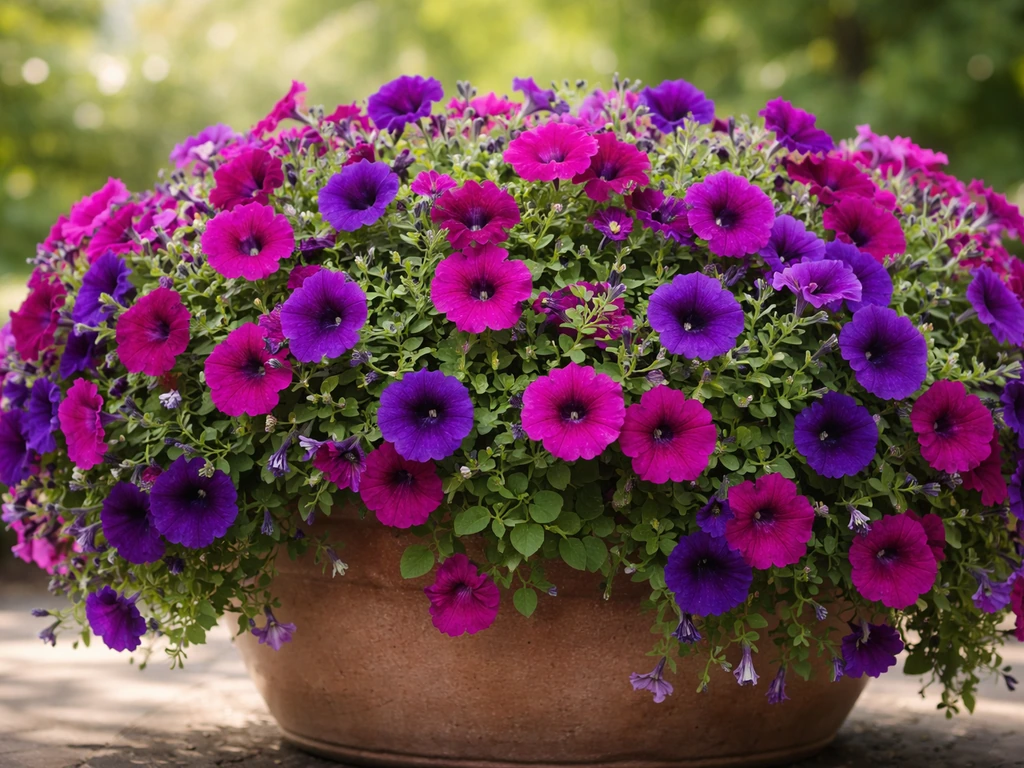
Wave and Tidal Wave petunias are some of the most rewarding spreading annuals you can grow, but they do have specific needs that separate them from regular petunias. Give them full sun (at least 5–6 hours daily), well-draining soil with a pH of 5.5–6.2, consistent deep watering, and a weekly liquid fertilizer, and they will cascade, mound, and bloom non-stop from spring right through to frost with very little fuss.
How to Grow Wave Petunias: Tidal Wave Seed to Bloom Guide

Harriet Whitmore
11 May 2026
How wave and tidal wave petunias actually grow
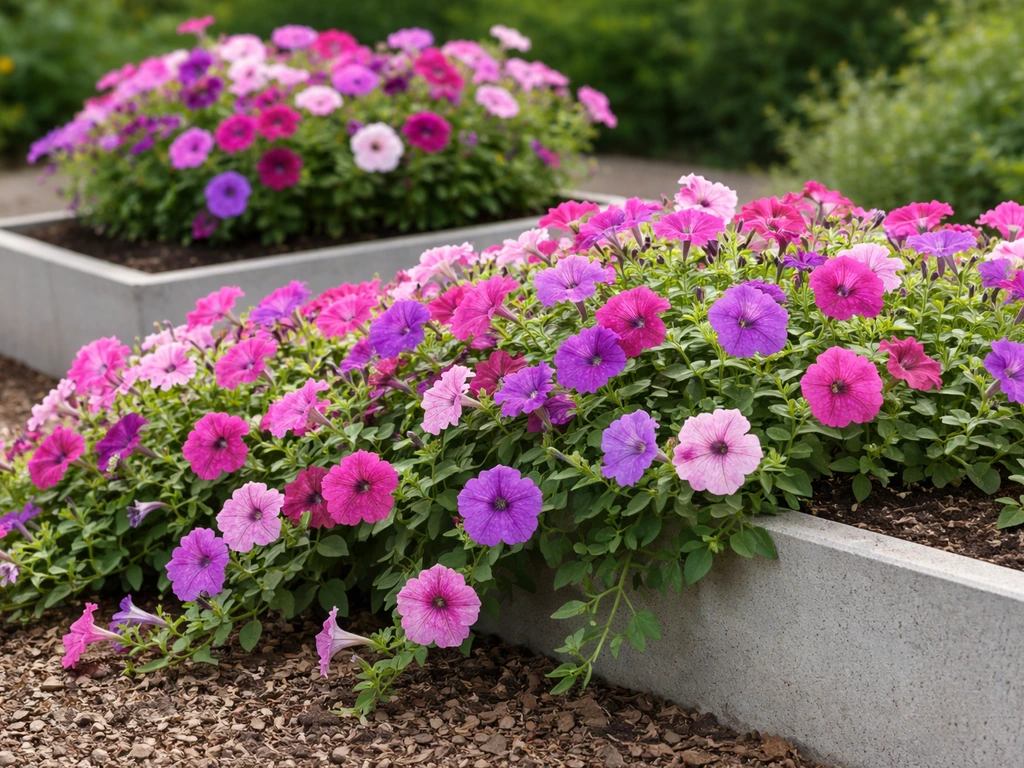
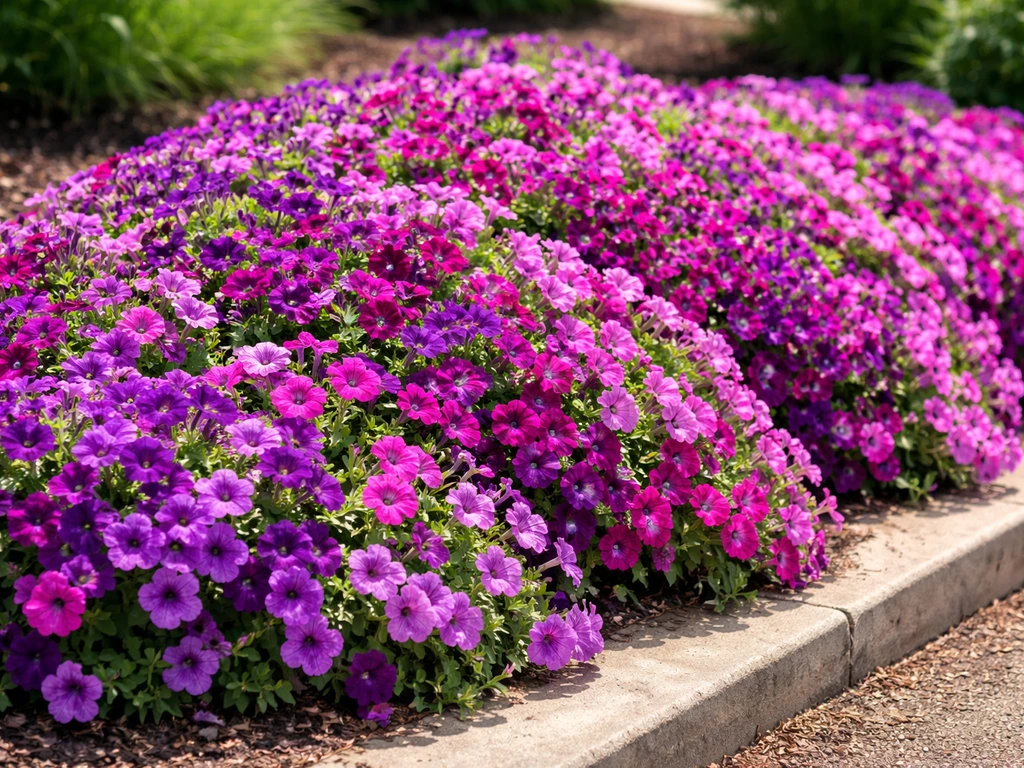
Understanding the growth habit is the first thing that separates people who succeed with these plants from those who end up disappointed. Wave petunias are not upright, compact bedding plants. They spread aggressively, forming a low mound that tumbles outward in all directions. Easy Wave varieties typically reach 6–12 inches tall with a spread of up to 3 feet per plant. Tidal Wave petunias are classified in the hedgiflora group and behave differently again: rather than sprawling flat, they build a dense, mounded hedge shape that can grow noticeably taller and fuller than standard Wave types, making them excellent for creating a living wall of color in a border.
Both types bloom non-stop from planting to first frost when conditions are right. Tidal Wave varieties in particular are notably more heat-tolerant than most other petunias, which is a real advantage in regions where summer temperatures push into the 90s. The key phrase with all of these spreading types is that their growth habit, meaning how wide, how full, and how floriferous they become, is directly tied to sun exposure, water, and feeding. Let those slip and you get straggly, sparse plants. Keep them up and you get a river of blooms.
Light, soil, and container setup
Full sun is non-negotiable for the best performance. WaveGardening specifies at least 5–6 hours of direct sun per day to maintain the characteristic spreading habit and bloom load. You can get away with light shade, but expect slower spread, fewer flowers, and more leggy growth. If you have a choice, always put these plants in your sunniest spot.
Soil drainage matters more than most gardeners realize with Wave petunias. They need soil that drains well, because sitting in wet conditions quickly leads to root problems and yellowing. For in-ground planting, work in compost to open up the structure. For containers, use a quality potting mix and make sure every pot has drainage holes you can actually see water running out of. A good target for soil pH is 5.5–6.2. Go much above 6.4 and you risk iron becoming unavailable to the plant, which shows up as yellowing between the leaf veins, a frustrating problem that is mostly a soil chemistry issue rather than a feeding one.
For containers, Tidal Wave types can handle 2–3 plants per large pot given their hedging habit. For Wave and Easy Wave in hanging baskets or planters, one plant per 10–12-inch basket works well, but two plants in a larger 16-inch container will fill it out beautifully by midsummer. In garden beds, the spreading habit means each plant needs room, so don't crowd them thinking more plants equals more coverage faster. You'll actually get better results with proper spacing.
When to plant and how to get started from seed
Starting from seed indoors
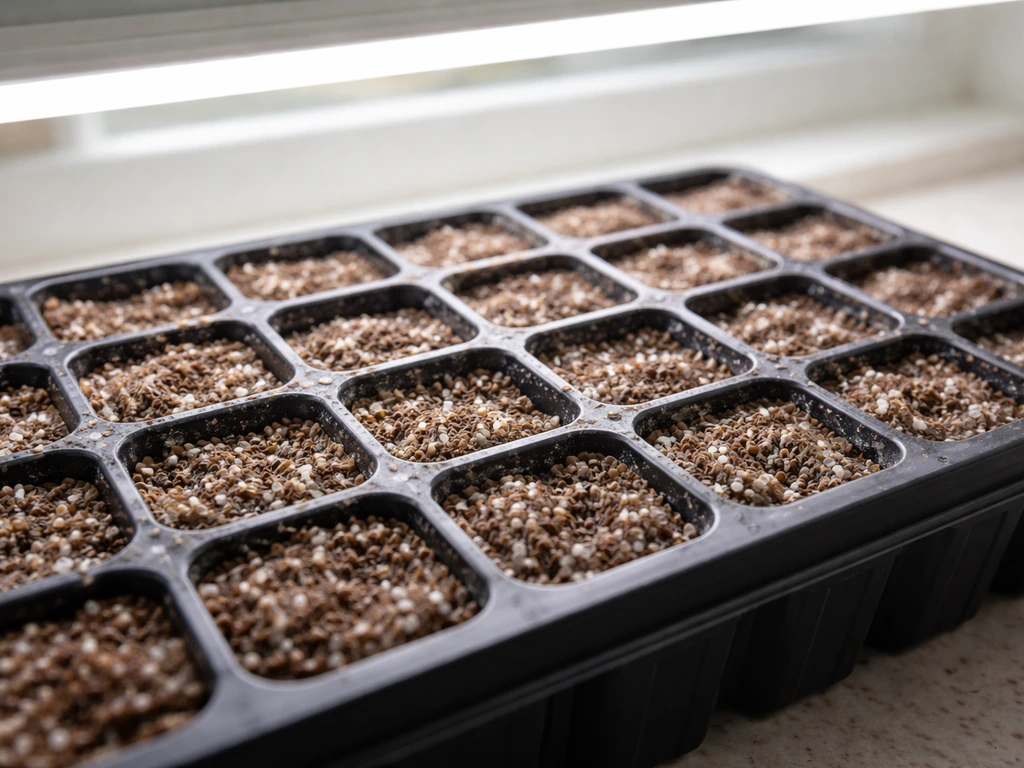
Start Wave petunia seeds indoors 10–12 weeks before your last expected frost date. In many northern climates, that means beginning around March 1. The seeds are tiny and need light to germinate, so press them gently onto the surface of moistened germination media rather than burying them. Keep the tray at 75–78°F (24–25°C) and maintain consistent moisture. Germination and early growth to a transplantable seedling takes roughly 31–43 days. Once seedlings have three true leaves, move them into individual peat pots or cell packs so they can develop a proper root system before going outside.
Moving outside and avoiding transplant shock
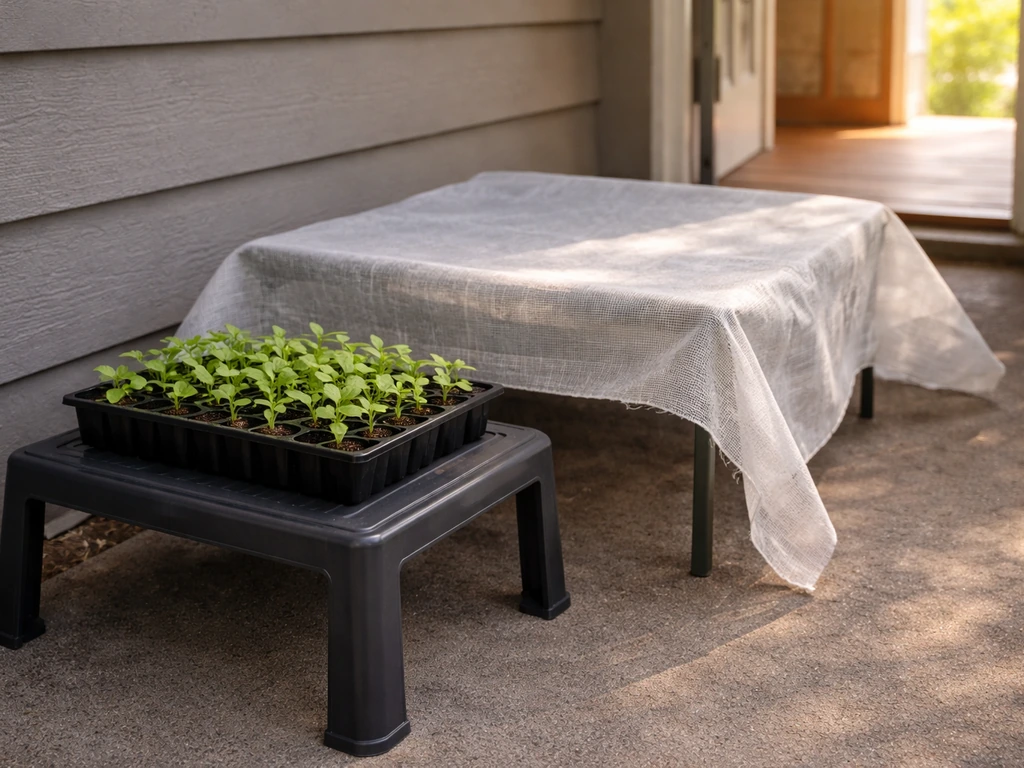
Do not rush the outdoor transition. Wave and Tidal Wave petunias are frost-sensitive annuals and will not survive a freeze. Wait until all danger of frost has genuinely passed in your area, then harden off seedlings over 7–10 days by setting them outside in a sheltered spot for a few hours each day, gradually increasing their sun and wind exposure. This step prevents the sudden wilt and stress you get when plants go straight from a warm indoor environment to full outdoor conditions. Water transplants in with a gentle stream rather than a strong blast to avoid disturbing the roots.
Buying transplants instead of starting from seed
If starting from seed sounds like too much at this point in the season, buying nursery transplants is a completely reasonable choice. Just apply the same hardening-off principle if the plants have been kept in a greenhouse, and plant them out after frost danger passes. You'll still get a full season of bloom from a transplant set out in mid-spring.
Watering and feeding for non-stop blooms
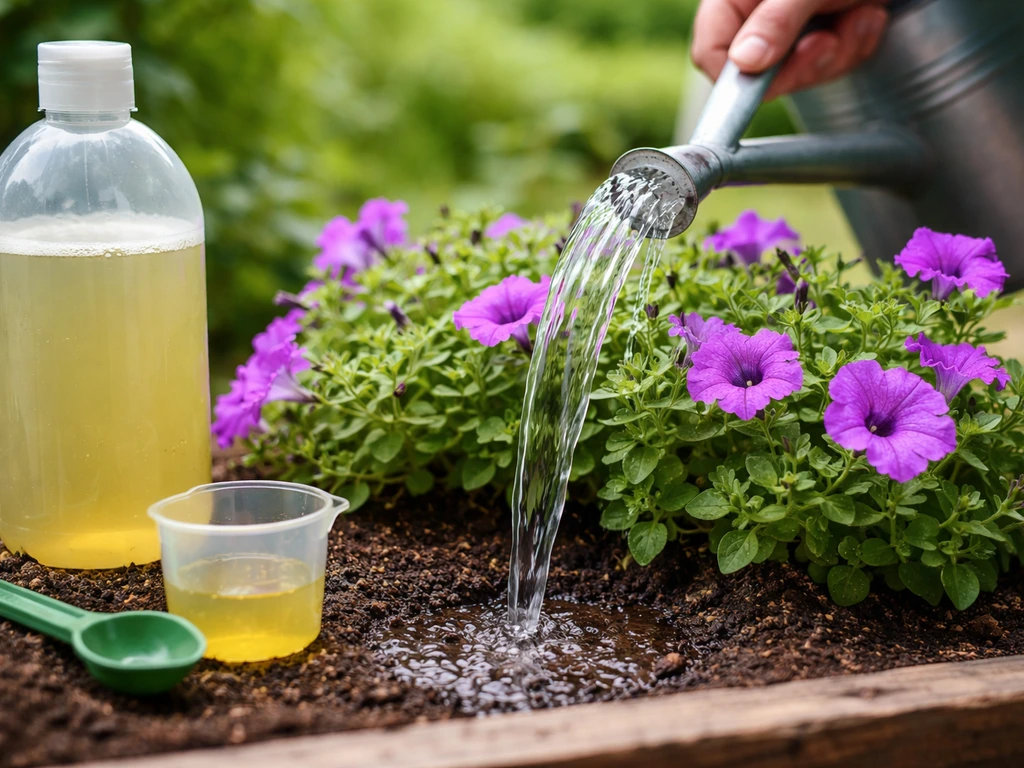
This is where most gardeners either nail it or lose momentum. Wave petunias are heavy feeders and heavy drinkers, especially in summer heat. For watering, the goal is deep, consistent moisture rather than light daily sprinkles. In hot weather, check soil moisture daily. Containers dry out fast and need watering more often than in-ground plants. Let the top inch of soil dry slightly between waterings, then water thoroughly until it drains from the bottom of the pot.
For feeding, a weekly liquid fertilizer application is the most reliable approach for keeping bloom production high. A balanced fertilizer works well during establishment, but once plants are actively blooming, shifting toward a formula with a slightly higher potassium content supports flower development. Slow-release granular fertilizer is an alternative: mix it into the soil at planting or apply to the surface of containers, and it covers baseline nutrition between liquid feeds. For in-ground beds, incorporating a balanced granular fertilizer at roughly 2 lb per 100 square feet at planting gives a solid nutritional foundation to start.
Managing the spread: spacing, pinching, and deadheading
Getting spacing right
In landscape beds, spacing Wave petunias about 12 inches apart encourages the plants to grow outward and fill the space between them, creating the seamless carpet effect these varieties are famous for. Tidal Wave types, with their taller hedging habit, can be spaced similarly or slightly wider depending on how wide a hedge you want. Give them room and they will fill it. Plant them too close and you get competition, poor airflow, and disease risk.
Cutting back and pinching
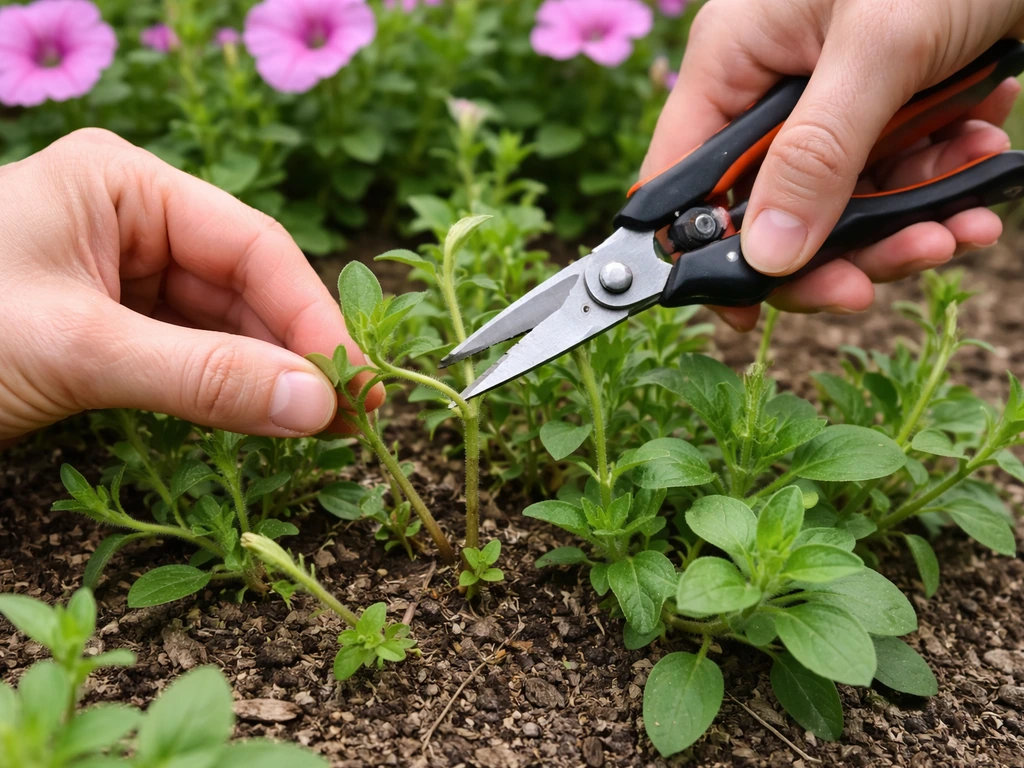
One of the nicest things about Wave petunias is that they don't require constant deadheading the way traditional petunias do. Their prolific blooming habit means spent flowers are quickly covered by new ones. That said, occasional light trimming does boost flower production and keeps plants looking tidy. When plants start to look stretched or sparse mid-season, a harder cutback is the reset you need. The rule of thumb: cut back about 1–3 inches beyond the branch length you want to keep. New growth will fill back in within a couple of weeks, often with a fresh flush of blooms.
Deadheading
Wave types don't require regular deadheading, but doing it occasionally, especially removing clusters of spent flowers before they set seed, does extend the blooming season by redirecting the plant's energy. If you're short on time, skip the deadheading and focus on the feeding and watering instead. Those matter more for bloom performance than deadheading does with these varieties.
Troubleshooting common problems
Leggy growth and few blooms
Leggy, sparse plants with few flowers almost always come down to insufficient light or inconsistent feeding. The fix: move the plant to a sunnier location if possible, trim lightly to encourage bushier regrowth, and start a consistent weekly feeding program. In summer heat, also make sure you're deep watering daily. The combination of full sun, consistent fertilizer, and adequate water is the practical rescue package for underperforming Wave petunias.
Yellow leaves
Yellowing leaves have a few possible causes and the pattern matters. Yellowing between the veins while the veins stay green (interveinal chlorosis) points to iron deficiency, usually caused by soil pH drifting above 6.4 rather than an actual lack of iron in the soil. Lower the pH with a soil acidifier and the problem often resolves. Overall pale yellowing across the whole leaf, especially on older lower leaves, can indicate overwatering and root stress. Check drainage and let the soil dry slightly more between waterings. Aphids and whiteflies can also cause yellowed, distorted leaves, so inspect the undersides of leaves if you're not sure.
Pests: aphids and whiteflies
Aphids cluster on soft new growth and cause twisted, curled, yellowed leaves and stunted shoots. A strong spray of water dislodges most colonies. Neem oil or insecticidal soap applied in the morning works well for persistent infestations. Whiteflies cause infested leaves to yellow and drop, reducing overall plant vigor. They're most problematic in warm, sheltered spots. Yellow sticky traps help monitor populations, and insecticidal soap is effective when applied thoroughly to the undersides of leaves where whiteflies feed and lay eggs.
Disease: powdery mildew and gray mold
Powdery mildew appears as white or gray powdery spots on leaves and stems, almost like the plant has been dusted with baby powder. It thrives in humid conditions with poor airflow. Catching it early is key: remove affected leaves, improve spacing if possible, and apply a fungicide labeled for powdery mildew. Gray mold (Botrytis) is a wet-weather problem that attacks old flowers and damaged tissue, producing grayish powdery spores. Remove spent flowers and any decaying plant material promptly, especially after rainy stretches, and avoid overhead watering that keeps foliage wet for extended periods.
Getting through summer heat and keeping plants going all season
Tidal Wave petunias have a genuine edge here over many other petunia types, being explicitly more heat-tolerant and capable of flowering non-stop from spring to frost in most climates. But even they can hit a wall during extended heat waves. If your plants look exhausted and bloom production drops in high summer, a hard cutback of the trailing stems combined with a deep watering and a dose of liquid fertilizer is the fastest way to reset them. New growth emerges within a week or two and the bloom flush that follows is often impressive.
The core summer maintenance loop comes down to three things: keep the sun exposure consistent, water deeply rather than shallowly, and don't let the feeding lapse. Plants that get irregular care in summer are the ones that look tired and sparse by August. Plants that get consistent sun, water, and weekly fertilizer often look as good in September as they did in June.
As days shorten and temperatures drop in fall, growth will naturally slow. Enjoy the late-season color until the first frost ends the season. Wave and Tidal Wave petunias are not frost-hardy and won't overwinter outdoors in most climates, so this is a true annual cycle. If you want to compare how other petunia types handle similar conditions, the growing habits of Surfinia petunias and Supertunias share some overlap with Wave types in their vigorous, spreading nature, though each has its own specific care quirks worth understanding before you plant. If you are also wondering how to grow Surfinia petunias, the basics like sun, consistent watering, and weekly feeding are the same starting point. Supertunias are another vigorous, spreading petunia type, and learning their specific care will help you get the same nonstop color.
| Feature | Wave (Easy Wave) | Tidal Wave |
|---|---|---|
| Growth habit | Low spreading mound, trails outward | Dense, upright hedge/mound |
| Typical height | 6–12 inches | Can exceed 24 inches depending on variety |
| Spread | Up to 3 feet per plant | Wide but more vertical than Wave |
| Heat tolerance | Good | Better than most petunias |
| Deadheading needed | Rarely | Rarely |
| Best use | Hanging baskets, ground cover, containers | Borders, landscape hedges, large containers |
| Plants per large pot | 1–2 | 2–3 |
| Sun requirement | 5–6+ hours full sun | Full sun, tolerates light shade |
Whichever type you're growing, the fundamentals stay the same: start early, give them sun, keep the soil right, feed weekly, and don't be afraid to cut them back when they need it. For a more direct, step-by-step timeline on how to grow petunia fast, follow the guide for speed-focused growth and bloom boosting start early, give them sun, keep the soil right, feed weekly, and don't be afraid to cut them back when they need it.. Night sky petunias can be treated similarly, so focus on full sun, well-draining soil, and consistent watering plus weekly feeding to keep blooms going. If you want a complete guide, these steps outline how to grow petunia successfully from start to finish. Wave and Tidal Wave petunias reward consistent attention with some of the most impressive bloom displays of any annual you can grow.
FAQ
Do wave petunias need deadheading, and will skipping it really reduce blooms?
They usually do not need routine deadheading because new flowers quickly cover spent blooms. If you see clusters that are turning to seed or look obviously spent, removing them can extend the flush, but the biggest bloom driver remains full sun plus consistent weekly feeding and deep watering.
How can I tell if my wave petunias are lacking fertilizer versus getting too much water?
Underfeeding typically shows slower growth and fewer flowers while leaves stay relatively green. Overwatering or root stress more often causes pale or overall yellowing on older lower leaves, the soil stays wet longer than usual, and plants look limp even when the surface feels moist.
What’s the best way to water containers so I’m not overwatering wave petunias?
Water until excess runs out of the bottom, then empty any saucer so roots are not sitting in runoff. Between waterings, let the top inch dry slightly, then rewater deeply. In very hot weather, you may need checking twice a day to avoid drying completely.
Should I use the same pot size for wave petunias and tidal wave petunias?
No. Wave and Easy Wave typically do well with one plant in a 10 to 12 inch basket, and two plants in a larger 16 inch container. Tidal Wave plants have a hedging habit and can fill even bigger volumes, so don’t cram them into a small container unless you plan to feed and water more aggressively.
Can I grow wave petunias from saved seed, and what should I expect?
You can try, but expect mixed results. Many wave types are hybrids, so saved seed may not produce the same spreading habit or flower performance as the parent plants, even if germination is successful.
Why are my wave petunias flowering but not spreading the way I expected?
That’s usually a sun or spacing issue. They spread most aggressively in at least 5 to 6 hours of direct light, and crowding limits airflow and room for outward growth. Check that the site gets consistent sun, then confirm you are not planting closer than about 12 inches in beds.
What temperature or weather changes should make me slow down the outdoor transplanting?
Even after your last frost date, sudden cold snaps can stunt tender transplants. Harden off for 7 to 10 days in a sheltered spot, and if nights get unexpectedly chilly, protect seedlings with row cover or bring containers to a sheltered area until temperatures stabilize.
How do I fix iron-related yellowing between veins (interveinal chlorosis) quickly?
First confirm drainage and soil pH concerns, since high pH is a common trigger. Use a soil acidifier and retest if possible, then avoid adding extra iron as a band-aid if the pH is still too high. Improvement is not instant, so give it time while maintaining consistent moisture and weekly feeding.
What’s the most common cause of powdery mildew on wave petunias?
Poor airflow combined with humid conditions. If you spot powdery growth early, remove affected leaves, improve spacing, and avoid getting foliage wet from overhead watering. Treat promptly with a product labeled for powdery mildew rather than waiting for it to spread.
How do I handle aphids on wave petunias without stressing them?
Start with a strong spray of water to knock colonies off, then switch to insecticidal soap or neem oil in the morning so leaves can dry and temperatures are lower. Target the undersides of leaves where eggs and feeding sites are most concentrated.
What can I do when heat waves slow down flowering even though tidal wave is heat-tolerant?
A hard cutback plus a deep watering and a weekly liquid feed reset often works best. Remove some trailing stems to encourage new growth, then keep watering consistent so plants don’t cycle between drying out and staying too wet.
Should I fertilize less during cooler fall weather to avoid nutrient issues?
Reduce or stop as growth naturally slows and temperatures drop. Continue only as long as plants are actively growing and blooming, because feeding during low-growth periods can contribute to weak, soft regrowth and may increase salt buildup in containers.
Can wave petunias survive light shade, or is full sun truly required?
Light shade can work, but expect less spreading and fewer flowers because the bloom load depends on strong light. If you have a choice between morning sun and afternoon shade, aim for the hours with the most direct sun and choose the sunniest available spot.
Next Article
How to Grow Petunias Step by Step for Best Blooms
Step-by-step petunia care for big, full blooms: light, soil, watering, feeding, growth stages, and climbing types.