Primulas grow best from seed when you give them cool temperatures (around 59°F/15°C), light to germinate, and a cold stratification period for tricky species. Get those three things right and you'll see sprouts in as little as 5–7 days for cooperative varieties, though some like Primula vulgaris take 6 weeks or more and can be stubbornly erratic. The good news is that once you understand what each type actually needs, primulas are deeply rewarding, and you don't need a greenhouse to pull it off.
How to Grow Primulas From Seed to Bloom Step by Step

Harriet Whitmore
5 May 2026

Which primula types to grow (and which are easiest from seed)
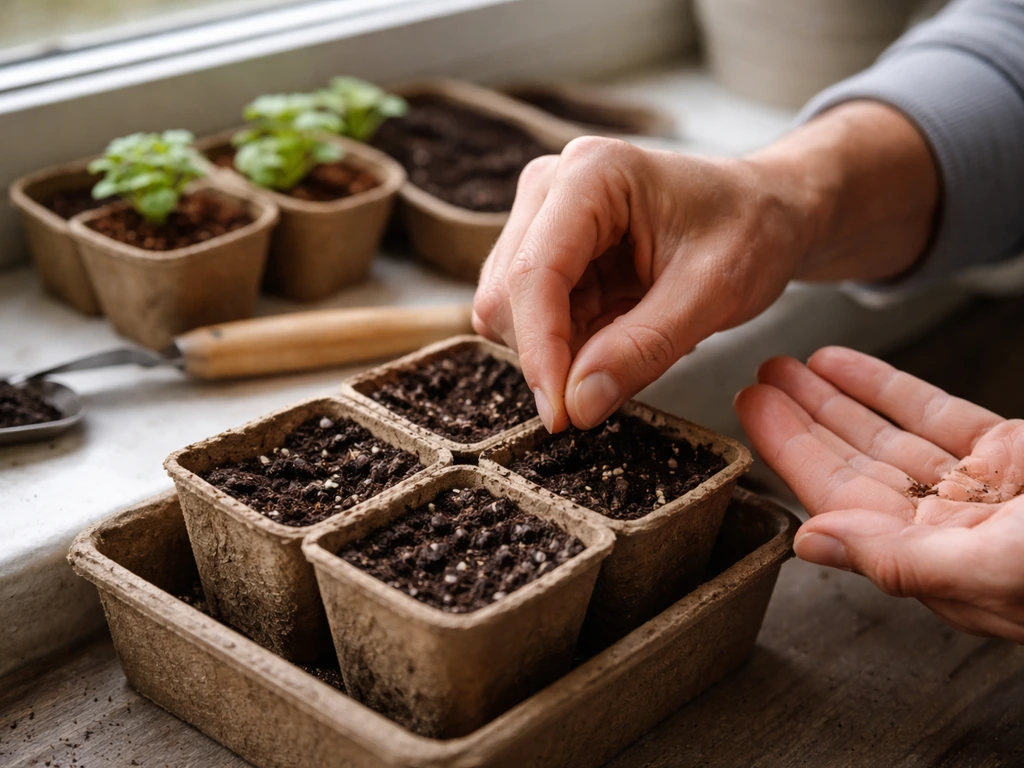
There are hundreds of primula species, but a handful are genuinely beginner-friendly from seed. Polyanthus types (the colorful clusters you see everywhere in spring) and Primula acaulis (the classic single-stemmed primrose) are the most forgiving to start indoors without any special treatment. P. auricula is a rewarding choice for those who want something a bit different, and the candelabra types like P. bulleyana, P. japonica, and P. pulverulenta are stunning in damp borders, though these do need cold treatment to germinate well.
If you're just starting out, I'd point you toward a polyanthus F1 series or a named P. acaulis variety first. They're the most predictable, they bloom reliably in the first season, and the seed-to-bloom timeline is manageable at home. Species like P. sieboldii or P. pulverulenta are worth growing once you have a season or two under your belt, since they have stricter requirements for cold treatment and are less forgiving if conditions aren't right.
| Species / Type | Ease from Seed | Cold Stratification Needed | Bloom Season |
|---|---|---|---|
| Primula polyanthus (F1 hybrids) | Very easy | Not usually | Late winter to spring |
| Primula acaulis (primrose) | Easy | Optional but helps | Early spring |
| Primula auricula | Moderate | Beneficial | Spring |
| Primula japonica (candelabra) | Moderate | Yes | Late spring |
| Primula pulverulenta | Moderate to tricky | Yes | Late spring to summer |
| Primula sieboldii | Moderate to tricky | Yes | Spring |
Getting the site and soil right
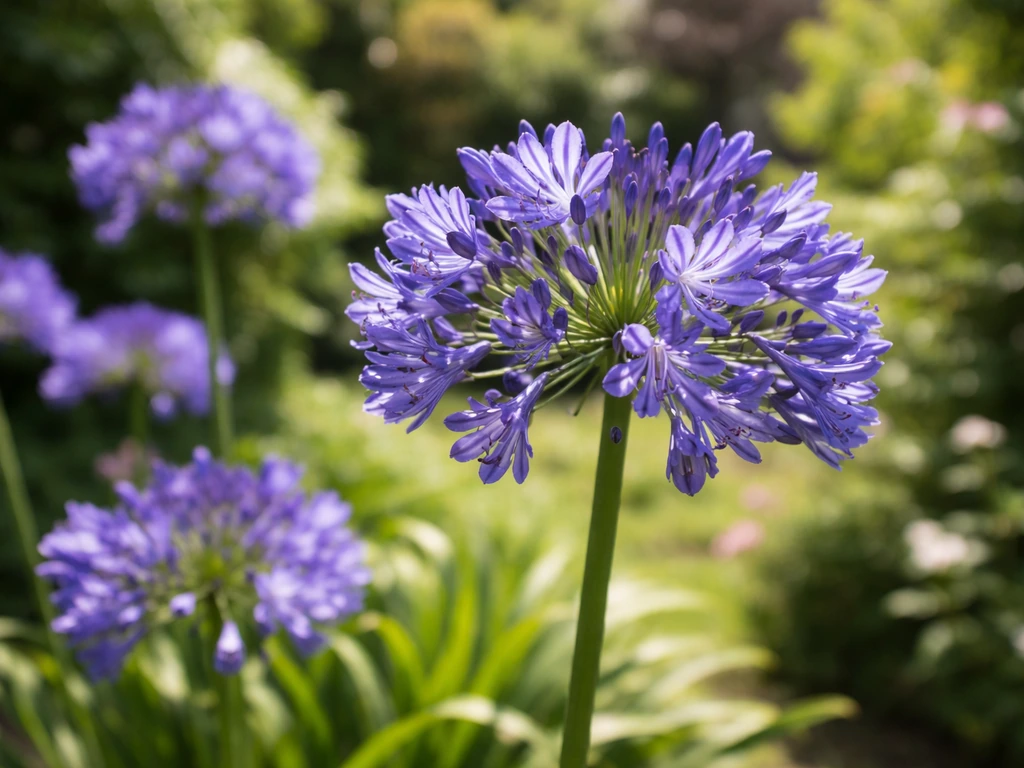
Primulas like it cool, moist, and partially shaded. If you want to grow agapanthus too, you’ll be thinking about similar fundamentals like the right light and steady watering, but with warmer-season timing. In the garden, they're happiest under deciduous trees or on the north or east side of a wall where they get morning light but are sheltered from harsh afternoon sun. They won't flower in deep shade, but equally they'll scorch and struggle in full summer sun, especially in warmer climates. Think of the kind of light you'd find at a woodland edge.
Soil pH is one of the things that trips people up. Primulas really don't like alkaline soil. Aim for a pH of 5. 5 to 6.
2, slightly acidic, and avoid ground that's been heavily limed. North Carolina State Extension Gardener Plant Toolbox notes that primrose (Primula vulgaris) does well with well-drained soil and provides guidance on site conditions, including avoiding overly alkaline conditions linked to liming [avoid ground that's been heavily limed](https://plants. ces. ncsu.
edu/plants/primula-vulgaris/common-name/primrose/). They need consistent moisture but absolutely cannot sit in waterlogged soil, so good drainage matters as much as not letting them dry out. The UC Statewide IPM Program (UC IPM) notes that primrose growth aligns with avoiding waterlogged soils and recommends planting in rich, well-drained soil [absolutely cannot sit in waterlogged soil](https://ipm. ucanr.
edu/home-and-landscape/primrose/). In heavy clay gardens, work in grit or coarse perlite before planting, and raised beds or container growing are solid alternatives. For pots, use a peat-free multi-purpose compost with added perlite or horticultural grit to keep the mix open and well-draining.
- Light: Dappled shade or morning sun; avoid deep shade and harsh afternoon sun
- Soil pH: 5.5–6.2 (slightly acidic; no limey or chalky soil)
- Moisture: Consistently moist but never waterlogged; check drainage carefully
- Soil texture: Open, free-draining mix; add grit or perlite to heavy soils or containers
- Container mix: Peat-free multi-purpose compost with 20–25% added perlite or fine grit
How to start primula from seed, step by step
Timing your sow
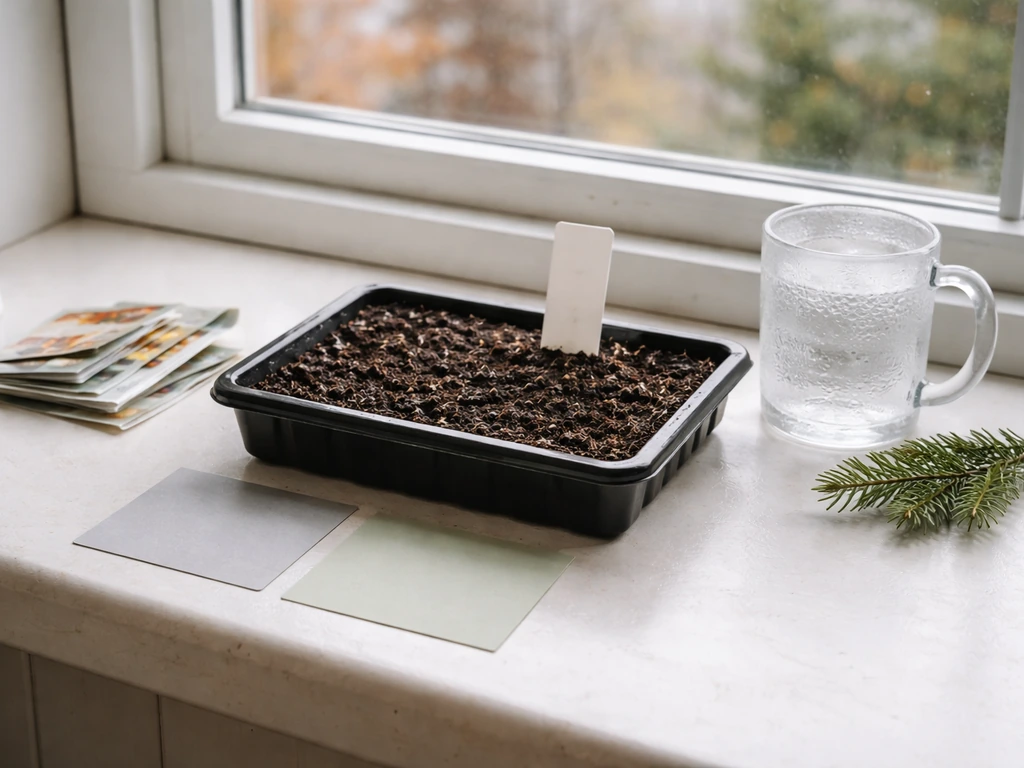
Timing depends on your goal. For polyanthus blooming in mid-March, sowing in mid-November works well, with about 140 days from seed to flower. To get the best results, follow the full indoor sowing and germination routine for polyanthus so you hit the right cool conditions at the right time polyanthus blooming. For spring garden display in most temperate climates, sow indoors between December and February.
Starting in a cool greenhouse or under lights in a cool room gives you the most control. Candelabra types like P. If you want a deeper walk-through, see our guide on how to grow pieris japonica for related cold-stratification and planting timing tips. japonica can be sown in autumn and left outside in a cold frame to stratify naturally over winter, which is actually one of the easiest approaches for species that need cold treatment.
Cold stratification for tricky species
Species like P. japonica, P. pulverulenta, and P. sieboldii genuinely need a cold period to break dormancy. The simplest method: mix the seeds with barely damp vermiculite in a small zip-lock bag, seal it, and put it in the refrigerator at below 5°C/40°F for 4 to 6 weeks. Check the bag every week and sow immediately if you see any germination starting. After the cold period, move the seeds to your normal germination setup. P. acaulis and polyanthus types don't strictly require this, but an optional 2–3 week chill can improve germination rates if you're seeing poor results.
Sowing the seeds
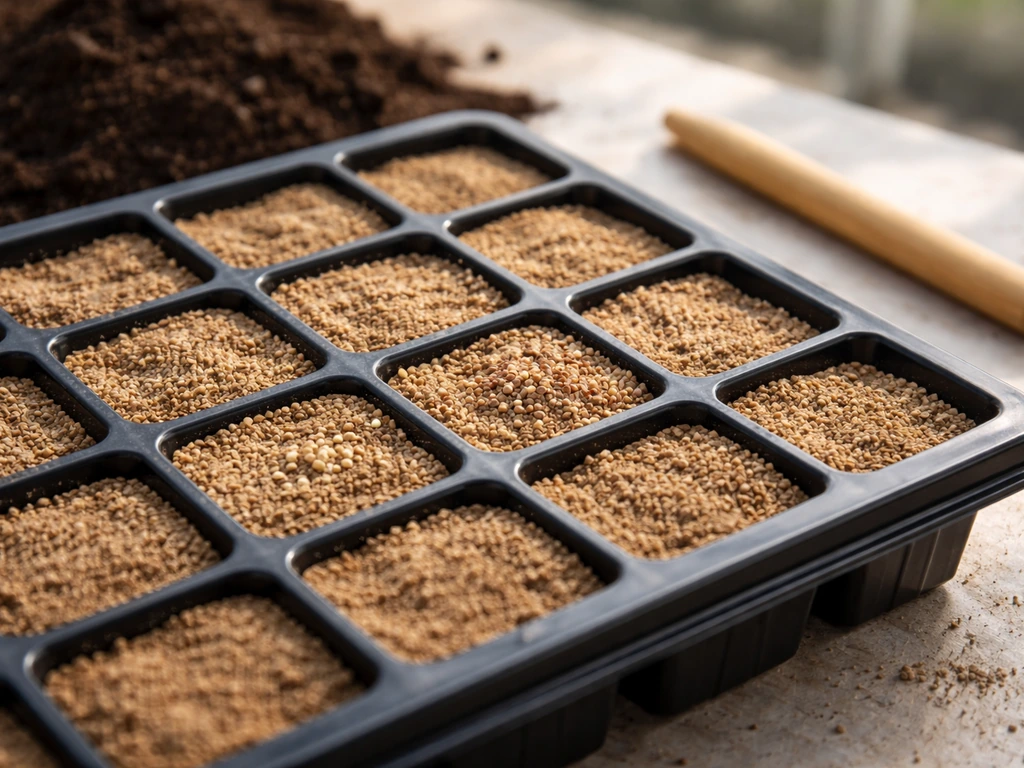
- Fill your seed tray or module cells with a fine germination mix: approximately 60% fine peat (or peat substitute), 25% perlite, and 15% vermiculite. Avoid mixes with high nutrient levels; the EC should be below 0.6 mmhos.
- Water the mix thoroughly before sowing using a spray bottle or watering can with a fine rose, so the medium is evenly moist but not dripping.
- Sow primula seeds on the surface. They are tiny and need light to germinate, so do not bury them. Press them gently onto the surface to ensure good contact.
- Apply a very thin dusting of fine vermiculite over the seeds, just enough to stabilize them without blocking light. This helps retain moisture at the surface.
- Place the tray in a location with indirect light. The target temperature is 59°F/15°C, day and night. A cool windowsill, unheated spare room, or propagator set to low heat works well.
- Cover the tray loosely with a clear propagator lid or cling film to retain humidity, but leave a small gap for air circulation.
- Check moisture daily. The surface should stay moist but never wet. Mist lightly with a spray bottle if it begins to dry out.
Germination for cooperative varieties like polyanthus F1 types can happen in 5–7 days under good conditions. Primula vulgaris and some species types can take 6 weeks or longer and will sometimes germinate unevenly over several weeks. Don't give up on a tray before 8 weeks have passed.
Caring for seedlings and young plants
Watering seedlings
Once seedlings emerge, remove the cover gradually over a few days to acclimatize them rather than exposing them to dry air suddenly. Water from the base when possible by standing the tray in shallow water briefly, then letting it drain fully. This keeps the leaf surface dry and dramatically reduces the risk of damping off. If you water from the top, use a fine mist and don't saturate the mix. The goal is consistently moist, not wet.
Feeding young plants
Primulas are light feeders, which means you can easily overdo it with fertilizer. Wait until seedlings have two true leaves before introducing any feed. Then use a balanced liquid fertilizer at half the recommended rate, around 150 ppm nitrogen, applied once a week. Too much feed leads to lush but weak growth and can increase disease susceptibility. If you're using a quality potting mix for potting on, you may not need to feed for the first 4–6 weeks at all.
Potting on
When seedlings are large enough to handle (usually with 2–3 true leaves), prick them out individually into small pots or module cells, about 5–7 cm. Handle by the seed leaf, not the stem, which is fragile. Use a free-draining potting mix, similar to the germination medium but with slightly more structure. Move up to a 9–10 cm pot once roots are filling the smaller container. Keep plants growing on at a cool temperature, around 50–57°F (10–14°C), which encourages sturdy compact growth rather than the legginess you get in warm conditions.
When and how to plant primulas outside
The timing for moving primulas outdoors depends heavily on where you live. Primulas are cool-season plants and actually prefer to be planted out when temperatures are still on the chilly side, which is the opposite of most other garden flowers. If you want to grow pincushion protea as well, expect similar attention to site and drainage, but with warmer, drier conditions than most primulas.
| Climate Zone | Plant Out Timing | Frost Notes |
|---|---|---|
| USDA Zones 3–5 (cold winters) | Late April to May after last frost | Harden off 7–10 days; protect from late frosts with fleece |
| USDA Zones 6–7 (moderate) | March to April; autumn planting also works | Established plants tolerate frost well; protect young transplants |
| USDA Zones 8–9 (mild winters) | October to February for winter/spring display | Treat as winter annuals; avoid summer heat |
| UK / Northern Europe | March to May; or September for autumn display | Hardy once established; fleece for hard frosts below -5°C |
Before transplanting, harden off seedlings by putting them outside in a sheltered spot during the day and bringing them in at night for 7–10 days. This acclimatizes them to outdoor temperature swings, wind, and stronger light without shocking the root system. Once planted, water in well and keep the soil moist through dry spells. Avoid planting in full sun even if nights are still cool.
Troubleshooting the most common problems
Poor or no germination
The most common reasons for failure to germinate are: seeds buried too deep (they need light), temperature too high or too low (stick to 59°F/15°C), or seed that was old or stored in warm humid conditions. If nothing has appeared after 4 weeks, try placing the tray in the refrigerator for 2–3 weeks and then returning it to the normal warm germination spot. This cold shock can sometimes wake up stubborn seeds. Also double-check the medium isn't waterlogged, as soggy conditions will rot seeds before they germinate.
Damping off (seedlings collapsing at the base)
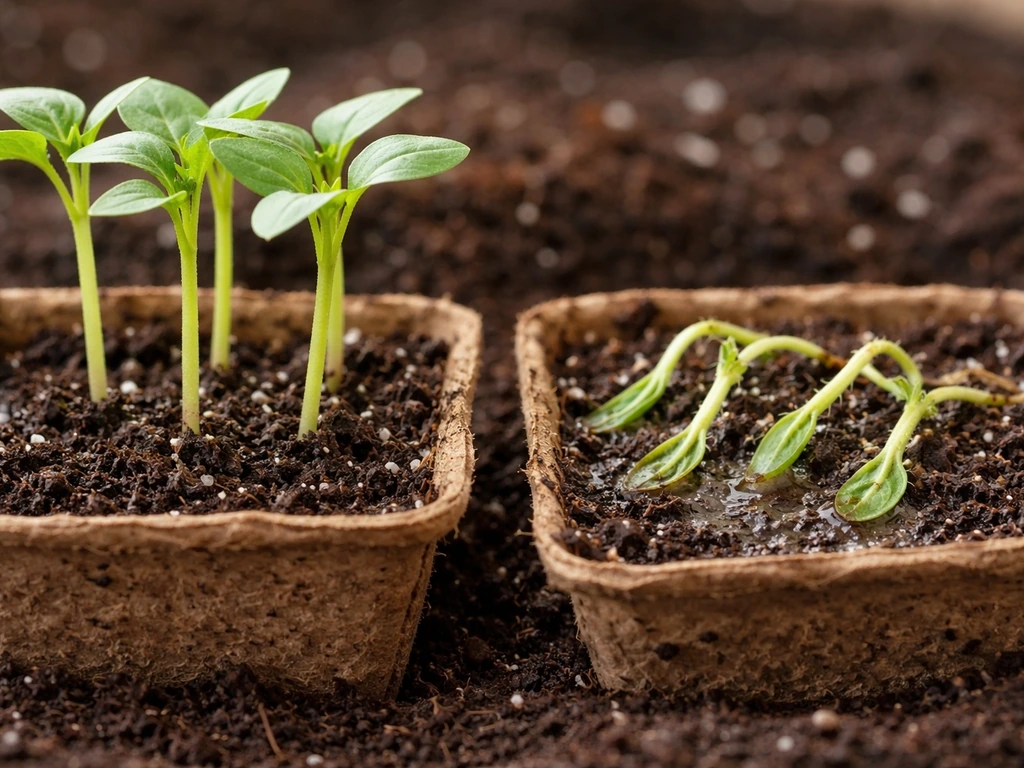
Damping off is caused by fungal pathogens that thrive in wet, poorly ventilated conditions. You'll see seedlings that suddenly keel over at the soil line, often with a water-soaked or pinched stem at the base. Sometimes you'll see white fluffy growth on the surface of the mix. Prevention is everything here: always use fresh, sterile seed trays and potting mix, never reuse old trays without sterilizing them, water from the base rather than overhead, and keep the lid slightly open to allow airflow. If damping off appears, remove affected seedlings immediately, reduce watering, and improve ventilation.
Leggy, weak seedlings
Leggy seedlings are almost always a light and temperature problem. If seedlings are stretching toward the window and looking pale and thin, they need more light and cooler temperatures. Move them closer to the light source, use supplemental grow lights if you're sowing in midwinter, and keep the growing-on temperature in the cooler range of 50–57°F. Warm rooms produce weak, stretched growth in primulas because these plants are naturally adapted to cool conditions.
Botrytis and leaf spot diseases
Botrytis (gray mold) is the main disease threat outdoors, especially in cool, wet, poorly ventilated conditions. It shows as gray fuzzy growth on rotting leaves near the soil surface, and it spreads quickly through dead or dying tissue. Remove any dead leaves promptly, thin overcrowded plants to improve airflow, and avoid overhead watering. In the garden, planting at the correct spacing rather than cramming plants together makes a real difference. Leaf spot diseases, which can appear as small brown or white spots with fungal growth on the leaf underside, are mostly cosmetic but worth managing by removing affected leaves and keeping foliage dry.
Slugs and vine weevil
Slugs love primulas, especially young transplants. Use slug pellets (iron phosphate-based ones are safer around wildlife and pets), lay copper tape around containers, or set beer traps. Vine weevil is a serious problem in containers: the larvae eat roots from below and plants will suddenly wilt and die. If you lift a dying primula from its pot and find white C-shaped grubs in the compost, that's vine weevil. Use a biological control nematode (Steinernema kraussei) watered into the compost in late summer when soil is still warm enough.
Getting primulas to bloom reliably
Variety-specific tips for flowering
Polyanthus F1 hybrids are bred specifically for reliable, heavy flowering and will bloom profusely in the first season. Deadhead spent flowers regularly by pinching them off at the base of the stalk, which redirects the plant's energy into producing more blooms rather than setting seed. P. acaulis types also respond well to deadheading. Candelabra types like P. japonica and P. pulverulenta bloom in late spring to early summer and benefit from being grown in consistently moist to boggy soil at the waterside if possible. Don't rush them into bloom; these species sometimes skip a year while establishing.
Overwintering and what to expect in year two
Established primroses and polyanthus are remarkably frost-hardy once settled in. In most temperate climates you can leave them in the ground year-round. However, be aware that many hybrid polyanthus types bloom best in their first season and flowering can become sparse in year two. The RHS acknowledges this openly: often it's worth treating them as biennials and starting fresh seed each season for the best display. True species like P. vulgaris and candelabra types are genuinely perennial and will improve with age if conditions suit them. In zones with hot summers, move containers to a cool shaded spot after flowering and let the plants rest through summer heat, resuming normal care in autumn.
For overwintering in cold climates (Zones 3–5), mulch around plants with a layer of straw or bark after the ground starts to freeze to protect crowns from freeze-thaw cycles. Potted primulas should be moved to an unheated shed, garage, or cold frame where they won't freeze solid but also won't be tricked into early growth by warmth. They need the cool rest period to set up flowering, so don't bring them somewhere too warm too soon.
If you enjoy growing other spring-blooming plants from seed, polyanthus's close relative (primula polyanthus) is a natural companion in the garden, and the growing requirements overlap significantly with other cool-season favorites. The patience and cool-temperature discipline you build growing primulas transfers well to other demanding but rewarding ornamentals. Plumeria pudica has very different needs from primulas, but you can still grow it successfully by matching its warm, bright conditions and letting it dry slightly between waterings how to grow plumeria pudica.
FAQ
How deep should I sow primula seeds so they can germinate?
Keep them at or near the surface. If you press them lightly into the mix but do not cover with compost, you usually get better results because primulas need light to trigger germination (burying them is one of the most common failures).
My seeds germinated, but they seem to stop growing. What should I check first?
Verify temperature and moisture balance. Primula seedlings often stall if the room is too warm or if the mix is either drying out completely or staying waterlogged, aim for consistently moist (not wet) and keep conditions cool for sturdier growth.
Can I reuse potting mix or trays from last year?
Reuse increases damping-off risk. Use fresh or freshly sterilized seed-raising trays and fresh mix when possible, if you must reuse containers, scrub and disinfect them thoroughly before sowing again.
Do I need to fertilize during the germination and early seedling stages?
Usually not. The safest approach is to wait until you have two true leaves before any feeding, then start at half strength once a week, if your potting mix already contains fertilizer you can often skip feeding for the first month.
How do I avoid damping off once seedlings emerge?
Improve airflow and keep water controlled. Use base watering, avoid saturating the surface, and keep any cover or lid only partially on until seedlings are robust, remove any failed or collapsed seedlings immediately to prevent spread.
What’s the best way to thin crowded seedlings?
Do not pull them if they are interlocked. Instead, snip off weaker seedlings at the soil level and transplant only the healthiest ones, or prick out promptly once you can handle them to reduce competition and encourage airflow.
Can I grow primulas outdoors in containers year-round?
It depends on your winter. Containers can freeze and thaw more aggressively than ground, so insulate the pot and keep it in a cool, sheltered spot, in severe climates move pots to a cold frame or unheated shed to prevent the mix from freezing solid.
Why do my primulas look fine indoors but struggle after transplanting outside?
They likely need a longer hardening off. If they were grown under stable cool indoor conditions, extend hardening to 10 to 14 days, start in morning sun or shade, and avoid windy, drying sites for the first week.
What should I do if I miss the cold stratification window for species that need it?
Do it anyway, adjust timing but keep the method. If you have not already stratified those species, run the cold period shortly before sowing in your germination setup, then sow as soon as you see early signs of germination during the chill.
My primula is flowering but then the second-year display is weak. Is something wrong?
Often it is normal for hybrids. Many polyanthus hybrids are best treated as annuals or biennials for peak bloom, starting fresh seed each season tends to deliver the most consistent spring display.
Are iron phosphate slug pellets safe to use around primulas?
They are generally considered safer than older metaldehyde products around pets and wildlife. Still, apply sparingly and follow label directions, and avoid pelleting directly on tender seedlings when possible.
Next Article
How to Grow Agapanthus: Step-by-Step Planting to Blooms
Step-by-step how to grow agapanthus to blooms: planting depth, soil drainage, watering, feeding, UK winter care, trouble