The short answer: if you want fall blooms, plant nursery mums outdoors 6 to 8 weeks before your first expected frost. If you're starting from seed, you need to begin indoors 10 to 12 weeks before your last spring frost date. Get either of those windows right, and mums will do what they're designed to do, put on a spectacular show right as the rest of the garden is winding down. Miss the window by too much in either direction, and you'll end up with a leafy green plant that never flowers, or a frost-killed transplant that never had a chance to root. Let me walk you through exactly how to nail the timing.
When to Grow Mums: Timing Guide for Buds and Blooms

Harriet Whitmore
24 Mar 2026

Understanding mum growth stages and timing
Mums go through three distinct phases, and the timing of each one determines whether you get flowers in September and October or just a mound of greenery. Understanding these phases is the single most useful thing you can do before you ever put a plant in the ground.
The first phase is establishment and vegetative growth. This is when the plant is putting all its energy into roots and leaves, building the structure it needs to support blooms later. A mum that hasn't built a solid root system won't set good buds, full stop. This phase runs from planting through late summer for most gardeners.
The second phase is bud initiation, and this is where things get interesting. Chrysanthemums are short-day plants, meaning they're triggered to form flower buds not by temperature but by the length of uninterrupted darkness each night. Once nights stretch to roughly 11 to 12 hours of continuous darkness (depending on the cultivar), the plant gets the chemical signal to switch from growing leaves to forming buds. This typically happens naturally in late August through early September in most of North America. The first two weeks of short days are especially critical, that's when bud initiation is locked in.
The third phase is bloom development, which follows bud initiation by about 6 to 7 weeks. That means if buds form in early September, expect flowers in mid to late October. If bud initiation is delayed by a week or two, your bloom window shifts accordingly, which becomes a real problem in cold climates where frost can arrive before the flowers open.
One thing that trips up a lot of gardeners: it's the darkness, not the light, that drives this process. Continuous, uninterrupted night length is what matters. Even brief light exposure during the dark period (a porch light, a street light shining on your bed at night) can interfere with bud initiation and delay or prevent flowering entirely. Keep that in mind when choosing where to plant.
Best time to grow mums from seed (or start indoors)
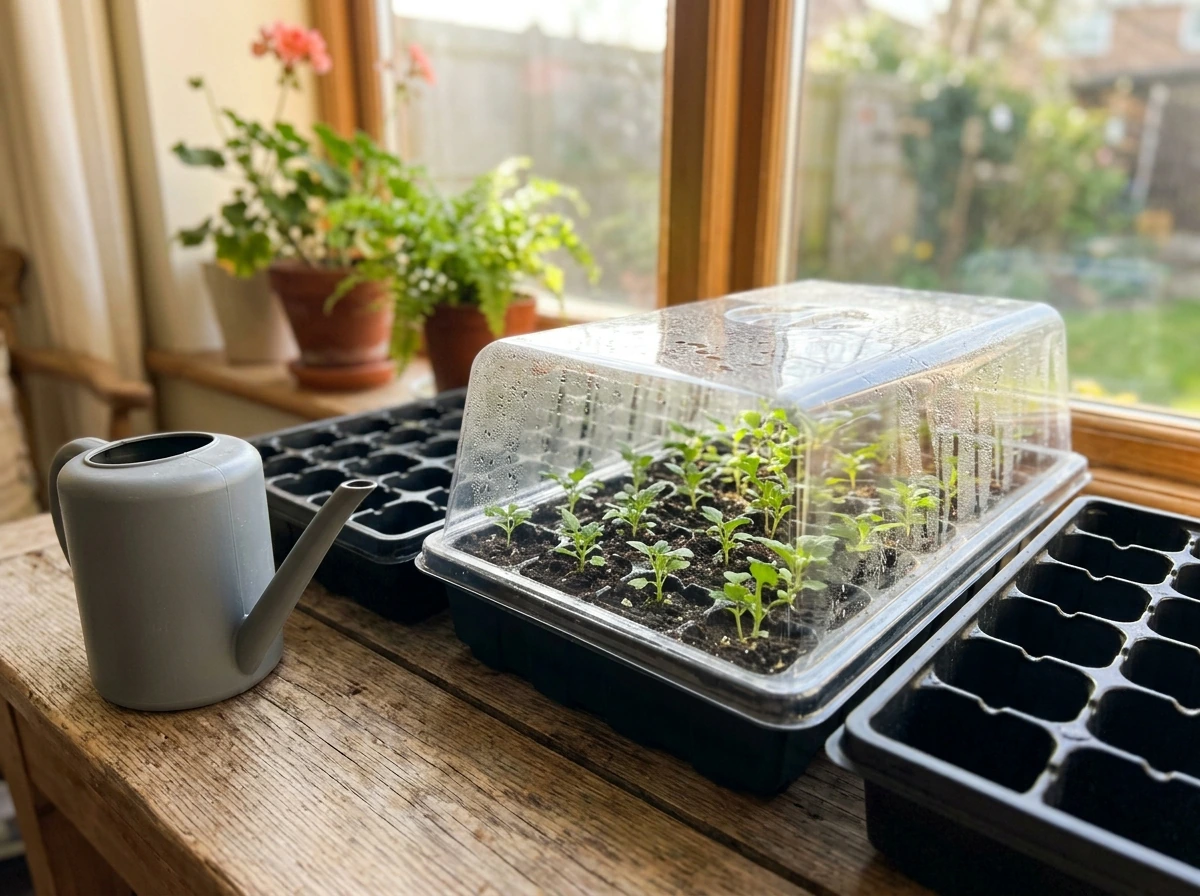
Growing mums from seed is absolutely doable, but I'll be honest with you, it takes patience and a longer lead time than most gardeners expect. Mums grown from seed need a full growing season to mature enough to set buds and bloom. Start them too late, and they'll still be in vegetative mode when frost hits.
The target window for starting mums from seed indoors is 10 to 12 weeks before your last expected spring frost date. For most of the northern U.S., that means starting seeds in January or February. In Zone 6, for example, where the last frost falls around mid-April, you'd want to be sowing seeds in late January to early February. In Zone 7 (last frost around late March), you'd aim for late December to early January.
Use a well-draining seed-starting mix, keep soil temperature around 65 to 70°F for germination, and expect seedlings to emerge in 10 to 15 days. Once seedlings have two or three sets of true leaves, they're ready for their first pinch (removing the growing tip to encourage branching). You'll pinch growing tips again every few weeks through mid-summer, more on that timing below. Transplant seedlings outdoors after your last frost date, once nighttime temperatures stay reliably above 40°F.
One important note if you're buying mums in spring rather than growing from seed: look for rooted cuttings or un-bloomed plants sold in spring. Iowa State Extension points out that spring-sold, non-blooming mums are far more likely to be genuinely cold-hardy garden varieties than the full-bloom plants sold in fall, which are often florist types bred for display rather than winter survival.
When to plant purchased mums (nursery starts and transplants)
Most home gardeners start with nursery-bought plants rather than seeds, and that's totally fine, it just means you're working with a narrower timing window. The core rule: plant nursery mums outdoors 6 to 8 weeks before your area's average first fall frost. That window gives roots enough time to get established in the soil before cold weather arrives.
The reason the establishment window matters so much is that a mum sitting in the ground for only 2 or 3 weeks before a hard frost has a much smaller root system than one that's been in the ground since midsummer. A shallow root system means the plant is vulnerable to frost heaving (where repeated freezing and thawing literally pushes the root ball out of the soil) and general winter kill. Illinois Extension has noted this directly: fall-planted mums simply don't have the root depth of spring-planted ones, and that affects survival rates.
If you have a choice, spring planting is the more reliable option for gardeners who want mums to come back as perennials. Plant in spring after your last frost, let the plant grow all season, pinch it through early summer, and you'll get both a well-established root system and excellent bloom timing. Fall-bought mums are gorgeous for seasonal display, but treat them as annuals unless you're in Zone 6 or warmer and have given them enough root time before frost.
For transplants you've started indoors from seed or cuttings, move them outside after last frost, just as you would any tender annual, and follow the same pinching schedule outlined below to keep them from getting leggy and to maximize bud sites by fall.
Planting calendar by climate and USDA zone
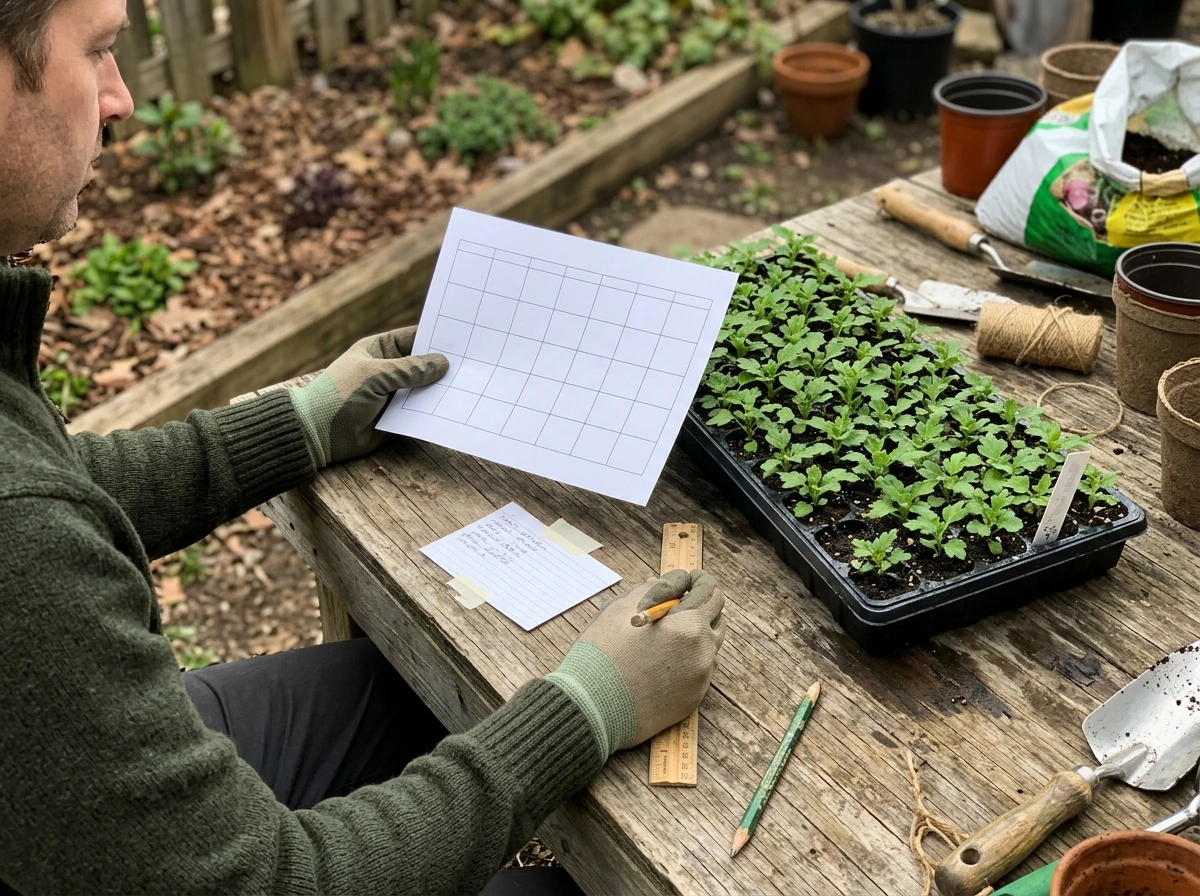
Every garden is different, but frost dates give you a reliable framework for working backward from bloom time. Here's a practical zone-by-zone breakdown to help you map timing to your specific situation.
| USDA Zone | Approx. Last Spring Frost | Approx. First Fall Frost | Start Seeds Indoors | Transplant Outdoors (Spring) | Plant Nursery Mums (Fall) |
|---|---|---|---|---|---|
| Zone 4 (e.g., MN, ND) | Mid-May | Late Sept / Early Oct | Early to mid-March | Late May to early June | Late July to mid-August |
| Zone 5 (e.g., Chicago, Denver) | Early to mid-May | Mid-October | Late February to mid-March | Mid to late May | Late August to early September |
| Zone 6 (e.g., St. Louis, Philadelphia) | Mid-April | Late October | Late January to February | Late April to mid-May | Early to mid-September |
| Zone 7 (e.g., Raleigh, Nashville) | Late March | Early November | Late December to January | Early to mid-April | Mid to late September |
| Zone 8 (e.g., Atlanta, Dallas) | Mid-March | Mid-November | Early to mid-December | Late March to mid-April | Early to mid-October |
| Zone 9–10 (e.g., FL, Southern CA) | Feb. or no frost | Late Nov. or none | November to December | February to March | October to November |
A few things to keep in mind when reading this table. In Zones 9 and 10, mums still bloom in fall due to shortening day length, but the warm temperatures can sometimes delay or complicate bud set, high heat above about 85°F can inhibit flower initiation even when nights are getting long. If you're in a warm climate and your mums aren't budding up in late September, heat is often the culprit, not your planting date. In Zones 9 and 10, mums still bloom in fall due to shortening day length, but the warm temperatures can sometimes delay or complicate bud set, high heat above about 85°F can inhibit flower initiation even when nights are getting long. If you're in a warm climate and your mums aren't budding up in late September, heat is often the culprit, not your planting date. Also, if you're in the far South and want to know more about how to grow fall mums in your specific situation, there's dedicated guidance worth checking out that goes deeper on warm-climate considerations. If you want a deeper, step-by-step guide specific to timing and triggers, see how to grow fall mums.
In the coldest zones (4 and 5), timing is everything. I've seen gardeners in Zone 4 try to plant fall nursery mums in mid-September, only to have them killed before they even fully opened. If you're in a cold zone, midsummer planting (from spring-started plants) is your most reliable path to fall blooms AND winter survival.
Watering, light, and soil setup to hit bloom time
Getting the timing right is half the battle. The other half is giving your mums the conditions they need to actually perform once the short days arrive. Skimp here and you'll get weak bud set or stressed plants that stall out.
Sunlight
Mums need full sun, not partial sun, not morning sun with afternoon shade. Utah State Extension is direct about this: plant them where they get full sunshine all day. University of Missouri Extension echoes it, noting that full sun promotes the best flower opening and color. In practice, this means at least 6 to 8 hours of direct sunlight daily. Less than that and you'll get stretched, leggy stems and fewer flowers. And remember: avoid locations where artificial light at night hits the plants, because even a few hours of light interrupting the dark period can delay or prevent bud initiation.
Soil and drainage
Mums want a soil pH between 6.0 and 7.0 (West Virginia University Extension lists the upper end at 7.5, but I'd aim for 6.0 to 6.5 as a sweet spot). More importantly, they absolutely cannot tolerate waterlogged soil. Root rot is a fast track to dead mums, especially in fall when cooler, wetter conditions already stress the plant. If you're working with heavy clay soil, amend it generously with compost and consider raised beds or mounded planting rows to improve drainage. Utah State Extension even mentions underground drainage for extremely heavy soils, that's how seriously poor drainage affects mum performance.
Watering and fertilizing
Keep soil consistently moist during the growing season, but not soggy. Mums are moderately drought-sensitive, especially during bud development. Penn State Extension recommends light and frequent feeding with a balanced fertilizer throughout the growing season, something in the range of a 5-10-10 or balanced product works well. Stop fertilizing by late August, though. Feeding late in the season pushes new vegetative growth at exactly the wrong time and can interfere with bud development. UMass Extension identifies water and fertilizer stress as a common cause of premature or irregular budding, so the goal is steady, moderate nutrition, not feast and famine.
Pinching for more blooms
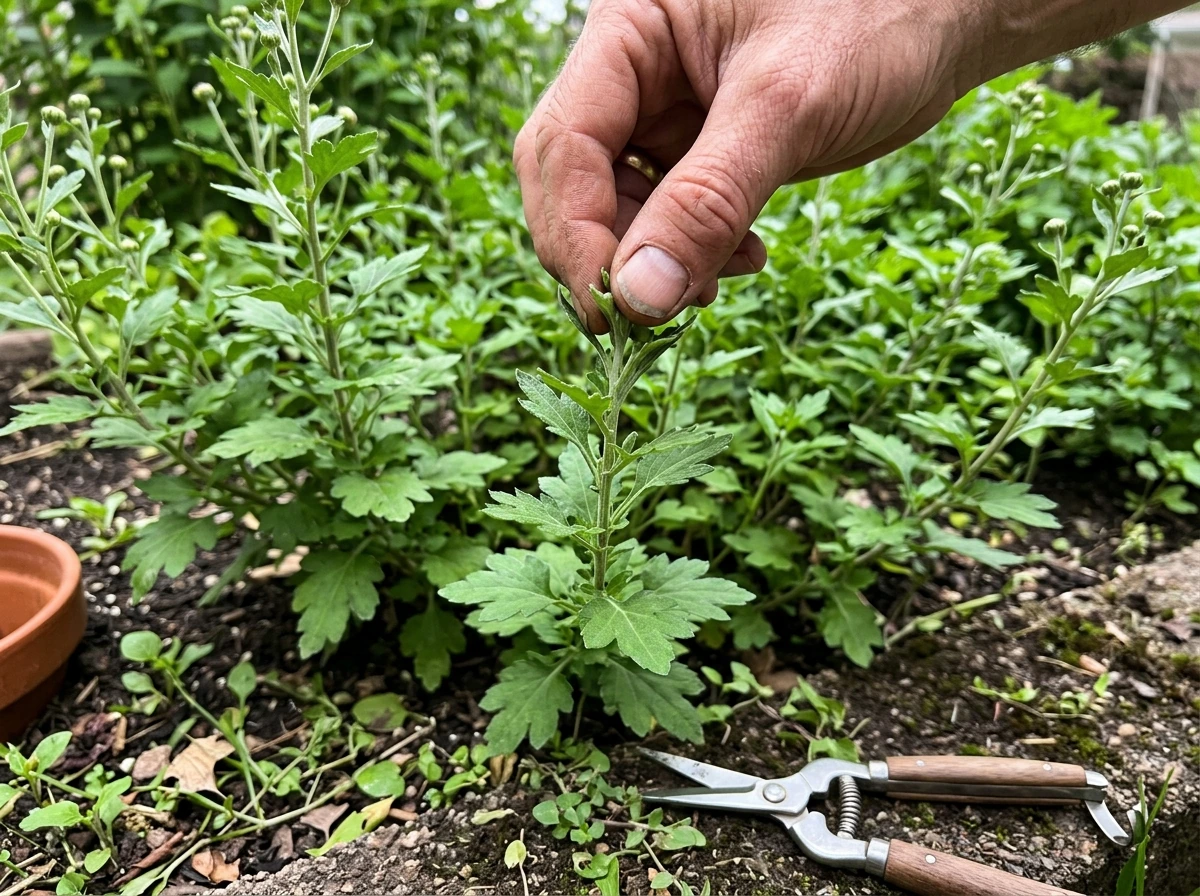
Pinching is the practice of removing the growing tips of new stems to force branching, which multiplies the number of flowering sites. Start pinching when plants are about 6 inches tall, and repeat every 2 to 3 weeks until around the Fourth of July. That July 4 cutoff is the one cited by NC State Extension, and it's a solid rule of thumb: pinching after early July risks removing developing flower buds that are just starting to form as nights get longer. Late pinching is one of the most common reasons gardeners end up with lots of green foliage and no flowers.
Troubleshooting missed blooms, legginess, and seasonal decline
Even with good intentions, timing mistakes happen. Here's how to diagnose what went wrong and what to do about it.
- Lots of leaves, no flowers: This is almost always a light problem. Either the plant isn't getting enough sunlight hours, or artificial light is interrupting the dark period at night. It can also mean you pinched too late and removed developing buds, or planted so late that the plant didn't have time for vegetative growth before bud initiation triggered.
- Buds formed but didn't open before frost: You're in a cold zone and the bud initiation to bloom window (about 6 to 7 weeks) ran out of time. Next year, plant earlier in summer. If it's already happened, try potting the plant and bringing it indoors to a cool, bright spot to finish blooming.
- Leggy, stretched stems with few branches: Classic sign of either too little sun or skipping the pinching schedule. Mums need both hard pinching through early summer and full-day sun to stay compact and branched.
- Plant bloomed beautifully in fall then died over winter: This can be a hardiness mismatch (florist mum vs. garden mum cultivar), but it's often a root establishment problem. Fall-planted mums that went into the ground less than 6 weeks before frost simply didn't develop a root system deep enough to survive. Frost heaving is a real threat for shallow-rooted plants.
- Buds forming way too early (late July or August): Usually caused by stress — drought, nutrient deficiency, or a plant that was already underfed and root-bound in its container. Stressed mums can initiate buds prematurely. Water stress and low fertility are the main culprits according to UMass Extension.
- Blooms stalled or delayed in a warm fall: High temperatures above about 85°F can interfere with flower initiation even when days are shortening. In warm climates, a late-season heat wave can push your bloom date back by 1 to 2 weeks. There's not much you can do except wait it out — the flowers will usually come once temperatures moderate.
How to extend bloom and plan for next season
Once your mums are in bloom, a few simple steps will stretch that display as long as possible. Deadhead spent blooms regularly to keep the plant producing new flowers. Water consistently, drought stress shortens bloom time noticeably. If an early frost is forecast before flowers fully open, cover plants overnight with a frost cloth; even one or two degrees of protection can extend your display by a week or more.
After blooming wraps up, resist the urge to cut plants all the way down. Leave the stems standing through winter. The dead stems trap insulating snow and debris around the crown, which is exactly what a mum needs to survive cold winters. In Zones 5 and warmer, apply 2 to 4 inches of mulch around (not on top of) the crown after the ground freezes. Don't mulch too early, you want the ground to fully freeze first to prevent the alternate thawing and freezing that causes frost heaving.
Come spring, cut the dead stems back to just above the new green growth emerging from the base, usually around 2 to 3 inches. This is also a great time to divide your mums if they've grown into a large clump, dig the whole plant, split it into sections with healthy roots, and replant them with fresh compost worked in. Dividing every 2 to 3 years keeps garden mums vigorous and blooming well. University of Minnesota Extension cautions against late-season pruning or heavy fertilizing because it encourages tender new growth that's vulnerable to frost damage, so keep fall care minimal once blooming ends.
For next season's planning: mark your pinching cutoff date (around July 4) in your calendar right now, note your first fall frost date, and count back 6 to 8 weeks to set your planting deadline for nursery starts. If you want to grow from seed or cuttings, count back 10 to 12 weeks from your last spring frost to get your indoor start date. Those two anchors, spring seed start and fall planting deadline, are all you really need to build a mum timeline that actually works. If you want to go deeper on perennial management or planning a large planting, check out the guides on how to grow mums as perennials and where to grow mums for location and site selection tips.
FAQ
What if I plant nursery mums sooner than 6 to 8 weeks before the first frost?
Planting earlier usually leaves you with a larger, more established root system, but it can still be risky if the cultivar is pushed into vegetative growth or if heat delays bud set. If you plant well ahead, monitor for strong leaf growth and avoid late-season fertilizing, since that can shift your flowering later than you want.
Can I use frost date estimates if I don’t know my exact first frost?
Yes. Use your area’s average first frost as a baseline, but build in a safety margin of 1 week if your site is exposed to wind or cold air drainage (low spots). Mums are especially vulnerable to repeated freeze thaw cycles, so sheltered, well-drained locations buy you more time even when frost dates are close.
Why are my mums growing lots of leaves but not forming buds?
The most common timing cause is missed short-day trigger, usually from light at night (porch lights, streetlights) or pinching too late. Also check the fertilizer timing, if you kept feeding after late August, you can promote vegetative growth right through bud initiation.
How much nighttime light is too much for bud initiation?
Even brief, direct exposure during the uninterrupted dark period can interfere. If you notice any lights shining onto the plants after dark, move the container, shift the plants farther away from the light, or block it with an appropriate barrier that eliminates direct nighttime illumination to the foliage.
My mum started budding, but it stalled in mid to late September, what should I check?
In warm climates, high temperatures can inhibit flower initiation even when nights are getting longer, particularly above about 85°F. If heat is the issue, you cannot easily fix it with timing alone, focus on full sun earlier in the day and consistent watering, and consider choosing cultivars known for your heat range.
What is the correct pinching schedule if I started from seed indoors late?
Stick to plant size rather than calendar dates. Start pinching when plants reach about 6 inches, then repeat every 2 to 3 weeks until around July 4. If your seedlings are delayed and are smaller by mid-June, you may pinch fewer times, but don’t pinch after early July because it can remove developing bud sites.
Should I transplant seedlings outdoors as soon as the last frost date passes?
Wait until nighttime temperatures stay reliably above about 40°F. If nights are still cool, the plant can root slowly and lose momentum right when it needs steady growth, which can reduce bud quality later.
Can I save a fall-bought, full-bloom mum and make it perennial?
It’s possible, but success depends on the plant’s root development and hardiness of the specific cultivar. Treat fall display mums as annuals unless you know they are reliably hardy in your zone and you planted early enough that roots established before hard cold arrived.
How late can I plant for fall flowers in cold zones like 4 and 5?
If you’re planting nursery mums in early fall, late starts often fail because they haven’t built enough root mass to survive and flower before cold weather. For the most dependable results in very cold climates, plan on spring-started plants and use the fall bloom window only after the plant has grown and been pinched through early summer.
Do mums need raised beds or can I plant in heavy clay?
Heavy clay is workable only if drainage is improved. Use compost-rich amendments, consider raised beds, and if your site stays wet after rain, mounding the rows helps reduce root rot risk. Avoid planting in spots that hold water, especially in fall when temperatures drop and moisture rises.
Why do my mums rot or die after planting in fall?
Waterlogged soil and poor drainage are the usual causes, root rot can start before you notice yellowing. Confirm drainage by checking how long the area stays wet after a thorough watering or rainfall, and if it takes more than a day to dry, adjust with raised rows or amend for better drainage before planting more.
Should I deadhead, and will it change the number of flowers I get?
Yes. Deadheading spent blooms helps redirect energy into producing additional blossoms rather than setting seed, which can extend the display. Combine deadheading with consistent moisture to avoid sudden stress that shortens flowering.
What should I do if an early frost is forecast before the flowers open?
Cover the plants overnight with frost cloth when frost is expected, and remove it during the day so airflow is good. Even a small temperature buffer can keep buds from getting damaged and often extends visible bloom time by about a week, depending on severity.
When should I mulch after blooming ends?
In Zones 5 and warmer, mulch after the ground freezes, apply about 2 to 4 inches around the crown but not over it, this timing helps prevent frost heaving from repeated thawing and freezing. In colder areas, follow local guidance, since mulch timing can vary with winter severity.
Can I divide mums immediately after they bloom?
It’s better to divide in spring. Spring division gives the plant time to rebuild roots before short days trigger bud development, and it also avoids the stress of splitting when cold weather is approaching.
How do I build a simple planting timeline without guessing?
Use two anchors. For nursery mums, count back 6 to 8 weeks from your average first fall frost for your planting deadline. For seed starting, count back 10 to 12 weeks from your last spring frost for your indoor start date, then plan pinching based on plant height and the early July cutoff.
Next Article
Mimosa Evo Grow Tips: Seed to Bloom Guide for Success
Mimosa evo grow tips with seed-starting, germination fixes, transplant care, and flowering troubleshooting for reliable