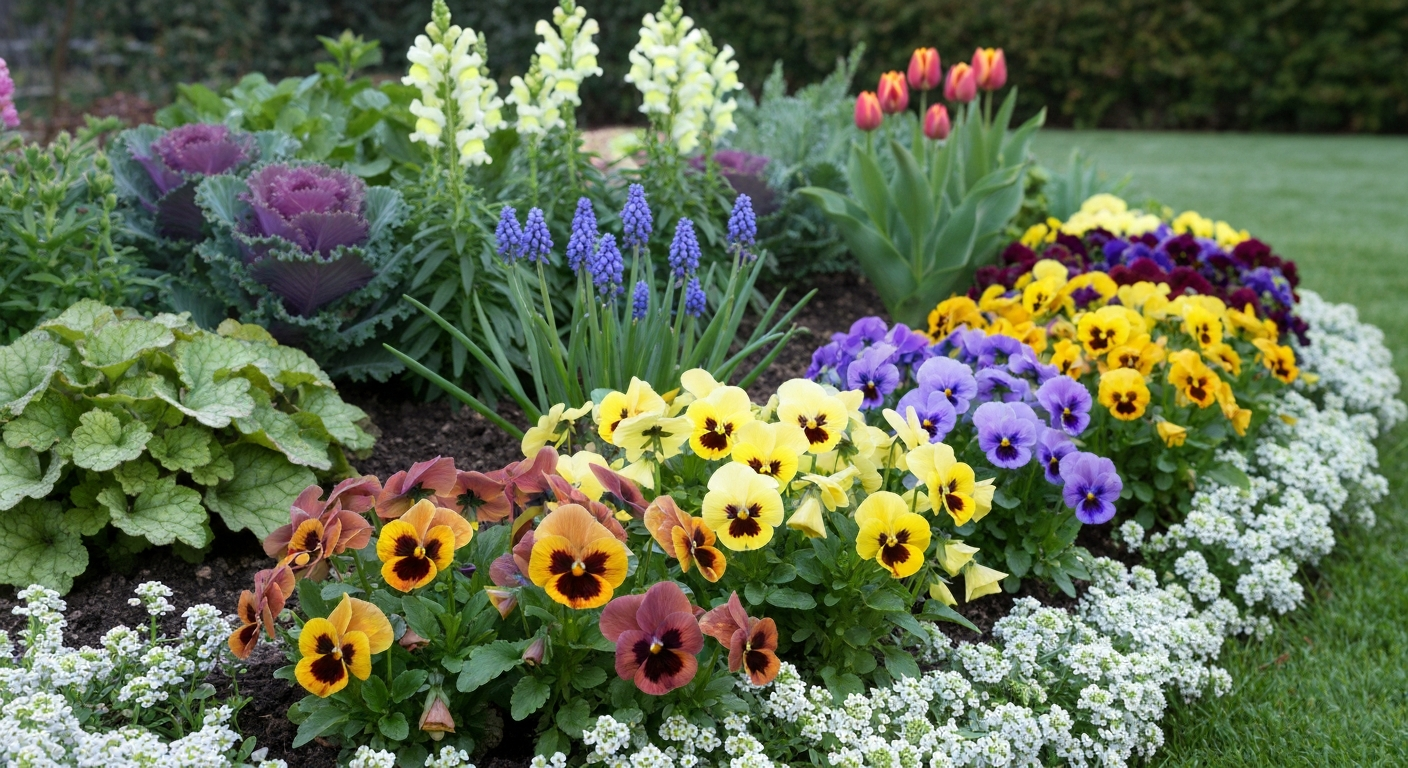
Pansies are one of the most rewarding flowers you can grow outside, but they only thrive when you work with their cool-season nature rather than against it. Plant them in well-drained, organically rich soil at a soil temperature between 45°F and 65°F, give them at least 6 hours of sun in spring and fall, keep them consistently moist but never waterlogged, and feed them every 2–3 weeks with a balanced fertilizer. Get those basics right and you will have armfuls of color from late winter through early summer (or through a mild winter in warmer zones) with very little fuss.
How to Grow Pansies Outside: Complete Year-Round Guide, Timelines & Care

Harriet Whitmore
23 Jul 2026
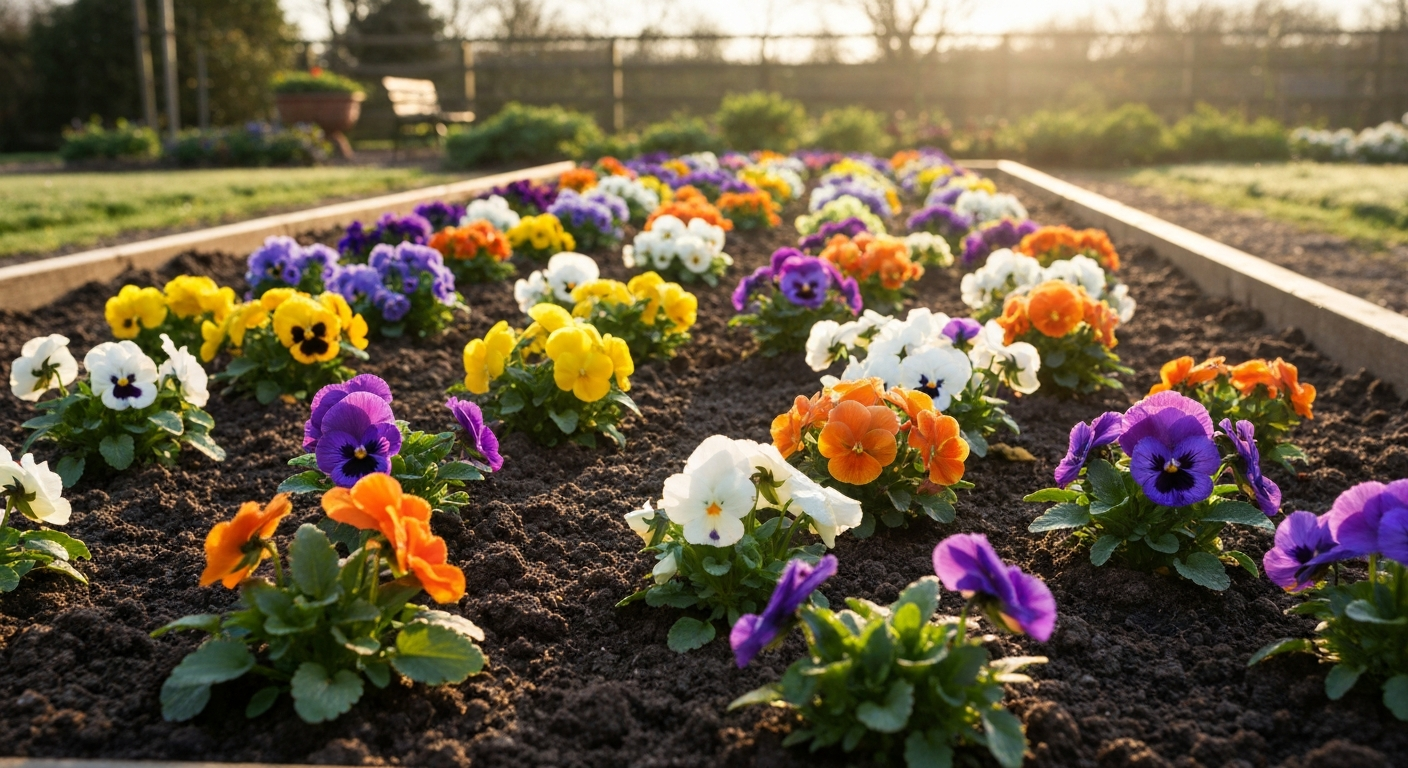
Why Grow Pansies Outside (and What This Guide Actually Covers)
I grow pansies every year partly because they are cheerful and partly because they do something almost nothing else will do: flower when the garden is otherwise bare and cold. Viola × wittrockiana, the common garden pansy, is a cool-season bedding plant bred to perform in temperatures that would stall most other annuals. In USDA zones 3–6, that means bright spring color from the moment the ground thaws. In zones 7–9, it means fall planting for a winter-long display. In zones 9–11, pansies are essentially a winter crop, planted in October or November and pulled when summer heat arrives.
This guide is written for home gardeners at every level, from someone buying their first six-pack at a garden center to experienced growers who want to start from seed and dial in a zone-specific schedule. I will walk you through choosing varieties, prepping beds and containers, planting step by step, caring through the season, handling heat and frost, and fixing the most common problems. If you have ever wondered why your pansies looked great for two weeks and then gave up, there is almost certainly an answer here.
What Pansies Need to Grow: A Quick Reference
Before diving into the details, here is the short version of pansy requirements. Everything else in this guide is an expansion of these core needs.
| Factor | What Pansies Need | Common Mistake |
|---|---|---|
| Light | Full sun to part shade (6+ hrs preferred in cool weather) | Deep shade causes leggy stems and poor flowering |
| Soil | Fertile, well-drained loam; pH 5.5–6.5 | Heavy clay or compacted soil causes root rot |
| Water | Consistent moisture; ~1 inch per week | Overwatering in wet winters is the top killer |
| Temperature | Ideal 57–70°F (14–21°C); tolerates light frost | Planting in heat above 86°F (30°C) causes collapse |
| Nutrients | Balanced fertilizer (e.g., 10-10-10) every 2–3 weeks | Skipping feeding leads to pale leaves and few blooms |
Light: Getting the Exposure Right Through the Seasons
In spring and fall, pansies want as much direct sun as you can give them, ideally 6 or more hours. Full sun in cool weather drives compact growth and prolific blooming. I have grown pansies in spots that get only 4 hours of morning sun and they bloom acceptably, but the plants are noticeably leggier and produce fewer flowers than the same variety grown in full sun a few feet away.
The calculus changes in warmer months. If you are in zone 7 or warmer and trying to push pansies through late spring, afternoon shade becomes genuinely helpful. A location that gets morning sun and shade from about 1 p.m. onward can extend bloom by several weeks compared to an all-day-sun spot. In zones 9–11, where pansies essentially function as a winter annual, the low winter sun angle means even a south-facing bed may not feel like full sun to the plant, so avoid spots blocked by fences or evergreen shrubs.
Under trees is a mixed situation. Deciduous trees that have dropped their leaves by fall offer full sun during exactly the window when you are planting fall pansies, which is ideal. Just make sure surface roots are not competing aggressively for water and nutrients.
Soil: Texture, pH, and How to Prep a Bed in 30 Minutes
Pansies root shallowly and hate sitting in water. A rich, loose, well-drained loam is genuinely the difference between pansies that thrive for months and ones that rot off by December. The target pH is 5.5–6.5, slightly acidic to near-neutral, which keeps all the major nutrients soluble and available. If you have not tested your soil in a few years, a basic home test kit is worth the few dollars before planting.
For in-ground beds, the single best amendment you can add is compost. Aim to incorporate about 3 inches of compost into the top 12 inches of soil before planting, which works out to roughly 25% organic matter by volume. This improves drainage in clay soils, improves water retention in sandy soils, and feeds soil biology that in turn feeds your plants. I usually do this with a fork or a tiller on one pass, then rake smooth.
Soil-Prep Checklist for Pansy Beds
- Test soil pH and adjust with lime (if below 5.5) or sulfur (if above 6.5)
- Clear the bed of weeds, old plant debris, and any large stones
- Spread 3 inches of compost or aged manure over the surface
- Work the compost into the top 12 inches with a fork or tiller
- Rake level and water the bed lightly, then let it settle for a day before planting
- If drainage is consistently poor, consider raised beds or incorporating extra perlite (1 part perlite to 4 parts native soil)
Potting Mix for Containers
For pots and window boxes, skip garden soil entirely. It compacts, drains poorly, and often harbors pathogens. A soilless mix works much better: a common starting point is 50% peat (or coconut coir) and 50% perlite, or 60% peat, 20% perlite, and 20% vermiculite. Adding 1 part compost to every 3 parts of that mix improves nutrition and water holding without sacrificing drainage. I also like to add a slow-release granular fertilizer to my container mix at planting so the plants have a nutritional head start.
Water: How Much, How Often, and the Warning Signs
Pansies need consistent moisture, roughly 1 inch of water per week from rain or irrigation combined. In cool, overcast autumn weather you may barely need to water at all. In a warm, sunny spring, you may need to water container pansies every day. The goal is soil that stays evenly moist at root depth, not wet and not bone dry.
Watering at the base of the plant (drip, soaker hose, or hand-watering directed at the soil) is better than overhead sprinklers because wet foliage in cool, damp conditions encourages fungal diseases. When I do water by hand, I water until I see it drain from the pot or until the surface soil in a bed looks uniformly dark, then I stop.
Spotting Overwatering vs. Underwatering
| Symptom | Likely Cause | Fix |
|---|---|---|
| Yellow lower leaves, mushy stems at base | Overwatering or poor drainage | Reduce frequency; improve drainage; check for root rot |
| Wilting in cool weather, dry crumbly soil | Underwatering | Water thoroughly; check again in 1–2 days |
| Wilting in midday heat despite moist soil | Heat stress (not a water issue) | Improve afternoon shade; wait for cooler weather |
| Brown crispy leaf edges | Underwatering or fertilizer salt burn | Flush containers; check soil moisture more frequently |
Temperature: The Sweet Spot, Frost Tolerance, and the Heat Problem
Pansies are at their best when daytime temperatures sit between about 57°F and 70°F (14–21°C). Inside that range they grow quickly, branch freely, and flower continuously. Below about 45°F soil temperature, root activity slows down significantly, which is why planting into cold soil gives poor results even if air temperatures look acceptable. Above 86°F (30°C) sustained for more than a day or two, most pansy varieties stop flowering, become leggy, and often decline entirely. Research comparing pansy cultivars at 20°C versus 30°C shows clearly that heat is not just uncomfortable for pansies, it physically reduces both growth and flower production.
Frost tolerance is one of pansies' genuinely impressive traits. A hardened, established plant can survive single-digit Fahrenheit temperatures for short periods. Young transplants are more vulnerable: protect them if temperatures are forecast below 28–32°F using row cover or a cold frame, especially in the first two to three weeks after planting. Once established, brief dips into the low 20s usually cause wilting that fully reverses when temperatures rise.
If you are gardening in a zone where summers regularly hit the high 80s or above, plan for pansies to be a temporary cool-season display. Some heat-tolerant series (more on those below) will push a bit further into warm weather, but no pansy will make it through a hot summer in good condition. Knowing this up front saves a lot of frustration.
Choosing the Right Pansy Varieties
The variety you choose matters more than most gardeners realize. Modern pansy breeding has produced series optimized for specific conditions, and matching the series to your goals makes a real difference.
| Series / Type | Best For | Key Trait |
|---|---|---|
| Delta (PanAmerican Seed) | Winter color in zones 6–9 | Excellent cold tolerance, early blooming |
| Matrix (PanAmerican Seed) | General spring/fall, zones 4–9 | Uniform habit, large flowers, widely available |
| Inspire (Syngenta) | Spring performance, zones 4–8 | Strong branching, good rain tolerance |
| Cats series | Cooler climates, cottage gardens | Smaller flowers, very weather-tolerant |
| Nature/Freefall (trailing) | Hanging baskets, wall planters | Trailing stems, good container habit |
| Cool Wave (spreading) | Ground cover, wide containers | Spreading habit, up to 24 inches wide |
For summer planting or zones with warm shoulders on either side of winter, look specifically at heat-tolerant series. Breeders have been selecting for improved performance above 25°C, and newer introductions genuinely outperform older varieties in warm conditions, though none are truly heat-proof. If your summers are mild (Pacific Northwest, high-elevation gardens), you have more flexibility and many series will work well.
Planting Timelines by USDA Zone
Getting the timing right is probably the single biggest factor in pansy success. Plant too early in cold soil and roots stall. Plant too late into warm weather and the plants never establish properly before heat stress hits. The USDA Plant Hardiness Zone Map gives you the framework, but soil temperature at planting is the real signal to watch. Aim for 45°F–65°F at planting depth.
| USDA Zone | Spring Planting Window | Fall Planting Window | Notes |
|---|---|---|---|
| Zones 3–4 | Late April to mid-May | Not practical for overwintering | Short season; start seed indoors Feb–Mar |
| Zones 5–6 | Late March to late April | Mid-September to early October | Fall plants may overwinter with mulch protection |
| Zones 6b–7a | Early March to mid-April | September 15 – October 1 | Fall plantings provide late-winter and spring bloom |
| Zones 7b–8a | February to late March | October 1 – November 1 | Peak season is fall through spring; pull in summer heat |
| Zones 8b–9 | January to February | October 15 – December | Winter annual; plant for Oct–April color |
| Zones 10–11 | Not typical (too hot) | November – December | Bloom window: Dec through Feb/Mar; replace in spring |
These windows are based on synthesis from multiple cooperative extension recommendations, including UGA's specific guidance for the Southeast and UF/IFAS guidance for Florida and the Gulf Coast. Always cross-check with a local extension service for your specific area, because microclimates, elevation, and urban heat islands all shift these dates.
Seeds vs. Transplants: Which Should You Choose?
Buying transplants from a nursery is faster, easier, and nearly foolproof for beginners. A healthy 4-inch nursery plant will go from pot to flowers in as little as 3–5 weeks. The trade-off is cost and variety selection: you get what the nursery stocked, which is usually limited to a handful of series.
Starting from seed opens up the full catalog of varieties, including rare heirlooms and specialty series, and the per-plant cost is much lower if you are filling a large bed. The catch is time: plan on 10–14 weeks of production lead time before your target transplant date. Seed germinates best at around 65°F (18–21°C) and may take anywhere from 5 to 21 days, with most seeds sprouting around 7–14 days under good conditions. Some seed lots benefit from a cold stratification of 7–14 days in a moist medium in the refrigerator before sowing, which improves germination uniformity. University of Vermont Extension notes that moist‑chill (refrigerator) cold‑stratification of pansy seeds for about 7–30 days can improve germination uniformity for some seed lots (Seeds To Plant This Fall, University of Vermont Extension) Seeds To Plant This Fall (University of Vermont Extension).
Step-by-Step Seed Starting
- Count back 12 weeks from your target outdoor transplant date to find your sowing date
- Optional: place seeds in a damp paper towel in a sealed bag in the refrigerator for 7–14 days before sowing
- Fill cell trays or small pots with a fine-textured seed-starting mix
- Sow seeds at or just below the surface, barely covering with about 1/8 inch of mix (pansy seeds need darkness to germinate)
- Mist the surface to settle the seeds; keep the medium evenly moist but not saturated
- Keep trays at 65–70°F; a heat mat can help in a cool room
- Expect germination in 7–21 days; remove the heat mat once sprouts appear
- Move seedlings to bright light (a grow light 2–3 inches above seedlings works well) as soon as they emerge
- Transplant to individual 3–4 inch pots when the first true leaves appear (not just the seed leaves)
- Begin hardening off 7–14 days before your outdoor planting date by setting pots outside for progressively longer periods, starting with 1–2 hours of morning sun
How to Plant Pansies in a Garden Bed
Once your soil is prepared and your transplants are hardened off, planting itself is straightforward. Choose a cool, overcast day if you can, or plant in late afternoon rather than midday to reduce transplant stress. Water transplants thoroughly an hour before you plant them.
- Dig planting holes spaced 6–10 inches apart (6 inches for a full, massed look; 10 inches for larger spreading varieties)
- Set each plant so the root crown sits at or just slightly above the surrounding soil surface to prevent crown rot
- Firm the soil gently around the roots, eliminating air pockets without compacting
- Water each plant in with a gentle flow directed at the base rather than overhead
- Apply 1–2 inches of mulch (shredded leaves, straw, or bark) around plants but not touching the stems; this moderates soil temperature and conserves moisture
- If overnight frost is forecast in the next 48 hours, drape row cover over the newly planted bed and remove it once temperatures rise
At 6-inch spacing, a standard 4x4-foot bed takes about 24–25 plants. At 8-inch spacing, the same area needs roughly 16 plants. Tighter spacing gives you a more immediate, lush display but requires slightly more water and fertilizer to sustain all those roots in close quarters.
Growing Pansies in Containers and Window Boxes
Pansies are excellent container plants and I grow them in pots every year because it lets me move them to follow the cool sun in spring and dodge the worst afternoon heat in late season. The key differences from bed growing are drainage, watering frequency, and fertilizer needs, all of which are more demanding in a container.
Use a pot with at least one drainage hole. Fill it with a soilless mix as described in the soil section above. A 10-inch pot comfortably holds 3 standard pansy transplants; a 16-inch window box fits 4–5 plants. Water when the top inch of the mix feels dry, which in warm sunny weather may mean daily. Because containers dry out and nutrients leach faster than garden beds, feeding every 10–14 days rather than every 2–3 weeks is a reasonable adjustment.
Trailing and spreading series like Cool Wave or Nature series are particularly well suited to hanging baskets and wide containers. For a more traditional look in a window box, upright series like Delta or Matrix paired with a trailing edge plant (like alyssum or bacopa) work beautifully.
Ongoing Care: Feeding, Deadheading, and Keeping Them Blooming
Fertilizing
Pansies are moderate feeders. A balanced granular fertilizer like 10-10-10 applied according to package rates every 2–3 weeks is the simplest approach for bed plants. Alternatively, a liquid balanced fertilizer (such as a 20-20-20 diluted to label strength) applied every 10–14 days works well, especially for containers. If you added a slow-release fertilizer at planting, you can reduce the frequency of liquid feeding to once a month or less. Watch leaf color: pale yellowish-green leaves on an otherwise healthy plant usually signal a nitrogen shortage.
Deadheading
Removing spent flowers before they set seed keeps the plant putting energy into new blooms rather than seed production. Pinch or snip spent flowers at the base of the stem, not just the petals. I do a quick pass over my pansy beds every 3–4 days during peak bloom season and it makes a noticeable difference in flower count. If you have gone a week or two without deadheading and the plants look tired and seed-pod-heavy, cut the whole plant back by about a third, water well, and fertilize. It will rebound within 10–14 days with a flush of new growth.
Seasonal Care Schedule
| Task | Frequency | Season / Notes |
|---|---|---|
| Watering | When top inch of soil is dry; ~1 in/week total | More frequent in warm/sunny weather and containers |
| Fertilizing (liquid) | Every 10–14 days | Containers; reduce if using slow-release granular |
| Fertilizing (granular) | Every 2–3 weeks | In-ground beds |
| Deadheading | Every 3–5 days during active bloom | Skip if using clean-face (self-cleaning) varieties |
| Hard cutback | Once mid-season if leggy or tired | Cut back by one-third; fertilize and water after |
| Mulch refresh | Once at planting; check after heavy rain | Keep 1–2 in depth away from stems |
| Row cover protection | When temps below 28°F are forecast | Especially important for young transplants |
Managing Heat: How to Extend the Season
When temperatures start climbing consistently above 75°F, pansies slow down. Above 86°F sustained, most cultivars essentially stop functioning. There are a few strategies that can buy you extra weeks of color before the inevitable decline.
- Move containers to a spot with morning sun and afternoon shade once temperatures regularly exceed 70°F
- Apply a fresh layer of mulch (up to 2 inches) over bed roots to keep soil temperatures cooler
- Water in the early morning so foliage dries quickly and roots stay hydrated through the warm part of the day
- Cut plants back hard by one-third in mid-spring; this sometimes triggers a second flush of bloom before heat becomes unmanageable
- Choose heat-tolerant series (Delta, Inspire, or newer introductions from breeder trial lists) if you are in a zone with warm springs
- Accept that pansies in zones 7 and warmer are a seasonal plant and plan to replace them with heat-loving summer annuals (marigolds, zinnias, vinca) when the time comes
If summer growing in your zone is a goal, the companion article on how to grow pansies in the summer covers the specific heat-management strategies and cultivar choices in more depth than this general guide has space for.
Winter Pansies: Overwintering and Cold-Season Planting
In zones 6–9, fall-planted pansies can genuinely survive winter and bloom again in late winter and spring. The key is getting plants established before hard freezes arrive: aim to have transplants in the ground 6–8 weeks before your area's first expected hard freeze (below 28°F). The Extension Gardener Handbook – Herbaceous Ornamentals (NC State Extension) recommends scheduling pansy plantings by zone, for fall plantings, aim for transplants 6–8 weeks before the area's first expected hard freeze so roots can establish before winter. This gives the roots time to anchor before cold weather arrives.
Once established, most pansy series tolerate brief dips into the low to mid-20s°F without permanent damage. In zones 5–6, a 3-inch layer of straw mulch applied over the crowns after the ground begins to freeze can help plants survive and bounce back in early spring. In zone 4 and colder, overwintering outdoor pansies is unreliable; treat them as spring-only plants instead.
Winter pansies are a specific category worth exploring if you want all-season color. There is a dedicated guide on how to grow winter pansies that goes into cultivar selection and cold-management techniques in greater detail if that is your main interest.
Companion Plants That Work Well With Pansies
Pansies share their cool-season window with a handful of other plants, and combining them thoughtfully creates a much more interesting display than a flat carpet of a single variety. I think about companions in terms of height layers and bloom timing.
- Ornamental kale and cabbage: similar cold tolerance, contrasting texture; plant behind or among pansies for a layered look
- Sweet alyssum: low-growing, fragrant, cool-season annual that fills gaps and softens container edges
- Snapdragons (Antirrhinum): upright, cool-season bloomers that give vertical interest behind pansy drifts
- Dusty miller (Senecio): silver foliage that makes pansy colors pop; tolerates similar cool conditions
- Spring bulbs (tulips, daffodils, grape hyacinths): plant bulbs in fall in the same bed; they emerge through pansy foliage in spring for a two-layer display
- Violas and Johnny-jump-ups: close relatives that fill similar niches with smaller, more prolific flowers and often more cold tolerance
- Primroses: fellow cool-season plants with complementary color range; great in shaded spots where pansies may struggle
For placement, put taller companions like snapdragons at the back of beds and keep low-growing pansies near the front where you can see them. In containers, trailing alyssum or bacopa at the rim and upright pansies at the center creates a classic thriller-filler-spiller arrangement. There is a full companion planting guide on what to grow with pansies if you want to explore beyond cool-season combinations.
Common Problems and How to Fix Them
Pests
The most frequent pansy pests I deal with are aphids and slugs. Aphids cluster on new growth and flower buds, causing distorted leaves and stunted stems. A strong spray of water dislodges most infestations, and insecticidal soap applied directly to affected areas handles persistent populations without harming beneficial insects. Slugs are worst in wet, cool conditions (exactly the conditions pansies love) and attack leaves and flowers overnight. Diatomaceous earth sprinkled around plant bases or iron phosphate slug bait works reliably and is safe around pets and wildlife.
Diseases
Botrytis (gray mold) shows up as fuzzy gray-brown patches on leaves and spent petals, most commonly in cool, damp, poorly ventilated conditions. The fix is almost always the same: improve air circulation by thinning plantings, remove and dispose of any affected plant material immediately (not in the compost), water at the base rather than overhead, and avoid late-evening watering. Crown rot and root rot follow overwatering or poor drainage and are harder to reverse; the best approach is prevention through well-prepared soil and controlled watering.
Poor Flowering
If your pansies have plenty of green growth but few flowers, the usual culprits are temperature (too warm), insufficient light, or nutrient imbalance (too much nitrogen relative to phosphorus). Try moving the plant to brighter light if possible, ease back on high-nitrogen fertilizers, and if temperatures are the issue, wait for a cool spell or cut back and let the plant reset. Deadheading consistently also has a measurable effect on continuous bloom: plants that are allowed to set seed reduce flower production noticeably.
Leggy, Weak Stems
Leggy pansies are almost always a light problem or a temperature problem. Plants stretching toward light need more sun exposure. Plants becoming leggy in warm weather are simply responding to heat and longer days, which naturally push the plant toward seed production. A hard cutback combined with fertilizing can restore compact growth temporarily, but if warm weather is the cause, the effect is short-lived.
A Note on What Pansies Truly Need to Succeed
After years of growing pansies I keep coming back to the same conclusion: these are not demanding plants, but they are inflexible about temperature. Everything else (light, water, fertilizer, soil) is adjustable and forgiving within a range. Temperature is not. Work within the cool-season window your climate offers, get the soil right before you plant, and the rest is maintenance. If you want a deeper dive into exactly what pansies require physiologically and nutritionally, the detailed guide on what pansies need to grow unpacks all of that in one place.
Whether you are planting your first six-pack from the garden center or starting 200 seeds under lights in January, pansies reward you quickly. They are among the fastest-blooming cool-season flowers, they perform well even for beginners, and they make a garden feel genuinely alive in months when almost nothing else does. Get the timing right, prepare your soil, and water consistently. That is really all it takes.
FAQ
Title — What is a good search‑friendly title for this guide?
How to Grow Pansies Outside: A Complete Step‑by‑Step Guide for Beds & Containers
Meta description (≤160 characters) — What concise meta description should I use?
Practical guide to growing pansies outside: variety selection, planting timelines by USDA zone, bed & container methods, care schedules, and troubleshooting.
What are the clear top-level headings and logical subheadings to organize the article?
Headings and subheadings to include: - Why Grow Pansies Outside? - What Pansies Need to Thrive (Light, Soil, Water, Temperature, Nutrients) - Choosing Varieties & When to Plant (seed vs. transplants) - Planning by Climate & USDA Zone (planting timelines) - Preparing Beds & Containers (soil mixes, spacing, drainage) - Step‑by‑Step Planting Instructions (beds and containers) - Care Schedule (watering, feeding, deadheading, pruning) - Season‑Specific Techniques (wintering, heat management) - Companion Plants & Placement Tips - Troubleshooting Q&A (pests, diseases, poor flowering, heat stress) - Photo suggestions and captions - Related Growing Flowers Guide links (seed starting, soil prep, pest control).
Exactly what do pansies need to grow (light, soil, water, temperature, nutrients)?
Light: full sun to part shade—ideally 4–6 hours of morning sun; in hot climates give afternoon shade. Soil: well‑drained, fertile loam with ≈25% organic matter; pH ~5.5–6.5. Water: keep evenly moist but not waterlogged; avoid long dry spells. Temperature: prefer daytime 57–70°F (14–21°C); tolerate light frost; growth and flowering decline above ~86°F (30°C); soil temps ≥45°F for active root growth. Nutrients: balanced starter fertilizer at planting and a low‑N, high‑P monthly feed when actively flowering (example rate: 5‑10‑10 at label rate, or a 10–10–10 at 1 lb/100 sq ft every 4–6 weeks for beds; use container soluble fertilizer per product instructions).
How do I choose varieties and decide between seed vs. buying transplants?
Variety selection: pick season‑appropriate series—cool‑season garden pansies and larger 'jumbo' pansies for spring, and heat‑tolerant/longer‑blooming series for warmer regions. For winter color in mild zones choose cultivars noted for cold tolerance. Seed vs transplants: seeds are cheaper, offer more color range, and require ~10–14+ weeks from sowing (often with a 7–14 day cold stratification). Transplants (4"–6" plugs) give faster landscape color, reduce risk, and are recommended for beginners or tight schedules. Use seed if you enjoy propagation and have time/space; use transplants for guaranteed, timely display.
What are specific planting timelines by USDA zone (including summer and winter pansies)?
General timelines (adjust for local microclimate): - Zones 3–6 (cold): Plant in early spring as soon as soil is workable and soil temps reach ~45°F; also plant in early fall if you want fall displays but expect winter dieback. - Zones 6–8 (transition): Best plantings are fall (6–8 weeks before first hard freeze) for winter and spring bloom, or early spring for cool weather color. - Zones 8–11 (mild/warm): Plant in fall (Oct–Dec) for winter and early spring color; avoid planting in late spring/summer. Rule of thumb: plant when soil temperatures are about 45–65°F. For gardeners: consult the USDA Plant Hardiness Zone Map and your local extension for exact dates.
Next Article
What to Grow with Pansies: Seasonal Companion Plants Guide
Pansy companions by season: best annuals, perennials, bulbs & shrubs plus timing, spacing and care for beds, borders, &