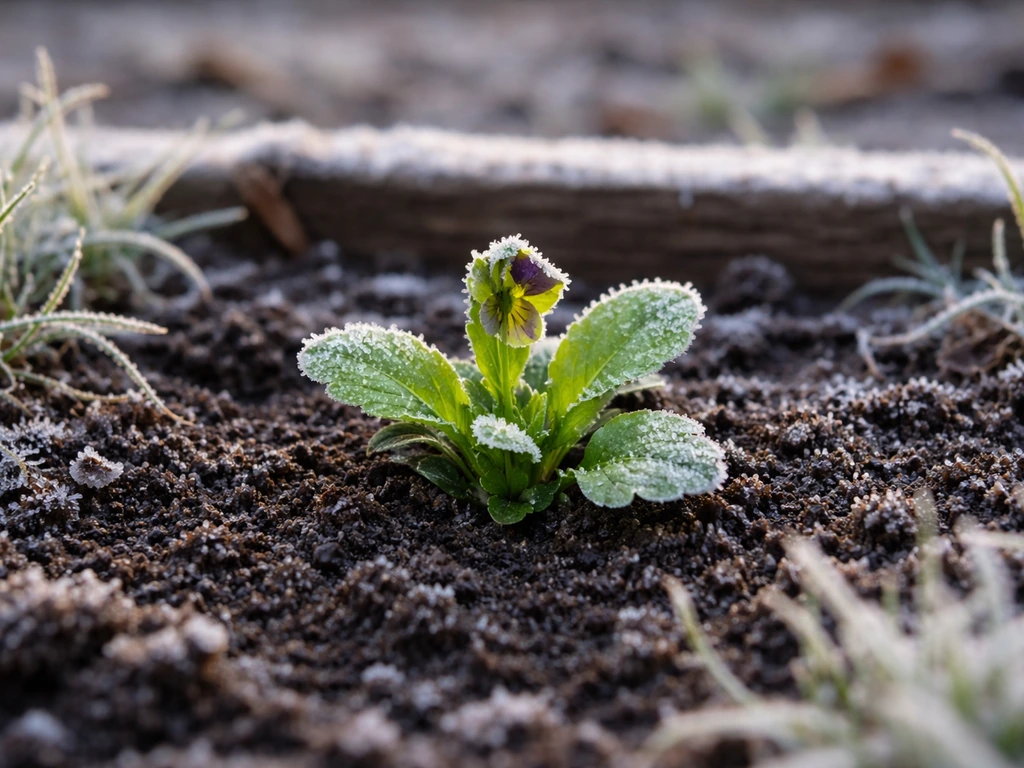
The best plants to grow with pansies are sweet alyssum, lobelia, primroses, ornamental kale, hellebores, spring bulbs like tulips and violas, and low perennials like heuchera. Hellebores: Care, Varieties, and Tips, Skagit County WSU Master Gardeners (WSU Extension affiliate) notes that hellebores are shade‑tolerant, clump‑forming perennials that bloom in late winter–early spring and make reliable partners with pansies and primroses Hellebores: Care, Varieties, and Tips — Skagit County WSU Master Gardeners (WSU Extension affiliate). The key is matching their cool-season preference: pansies thrive between roughly 40 and 65°F (4–18°C), so companions that also love cool, moist conditions will stay healthy alongside them rather than compete or collapse. Get that compatibility right and you end up with layered, colorful plantings that look intentional from first frost to late spring.
What to Grow with Pansies: Seasonal Companion Plants Guide

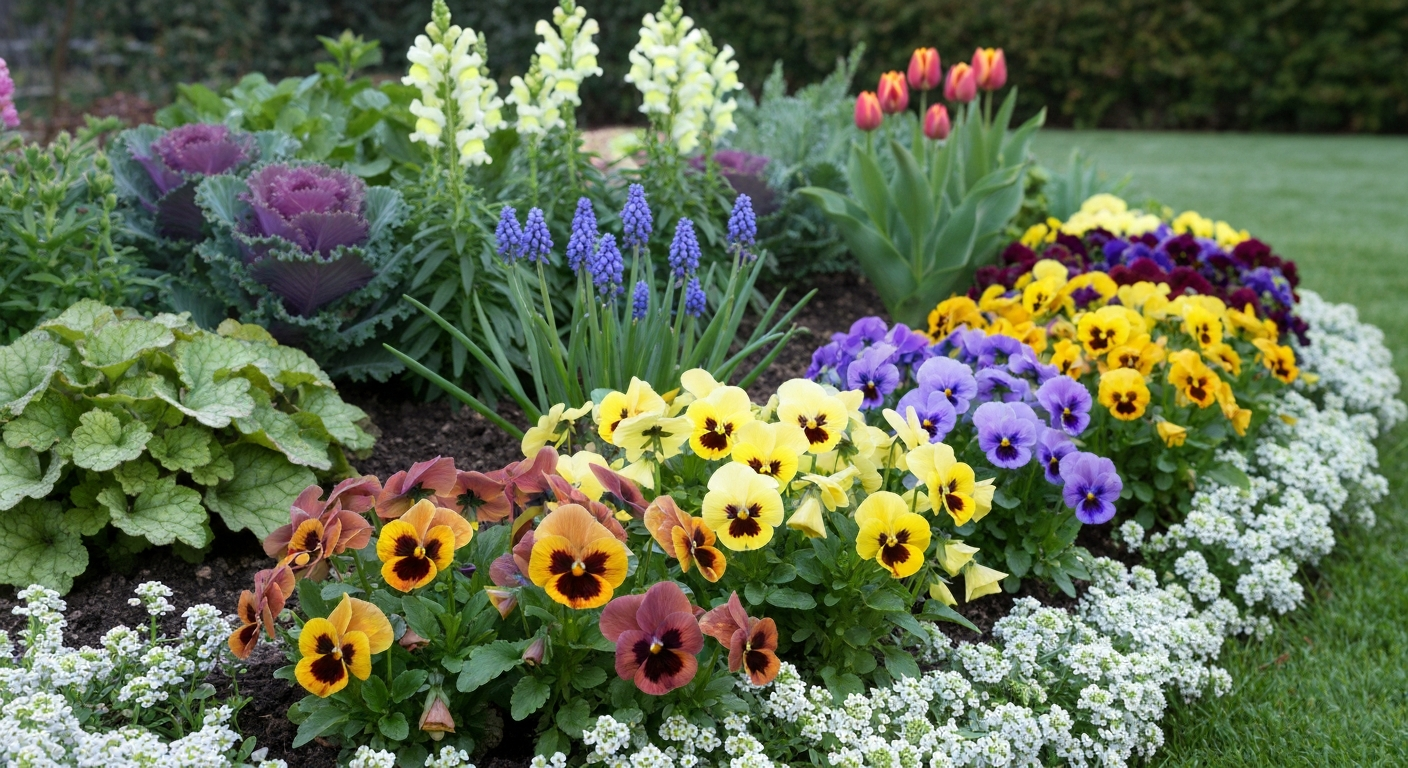
Pansy essentials you need to know before picking companions
Pansies (Viola × wittrockiana) are cool-season bedding plants and they make no secret of it. They want full sun to partial shade, consistently moist but well-drained soil, and temperatures that stay cool. Research from Utah State University Extension confirms that peak growth and flowering happens in that 40–65°F window. Once temperatures push past about 68°F (20°C) consistently, flower bud numbers drop noticeably, and by 86°F (30°C) some cultivars produce 77% fewer buds than they would in cool weather. That is not a plant you can muscle through a hot summer by watering more.
They also dislike waterlogged roots, so good drainage matters as much as consistent moisture. A standard bedding spacing of 6–8 inches works for most cultivars, with larger-flowered types needing 10–12 inches. Typical planting depth: tuck the root ball in so the crown sits at soil level, never buried. For a deeper look at their soil, feeding, and light requirements, the dedicated guide on what do pansies need to grow covers all of this in one place.
How to choose companion plants: the rules that actually matter
I pick pansy companions by running through five quick checks. If a plant fails two or more of these, I leave it off the list no matter how pretty it looks in the catalog photo.
- Temperature tolerance: does it also prefer cool weather? Plants that need warm soil to establish (impatiens, marigolds, most tropicals) will stall or die back at the same temperatures pansies love.
- Watering needs: does it want consistently moist, well-drained soil? Drought-tolerant plants sitting in the same bed as frequently watered pansies will rot at the roots.
- Light requirements: full sun pansies need sun companions; shade-positioned pansies need shade-tolerant ones. Mismatching light causes one or both plants to underperform.
- Height and habit: companions should complement, not smother. Taller plants (ornamental kale at 12–18 inches, for example) go behind or toward the center; low spreaders (sweet alyssum at 3–4 inches) edge or spill at the front.
- Bloom time overlap: the most impactful mixed plantings have at least two species in flower at the same time. Time your companions' peak bloom to coincide with your pansies' coolest, most productive window.
One more thing I always consider: disease pressure. Pansies are susceptible to downy mildew, powdery mildew, and black root rot. Crowding them with dense companions that trap moisture around foliage raises that risk considerably. Good spacing and avoiding overhead watering (drip or soaker hose is far better for mixed beds) keeps the whole planting healthier.
Spring and fall companions: the sweet spot for pansy gardening
Spring and fall are when pansies genuinely shine, and these are the seasons where companion planting pays off most. I organize my recommendations by garden situation because what works in a wide border is not always practical in a window box.
Beds and borders
- Sweet alyssum (Lobularia maritima): grows 3–6 inches tall, spreads readily as a low carpet, and blooms from early spring to frost in cool regions. Space 6–8 inches apart. It fills gaps between pansy clumps and the honey-scented white or purple flowers are a classic pairing with any pansy color. Prefers well-drained soil and consistent moisture, exactly what pansies want.
- Ornamental kale and cabbage: imposing architectural plants at 12–18 inches, best used at the back of pansy borders or as focal points. Space 12–18 inches apart so they don't overshadow low pansies. Their colors intensify in cool weather, and the contrast between ruffled purple or white brassica foliage and bright pansy faces is hard to beat in a fall bed.
- Primroses (Primula spp.): near-identical cultural needs to pansies — cool temperatures, even moisture, part shade tolerance. They work perfectly in shaded border positions where full-sun companions would fade. Plant them 6–10 inches apart, interleaved with pansies at the same spacing.
- Snapdragons (Antirrhinum majus): cool-season annuals that add vertical height (12–24 inches depending on series) behind pansy drifts. They share the same preference for cool weather and good drainage. Use dwarf series if you want a more uniform border height.
Containers and window boxes
- Lobelia erinus: the go-to spiller for pansy containers. It grows 6–8 inches, cascades over edges, and its vivid blue or purple trailing form contrasts beautifully with larger-faced pansies. Space 6–8 inches in containers and keep consistently moist. It dislikes heat just as much as pansies do, so both plants will decline together in summer — which also means they are easy to swap out at the same time.
- Nemesia: increasingly popular in modern container combinations, nemesia offers height (8–12 inches in most series) and a wide color range. Some series have reasonable cold tolerance for early spring use. Check cultivar notes for your zone since heat tolerance varies, and space 4–6 inches in container arrangements.
- Dusty miller (Senecio cineraria): not a flowering companion but an incredibly useful foliage filler. Its silver-white cut leaves make pansy colors pop. It is frost-tolerant, low-maintenance, and behaves well in both containers and borders.
Winter and early-spring companions for fall-planted displays
In USDA zones 8–11, pansies planted in fall will flower through winter and into spring. This is a different planting strategy to spring use, and the companions that work best are those that can tolerate frost and look good even in the depths of winter. If you are planning this kind of display, the guide on how to grow winter pansies goes into the timing and cultivar choices in much more detail.
- Hellebores (Helleborus spp.): these are the perfect long-term winter companion. They flower in late winter to early spring, are hardy in USDA zones 4–9 depending on species, and prefer humus-rich, well-drained soil under deciduous trees. Their clump-forming habit (planting centers 18–24 inches apart) means pansies can be tucked in front of established hellebore crowns for a layered, shade-friendly display. Pansies tolerate the dappled shade that hellebores prefer.
- Heuchera (coral bells): evergreen or semi-evergreen perennial grown for its textured, often richly colored foliage. It provides structure and color through winter even when nothing is flowering. Mature width 1–2 feet, so plant on 12–18-inch centers. Pair deep burgundy or lime-green heuchera varieties with orange or yellow pansies for high contrast.
- Winter-flowering cyclamen (Cyclamen coum): low-growing (3–4 inches), cold-hardy in zones 5–9, and produces nodding pink or white flowers in late winter. It works in shaded bed edges alongside pansies and primroses under deciduous canopy.
- Ornamental kale and cabbage (again): the overlap between fall beds and winter displays is significant. Ornamental brassicas hold their color for weeks through cold weather and look excellent alongside winter pansy cultivars like the Icicle or Flurry series that are specifically bred for cold tolerance.
Summer companions and cooling strategies for heat-challenged sites
Let me be honest: pansies in summer is a management challenge, not a guaranteed success. In most of the country, they will decline once temperatures consistently top 70°F (21°C) and they are genuinely done by 85°F (29°C). The summer strategy is not about finding companions that will thrive alongside struggling pansies, it is about either keeping pansies cool enough to extend the season by a few weeks, or replacing them gracefully. For a full breakdown of summer management, the guide on how to grow pansies in the summer covers heat-mitigation strategies in depth.
Shade and container cooling
- Impatiens: for shaded summer beds where you have already removed spent pansies, impatiens are a natural successor plant. They need the same moist, humus-rich soil, so the bed needs minimal amendment between plantings. They will not grow alongside pansies in summer because impatiens need warmth to establish, but they are perfect for the hand-off in late May or early June.
- Begonias (wax begonias): same logic as impatiens. Use as follow-on plants in containers and window boxes once lobelia and pansies give out. The container soil stays the same; just swap the plants.
- Ferns (low deciduous or evergreen species): in shaded beds, ferns provide cooling, humidity-retaining groundcover that can keep soil temperatures lower around the last pansy plants still hanging on in early summer. They are not truly companions in the flowering sense but they create the microclimate that extends pansy performance.
For containers specifically, moving pots to a north-facing wall or under a shade cloth (30–40% shade) from late spring buys noticeable extra time. Grouping several containers together also helps retain moisture and reduces individual pot temperature through mutual shading.
Bulbs and early-spring companions: the classic combination
Planting spring bulbs through a pansy bed is one of the most reliable garden design moves there is. The bulbs go in below the pansies in fall, the pansies provide color all winter (in warm zones) or early spring (in cooler ones), and then bulbs emerge through the pansy foliage for a layered spring display. Timing and depth matter here.
| Bulb | Planting depth | Spacing | Height at bloom | Notes |
|---|---|---|---|---|
| Tulips (Tulipa spp.) | 6–8 inches | 4–6 inches apart | 12–24 inches (varies by type) | Plant in October–November; use short-stemmed types (species tulips, greigii, kaufmanniana) to keep scale manageable with low pansies |
| Daffodils (Narcissus spp.) | 6–8 inches | 4–6 inches apart | 8–18 inches | Naturalise well; deer-resistant; avoid overcrowding with pansies at the base since daffodil foliage is messy during die-back |
| Grape hyacinth (Muscari armeniacum) | 3–4 inches | 2–3 inches apart | 6–8 inches | Excellent scale for window boxes and borders; blue tones pair beautifully with yellow or orange pansies; plant in September–October |
| Crocus (Crocus spp.) | 3–4 inches | 3 inches apart | 3–4 inches | Earliest to flower; naturalise in grass or along pansy bed edges; ideal for interplanting at pansy spacing without competing |
| Hyacinth (Hyacinthus orientalis) | 5–6 inches | 4–6 inches apart | 8–12 inches | Fragrant and bold; good for containers; plant in fall; remove after bloom as foliage yellows slowly |
When planting bulbs through an established pansy bed, use a narrow dibber or bulb planter to push between existing pansy root balls. Avoid disturbing roots more than necessary. Pansies' shallow root systems (mostly in the top 4–6 inches) sit well above bulb depth, so there is minimal competition once bulbs are correctly placed.
Perennials and shrubs that pair with pansies season after season
Pansies are temporary, but the perennials and small shrubs you place around them give a border its permanent structure. The trick is choosing perennials that are dormant or low-growing during pansy season, then take over as pansies fade in late spring.
- Heuchera (coral bells): arguably the best perennial companion for pansies in mixed beds. It is evergreen or semi-evergreen in most zones, provides foliage color all year, and its moderate watering needs align with pansies. Plant 12–18 inches on center. It will be fully leafed during pansy season and will not compete aggressively for space. Hardy in USDA zones 4–9.
- Hellebores: as noted for winter displays, hellebores are outstanding long-term companions that peak in late winter/early spring — precisely when pansies are at their best in cool zones. Once established they need minimal care. Space crowns 18–24 inches apart and underplant them with pansies or primroses in autumn.
- Low ornamental grasses (e.g., Festuca glauca, blue fescue): provide fine texture and blue-grey contrast in sunny beds. Hardy clumps stay in place year-round while pansies fill the gaps seasonally. Space on 12-inch centers. They are drought-tolerant once established, so plant them in their own irrigation zone or position them where pansy watering will not waterlog the grass roots over time.
- Dwarf boxwood (Buxus sempervirens 'Suffruticosa'): a structural edging shrub that creates the formal framework of a bed while pansies fill in seasonally. It requires very well-drained soil, so the combination works best in raised beds or borders with good soil structure. Space boxwood 12–18 inches apart for a hedge line.
- Creeping phlox (Phlox subulata): blooms in early spring at the same time as pansies, stays very low (4–6 inches), and is hardy to zone 3. It prefers full sun and excellent drainage. The purple, pink, or white flower carpets look stunning alongside the complementary face-like pansy blooms. Space 12–18 inches apart and let it fill over one to two seasons.
Groundcovers and low companions to underplant pansies
Low groundcovers serve a double purpose with pansies: they fill the gaps between plants (reducing weed pressure) and keep the soil surface cooler and more evenly moist. Here are the ones I use most.
- Sweet alyssum: already mentioned as a border companion, but it also works as a true interplanting groundcover, sown directly between established pansy plugs. At 3–4 inches tall, it stays below the pansy blooms and spreads to cover bare soil. Shear lightly after the first flush to encourage a second wave.
- Creeping thyme (Thymus serpyllum): extremely low (1–3 inches), drought-tolerant once established, and hardy in zones 4–9. It prefers full sun and well-drained soil. Use it as edging or between stepping stones in pansy paths. Note that it is more drought-tolerant than pansies, so position it at the edge of the irrigation zone rather than in the centre of a frequently watered pansy bed.
- Ajuga reptans (bugleweed): a ground-hugging spreading perennial that tolerates shade and produces blue flower spikes in spring. Hardy in zones 3–9. It fills shaded bed edges quickly and pairs naturally with the primrose-and-pansy combination under deciduous trees. Plant on 9–12-inch centers; it will knit together within one season.
- Creeping sedum (e.g., Sedum spurium): ideal for dry, sunny sites where pansies are used in spring before heat sets in. Hardy in zones 3–9, space 8–12 inches apart for quick coverage. It provides evergreen or semi-evergreen texture and is particularly useful in rock gardens where pansies are planted for early colour. Be aware that sedum's drought tolerance conflicts with pansies' moisture needs, so this pairing works best when pansies are at peak cool-season performance before summer heat arrives.
Container and window-box recipes
The most reliable container combinations follow a simple thriller-filler-spiller structure: one taller focal plant, two or three medium fillers (including the pansies), and one or two trailing spillers at the front or edges. Here are four recipes I come back to regularly.
Spring container (12-inch pot)
- 1 x snapdragon (tall dwarf series, 12–15 inches) — thriller at center back
- 3 x pansies (standard bedding type, spaced 6–8 inches apart) — filler mid-layer
- 2 x sweet alyssum — filler/spiller at front edges
- 1 x lobelia erinus (trailing) — spiller cascading over front lip
Fall/winter window box (24-inch box)
- 2 x ornamental kale (12–15 inches) — placed at each end or evenly spaced as anchors
- 4 x pansies (cold-tolerant cultivar such as Icicle or Matrix series, 6–8 inches apart) — central drift
- 2 x heuchera (low-growing, placed between kale and pansies) — foliage texture layer
- 2 x trailing ivy (non-invasive container ivy) — spiller over front edge for winter structure
Early-spring bulb-and-pansy pot (14-inch pot)
- 5 x tulip bulbs (short-stemmed type, planted 6 inches deep in fall) — emerging through pansy layer in spring
- 10 x grape hyacinth bulbs (planted 3–4 inches deep in fall, scattered around tulips)
- 3 x pansies (planted on top of bulb layer in fall or early spring) — covering bulb zone
- 1 x trailing lobelia (added in early spring) — spiller
Shade container (10-inch pot)
- 1 x hellebore (small established plant or rooted division) — structural center
- 2 x pansies — filler around hellebore base
- 1 x primrose (Primula vulgaris) — filler
- 1 x cyclamen coum — low-growing accent at front
Bed and border recipes with spacing and succession notes
Borders benefit from staggered heights and a succession plan so the bed stays interesting as pansies fade and follow-on plants take over.
Classic spring border strip (per 6-foot section)
- Back row (12–18 inches): 3 x ornamental kale or 3 x snapdragons, spaced 12 inches apart
- Middle row (6–8 inches): 5 x pansies, spaced 8 inches apart
- Front row (3–6 inches): sweet alyssum or lobelia edging, spaced 6 inches apart
- Succession note: when pansies exhaust in early summer, pull them and direct-sow zinnia or plant marigold plugs into the same middle row — no soil amendment needed
Fall-to-spring naturalistic border (per 8-foot section)
- Permanent back layer: 2 x hellebore (18-inch centers) and 2 x heuchera (15-inch centers), established in spring or summer before fall pansy planting
- Seasonal fill: 8 x winter pansies (cold-tolerant series) planted in October, tucked between and in front of perennials at 8-inch spacing
- Bulb layer: grape hyacinth and crocus bulbs planted between pansy spacing at 3-inch depth in October
- Succession note: as pansies finish in late spring, remove them and allow heuchera and hellebore foliage to fill the space — no replanting needed until fall
Quick species planting guide for pansy companions
| Plant | Start method | Planting depth/notes | Spacing | Sun | Soil | Feeding |
|---|---|---|---|---|---|---|
| Pansy (Viola × wittrockiana) | Seed 8–10 weeks before transplant (barely cover, 1–4 mm); or plug/transplant | Crown at soil level | 6–8 in (10–12 in large-flowered) | Full sun to part shade | Moist, well-drained, fertile | Balanced liquid feed every 2–3 weeks in active growth |
| Sweet alyssum | Direct sow or plug; germinates in 7–14 days at cool temps | Surface sow (light cover) | 6–8 in | Full sun to part shade | Well-drained, moderate fertility | Light; over-feeding reduces flowering |
| Lobelia erinus | Seed 10–12 weeks ahead (surface sow, needs light to germinate); or plug | Transplant at soil level | 6–8 in | Full sun to part shade (cool position) | Moist, well-drained | Balanced liquid feed every 2 weeks |
| Nemesia | Plug or transplant recommended; seed 8–10 weeks ahead | Transplant at soil level | 4–6 in (containers); 6–12 in (borders) | Full sun to light shade | Well-drained, fertile | Balanced liquid feed every 2 weeks |
| Ornamental kale/cabbage | Transplant (plug or cell-grown seedling) | Transplant at soil level | 12–18 in | Full sun | Fertile, well-drained | Starter fertilizer at planting; moderate thereafter |
| Primrose (Primula spp.) | Plug or bare-root transplant; seed very slow | Crown just at or slightly above soil level | 6–10 in | Part shade to shade | Moist, humus-rich, well-drained | Balanced liquid feed monthly |
| Hellebore | Established plug or division (seed takes 2+ years) | Crown at soil level; do not bury crown | 18–24 in | Part to full shade | Humus-rich, well-drained | Slow-release balanced granular in early spring |
| Heuchera | Plug or division | Crown just above soil surface | 12–18 in | Part shade to light sun | Well-drained, average to fertile | Light slow-release in spring; avoid over-feeding |
| Snapdragon | Seed 8–10 weeks ahead or plug | Transplant at soil level | 6–12 in depending on series | Full sun | Well-drained, fertile | Balanced feed every 2 weeks during bloom |
Seasonal management: summer strategies
Once daytime temperatures regularly exceed 65–70°F, I start planning the exit strategy for pansies rather than fighting the heat. That said, there is a window of a few weeks in late spring where some tactical management extends performance.
- Shading: move containers to east-facing positions (morning sun, afternoon shade) or use 30–40% shade cloth over beds from mid-morning. This can reduce soil temperature by several degrees and meaningfully extends flowering.
- Watering frequency: in warm weather, containers may need watering once or even twice daily. Beds benefit from deep watering every two to three days rather than shallow daily sprinkles. Drip or soaker hose irrigation is far better than overhead sprinklers because it keeps foliage dry and reduces disease risk.
- Deadheading: remove spent blooms every two to three days to stimulate new buds. In hot conditions, this matters more than in cool weather because the plant's energy for flowering is already reduced.
- Knowing when to pull: once pansies become leggy, stop flowering, or go to seed despite deadheading, pull them. Replace with heat-tolerant annuals (begonias, impatiens for shade; marigolds or zinnias for sun). Trying to nurse exhausted pansies through summer rarely succeeds and wastes the growing season.
For anyone specifically trying to keep pansies going in warm climates, the article on how to grow pansies in the summer has more targeted strategies for zone-specific management.
Seasonal management: fall and winter strategies
Fall planting for winter and early-spring color is one of the most underutilized strategies in home gardens, especially in zones 7–11 where pansies will flower continuously through mild winters. The key is planting early enough for roots to establish before cold sets in.
- Timing: in zones 8–11, plant pansies in September–October for best winter color. In zones 6–7, plant in September for late fall and early spring color with a dormant period through the coldest weeks. In zones 4–5, fall-planted pansies are a gamble but cold-tolerant series like the Icicle or Yukon series can survive with heavy mulch protection.
- Cold-hardiness choices: not all pansies are equally cold-tolerant. Look specifically for cultivars bred for winter performance. The Matrix, Panola, and Icicle series are frequently recommended in extension trial reports for cold-zone use. Avoid large-flowered, heat-bred varieties for winter planting.
- Mulching for winter: after planting, apply 2–3 inches of fine bark mulch or straw around (not over) the crowns to insulate roots during hard freezes. This matters most in zones 6–7 where hard freezes occur but pansies can survive with protection.
- Overwintering companions: hellebores, heucheras, creeping phlox, and ornamental kale all tolerate winter cold in appropriate zones and maintain visual interest alongside dormant or semi-dormant pansy plants through the coldest weeks.
If you are planning a full winter display from scratch, the guide on how to grow winter pansies and the article on how to grow pansies outside both cover outdoor winter establishment in detail.
Practical care and troubleshooting when mixing species
Watering conflicts
The most common problem I see in mixed pansy plantings is overwatering drought-tolerant companions (like sedum or creeping thyme) to keep pansies moist. The solution is to group plants by water need rather than just by aesthetics. Use drip irrigation or soaker hose so you can control moisture at the root zone. Avoid overhead watering in mixed beds: it wets foliage, encourages fungal diseases, and delivers water unevenly.
Disease risks in mixed plantings
Pansies in dense plantings are vulnerable to downy mildew, powdery mildew, and black root rot. Mixing them with brassicas (ornamental kale) adds caterpillar pressure (cabbage whites will also nibble pansies). Ornamental brassicas are cool‑season, showiest in cool weather and commonly paired with pansies in fall/spring displays; typical landscape spacing for ornamental brassicas is 12–18 in (30–45 cm) so they don’t overshadow low pansies (Master Gardener Program Handbook (WSU / bedding annuals and spacing table)). Practical controls: space plants so air circulates freely between crowns, never plant in waterlogged soil, remove any diseased leaves immediately, and inspect brassica companions regularly for caterpillar eggs on leaf undersides.
Nutrient competition and deadheading
- Feed mixed beds and containers with a balanced liquid fertilizer every two to three weeks during active growth — both pansies and most cool-season companions will benefit equally.
- Deadhead pansies every few days during peak bloom. Allowing seed heads to form signals the plant to stop producing flowers.
- Apply a 2-inch layer of fine bark mulch between plants after planting. This conserves moisture, suppresses weeds, moderates soil temperature, and reduces the mud splash that spreads soil-borne pathogens onto lower leaves.
- Avoid high-nitrogen feeds that encourage excessive leafy growth at the expense of flowers — a balanced or slightly phosphorus-heavy formulation (like a 10-10-10 or tomato-type fertilizer) is more suitable for flowering companions.
Color combinations and design ideas
Pansies come in an extraordinary range of colors, pure white, deep black-purple, bright yellow, orange, red, soft lavender, and complex bicolors with 'faces.' This makes them extremely versatile for color-conscious planting. Here are combinations that I find consistently effective.
| Color scheme | Pansy color | Key companions | Effect |
|---|---|---|---|
| Warm sunset | Orange and yellow pansies | Blue grape hyacinth, blue lobelia, deep burgundy heuchera | High contrast; the blue companions intensify the orange and yellow |
| Cool and elegant | White or pale lavender pansies | White sweet alyssum, silver dusty miller, blue lobelia | Crisp, restrained; excellent for formal borders and window boxes |
| Deep and moody | Deep purple or near-black pansies | Silver dusty miller, pale yellow primroses, white alyssum | Dramatic contrast; the silver foliage prevents the dark pansies from disappearing visually |
| Spring pastels | Mixed soft pinks and creams | Pale yellow primroses, white hyacinth, pink tulips | Cottage-garden softness; ideal under deciduous trees |
| Bold fall display | Bright yellow pansies | Purple ornamental kale, orange or red ornamental cabbage | Autumnal intensity; the brassica foliage deepens in color as temperatures drop |
One design rule worth following: repeat at least one color from the pansy in a companion plant's foliage or bloom. It creates visual cohesion without requiring a complex design plan. A purple pansy with purple-leafed heuchera and purple lobelia looks intentional even if you just grabbed what looked good at the garden center.
Planting calendar and timing cues
Timing varies significantly by region, so treat the table below as a framework and adjust by about two to four weeks earlier in warmer zones (8–11) and two to four weeks later in cooler zones (3–5). The goal is always to get pansies and their companions established while temperatures are reliably in that 40–65°F comfort zone.
| Month (approximate, zones 6–7) | Action |
|---|---|
| August–September | Start pansy seed indoors for fall display (8–10 weeks before first frost); plant ornamental kale and cabbage transplants outdoors |
| September–October | Transplant pansy plugs or starts into fall beds; plant spring bulbs (tulips, hyacinth, grape hyacinth, crocus) at correct depth through pansy beds; apply 2-inch mulch layer |
| October–November | Establish hellebores, heucheras, and other permanent perennial companions before ground freezes; mulch heavily in zones 5–6 for winter protection |
| February–March | Watch for early bulb emergence through pansy foliage; resume liquid feeding as temperatures rise above 40°F; deadhead regularly |
| March–April | Peak spring pansy season; plant sweet alyssum, nemesia, and lobelia plugs as companions; this is the prime window for container and window-box planting |
| May–Early June | Monitor temperatures; begin planning summer replacement plants; pull pansies when they go leggy or stop flowering; plant impatiens or begonias as successional follow-ons |
In zones 8–11, shift the entire fall/winter calendar about six to eight weeks later, October planting for winter color, February as peak season, and April as the likely end point before summer heat. For a fully detailed regional calendar, seasonal planting timeline guides for each pansy situation are a useful next step.
Where to go from here
Once you have your companion planting sorted, the natural next questions tend to be about getting the pansies themselves right: which cultivars to choose for your climate, how to start them from seed, and how to manage them across the full outdoor season. The guides on what do pansies need to grow and how to grow pansies outside are good starting points if you want to go deeper on the plant itself. If you are specifically building a winter display, how to grow winter pansies covers cold-tolerant cultivar selection, frost protection, and winter feeding in detail. For summer challenges, how to grow pansies in the summer tackles heat management, shade strategies, and when to cut your losses and replant.
FAQ
What are the best annual companions for pansies and why?
Top annual companions (prioritized for cool‑season displays): 1) Sweet alyssum (Lobularia maritima) — low, spreading; matches pansies’ cool preference, similar moisture needs, fills gaps as a spiller; space 6–8 in (15–20 cm). 2) Lobelia (Lobelia erinus) — cool, moist edge/ spiller for containers and boxes; space 6–8 in. 3) Nemesia (Nemesia spp.) — similar bloom time and habit in spring/fall; space 8–12 in depending on cultivar. 4) Ornamental brassicas (kale/cabbage) — structural focal points for fall/winter beds; place behind pansies, 12–18 in spacing so they don’t shade pansies. Reasons: shared cool‑temperature performance (best ~40–65°F / 4–18°C), compatible moisture and light ranges (full sun to part shade), and complementary heights (spillers and taller focal plants). Planting notes: set transplants after hardening off; pansies usually spaced 6–8 in for standard bedding, larger cultivars 10–12 in. For seed-started annuals (nemesia/alyssum), follow cultivar timing so flowering aligns with pansy displays.
Which perennials pair well with pansies, and how to plant them together?
Best perennials by situation: 1) Hellebores (Helleborus spp.) — late winter/early spring bloom under deciduous trees; plant hellebores in part shade with pansies in front; hellebores prefer humus‑rich, well‑drained soil and spacing ~18–24 in for clumps. 2) Heuchera (coral bells) — foliage contrast and similar moisture needs in part shade; plant heuchera slightly back, 12–18 in apart. 3) Early‑flowering bulbs (bulbized perennials like grape hyacinth—see bulbs section) interplanted with pansies for layered spring color. Cultural tips: match soil pH and moisture (most prefer neutral to slightly acidic, evenly moist but well‑drained). Plant perennials deeper and give established root space—install pansies as the cool‑season bedding layer in front of perennial crowns.
Which bulbs work well with pansies and when should I plant them?
Bulbs for spring displays: 1) Grape hyacinth (Muscari armeniacum) — low mounds, naturalizes; plant bulbs in fall (in USDA zones 3–8) 3–4 in deep and 2–3 in apart so they emerge with pansies. 2) Daffodils (Narcissus) — taller, provide vertical contrast; fall planting 6–8 in deep, plant behind pansies so pansies provide spring understory color. 3) Crocus — early low bloomers; plant 3–4 in deep in fall. Timing: plant bulbs in autumn well before frost when soil cools; in warm winter zones, plant according to local chilling recommendations. Use pansies as a cool‑season underplanting in late winter–spring when bulbs bloom. Avoid overcrowding bulbs’ root area; keep pansies spaced standard 6–8 in.
Which shrubs and groundcovers are compatible with pansies for beds and borders?
Shrubs: 1) Low evergreen shrubs (e.g., dwarf boxwood, Euonymus) — provide year‑round structure; plant shrubs first, place pansies as seasonal fill at the base. Allow 12–24 in clearance from shrub trunks for pansy roots and airflow. Groundcovers: 1) Sedum (low mat types) — good for sunny, well‑drained sites; plant sedum 8–12 in apart to knit and leave front edge for pansies in spring. 2) Vinca minor (in shade) — avoid heavy competition; space to allow pansies to access light and moisture. Reasons: choose companions that share light/moisture preferences (full sun for sedum; part shade for vinca) and won’t aggressively outcompete shallow pansy roots. Mulch carefully to keep pansy crowns visible and to prevent shrub dripline wetness from promoting foliar disease.
How should I choose companions by season and garden situation (beds, borders, containers, window boxes)?
Seasonal and situational priorities: Spring/fall (cool seasons): use early bloomers (primroses, nemesia, alyssum), low bulbs (grape hyacinth, crocus), and short perennials (heuchera, hellebores) in beds/borders. Containers/window boxes: favor compact spillers (alyssum, lobelia) plus a single upright like ornamental kale or nemesia; keep pansies nearer the front for visibility. Summer transition: in warm regions swap pansies for heat‑tolerant summer annuals or provide afternoon shade and frequent irrigation if keeping pansies into early summer. Winter displays (mild climates, zones 8–11): plant pansies in fall with ornamental brassicas and winter heathers; choose cold‑hardy cultivars and establish in fall for strong winter rooting. Planting windows: fall in warm zones for winter color; spring in cool zones—refer to local zone planting calendar.
Specific planting and spacing rules, seed/plug/planting depth, and timing for pansies and common companions
Pansies: transplant spacing 6–8 in (15–20 cm) standard; larger cultivars 10–12 in. Seed: surface‑sow or barely cover (1–4 mm), cool germination, start 8–10+ weeks before transplant/finish. Planting depth for transplants: set so crown is level with soil surface. Water/fertilizer: keep evenly moist; use balanced slow‑release starter fertilizer or dilute liquid feed every 2–3 weeks. Companion specifics: - Alyssum: space 6–8 in; seed or plug; full sun–part shade. - Lobelia: space 6–8 in; shallow plugs; prefers moist, part shade. - Nemesia: space 8–12 in; transplant after hardening; full sun–part shade. - Ornamental brassicas: space 12–18 in; transplant deep enough to stabilize. Bulbs: plant in fall to proper depth (see bulb type above). Align plug/seed timing so companion bloom windows overlap with pansies’ peak cool periods.
How to Grow Winter Pansies From Seed: Timing and Steps
Learn when to sow winter pansy seeds and follow step-by-step care for strong, winter-ready blooms.