Winter pansies need to be sown from seed roughly 14 to 16 weeks before your first expected frost date, which puts most gardeners in the Northern Hemisphere starting seeds in mid to late summer (think July or August). That long lead time gives the plants enough size and root development to actually survive winter and bloom instead of just sulking in the cold. Get the timing right, give them cool temperatures and plenty of light during germination, and they are genuinely tough little plants that can shrug off temperatures down to about 25°F and keep flowering when almost nothing else will.
How to Grow Winter Pansies From Seed: Timing and Steps

Harriet Whitmore
20 Jun 2026
What winter pansies actually need to bloom in cold weather
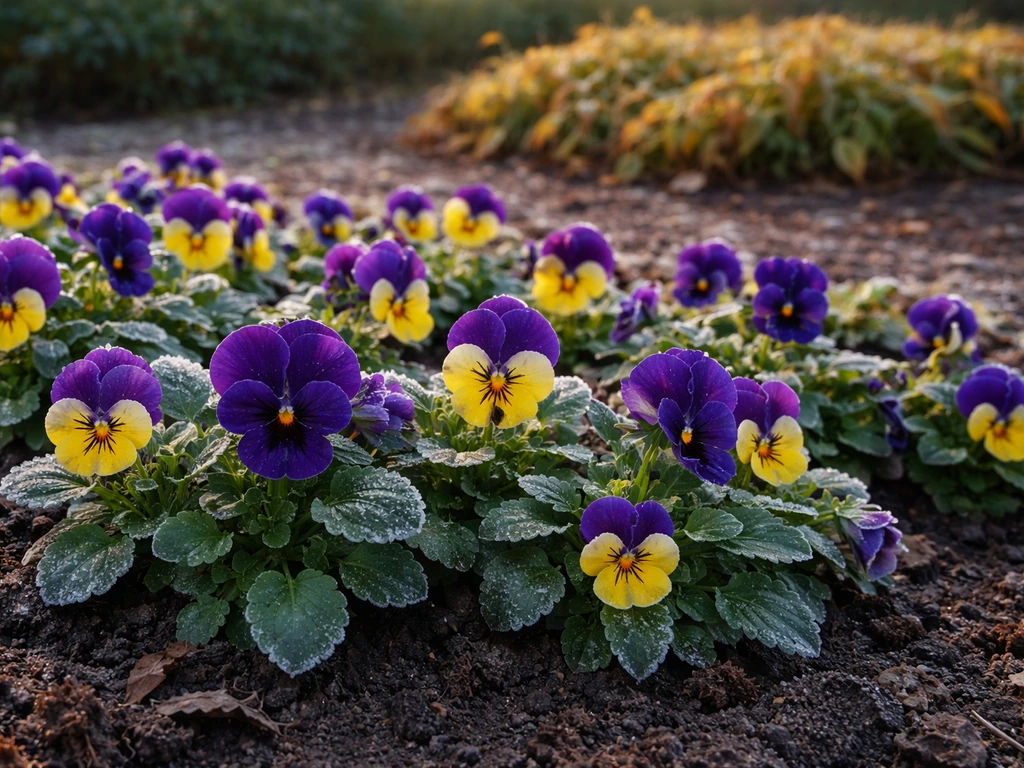
Pansies are cool-season plants, full stop. Heat is their enemy, cold is their comfort zone. That sounds backwards when you first hear it, but it is exactly why they thrive in winter when most other flowers have long since given up. The key to reliable winter blooms is understanding what they need at each stage.
First, pansies are day-length sensitive when it comes to bud initiation. Research from Michigan State University shows that flowering in Viola is influenced by day length, which is part of why pansies planted in late summer can stall on flower buds as days shorten dramatically and then pick back up once they have settled in and conditions suit them. This is not something you need to micromanage, but it does explain why seedlings started too late sometimes sit dormant-looking through early winter before suddenly flushing with flowers in late winter or early spring.
Second, they need the right soil conditions. Moist and well-drained is the phrase that comes up consistently, and it matters. Pansies hate waterlogged roots, especially in cold weather when wet soil combined with freezing temperatures is often more damaging than the cold alone. Soil pH should sit between 5.5 and 7.0, with an ideal sweet spot around 5.5 to 5.8. Push above 6.2 to 6.5 and you start blocking iron uptake, which shows up as yellowing between the leaf veins.
Third, they want sun but not harsh afternoon sun. Full sun to partial shade is the official guidance, and in winter that almost always means as much sun as you can give them since the light is weaker. In warmer climates like the South, some afternoon shade protection is actually helpful during late fall before temperatures settle down properly.
When to sow winter pansies from seed
This is where most people go wrong, usually by starting too late. Pansies take about 8 to 12 weeks from sowing to first bloom, and they need to be established and hardened off before frost hits hard. If you want to grow pansies successfully from seed, start by timing sowing so they are established before your first hard frost pansies take about 8 to 12 weeks. Working backwards from your first frost date is the right way to plan this.
| First Frost Date | Sow Seeds Indoors By | Transplant Outdoors By | Expect First Blooms |
|---|---|---|---|
| September 15 | June 1 to June 15 | August 1 to August 15 | September to October |
| October 1 | June 15 to July 1 | August 15 to September 1 | October to November |
| October 15 | July 1 to July 15 | September 1 to September 15 | November onward |
| November 1 | July 15 to August 1 | September 15 to October 1 | November to December |
| November 15 (mild/Southern climates) | August 1 to August 15 | October 1 to October 15 | December onward |
If you are in a cold northern zone with a September frost date, you should honestly already be germinating seeds in early June. For most of the Midwest, mid-Atlantic, and Pacific Northwest, a July start is the sweet spot. Gardeners in the South, or places like the Pacific Coast where frosts arrive late or stay mild, can push into August and still get a strong winter display. In truly mild areas (zone 8 and warmer), winter pansies can be treated almost like a fall bedding plant, started in late summer and transplanted in October for blooms from November through March.
One thing worth knowing if you are reading this in mid to late June: you are right at the edge of the ideal window for many zone 5 to 6 gardeners. Getting seeds in the ground this week or next week is not too late, but do not wait another month or you will be transplanting underdeveloped seedlings just as hard frost hits.
How to grow winter pansies from seed, step by step
Starting seeds indoors
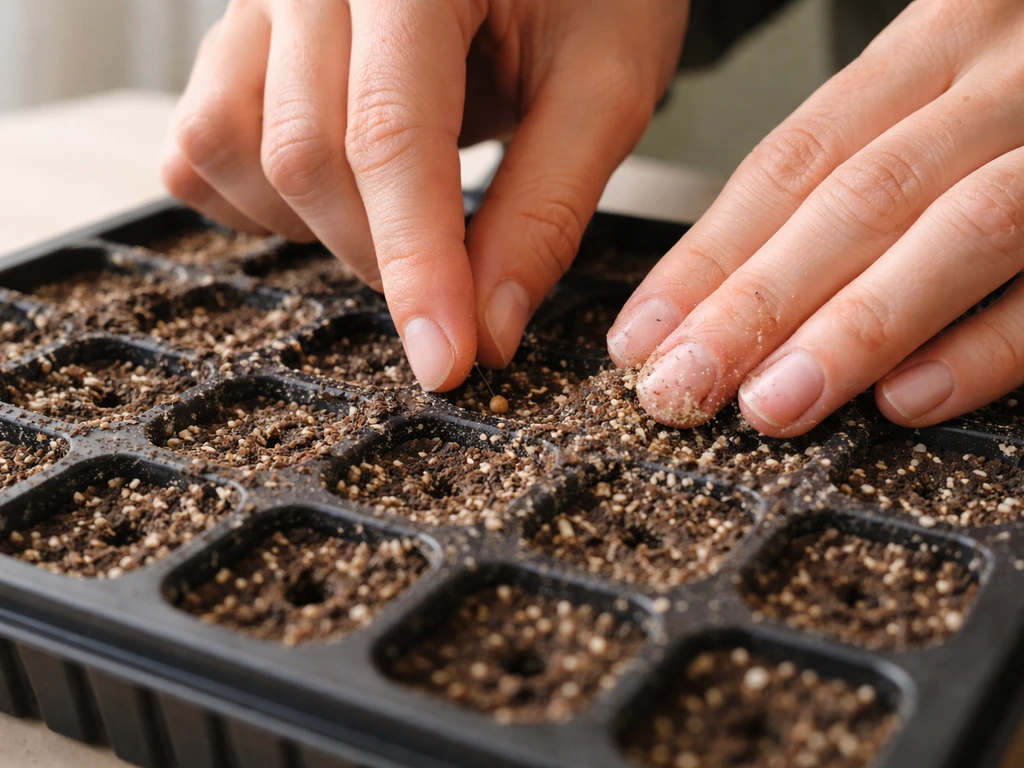
Use a sterile, soilless seed-starting mix. This is not the place to use garden soil or old potting mix from last season because damping-off (a fungal rot that kills seedlings at the soil line) is a real risk, and a sterile mix is your first line of defense. Fill clean trays or small cells to just below the rim, moisten the mix before you sow so it is damp but not dripping.
Pansy seeds need darkness to germinate. This surprises a lot of people who assume all seeds want light. Sow seeds about 1/4 inch deep, which gives enough darkness without burying them too far. You can also lay seeds on the surface and cover with a thin layer of vermiculite or moist mix. Once sown, cover the tray with a dark lid, black plastic, or even a folded piece of cardboard to block light completely. Keep the temperature between 65 and 70°F. Germination typically happens in 7 to 10 days, though some seeds can take up to two weeks.
Check daily for the first signs of sprouting. The moment you see cotyledons (the first tiny seed leaves) pushing up, remove the cover and move the tray directly under bright light. This is critical. If seedlings stretch toward weak light even for a day or two, they get leggy fast and never quite recover their compact form.
Light and temperature after germination
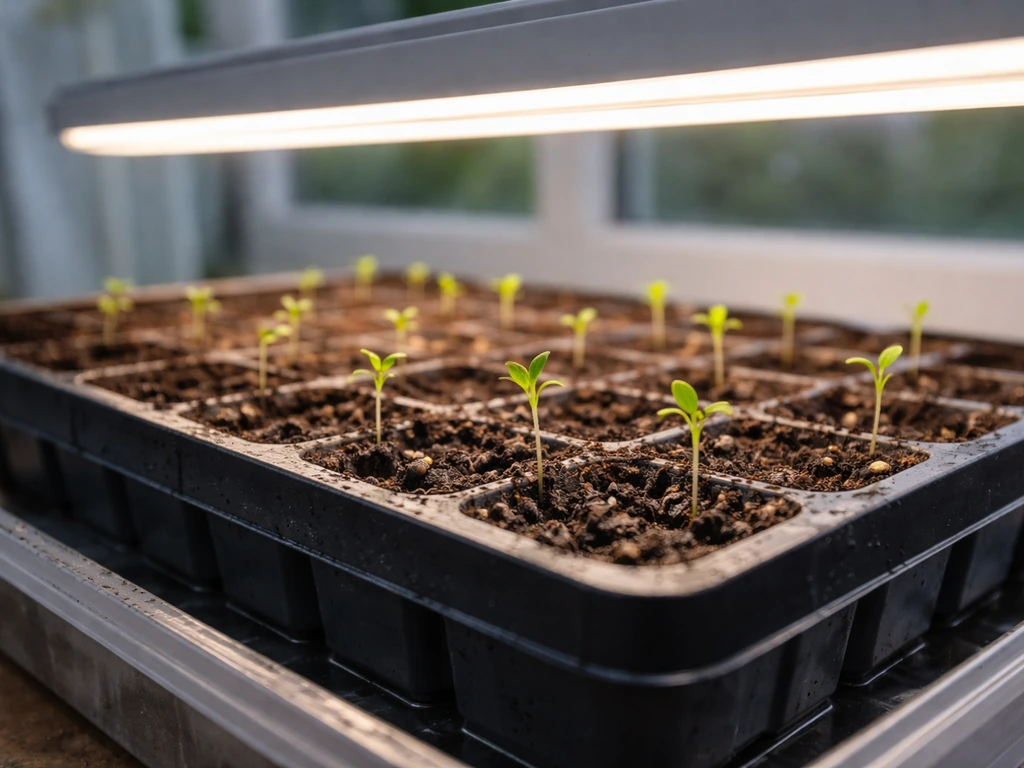
Aim for about 16 hours of light per day if you are growing under fluorescent or LED grow lights. Keep the lights close, within 2 to 4 inches of the seedlings, so they cannot stretch upward searching for more intensity. Cool temperatures between 55 and 65°F after germination actually help keep seedlings compact and strong. If your house is warm in summer (which it likely is if you are starting seeds in July), a basement or a spot near an air conditioning vent can help keep things cooler. This is not just a nice-to-have: Johnny's Selected Seeds explicitly notes that cool temperatures and high light together are what prevent the leggy, spindly seedlings that struggle to establish outdoors.
Watering seedlings
Water from the bottom whenever possible by setting the tray in a shallow dish of water and letting it soak up for 20 to 30 minutes, then draining. This keeps moisture in the root zone without wetting the stems, which is the main way damping-off gets started. If you water from the top, do it gently with a mister or a watering can with a very fine rose, and only water when the surface of the mix is starting to dry out. The mix should stay evenly moist, not soggy.
Transplanting to larger pots and hardening off
Once seedlings have two to three sets of true leaves (not counting the seed leaves), they are ready to move up into individual 3 or 4 inch pots. Use a good quality potting mix with reasonable drainage. At this point you can start giving them diluted liquid fertilizer, something balanced like a 10-10-10 at half strength, once a week. Keep growing them under lights or in a bright spot indoors until about two weeks before your planned outdoor transplant date.
Hardening off is non-negotiable. Take the seedlings outside for an hour or two on the first day, in a sheltered spot out of direct sun and wind. Over 10 to 14 days, gradually increase outdoor time and sun exposure. By the end of the hardening period, they should be sitting outside all day in their intended planting conditions. Skipping this step and planting straight from indoors to the garden is a fast way to lose plants to transplant shock.
Planting out and caring for winter pansies in the garden
Choosing a site and preparing the soil
Pick a spot with full sun to partial shade. In most climates, winter light is weak enough that more sun is better. Avoid low spots where water pools after rain, because soggy winter soil is the quickest way to lose plants. Amend heavy clay soils with compost to improve drainage, or build up a raised bed. Aim for that pH range of 5.5 to 7.0. If you have not tested your soil, a basic home test kit is worth the few dollars, especially if you have had yellowing leaves on other acid-loving plants before.
Planting depth and spacing
Plant at the same depth the seedling was sitting in its pot. Space plants about 6 to 9 inches apart. They will fill in and touching neighbors actually helps a little in very cold weather by reducing wind exposure around individual plants. If you also want the quickest idea of what to grow with pansies, pair them with cool-season neighbors like spring bulbs, snapdragons, and leafy greens. Water in well after planting.
Fertilizing
Feed with a balanced slow-release fertilizer at planting time, or continue with liquid feeds every two to three weeks through fall. Once temperatures drop consistently below about 40°F, hold off on nitrogen-heavy fertilizing because pushing lush new growth heading into hard frost is a setup for cold damage. Resume feeding in late winter when you start to see new buds forming again.
Watering through cold weather
Pansies still need water in winter, just far less of it. Water when the soil is dry an inch down, typically every week or two depending on rainfall and temperature. Avoid watering when a hard freeze is forecast within 24 hours. Wet roots in freezing soil are much more damaging than dry roots in freezing soil. In prolonged dry winters, even a light watering on a mild afternoon can be the difference between plants that bounce back and plants that desiccate.
Protecting pansies through winter cold
Mulching

A 2 to 3 inch layer of loose mulch (straw, shredded leaves, or pine needles) applied after the plants have experienced their first few frosts and are semi-dormant helps stabilize soil temperature and protects roots from freeze-thaw cycling. That cycling, where soil repeatedly freezes and thaws, is what physically heaves plants out of the ground and damages roots more than sustained cold does. Apply mulch around but not directly on top of the crowns, or you risk rot. Purdue Extension's guidance on winter mulch echoes this: the goal is temperature stability, not just insulation from cold.
Containers vs. garden beds
Growing winter pansies in containers gives you flexibility but comes with extra risk. Container soil freezes faster and more completely than in-ground soil, which can kill roots that would have survived in a bed. If you grow in pots, move them against a wall or fence on the coldest nights, cluster them together, and consider wrapping the container itself in burlap or bubble wrap. Larger containers (at least 10 to 12 inches wide) retain temperature better than small ones. In-ground beds generally give better winter survival rates overall, especially in zone 6 and colder.
Row covers, cold frames, and low tunnels
For genuine cold protection beyond mulch, floating row cover is one of the most practical options for home gardeners. A single layer of lightweight spun-poly row cover can add 4 to 8 degrees of frost protection and also shields against drying winds that desiccate leaves in winter. Low tunnels made from wire hoops draped with row cover work especially well for beds, and you can remove them during mild spells to let pollinators in. Cold frames take more setup but provide serious protection in zones 5 and colder, essentially turning your outdoor bed into a mini greenhouse during the worst weather. For gardeners in zone 4 or colder, cold frames are often what make the difference between pansies that survive and pansies that simply do not.
Troubleshooting the most common winter pansy problems
Leggy seedlings
Leggy, stretched seedlings are almost always a light problem. Either the light source is too far away, too weak, or they did not get enough hours per day. Move grow lights to within 2 to 4 inches of the seedlings and extend the photoperiod to 16 hours. Temperature is the other lever: warm growing conditions encourage stretch, while cooler temperatures (below 65°F) encourage compact, sturdy growth. If your seedlings are already leggy, you can bury the stem slightly deeper when transplanting to individual pots, similar to how you would handle leggy tomato seedlings.
Poor or patchy germination
The most common cause is light getting to the seeds. Check that your covering is actually blocking light. Old seeds can also be the culprit since pansy seed viability drops noticeably after one to two years of storage, so use fresh seed when you can. Temperature outside the 65 to 70°F sweet spot (too hot or too cold) will also slow or prevent germination. If your germination is still patchy after 14 days, try the paper towel method: fold seeds into a damp paper towel, place in a zip-lock bag in a dark spot at room temperature, and check every two days. Seeds that sprout can be carefully transferred to cells.
Damping-off
Damping-off is a fungal problem that kills seedlings at soil level, making them collapse suddenly. You will see a pinched, discolored tan or brown area right at the soil line. It is almost always triggered by overwatering or poor air circulation combined with wet conditions. Prevention is much easier than cure: use sterile mix, sterile containers, water from the bottom, and run a small fan near your seedling trays to keep air moving. If it appears, remove affected seedlings immediately and let the mix dry out more between waterings.
Winter dieback and freeze damage
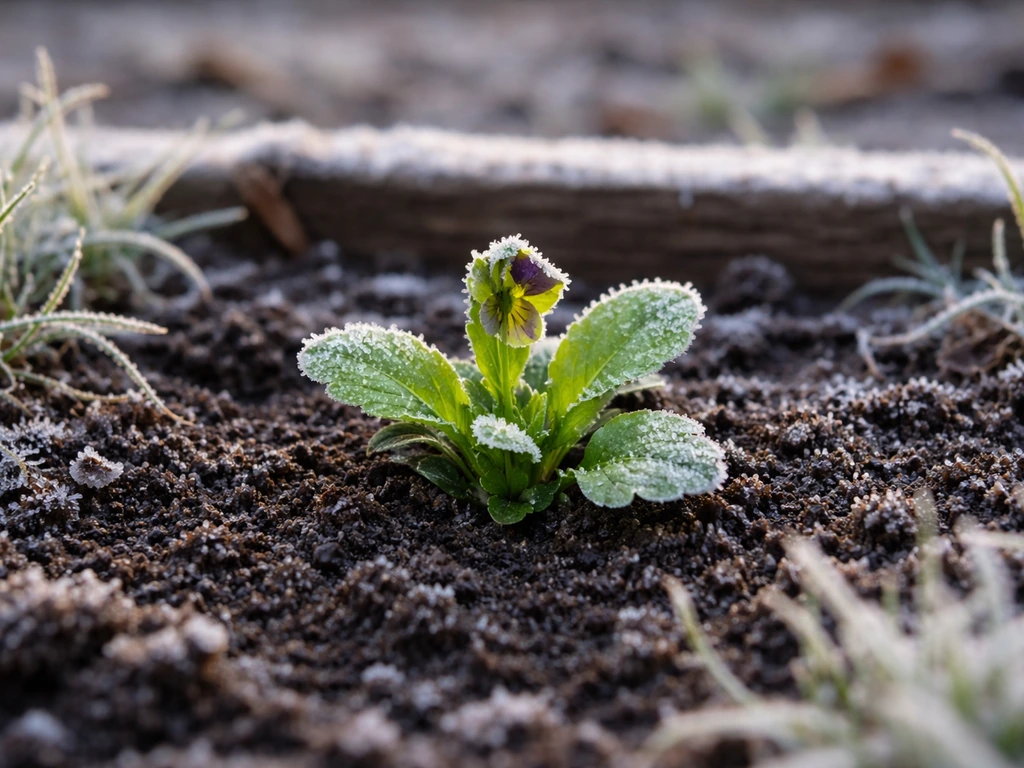
Pansies can tolerate temperatures down to about 25°F with no special protection. Below that, especially without mulch or row cover, you may see outer leaves turn mushy and brown. In a Denver-area Reddit discussion, a user estimated pansy survival could be around 80% with local conditions, though extreme cold can still kill them without protection Denver-area Reddit discussion estimated pansy survival around 80%. This looks alarming but is often cosmetic: the crown and roots of an established pansy can survive temperatures that completely flatten the above-ground foliage. Remove the damaged leaves, apply a light mulch, and wait. Many gardeners have been surprised by plants that looked completely dead in January and then came back vigorously in February. If your whole plant turns to mush including the crown at soil level, that plant is genuinely lost, but if the crown still feels firm, there is hope.
Plants that refuse to flower
A few things cause pansies to sit vegetative and skip blooming. Starting seeds too late is the most common one: underdeveloped plants that have not had enough time to mature before winter simply are not ready to flower. High nitrogen fertilizer in late fall can push leaf growth at the expense of blooms. Warm temperatures can also delay budding since pansies need that cool trigger. And remember the day-length sensitivity: plants may actually be setting buds internally that will open as winter progresses even when you cannot see obvious buds yet. Patience through December often pays off in a January or February flush of color.
Where you are now and what to do this week
Today is June 20. If you are in a zone 5 to 6 area with a first frost around mid-October, you are right at the edge of the ideal sowing window. Get seeds started this week, not next. If you are in zone 7 or warmer, you have a few more weeks before urgency kicks in, but do not let summer distract you past mid-July. If you are already past the window for seed starting in your zone, consider purchasing transplants from a garden center in late summer instead, as many nurseries stock winter pansies in August and September. If you are growing pansies outside directly, focus on timing, site conditions, and how to protect them once cold weather arrives how to grow pansies outside.
On the topic of what pansies need more broadly (including in other seasons), the same core principles apply: cool temperatures, good drainage, consistent moisture, and plenty of light. If you want to apply these same principles to summer-growing pansies, focus on temperature management and keeping the soil evenly moist so they do not stress in the heat cool temperatures, good drainage, consistent moisture, and plenty of light. Growing pansies outside in general and companion planting with pansies are natural extensions of what you are learning here, and the skills transfer directly.
Your quick checklist
- Calculate your first frost date and count back 14 to 16 weeks to confirm your seed-starting deadline.
- Buy fresh pansy seed (check the pack date, avoid anything more than a year old).
- Fill clean cells or trays with sterile, soilless seed-starting mix and pre-moisten it.
- Sow seeds 1/4 inch deep and cover the tray completely to block all light.
- Keep tray at 65 to 70°F and check daily for germination (expect 7 to 10 days).
- At first sprout, uncover and immediately put under grow lights for 16 hours a day at 2 to 4 inches distance.
- Keep seedling temperatures between 55 and 65°F to prevent leggy growth.
- Water from the bottom only, and ensure good air circulation to prevent damping-off.
- Pot up to individual 3 to 4 inch pots when seedlings have 2 to 3 sets of true leaves.
- Start hardening off 10 to 14 days before planned outdoor transplant date.
- Prepare outdoor planting site with well-drained, amended soil and check pH is 5.5 to 7.0.
- Plant out at final spacing of 6 to 9 inches in a full sun to partial shade location.
- Mulch around crowns after first frosts to stabilize soil temperature.
- Have row cover or cold frame materials ready for temperatures forecast below 25°F.
FAQ
Can I grow winter pansies in containers instead of in the ground?
Yes, but only if you pot them up early enough and manage cold protection. Use larger containers (at least 10 to 12 inches wide), keep them out of standing water, and plan to cluster them near a wall on the coldest nights. Containers freeze and thaw faster than beds, so even plants that would survive in-ground can fail from root damage.
How often should I water winter pansies once they are established?
Watering too late or too “wet” before freezes is the biggest risk. Check soil moisture about 1 inch down, water only when it is dry at that depth, and skip watering if a hard freeze is forecast within 24 hours. In practice, that often means watering earlier in the day on milder weeks, not at night.
My pansy seedlings are leggy, what should I change first?
If seedlings are stretching but still have healthy color, it is usually insufficient light during germination-to-sprouting. Make sure the cover is fully blocking light until you see cotyledons, then move them immediately under bright light (grow lights within 2 to 4 inches). Also keep post-germination temperatures cooler (roughly below 65°F) to slow stretching.
What causes damping-off in pansies, and how do I stop it?
Root rot risk increases when you water from the top and keep foliage and stems wet, especially in cool conditions. Bottom watering helps, and a small fan for air movement reduces damping-off pressure. If you see collapsed seedlings at the soil line, remove them promptly and let the mix dry slightly between waterings.
Why are my pansies not blooming even though they look alive?
There are two main “no flowers” causes to troubleshoot. First, plants that were started too late may simply not have enough developed tissue to initiate buds before winter, so review your sowing timeline. Second, avoid nitrogen-heavy feeding in fall, because it boosts leaves and can delay or suppress bloom until you resume balanced feeding later in the season.
When is the best time to transplant pansies outdoors from seed-grown seedlings?
You can transplant any time the seedlings are hardened off and the ground is workable, but you should not rush into hard frost conditions. Even if they survive the cold, transplant shock can reduce flowering. A simple decision aid is to schedule transplanting so plants have at least 2 to 3 weeks of mild weather to root in before consistent freezing nights.
My seedlings grew well indoors, but outdoor performance is poor. What adjustment helps?
Warm indoor conditions can keep pansies growing too fast and then they lose the winter-bloom advantage. During late seedling stage, cool them if possible (a cooler room or basement spot), increase light to prevent stretching, and harden them off longer if daytime temperatures fluctuate a lot.
My winter pansies look dead after a freeze, how do I tell if they will come back?
If the crown still feels firm at the soil line, there is often recovery, even when the top looks dead. Trim mushy leaves, keep the area from staying soggy, and pause heavy feeding until you see new growth. If the crown is soft or collapsed, that plant is unlikely to recover.
Next Article
When Do Begonias Start to Grow? Timing, Types & Planting Calendar
When do begonias start to grow: clear planting dates, timelines by type, and quick care fixes for reliable starts.