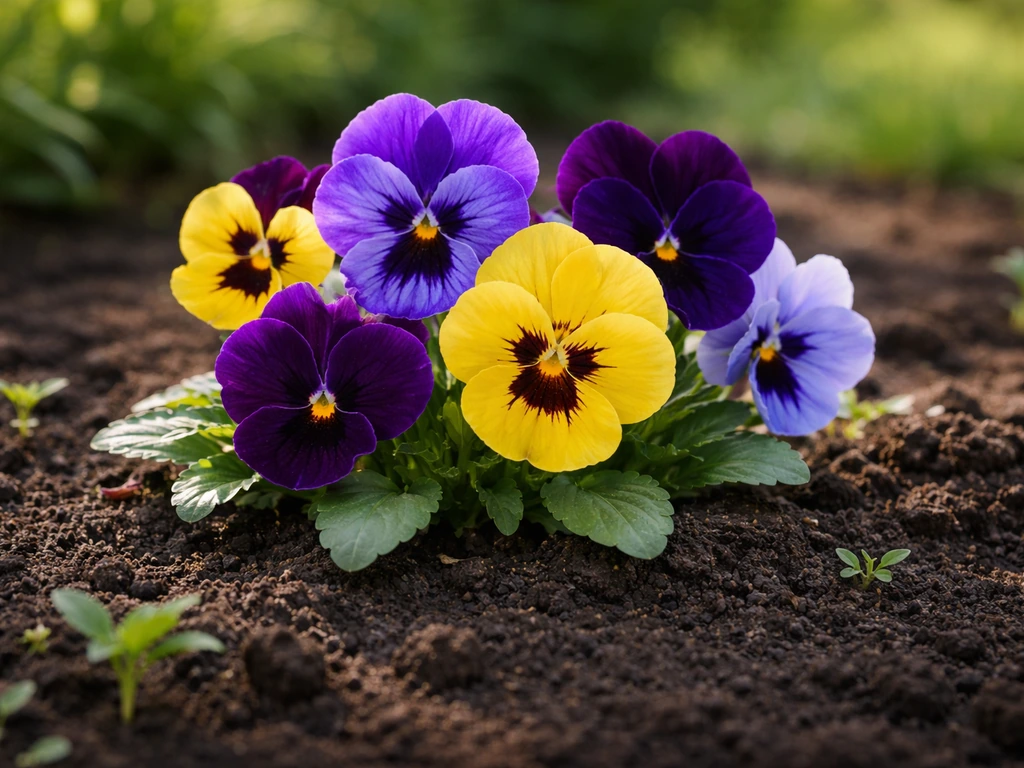
Pansies grow best in a spot with full sun to partial shade (about 6 hours of direct light per day), in well-drained soil with a pH between 5.6 and 6.0, during the cool parts of the year. In most climates that means early spring and fall. Get those three things right, light, drainage, and timing, and pansies will reward you with a ridiculous amount of color. Get even one of them wrong and you'll spend the season wondering why your plants look miserable.
Where to Grow Pansies: Best Spots, Soil, and Timing

Harriet Whitmore
4 May 2026
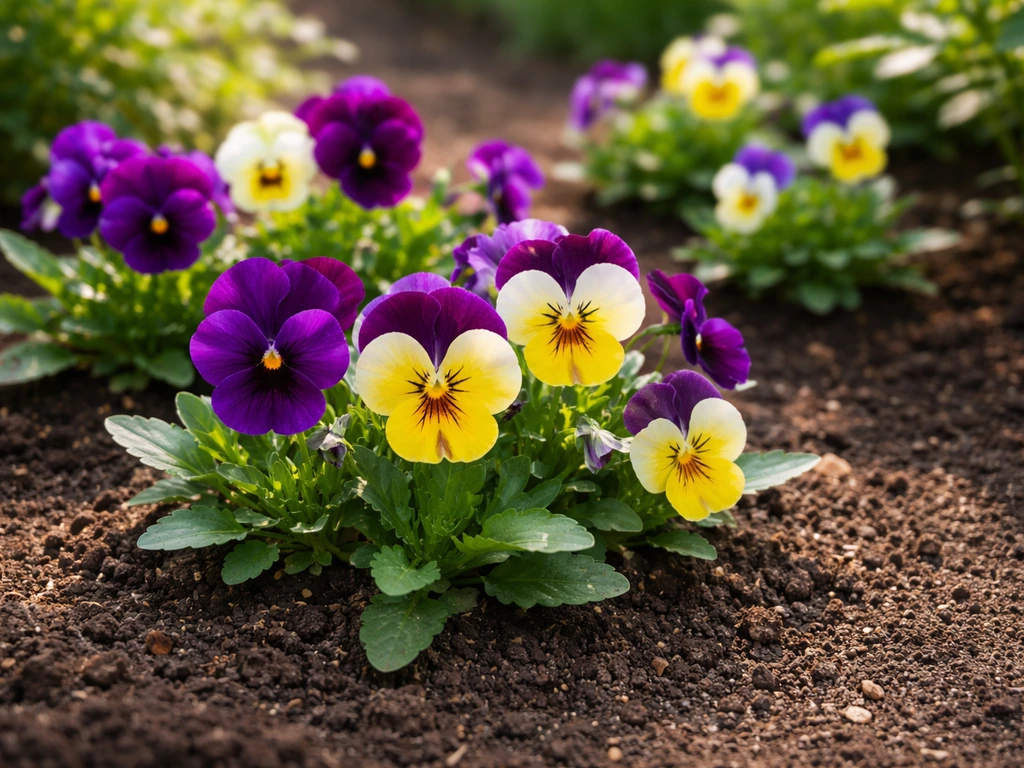
Where pansies naturally grow and why that matters
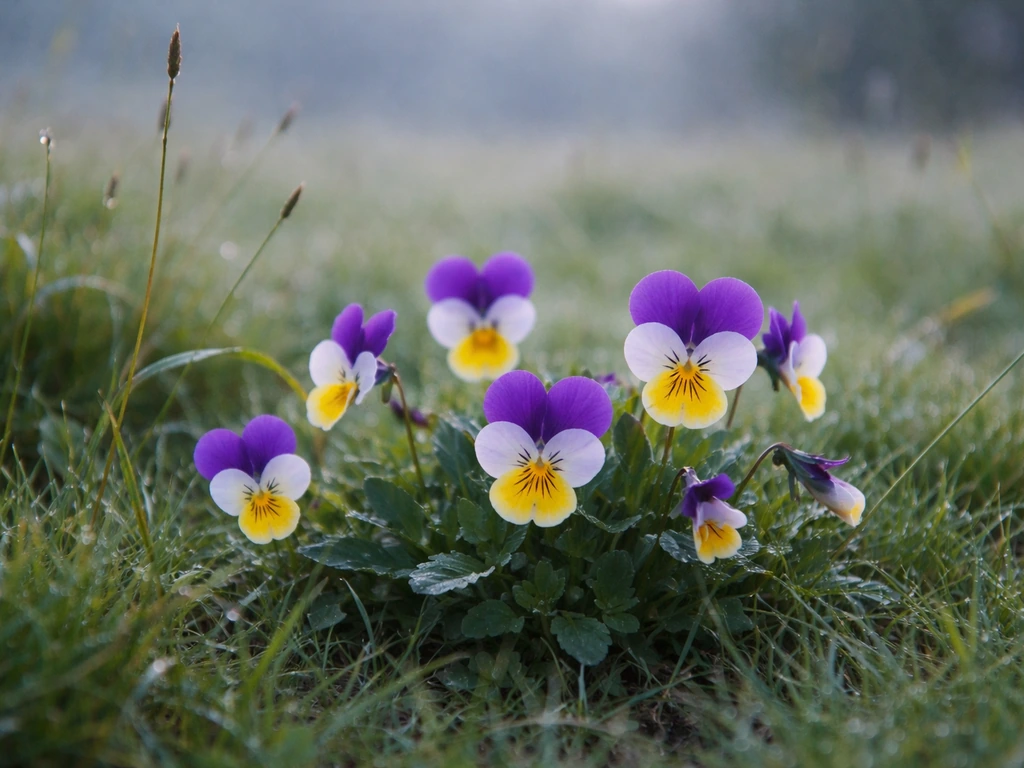
The garden pansy (Viola × wittrockiana) is a hybrid developed from Viola tricolor and several other north European violets. Its wild relatives grow in cool, temperate meadows and woodland edges, not tropical gardens, not desert borders. That origin story explains everything about where pansies thrive. They were built for cool, moist, moderately lit conditions, and every placement decision you make should work with that fact rather than against it.
The sweet spot for pansy performance is roughly 40°F at night and 60°F during the day. Once daytime temperatures consistently push past 70°F, the plant shifts into survival mode. You'll see fewer flowers, more leggy growth, and the onset of disorders like tip abortion and mottle. That's not a sign you're doing something wrong, it's just what the plant was built to do. Understanding this makes it much easier to choose a location and plan your season correctly.
How to choose the best location
Sun, shade, and what actually works
Pansies want full sun to partial shade, and the right answer depends on your season. In spring and fall, when temperatures are naturally cooler, a spot with 6 hours of direct sun is ideal and will give you the densest flowering. In warmer climates or during a mild stretch in early summer, some afternoon shade actually helps the plants hang on longer before heat shuts them down. The Delta series, for example, is specifically bred for heat tolerance and does fine with a mix of sun and shade, requiring as little as 3 hours of direct light. Swiss Giant types generally need 4 to 6 hours. Trailing types like Freefall are flexible enough for containers in dappled light.
The mistake most people make is planting pansies in too much shade because they've heard the plants are delicate. Shade doesn't protect them from heat, it just cuts their light and leads to leggy, sparse-flowering plants. If you have a choice between a spot that gets morning sun and afternoon shade versus a fully shaded spot, take the morning sun every time.
Timing your location choice by season
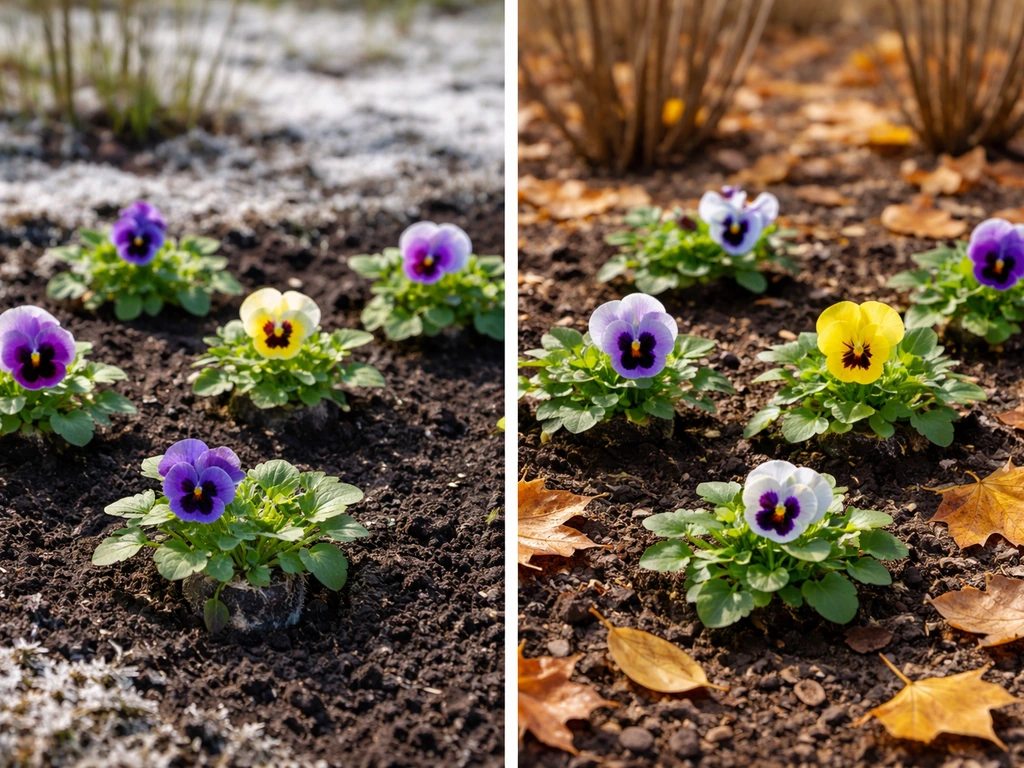
In spring, plant pansies after the last expected frost has passed and daytime temperatures are consistently above freezing. In fall, set transplants out about 6 weeks before the first killing frost so they have time to establish roots before the ground gets too cold. An established pansy can handle a light frost just fine, it's newly transplanted pansies with undeveloped roots that get knocked back by cold snaps. A location that receives some windbreak from a fence, wall, or shrub is genuinely helpful for fall plantings.
Best growing spots for different home setups
In-ground beds
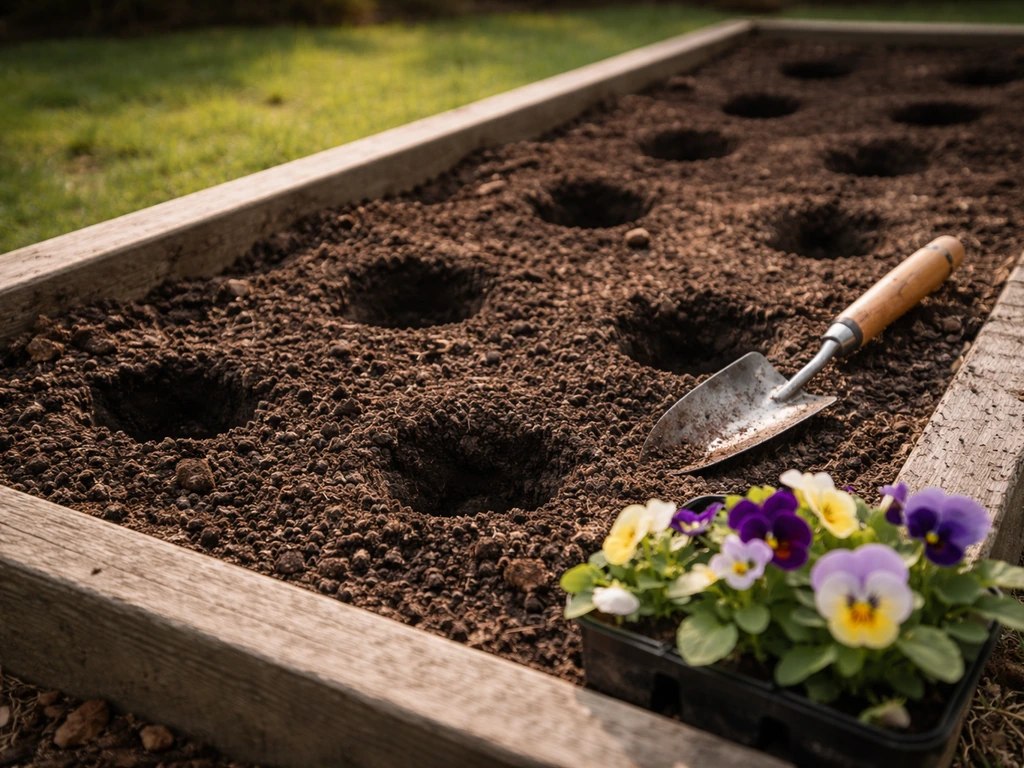
For most gardeners, in-ground beds are the most practical option for pansies. Use them in border edging, mass plantings, or as a seasonal ground cover under deciduous trees (which are bare in spring and fall, so light is actually decent). Space plants 6 to 12 inches apart depending on variety size, closer spacing fills in faster but can restrict airflow, which matters for disease prevention. Beds along south or east-facing walls are ideal for spring planting in cooler zones; they warm up quickly and hold heat overnight. In warmer zones, a north or east-facing bed with afternoon shade will extend the season.
Containers, window boxes, and hanging baskets
Containers are where pansies really shine for a lot of home gardeners. If you're aiming for purple pansy blooms in ACNH, containers are also a great way to control light and watering as seasons change containers are where pansies really shine. A pot on a sunny patio, a window box under the front eaves, or a hanging basket by the door can all work beautifully. The key advantage of containers is flexibility, you can move them as temperatures shift.
To grow purple queen successfully, follow the same cool-season pansy basics, then fine-tune light, spacing, and watering for your growing conditions. Bring a pot into a sheltered spot during an unexpected frost or move it to shadier ground when an early heat wave rolls through. Upright varieties work well in window boxes and standard pots. Trailing types like Freefall are made for hanging baskets and the edges of deep planters where their stems can spill over.
If you're new to growing pansies in containers and want to understand the broader cultivation process, the guide on how to grow a pansy covers those details in depth. In Animal Crossing, blue pansies follow the same cool-season idea, but you can treat this as a dedicated guide for getting them to sprout and thrive in your town how to grow blue pansies in Animal Crossing.
If you're also wondering how to grow purple mums in Animal Crossing, the same patience and placement habits can help you get better results there too how to grow a pansy. If you follow the tips in that guide, you will have a much easier time dialing in the right light, soil, and watering for your pansies how to grow a pansy.
Soil and drainage requirements by location
Whether you're planting in ground or in a container, drainage is non-negotiable. Pansies hate sitting in soggy soil. Wet, compacted ground is where soilborne pathogens like Pythium thrive, and those are what cause damping-off and crown rot, two problems that kill plants fast and quietly. You often don't notice until the plant suddenly collapses.
For in-ground beds, work compost into the top 6 to 8 inches to improve both drainage and moisture retention. Aim for a soil pH of 5. Syngenta’s Freefall media guide targets a growing media pH of 5.5 to 5.9 for production blank" rel="noopener noreferrer">Aim for a soil pH of 5.. 6 to 6.0. If your soil is heavy clay, raised beds are worth the extra effort, they drain far better and warm up faster in spring. For containers, use a high-quality potting mix (not garden soil, which compacts too easily in pots) and make sure every container has drainage holes. A soilless container mix performs best at a slightly lower pH target, around 5.4 to 5.7.
Once pansies are established, water them about 1 inch per week during active growth. Water thoroughly but let the top inch of soil dry slightly between waterings rather than keeping it constantly moist. In fall, once established, you can back off watering during rainy periods, pansies don't need you to supplement rainfall in cool, wet weather.
| Growing Location | Ideal Soil/Mix | Drainage Needs | pH Target | Best Spot |
|---|---|---|---|---|
| In-ground bed | Loamy garden soil + compost | Good native drainage or raised bed | 5.6–6.0 | Full sun to part shade; east/south-facing in cool zones |
| Raised bed | Compost-rich blended mix | Excellent — drains freely | 5.6–6.0 | Sun-facing; use in zones where native soil is heavy clay |
| Container/pot | Quality soilless potting mix | Drainage holes required | 5.4–5.7 | Moveable — shift for sun or shade as needed |
| Window box | Lightweight potting mix | Drainage holes required | 5.4–5.7 | Morning sun preferred; some afternoon shade in warm climates |
| Hanging basket | Lightweight potting mix | Excellent — drains freely | 5.4–5.7 | Good for trailing varieties; place where there's 4–6 hrs light |
Planting timelines and zone-based placement
Where you live changes when and how you place pansies, sometimes dramatically. In zones 8 through 11, pansies can grow and flower all winter long when planted in fall, they're essentially a cool-season annual that fills the gap when summer flowers have finished. In those zones, you're not fighting frost, you're working with mild winters to get months of color. In zone 7, a typical spring planting window is March through April. In colder zones (6 and below), spring is the main season, with planting after the last frost and a hard stop when summer heat arrives.
| USDA Zone | Spring Planting | Fall Planting | Winter Bloom? |
|---|---|---|---|
| Zone 6 | After last frost (April–May) | 6 weeks before killing frost (Sept–Oct) | No — mulch for winter survival |
| Zone 7 | March–April | September–October | Limited — protect during hard freezes |
| Zone 8 | February–March | October–November | Yes — plant in fall for winter color |
| Zones 9–11 | Late winter (Jan–Feb) | October–November | Yes — primary cool-season bloomer |
If you're starting from seed rather than buying transplants, timing shifts back by several weeks to account for germination and early growth. The guide on when to grow pansies goes into those seed-starting timelines in detail. For transplants, the 6-weeks-before-frost rule for fall planting is a reliable rule of thumb that works across most zones.
Choosing placement based on the variety you're growing
Not all pansies behave the same in a given spot, and it's worth knowing what you're planting before you pick your location. Modern first-generation hybrids have been bred with wider color range, larger flowers, and in some cases significantly better heat resistance than older types. If you want to push the season a little longer into warm weather, look for series marketed specifically for heat tolerance, like the Delta series or Freefall. If you're growing Swiss Giants (a classic series with large blooms), know that they prefer a slightly more sheltered, cooler spot and need consistent moisture more than heat-tough hybrids do. The guide on growing Swiss Giant pansies covers their specific preferences in more detail.
Trailing varieties like Freefall are bred for containers and hanging baskets rather than in-ground beds. If you plant a trailing type in a flat bed, it'll sprawl across neighboring plants rather than mound up. Keep trailing types in elevated spots where their stems can hang down freely.
Troubleshooting problems caused by the wrong spot
Most pansy problems trace back to the location choice rather than a cultural mistake. Here's what to look for and how to fix it quickly.
Leggy growth with few flowers
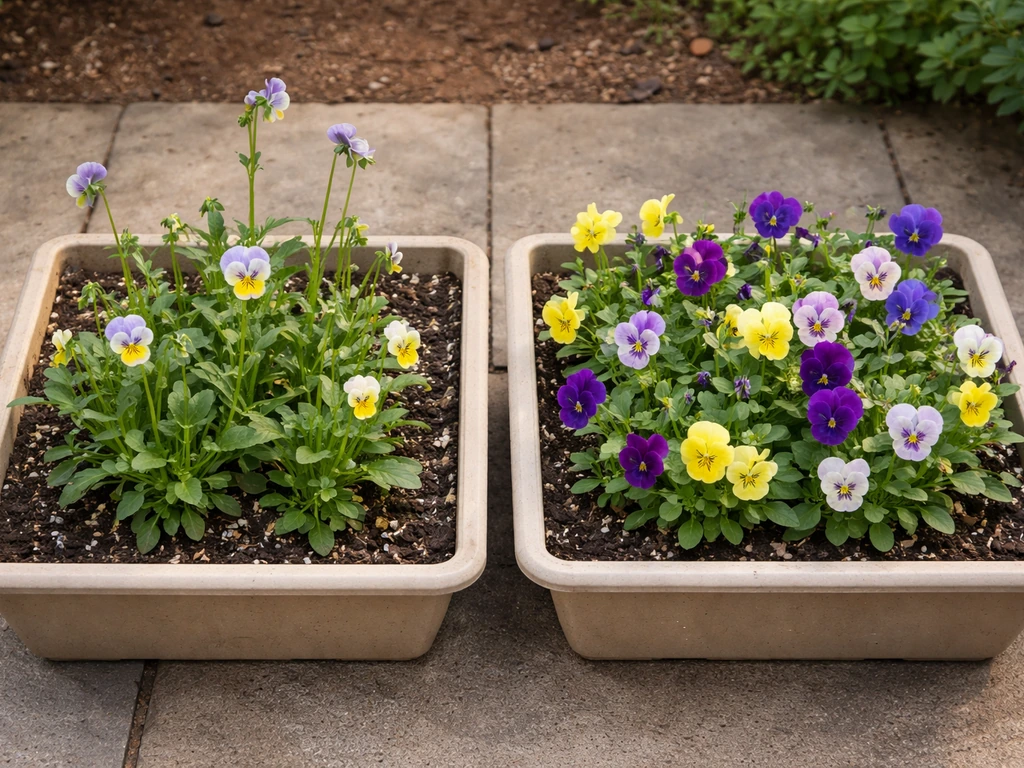
This is almost always a light problem. If your pansies are stretching upward and producing lots of stem but few blooms, they're reaching for more sun. To make pansies grow bigger, focus on getting enough light so they can build strong, flower-filled growth how to make pansies grow bigger. Move containers to a sunnier spot. For in-ground plants, consider whether a nearby tree or structure has started blocking more light than expected as the season progresses. As a short-term fix, trim leggy stems back to a leaf node or near the base, the plant will redirect energy into new flowering growth rather than maintaining those stretched stems.
Flowers fading or stopping in warm weather
If your pansies were blooming well and suddenly stop or look washed out, heat is almost certainly the cause. Temperatures consistently above 70°F push pansies into decline. You can't fix your climate, but you can move containers to a spot with afternoon shade to buy a few more weeks. For in-ground plants, a light layer of mulch helps keep soil temperatures cooler and retains moisture. If it's already late spring and temperatures are climbing, it may be more practical to pull the plants and wait for fall, that's not failure, that's just working with the plant's natural cycle.
Wilting, collapse, or crown rot
A pansy that wilts suddenly and doesn't recover with watering likely has root or crown rot, not drought stress. Pull the plant and check the roots, if they're brown and mushy rather than white and firm, the soil is staying too wet. The fix is location-level: improve drainage before replanting. For beds, this might mean mixing in coarse compost or grit, creating a raised planting area, or simply choosing a different location entirely. For containers, replace the potting mix, clean the pot, and check that drainage holes aren't blocked. Soilborne pathogens like Pythium can persist in contaminated soil, so don't replant directly into the same conditions without amending first.
Healthy plants that just stop performing mid-season
Sometimes the plant looks structurally fine but just stops pushing out flowers. In spring, this often means the season has simply run its course as temperatures climb. In fall, it can mean the plants haven't had enough time to establish before cold arrived. A quick diagnostic: check light levels, check soil moisture (too wet or too dry), and check recent temperatures. If all three look fine, deadhead spent blooms to encourage the plant to keep producing rather than setting seed. If the issue is persistent low flowering and the plant is growing but not blooming, revisit your light situation first, that's the most common culprit by a wide margin.
FAQ
If my garden gets less than 6 hours of direct sun, will pansies still grow?
They can survive in partial shade, but expect fewer blooms and leggier growth. If you have under 4 to 5 hours, prioritize morning light (cooler, stronger) and consider containers you can slide to brighter spots during peak daylight.
What’s the best spot for pansies when I only have a shaded yard?
Use a bright but sheltered edge, like beside a fence or under a deciduous tree where spring and fall light is higher. Avoid deep shade and look for airflow, since low light plus stagnant air can increase disease pressure even with good watering.
How much afternoon shade do heat-tolerant pansy varieties really need?
Heat-tolerant series often handle more sun, but they still decline when days stay above about 70°F. Afternoon shade, even if it’s only a couple of hours, can slow flower loss, especially if your site holds heat (south or west exposure).
Can I grow pansies under a dense evergreen or in a north-facing corner?
Usually not for heavy bloom. Evergreens block most winter light, and north-facing corners often stay too cool and too dim. If that’s your only option, use containers placed in the brightest movable spot and move them for temporary sun during clear weather.
What should I do if my pansies look leggy, but the soil is staying wet?
Legginess is often a light signal, but wet soil raises the risk of crown rot at the same time. Improve drainage first (raised bed or coarse amendments, don’t overwater), then correct light by moving containers or trimming back nearby growth that’s increasing shade over time.
How can I tell the difference between drought stress and crown or root rot?
Drought stress usually improves after a deep watering. Crown or root rot often causes sudden wilting with no recovery, and the base may feel soft. If you suspect rot, stop watering, check the roots for mushy or brown tissue, and fix drainage before replanting.
Is it better to plant pansies in-ground or in containers if I have clay soil?
Containers and raised beds are usually better in heavy clay because they drain and warm faster. If you plant in-ground, you’ll need more aggressive drainage improvements (coarse compost or grit mixed in, not just surface amendments) and careful watering until plants are established.
Can I reuse soil or potting mix for pansies the next season?
Not if plants previously failed from rot or damping-off. Soilborne pathogens can persist, so empty containers, scrub the pot, and refresh with new potting mix. For in-ground beds, avoid planting into the exact same spot until conditions are amended and well-drained.
Do pansies need fertilizer, or will good placement alone be enough?
Placement determines flowering limits, but fertilizing can boost consistency. Use a balanced fertilizer lightly during active growth (especially in containers), and avoid heavy feeding late in the season because cool-season plants can become stressed as temperatures rise.
How often should I water pansies in containers during cool vs warm weather?
During active cool-season growth, water thoroughly, then let the top inch dry slightly. In warmer spells, containers dry faster, but don’t keep them constantly wet, aim for consistent moisture without soggy mix, and move to afternoon shade if flowers drop.
Should I deadhead pansies to keep them blooming longer?
Yes, deadheading helps prevent energy from going into seed and can extend flowering during mild weather. If blooming stops mainly due to heat, deadheading alone won’t reverse it, but it can still help while temperatures are borderline.
What spacing should I use if I want maximum flowers but also want fewer disease issues?
Use the wider end of the spacing range (closer to 12 inches) if your airflow is limited or you tend to keep plants moist. If you crowd, airflow drops, and disease risk rises, especially in beds that stay damp overnight.
Next Article
How to Grow a Pansy: Seed to Bloom Guide
Step-by-step how to grow pansies from seed to bloom: timing, soil, planting depth, watering, fertilizing, and troublesho