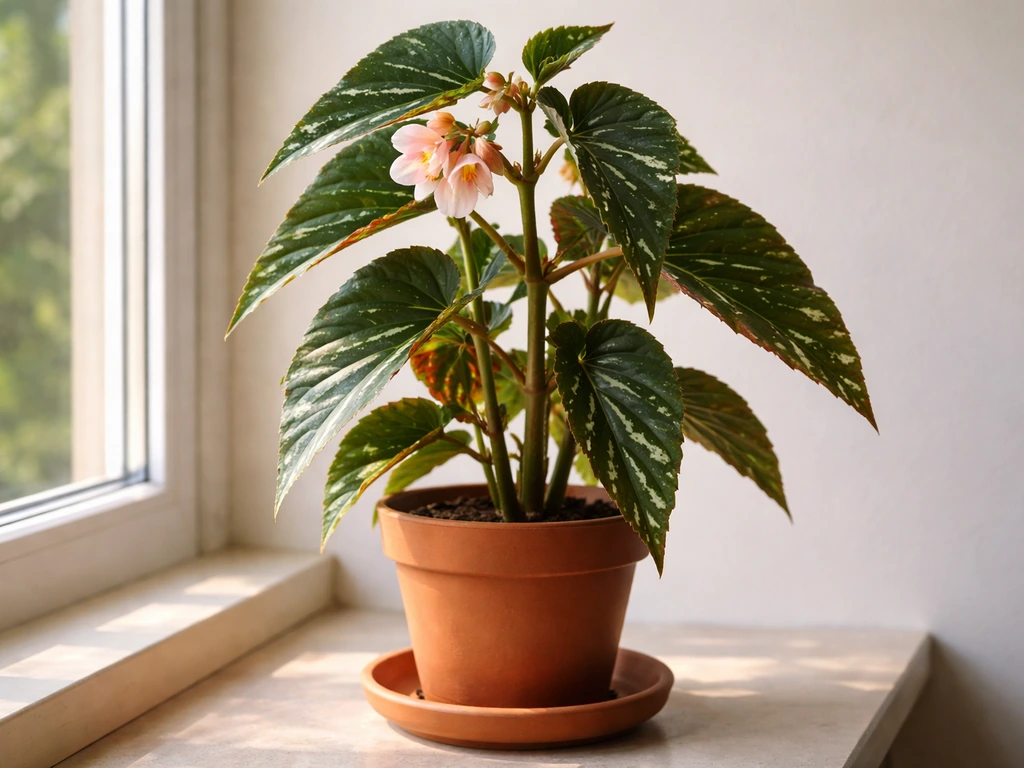
Angel wing begonias grow best in bright indirect light, well-draining slightly acidic soil, and consistent warmth. Once you understand the basics of light and well-draining soil for this plant, you can apply that same thinking to how to grow buddleia butterfly bush for reliable blooms. Keep them indoors year-round or bring them outside in warm months, water when the top inch of soil dries out, feed with a balanced fertilizer at half-strength every two weeks during active growth, and pinch or prune regularly to keep them bushy and blooming. Get those four things right and these plants will reward you with cascading clusters of red, pink, orange, or white flowers almost continuously.
How to Grow Angel Wing Begonias Indoors and Out

Harriet Whitmore
17 May 2026
What you're actually growing (and why it matters)
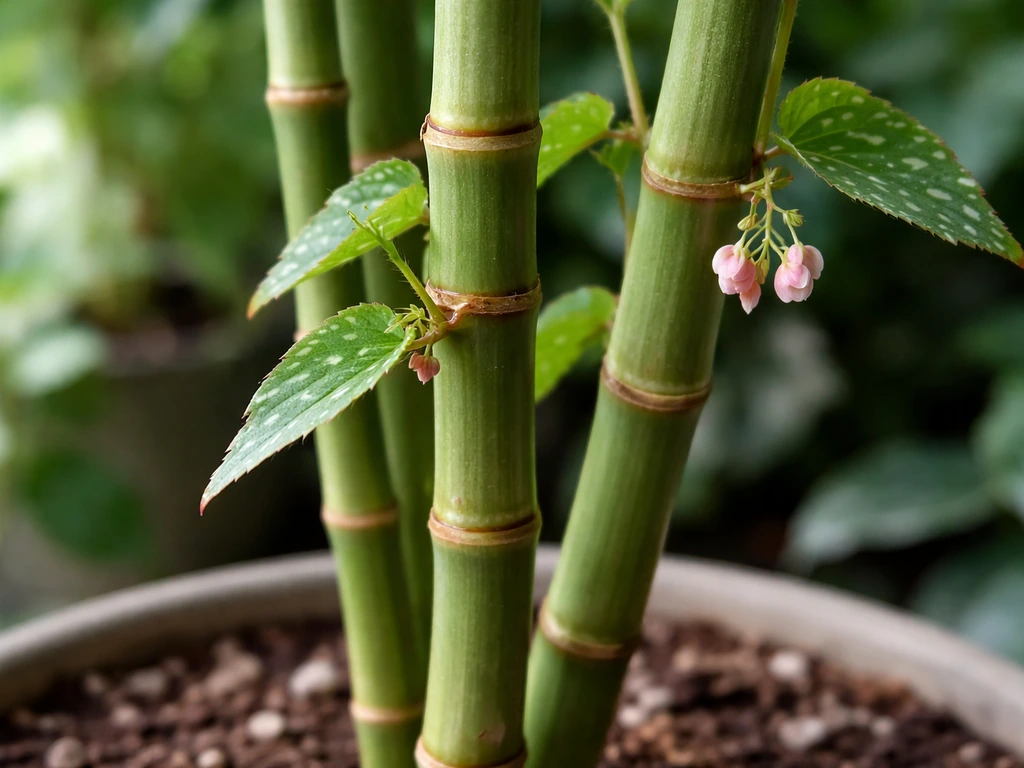
Angel wing begonias are cane-type begonias, meaning they grow on upright, segmented stems that look a bit like bamboo. Leaves and flowers emerge from the nodes along those canes. Most of what's sold under the 'angel wing' label today are hybrids, typically crosses involving Begonia aconitifolia and Begonia coccinea, with some selections also drawing from Begonia corallina and Begonia dietrichiana. The result is a plant with dramatically asymmetrical, wing-shaped leaves (often with silver spots on top and a reddish-purple underside) and pendant flower clusters that form at stem tips.
Understanding that these are cane-type begonias, rather than the mounding wax begonias or the tuberous varieties, explains a lot about how to care for them. They grow upright and tall if left unchecked, they're more drought-tolerant at the root than tuberous types, and they're genuinely among the easiest begonias to keep happy indoors year-round. If you've grown wax begonias or dragon wing begonias before, you'll find angel wings share some basics but have their own quirks, especially around pruning and light.
Light and where to put them (indoors vs. outdoors)
Bright indirect light is the non-negotiable baseline. An east-facing window is ideal indoors because it delivers gentle morning sun without the scorching intensity of afternoon rays. A north or west window can work if you supplement with a grow light, but you'll see fewer flowers. South-facing windows are often too intense unless you have a sheer curtain diffusing the light. The rule of thumb I follow: if the leaves start to look bleached or papery at the edges, the light is too strong; if the plant gets leggy and barely blooms, it's not getting enough.
Bright light directly drives flower development here. This isn't a plant where you can compensate for low light by feeding more. If your angel wing sits in a dim corner and refuses to bloom, move it closer to a window before you do anything else.
Outdoors in warm weather (roughly when nighttime temperatures stay above 55°F), angel wings thrive on a shaded porch or under a tree canopy that filters light. Morning sun with afternoon shade is the sweet spot. If you're moving a plant from indoors to outside, don't just plunk it in the garden and walk away. Acclimate it gradually over about two weeks, starting with an hour or two outside in a sheltered spot and slowly increasing outdoor time. Skipping this step often results in scorched, spotted leaves that take weeks to recover.
Soil mix, pots, and drainage
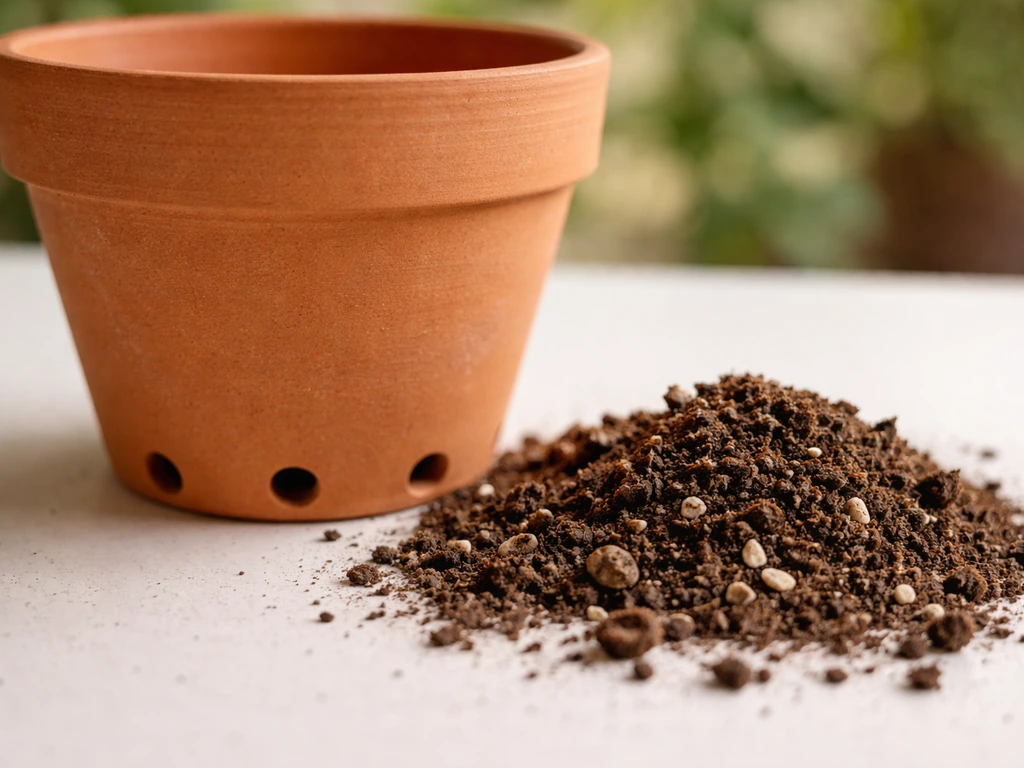
Angel wing begonias need a mix that drains fast but still holds a little moisture. A standard potting mix on its own is usually too dense and stays wet too long, which is the fastest route to root rot. My go-to is a commercial potting mix amended with perlite at roughly a 2:1 ratio (two parts mix to one part perlite), which opens up the structure and lets excess water escape quickly. Target a slightly acidic pH of 6.0 to 6.5 for optimal nutrient uptake.
If you find your mix dries out too fast (common in terracotta pots in a warm room), work a small amount of coir or vermiculite into the mix to slow the drying slightly. If moisture lingers for more than a few days after watering, add more perlite or a little bark to open up drainage further. The mix should feel airy and light in your hand, not heavy or clay-like.
On pot choice: terracotta dries faster than plastic because it's porous, which is genuinely helpful if you tend to overwater. Plastic retains moisture longer, which suits growers in dry climates or those who travel and miss a watering. Either works, but drainage holes are non-negotiable. Never let the pot sit in standing water in a saucer for more than an hour after watering.
Watering and keeping humidity right
Water thoroughly when the top inch of soil (about 2.5 cm) feels dry to the touch. That means you push your finger into the soil, feel around, and if it's dry at that depth, it's time to water. If it's still damp, wait another day and check again. When you do water, water until it runs freely from the drainage hole, then stop. Never water on a schedule without checking the soil first, because conditions change with the seasons, pot size, and humidity.
Signs of too much water: yellowing leaves starting at the base, mushy soft stems, and a sour smell from the soil. Signs of too little: leaves drooping, curling slightly, or feeling limp, often with dry, pulling-away-from-the-pot soil edges. The drooping-from-dryness look is actually quite different from the drooping-from-overwatering look once you've seen both: dry drooping recovers within an hour or two of watering, while overwatered drooping persists even when the soil is wet.
For humidity, aim for at least 60% relative humidity. Most heated homes in winter drop well below that, which can stress the plant and invite pests. A small pebble tray with water placed under (but not touching) the pot, or a nearby humidifier, works well. Don't mist the leaves directly. Standing moisture on the foliage is a reliable way to invite fungal problems, and angel wing begonias are already somewhat prone to them.
Feeding for consistent growth and blooms
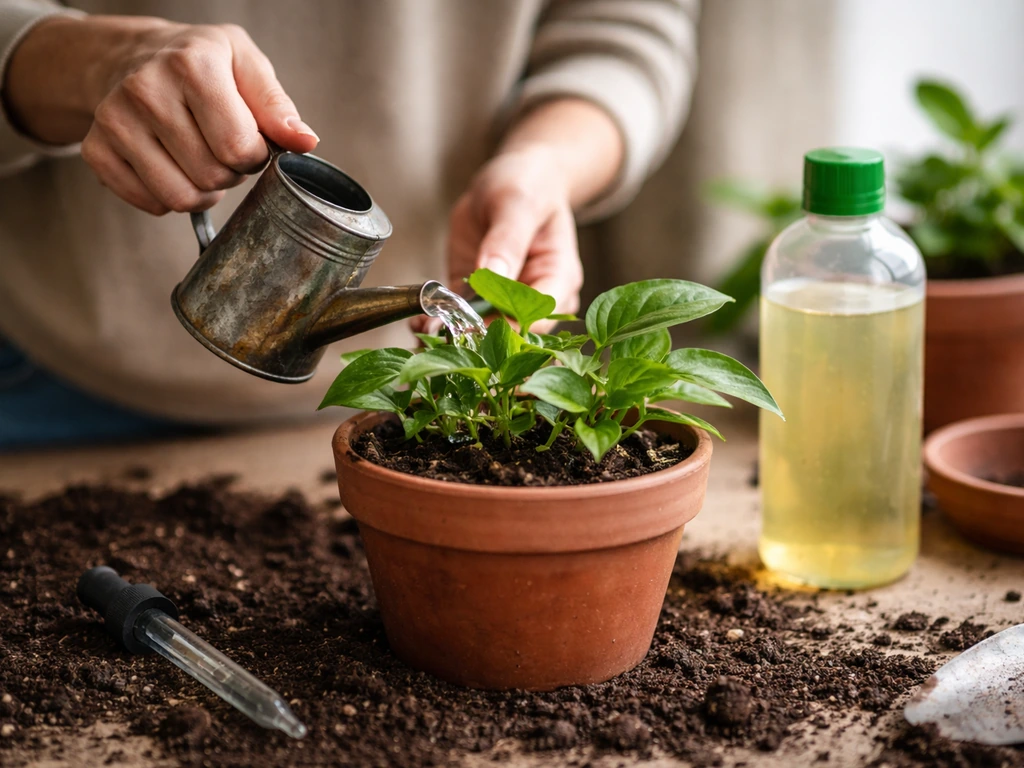
Feed with a balanced (equal N-P-K numbers, like 10-10-10 or 20-20-20) liquid fertilizer at half the strength recommended on the label, applied about twice as often as the label suggests. In practice, that usually means a weak feeding every two weeks during the growing season. Because angel wings can bloom almost year-round indoors with good light, the feeding cycle doesn't need to stop completely in winter, though you can pull back to monthly if the plant slows down in low-light months.
Don't make the common mistake of throwing more fertilizer at a plant that won't bloom. Lack of flowers in angel wings is almost always a light problem, not a nutrient deficiency. More food in dim conditions just pushes leafy, leggy growth without triggering the flower response. Fix the light first, then fertilize consistently to maintain what the light unlocks.
When you've just rooted a new cutting and it's starting to establish, give it a very dilute, weak fertilizer solution (around a quarter-strength) once the first new growth appears. Don't feed fresh cuttings before roots are established, or you risk burning the tender new roots.
Pruning and training for a fuller, blooming plant
This is where most people drop the ball with angel wings, and it's the single easiest thing you can do to transform a lanky, sad-looking plant into a full, flower-covered one. Without pruning, cane begonias tend to grow tall and bare at the base, with all the action happening at the top of long, sparse stems.
Pinching young plants
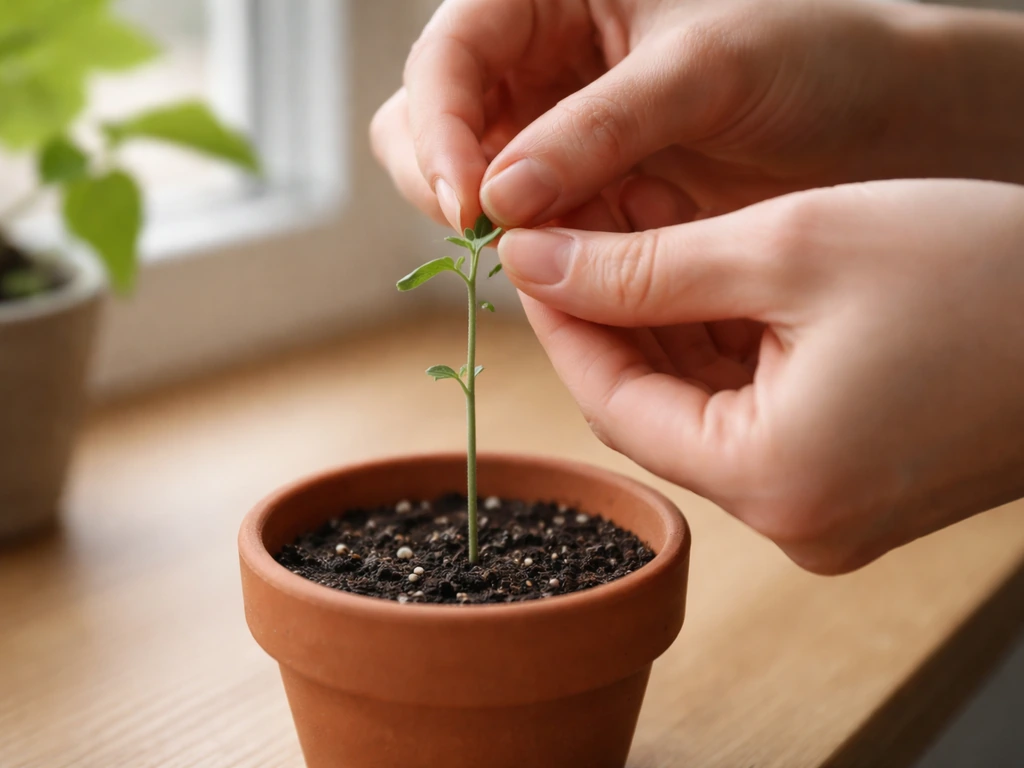
When your plant is around 6 inches tall, pinch out the very tip of the main growing shoot between your thumb and forefinger. This removes the apical dominance (the top bud's signal that suppresses lower buds) and within a few weeks, you'll see lateral shoots emerge from nodes lower down on the stem. More branches mean more stem tips, and more stem tips mean more flower clusters. Do this with new plants and newly rooted cuttings early, and you'll save yourself months of trying to fix a leggy mess later.
Seasonal pruning for established plants
For plants that have been growing for a year or more, do a more serious cut in late winter or early spring, before new growth kicks in hard. Remove old, woody, unproductive canes at the base, and shorten green, healthy canes back to about 4 to 5 nodes above the soil, or roughly 6 inches above the soil line. It can feel brutal to cut that much off, but angel wings bounce back fast and the resulting growth is denser and more floriferous than if you'd let the plant ramble unchecked.
When you prune during the growing season to tidy things up or remove a wayward cane, always cut just above a leaf node or branching point. This gives the plant a clear place to put out new growth rather than leaving a stub that just dies back.
Propagating from cuttings and when to repot
Taking cuttings
Stem cuttings are by far the easiest and most reliable way to propagate angel wings. Take a tip cutting that's 3 to 4 inches long with two to four nodes and at least two sets of leaves. Remove the lower set of leaves to expose a clean stem, let the cut end callous for 30 minutes or so, then dip it in rooting hormone powder or gel. Plant it in moist vermiculite or a half-perlite, half-potting-mix blend in a small pot. Keep the cutting in bright indirect light, maintain humidity (a loose plastic bag or a clear dome over the pot helps), and roots typically establish within three to four weeks.
Some growers root cuttings in a jar of water first, which does work and lets you watch root development, though roots grown in water are softer and need a gentle transition to soil. The vermiculite or perlite method is more reliable for long-term establishment.
Repotting
Repot when roots start poking out of the drainage hole or circling the top of the soil, typically every one to two years. Go up one pot size at a time (usually 1 to 2 inches in diameter larger than the current pot). Oversized pots hold too much moisture and dramatically increase root rot risk. Spring is the ideal time to repot, timed with the pruning back of canes so the fresh roots support new growth. After repotting, hold off on fertilizing for about four weeks to let the roots settle without the stress of salts from fertilizer.
When things go wrong: troubleshooting common problems
| Problem | Likely Cause | Fix |
|---|---|---|
| No flowers | Insufficient light | Move to a brighter spot; bright indirect light or gentle morning sun is needed to trigger blooming |
| Leggy, sparse growth | Low light or skipped pruning | Increase light and pinch or prune canes back to encourage branching |
| Drooping leaves (soil wet) | Overwatering or poor drainage | Let soil dry out; check drainage holes; amend mix with more perlite |
| Drooping leaves (soil dry) | Underwatering or low humidity | Water thoroughly and check top-inch dryness more frequently |
| White powdery patches on leaves | Powdery mildew | Improve air circulation; remove affected leaves; apply a fungicide if severe |
| Gray-brown spots with fuzzy mold | Botrytis blight (gray mold) | Remove affected tissue immediately; avoid wetting foliage; improve ventilation |
| Soft, brown, rotten stem base | Root rot from overwatering | Remove rotted tissue, repot into fresh dry mix, cut back watering frequency |
| Cottony white masses in leaf joints | Mealybugs | Dab with isopropyl alcohol on a cotton swab; treat with neem oil or insecticidal soap |
| Clusters of tiny insects on new growth | Aphids | Knock off with a water spray; follow up with insecticidal soap |
Botrytis and powdery mildew are the two fungal problems you're most likely to encounter, and both are made far worse by wet foliage, poor airflow, and overcrowded conditions. Water at the soil level, not over the leaves, and give the plant enough space around it for air to move. If you catch mold or mildew early, cutting off affected leaves and improving ventilation is often enough to stop it spreading.
For pests, mealybugs are the most persistent issue on angel wings. Check the leaf axils (where the leaf stem meets the main cane) regularly because that's where they hide first. Catching them early makes treatment much easier. A few treatments of neem oil or insecticidal soap spaced about a week apart usually clears an infestation, but you have to be consistent.
Adapting care to your climate and setup
In warm climates (USDA zones 9 to 11), angel wings can live outside year-round in a sheltered, shaded spot. In zones 8 and below, treat them as warm-season outdoor plants that come inside before the first frost, or grow them entirely indoors where they'll bloom nearly continuously with adequate light. If you're in a cooler climate and move them out for summer, remember the two-week acclimation and bring them back in when nighttime temps start dropping below 55°F. They hate cold drafts and temperatures below 50°F, which causes leaf drop and sets the plant back significantly.
Compared to butterfly begonias or wax begonias, angel wings are a bit more tolerant of lower light and are better suited to tall indoor spaces where their upright cane habit can actually shine. When it comes to similar care basics, wax begonias are a different type than angel wings, so the tips you use for growing wax begonias may not transfer 1:1.
If you’re specifically growing butterfly begonias, the same bright light and careful watering habits will help them thrive too. They're closer in care to dragon wing begonias in their cane-type growth, but angel wings typically grow taller and need more aggressive pruning to stay shapely. If you've had success with any cane-type begonia, angel wings will feel familiar with just a few adjustments.
Quick-start checklist for your first few weeks
- Place the plant in a bright east-facing window or the brightest indirect-light spot you have indoors.
- Check the soil by pushing your finger 1 inch deep. Water only when that top inch is dry.
- If the mix feels heavy or stays wet for more than 3 days after watering, repot into a mix with added perlite.
- If the plant is around 6 inches tall and hasn't been pinched, pinch the growing tip now to start encouraging branching.
- Start a half-strength balanced liquid fertilizer every two weeks once you see active new growth.
- Set up a humidity tray or humidifier if your home drops below 60% humidity, and avoid misting leaves.
- Mark late winter or early spring on your calendar as the time for your first serious pruning cutback.
FAQ
My angel wing begonia is producing flowers but still looks leggy. What should I fix first?
If you see flowers but the plant keeps getting leggier, don’t compensate with fertilizer. Move the plant to a brighter window or add a grow light, then pinch the newest tip to trigger side shoots. Lack of branching usually limits the number of flower-bearing stem tips, even when nutrients are adequate.
How do I adjust watering for angel wing begonias in winter?
Yes, especially in winter. When light levels drop, growth slows and the plant uses less water, so the “top inch is dry” check is more important than ever. If the top inch feels dry but the plant is pale and slow-growing, wait an extra day to avoid staying wet too long.
Should I mist or wipe the leaves to help with humidity?
For most indoor plants, a weekly or biweekly wipe of leaves is optional but helpful for light quality and pest detection. Avoid wet polishing or soaking foliage, and never mist directly. A gentle wipe with a damp cloth is safer than spraying.
My pot dries out too quickly. How can I slow drying without causing root rot?
Use the pot and soil as your guide. If you consistently need to water again within about 24 to 48 hours, the mix or pot may be drying too fast. To correct it, add some water-holding component like coir, or switch to a slightly larger plastic pot, but keep the mix airy and ensure drainage holes stay clear.
When should I repot, and when can I start fertilizing again?
Don’t repot and fertilize immediately. After repotting, wait about four weeks before resuming feed, and keep light bright but stable during that settling period. If you recently pruned canes, timing repotting alongside that window is usually easiest for the plant to handle new root growth.
What are signs of fertilizer burn, and what do I do if it happens?
Fertilizer burn can show up as brown crispy leaf edges or spotting, often after feeding at full strength or when the soil is dry. The fastest correction is to flush the pot with water until it drains freely, then resume only at the weaker “half strength of label” schedule.
How do I know when my cutting is rooted, and should I remove the humidity cover?
The goal is roots that hold firm but don’t stay saturated. If you’re using a dome or bag, vent briefly each day after you see new growth, then remove humidity cover gradually over about a week. Keeping it sealed too long can invite mold in the rooting medium.
Where exactly should I prune on angel wing begonias to avoid dead stubs?
Yes. For cane-type begonias, always cut above a leaf node or branching point. If you accidentally leave a stub, it can die back and leave the plant with fewer growing points, which reduces how quickly it becomes bushy.
How often should I check for mealybugs, and where should I look?
Broader “pest checks” reduce surprises. Inspect leaf axils and the underside of leaves, especially after moving the plant outdoors for the season or after bringing in new plants. Early detection matters most for mealybugs because they can hide before you see obvious damage.
My plant gets fungal spots repeatedly. What changes prevent it from coming back?
Powdery mildew and botrytis are usually symptoms of wet foliage, poor airflow, or overcrowding, not bad soil nutrition. Remove affected leaves promptly, water only at soil level, and separate plants so air moves around the canes. If the problem keeps returning, consider a fan for gentle circulation.
Can I keep my angel wing begonia outside until frost? What’s the cutoff temperature?
Yes, and it changes your workflow. If night temperatures are predicted to drop below about 50°F, bring the plant in immediately. Cold stress can cause leaf drop and set the plant back, and you may need to delay heavy pruning until it bounces back.
Should I rotate the pot to get even growth and blooms?
Rotate the pot every week or two so both sides get similar light, especially near windows. Otherwise one side may get more flowers while the other becomes sparse or turns slightly toward the light.
Next Article
How to Grow Angelonia From Seed Step by Step Guide
Learn how to grow angelonia from seed: start times, setup, germination tips, transplant care, pruning, and troubleshooti