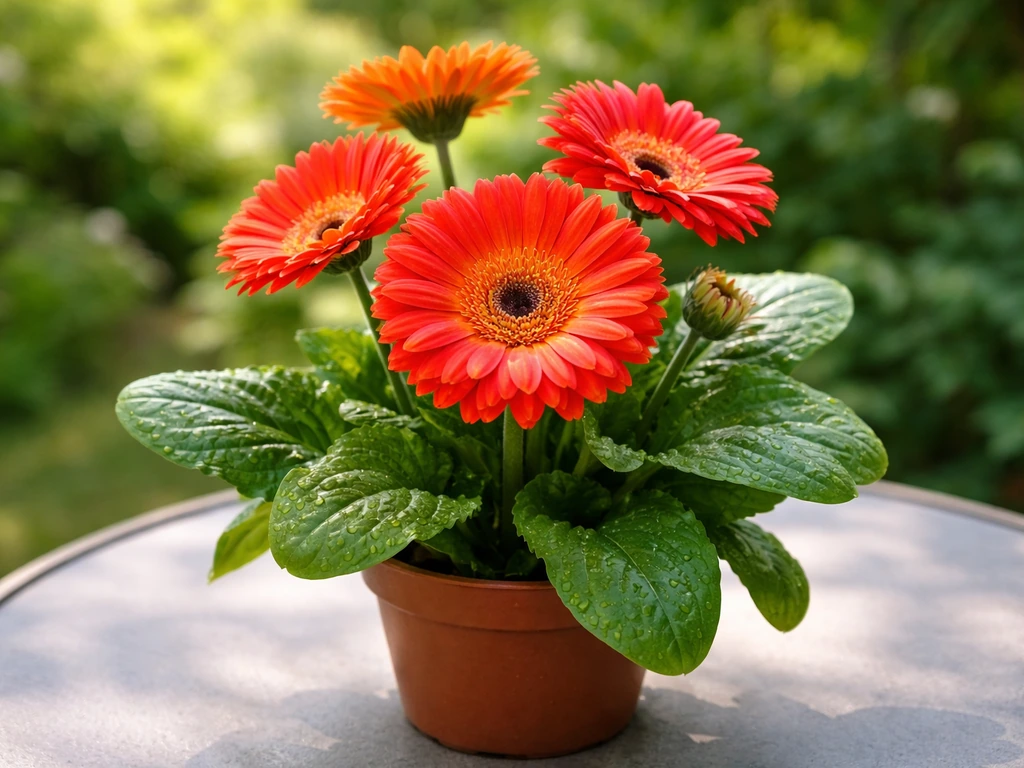
Gerberas aren't especially difficult to grow, but they are particular. Get the crown depth right, give them enough light, and manage watering carefully, and you'll have bold, colorful blooms for months. Mess up any one of those three things and you'll be staring at a sad, rotting plant wondering what went wrong. This guide walks you through every step, whether you're starting from seed, dropping a nursery plant into a pot, or chasing that idea of growing gerbera 'from a flower. Climbing geraniums need a similar focus on strong light, careful watering, and well-draining soil to keep them healthy and flowering growing gerbera. '
How to Grow Gerbera Plants Step by Step Guide

Harriet Whitmore
18 May 2026
Seed, bought plant, or 'from a flower': which start actually works?
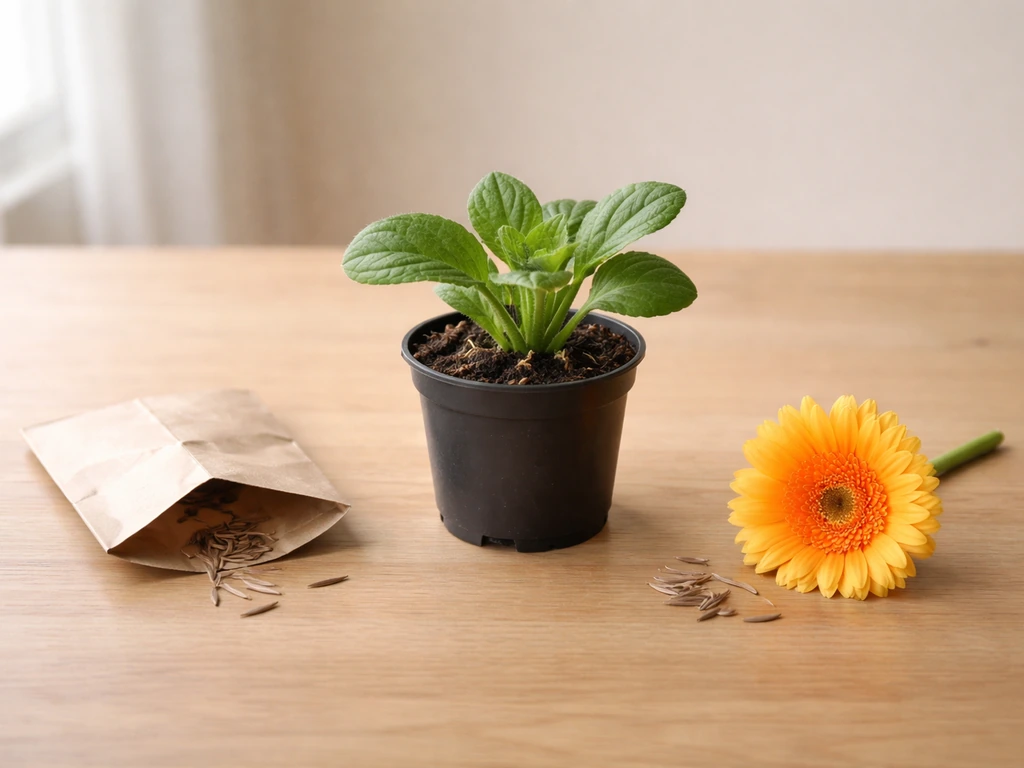
Let's clear something up first, because 'how to grow gerbera from a flower' is one of the most searched phrases around this plant, and it leads a lot of gardeners astray. If you want the full process behind that phrase, start with this guide on how to grow geums. A gerbera flower is not a cutting. You can't stick a bloom stem in water and expect roots to sprout. Gerbera doesn't propagate reliably from stem cuttings the way geraniums or pelargoniums do. What people usually mean when they say 'from a flower' is either saving seed from a spent bloom, or dividing an established clump. Both work, but they take patience.
If you want to save seed from a gerbera flower, wait for the bloom to fully dry on the plant, then collect the feathery seeds that look a bit like tiny arrows. Sow them pointy end down, barely covered with fine vermiculite or seed-starting mix. Under controlled conditions, gerbera seed germinates in about 4 to 7 days at 70 to 74°F (21 to 23°C). Home results vary, but expect 1 to 2 weeks with a heat mat and good humidity. The catch: hybrid gerberas (which is almost everything you buy from a garden center) won't come true from seed. You'll get flowers, but not necessarily the same color or form as the parent plant.
Buying a transplant from a nursery is genuinely the easiest route and the one I'd recommend to anyone who wants reliable results quickly. You skip 6 to 7 weeks of plug stage and get a plant that's already rooted and ready. If you do start from seed, use fresh seed (gerbera seed loses viability fast) and expect the process to take 4 to 5 months from sowing to first bloom. Division of mature clumps is also viable: dig up an established plant, gently separate the crowns, and replant. Just keep that crown above soil level, which we'll cover in detail shortly.
Picking the right variety and timing for where you live
Gerbera jamesonii is classified as hardy in USDA Zones 8 through 11). If you're outside that range, which covers most of the northern US, the UK, and Canada, treat gerbera as a tender annual or bring it indoors for winter. Within Zones 8 to 11, gerbera can overwinter in the ground and return year after year. Everywhere else, you're either growing it as a seasonal annual or managing it as a container plant that moves indoors when frost threatens.
For outdoor planting, time your transplants for after the last frost date. Gerbera needs soil that's consistently warm, at least 60°F (15°C), to establish well. In cooler climates, starting seeds indoors 12 to 14 weeks before your last frost gives you blooming plants ready to go out in late spring. For indoor growing year-round, timing matters less, but placing plants near a south-facing window in late winter gives them the light boost they need to push new growth in spring.
Variety selection shapes your experience significantly. Compact dwarf series like Revolution, Garvinea, and Midi varieties suit containers and indoor growing. Larger standard gerberas make a stronger impact in garden beds but need more space and light. If you're growing indoors, look specifically for compact varieties bred for lower light tolerance. If powdery mildew is a recurring issue in your area (humid summers especially), some newer varieties carry improved disease resistance, worth asking about at a specialty nursery.
Getting the soil and pot setup right
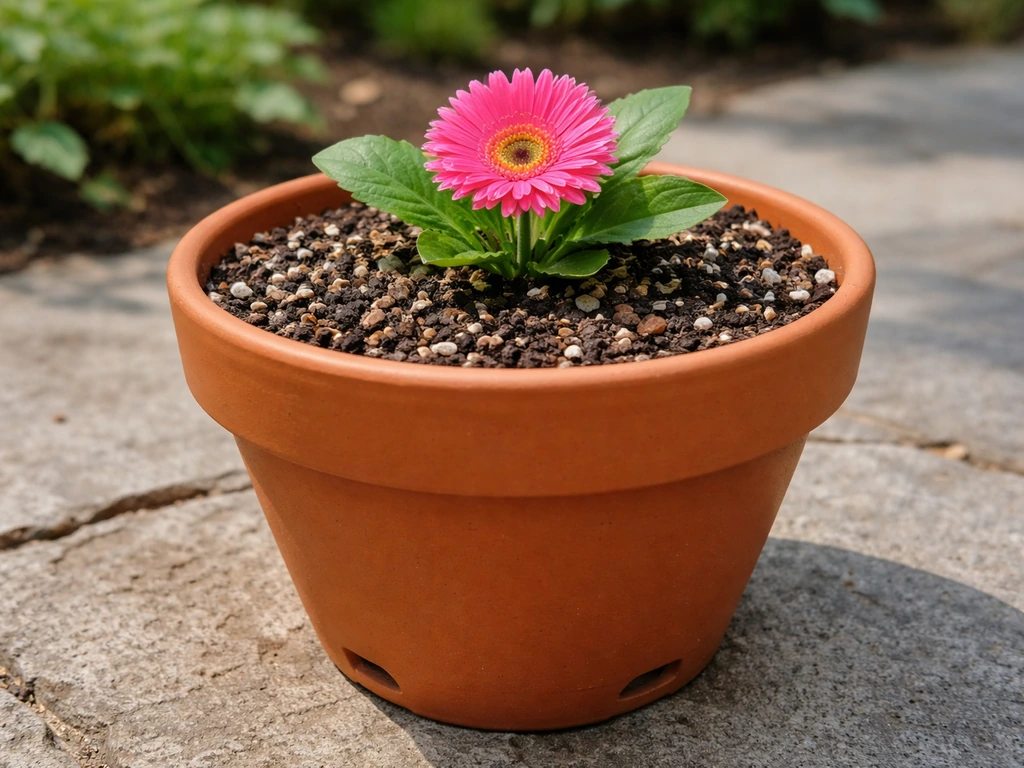
Drainage is the single most important factor in gerbera soil. These plants will rot in waterlogged conditions faster than almost anything else in your garden. A good home mix is roughly one-third coarse sand, one-third a combination of leaf mold and peat moss, and one-third rich loam. That formula gives you water retention without saturation, and the organic matter feeds slow but steady. If you're buying premixed potting soil, choose one labeled for succulents or add 20 to 30 percent perlite to a standard mix to open up the drainage.
Soil pH matters more with gerbera than with many other flowering plants. The ideal range is 5.5 to 6.2. At pH 6.5 and above, manganese becomes less available to the plant and you'll start seeing leaf problems that look like nutrient deficiency even when you're feeding regularly. Pick up a cheap soil pH meter or test strips and check before planting. If your soil is too alkaline, sulfur or peat moss mixed in will bring it down. If it's too acidic, a little garden lime corrects it.
For containers, choose a pot that's 10 to 12 inches in diameter for a single plant, with drainage holes that actually drain freely. Terra cotta is a solid choice because it breathes and dries faster than plastic, which reduces rot risk. Avoid saucers that collect and hold standing water under the pot. If you're growing in a garden bed, raised beds with amended soil give you the best control over drainage and pH.
Light, watering, and feeding: what pushes gerberas to bloom
Light
Gerberas are sun lovers. Outdoors, they want 6 or more hours of direct sun daily, though in very hot climates (think Zone 9 to 11 summers), some afternoon shade prevents leaf scorch and helps flowers last longer. Indoors, a south-facing window is your best option. Scented geraniums can be grown in a similar way, but they need slightly different light and watering preferences to support strong fragrance. East or west-facing windows can work if the light is strong and unobstructed, but expect fewer blooms and slower growth. If you're relying on artificial light, a full-spectrum LED grow light kept 6 to 12 inches above the foliage for 14 to 16 hours a day will substitute reasonably well through winter.
Watering
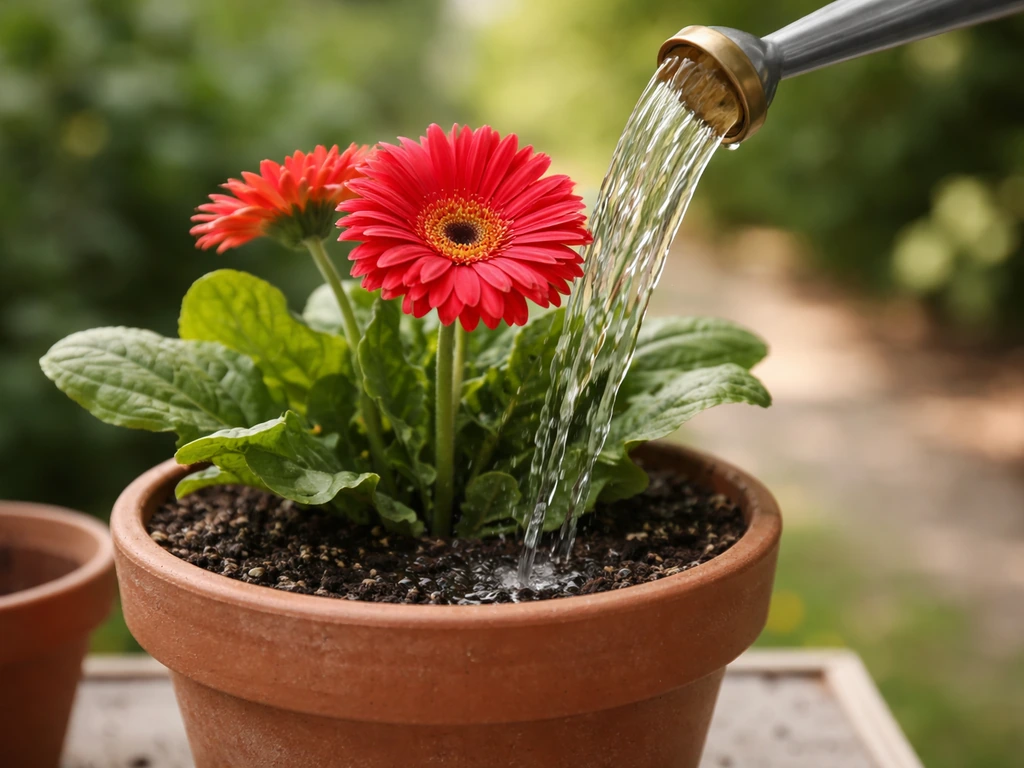
Gerbera likes consistent moisture but genuinely needs the crown (the central growing point at soil level) to dry out between waterings. According to Florida IFAS guidance, gerbera likes regular moisture, but you should blank" rel="noopener noreferrer">allow the crown to dry out between waterings. Scented pelargoniums follow similar principles for choosing light, preventing rot, and dialing in watering so the plants thrive how to grow scented pelargoniums. Water at the soil level, not overhead onto the leaves or crown, which invites rot and fungal disease. A good rhythm is: water thoroughly until it drains from the bottom, then wait until the top inch or two of soil feels dry before watering again. In summer heat, that might be every 2 to 3 days. In a cool indoor winter, it might stretch to once a week or longer. Always check the soil rather than watering on a fixed schedule.
Feeding
Gerbera is a moderate feeder, not a heavy one. Overfeeding, especially with high-nitrogen fertilizers, pushes lush green leaves at the expense of flowers. During the growing season (spring through early fall), a balanced liquid fertilizer (something like 10-10-10 or a bloom-booster formula with more phosphorus) applied every 2 to 3 weeks works well. Keep your electrical conductivity low if you're testing that, aiming for levels below 1.5 mmhos/cm to avoid salt buildup, which damages roots. In winter, reduce or stop feeding altogether if the plant is resting. Resume when you see new growth pushing in spring.
Planting steps for beds and containers
In-ground planting
- Prepare your bed with well-draining amended soil at pH 5.5 to 6.2. Mix in compost and coarse sand if your native soil is heavy clay.
- Dig a hole slightly wider than the root ball but no deeper. The crown of the plant must sit at or slightly above the surrounding soil surface, not buried.
- Set the plant in position, backfill gently, and firm the soil around the roots without pushing soil over the crown.
- Water thoroughly after planting to settle the soil and eliminate air pockets around the roots.
- Mulch lightly around (not over) the crown to retain moisture and moderate soil temperature, keeping mulch a few inches away from the crown itself.
Container planting and transplanting
- Water the plant well in its nursery pot before you remove it. This reduces root and crown stress during the move.
- Fill your new container about halfway with your drainage-optimized mix.
- Remove the plant gently from its nursery pot, keeping the root ball intact.
- Position the plant so the crown sits at or just above the eventual soil surface, then fill in around the roots.
- Water in thoroughly, let it drain completely, and place in your chosen spot with appropriate light.
The crown-above-soil rule applies whether you're planting in a bed or a pot. Burying the crown is the number one cause of crown rot and plant death in gerberas. If you've planted too deep and the plant starts to look unhealthy, carefully excavate the soil around the crown and reposition it. Plants can recover if you catch it early.
Seasonal care and overwintering
In Zones 8 to 11, in-ground gerberas can stay put through winter with minimal intervention. A light layer of mulch around (not over) the crowns protects roots from occasional cold snaps. Cut back damaged or dead foliage after cold spells but don't disturb the crown. Plants often look rough in late winter but bounce back strongly once temperatures warm in spring.
In cooler zones, your options are to either treat gerbera as an annual and compost it at the end of the season, or lift container-grown plants and bring them indoors before the first frost. Indoors through winter, keep the plant in the brightest spot you have, reduce watering significantly (the plant is semi-dormant and rots easily in low light with wet soil), and stop feeding. A cool room, around 50 to 60°F (10 to 15°C), actually suits overwintering gerbera better than a warm centrally heated room, which can push weak, etiolated growth in low winter light.
Once you see new growth pushing in early spring, gradually increase watering and restart feeding. Move the plant back outdoors (or to a sunnier indoor spot) after your last frost date. Gerberas that have overwintered successfully often put on their best blooms in their second and third season.
Troubleshooting: when gerbera isn't doing what it should
No blooms
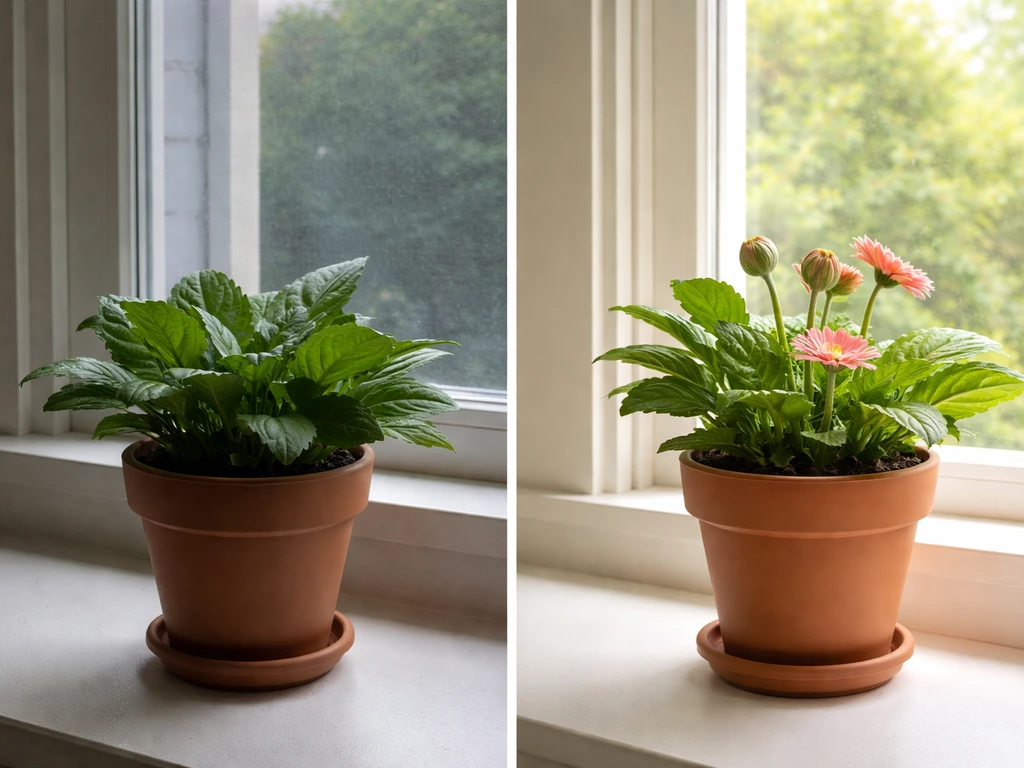
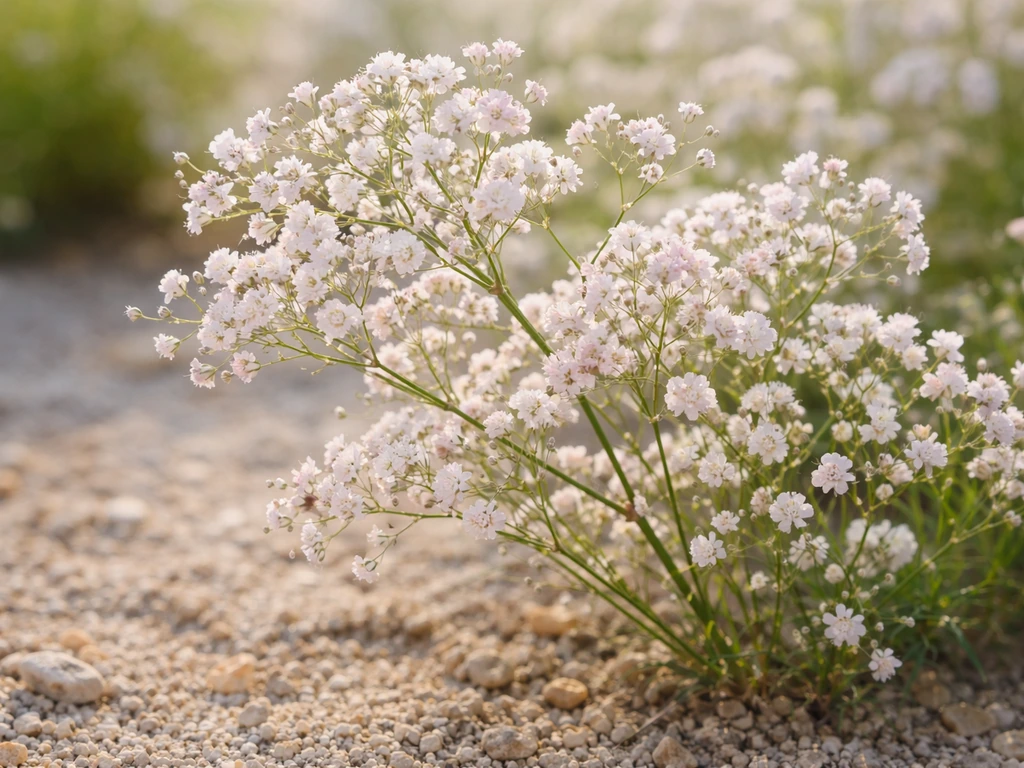
The most common reason gerbera won't bloom is insufficient light. If you want more flowering plant success beyond gerbera, see this guide on how to grow gypsophila. If your plant is indoors or in a shaded spot, that's your first suspect. Move it somewhere brighter and give it 4 to 6 weeks to respond. The second cause is overfeeding with high-nitrogen fertilizer, which fattens up the foliage instead of triggering flowers. Switch to a phosphorus-forward bloom fertilizer. Third possibility: the plant is too young (newly seeded plants won't bloom for months) or it's in a season of natural dormancy.
Yellow leaves
Yellow leaves on gerbera usually signal one of three things: overwatering and root stress, a soil pH problem reducing nutrient uptake, or a genuine nutrient deficiency. Check your watering frequency and drainage first. If roots look brown and mushy, you've got root rot from excess moisture. If roots look healthy, test your soil pH. At pH above 6.5, manganese and iron become less available, causing yellowing that doesn't respond to standard fertilizer. Correct the pH and yellowing should improve over several weeks.
Crown rot
Crown rot is almost always caused by overwatering combined with poor drainage, burying the crown too deep, or watering directly onto the crown. If you catch it early (soft, discolored crown tissue but the plant still has healthy outer leaves), let the soil dry out completely, improve drainage, and ensure the crown is exposed to air. Severe crown rot usually means losing the plant. Prevention is far easier than treatment: get that crown above soil level and water at the base.
Powdery mildew
That white or gray dusty coating on the upper leaf surfaces is powdery mildew, a fungal problem that flares up in humid conditions with poor air circulation. Remove affected leaves immediately and improve airflow around the plant. Avoid wetting foliage when watering. For treatment, potassium bicarbonate-based products (like MilStop) are effective and have low toxicity. Neem oil also works preventatively. Outdoor plants in humid summer climates are most vulnerable, so spacing plants generously and choosing resistant varieties makes a real difference.
Pests: aphids, whiteflies, thrips, and spider mites
Gerberas attract a predictable lineup of pests: aphids, whiteflies, thrips, spider mites, and leaf miners. For most soft-bodied insects, insecticidal soap spray applied to leaf undersides is effective and safe. Spray in the evening to avoid leaf burn and repeat every 5 to 7 days for 2 to 3 rounds to break the pest cycle. Whiteflies especially need you to target the undersides of leaves where they congregate. Spider mites tend to appear when plants are in hot, dry conditions, so improving humidity and moving plants away from heat vents helps prevent them. If you're managing pests on indoor plants, inspect new plants carefully before bringing them home, since that's how most infestations start.
| Problem | Most likely cause | Fix |
|---|---|---|
| No blooms | Insufficient light or high-nitrogen feed | Move to brighter spot, switch to bloom fertilizer |
| Yellow leaves | Overwatering, pH above 6.5, or nutrient deficiency | Check drainage, test and correct soil pH |
| Crown rot | Crown buried, overwatering, or overhead watering | Expose crown above soil, reduce watering |
| Powdery mildew | Humidity and poor airflow | Remove leaves, improve airflow, apply potassium bicarbonate |
| Spider mites | Hot, dry conditions | Increase humidity, insecticidal soap, relocate plant |
| Whiteflies/aphids | General pest pressure | Insecticidal soap on leaf undersides, repeat applications |
A few final thoughts
Gerberas reward gardeners who pay attention to two or three key details rather than those who follow a complicated routine. Crown placement, drainage, and light are the variables that separate thriving plants from struggling ones. Once you've got those right, the care routine is genuinely straightforward. If you're also growing other flowering plants at home, you'll find gerbera's crown-above-soil rule is somewhat unique, whereas plants like geraniums and gypsophila tolerate a wider range of planting depths. That specificity is worth remembering every time you pot up or transplant a gerbera. Get it right once and you'll have a plant that earns its space in your garden or on your windowsill for years.
FAQ
Can I grow gerbera in the same pot year after year, or should I repot it every season?
You can keep it for a while, but plan to refresh the soil and check drainage at least every 12 to 18 months. If the potting mix compacts or the crown starts sitting too low, drainage worsens and crown rot risk rises. When repotting, disturb roots as little as possible and keep the crown exposed above the soil line.
How do I know if my crown is planted at the right depth?
After watering, the crown should remain visibly above the soil surface. A quick check is to look at the central growing point, it should not be buried and it should not sit below the level of the surrounding mix. If you see soil slumping up over time, top up the mix carefully without covering the crown.
Why are my gerbera leaves drooping even though the soil isn’t soaking wet?
Drooping with not-so-wet soil often points to inconsistent watering that is drying out too far, or roots experiencing stress from salt buildup. Check by feeling the top few inches and, if you fertilize, consider flushing the pot with clean water occasionally to reduce salts rather than just adding more fertilizer.
Is it okay to mist gerbera for extra humidity?
Misting can make powdery mildew and other leaf problems more likely because it wets foliage. Instead, use humidity trays, group plants together, or improve airflow. If you live in a very dry indoor climate, aim for steady moisture in the soil with careful crown drying rather than wetting leaves.
What’s the best way to water gerbera in containers during hot weather?
Water at soil level until it drains out the bottom, then wait until the top inch or two dries. In peak heat, containers can dry much faster than garden beds, so check daily rather than relying on a schedule. If you notice frequent wilting but the soil is still damp, suspect poor drainage and adjust the mix or pot.
Can I cut off dead flower heads to get more blooms?
Yes, remove spent blooms by taking off the flower stem down near the base, but avoid pulling so hard that you disturb the crown. Keeping the crown intact and dry while removing old stems reduces the chance of rotting debris around the crown.
Why does my gerbera look healthy but won’t flower after I move it indoors?
Indoor light intensity often drops after transplanting, even near a bright window. Give it 4 to 6 weeks to adjust, and if it’s not responding, add a full-spectrum grow light and keep the light close enough to drive steady growth (roughly 6 to 12 inches from foliage). Also ensure you are not overfeeding with high-nitrogen fertilizer.
Can I start gerbera from seed at home without a heat mat?
You can, but germination is slower and less predictable because seeds often need the warm conditions described in the main guide. If you skip a heat mat, start seeds in the warmest room you have and expect a longer timeline, plus plan for variable germination rates. Fresh seed is especially important for home sowing.
What should I do if my plant shows leaf yellowing but fertilizer and watering seem fine?
If yellowing persists, check soil pH before adding more fertilizer. At higher pH, key micronutrients become less available, and symptoms may look like a nutrient issue. Correcting pH typically helps over several weeks, and repeated “extra feeding” can worsen stress.
How can I prevent powdery mildew beyond removing affected leaves?
Improve airflow by spacing plants, avoid wetting foliage, and water earlier in the day so any incidental moisture dries quickly. For containers, rotate pots for even light and airflow and consider disease-resistant varieties if mildew is recurring in your area.
Are insecticidal soap sprays safe to use on every gerbera variety?
They are generally safe, but test on a small area first and spray in the evening to reduce leaf burn risk. Follow up with repeat applications on schedule, because eggs and nymphs may survive initial treatment. Never spray in bright, hot sun or right before intense light exposure indoors.
Will gerbera survive frost if I cover it?
Light frost protection can help, but covering does not replace the need to keep the crown from staying wet and cold. In climates colder than the plant’s zone range, it’s safer to treat gerbera as a seasonal annual or move containers indoors before hard frost. If you must protect in-ground plants, keep mulch away from the crown so the crown stays exposed to air.
Next Article
How to Grow Gypsophila Step by Step for Blooming
Step-by-step guide to grow gypsophila paniculata, from UK planting timelines to soil, watering, troubleshooting, and blo