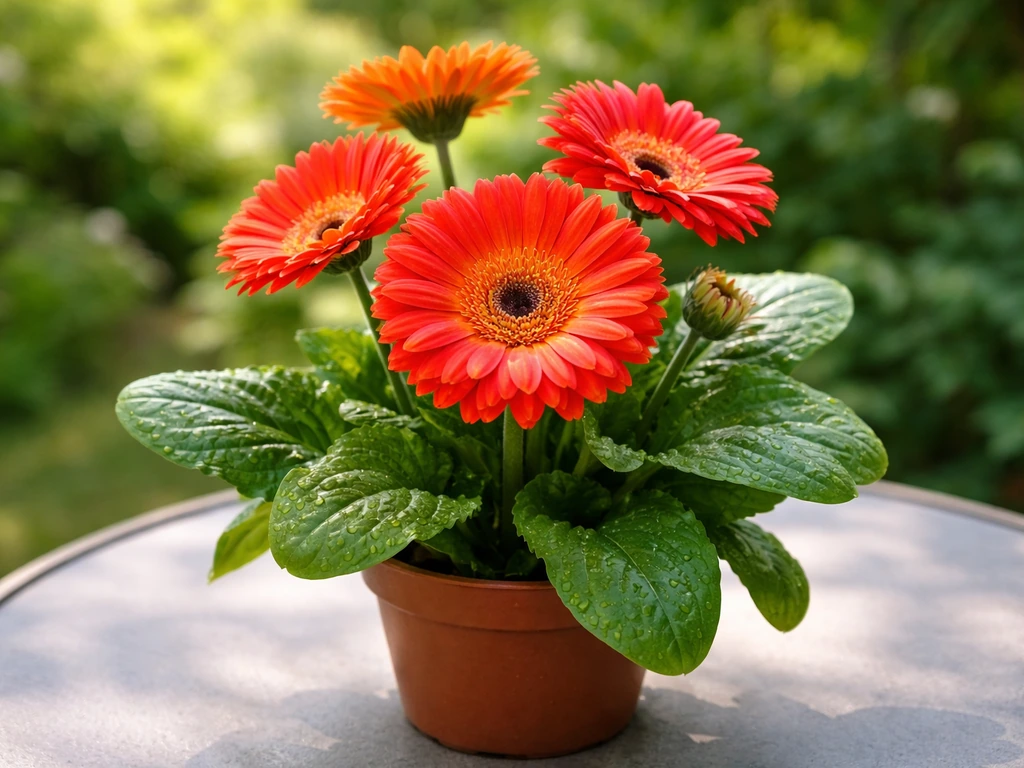
Geums are one of those perennials that reward you with months of cheerful, saucer-shaped flowers in fiery oranges, warm reds, and soft yellows, and they're genuinely not difficult to grow once you match the right variety to your conditions. If you want to try a fragrant alternative, learn how to grow scented pelargoniums for bold color and aroma. Plant them in well-drained, fertile soil with good sun, give them consistent moisture without letting them sit in water over winter, and most varieties will bloom reliably from late spring through summer, with some like 'Totally Tangerine' carrying on right into fall. For scented geraniums, the basics are similar: give them lots of sun, keep watering consistent but not soggy, and deadhead to encourage more blooms how to grow scented geraniums.
How to Grow Geums From Seed to Bloom Step by Step

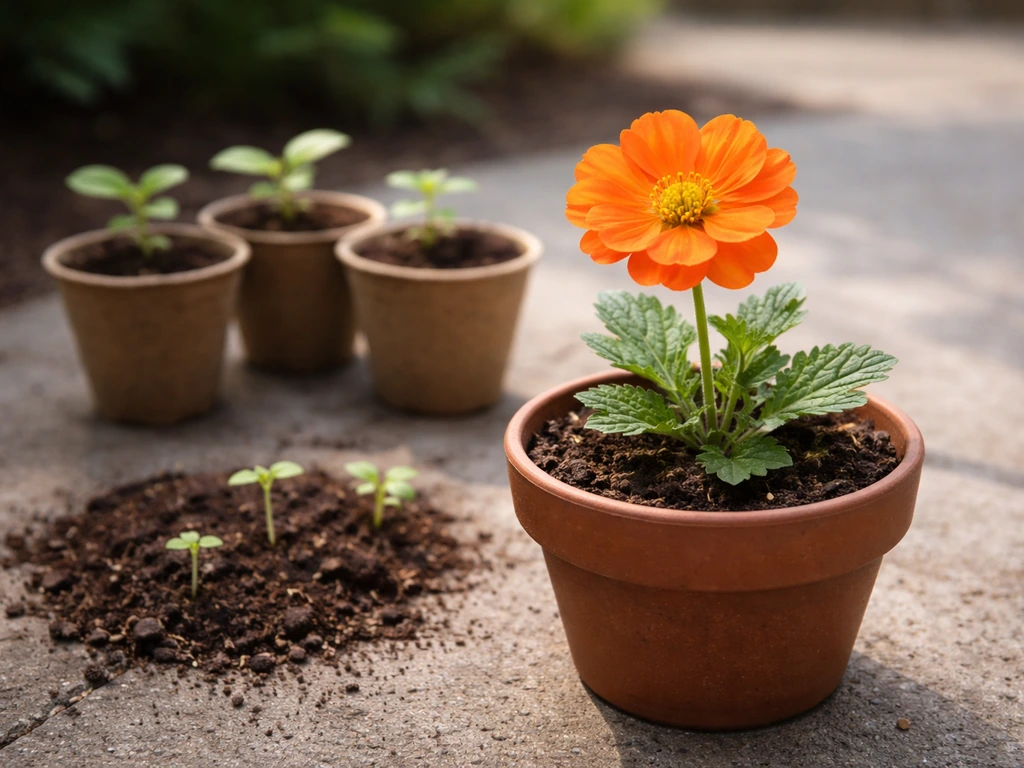
Picking the right geum type and where it will grow
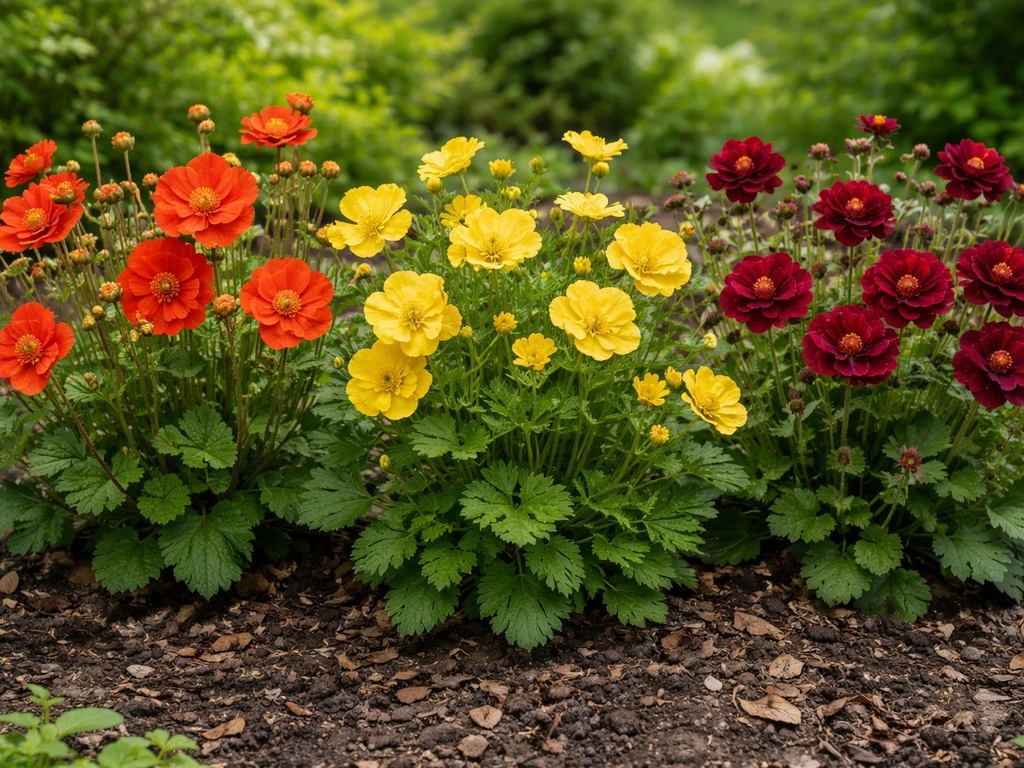
Getting the variety right is the single most important decision you'll make, because geums vary more than people expect in terms of heat tolerance, moisture needs, and hardiness. The broad genus Geum covers plants suited to everything from sunny dry borders to cool, damp streamside spots, and picking the wrong one for your garden is the quickest route to disappointment.
Geum coccineum is one of the most commonly grown border types, reaching about 12 to 18 inches tall and flowering from May through July. It performs well in Zones 4 through 7 but genuinely struggles in the hot, humid conditions of the deep South and isn't recommended south of Zone 7. If you're in Zone 8 or warmer, you'll need to choose carefully. 'Werner Arends' is a compact form of G. coccineum suited to Zones 5 through 9, blooming in May and June with a tidy low habit that works well at the front of a border.
If you want a long flowering season, 'Totally Tangerine' is hard to beat. It produces bright tangerine blooms from summer right through to fall, grows to about 14 to 18 inches tall and 18 inches wide, and handles everything from light shade to full sun across Zones 4 to 10. It's one of the most adaptable geums you can grow.
Geum rivale, called water avens, is the one to choose if your garden is on the cooler, shadier, or moister side. It flowers from May through August, reaches 12 to 24 inches, and tolerates conditions that would rot out a border geum in a season. It's a genuinely different plant in terms of site tolerance and worth knowing about if you have a tricky damp corner.
| Variety | USDA Zones | Bloom Time | Height | Best For |
|---|---|---|---|---|
| Geum coccineum | 4–7 | May–July | 12–18 in | Sunny, well-drained borders |
| 'Werner Arends' | 5–9 | May–June | Low/compact | Front of border, moderate climates |
| 'Totally Tangerine' | 4–10 | Summer–Fall | 14–18 in | Long season, adaptable sites |
| Geum rivale | 3–8 | May–August | 12–24 in | Cool, moist, shadier spots |
Soil, sun, and site setup for strong blooms
Geums want full sun for the best flowering. In hot, humid climates, some afternoon shade helps prevent the plants from cooking out, but in most temperate gardens you should put them in the sunniest spot available. The exception is G. rivale, which actively prefers a cooler, partially shaded position.
Soil is where I see most growers go wrong. Geums need fertile, moisture-retentive soil, but they absolutely cannot sit in waterlogged ground over winter. Crown rot on wet clay is one of the most common ways people lose these plants. If your soil is heavy clay, improve drainage by working in grit and organic matter before planting. Well-drained, slightly alkaline clay-loam is actually fine for geums as long as water doesn't pool around the crown in cold months. In raised beds or borders with naturally good drainage, you're already in good shape.
Before planting, dig in a good amount of compost or well-rotted manure to boost fertility and moisture retention. Geums appreciate consistent moisture through the growing season, and improving organic matter in the soil at planting time does a lot of the work for you. Avoid planting them in low-lying frost pockets or spots where water collects after rain.
How to grow geums from seed
Growing geums from seed takes a bit of patience but is entirely doable for a home gardener. The critical thing to know upfront is that most geum seeds need cold stratification to germinate reliably. This means the seeds need a period of cold, moist conditions before they'll break dormancy. Skip this step and you may be waiting months for nothing.
Cold stratification: your two options
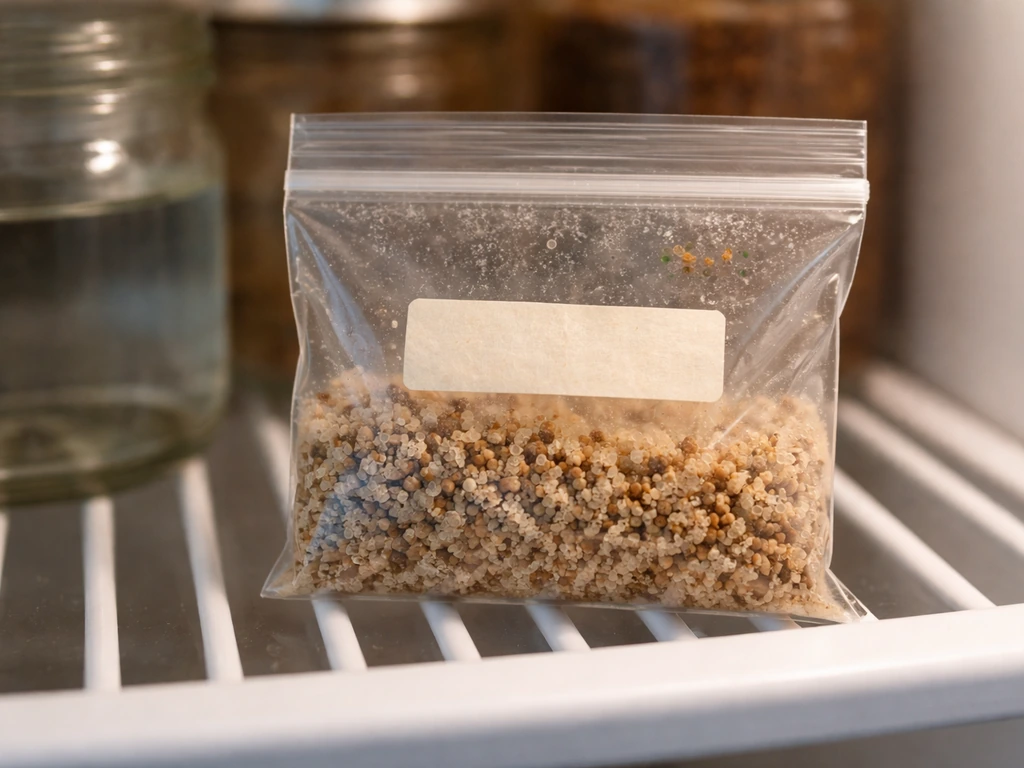
- Refrigerator stratification: Mix seeds with barely moist vermiculite or a damp paper towel, seal in a plastic bag, and keep in the fridge at around 35–40°F (2–4°C) for 4 to 6 weeks before sowing.
- Autumn sowing outdoors: Sow seeds in a pot or tray in autumn and overwinter them in a cold frame. The natural cold period does the stratification work for you, removing the need to do anything artificial.
The autumn cold-frame method is honestly the easier route if you have the space. You sow in October or November, the seeds get their cold period naturally through winter, and seedlings emerge in spring when conditions are right.
Indoor sowing for spring planting
If you're sowing indoors for spring, start seeds in January or February after your stratification period. Fill a tray or modules with seed compost and gently press the seeds onto the surface. Do not cover them with compost. Geum seeds need light to germinate, so burying them even shallowly will reduce your germination rate significantly. Mist the surface to keep it consistently moist, and place the tray somewhere warm, around 65–70°F (18–21°C).
Expect to see the first signs of radicle (root) emergence in 7 to 10 days under good conditions. Full germination typically takes 21 to 28 days, though it can occasionally stretch longer, especially if your stratification wasn't complete or temperatures fluctuate. Once seedlings have two or three true leaves, prick them out into individual small pots and grow on in a bright, frost-free spot until ready to plant out.
Planting geums step-by-step
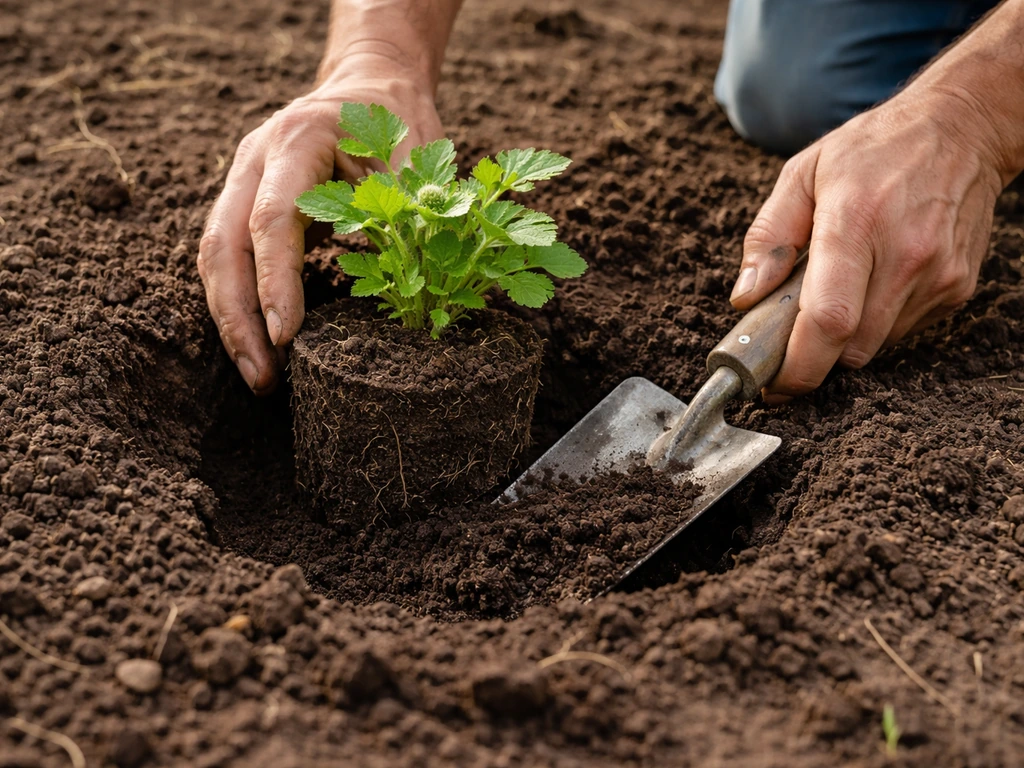
Planting in the ground
- Choose a site with good sun and well-drained soil. Improve heavy clay with grit and compost before planting.
- Dig a hole slightly larger than the root ball. Work a handful of general fertilizer or compost into the base.
- Set the plant so the crown (where the leaves meet the roots) sits at soil level. Do not plant too deep or the crown can rot.
- Backfill and firm gently around the roots, then water thoroughly to settle the soil.
- Apply a mulch of compost around the plant, keeping it a few inches back from the crown to allow airflow and reduce rot risk.
- Water regularly through the first spring and summer while the plant establishes.
Growing geums in pots
Geums grow well in containers, and a pot of at least 30cm (about 12 inches) in diameter gives the roots enough room to establish properly. Use a good-quality, peat-free compost mixed with some grit for drainage. Plant at the same crown-level depth as you would in the ground, and keep the compost clear of the crown to reduce rot risk. Pots dry out faster than borders, so you'll need to water more frequently through the growing season.
The main challenge with potted geums over winter is that exposed containers offer very little root insulation. Move pots into an unheated garage, shed, or cold frame when hard frosts are forecast. Even just pushing pots together against a sheltered wall helps significantly. The crown and roots are the vulnerable parts, not the top growth.
Care through the season
Watering
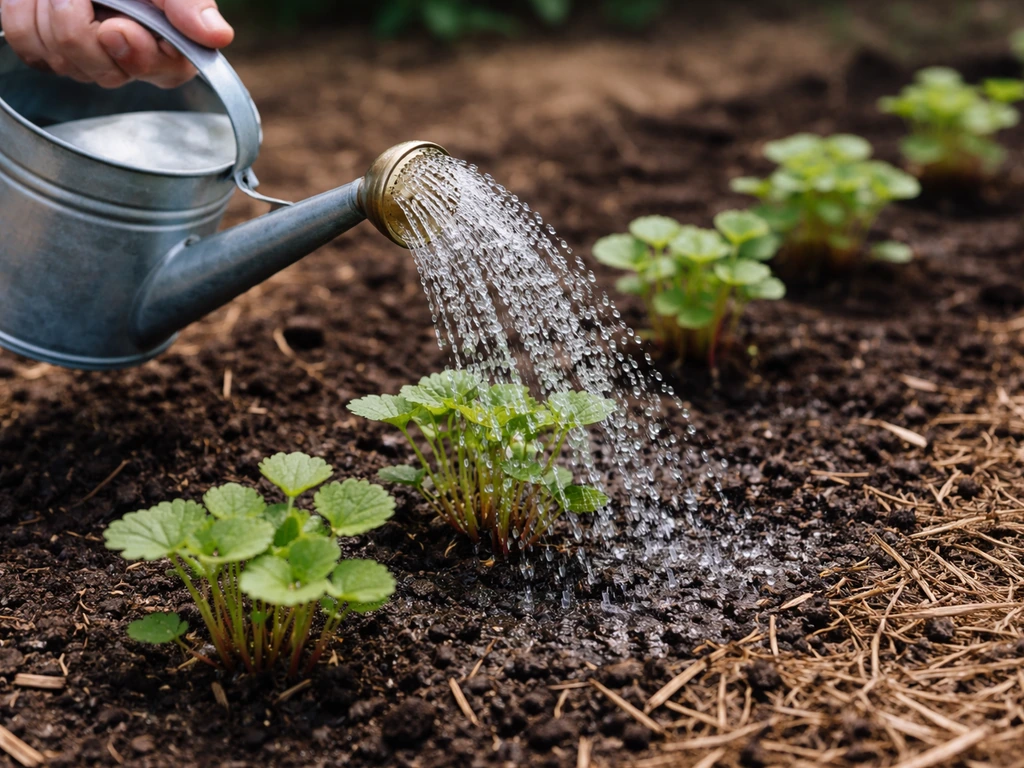
Geums need consistent moisture, especially in their first season after planting. Water in dry spells, particularly through that first spring and summer while the root system is establishing. Once established, they're reasonably tolerant of short dry periods, but prolonged drought will reduce flowering. The key balance is moist but never waterlogged, and especially dry in winter. If you're in a rainy climate with heavy soil, drainage is your priority.
Feeding
Geums aren't heavy feeders, but they do perform better in fertile soil. A top-dress of general-purpose fertilizer or a layer of garden compost in early spring gets them off to a good start. For container-grown plants, a balanced liquid feed every two to three weeks through the growing season compensates for nutrients being washed out with regular watering.
Deadheading and repeat blooms
This is the care step that makes the biggest difference to how long your geums flower. Cut spent flowering stems down to the base as soon as the blooms fade. This encourages the plant to send up more flower stems rather than putting energy into seed production. Regular deadheading can extend flowering by weeks, and on varieties like 'Totally Tangerine' it helps sustain that long summer-to-fall display. It also tidies up the plant considerably. If you want to collect seed, leave a few heads to develop at the end of the season.
Dividing for long-term health
Geums benefit from being lifted and divided every three to four years. Over time the clump becomes congested, flowering decreases, and the centre of the plant can die out. Lift the whole clump in early spring or autumn, split it into smaller sections with healthy roots and shoots using a spade or two forks back-to-back, and replant the vigorous outer portions. Discard the tired centre. This keeps the plants flowering well and is also an easy way to multiply your stock. Note that seed-raised geums will vary slightly in flower colour, while divisions are exact copies of the parent plant.
Troubleshooting common problems
Poor or slow germination
If seeds aren't germinating after four weeks, the most likely cause is skipped or insufficient stratification. Geum seeds need that cold period, and without it many will simply sit dormant. The second common mistake is covering the seeds with compost, which blocks the light required for germination. Check that your growing medium stays consistently moist (not wet) and that temperatures are in the 65–70°F range. If germination is patchy, don't give up immediately: some seeds in a batch can take longer than others.
Weak, leggy, or non-flowering plants
Leggy seedlings indoors almost always mean insufficient light. Move them closer to a bright window or under grow lights. In the garden, geums planted in too much shade will produce plenty of foliage but very few flowers. If a plant that flowered well previously stops performing, it's often a congested clump that needs dividing. Try lifting and splitting it in early spring. Also check that you haven't been planting in a spot where water pools, as consistently wet roots stress the plant and reduce vigour.
Pests and disease
The most geum-specific pest to know about is geum sawfly. The larvae appear in spring and summer and feed on the leaves, sometimes reducing them to a skeleton of veins. Inspect plants regularly from late spring onward. If you catch an infestation early, pick larvae off by hand or use a jet of water to dislodge them. Larger infestations may need an appropriate insecticide. Crown rot is the most serious disease issue, and it's almost always caused by poor drainage or waterlogging. If you lose plants to crown rot, improve drainage in that spot before replanting. Slugs and snails will also go for young seedlings and newly planted divisions, so protect early-stage plants with appropriate measures.
Overwintering and winter losses
Most geums are hardy to Zone 4 or 5 in the ground, but they're far more vulnerable to wet winter soils than to cold alone. Fine Gardening’s trial notes say geums should avoid [wet winter soils](https://images. finegardening. com/app/uploads/2020/05/15162449/FG144HA.
pdf) and that their trials used well-drained, alkaline, clay-loam soil in Zone 5 in full sun. The combination of cold and waterlogging is what kills them. Make sure drainage is good before winter arrives, and avoid mulching right up to the crown, which traps moisture and encourages rot. A light mulch of grit or coarse bark a few inches back from the crown gives some frost protection without holding water against the plant.
For pot-grown geums, move containers somewhere sheltered or into an unheated frost-free space during the coldest months. Roots in pots are exposed to air from all sides and freeze far faster than in-ground plants.
Seasonal calendar: when to sow, plant, and expect flowers
| Month / Period | What to Do |
|---|---|
| October–November | Sow seeds in pots and place in a cold frame for natural stratification over winter |
| January–February | Start stratified seeds indoors under lights or on a bright windowsill (after 4–6 weeks in the fridge) |
| March–April | Prick out seedlings into individual pots; grow on in a frost-free space; top-dress established plants with compost or fertilizer |
| April–May (after last frost) | Plant out hardened-off seedlings and pot-grown plants; plant container-bought plants into ground or pots |
| May–June | First flowers on G. coccineum and 'Werner Arends'; water newly planted specimens regularly |
| June–September | Peak flowering for most varieties; deadhead spent stems regularly to extend blooming; 'Totally Tangerine' continues through fall |
| September–October | Divide congested clumps; allow a few seed heads to form if collecting seed; reduce watering as growth slows |
| October–March | Ensure good winter drainage; protect pot-grown plants from hard frosts; leave foliage as light crown protection in cold regions |
Your next steps right now
If it's late spring and you've missed the seed-sowing window, the fastest route to flowers this year is buying plug plants or pot-grown geums from a nursery and planting them out now, after your last frost date. If you are also wondering how to grow gypsophila, look for similar tips on choosing the right light and well-drained soil to support strong growth. Get them into well-drained, fertile soil in a sunny spot, water them in well, and start deadheading as soon as the first flush of flowers fades.
If you need more general tips on how to grow geranium plant in terms of site and watering, the same focus on drainage and consistent moisture will help you succeed. For next year, start stratifying seeds in the fridge from around December, or sow in a cold frame this coming autumn.
The investment in getting the conditions right at the start, especially drainage and site choice, pays off for years because a well-placed geum will keep coming back and filling out season after season.
If you're also growing other cottage garden perennials, geums sit well alongside plants with similar sunny border preferences. If you're also growing other cottage garden perennials, geums sit well alongside plants with similar sunny border preferences, and you may also like this guide on how to grow gerbera plants. Climbing geraniums need similar attention to sun and drainage, so once you understand those basics you can tackle their specific growing requirements too. Gerberas and gypsophila share some site requirements worth comparing if you're planning a mixed border, and if you're already growing geraniums or pelargoniums, the care rhythms are fairly compatible in terms of watering and feeding approach.
FAQ
Can I save geum seeds and expect the same flower colors next year?
Yes, but with a major caveat: many geums are difficult to grow true-to-type from saved seed. If you want predictable flower color and habit, use divisions or buy named nursery plants. Seed-raised seedlings can also vary in flowering time by a few weeks.
How long does it take for geums grown from seed to bloom?
Geums can take a while to flower from seed. Even when germination works, expect at least a season or two before full, reliable blooms, depending on temperature, light, and how well seedlings establish. Keep them consistently moist the first year, but prevent soggy winter conditions.
My geum seeds sprouted but the seedlings stopped growing, what should I check first?
If radicles appear but growth stalls, it usually comes down to temperature swings or insufficient light after pricking out. Move seedlings to a brighter spot and avoid letting compost dry out completely, but do not overwater. Persistent stalling can also indicate cold storage too early, especially if your seedlings are not hardened off.
Should I water geums the same way in summer and winter?
Yes, but do it carefully. Water thoroughly after planting, then keep the soil evenly moist during the active growing season. In winter, reduce watering and focus on drainage, because the crown rot risk comes from waterlogging more than from cold.
Can I mulch geums, and how close should mulch be to the crown?
Use a light hand with mulch near the crown. Keep mulch a few inches away from the crown so moisture does not sit against it. A mulch that holds water (like thick, fine organic material) can raise rot risk on heavy soils, especially in wet winters.
What container and potting mix details matter most for preventing crown rot?
For container geums, the potting mix should drain quickly and the container must have drainage holes. In addition, ensure the crown sits at the same level as in the ground and that the compost is not heaped around the crown. If you keep containers too large or too water-retentive, you increase the chance of crown rot.
Why does my geum have lots of leaves but few flowers?
Usually, slow flowering comes from site mismatch (too much shade), waterlogged roots, or an overcrowded clump. If the plant used to bloom well and then declines, lift and divide in early spring or autumn. Also check that you are deadheading promptly to reduce energy spent on seed production.
How can I control geum sawfly without damaging my whole garden?
Geum sawfly larvae are easiest to manage early. Inspect from late spring onward and remove visible larvae by hand or dislodge them with a strong spray. If damage is widespread, use a suitable insecticide labeled for the pest on your crop, and follow timing instructions so you hit larvae when they are feeding.
How do I know if my soil drains well enough for geums?
A quick test is to observe whether water pools after rain, especially around the crown area. If it does, improve drainage before planting. For clay soils, work in grit plus organic matter at planting time and consider raised beds or planting in a spot with natural runoff.
I missed sowing time this year, what’s the best way to still get flowers?
In mid to late spring, the fastest path is to buy established plug or pot plants and plant them into sunny, well-drained soil, then start deadheading after the first flush. If you choose seed instead, you may get foliage the first year but delayed blooms. The tradeoff is that nursery plants skip the stratification and early establishment risk.
How to Grow Gerbera Plants Step by Step Guide
Step-by-step guide to grow gerbera plants from seed or cuttings, with care tips, bloom schedule, and troubleshooting.