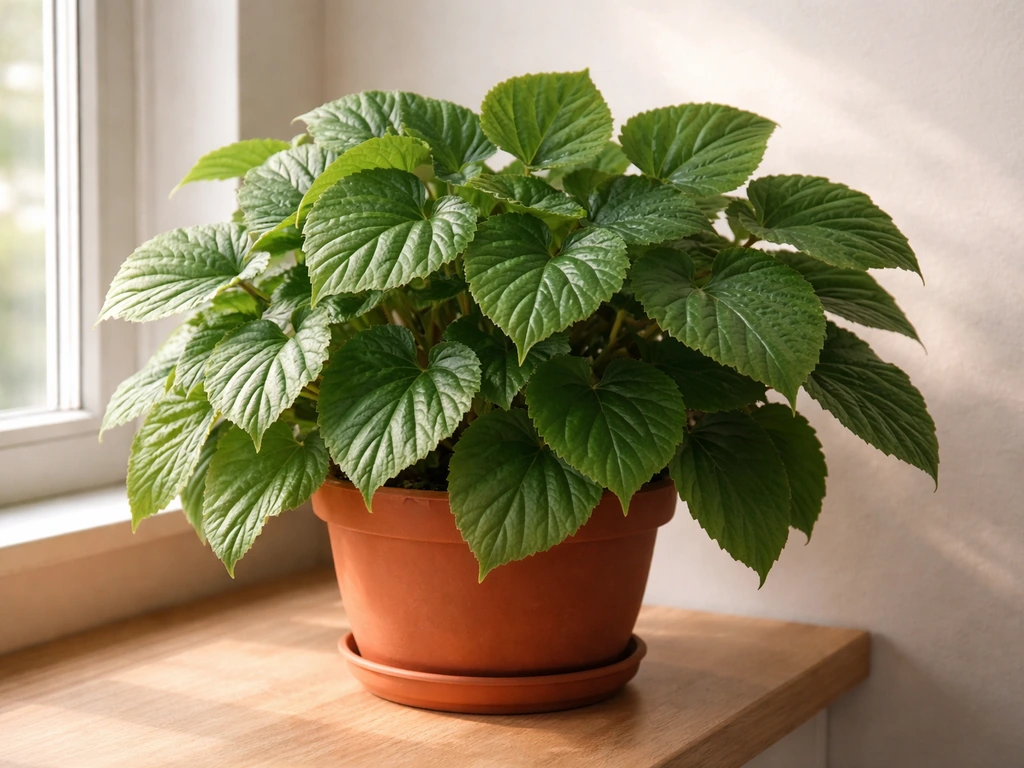
Begonias begin active growth when soil temperatures consistently sit between 18–24°C (65–75°F) and nights stay reliably above 10°C (50°F). In practice, that means most gardeners can expect seeds to sprout within 7–21 days of surface-sowing indoors, tubers to push visible shoots within 2–6 weeks of pre-sprouting, and stem cuttings to anchor with roots within 2–4 weeks under gentle bottom heat. Outdoors, that growth window typically opens after your last frost date, once nighttime temperatures have stabilized above 50°F for at least a week or two.
When Do Begonias Start to Grow? Timing, Types & Planting Calendar

Harriet Whitmore
8 Aug 2026
How begonia type changes your timing
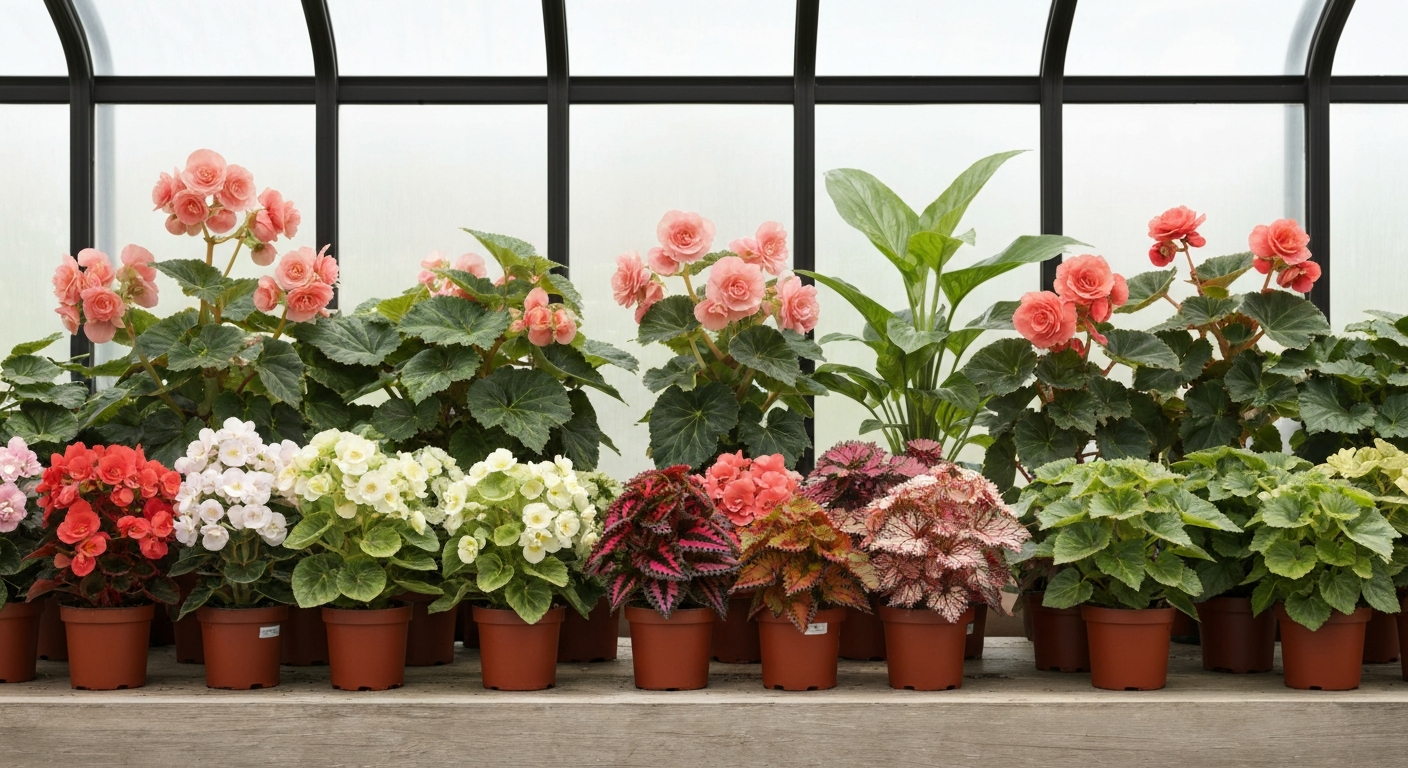
Begonias are not one plant. The group includes six commonly grown types, and their growth habits are genuinely different enough that the timing advice for one type can actively mislead you on another. I learned this the hard way when I started tuberous begonias on the same schedule as my wax begonias and wondered why they were so far behind. Here is how variety shapes your planting calendar.
| Type | Propagation Method | Growth Start Trigger | Sow/Start Indoors | Weeks to Transplant-Ready | Weeks to First Bloom |
|---|---|---|---|---|---|
| Wax/Fibrous (semperflorens) | Seed, cuttings | Warmth + light (21–24°C) | 14–16 weeks before last frost | 7–9 weeks (plug) | 6–10 weeks after transplant |
| Tuberous (×tuberhybrida) | Tuber, seed | Warmth + moisture (20–22°C) | 10–12 weeks before last frost (tuber) | 4–6 weeks (tuber sprout to pot) | 12–15 weeks from tuber start |
| Rex | Leaf/rhizome cuttings | Warmth + humidity (21–24°C) | Year-round (houseplant) | 6–10 weeks (leaf cutting) | Grown mainly for foliage |
| Cane (angel wing) | Stem cuttings | Warmth + indirect light | Year-round or spring | 3–5 weeks (cutting) | 8–16 weeks from cutting |
| Rhizomatous | Rhizome division, leaf cuttings | Warmth + moisture | Year-round (houseplant) | 4–8 weeks | Grown mainly for foliage |
| Nonstop (tuberous hybrid) | Seed, tuber | Warmth + light (21–24°C) | 16–18 weeks before last frost (seed) | 8–10 weeks (plug) | 14–20 weeks from seed |
Wax begonias are the fastest from seed and the most forgiving. Tuberous types, including the popular Nonstop series, are slower and need a longer indoor head start. Rex and rhizomatous begonias are almost exclusively grown as houseplants through vegetative propagation, so their timing is less about frost dates and more about ambient temperature and humidity in your home or greenhouse.
When to start each type: seeds, tubers, rhizomes, and cuttings
Seeds
Wax begonia seeds should be started 14–16 weeks before your anticipated last frost date. That sounds like a long lead time, but these seeds are tiny (they look like dust) and the seedlings grow slowly at first. Tuberous begonias grown from seed, including Nonstop varieties, need an even longer head start: 16–18 weeks before last frost. The extra time accounts for their slower germination (15–20 days compared to 10–14 days for wax types) and the additional weeks needed to build a strong enough root system to survive transplanting.
Tubers and rhizomes
Tuberous begonias started from dry tubers are best pre-sprouted in damp vermiculite or peat about 10–12 weeks before your last frost date. At room temperature (around 20–22°C), you will see buds pushing through within 2–4 weeks. Once sprouts reach about 1 cm (roughly half an inch), move them into pots with proper potting mix. Rhizomatous begonias and rex begonias can be divided or propagated at almost any time of year if you are growing them as houseplants, but late winter to early spring is a natural choice if you want new growth to coincide with the longer light days ahead.
Cuttings
Stem cuttings from fibrous and cane begonias root most reliably when taken in early spring or late summer. Spring cuttings benefit from increasing day length and rising temperatures. Late summer cuttings can be rooted and overwintered indoors. Rex and rhizomatous types are best propagated from leaf or leaf-wedge cuttings, which produce rooted plantlets from the wounded veins within 4–8 weeks.
Planting calendar by method and climate
The single most useful thing I can tell you is to anchor your entire begonia schedule to your last spring frost date and the point when nighttime temperatures stop dipping below 10°C (50°F). Use whichever comes later as your outdoor planting date, then count backward to set your indoor start dates. The table below translates that into concrete calendar windows for the three main USDA climate bands. See our detailed guide 'Begonias: How to Grow' for complete, step-by-step instructions on timing, sowing, and care begonias how to grow.
| Climate / Frost Zone | Approx. Last Frost | Nights Reach 50°F | Start Seeds Indoors | Start Tubers Indoors | Safe Outdoor Plant Date |
|---|---|---|---|---|---|
| Cool (Zones 4–5) | Late May | Early June | Mid-January (wax); Early January (tuberous/Nonstop) | Mid-March | Early June |
| Moderate (Zones 6–7) | Mid-April | Late April | Late December (wax); Early December (tuberous/Nonstop) | Early February | Early to mid-May |
| Warm (Zones 8–9) | Early March | Late March | Early November (wax); Late October (tuberous/Nonstop) | Late December | Late March to early April |
| Mild/year-round (Zone 10+) | No frost | Year-round | Anytime; cooler months preferred | Anytime | Anytime after cool season |
If you are in Zone 6 with a last frost around mid-April, your seed-sowing window for wax begonias opens in late December or very early January. That feels early, but those plants need the full 7–9 weeks to develop into transplant-ready plugs, plus the hardening-off period before they go outside.
Indoor sowing versus outdoor planting: temperature rules and dates
Begonia seeds require a substrate (not air) temperature of 21–24°C (70–75°F) to germinate well. That is warmer than most homes in January, which is why a heat mat is one of the most useful tools you can buy for starting these plants. Air temperature is less critical at this stage than the warmth at root level. Once seedlings have their first true leaves and you are approaching transplant, you can drop temperatures slightly (to around 18–21°C) to promote sturdy, compact growth.
For outdoor planting, the hard rule is this: do not put begonias outside until nights are consistently above 10°C (50°F). A single cold night at 7°C will not kill them, but repeated chilly nights will stall growth, cause leaf yellowing, and leave plants vulnerable to fungal problems. In cool climates, that often means waiting until June even though the last frost passed in May. The extra patience is worth it: plants put out after this threshold almost always catch up to and outgrow plants set out too early and then damaged by cold.
Germination and sprout timing in days and weeks
One of the most common beginner frustrations is staring at a tray of nothing and wondering whether anything is happening. Here are the realistic windows to set your expectations.
| Start Method / Type | Visible Sign | Typical Timing | Optimal Substrate Temp |
|---|---|---|---|
| Wax begonia seed | Cotyledons above surface | 10–14 days | 21–24°C (70–75°F) |
| Tuberous begonia seed | Cotyledons above surface | 15–20 days | 21–24°C (70–75°F) |
| Nonstop begonia seed | Cotyledons above surface | 14–21 days | 22–25°C (72–77°F) |
| Tuber (pre-sprouted) | Bud break, visible shoot | 14–28 days | 20–22°C (68–72°F) |
| Rhizome division | New shoot from node | 14–28 days | 20–24°C (68–75°F) |
| Stem cutting (fibrous/cane) | Roots anchoring, new leaf growth | 14–28 days | 21–25°C (70–77°F) |
| Rex leaf/leaf-wedge cutting | Callus, then plantlets at veins | 28–56 days | 21–24°C (70–75°F) |
If you are past 21 days and still seeing nothing from seeds, the most common culprits are substrate temperature that is too cool (check the surface of the tray, not your room thermostat), seeds that got buried under medium instead of staying on the surface, or medium that dried out even briefly during the critical first week. Begonia seeds are photoblastic, meaning they need light to germinate, so covering them even lightly can block the signal they need to break dormancy.
Step-by-step checklists for each starting method
Starting from seed
- Fill a seed tray with fine, sterile peat/perlite or peat/vermiculite mix and moisten thoroughly before sowing.
- Scatter seeds on the surface without covering them. Press very lightly to ensure contact with the medium.
- Place a humidity dome over the tray and set it on a heat mat calibrated to 21–24°C (70–75°F) substrate temperature.
- Position the tray under grow lights (14–16 hours of light per day) as soon as seeds are sown. Light is required for germination.
- Check moisture daily. Mist the surface if it begins to lighten in color. Never let it dry out completely.
- Expect cotyledons in 10–21 days depending on type. Remove the dome once most seedlings are up.
- At first true leaves (1–3 weeks after germination), thin or prick out into individual cells.
- Grow on at 18–21°C under bright light until the plug holds together and 2–3 sets of true leaves are present before transplanting.
Starting tubers
- About 10–12 weeks before your outdoor planting date, place dry tubers hollow-side up in a shallow tray of barely damp vermiculite or peat.
- Keep the tray in a warm spot at 20–22°C. Do not bury tubers or overwater at this stage.
- Check weekly for bud development. Expect visible buds or shoots within 2–4 weeks.
- Once shoots reach approximately 1 cm (0.5 in), pot up individually into well-draining potting mix with the tuber just below the surface.
- Water modestly at first and increase as shoots develop. Place in bright, indirect light.
- Grow on until plants are sturdy and nighttime temperatures outside are reliably above 10°C before considering outdoor placement.
Starting cuttings (stem and leaf)
- Take a 7–10 cm (3–4 in) stem cutting just below a node, or cut a healthy leaf with an inch of petiole for rex/rhizomatous types.
- Allow the cut end to callus for 30–60 minutes before inserting into rooting medium.
- Optionally dip the basal cut end in IBA rooting hormone (150–500 ppm for stem cuttings) to speed rooting.
- Insert cuttings into pre-moistened perlite, vermiculite, or a 50/50 perlite/peat mix.
- Cover with a humidity dome or clear plastic bag and place on a heat mat at 21–25°C substrate temperature.
- Check for rooting by gently tugging at 2-week intervals. Resistance means roots have formed.
- Once roots are established (typically 2–4 weeks for stems, 4–8 weeks for leaf cuttings), pot up into standard begonia mix and grow on in bright indirect light.
Temperature, light, soil, and water: the four levers that start growth
Temperature is the main switch. Below 10°C, begonias stall or die. Between 10–18°C, they grow slowly and reluctantly. The sweet spot for active, healthy growth is 18–24°C (65–75°F), and that is the range you want to maintain from germination through the seedling stage. For practical care steps and troubleshooting on how to help begonias grow, see our detailed care guide. Tuberous begonias are comfortable at the cooler end of that range (around 18°C for plugs), while wax and Nonstop types prefer the warmer end (21–24°C).
Light matters almost as much as temperature, especially for seeds. As noted above, begonia seeds will not germinate without light because they are photoblastic. Once seedlings emerge, they need bright, consistent light for at least 14–16 hours per day under artificial conditions, or a south or east-facing window supplemented with grow lights during the short days of winter. Stretchy, pale seedlings are a sign of insufficient light, not insufficient warmth.
Soil should be fine-textured, well-draining, and sterilized for seed starting. A peat/perlite or peat/vermiculite mix at roughly 50/50 works well. Once seedlings are potted on, a quality peat-based potting mix with added perlite (about 20–25% by volume) keeps the medium from compacting and reduces rot risk. Begonias are extremely susceptible to stem rot if media stays waterlogged.
Watering during germination should keep the medium consistently moist but not saturated. After germination, allow the top 1–2 cm of medium to approach dryness before watering again. Bottom watering (placing trays in water and allowing the mix to absorb moisture from below) works particularly well for begonia seedlings because it keeps the soil surface drier, reducing the risk of damping-off fungus.
Signs of early growth and when to pot on or plant out
For seeds, the sequence goes: cotyledons emerge, then the first true leaves appear 1–3 weeks later. True leaves on begonias look distinctly different from the tiny rounded cotyledons: they have the characteristic asymmetrical, lobed shape you recognize from mature plants. The seedling is ready to prick out or move to an individual cell when it has at least one set of true leaves and the root system holds the tiny plug together without crumbling.
For tubers, the transplant cue is a shoot of around 1 cm with at least one visible node. For cuttings, gently tug the cutting after two weeks and every few days after that: resistance indicates rooting. Visible roots emerging from drainage holes or the sides of a clear cup are a more obvious signal.
For outdoor planting, wait until your plugs or potted transplants have 3–4 sets of leaves and have been hardened off over 7–10 days. Hardening off means gradually introducing plants to outdoor conditions: start with a couple of hours of morning shade, then increase exposure over the week to include some direct sun and outdoor temperatures. Plants that skip this step get leaf scorch and set back noticeably.
From start to first flowers: realistic timelines
Setting clear expectations here saves a lot of anxiety. Begonias are not fast bloomers from seed, and the tuberous types especially require patience.
- Wax begonias from seed: 7–9 weeks to a transplantable plug, then 6–10 weeks after transplant to first flowers. Total from sowing: approximately 13–19 weeks.
- Tuberous begonias from dry tuber: 2–4 weeks to bud break, then pot up and grow for another 8–12 weeks to first flowers. Total: approximately 12–15 weeks.
- Tuberous begonias from seed (including Nonstop types): 14–21 days to germination, 16–18 weeks to a flowering-size plant. Total: up to 20 weeks or more.
- Cane begonias from stem cutting: 2–4 weeks to rooted cutting, then 6–12 weeks to first flowers depending on variety and light levels.
- Rex and rhizomatous begonias: grown primarily for foliage; leaf cuttings take 4–8 weeks to produce rooted plantlets, and mature leaf display follows over several more weeks.
Variety recommendations from beginner to experienced grower
If you are new to begonias, start with wax/fibrous types. If you're wondering are begonias easy to grow, wax and fibrous types are among the simplest for beginners. They germinate reliably, tolerate minor neglect, handle both sun and shade reasonably well, and flower prolifically right through summer. The Ambassador and Cocktail series are widely available and forgiving. For anyone keen on trying Nonstop begonias (a tuberous hybrid bred for continuous flowering and compact habit), they reward the longer sowing schedule with spectacular blooms, but expect a steeper learning curve around watering and overwintering. Experienced growers who enjoy a challenge often gravitate toward rex and cane types for their foliage drama or tuberous heirlooms for their large, rose-like flowers.
| Type / Variety | Best For | Difficulty | Key Seasonal Trait | Grows Best As |
|---|---|---|---|---|
| Wax (Ambassador, Cocktail) | Beginners, mass planting | Easy | Continuous summer bloom, frost tender | Annual bedding / container |
| Tuberous (heirloom varieties) | Experienced, specimen plants | Moderate-Hard | Large flowers, dormant in winter | Pot plant / summer bed |
| Nonstop (tuberous hybrid) | Intermediate, containers | Moderate | Long bloom period, compact | Container / hanging basket |
| Cane / Angel Wing | Intermediate, indoor/patio | Moderate | Year-round indoor bloomer | Houseplant / patio pot |
| Rex (Rex cultorum hybrids) | Experienced, foliage lovers | Moderate | Grown for foliage, year-round indoors | Houseplant |
| Rhizomatous | Experienced, low-maintenance indoor | Easy-Moderate | Drought-tolerant, shade-tolerant indoors | Houseplant |
Keeping them blooming: deadheading, feeding, and pinching
Wax begonias are largely self-cleaning, meaning spent flowers drop on their own, but removing faded blooms by hand when you see them speeds up the next flush and keeps plants tidy. Tuberous begonias benefit more noticeably from deadheading: the large male flowers fade before the smaller female side-flowers, and removing them promptly keeps the plant's energy directed at new growth.
Feeding should begin once plants are established and actively growing (about 2–3 weeks after transplanting outdoors or into final pots). Use a balanced, water-soluble fertilizer (roughly 10-10-10 or similar) every two weeks during the growing season. As flowering peaks, you can shift to a slightly higher potassium formula to support continued bloom. Avoid overfeeding with nitrogen, which pushes leafy growth at the expense of flowers.
Pinching, which means removing the growing tip of young plants, encourages branching and a denser, more floriferous plant. Do this once when seedlings have 3–4 sets of true leaves and you want a bushier habit. Nonstop and wax begonias do not always need pinching because they naturally branch, but cane and fibrous types grown for a specific shape benefit noticeably from one or two early pinches.
Propagation timing and practical how-to cues
The best time to take stem cuttings from fibrous and cane begonias is early spring (when new growth is soft and active) or late summer (August through early September) before temperatures drop. Spring cuttings take root under improving light and warmth; late summer cuttings can be overwintered indoors as established plants ready to bloom again the following year. Stem cuttings should be 7–10 cm long, cut just below a node, and the lower leaves removed before inserting into your rooting medium. For quicker, more reliable rooting, propagation manuals commonly recommend basal quick‑dips or continual sprays of IBA in the ~150–500 ppm range for herbaceous/soft cuttings, with foliar/spray methods using lower concentrations around 50–250 ppm (Hortus, Plant Propagation from Cuttings (rooting‑hormone concentration guidelines)) blank" rel="noopener noreferrer">Hortus — Plant Propagation from Cuttings (rooting‑hormone concentration guidelines).
Rhizome division for rex and rhizomatous types is best done in early spring. Use a clean, sharp knife to cut the rhizome into sections with at least one healthy growth node each. Dust cut surfaces with powdered cinnamon or sulfur to reduce rot risk, then press sections onto (not into) barely moist medium and wait for shoot development.
For tuberous begonias, tuber division is an option when tubers have become large and multi-crowned. In late winter or early spring before pre-sprouting, cut the tuber into sections ensuring each piece has at least one bud or growing eye. Again, dust cut surfaces to discourage rot, allow them to dry for a day, then pre-sprout in moist vermiculite as you would a whole tuber.
Overwintering: when and how by type
Tuberous begonias must be lifted and stored before the first frost. In most climates, that means watching the forecast from September onward. When foliage starts to yellow and die back naturally (or when frost is a week away), cut stems down to about 5 cm, dig the tubers, brush off excess soil, and let them cure in a dry, airy spot for 1–2 weeks. Then store in barely damp peat or vermiculite in a cool (7–13°C), dark, frost-free location through winter. Check monthly for shriveling or rot.
Wax begonias are treated as annuals in most climates and composted at season's end, though you can take cuttings in late summer and overwinter rooted plants indoors. Nonstop begonias can be overwintered the same way as other tuberous types.
Cane, rex, and rhizomatous begonias are frost-tender houseplants and need no dormancy treatment: simply bring them indoors before temperatures drop below 10°C and reduce watering through the lower-light winter months. They will slow down but should not be allowed to dry out completely.
Troubleshooting the most common problems
Poor or no germination
The most likely cause is seeds that were buried or covered, even lightly. Begonia seeds need light to germinate. Second-most common is substrate temperature below 21°C. Check with a soil thermometer, not a room thermometer. Old seed (begonia seed viability drops significantly after 1–2 years) is also a real factor. If you are past 21 days with no signs of life, the seed batch is probably the issue.
Slow sprouting from tubers
Older or dried-out tubers that were stored poorly may take longer to break dormancy. Soaking dry tubers in tepid water for a few hours before pre-sprouting can help rehydrate them and trigger faster bud break. If a tuber shows no signs of life after 4–5 weeks, press gently on it: if it feels hollow or very soft, it has likely rotted internally and will not recover.
Stem rot and damping off
This is the number-one killer of young begonia seedlings and freshly potted cuttings. It is caused by overwatering combined with poor airflow. Improve drainage, water from the bottom rather than overhead, and increase airflow around seedlings by lifting dome vents or removing the dome for short periods each day once germination is complete. Sterilized growing medium is non-negotiable for seeds and cuttings.
Pests to watch for
Begonias in humid indoor conditions attract fungus gnats (larvae damage roots), mealybugs (especially in rex and cane types), and occasionally spider mites when conditions are warm and dry. Fungus gnats are best controlled by allowing the medium surface to dry between waterings and using yellow sticky traps. Mealybugs respond to repeated dabbing with a cotton swab dipped in rubbing alcohol or neem oil spray. Spider mites are discouraged by maintaining humidity and washing foliage regularly.
Nutrient issues
Yellowing lower leaves on established begonias often signal nitrogen deficiency, especially in containers where nutrients leach with repeated watering. Resume a regular feeding schedule. Conversely, pale, stretched growth with few flowers typically indicates excess nitrogen and insufficient light, not a nutrient deficiency. Brown leaf edges in low-humidity environments are usually a moisture stress or salt buildup issue, not a disease.
Seasonal action plan: from first sow to reliable bloom
Use this stage-based checklist alongside your local frost calendar. Adjust each stage's timing backward from your outdoor planting date using the guidelines covered earlier.
| Stage | Timing (weeks before outdoor planting) | Key Actions |
|---|---|---|
| Stage 1: Seed sowing | 16–18 weeks (tuberous/Nonstop) or 14–16 weeks (wax) | Surface-sow on sterile mix, apply bottom heat 21–24°C, cover with dome, provide 14–16 hrs light |
| Stage 2: Germination | Approx. 13–17 weeks before planting | Monitor moisture daily, expect cotyledons in 10–21 days, remove dome once majority germinated |
| Stage 3: First true leaves | Approx. 10–14 weeks before planting | Prick out into individual cells, lower temps slightly to 18–21°C, begin very dilute fertilizer |
| Stage 4: Plug development | Approx. 6–10 weeks before planting | Grow on in bright light, water from below, increase fertilizer to full recommended rate |
| Stage 5: Tuber pre-sprouting (tuber growers) | 10–12 weeks before planting | Place tubers hollow-side up in damp vermiculite at 20–22°C, check weekly for bud break |
| Stage 6: Tubers into pots | 8–10 weeks before planting | Pot on once shoots reach 1 cm, grow in bright indirect light, water modestly at first |
| Stage 7: Hardening off | 1–2 weeks before planting | Introduce plants to outdoor conditions gradually over 7–10 days, watch night temps |
| Stage 8: Outdoor planting | After last frost + nights above 10°C | Plant out, water in well, begin regular feeding every 2 weeks |
| Stage 9: Active bloom | 6–15 weeks after planting (type-dependent) | Deadhead regularly, maintain feeding, pinch for bushiness if needed |
| Stage 10: End of season | After first frost warning (tuberous) | Lift and store tubers, take cuttings of fibrous types, bring houseplant types indoors |
Begonias reward the gardener who plans ahead more than almost any other summer flower. The initial investment in getting timing right: counting back from frost dates, starting seeds early enough, pre-sprouting tubers at the correct temperature, is what separates reliable, floriferous plants from the sparse, struggling ones. Once you have done it once and seen those Nonstop begonias blooming all summer long or watched your wax begonias fill a border from June to frost, the planning becomes second nature.
FAQ
Operationally, what does “when do begonias start to grow” mean?
“Start to grow” = visible radicle/cotyledon emergence (seedlings), first true‑leaf expansion, visible bud/shoot break from a tuber or rhizome, or formation of callus and tiny plantlets from leaf cuttings. Also includes measurable root anchoring of the plug or cutting.
General timing overview — when do the main begonia types begin active growth?
Seeds (wax/fibrous hybrids): germination in ~7–21 days (commonly 10–14 days at 21–24°C). Tuberous from dry tuber (pre‑sprouted): visible buds in 2–4 weeks at ~20–22°C; flowering ~12–15 weeks from sprout. Cuttings (softstem): rooting/anchoring in ~2–4 weeks; rex/leaf cuttings: callus/plantlets in ~4–8 weeks. Rhizome divisions: new shoots in 2–6 weeks depending on temperature and moisture.
Planting calendar by method and climate cue (concise)
Indoor sowing (seeds, cuttings, pre‑sprouting tubers): start 8–12 weeks before desired outdoor planting/bloom. Seeds (wax/fibrous): sow 8–10 weeks before last frost. Tuber pre‑sprout indoors: 6–10 weeks before planting out. Cuttings: start anytime indoors with heat/humidity; 4–8 weeks to usable plants. Outdoor planting: wait until nights consistently >10°C (≈50°F) and all frost danger has passed. Use local last‑frost date as anchor.
Species/variety schedules — how variety affects timing and what to choose
Wax/fibrous (Begonia x semperflorens‑cultorum): fastest from seed; 7–14 day germination, bloom soon after transplant. Tuberous (Begonia ×tuberhybrida): slower—pre‑sprout tubers 2–4 weeks, bloom 12–15 weeks from sprout. Rex and rhizomatous: usually vegetative, propagated by division or leaf cuttings; not commonly grown from seed by home gardeners. Cane and Nonstop/Boliviensis types: moderate speed from cuttings/seed; continuous‑bloom types may flower earlier. Choose wax/fibrous for quick bedding color; tuberous for large showy flowers; rex for foliage.
Checklist — starting begonias from seed (home gardeners)
Use a very fine sterile seed mix; surface‑sow (do not cover); provide light at sowing; maintain substrate 21–24°C (70–75°F) and high humidity; provide bottom heat if possible; keep medium evenly moist (not waterlogged); expect cotyledons in ~7–21 days and first true leaves 1–3 weeks after. Harden and transplant after true leaves expand.
Checklist — starting tubers/rhizomes
Pre‑sprouting: soak briefly then place tuber in moist vermiculite/peat at ~18–22°C, bright indirect light; keep humid but not soggy. Expect buds in 2–4 weeks. Pot up when small green shoots ~0.5–1 cm appear. Plant outdoors only after nights >10°C/last frost. For rhizomes, divide in spring and keep shallowly covered in warm, moist mix until shoots appear.
Next Article
How to Help Begonias Grow Bigger: Care Guide
Learn how to help begonias grow big with the right light, soil drainage, watering, feeding, temperature, and troubleshoo