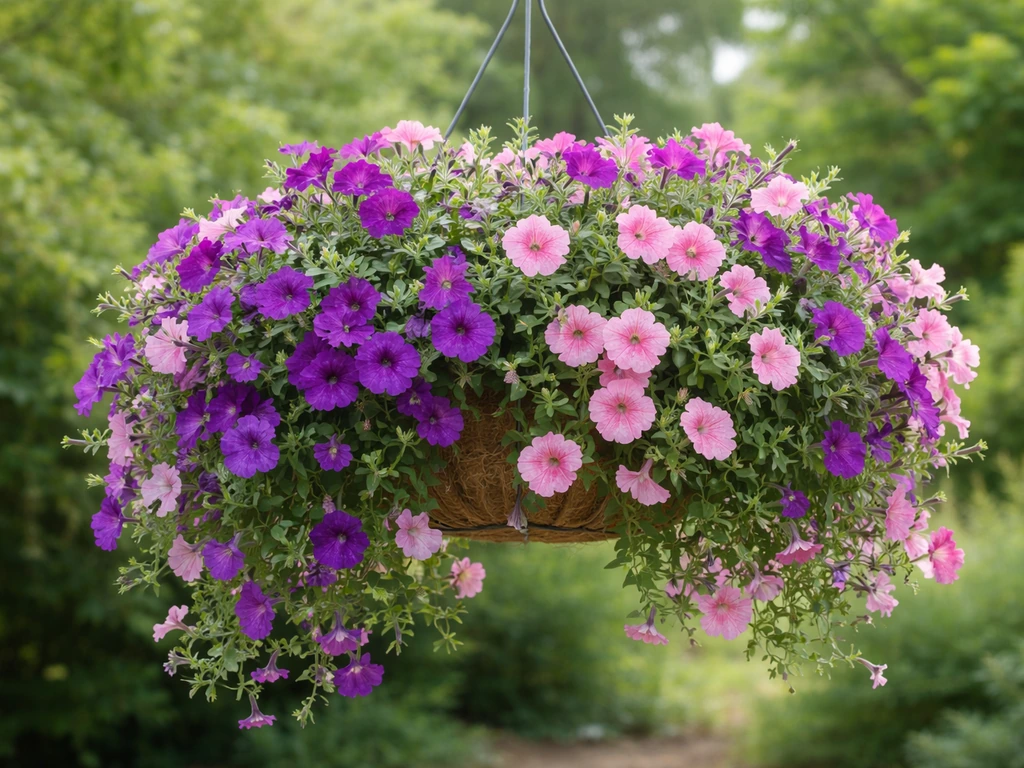
Petunias are one of the most rewarding flowering annuals you can grow, and the process is more straightforward than most people expect. Start seeds indoors 10 to 12 weeks before your last frost date, give them warmth and light right from day one, transplant after your soil hits 60°F, then keep them fed, watered, and regularly pinched. Do those things consistently and you'll have plants absolutely loaded with blooms from early summer right through fall.
Petunias How to Grow: From Seed to First Bloom

Harriet Whitmore
20 May 2026
Best petunia varieties to match your garden and climate
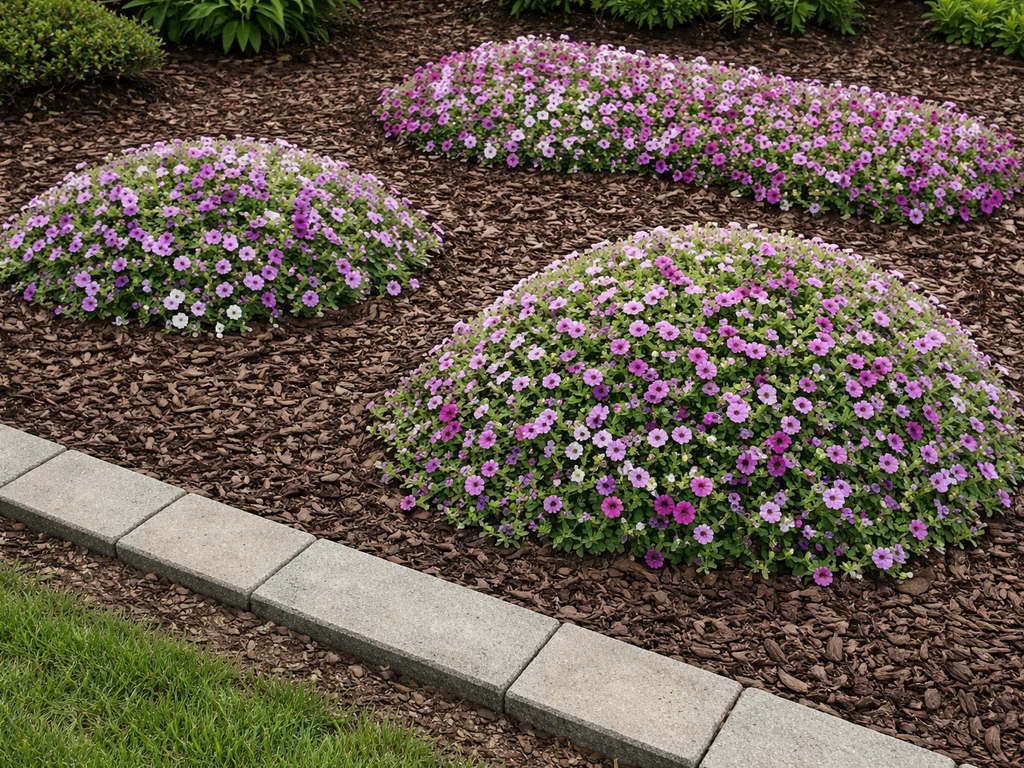
The first decision that actually matters is choosing the right type for your situation, because different petunia varieties behave very differently in the ground. There are three main growth habits to know about: spreading/groundcover types, upright mounding types, and trailing types designed for containers and hanging baskets.
Spreading and groundcover types stay low, typically around 6 inches tall, but they spread rapidly across the ground. 'Tidal Wave Silver' is a classic example. These are fantastic for filling large bed areas quickly, but they need room: plant them at least 18 inches apart and give them consistent water and fertilizer to really take off. Upright types grow into fuller mounds over the summer, reaching roughly 12 to 15 inches tall. They're the traditional choice for garden beds and mixed borders.
Trailing types like the Surfinia series and Supertunia varieties were basically designed for containers. The Supertunia Vista Bubblegum, for instance, grows 18 to 24 inches high and equally wide, making it a showstopper in a large pot or hanging basket. The Surfinia series covers everything from compact mounding types to fully trailing varieties, and importantly, they're bred to handle real weather: Surfinia Summer Double holds up well even in 90°F heat, and its tightly held double flowers shed rain better than older double varieties, which tend to turn to mush in wet conditions.
For hot climates, lean toward heat-tolerant series like Surfinia or Supertunia and avoid very large single-flower types, which tend to melt in humidity. For cooler northern climates with short summers, compact mounding varieties give you reliable bloom windows that fit your season. If you're filling window boxes or hanging baskets specifically, the trailing section of this site has more targeted advice on that.
| Type | Height/Spread | Best Use | Heat Tolerance |
|---|---|---|---|
| Spreading/Groundcover (e.g. Tidal Wave) | ~6 in. tall, wide spread | Large beds, groundcover | Good |
| Upright Mounding (traditional) | 12–15 in. tall | Garden beds, borders | Moderate |
| Trailing/Mounding (e.g. Surfinia, Supertunia) | 18–24 in. high and wide | Containers, hanging baskets | Excellent |
When to plant petunias (seed starting vs buying plants)
Timing is genuinely important with petunias, so it's worth being deliberate here. If you're starting from seed, count back 10 to 12 weeks from your average last frost date. In much of the Midwest and Northeast, that puts you in early to mid-March for an indoor seed start. Growing from seed takes patience but gives you access to a huge range of varieties you'll never find at a garden center.
If you're buying transplants (plugs or packs from a nursery), you can skip the early seed work and simply plant out after your last frost date once soil has warmed to about 60°F. For most gardeners, that window is late April through late May depending on your zone. Buying plugs is a perfectly good strategy, and if you want to explore it further, there's specific guidance on growing petunias from plugs elsewhere on this site. If you prefer to start with plugs instead of seed, you can follow the guide on how to grow petunias from plugs for the best results.
One thing to avoid: planting out too early. Petunias are tender and won't survive a freeze. Even a light frost (1 to 5°C) can damage or kill them. Watch your forecast and hold off until nighttime temps are reliably above freezing before moving plants outside permanently.
How to grow petunias from seed step-by-step
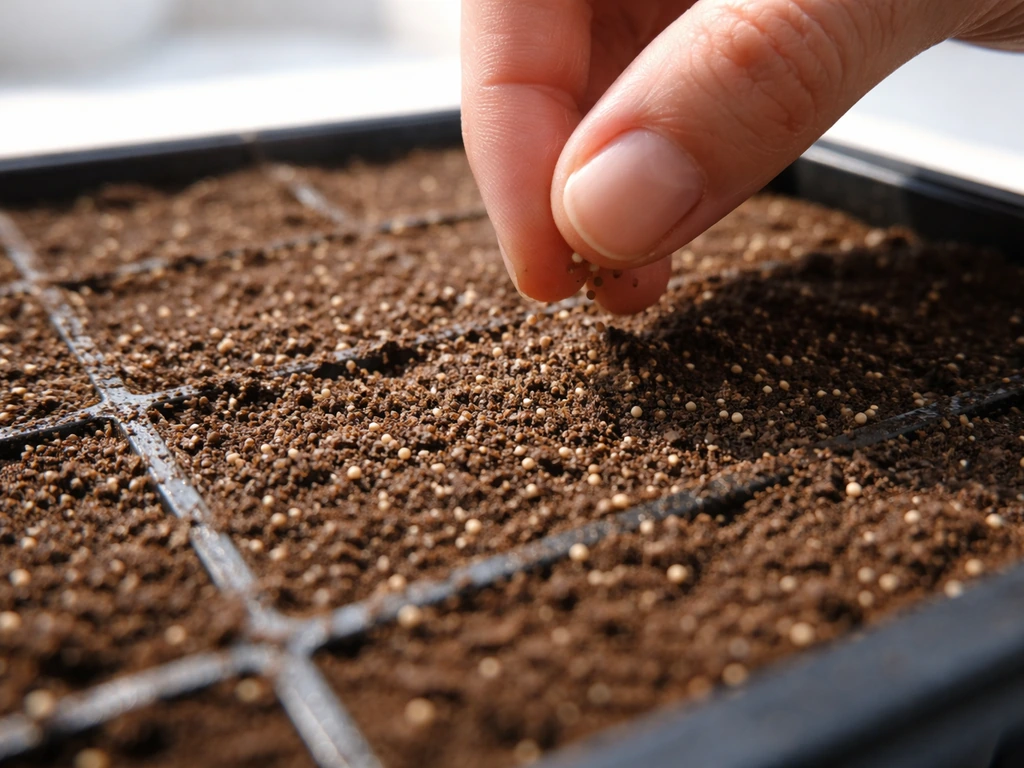
Petunia seeds are tiny and need light to germinate. That's the single most important thing to get right. Do not bury them. Just surface-sow them and, if you want a very thin cover, use fine vermiculite which is porous enough to let light through without blocking germination.
- Fill a clean, shallow seed tray with a moistened, fine seed-starting mix. Water it thoroughly, then let it drain for 15 to 20 minutes before sowing so the surface is moist but not waterlogged.
- Scatter seeds thinly across the surface. Petunia seeds are tiny (almost dust-like), so mix them with a pinch of dry sand if you want more even distribution.
- Press seeds gently onto the surface for good contact but do not cover them with soil. You can add the thinnest possible dusting of fine vermiculite if you want some cover.
- Cover the tray with a clear plastic dome or plastic wrap to hold humidity. Place it in a warm, bright spot out of direct sun: aim for 70 to 85°F. A heat mat set to 75 to 80°F speeds things up reliably.
- Check daily. Keep the surface moist using a fine-mist spray bottle. Never let it dry out, but don't let it stay soggy either.
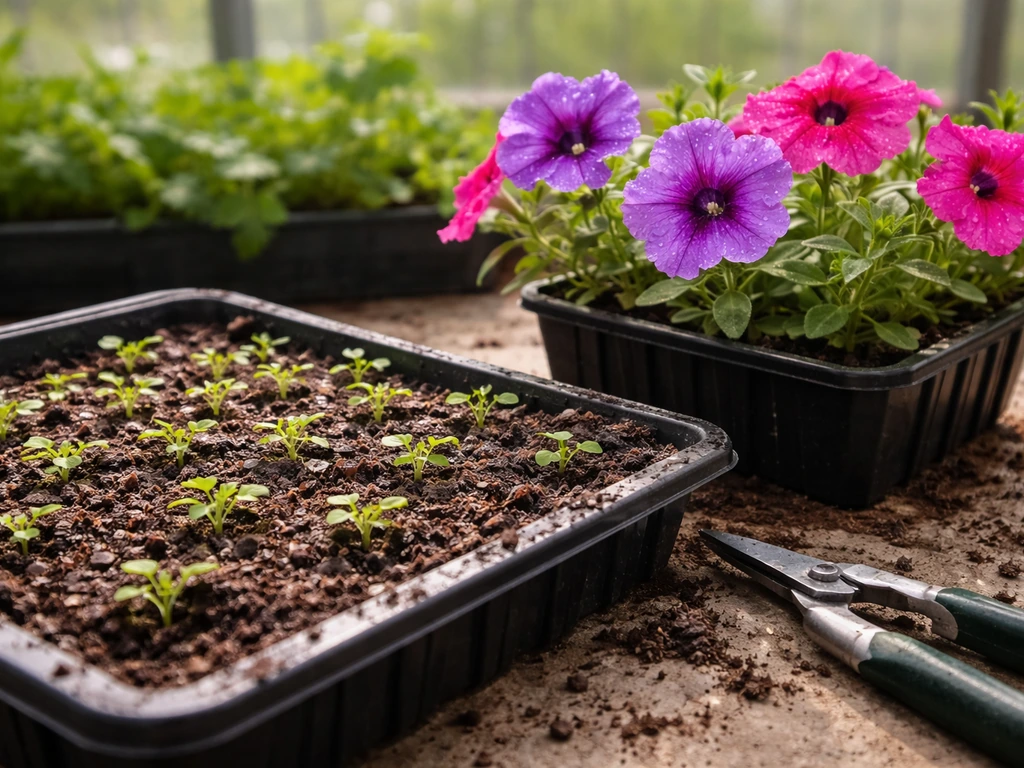
- Seeds typically sprout in 7 to 10 days. The moment you see green, remove the plastic cover.
- Move seedlings immediately to strong light: 4 to 6 inches below a fluorescent or LED grow light, kept on 14 to 16 hours per day. This step is critical. Without strong light right away, seedlings stretch and go leggy within days.
- Once seedlings have 3 true leaves (not the first round seed leaves, but the second set with more defined shape), transplant them into individual peat pots or small cell packs. Handle by the leaves, not the fragile stems.
- Continue growing under lights at 65 to 70°F, watering carefully and beginning a diluted liquid fertilizer (half strength balanced feed) once a week after the first true leaves appear.
- About 1 to 2 weeks before your outdoor planting date, begin hardening off: set plants outside in a sheltered, shaded spot for a few hours each day, gradually increasing sun exposure and outdoor time over 7 to 10 days.
Light, soil, watering, and fertilizing for nonstop blooms
Light
Petunias are serious sun lovers. They need full sun (6 to 8 hours or more per day) for best performance. More shade means fewer flowers, full stop. You can grow them in part shade, but expect noticeably reduced flowering and leggier growth. If you have a south or west-facing spot, that's where your petunias will thrive.
Soil
Petunias aren't fussy about soil type, but they absolutely need good drainage. Soggy roots cause disease and poor performance fast. Aim for a slightly acidic to neutral pH: petunias prefer somewhere in the 6.0 to 7.5 range for garden beds, and a growing media pH of around 5.4 to 6.2 is ideal for containers. If you're planting in ground, work in some compost to improve structure. For containers, use a quality, well-draining potting mix rather than garden soil, which compacts and restricts drainage in pots.
Watering
Once established in the ground, petunias are fairly drought-tolerant and won't need constant attention. But container petunias dry out fast, especially in summer heat, and will wilt and stop blooming if neglected. Check pots daily in hot weather and water when the top inch of soil feels dry. Water at the base of the plant rather than overhead to keep foliage dry and reduce disease pressure. When you do water, water thoroughly until it drains from the bottom, then let the pot dry down before watering again.
Fertilizing
This is where most people underestimate petunias, especially in containers. They're heavy feeders. For garden beds, work a balanced granular fertilizer (8-8-8, 10-10-10, or 12-12-12) into the soil at planting, at about 2 pounds per 100 square feet. For containers, start liquid feeding 2 to 6 weeks after planting (depending on whether your potting mix already contains a slow-release feed) and then fertilize regularly throughout the season. Once plants are established and blooming, switch to a bloom-booster fertilizer with higher phosphorus and potassium relative to nitrogen. This encourages flowers rather than leafy growth. A weekly or every-two-week liquid feed keeps container petunias performing through summer.
Transplanting and container vs in-ground growing tips
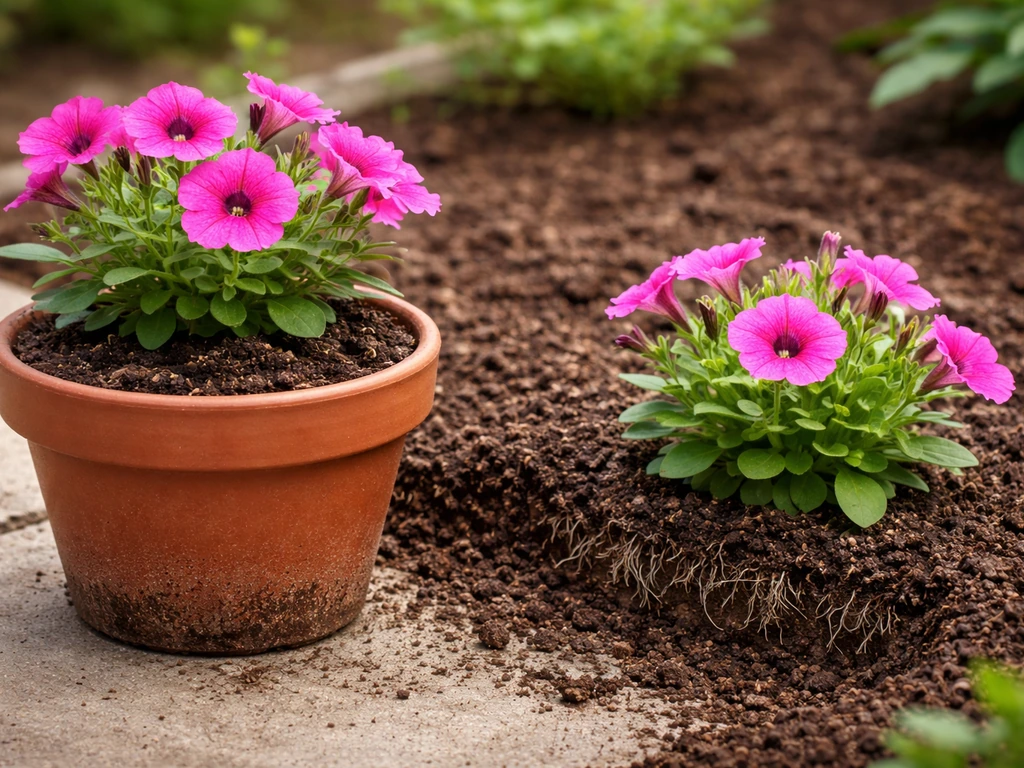
Wait until soil temperature reaches 60°F and frost danger has fully passed before transplanting outdoors. If you rush this step, cold soil slows root establishment and can stall plants for weeks. When planting in the ground, space upright types 12 inches apart and spreading types at least 18 inches apart since they cover a lot of ground quickly.
For container growing, choose a pot large enough to hold the variety's mature size without crowding. Trailing and mounding-trailing types (like Surfinia or Supertunia Vista) do brilliantly in large containers, window boxes, or hanging baskets where they can spill over the sides. For more guidance on sizes, setup, and care, see the section on how to grow petunia baskets hanging baskets. For a hanging basket, you will also want to focus on trailing types and a watering schedule that matches how fast containers dry out hanging baskets. More details on setting up hanging baskets specifically are covered in the hanging basket guide on this site.
In-ground petunias in good soil with reasonable rainfall are lower maintenance, but container petunias bloom longer with more visual impact if you stay on top of watering and feeding. The trade-off is real: beds need less attention but containers give you more control over placement and display.
Pinching, deadheading, and growth control for bigger flowers
Pinching is non-negotiable if you want bushy, bloom-packed plants instead of long, straggly stems with a few flowers at the tips. When you first transplant seedlings outdoors, pinch the growing tip of each stem back to just above a leaf node. This forces the plant to branch rather than just grow upward, and more branches means exponentially more flowers.
If plants go leggy mid-summer (which they will, especially during very hot stretches), cut stems back hard: leave 3 to 5 inches of stem with 4 to 5 leaf nodes remaining. It looks brutal, but petunias bounce back fast. You can also do a lighter approach: trim a small amount of the longest, leggiest stems every week or two, rotating around the plant. This gentler method keeps flowering more continuous since you're not cutting everything back at once.
Deadheading (removing spent flowers before they form seed) helps redirect the plant's energy into making new blooms. For single-flower varieties, snapping off dead blooms regularly makes a real difference. Many modern varieties are bred to be largely self-cleaning, meaning spent flowers drop on their own, but even these benefit from a tidy-up now and then. Always cut or pinch just above a leaf node so the stem can push out new growth.
Common petunia problems and troubleshooting
Leggy, stretched plants
Legginess almost always comes down to two causes: not enough light, or not enough pinching. If your petunias are indoors as seedlings and stretching toward the light, move them closer to the grow light (4 to 6 inches below). If they're leggy outdoors, check that they're getting 6-plus hours of direct sun and then cut them back hard as described above. They'll regrow bushier within a couple of weeks.
Poor germination from seed
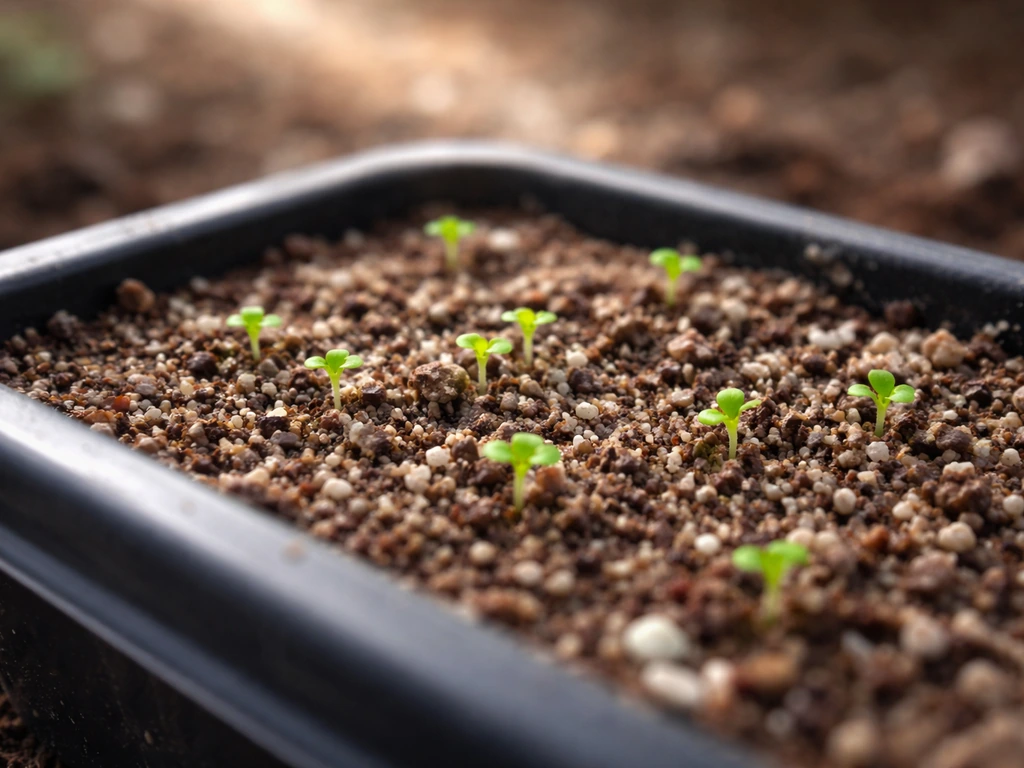
If your seeds aren't sprouting, the most common culprits are covering seeds too deeply (they need light), temperatures that are too cool (below 70°F), or seed that has gone old. Check your soil temperature, make sure seeds are surface-sown, and if you're using seeds from a previous year, germination rates drop significantly. Fresh seed is worth the investment.
Damping-off
Damping-off is a fungal problem that kills seedlings at soil level, causing them to pinch in and fall over. It's caused by overwatering, poor drainage, and using contaminated soil or tools. The fix is prevention: always use clean, sterile seed-starting mix, never reuse old growing media in seed trays, water gently and allow the surface to dry slightly between waterings, and improve airflow around your seedlings. Once damping-off appears in a tray, it spreads through irrigation water to other cells, so remove affected seedlings immediately and stop sharing trays.
Yellowing leaves
Yellow leaves usually indicate overwatering or a nutrient deficiency (most often iron in containers with high pH media). Check your soil or potting mix pH: if it's crept above 6.5 in a container, iron becomes less available and leaves yellow between the veins. Adjust with an acidifying fertilizer or a diluted iron supplement. If the whole plant is yellowing and the soil is wet, scale back watering and improve drainage.
Poor flowering
Petunias that aren't blooming well are usually getting too much shade, not enough fertilizer, or they've gone to seed because spent flowers weren't removed. Reassess your sun situation first. Then check your feeding schedule: container petunias especially need regular feeding throughout summer. Switch to a bloom-booster feed if you've been using a high-nitrogen fertilizer, which pushes leaves at the expense of flowers.
Botrytis (gray mold) and other diseases
Botrytis blight shows up as fuzzy gray patches, usually starting where spent flowers have dropped onto leaves. It thrives in high humidity, low airflow, and extended wet foliage. Improve spacing for better air circulation, water at the base rather than overhead, remove spent blooms before they fall on leaves, and trim any infected tissue immediately. In serious cases, a fungicide labeled for Botrytis can help, but cultural control (airflow, dry foliage, good spacing) is the real solution.
Common pests
Aphids, thrips, and budworms are the pests you're most likely to encounter. Aphids cluster on new growth and are easy to knock off with a strong spray of water or treat with insecticidal soap. Budworms (caterpillars that eat flower buds from the inside) are trickier: look for tiny holes in buds and treat with Bt (Bacillus thuringiensis) as soon as you see them. Thrips cause silvery streaking on petals and leaves; neem oil or spinosad sprays work well.
Petunia care timeline: from germination to first flowers and beyond
Here's how the full growing season looks when things go right, so you know what to expect at each stage and when to take action.
| Stage | Timing | What to Do |
|---|---|---|
| Seed sowing indoors | 10–12 weeks before last frost (often early March) | Surface-sow on moist seed-starting mix, cover with clear plastic, place at 70–85°F in bright light |
| Germination | 7–10 days after sowing | Remove plastic cover, move seedlings 4–6 inches below grow lights immediately |
| Seedling growth | Weeks 2–5 indoors | Water carefully with a spray bottle, begin half-strength liquid feed after first true leaves appear |
| Transplant to individual pots | When seedlings have 3 true leaves | Move to peat pots or cell packs, continue under lights at 65–70°F |
| Hardening off | 1–2 weeks before outdoor planting date | Gradually increase outdoor exposure over 7–10 days |
| Transplanting outdoors | After last frost, soil at 60°F | Plant at proper spacing, pinch growing tips at transplant time |
| First blooms | Roughly 10–12 weeks from seed sow (or 4–6 weeks after buying transplants) | Begin regular bloom-booster fertilizer, deadhead spent flowers |
| Mid-summer maintenance | Ongoing June–August | Pinch or cut back leggy growth, fertilize every 1–2 weeks for containers, water consistently |
| Late-season extension | August–October | Hard cutback if needed to rejuvenate, continue feeding, enjoy blooms until frost |
From seed to first flowers takes roughly 10 to 12 weeks in total, which is why starting on time indoors is so important. If you're working with bought transplants, expect your first proper flush of blooms about 4 to 6 weeks after planting out, once the plants get settled and the weather warms up. After that, the job is maintenance: feed, water, pinch, and repeat. If you want more ideas for companion plants, check out what to grow with petunias for great pairings. Petunias are genuinely generous plants once they're going strong and you're meeting their basic needs. Mexican petunias are grown in much the same way, but you will want to tailor care to their particular heat and spacing needs.
FAQ
Can I save petunias from last season and grow them again next year?
Yes, but treat it as a new crop. Most petunias perform as annuals and will not reliably return from seed in the same season, and overwintering them outdoors is usually unsuccessful unless you have a frost-free setup. If you want to try keeping them alive, bring pots indoors before nighttime temps drop below freezing, place them in the brightest window you have, and reduce watering to avoid root rot.
What should I do if I have to transplant my petunias before the soil reaches 60°F?
If you need to transplant sooner than the usual soil-warming window, use a short-term protection plan. Harden off seedlings first, then cover them with a cloche, row cover, or a frost blanket at night only, and remove it during the day for sun and airflow. Even with protection, avoid cold, wet conditions because slow root growth makes plants stall longer.
How do I know whether my petunia container needs water, and how much should I apply?
For best performance, water deeply but with a schedule based on dryness, not the calendar. In containers, top-inch dryness can be misleading in very hot spells, so also check whether the pot feels light and whether water runs straight through quickly. If the mix is drying and pulling away from the pot edge, re-wet thoroughly until it drains, then resume normal monitoring.
Is it ever okay to water petunias from above, like with a sprinkler?
Overhead watering can worsen diseases, but the bigger issue is staying consistently wet at the crown and in foliage. Use a watering can with a gentle stream aimed at the soil, water in the morning so leaves dry quickly, and improve drainage so excess water does not pool. If you see gray fuzzy growth or leaf spots after repeated wet spells, tighten spacing and remove spent blooms promptly.
My petunias were blooming well, then slowed down. What should I troubleshoot first?
If you see fewer blooms after a flush, check for three common causes: shade, high nitrogen, and seed formation. Even self-cleaning types benefit from occasional tidy-ups if you want a continuous look. Switch to a bloom-focused fertilizer for 2 to 4 weeks, then return to your regular schedule, and keep direct sun at 6 to 8 hours.
Do I really have to deadhead petunias every day to keep them blooming?
Don’t chase perfection with daily deadheading. Instead, prioritize removing spent blooms that are still attached and any flowers that are setting seed. With modern types that drop blooms on their own, a weekly or every-two-week tidy during warm weather is usually enough to keep the plant focused on new flower production.
Can I use mulch or a top dressing to reduce watering needs for petunias in pots?
Yes, and it can be a lifesaver for container plants. If you expect frequent heat waves or you forget watering, apply a thin layer of mulch over the soil surface in containers (avoid covering the crown) to reduce evaporation. For best results, use it only after the pot has warmed up, and make sure the mix still drains well so you do not trap excess moisture.
What’s the best way to prevent and respond to aphids, thrips, and budworms?
Start watching for pests early. Aphids often show up on tender new growth, and thrips can be missed until petals look streaked or distorted. When you spot them, isolate the plant if possible, treat in the evening to reduce spray burn, and repeat as labeled because eggs and new growth may require follow-up applications.
My petunias look wilted. How can I tell if it’s from underwatering versus overwatering?
A sudden, widespread wilting can be either dryness or root stress from poor drainage, so do a quick check. Press a finger into the mix 1 to 2 inches, if it is dry and the pot is light then water thoroughly, if it is wet and heavy then stop watering and check drainage holes. Yellowing plus soggy soil often points to root problems, not lack of fertilizer.
My petunia seedlings are getting leggy indoors. What adjustments should I make right away?
If your seedlings stretch even though you’re watering correctly, the fix is more light and less gap time. Raise or lower your grow light so it stays about 4 to 6 inches above the tallest leaves, and consider a stronger photoperiod (more daily light hours) once they emerge. Also keep the area warm but not hot, because excessive heat can weaken growth while still producing leggy stems.
Next Article
How to Grow Petunias in a Hanging Basket From Seed to Bloom
Step-by-step how to grow petunias in a hanging basket from seed to bloom, with feeding, watering, and troubleshooting.