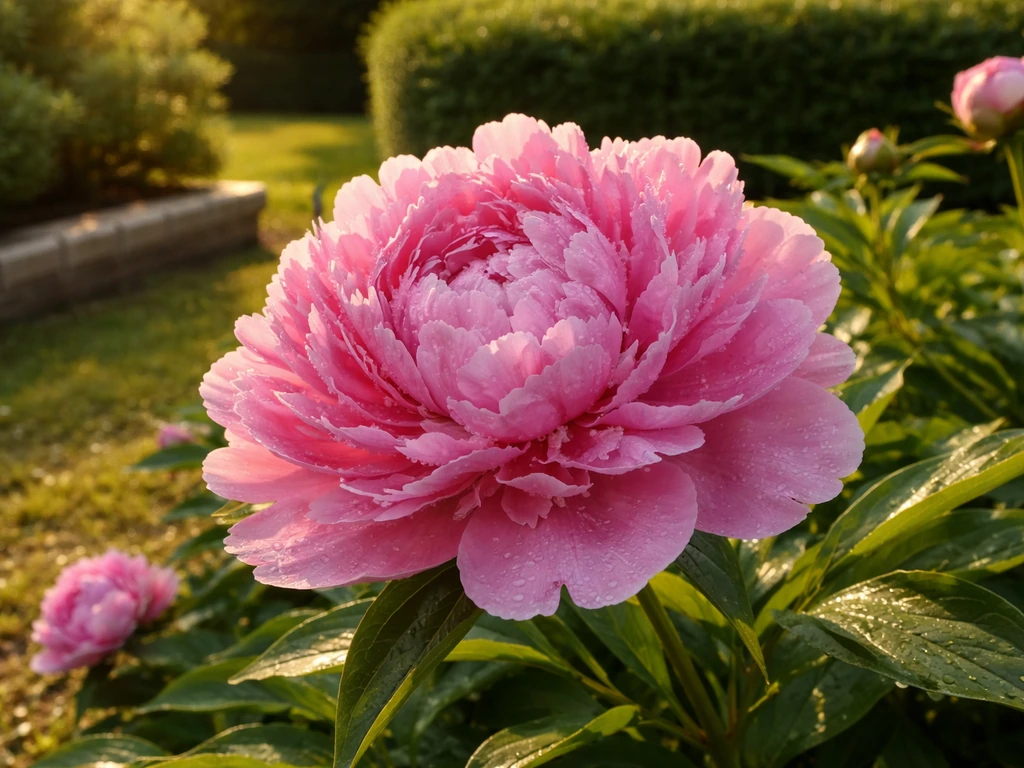
Zone 7 is genuinely one of the better places in the country to grow peonies. If you are in Seattle specifically, you will likely fall under Zone 7 gardening guidance, including timing, site prep, and cold requirements how to grow peonies in seattle. You get enough winter chill to satisfy their dormancy needs, summers that aren't brutally long, and springs that tend to be cool enough to stretch out the blooms. The main things that trip people up here aren't climate-related at all. They're blank" rel="noopener noreferrer">planting depth, timing, and picking the right type for the conditions they actually have in their yard. Get those three things right and peonies in Zone 7 are about as rewarding as any perennial you can plant.
How to Grow Peonies in Zone 7: Planting to First Blooms

Harriet Whitmore
5 Jul 2026
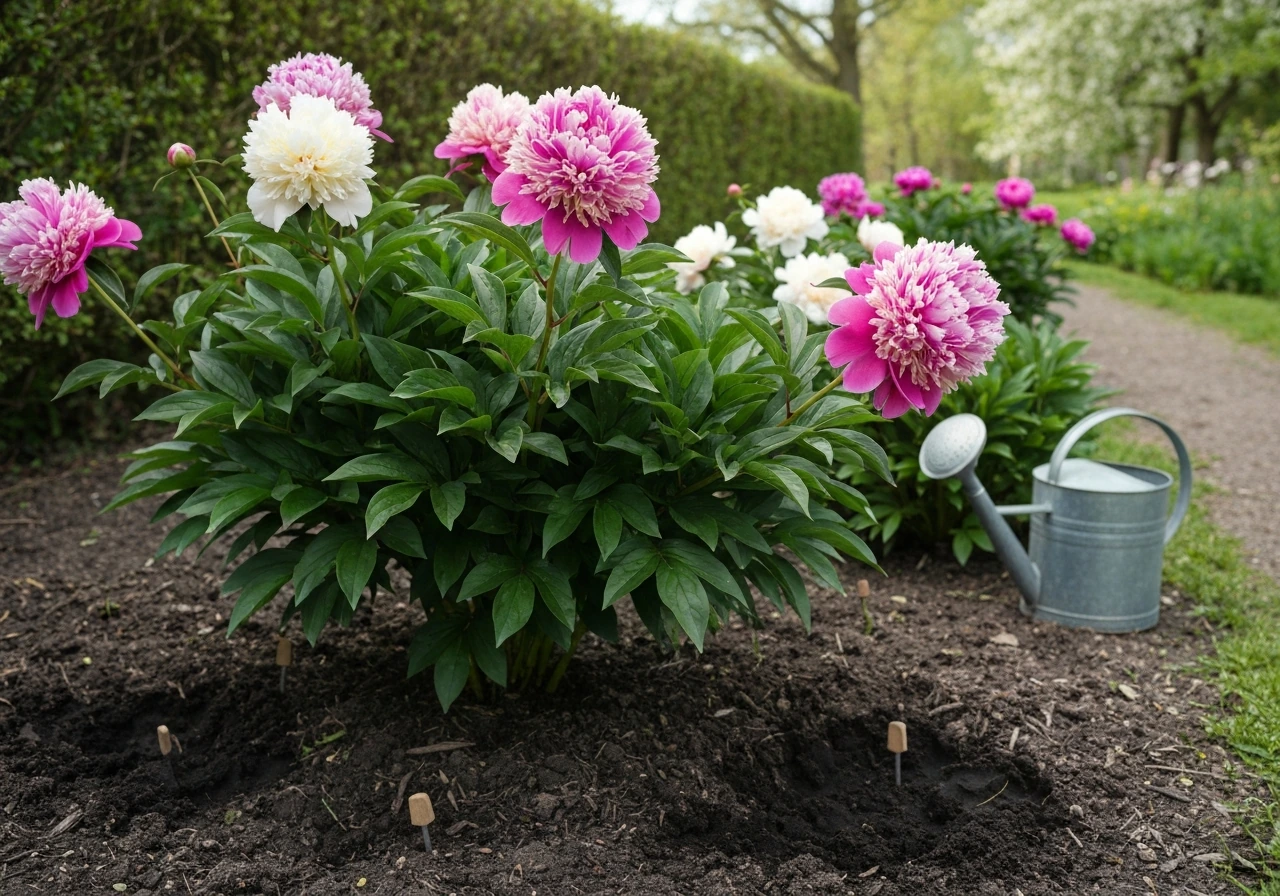
Which peony types actually work in Zone 7
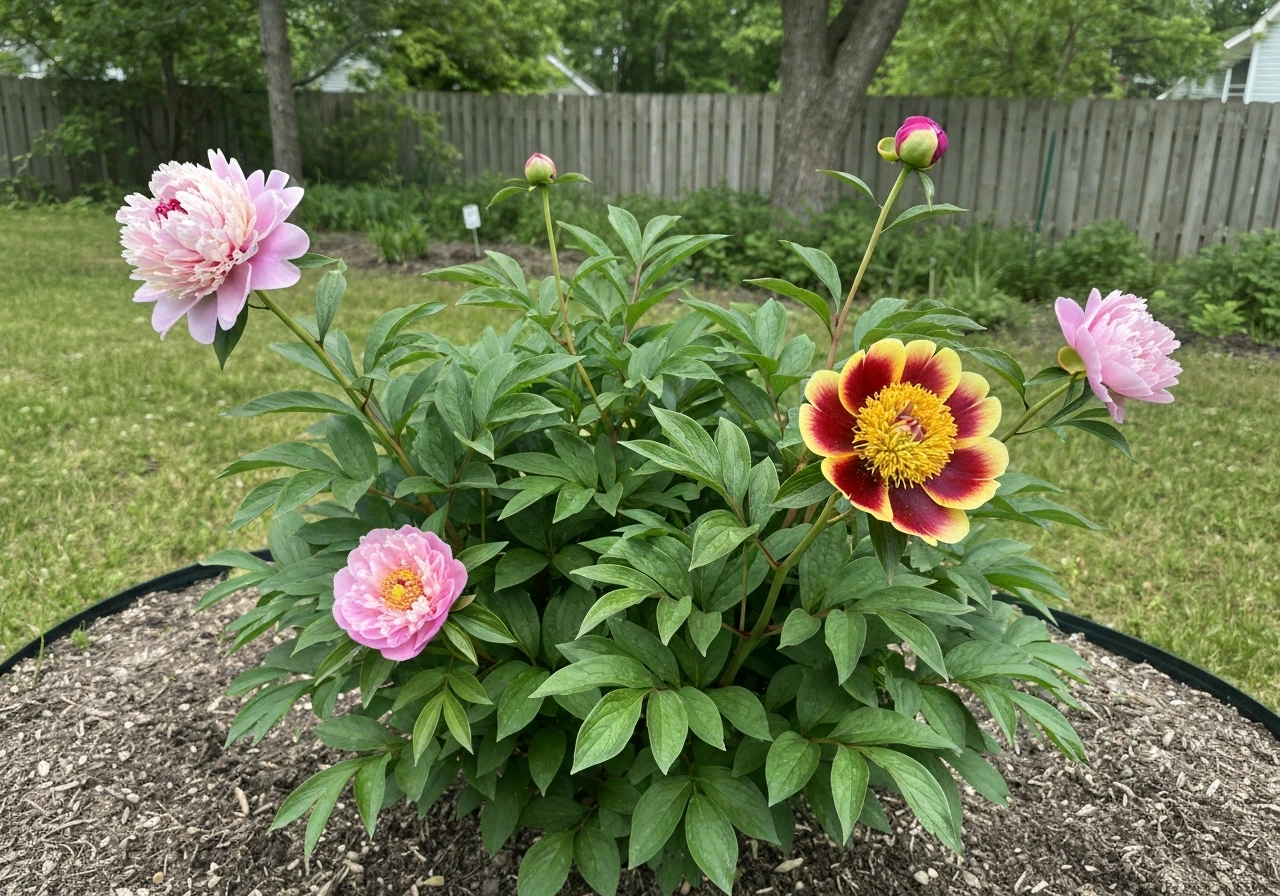
The American Peony Society recognizes four main groups: herbaceous, tree (woody), intersectional (Itoh), and species peonies. All four can work in Zone 7, but they behave very differently in the garden and have different care needs.
Herbaceous peonies are the classic, and they're the best starting point for most Zone 7 gardeners. They die back completely to the ground each fall, come back from the root crown each spring, and are extremely cold-hardy. They need winter chill to break dormancy and set buds, and Zone 7's winters deliver that reliably in most years. These are the workhorses of the peony world, with hundreds of cultivars available in every color and form.
Tree peonies are deciduous woody shrubs, not true trees, and they can reach 4 to 5 feet tall over time. They don't die back to the ground in winter, so you preserve the woody structure year over year. They tolerate some shade better than herbaceous types, which can be useful in Zone 7 gardens where afternoon shade is available. They do need careful pruning. If you cut them back hard like you would an herbaceous peony, you lose the next year's blooms. Stick to no more than about one-third of the plant when tidying.
Intersectional peonies, often called Itoh peonies after the hybridizer who created them, are crosses between herbaceous and tree peonies. They produce the large, often yellow-toned flowers of tree peonies on plants that die back to a low woody framework in winter, unlike herbaceous peonies that disappear completely. 'Bartzella' is one of the most popular and widely available cultivars. Itohs are excellent performers in Zone 7. They're vigorous, bloom heavily, and handle the zone's occasionally variable winters well. The tradeoff is price: Itoh divisions cost significantly more than herbaceous bare roots.
If you're in the warmer end of Zone 7 (7b), particularly in areas like the mid-Atlantic or parts of the South, lean toward herbaceous cultivars with lower chill-hour requirements, or Itoh types, since they tend to be more forgiving if a winter runs milder than normal. In Zone 8, the biggest adjustment is choosing peony types with lower chill-hour needs and planting at the right depth so the buds can set. Gardeners in Zone 8 or Zone 9 face a harder challenge with chill hours, but in Zone 7 you're solidly within the hardiness range that Illinois Extension lists for most garden peonies: Zones 3 through 8.
When to plant and how to prep your site
Fall is the right time to plant peonies, full stop. The American Peony Society is very clear that the majority of root growth happens in fall, and planting then lets the roots establish before the plant goes fully dormant for winter. Spring planting offers no advantage in plant size for the following year, and the American Peony Society doesn't recommend it. In Zone 7, aim to get bare-root peonies in the ground between late September and mid-November, before the soil freezes solid but after temperatures have started to consistently cool down.
Site prep matters more with peonies than with most perennials because you're planting something that can live in one spot for 30, 40, or even 50-plus years. Don't just dig a hole and drop the root in. Loosen the soil to about 12 to 18 inches deep in the planting area, work in generous amounts of compost, and check your drainage. Standing water or consistently soggy soil is the fastest way to kill a peony. If your site tends to stay wet, raise the bed or amend heavily with compost and grit before you plant. Ideal soil pH is around 6.5 to 7.0.
Sun, soil, water, and spacing
Peonies want full sun, meaning at least 6 hours of direct sun per day. In Zone 7, morning sun with some afternoon shade is actually fine and can protect flowers from the heat that tends to shorten bloom time in late spring. What they can't tolerate is deep shade. A common reason peonies fail to bloom is that they were planted under a tree canopy or close to a building that blocks light for most of the day. If your plant looks healthy but produces no flowers, shade is the first thing to evaluate.
Soil should be rich, loamy, and well-draining. Peonies are not drought-tolerant when they're getting established, but they also despise wet feet. Once they're established (usually after year two), they're relatively drought-tolerant for a perennial. During the first growing season, water deeply once or twice a week if you're not getting regular rain, especially in the weeks leading up to bloom time in spring. After that, supplemental watering during dry spells is enough.
Space herbaceous peonies 3 to 4 feet apart. They look small the first year and even the second year, so it's tempting to crowd them, but they'll fill in. Tree peonies need even more room, sometimes 4 to 5 feet, because the woody structure persists and expands over time. Itoh peonies tend to be wide and low-spreading, so give them at least 3 to 4 feet as well.
How to actually plant them: bare root vs. potted starts
Most peonies are sold as bare-root divisions in fall, and that's what I'd recommend working with. They're less expensive than potted plants, ship well, and establish just as reliably when planted correctly. Potted peonies are usually available in spring at garden centers, and while they can work, you're essentially playing catch-up since the plant was likely grown in a container over the previous growing season.
Bare-root planting
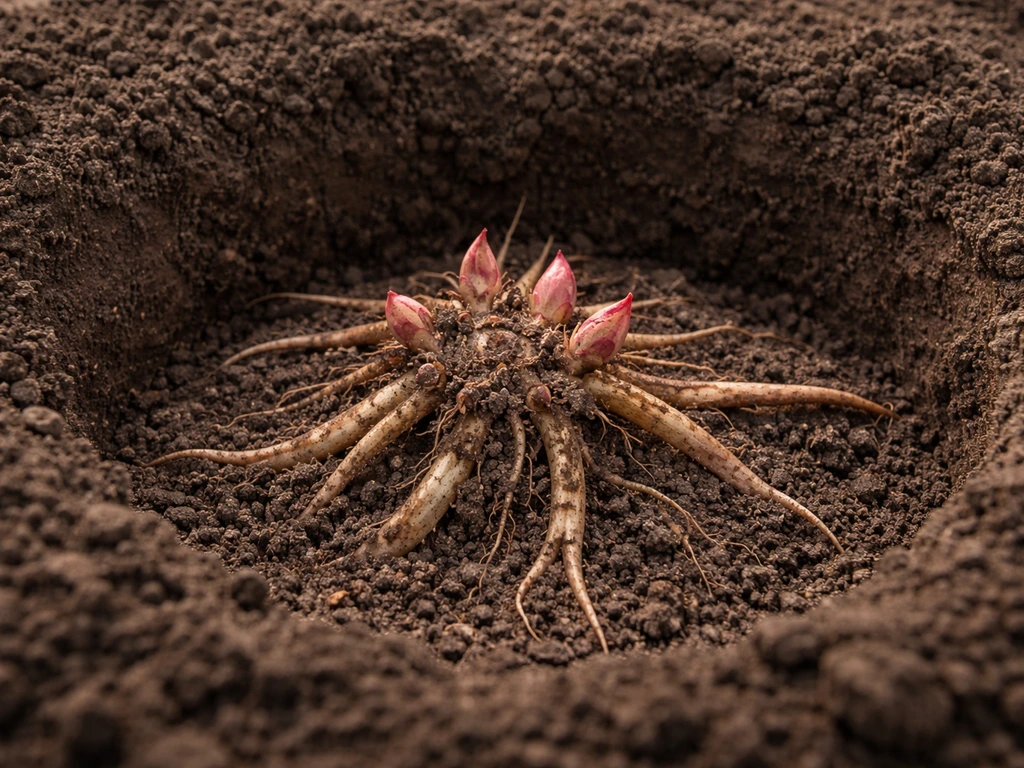
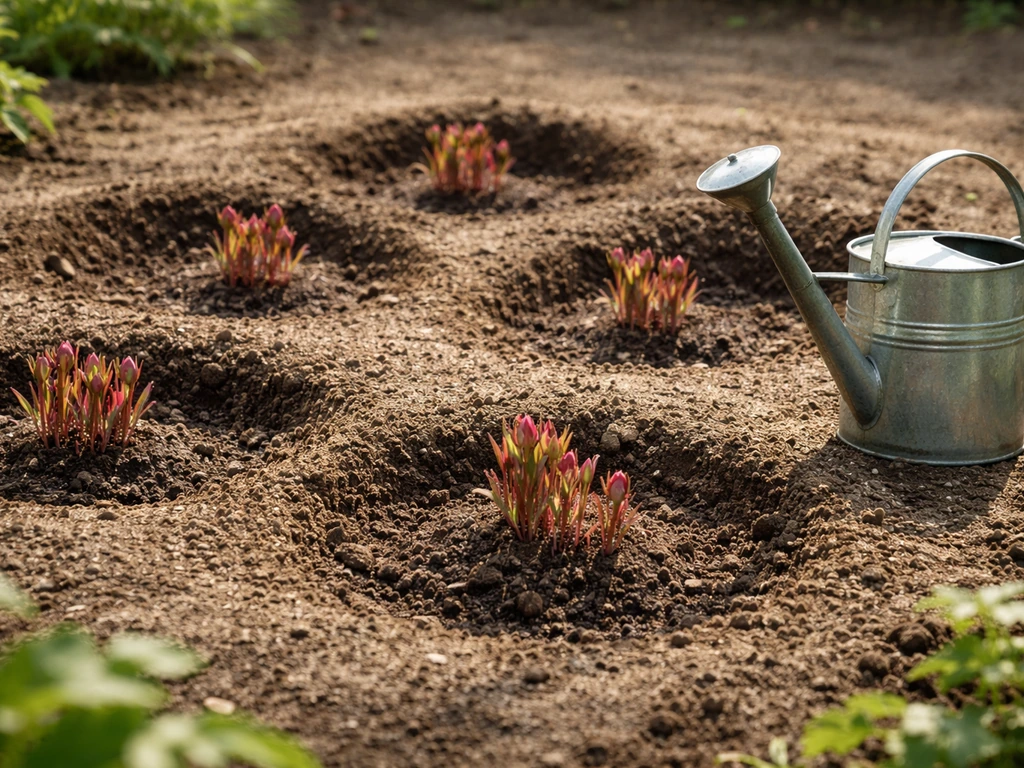
The single most important thing about planting a bare-root herbaceous peony is depth. The pink or reddish buds on the crown, called eyes, should end up 1 to 2 inches below the soil surface. No more. This is not a guideline you can fudge. If you plant too deep (3 or more inches), the plant will grow lush foliage and produce zero flowers, possibly for years. Some growers in warmer parts of Zone 7 plant even shallower, closer to 1 inch, to make sure the eyes get adequate chilling from exposure to cold surface soil. If you are growing peonies in the South, this depth guidance matters even more because winter chill can be less consistent depending on the year how to grow peonies in the south. Dig a wide, shallow hole, mound up a little soil in the center, drape the roots over the mound, and backfill so the eyes are at the right level. Firm the soil gently and water in well.
Planting potted peonies
With a potted start, the crown depth is already established in the pot, so your job is to match that depth when you transplant. Don't bury the crown deeper just because you're moving it into a bigger hole. Set the plant at the same level it was growing in the container, with the crown eyes no more than 1 to 2 inches below the soil surface. Water deeply after planting and keep the soil consistently moist through the first growing season.
Growing peonies from seed is a separate process entirely, and it's a much slower one. Seed-grown peonies can take 3 to 5 years to bloom and won't come true to the parent plant for named cultivars. For most home gardeners, divisions and potted plants are the practical path.
Cold requirements, winter protection, and frost in Zone 7
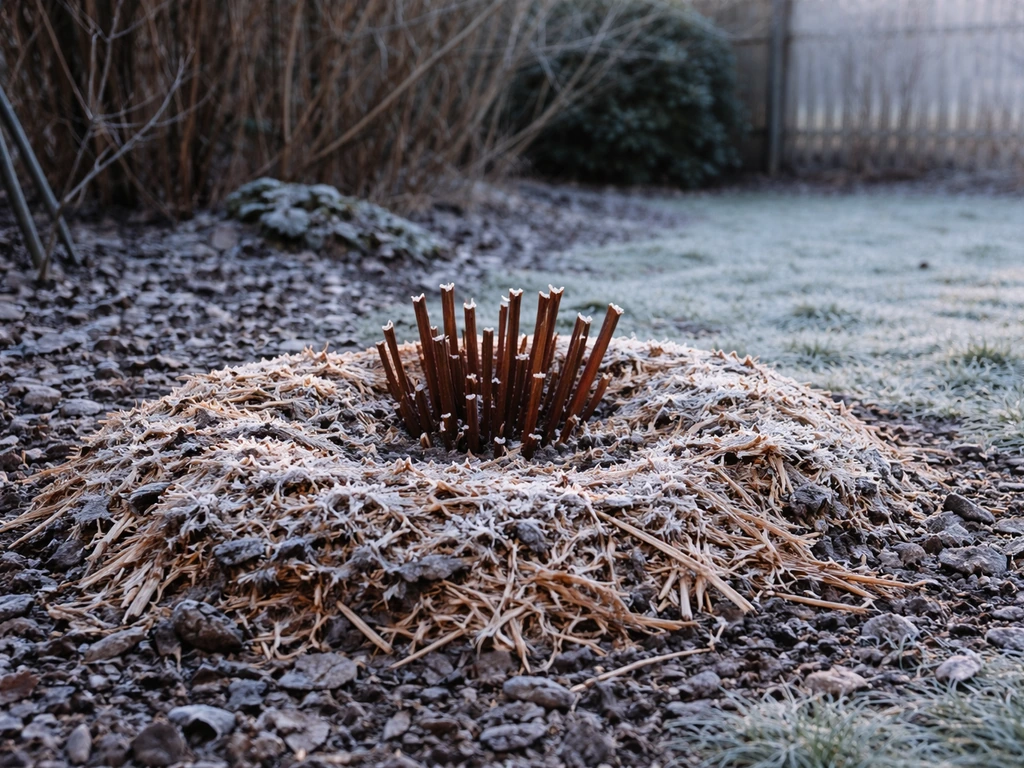
Peonies need a period of cold to complete their dormancy cycle and set flower buds. This is non-negotiable for herbaceous types. Without adequate chilling hours, the plant may not bloom even if everything else is perfect. Zone 7 winters generally satisfy this requirement. Average winter lows run between 0°F and 10°F, which is more than cold enough to push peonies into full dormancy. Zone 7b years that run unusually mild can occasionally reduce bloom performance, but this is rare and tends to be a single-season issue rather than a chronic problem.
For established herbaceous peonies, winter protection in Zone 7 is minimal. After the foliage dies back in fall, cut the stems down to about 2 to 3 inches above the soil. Some gardeners cut all the way to the soil line, which is fine too. Do not leave the old foliage in place over winter. It can harbor fungal spores, especially botrytis, which is one of the more common peony diseases. Remove the debris and dispose of it rather than composting it.
A light layer of mulch over the crown after the ground cools helps moderate soil temperature fluctuations, especially in Zone 7a where the occasional hard freeze can alternate with warmer spells. Use 2 to 3 inches of straw or shredded bark. Pull it back from the crown in early spring once growth starts to emerge, since leaving mulch piled directly on the eyes as temperatures warm can promote rot and interfere with shoot emergence.
Late spring frosts are the bigger cold-weather concern in Zone 7 than winter itself. Peony shoots emerge early, and a frost after they're several inches up can damage or kill the young stems. If a hard frost is forecast after your peonies have broken dormancy, cover them overnight with a light frost cloth or even an overturned bucket. The damage from a late frost rarely kills an established plant, but it can set back blooming by a season.
Getting your peonies to actually bloom
Patience is genuinely required here. Bare-root peonies often produce no blooms in year one and only a few in year two. By year three, a well-planted peony should be blooming reliably. This isn't a sign something is wrong. It's just how peonies work. The root system is building itself before it puts energy into flowers.
Feeding
Peonies don't need heavy fertilizing, and too much nitrogen is actively counterproductive. Excessive nitrogen produces lush, dark green foliage at the expense of flowers. Iowa State Extension specifically calls this out as a common bloom failure cause. Use a low-nitrogen fertilizer like a 5-10-10 or a slow-release granular formulated for flowering perennials. Apply it in early spring just as the shoots emerge, and again right after bloom. That's it. Don't keep fertilizing through summer.
Mulch
A 2-inch layer of compost or shredded bark around (not on top of) the crown helps retain moisture, moderate soil temperature, and suppress weeds. Keep it a few inches away from the crown itself. In Zone 7's warmer shoulder seasons, consistent soil moisture helps the plant build energy for next year's blooms, and mulch makes that easier to maintain without overwatering.
Deadheading and fall cleanup
Remove spent blooms promptly after they fade. This prevents seed formation, which drains energy from the plant, and reduces the risk of fungal issues setting in on the old flower tissue. Cut the stem back to the first set of healthy leaves. Leave the foliage in place through summer and fall. The leaves are photosynthesizing and building root energy for the next season. Once the foliage yellows and dies back naturally in fall, cut everything to the ground and remove it from the garden.
Troubleshooting the most common Zone 7 problems
Few or no blooms
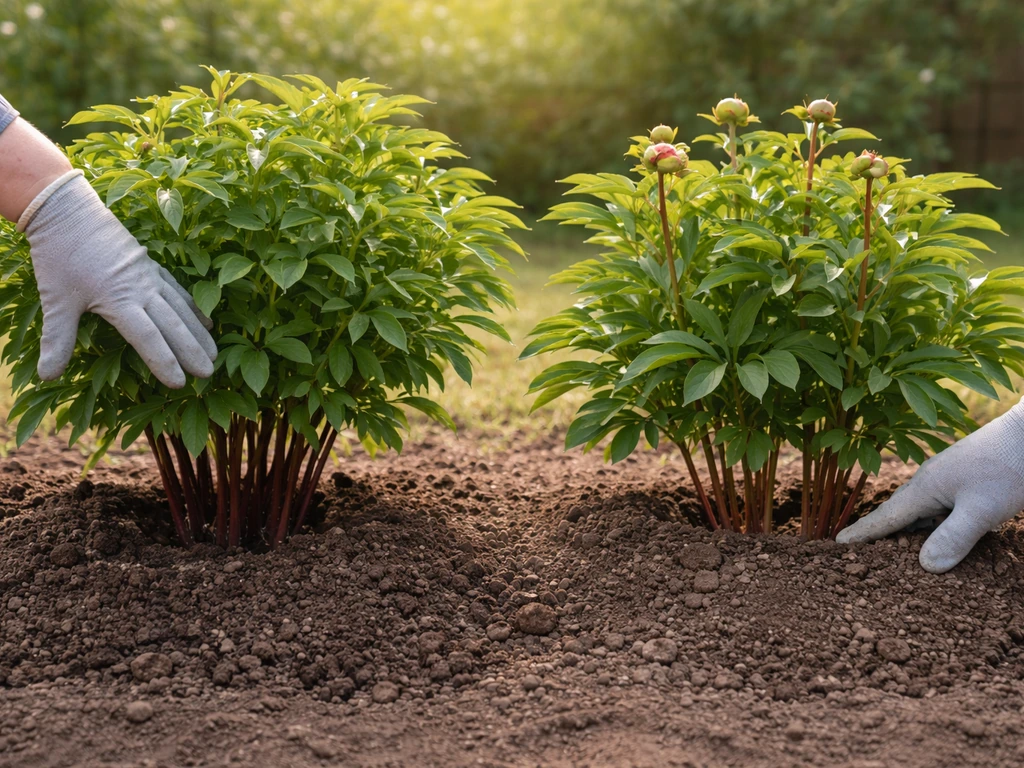
This is by far the most common complaint, and the cause is almost always one of three things: planted too deep, not enough sun, or too much nitrogen. Check planting depth first. If the eyes are more than 2 inches below the soil surface, the plant may never bloom reliably until you dig and replant it at the correct depth. If depth isn't the issue, evaluate your sun exposure honestly. Six or more hours is the target. If you've been fertilizing heavily with a high-nitrogen product, stop and switch to a low-nitrogen bloom formula. Young plants, especially bare roots planted in the last year or two, simply need more time.
Transplant shock
Peonies hate being moved, and transplant shock is real. A plant that gets dug up and relocated may sulk for one to three years before it blooms again. This is normal. If you have to move a peony, do it in fall when the plant is dormant, replant at the correct depth immediately, water in well, and be prepared for a bloom hiatus. Don't move a peony that's just started blooming well unless you absolutely have to.
Botrytis blight and other fungal diseases
Botrytis blight, caused by Botrytis paeoniae, is the most common disease issue for Zone 7 peonies. Symptoms include wilting or collapsing stems, gray fuzzy mold on affected tissue, and buds that die before opening. It's more common in wet springs with poor air circulation. To manage it: space plants adequately for airflow, remove and dispose of (don't compost) any infected stems or leaves immediately, and clean up all plant debris in fall. Leaf blotch and powdery mildew can also show up, but they're generally more cosmetic and less damaging. Crown and root rots are more serious and typically caused by overwatering or poor drainage. Wet soil conditions favor the pathogens responsible, so the best prevention is making sure water drains freely away from the crown.
Insect pests
Peonies are relatively pest-resistant. The insect pests of real consequence are scale insects and Japanese beetles, per Clemson HGIC. Japanese beetles can shred flowers quickly in late spring and early summer in Zone 7. Hand-picking early in the morning is effective for small populations. For larger infestations, neem oil or insecticidal soap can help. Scale is easier to miss but shows up as small waxy bumps on stems. Horticultural oil applied in late winter handles scale well.
And yes, about the ants: they show up on peony buds because the buds produce a sugary sap that ants find irresistible. They're not harming the plant, and you don't need to remove them. Kansas State Extension is clear on this: ants on peony buds are not a threat to plant health. There's even some evidence they may help deter floral-feeding insects like thrips. Leave them alone.
Long-term care: dividing, transplanting, and lifespan
Established peonies can live for decades in the same spot without needing to be divided. Unlike many perennials, they don't require regular division to stay healthy or bloom well. In fact, dividing too frequently sets the plant back and delays blooming. If your peony is blooming well and the clump looks healthy, leave it alone.
That said, there are good reasons to divide: the clump has gotten very large and crowded, you want to propagate and share divisions, or you need to move the plant. The right time to divide is fall, after the foliage has died back. Dig the entire clump carefully, wash off the soil so you can see the crown clearly, and use a clean sharp knife to divide it into sections with 3 to 5 eyes each. Smaller divisions than that tend to take much longer to establish and bloom. Replant immediately at the correct depth, water in, and mulch lightly.
Tree peonies should not be divided the same way. They're woody shrubs that are typically propagated by grafting or from cuttings, not simple root division. If you need to move a tree peony, do it in fall and treat it gently, knowing it may take two to three years to recover full bloom performance.
For ongoing care of established plants in Zone 7: keep up the annual fall cleanup (remove all foliage and debris), avoid heavy nitrogen fertilization, make sure the site hasn't become shaded as surrounding trees have grown, and check that the crown hasn't been buried deeper over time by mulch buildup or soil settling. That last one sneaks up on gardeners more than you'd expect. If a previously reliable bloomer suddenly stops flowering, pull back the mulch and check whether the crown has drifted more than 2 inches below the soil surface. A quick correction in fall can get it blooming again the following spring.
Gardeners dealing with hotter or more challenging climates should know that Zone 7 peonies have a real advantage over those in Zone 8 or Zone 9, where reliable winter chill becomes harder to guarantee. If you're in Zone 9 and need specifics, follow the zone 9 peony planting and care guidance for best bloom results. If you're closer to the warmer edges of the peony-growing range, Zone 7 gives you meaningful flexibility in variety choice. Enjoy it.
FAQ
My peonies look healthy in Zone 7, but they never bloom. What should I check first besides sunlight and nitrogen?
Confirm the buds (eyes) are at the correct depth. Even if the plant has foliage, eyes buried more than about 2 inches below the surface can suppress flowering for years. Also inspect for crown settling, sometimes mulch or soil shifts gradually bury the crown over time.
How do I measure planting depth accurately for bare-root peonies (Zone 7)?
Dry-fit the roots in the hole first, then measure from the crown eyes to the finished soil line using a scrap stick or ruler held across the hole. Aim for 1 to 2 inches of soil over the eyes after you firm the soil, not just when the hole is freshly filled.
Can I grow peonies in Zone 7 if my yard stays a bit damp after spring rain?
Yes, but you need to prevent water around the crown. If the area holds standing water or stays soggy for days, raise the planting area or build a well-draining mound and consider adding grit to the backfill. Avoid planting in low spots where runoff collects.
Should I peel back mulch in early spring, and when is the right time to do it in Zone 7?
Pull mulch back from the crown as soon as shoots start to emerge (early spring). Leaving mulch piled over the eyes as temperatures warm can promote rot and can also delay shoot emergence, which can look like a failure to bloom.
What should I do if late spring frost hits after my peony shoots emerge?
Protect the shoots immediately when a hard frost is forecast. Use a lightweight frost cloth overnight or cover with something solid enough to trap a little heat, then remove it the next morning. Do not leave covers on all day once temperatures rise, since trapped humidity can encourage fungal problems.
Is it okay to fertilize peonies more than twice in Zone 7 to boost blooms?
Usually no, extra feeding increases nitrogen and tends to trade flowers for foliage. Stick to one low-nitrogen feeding as shoots emerge and a second right after bloom, then stop. If you use compost, don’t assume you can replace fertilizer with heavier compost applications.
How much should I water newly planted peonies during spring in Zone 7?
Water deeply enough to soak the root zone, then let the top layer of soil dry slightly before watering again. For most gardens that lack consistent rainfall, plan on about once or twice per week during the first growing season, especially as shoots and buds form.
Can I plant peonies in spring in Zone 7 if I miss the fall window?
It’s possible but it usually reduces performance in the next year because the plant’s establishment period has already passed. If you must plant in spring, treat it as a slower-starting effort: be meticulous about crown depth, consistent moisture, and expect fewer blooms the first season.
Do I need to support peony stems in Zone 7?
It depends on your cultivar and flower size. Many herbaceous peonies produce heavy blooms that flop, especially in wet or windy spring. Use simple supports early, when stems are still short, so you avoid damaging buds by trying to install supports after flowering begins.
Are ants on peony buds in Zone 7 harmful?
Usually not. Ants are attracted to the sugary sap on developing buds, and they typically do not harm the plant or prevent flowering. Focus on real issues like depth, sun, nitrogen, and drainage rather than trying to remove ants.
When should I divide peonies in Zone 7, and how big should each division be?
Divide in fall after the foliage dies back. Each new section should include roughly 3 to 5 eyes (buds). Smaller pieces take longer to rebuild energy and often delay bloom by an extra season or two.
Can I divide or propagate tree peonies the same way as herbaceous peonies?
No. Tree peonies are usually propagated via grafting or cuttings, not by simple root division. If you need more plants or want to move one, plan for a longer recovery period, often 2 to 3 years before strong flowering returns.
My peony crown seems lower each year. How do I stop mulch or soil from burying it in Zone 7?
Use mulch in a controlled amount and keep it a few inches away from the crown. Avoid piling it against the eyes. In fall, if blooming declines, pull mulch back and check whether the crown has drifted more than about 2 inches below the soil surface, then correct depth early.
Next Article
How to Grow Peonies in the South: Varieties, Care, and Tips
Learn how to grow peonies in the South with heat tips, cold-chill requirements, best varieties, planting depth, care, an