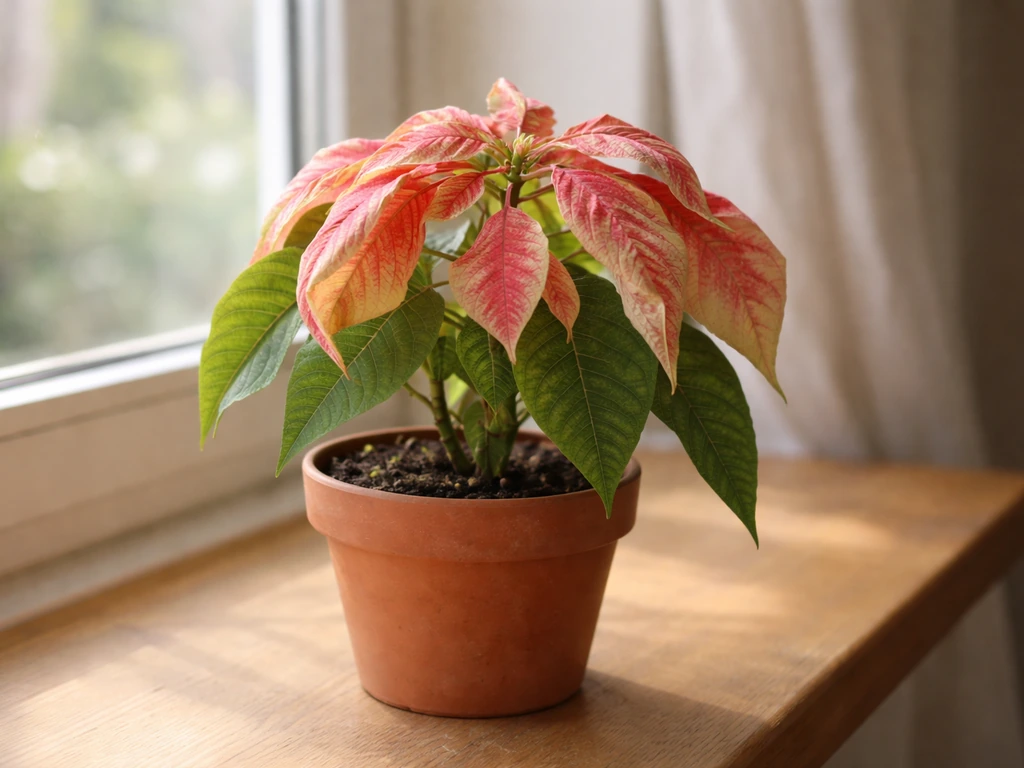
Yes, poinsettias genuinely grow in Florida, and in the right spot they can turn into impressive shrubs that come back year after year. If you’re wondering how to grow poinsettia in Australia, you’ll still focus on the same basics: well-drained soil, correct light and day-night timing, and protecting the plant from cold snaps. [UF/IFAS confirms they will perform as a Florida landscape plant wherever prolonged freezes aren't the norm](https://edis. ifas.
How to Grow Poinsettias in Florida: Step-by-Step Guide

Harriet Whitmore
29 May 2026

ufl. edu/publication/EP349), which covers most of South and Central Florida and many protected spots in North Florida. The challenge here isn't cold, it's the opposite: Florida's heat, humidity, and long summer daylight hours mean you need to manage things a little differently than the standard holiday-plant care advice you'll find on a generic garden website.
Do poinsettias actually grow in Florida?
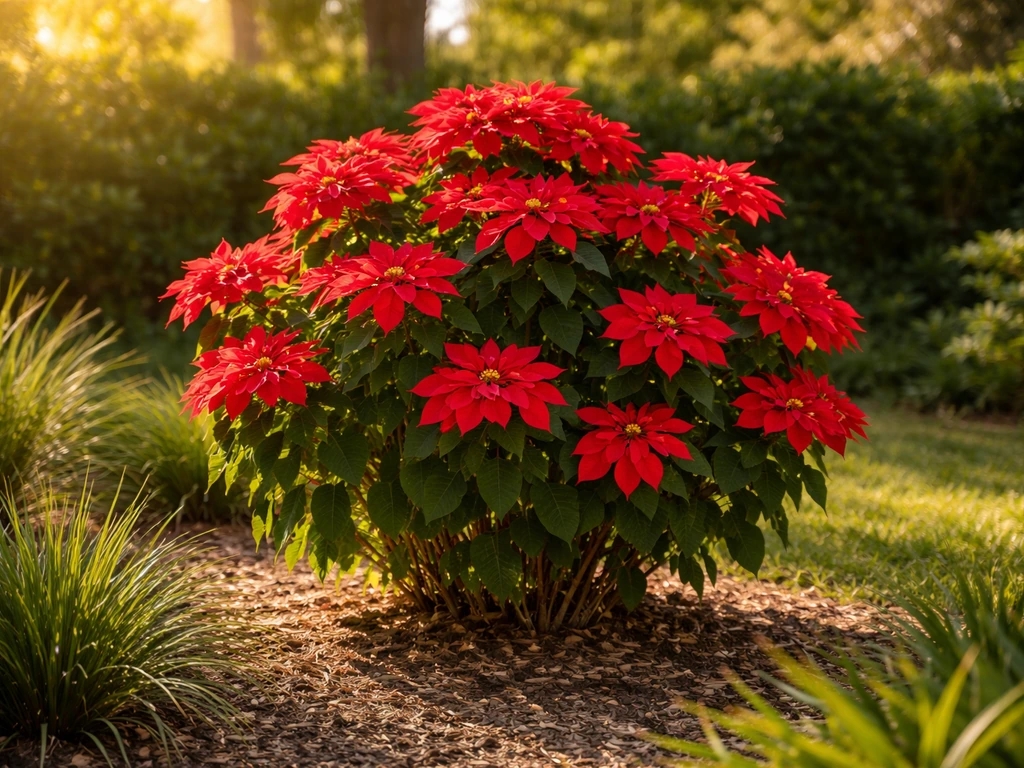
They do, and they can get big. Left unpruned in South or Central Florida, a poinsettia can easily reach 10 feet tall in the landscape. The main threat is frost: poinsettias are extremely frost sensitive and start showing stress at 40°F, so if you're in North Florida where hard freezes show up occasionally, you'll either need to grow in a container you can move, or plant in a warm microclimate against a south-facing wall. Oklahoma State Extension specifically names Florida alongside California as mild-climate states where landscape growing is realistic, and UF/IFAS backs that up. The farther south you are in Florida, the easier it gets.
One thing Florida does really well for poinsettias: the naturally short days in fall. Poinsettias are short-day plants, meaning they need long uninterrupted nights to trigger blooming. Florida's October and November nights provide exactly that, which is one reason outdoor plants in the landscape often bloom beautifully here without any special tricks, as long as you keep them out of artificial light at night.
Indoor vs. outdoor in Florida: which setup is right for you?
Both work, but they require different approaches. The right choice depends mostly on where you live in the state and whether you want year-round plants or holiday color.
Growing outdoors in the landscape
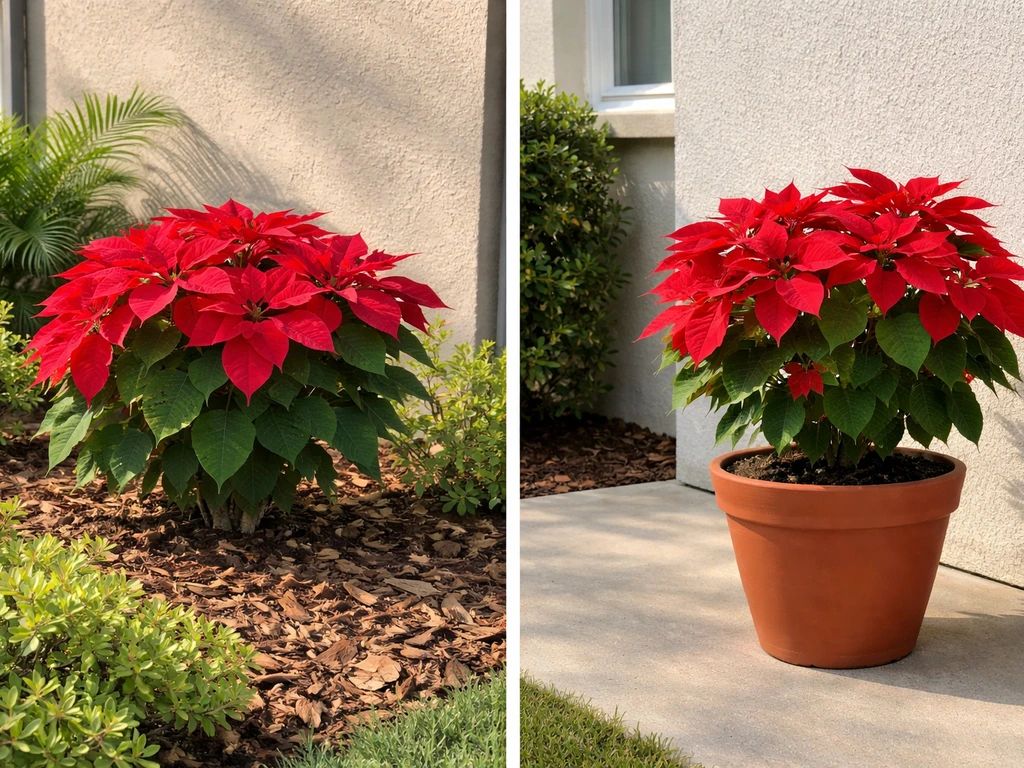
If you're in South or Central Florida (think Orlando and south), outdoor planting in the landscape is genuinely your best long-term option. You'll get a robust shrub that blooms naturally every fall. If you're also interested in a vine instead of a shrub, see how to grow Pyrostegia venusta for reliable, fiery-orange blooms. The key timing is planting in spring after any frost risk has passed, which in most of Florida means March through April.
If you want to use plugs, the process is similar: plant the plugs after frost risk, keep the soil evenly moist but well-drained, and let them size up until they are ready for transplanting or growing on planting in spring after any frost risk has passed. If you’re wondering how to grow poinsettias from plugs, the key steps are similar: plant after frost risk, keep the soil evenly moist but well-drained, and transplant or grow on once the plugs size up. Choose a sunny spot that will not receive any artificial light at night, including porch lights, street lights, or security lights, because even brief light interruptions after October 1 can delay or prevent flowering.
Growing in containers or indoors
If you're in North Florida, or you just want flexibility, containers are the practical move. You can enjoy the plant on a sunny patio or porch through the warm months, then bring it inside if a cold snap threatens. UF/IFAS says potted poinsettias tolerate full sun on a porch or patio but need protection from frost and freezing. Indoors, keep them in the brightest spot you have, away from cold drafts (like air conditioning vents blowing directly on the plant) and away from hot drafts too. Florida-specific note: in our climate, even indoors the air conditioning can create surprisingly chilly drafts, so check placement carefully.
Soil, pot size, and how to actually plant them
For landscape planting
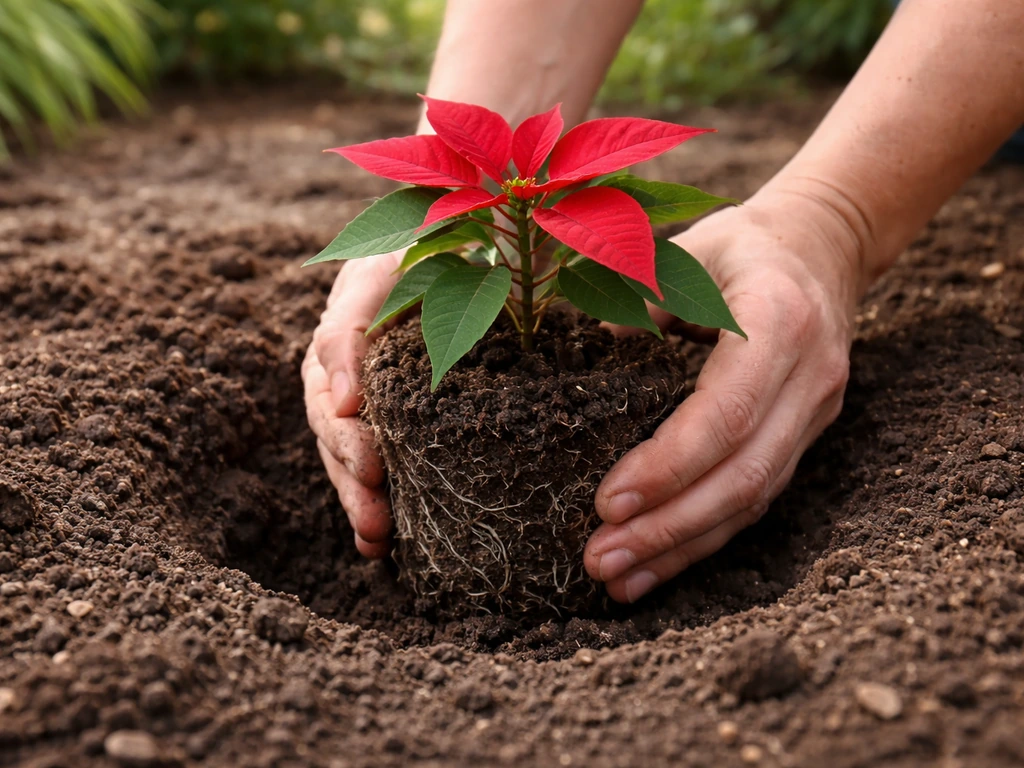
Poinsettias want moist, well-drained soil with a pH between 5. 5 and 6. 5, which is right in the range of what most Florida garden soils naturally offer (Florida soils tend toward the acidic side, so check yours with an inexpensive pH meter). Plant the poinsettia at the same depth it was growing in its container.
Don't bury it deeper, and don't leave it raised. Water it in well after planting, spread a layer of mulch around the base to retain moisture and reduce soil temperature swings, and keep watering consistently until the plant is established. Drainage is everything here: Florida's heavy summer rains make poorly drained spots a death sentence for poinsettias. Root rot from waterlogged soil is the single biggest killer UF/IFAS calls out for Florida conditions.
If you want the best chance of success in the Philippines, use the same Florida-focused priorities like drainage, light, and timing, then adjust your schedule for your local conditions how to grow poinsettia in the philippines.
For container planting
Pick a pot that's only slightly larger than the root ball. Poinsettias don't love excess soil volume because it holds moisture and increases rot risk. Use a well-draining potting mix, ideally one formulated for tropical plants or with added perlite for drainage. A slightly acidic mix (pH around 5.5 to 6.5) is ideal. Make sure your pot has drainage holes, and after watering, pour out any water sitting in saucers or decorative pot sleeves. That standing water beneath the pot is a silent root rot setup that catches a lot of Florida gardeners off guard.
Light, water, and fertilizer in Florida heat
Light
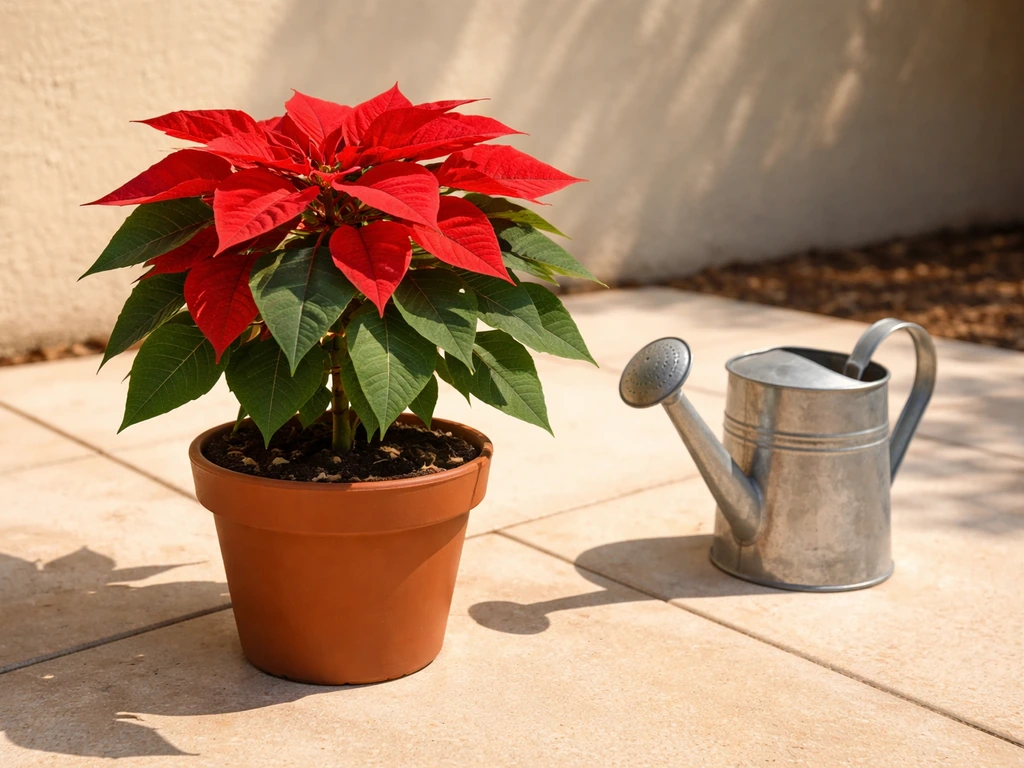
Outdoors in the landscape, poinsettias want a sunny spot with at least 6 hours of direct sun daily. In Florida's intense summer sun, they generally handle full sun well once established, but young transplants can stress in the peak of summer heat. If you're growing in a greenhouse or shade structure, UF/IFAS recommends about 30% light reduction from full sun as a production guideline. Indoors, put them in the brightest window you have, south-facing if possible.
Watering
For potted plants, water only when the top of the soil feels dry to the touch. In Florida's humidity, that might be less often than you think, especially during the rainy season. For landscape plants, water consistently until established, then let rainfall do most of the work during summer. The golden rule from UF/IFAS is simple: poinsettias do not tolerate soggy soil, so when in doubt, wait a day before watering.
Fertilizing
Here's one Florida-specific detail that trips people up: do not fertilize potted poinsettias while they're indoors as a holiday plant. UF/IFAS is clear on this. Save fertilizing for plants you're keeping long-term as landscape plants or outdoor container plants through the growing season.
For landscape poinsettias, UF/IFAS recommends fertilizing monthly from March through October in Central and South Florida, and May through September in North Florida. Use a fertilizer with balanced nitrogen and potassium (the first and third numbers on the label) and low phosphorus (the middle number). Florida's sandy soils can be magnesium-deficient, and poinsettias show it with yellowing between leaf veins and scorching at the margins. Prevent this by applying magnesium sulfate (Epsom salts) at 3 tablespoons per square yard in February/March and again in June/July.
Temperature, humidity, and Florida stress problems
Poinsettias prefer 75°F to 80°F during the day and around 65°F at night. Florida's climate hits this range almost perfectly through fall and winter, which is one reason they do so well here. Where things get complicated is at the extremes: anything below 40°F causes damage or die-back, and night temperatures below 50°F delay flowering schedules noticeably. In North Florida, watch the forecast carefully from November through February and be ready to cover outdoor plants or bring containers inside.
On the hot end, Florida's summer heat and humidity create conditions that favor fungal disease. The biggest risk is root rot, which UF/IFAS flags as the worst problem facing Florida poinsettias. Root rot is caused by fungi that thrive in waterlogged soil, so the prevention strategy is entirely about drainage: raised planting sites, well-draining soil, no standing water in saucers, and not overwatering during the rainy season.
Poinsettia scab is another Florida-specific fungal concern. It shows up mostly in summer as circular cream-colored spots and lesions on leaves. If you see it, prune off and discard the infected branches promptly. Don't compost them.
Getting your poinsettia to bloom on time
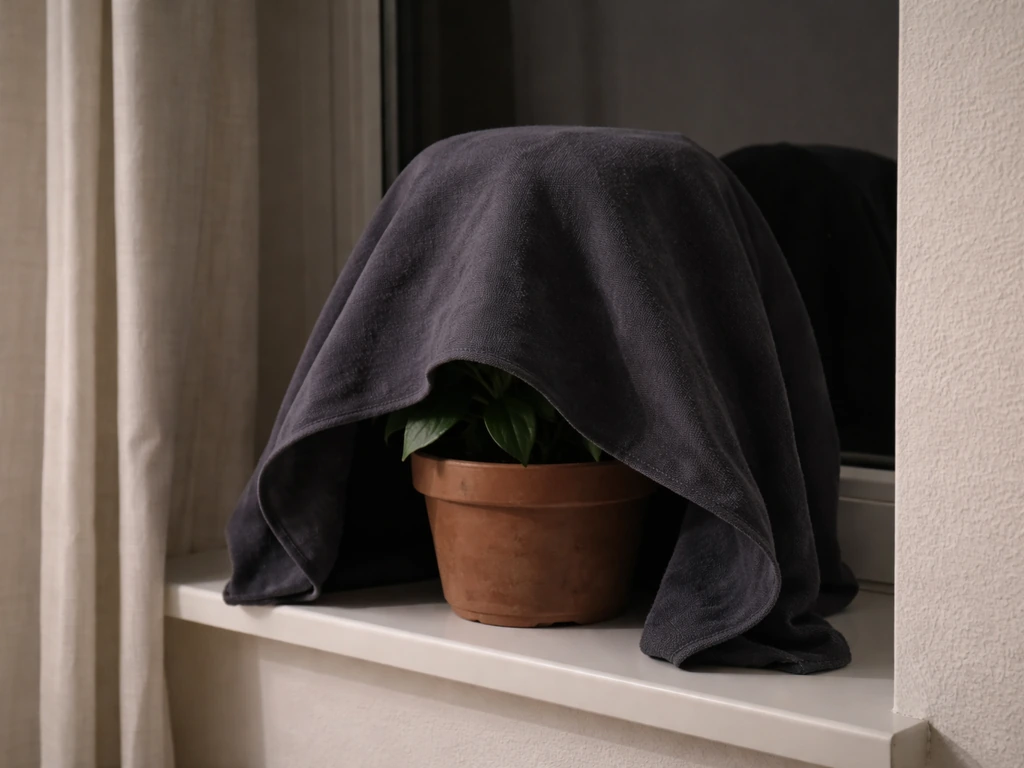
This is the part most people get wrong, and it's the most rewarding to get right. Poinsettias are short-day plants, meaning they need at least 8 weeks of long, uninterrupted dark periods to flower. In Florida's outdoor landscape, the natural shortening of days after the fall equinox usually handles this automatically. Flower buds begin to develop in October, and if everything goes right, you'll have full color by late November to December.
The interruption problem is real: if your outdoor plant sits anywhere near a porch light, street lamp, or any artificial light source that hits it after dark, it may not bloom or will bloom late. After October 1, check your plant's location at night and eliminate any light exposure.
For indoor or container plants you're trying to rebloom for the holidays, you need to control the dark period manually. If you want poinsettias to survive and thrive beyond the holiday season, follow these after-Christmas care tips and then plan for the right light and pruning timeline For indoor or container plants you're trying to rebloom for the holidays.
Starting around early October, give the plant complete darkness for at least 14 hours per night (a closet or a cardboard box works). Do this every night for 8 to 10 weeks, then bring it back into bright light during the day. Temperatures that are too warm (above 80°F at night) or too cold (below 50°F) during this period can also delay or prevent blooming, so keep indoor plants in that 65°F to 75°F night range during the dark treatment.
If you want Christmas color, start the dark treatment by early to mid-October.
Troubleshooting: when things go wrong
Leggy, stretched growth
Unpruned poinsettias get leggy fast in Florida's growing conditions. Prune back in early spring once the floral display is done and frost danger has passed. UF/IFAS recommends cutting back to within 12 to 18 inches of the ground. Through the growing season, if the plant gets rangy, cut it back monthly, leaving at least 4 leaves on each shoot. Stop pruning by September 10 so the plant can set flower buds for the fall. This is important and easy to forget: pruning after September will cut off the developing flower buds and cost you your holiday bloom.
Leaf drop
Sudden leaf drop indoors is almost always a temperature or draft problem. Check whether your plant is near an air conditioning vent, a door that opens to cold air, or a window with a draft. In Florida, AC vents blowing cold air directly on a plant is a common culprit. Outdoors, leaf drop after a cold snap is the plant's stress response to near-freezing temperatures. If the stems are still green and firm, the plant will often recover.
No color change or poor bract color
If your plant stays green and won't turn red (or pink, or white, depending on the variety), the issue is almost certainly light interruption during the dark period or temperatures that are off. Double-check that no artificial light is hitting the plant between sunset and sunrise after October 1. Also check nighttime temperatures: both too warm (above 80°F) and too cool (below 50°F) slow the process down or prevent it entirely.
Root rot and fungal diseases
If your plant wilts even when the soil is moist, or if the base of the stems looks soft or dark, root rot is the likely culprit. There's no reliable cure once it's advanced. Prevention is the whole strategy: excellent drainage, no standing water, and restrained watering. For plants you're growing in humid Florida conditions, UF/IFAS production guidelines suggest applying a broad-spectrum fungicide shortly after planting to get ahead of disease pressure.
Pests to watch for in Florida
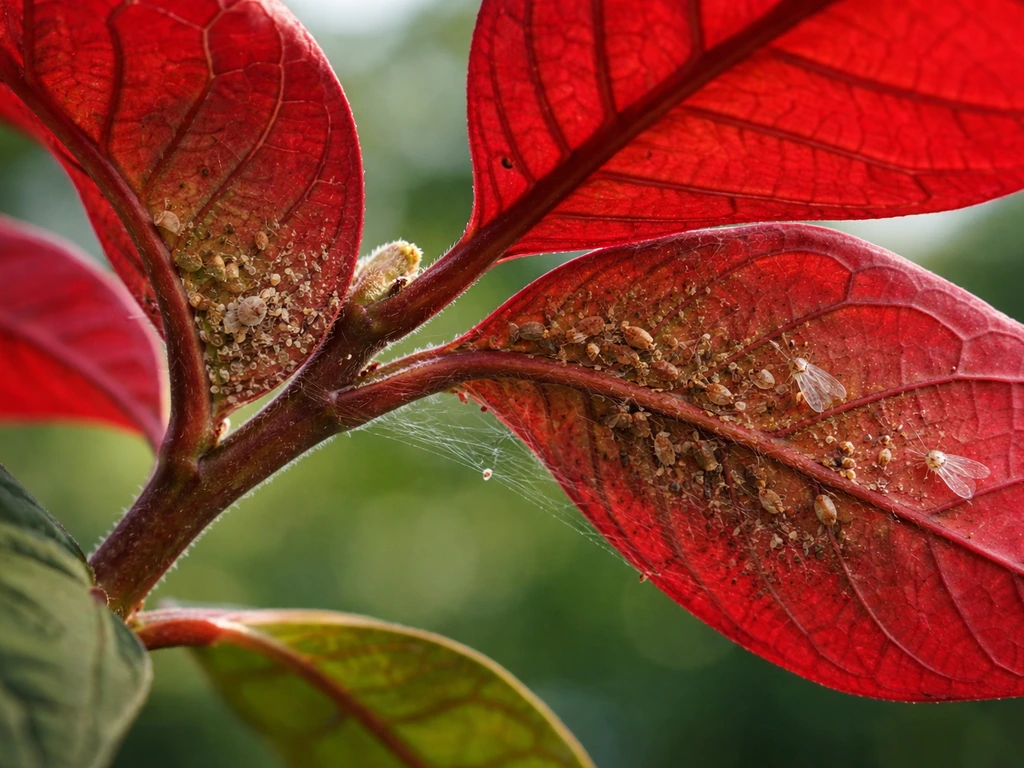
Florida's warm, humid climate keeps pest pressure year-round. The main offenders on poinsettias are aphids, mealybugs, soft scales, whiteflies, and spider mites. Check the undersides of leaves regularly, since mealybugs show up as cottony white masses, whiteflies as tiny insects that flutter when disturbed, and spider mites as fine webbing with a mottled, stippled appearance on the leaf surface. Hornworms deserve a special mention because they can strip an entire plant shockingly fast. If you find only a few, pick them off by hand and destroy them rather than reaching for a spray.
Your Florida poinsettia game plan at a glance
| Task | When to Do It | Key Detail |
|---|---|---|
| Plant in landscape | Spring (March–April) | Sunny spot, no nighttime artificial light, well-drained soil pH 5.5–6.5 |
| Fertilize (landscape) | Monthly March–Oct (Central/South FL); May–Sept (North FL) | Balanced N-K, low P; add Epsom salts Feb/March and June/July |
| Prune for shape | After flowering, monthly through summer | Leave 4 leaves per shoot; stop by September 10 |
| Start dark period treatment (indoor rebloom) | Early to mid-October | 14+ hours complete darkness nightly for 8–10 weeks |
| Protect from cold | November–February (North FL) | Cover or bring indoors if temps drop near 40°F |
| Watch for pests and scab | Year-round, especially summer | Check leaf undersides weekly; prune and discard scab-infected branches |
| Stop artificial light near outdoor plants | October 1 onward | Even brief nighttime light interruptions delay blooming |
Florida is genuinely one of the better places in the country to grow poinsettias long-term. The learning curve is mostly about drainage, pruning timing, and managing that fall dark period. Get those three things right and you'll have a plant that rewards you with color every December without much fuss. If you're curious about how these same principles apply in other warm climates or controlled growing environments, the approaches used for greenhouse growing and outdoor landscape planting share a lot of common ground with what works here. In a greenhouse, focus on light control, drainage, and temperature management so your poinsettias stay healthy and bloom on schedule greenhouse growing.
FAQ
Can I grow poinsettias in Florida year-round outdoors, or do I need to replant every season?
In South and Central Florida, you can keep them outdoors as long-lived landscape shrubs, but in North Florida you should plan for occasional frost protection or container growing. Replanting is usually unnecessary if the plant survives the winter, but you do need to protect it during freezes below about 40°F to avoid die-back.
What’s the best way to protect outdoor poinsettias from a surprise freeze in North Florida?
Use a quick, physical barrier rather than just a cover sheet. Keep the plant insulated with horticultural fabric and, if possible, add a layer of mulch around the base beforehand. If you’re growing in a container, move it indoors when nighttime lows are forecast near freezing, not after damage appears.
Do poinsettias need blackout curtains indoors in Florida to bloom for Christmas?
If you want holiday color, yes, you generally need true darkness. Even a small amount of light from a hallway or a TV screen reflection can interrupt the long uninterrupted night requirement. Place the plant in a closet or box where no light leaks in, and avoid opening the door during the dark period.
How long can a poinsettia sit in a sunny window before it starts to decline indoors?
Bright light is essential, but Florida indoor heat spikes can stress the plant, especially if the window gets very hot during the day. Keep it in the brightest spot you have, then monitor for leaf curl or fast wilting, and move it slightly back from the glass if temperatures near the leaf surface are extreme.
What container size should I use for a poinsettia in Florida, and can I repot to a bigger pot after buying?
Start with a pot only slightly larger than the root ball. Repotting into much larger containers increases moisture retention and rot risk in humid Florida. If you do repot, use a well-draining mix and ensure the pot has drainage holes, then wait until after the holiday period and the plant is actively growing before considering a larger step.
Why are my poinsettias getting lots of green leaves but no color in Florida?
Most cases come down to the dark-period requirement or nighttime temperature. Confirm there is no artificial light after dark between October 1 and when buds form, and check night temps during the dark phase. If nights are consistently too warm (above about 80°F) or too cool (below about 50°F), flowering can stall even if the plant looks healthy.
Is it safe to fertilize my poinsettia right after I bring it indoors for the holidays?
It’s usually not the right time for potted holiday plants. In Florida, avoid fertilizing while the plant is being treated as a holiday plant indoors, because you can worsen stress issues while it is trying to hold its growth and blooms. Save fertilization for when you are transitioning it into a longer-term growth plan.
My poinsettia leaves yellow, but the plant is not mushy. Could it still be magnesium deficiency?
It can be, particularly if yellowing shows up between leaf veins with leaf-margin scorching, and especially on plants grown in sandy, acidic Florida soils. Before adding amendments, consider doing a soil or leaf-based check if possible, but if the pattern matches and the plant is actively growing, magnesium sulfate in the recommended timing is often the targeted fix.
How do I tell the difference between normal leaf drop and a real problem in Florida?
Normal leaf drop is more likely during cold drafts or abrupt temperature changes indoors, and the stems often remain green and firm. If the base of stems looks soft or dark, or the plant wilts despite moist soil, root rot is likely. In that case, prevention is your best tool going forward, because advanced rot typically cannot be reversed.
What should I do if I see white, cottony patches or tiny insects on my poinsettia in Florida?
Treat based on the pest type. Cottony white masses usually indicate mealybugs, while whiteflies flutter when disturbed and spider mites cause stippled or mottled leaf surfaces with fine webbing. Start with pruning off heavily infested parts, then use an appropriate control method while ensuring good airflow and checking leaf undersides regularly.
Can I compost poinsettia prunings from diseased plants in Florida?
Avoid composting infected material, especially when you suspect fungal issues like poinsettia scab. Discard pruned infected branches instead, because compost piles may not reach temperatures high enough to reliably kill pathogens.
When should I prune poinsettias in Florida if I want them to bloom again next December?
Prune in early spring after the winter display is done and frost risk has passed. Keep pruning stopped by about early September, because later pruning can remove developing buds. If it becomes leggy during summer, do corrective cuts only before that cutoff and leave sufficient leaves on each shoot.
Next Article
How to Grow Poinsettia After Christmas: Step by Step
Step-by-step poinsettia after Christmas care plus photoperiod schedule to rebloom, with pruning, repotting, and troubles