To grow non-stop begonias reliably, you need the right variety, bright indirect light, consistent moisture without soggy roots, and a phosphorus-forward fertilizer on a regular schedule. Get those four things right and these plants will genuinely bloom from late spring until frost outdoors, or all year long if you bring them inside. The good news is that non-stop begonias are some of the most forgiving flowering plants you can grow, and even if you've struggled with them before, the fixes are usually simple. If you're wondering are begonias easy to grow, non-stop varieties are one of the most beginner-friendly options.
How to Grow Non-Stop Begonias: Care, Water, Bloom Tips

Harriet Whitmore
28 Jun 2026
What 'non-stop' begonias actually are and which types to choose
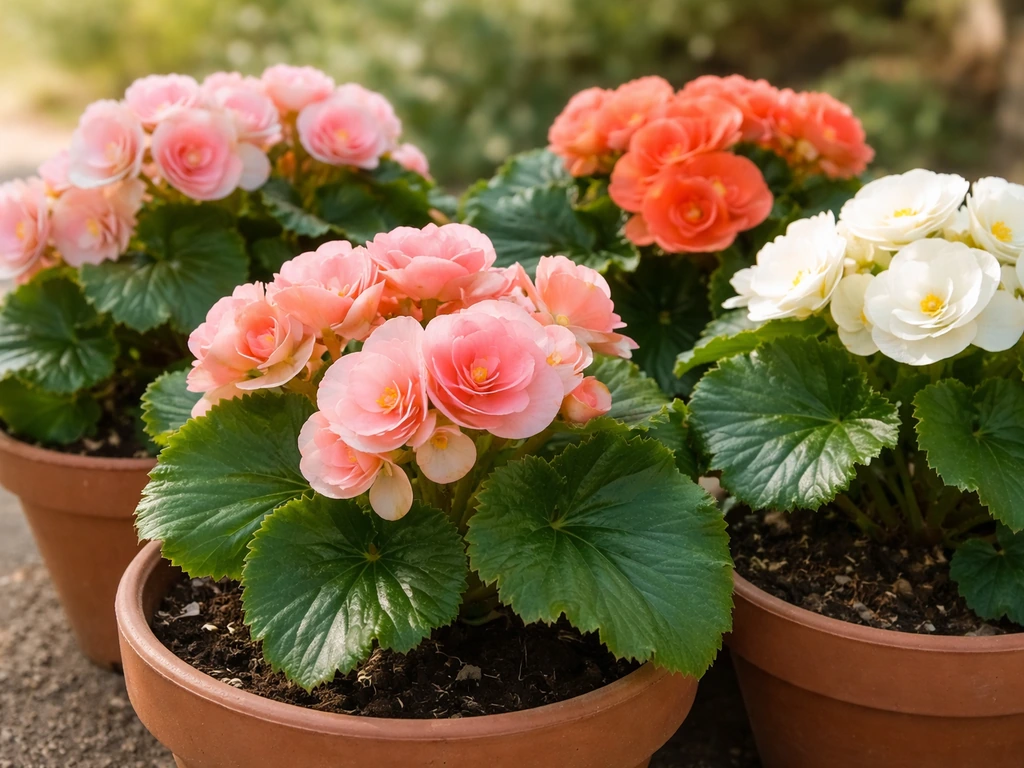
The term 'non-stop' refers to two different things depending on context. First, there's Nonstop® (capital N), which is a specific branded series of tuberous hybrid begonias developed for continuous flowering. These are double-flowered, camellia-like plants that bloom throughout summer and come in varieties like Nonstop® Joy and Nonstop® Appleblossom. They're sold as both seeds and tubers, and they're genuinely spectacular in containers and hanging baskets. Second, the lowercase 'non-stop' is simply a descriptor people use for any begonia that keeps blooming without long gaps, and that includes a couple of other types worth knowing.
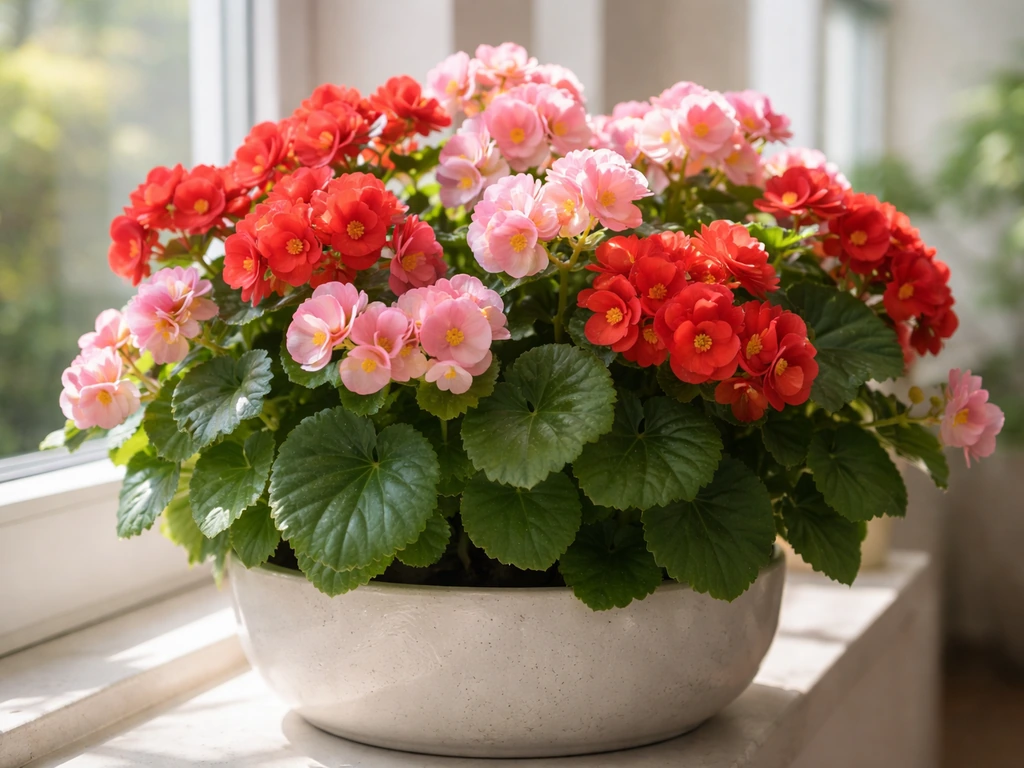
Wax begonias (Begonia x semperflorens-cultorum) are named semperflorens, which literally means 'ever-flowering.' These are the compact, sun-tolerant bedding plants you see absolutely everywhere, and they earn their name. They bloom continuously through summer with minimal intervention. Dragon Wing® begonias are another strong contender: a sterile hybrid (meaning no seed set, so all the plant's energy stays in flowers) that blooms from spring until frost without pause. They're bigger and more dramatic than wax begonias, with arching stems and pendulous clusters of flowers in red or pink.
For most home gardeners, I'd suggest starting with Dragon Wing® or a named Nonstop® series variety if you want big, showy blooms in containers. If you want a tough, low-maintenance plant for beds or borders that can take more sun, wax begonias are the more reliable choice. All three types are worth growing, but they have slightly different needs.
| Type | Best Use | Sun Tolerance | Self-Cleaning? | Bloom Season |
|---|---|---|---|---|
| Nonstop® tuberous hybrids | Containers, hanging baskets | Partial shade preferred | No, benefits from deadheading | Summer until frost |
| Dragon Wing® (cane type) | Large containers, beds | Partial to full shade | Yes, largely self-cleaning | Spring until frost |
| Wax begonia (semperflorens) | Beds, borders, containers | Full sun to partial shade | Yes, self-cleaning | Summer until frost / year-round indoors |
Light, temperature, and watering: the everyday basics
Getting the light right
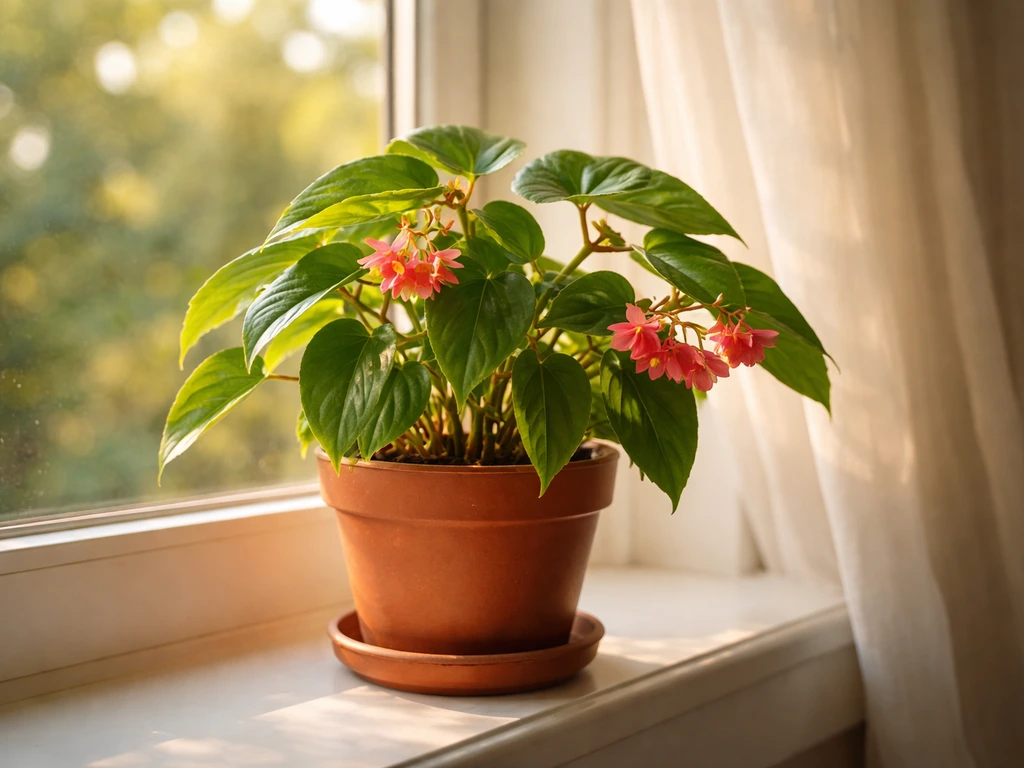
Light is probably the biggest factor in whether your begonias actually bloom continuously or just sit there looking green. If you want to learn how to help begonias grow into nonstop bloomers, focus on the right light, watering, and maintenance for your specific type. Tuberous types like Nonstop® begonias prefer bright indirect light or dappled shade outdoors. Too much direct afternoon sun and the flowers bleach and the leaves scorch. Dragon Wing® begonias are similar: they prefer partial to full shade but will take more sun in cooler climates. Wax begonias are the outliers here since they're among the few begonias that genuinely tolerate full sun, especially the bronze-leaved varieties which have slightly more sun resistance than green-leaved ones.
Indoors, Dragon Wing® begonias need the sunniest spot you have, ideally a south or west-facing window. For seedlings at any stage, 14 to 16 hours of light per day drives the fastest, most compact growth and earliest flowering. If you're starting plants indoors under grow lights, that 14 to 16-hour day length is the target to aim for.
Temperature range
Non-stop begonias are warm-weather plants. The ideal growing temperature sits around 65 to 75°F (roughly 18 to 24°C). Production growers aim for around 20 to 21°C for tuberous types specifically. What matters more practically is what to avoid: temperatures below 50°F stress begonias noticeably, and a hard frost will kill them. On the hot end, sustained temperatures above 90°F can cause bud drop and slow flowering, which is frustrating in midsummer. If you're in a hot climate, partial shade in the afternoon is more than just nice, it's necessary.
Watering without killing the roots
Overwatering is the most common mistake with begonias, full stop. The goal is consistently moist soil that never stays soggy. Water when the top inch of soil feels dry, not on a fixed schedule, because the actual frequency depends on pot size, temperature, humidity, and whether the plant is indoors or out. Yellow leaves with wet soil are the classic overwatering signal. Soft, mushy stems near the base mean root rot has already started. On the underwatering side, the plant will wilt and the soil will be bone dry. Bud drop (flowers falling off before they open) can happen from either extreme, so if buds are dropping, check the soil moisture immediately.
- Water when the top inch of soil is dry, not on a fixed schedule
- Ensure pots have drainage holes; begonias sitting in standing water rot quickly
- Yellow soft leaves with wet soil = overwatering, reduce frequency immediately
- Wilting with dry soil = underwatering, water thoroughly and let it drain
- Bud drop with either wet or bone-dry soil = fix the moisture level first
Soil, containers, and fertilizing for nonstop flowers
Soil and container setup
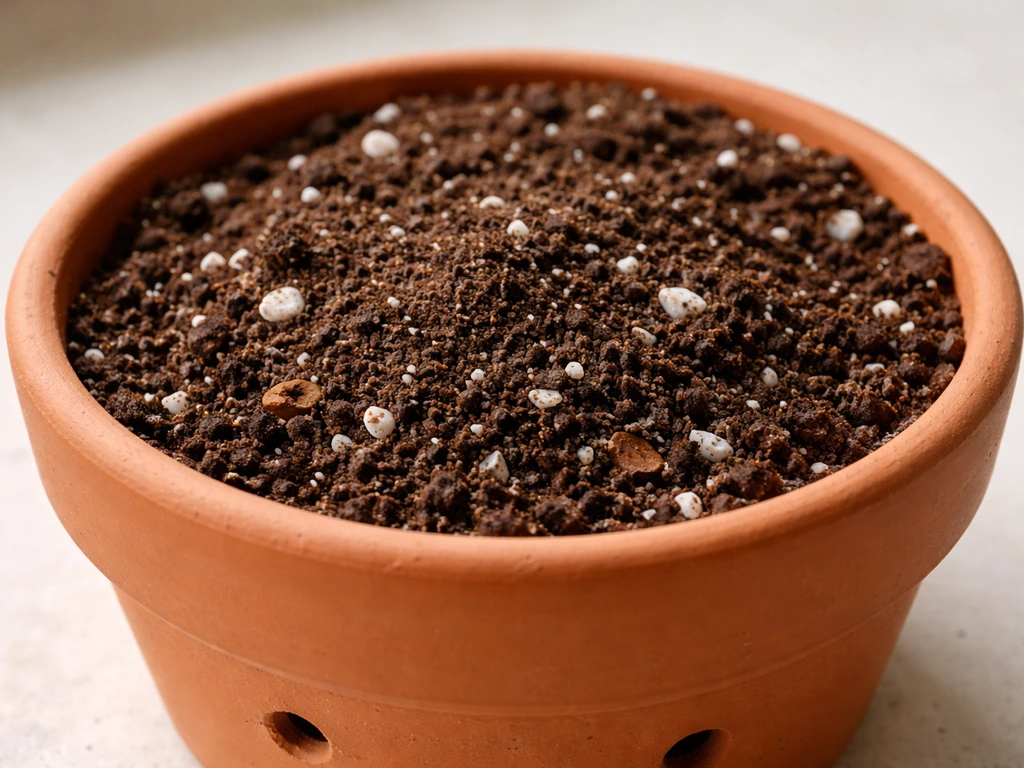
Begonias need well-draining, loose potting mix. A standard peat or coco-coir-based potting mix works well; avoid heavy garden soil in containers because it compacts and holds too much water. For tuberous types like Nonstop® begonias, slightly acidic soil (around pH 5.5 to 6.5) is ideal. Adding perlite at roughly 20 to 25% of the mix volume improves drainage and aeration significantly. The container itself matters too: terracotta pots dry out faster than plastic, which can be an advantage if you tend to overwater. Always use a pot with drainage holes, no exceptions.
Fertilizing schedule that keeps them blooming
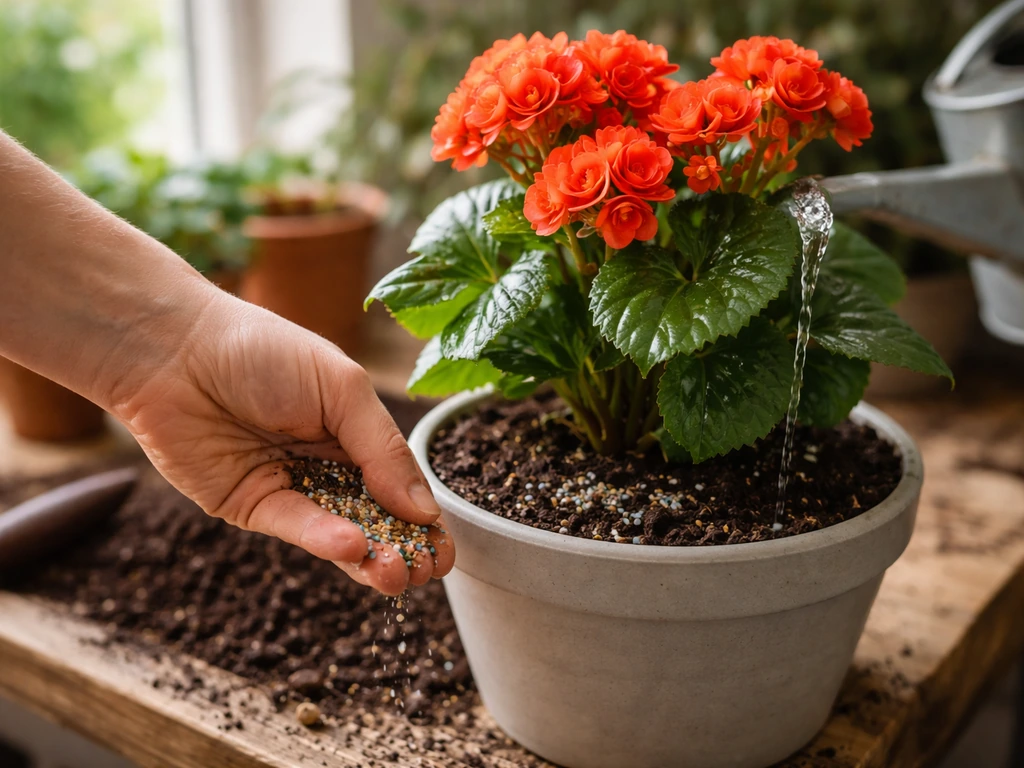
This is where a lot of gardeners go wrong by either not feeding at all or using a high-nitrogen fertilizer that drives leafy growth at the expense of flowers. For maximum bloom production, you want a fertilizer with higher phosphorus relative to nitrogen. A 15-30-15 ratio (nitrogen-phosphorus-potassium) is the classic 'bloom booster' approach recommended specifically for flowering performance. Start fertilizing once you see the first flower buds forming.
In containers, feed every two weeks at the labeled rate, or use a dilute liquid fertilizer at half-strength weekly. Production growers feed Nonstop® types at around 50 to 100 ppm nitrogen in a balanced feed like 17-5-17, but for home gardeners a simpler approach is a liquid bloom fertilizer every two weeks through the growing season.
One important seasonal note: stop fertilizing in late summer if you're planning to overwinter tuberous begonias. Continuing to push growth as days shorten and temperatures drop works against the plant's natural cycle and weakens it before dormancy.
Starting from seed vs buying plants
Buying transplants from a nursery is the fastest and most foolproof way to get blooms this season. If you find healthy Nonstop®, Dragon Wing®, or wax begonia transplants at your local garden center in spring, plant them out after your last frost date and you're 90% of the way there.
Starting from seed is satisfying but requires patience and a bit of precision. The critical thing to know is that begonia seeds are tiny (dust-like) and need light to germinate, so you surface-sow them without covering them with soil. Press them gently onto the surface of moist seed-starting mix and mist rather than pour water over them so you don't wash the seeds away. Germination takes about 15 to 21 days at a soil temperature of 70 to 75°F. A heat mat makes maintaining that temperature easy and consistent. Keep grow lights running 14 to 16 hours per day from the moment seeds are sown.
The honest part of starting from seed: from sowing to first bloom takes roughly 4 to 6 months depending on variety and conditions. That means if you want Nonstop® begonias blooming by late May or early June outdoors, you need to sow seeds indoors in December or January at the latest. For Nonstop® tuberous begonias, that usually means sowing early enough that seedlings are ready before the main growing season ramps up Nonstop® tuberous begonias start to grow. Many beginners start too late and end up with small plants that don't really hit their stride until late summer. If it's already late spring or summer as you're reading this, buy transplants this year and try seed starting next winter.
- Sow seeds on the surface of moist seed-starting mix, do not cover
- Mist gently to settle seeds, do not flood
- Maintain soil temperature of 70 to 75°F with a heat mat
- Run grow lights 14 to 16 hours per day immediately after sowing
- Expect germination in 15 to 21 days
- Transplant outdoors after all frost risk has passed (soil temp above 60°F)
- Expect first blooms roughly 4 to 6 months from sowing date
Deadheading, pinching, and maintenance that drives continuous bloom
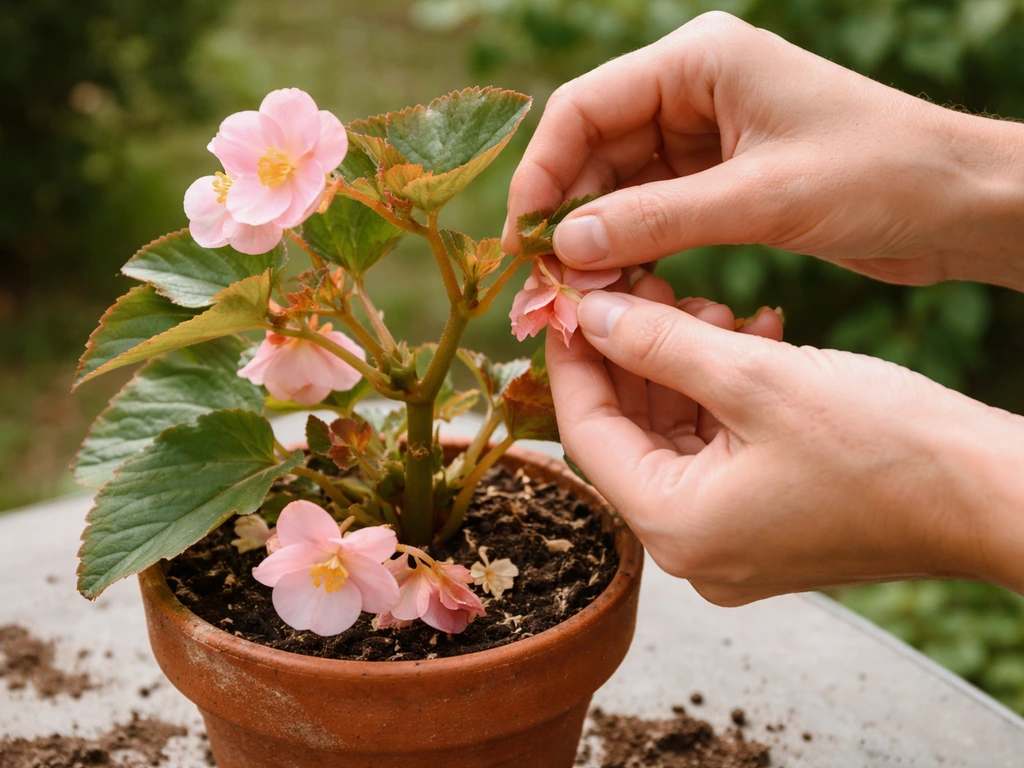
Here's good news: Dragon Wing® begonias and most wax begonias are largely self-cleaning, meaning spent flowers drop off on their own without you doing much. That's one of the big practical advantages of these varieties. Nonstop® tuberous begonias benefit more from deadheading because the spent double flowers can hold moisture against the stem and invite rot. Removing them when they're done keeps the plant cleaner and encourages the next buds.
Pinching is the technique that transforms a leggy, sparse begonia into a bushy, flower-covered plant. For cane-type begonias like Dragon Wing®, pinch off the growing tip just above a leaf node (that's the point where a leaf joins the stem) early in the season. This forces the plant to branch rather than continue growing in one direction. The American Begonia Society recommends starting to pinch after you can identify three nodes on new stems. For softer pinching on established plants, snip off the top inch above a leaf node rather than cutting deep into old wood.
Nonstop® begonias and other tuberous types don't typically need pinching in the same way, but a soft pinch on leggy stems early in the season can encourage more branching and a fuller display. The key timing for any pruning or pinching is before the main bloom push, not during it. Pruning mid-bloom just delays flowers without adding much benefit.
Troubleshooting: what's going wrong and how to fix it
Yellow leaves
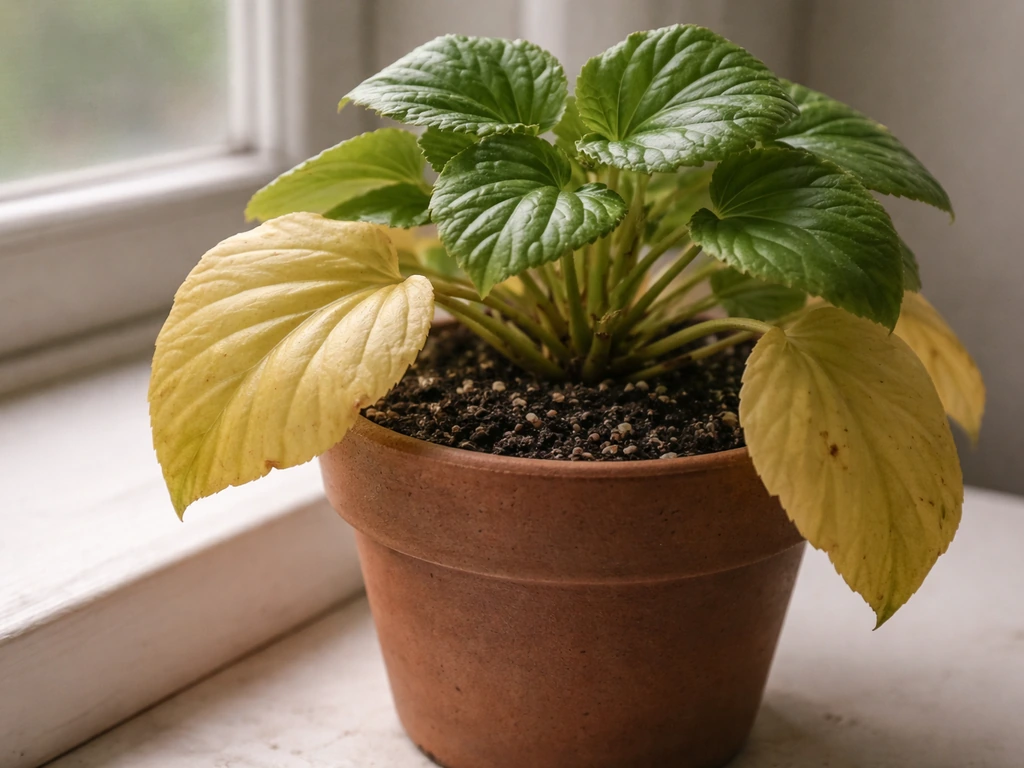
Yellow leaves are almost always a watering problem. Soft, yellow lower leaves with wet soil point to overwatering and possible root rot. Let the soil dry out more between waterings and check that drainage is working. If stems are mushy at the base, you're dealing with crown or root rot and you may need to repot entirely into fresh dry mix, cutting off any blackened roots. Yellow leaves with dry soil and drooping mean underwatering, which is easier to fix: water thoroughly and adjust your schedule.
Leggy, sparse growth
Leggy growth with few flowers almost always means insufficient light. Move the plant to a brighter spot. Indoors, try the sunniest window you have or supplement with a grow light. Pinching back the tips will also encourage bushing, but without fixing the light, new growth will continue to stretch. Check that you're also not over-feeding with nitrogen, which pushes green growth at the expense of blooms.
Flowers and buds dropping
Bud drop is usually caused by sudden environmental change: temperature fluctuation, moving the plant from one light level to another, overwatering, or underwatering. Check soil moisture first. Then think about whether the plant recently moved or experienced a cold draft, heat vent, or temperature swing. Sustained temperatures above 90°F in summer will also cause bud drop in tuberous begonias specifically. If you're growing them outdoors in a hot climate, afternoon shade is the fix.
Powdery mildew
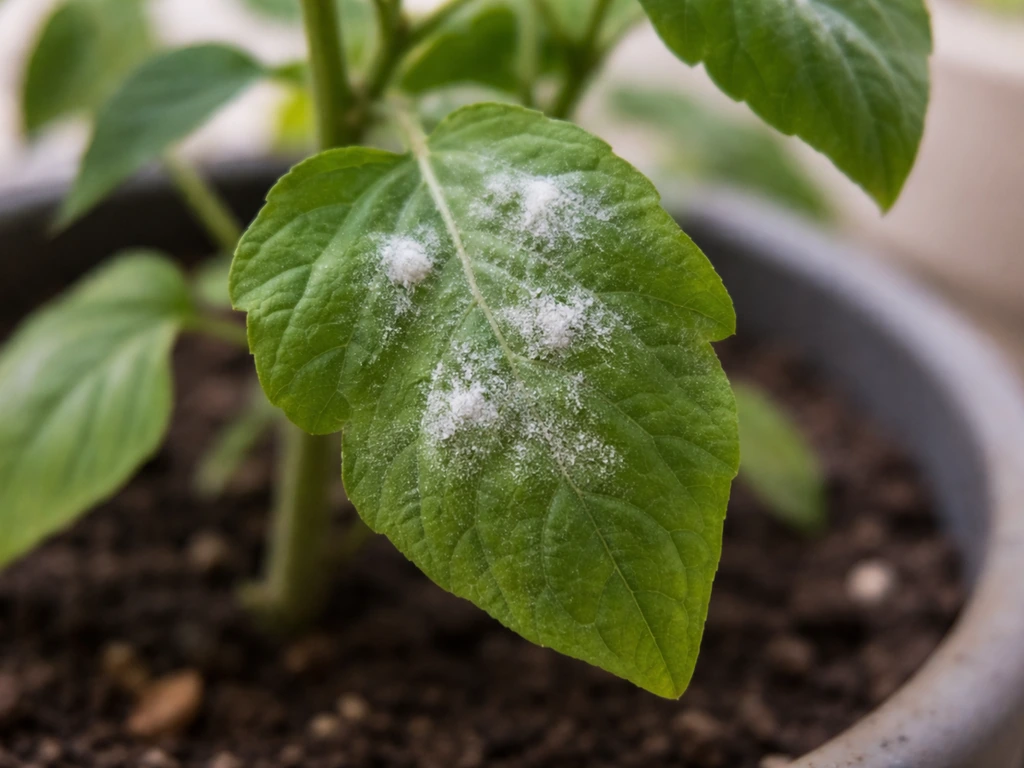
Powdery mildew looks exactly like what it sounds like: a white, powdery or thread-like coating on leaves and sometimes stems. It's a fungal problem driven by poor airflow and humidity. Improve spacing between plants and increase ventilation. For treatment, neem oil or a potassium bicarbonate spray are effective home-garden options. Horticultural oil also works. Remove heavily affected leaves before treating. In most cases, improving airflow alone slows the spread significantly.
Fungus gnats and thrips
Fungus gnats are tiny black flies you'll notice hovering around the soil surface. The adults are annoying but harmless; it's the larvae in the soil that damage roots. blank" rel="noopener noreferrer">Yellow sticky traps catch adults effectively (fungus gnats are attracted to yellow). For larvae, use a biological control drench with Bacillus thuringiensis subspecies israelensis (Bti), sold under brand names like Gnatrol or Mosquito Bits. Letting the soil dry out slightly between waterings also removes the wet conditions larvae need to survive. Thrips are harder to see but cause silvery streaking on leaves and damaged flower petals. Spinosad-based sprays are one of the more effective treatments for thrips and can be rotated with neem oil to reduce resistance.
Seasonal care and overwintering to keep blooms coming
Wax begonias and Dragon Wing® types grown outdoors are treated as annuals in most climates, but they can be kept going year-round if you bring them inside before the first frost. Both types will continue to bloom through winter on a sunny windowsill, which is genuinely one of the underappreciated perks of these plants. If you're growing them as permanent houseplants, the main adjustment is reducing watering slightly in lower-light winter conditions and holding off on fertilizer during the lowest-light months.
Tuberous begonias like Nonstop® are different because they're built for dormancy. As days shorten in late summer, you'll notice flowering slowing and foliage starting to yellow. This is the plant's signal. Stop fertilizing and gradually reduce watering. Once the foliage has died back, dig up the tubers (if they're in the ground) or simply let container soil dry out completely. Store tubers in a cool, dry, frost-free location, around 45 to 55°F, in a paper bag or a box of peat moss. Don't store them in plastic, as moisture buildup causes rot. Come late winter, start the tubers back into growth indoors with warmth and light, and they'll cycle back into bloom for another season.
If you live somewhere with mild winters (frost-free), tuberous begonias can often stay in the ground year-round with a light mulch over the dormant tubers for protection. But even in mild climates, the natural dormancy period is worth respecting rather than fighting, as it resets the plant and usually leads to stronger flowering the following season.
One last thing worth mentioning: if you're new to begonias in general and want a broader picture of what the genus involves beyond the non-stop types, it helps to understand the full range of begonia types and how their needs differ. The principles here, particularly around watering, light, and soil drainage, apply across the begonia family, but the non-stop and ever-blooming types really do reward a little extra attention to the fertilizing and pruning details outlined above. For a step-by-step guide to begonias how to grow successfully, focus on light, warm temperatures, and avoiding soggy soil. Get those right and you'll have flowers from the time you plant until the day frost arrives.
FAQ
How do I prevent non-stop begonias from bleaching or getting scorched flowers in summer?
Provide bright shade during peak sun hours. If afternoon light is strong enough to warm the pot, move plants back to dappled shade or use a sheer curtain, especially for tuberous Nonstop® types that bleach easily.
Should I deadhead non-stop begonias that are still flowering heavily?
Yes, for tuberous Nonstop® specifically, take off spent double flowers as they finish. Leaving them can trap moisture at the stem and increase the risk of rot, even when the plant looks like it is still producing new buds.
What pot size and drainage setup work best for continuous blooming?
Use a drainage-holed pot that is only slightly larger than the root ball. Oversized pots stay wet longer, which increases overwatering risk and slows flowering, even if you water “correctly.”
My non-stop begonia blooms, then suddenly stops for a few weeks. What should I check first?
Check for root-zone moisture swings first, then light changes. Bud drop or pause often follows a shift like moving the pot, temperature swings, or drying out too much between waterings.
Is it ever okay to mist begonias or wet the leaves?
Generally avoid routine leaf wetting. Misting can worsen powdery mildew by increasing leaf surface moisture. Water at soil level instead, and improve airflow around the plant.
Can I use a balanced fertilizer instead of a phosphorus-forward one?
You can, but bloom performance may be weaker. If you only have a balanced formula, prioritize one with lower nitrogen than phosphorus (or choose a labeled bloom fertilizer) and avoid feeding heavily before buds form.
How do I know if my fertilizer is too nitrogen-heavy?
If you see lots of soft, leafy growth with few buds, reduce nitrogen and switch to a bloom-focused feed once buds are visible. Also stop fertilizing late in the season for tuberous types planned for dormancy.
Do non-stop begonias need to be pinched regularly to keep flowers coming?
Not regularly. Pinching is mainly a technique for early shape. For tuberous types, a light pinch on leggy stems early can help, but repeated pinching mid-bloom can delay flowering.
What’s the best way to water containers if the soil dries at different rates each day?
Use a finger test and, if needed, a moisture meter. Water thoroughly until excess drains, then wait until the top inch dries again. This adapts to heat, humidity, and indoor versus outdoor conditions.
How can I tell root rot versus natural leaf yellowing during the season?
During dormancy, yellowing comes with overall slowdown and eventual foliage dieback (tuberous types). Root rot usually shows mushy stems at the base, wet soil that never dries, and a decline that worsens despite slightly reduced watering.
What should I do if fungus gnats keep coming back indoors?
Remove the wet conditions larvae need. Let the top portion of the mix dry slightly between waterings, use yellow sticky traps for adults, and repeat Bti drenches as directed until the cycle breaks.
Can I grow non-stop begonias under grow lights year-round?
Yes, especially for indoor continuous bloom, but reduce fertilizer during the lowest-light months and avoid overwatering. Keep the light cycle consistent (aim for 14 to 16 hours) to reduce stretching and bud drop.
Are non-stop begonias safe to overwinter indoors without digging tubers?
For wax and Dragon Wing® types, you can treat them as houseplants and keep them blooming with sunnier winter light. For tuberous Nonstop®, you still typically want dormancy, so keep reducing water and stop feeding when foliage yellows rather than trying to force continuous growth.
What’s the quickest way to troubleshoot “bud drop” on tuberous Nonstop®?
Immediately check soil moisture, then evaluate temperature stability. Look for recent drafts, heat vents, or moving the pot to a new light level, and correct afternoon heat with partial shade if you are above about 90°F for extended periods.
Why are my begonias flowering less even though I’m getting enough sun?
Often it is fertilizer balance or drainage. If nitrogen is too high, switch to a bloom-oriented fertilizer. If the mix stays wet, amend with more perlite and ensure the pot drains freely, because oxygen-deprived roots reduce bud production.
Next Article
Begonias How to Grow From Seed to Bloom
Step-by-step begonias how to grow guide from seed to bloom: light, soil, watering, feeding, timing, and troubleshooting.