You can successfully grow geraniums indoors through winter by bringing them in before the first frost, cutting them back by about a third, placing them in your brightest window, watering only when the top inch or two of soil is dry, and holding off on fertilizer until late winter when light improves. That covers the core of it. If you’re wondering what your geraniums need to grow year-round, focus on light, consistent watering, and a well-draining potting mix.
How to Grow Geraniums Over Winter Indoors Step by Step

Harriet Whitmore
16 Jun 2026
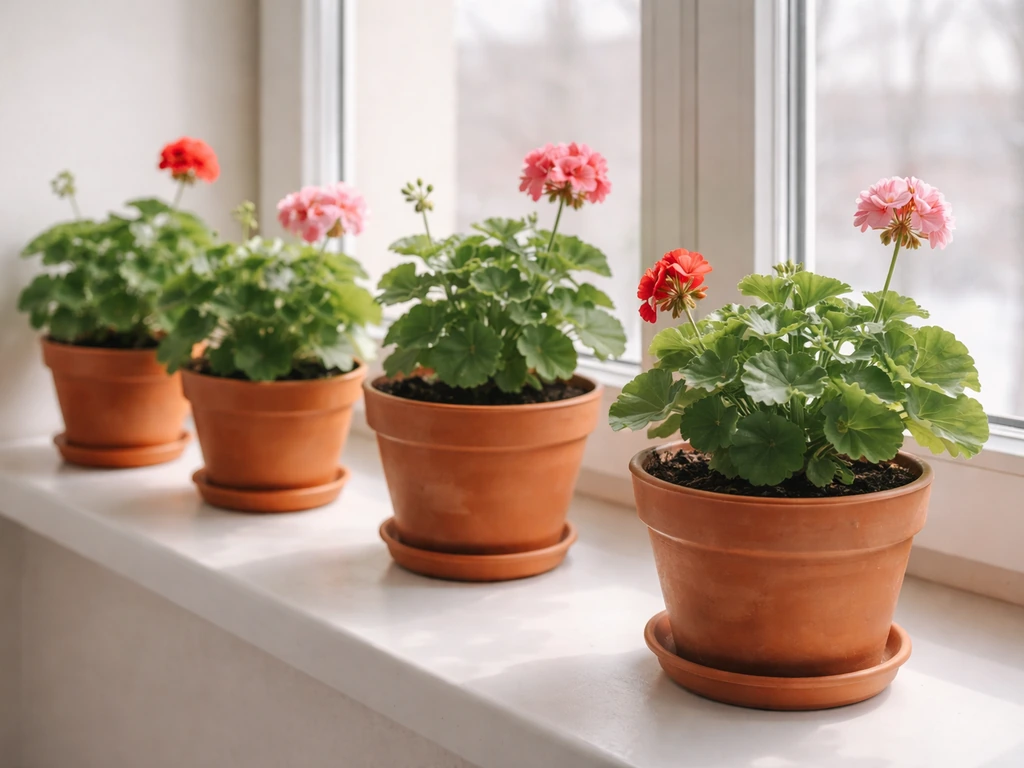
The rest is managing the details that trip most people up: leggy growth from low light, root rot from overwatering, and pests that hitchhiked inside on the foliage. Do those basics right and your geraniums will come back out in spring looking better than many gardeners expect.
Which geraniums to overwinter indoors (and which need it most)
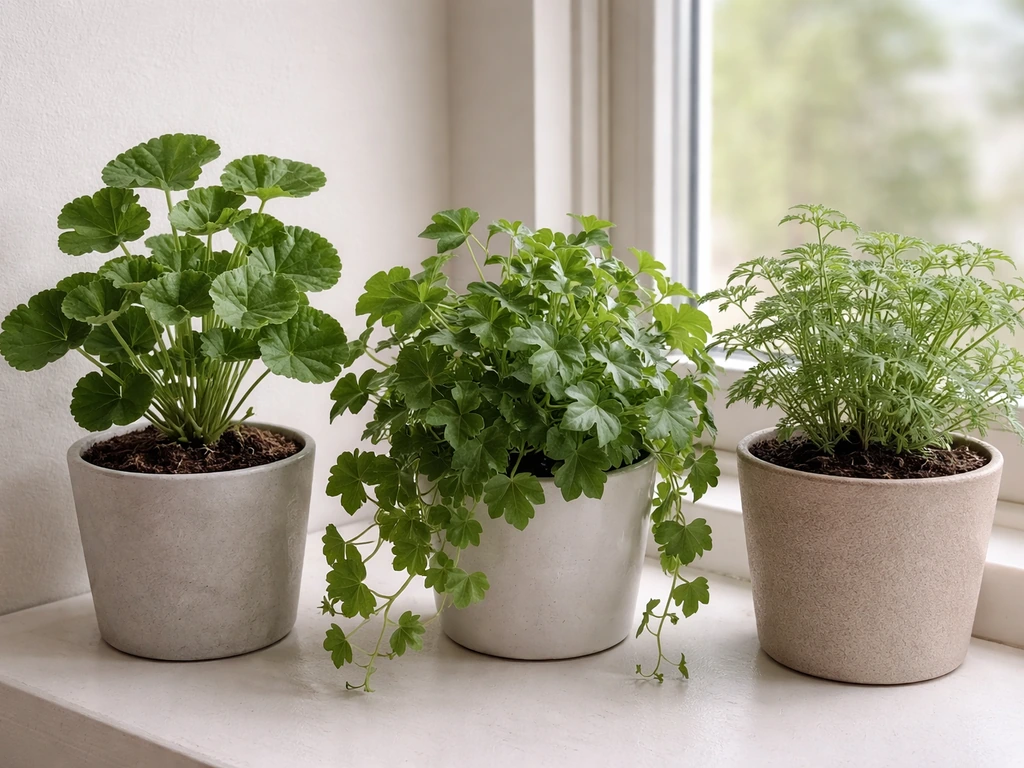
Not all geraniums are the same, and the type you have affects how you handle winter care. When most people say 'geranium,' they mean a tender pelargonium, not a hardy perennial geranium. Those are two very different plants. Hardy geraniums (Geranium spp.) survive frost in the ground and don't need to come inside at all. If you actually mean hardy perennial geraniums, the approach is different from overwintering tender pelargoniums, focusing on outdoor soil, sun level, and drainage. Tender pelargoniums are the ones you need to rescue every autumn.
Among the tender pelargoniums, zonal geraniums are the most common and the most forgiving to overwinter. They're the upright, rounded-leaf types you see in pots and window boxes everywhere. They need the brightest light you can give them indoors to stay compact and flower, and they tolerate a bit of dryness between waterings better than most houseplants.
Ivy geraniums, the trailing types with waxy leaves, actually tolerate slightly lower light than zonals, which can make them easier to manage on a window ledge that doesn't get full sun all day. Scented geraniums are equally worth saving and overwinter well indoors. They tend to go a bit leggy in low winter light, but they're forgiving and can be cut back hard. All three types follow the same general care routine indoors.
The differences are mainly in how much light they demand and how much they'll protest when they don't get enough.
Getting the indoor environment right: light, temperature, and airflow
Light is the single biggest factor in how well geraniums do over winter indoors. A south-facing window is the gold standard. Bright light is what keeps geraniums in flower indoors and prevents the weak, stretched growth that frustrates so many gardeners. If you only have east or west-facing windows, you can still overwinter successfully, but expect less blooming and a bit more leggy growth. A grow light on a timer set to 14–16 hours makes a real difference if your windows are mediocre.
Temperature-wise, geraniums are comfortable between about 55–70°F (13–21°C) indoors. They'll tolerate the cooler end of that range fine, and a cooler room can actually slow their growth enough to make watering easier to manage. What they don't like is sitting next to a cold drafty window on bitter nights or directly above a heating vent that blasts them with dry, hot air. Both cause stress. Keep them a few inches back from the glass on the coldest nights, and if you use central heat, a small fan nearby on the lowest setting improves air circulation and reduces disease risk without chilling the plant.
How to prep your plants and when to bring them in
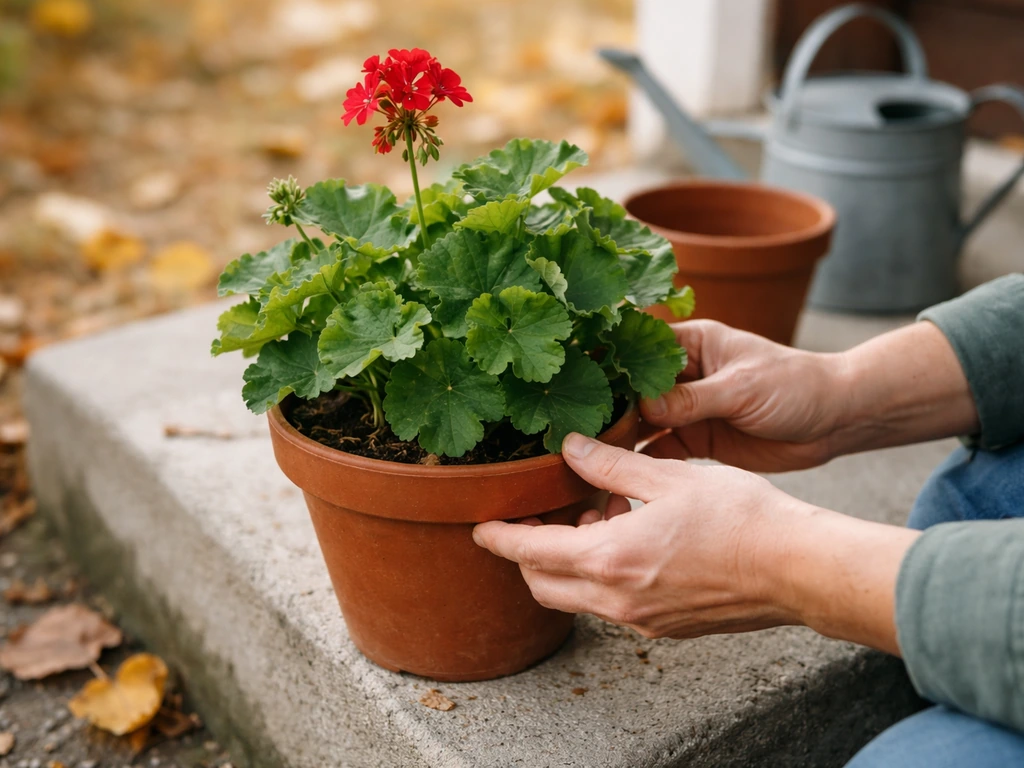
Don't wait for frost. Once nights consistently dip to around 45–50°F (7–10°C), start moving your geraniums inside. Bringing them in before actual frost lets them acclimate slowly rather than being shocked by the sudden change from outdoor conditions to indoor heating. A plant that's been stressed by cold is much more vulnerable to pests and disease once it's inside.
Before you carry a single pot through the door, inspect every plant carefully. Look under leaves for spider mites (check for fine webbing and stippled, dull foliage), check for aphids clustered on new growth, and look for whiteflies that flutter up when you brush the leaves. Quarantine any plant that looks suspicious for a week or two away from your other houseplants. This step saves a lot of grief. If you spot pests, deal with them outside before bringing the plants in.
Once you've checked for pests, cut the plants back by about a third. This isn't strictly required, but it reduces the amount of foliage the roots have to support during the lower-light winter months, makes the plants easier to manage on a windowsill, and encourages bushier regrowth in spring. Remove any yellow or dead leaves, and check that your containers have drainage holes. Repot into fresh, well-draining mix if the soil looks exhausted or compacted, since good drainage is critical to avoiding root rot indoors.
Watering without overwatering (the indoor winter approach)
Overwatering is what kills most overwintered geraniums. Indoors in winter, with lower light and cooler temperatures, the soil dries out much more slowly than it did outside in summer. Water only when the top inch or two of soil is genuinely dry. Poke your finger in, not just test the surface. Geraniums actually do better when the soil dries out somewhat between waterings. They're more tolerant of slight drought than of soggy roots. When you do water, water thoroughly so it drains out the bottom, then leave it alone until the soil dries again. Don't keep it on a schedule, check the soil and respond to what the plant actually needs.
Fertilizing through winter: less is more
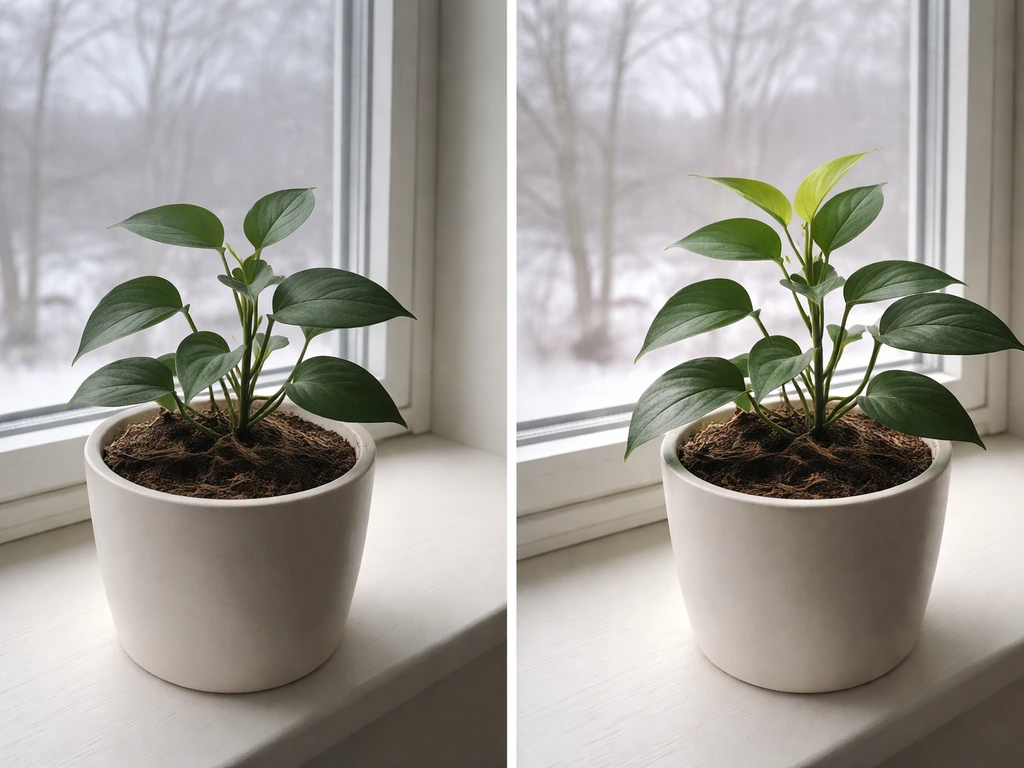
During the darkest weeks of winter (roughly November through January in most of the northern hemisphere), hold off on fertilizer almost entirely. Plants in low light and cooler temperatures grow slowly, and feeding them heavily just causes fertilizer salt buildup in the soil and pushes weak, leggy growth that struggles in dim conditions. When the plant isn't actively growing, it doesn't need the extra nutrients.
Once you start to see new growth picking up in late January or February, you can begin fertilizing again at half strength. A water-soluble, all-purpose fertilizer works well. During the active outdoor growing season, geraniums typically get fed every four to six weeks. For indoor winter feeding, once a month at half strength is plenty to start, and you can gradually return to full-strength outdoor rates as spring approaches and light improves. The goal through winter is to keep the plant alive and reasonably healthy, not to push maximum growth.
Common winter problems and how to fix them
Leggy, stretched growth
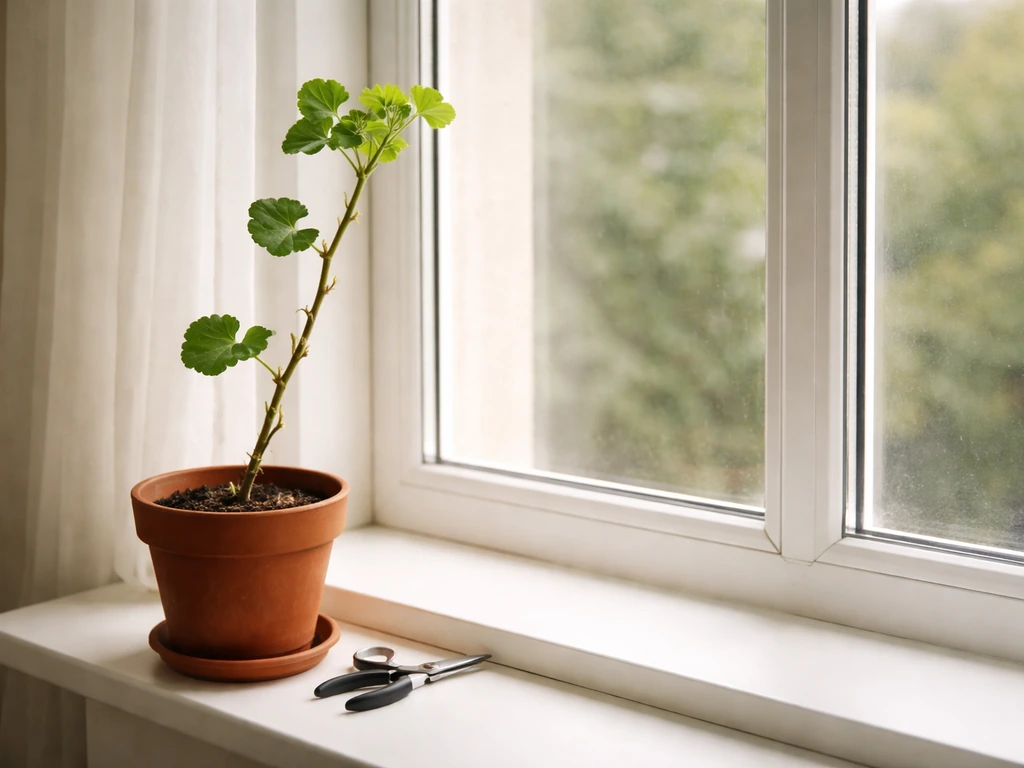
Leggy growth is almost always a light problem. If your geraniums are stretching toward the window with long gaps between leaves, they're not getting enough light. Move them to a brighter spot or add a grow light. Pinching back the tips of leggy stems encourages branching and keeps the plant more compact. It feels counterintuitive to keep pruning, but it works. If you've already done everything you can with light and the plant is still stretching, accept that it won't look its best until spring and just keep it alive.
Yellow leaves
Yellow leaves during winter are common and usually point to one of three things: overwatering (the most common), too little light, or the plant naturally shedding older lower leaves as it adjusts to indoor conditions. If the yellowing is mainly lower leaves, check your watering habits first. Let the soil dry more between waterings. If it's spreading to upper leaves and the soil is consistently wet, you may already have root rot starting, in which case you need to repot into fresh, dry mix and cut back any brown, mushy roots.
Root rot and fungal issues
Root rot is the indoor winter killer. It starts when soil stays soggy, especially combined with lower temperatures that slow drying even further. If you catch it early, repot the plant, trim the rotted roots back to healthy tissue, let the root ball dry slightly before potting into fresh mix, and then water much more sparingly going forward. Improve airflow around the plant to help the soil surface dry faster. Prevention is much easier than treatment, so good drainage holes and a light hand with the watering can are your best tools.
Indoor pests
Spider mites are the most common pest problem on geraniums that came inside from the garden. They thrive in warm, dry indoor air. UGA Cooperative Extension notes that [mites and aphid-type pests harm geraniums by sucking sap](https://extension. uga.
edu/publications/detail. html? number=B790&title=geraniums), and stresses that scouting leaf symptoms like stippling or distortion helps you catch problems early. Check for webbing on the undersides of leaves and stippled, faded foliage.
Washing the plant down with a strong spray of water is a good first step, and you may need to repeat treatment several times since eggs survive initial sprays. Aphids cluster on new growth and leave sticky honeydew behind. Fungus gnats show up when soil stays too wet. The adults are mostly an annoyance, but the larvae in the soil can damage roots.
Letting the soil dry out more between waterings breaks their life cycle, and yellow sticky traps catch the adults. For persistent infestations, a Bti soil drench (Bacillus thuringiensis israelensis) or beneficial nematodes kills larvae without harming the plant.
Taking cuttings in winter to expand your collection
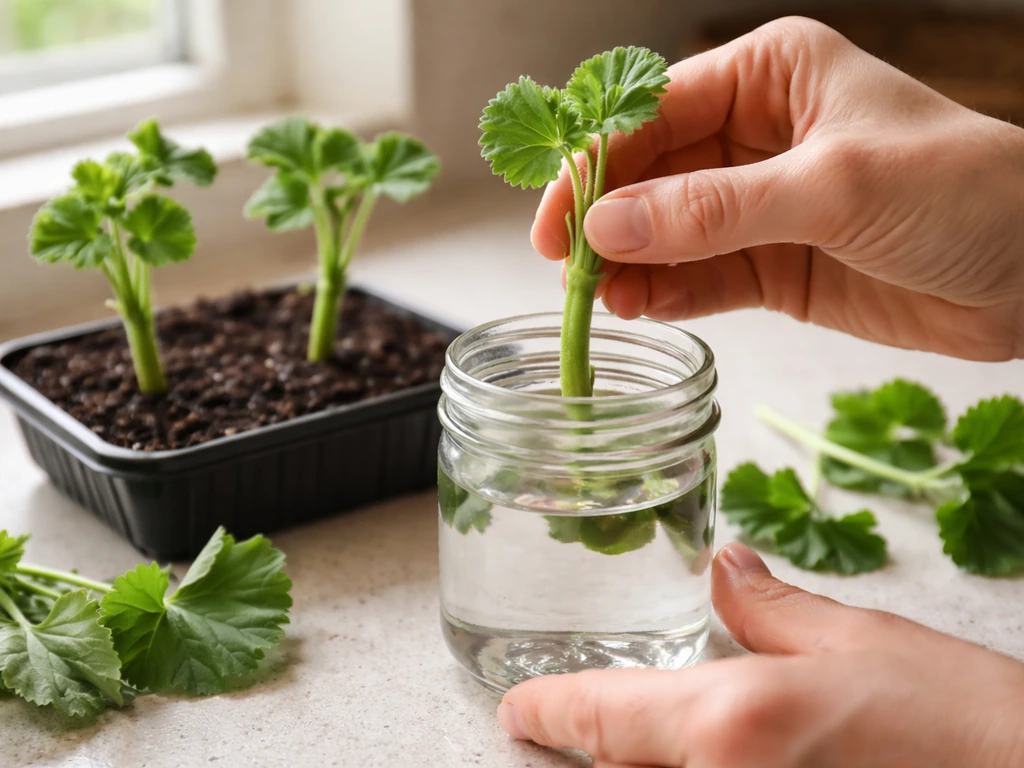
Winter is actually a great time to take geranium cuttings, both to propagate new plants and to rejuvenate an older, woody parent plant. Take stem cuttings that are about 3 to 5 inches long, cutting just below a leaf node with a clean, sharp blade. Remove the lower leaves so you have a bare stem to insert into the rooting medium, and let the cut end callus over for an hour or two before potting. This small step reduces the chance of rot at the cut end.
Dip the cut end in rooting hormone powder if you have it (it speeds things up), then insert into a small pot of lightly moist, well-draining mix. A 4-inch pot is plenty for one cutting. Bright indirect light is better than full sun while cuttings are rooting. Bottom heat helps: a soil temperature of around 70–75°F (21–24°C) speeds root development significantly, and a seedling heat mat works perfectly.
You should see roots forming within three to four weeks. Once the cutting resists a gentle tug and shows new top growth, it's rooted and can be moved to a brighter spot and treated like a regular plant. This approach is also covered in more detail if you want to explore growing geraniums from clippings more specifically.
If you're trying to grow geraniums from clippings at home, you can follow the same indoor rooting and early-care steps with a few tweaks for timing explore growing geraniums from clippings. If you are wondering where to grow them, focus on getting enough light for compact growth and steady flowering, whether indoors or outdoors grow geraniums.
Moving geraniums back outdoors in spring
Don't rush this. A geranium that spent winter in a heated house is not ready for direct spring sun and outdoor wind on day one. Hardening off, the process of gradually exposing indoor-grown plants to outdoor conditions, takes about two to three weeks and prevents the kind of growth shock and sunscald that can set plants back significantly.
Start hardening off when nighttime temperatures are reliably above 50°F (10°C) and you're past your last frost date. Begin by setting plants outside in a sheltered, partially shaded spot for just an hour or two, then bring them back in. Increase outdoor time by an hour or so each day over two weeks, gradually moving them into more sun. If there's a cold snap, bring them back inside. After about two to three weeks of this gradual exposure, they're ready to go out permanently. At that point, start increasing watering frequency as outdoor temperatures and light drive faster growth, and resume your regular fertilizing schedule.
Once they're back outdoors and actively growing, you'll see them push new growth quickly. Overwintered geraniums often have a head start on plants started fresh in spring, which makes the effort feel very worth it. You can also pair overwintering geraniums with container planting tips by thinking ahead about what to grow alongside them in the same pots overwintered geraniums. If your plants came through winter looking a bit rough, give them a hard cutback when you move them out and fresh fertilizer. They usually bounce back fast once sun and warmth return.
Your winter geranium checklist
- Bring plants in when nights hit 45–50°F (7–10°C), before any frost occurs.
- Inspect every plant for pests (mites, aphids, whiteflies) and quarantine any suspicious ones.
- Cut plants back by about a third and remove dead or yellow leaves.
- Confirm containers have drainage holes and repot into fresh mix if needed.
- Place in the brightest window available (south-facing preferred) or supplement with a grow light.
- Water only when the top 1–2 inches of soil are dry; don't keep soil constantly wet.
- Stop fertilizing through the darkest winter months; resume at half strength in late January or February.
- Pinch back leggy growth to encourage branching.
- Use yellow sticky traps and let soil dry out to manage fungus gnats.
- Check for spider mites regularly and wash plants down if you spot them.
- Take 3–5 inch cuttings in winter to propagate new plants and rejuvenate old ones.
- Harden off for 2–3 weeks before moving back outdoors in spring.
- Resume regular watering and fertilizing once plants are settled back outside.
FAQ
Can I keep geraniums in a cooler room, like 45 to 50°F, over winter?
Yes, but expect slower growth and less water use. Keep them away from cold drafts and wet windowsills, and only water when the top inch or two is dry. Cooler temps increase the chance of root problems if you overwater, so err on the drier side.
Should I move my geranium to a darker spot once it stops flowering?
No. Reduced blooming usually means the plant is not getting enough light, and moving it darker will make it stretch more. Instead, keep it in the brightest window available, or add a grow light even if flowers drop off.
How do I know when it is time to water if the pot stays cold or the room is humid?
Use finger-checking plus a pot-weight check. If the pot feels light and the top inch is dry, water thoroughly. If the top inch is still damp, wait, even if the surface looks slightly dry, since cold slows drying and can hide wet soil.
Is it okay to keep fertilizer on the whole winter schedule if I want bushier growth?
Usually not. Winter feeding often leads to fertilizer salt buildup and weak, leggy growth in low light. A safer approach is to feed lightly only after new growth starts in late winter, then ramp up as light improves.
What pot size should I use for overwintering so I do not get root rot?
Use a pot with drainage holes and avoid going much larger than the plant needs. Oversized pots hold extra wet soil that dries slowly indoors, increasing rot risk. If you see soil staying wet for many days, the pot is likely too big or the mix is too dense.
Do I need to prune during the winter, or only when I bring them back outside?
Pruning after you bring them in helps them adjust, but you can also pinch or remove yellowed leaves as needed during winter. Do not do heavy pruning again in very low light unless the plant is unhealthy, since new growth may not get enough light to recover quickly.
My geranium looks leggy even in my brightest window. What is the fastest fix?
Add supplemental light and pinch the tips right away. Rotate the pot every few days if the plant leans toward the light, and keep the light close enough that leaves are well-lit, not stretched toward darkness.
What should I do if I find spider mites or aphids after I already brought plants inside?
Quarantine immediately and treat outside or in an isolated area. Spider mites often require repeated thorough rinsing or spot treatment because eggs survive. For aphids, remove heavily infested new growth and consider a targeted soap spray, repeating as needed according to label directions.
How can I prevent fungus gnats when I am watering less?
Let the soil dry more between waterings, avoid keeping standing water in saucers, and remove any organic debris from the surface. Yellow sticky traps help with adults, and using a mix that drains fast reduces larvae habitat.
Can I overwinter cuttings in the same way as mature geraniums?
Yes, but timing and light matter. Cuttings need brighter indirect light while rooting, often with gentle bottom heat around 70 to 75°F. Once rooted and actively growing, transition them to the same window or light setup as mature plants and avoid heavy feeding until new growth is steady.
Do I need to harden off overwintered geraniums even if I keep them near a window indoors all winter?
Yes. Even if they were near a bright window, outdoor sun intensity and wind are different and can cause sunscald. Plan for 2 to 3 weeks of gradual outdoor exposure, starting when nights stay reliably above about 50°F (10°C).
Should I repot my geraniums right before winter or wait until spring?
Repotting right before winter can work if drainage is the main issue, but it can also add stress when light is dropping. If you do repot in fall, use fresh, fast-draining mix and handle roots minimally. If the plants are healthy, many gardeners wait until early spring when growth resumes.
What if my geranium loses a lot of leaves after moving indoors, is it dying?
Leaf drop can happen during the acclimation period, especially if indoor light is weaker than outdoor conditions or if cold stressed the plant before moving it in. Monitor watering carefully, keep it in bright light, and only worry if the stems soften, foul-smell, or yellowing spreads rapidly with consistently wet soil.
Next Article
How to Grow Geraniums From Clippings: Step-by-Step
Learn how to grow geraniums from clippings with water or soil rooting steps, care, transplanting, and fixes for common f