Hardy geraniums (genus Geranium, also called cranesbills) are some of the most rewarding perennials you can grow. Give them decent soil, reasonable drainage, and the right amount of light, and they will reward you with weeks of bloom, tidy mounding foliage, and very little fuss. The key steps are: pick the right spot (most want sun to part shade), plant divisions or seeds at the correct time, keep them watered through establishment, cut them back after the first flush of bloom, and divide clumps every few years to prevent bare centers. That is genuinely most of the job.
How to Grow Hardy Geraniums: Seed, Planting, Care Tips

Harriet Whitmore
10 Jun 2026
Hardy geraniums vs. tender geraniums: make sure you have the right plant
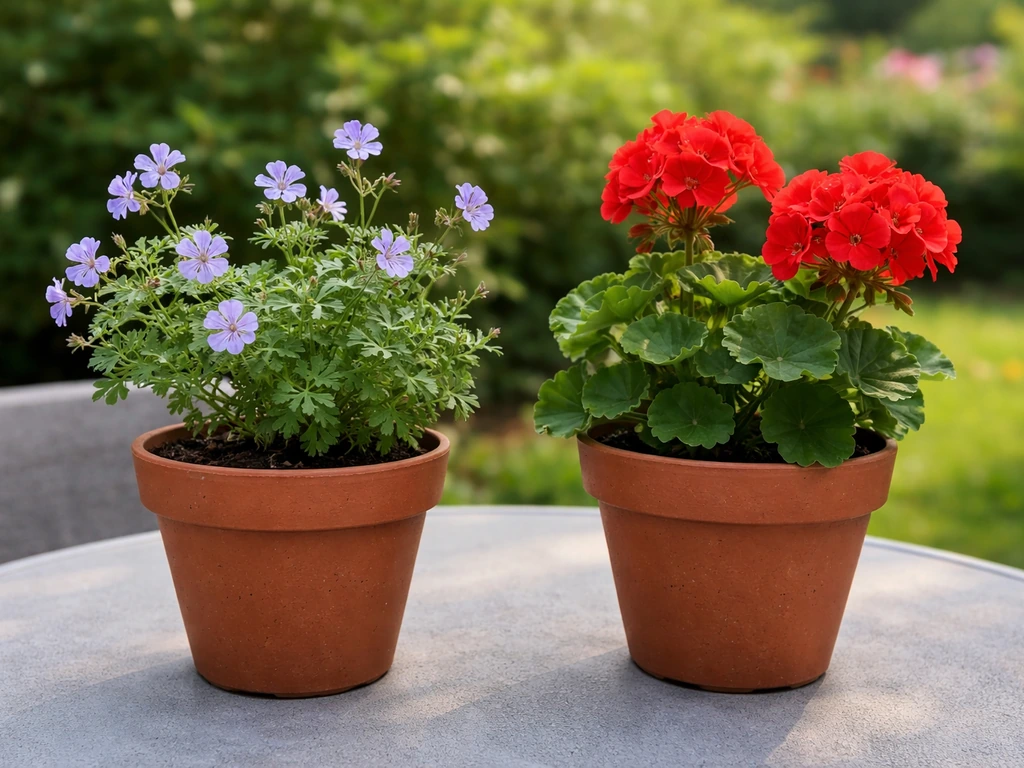
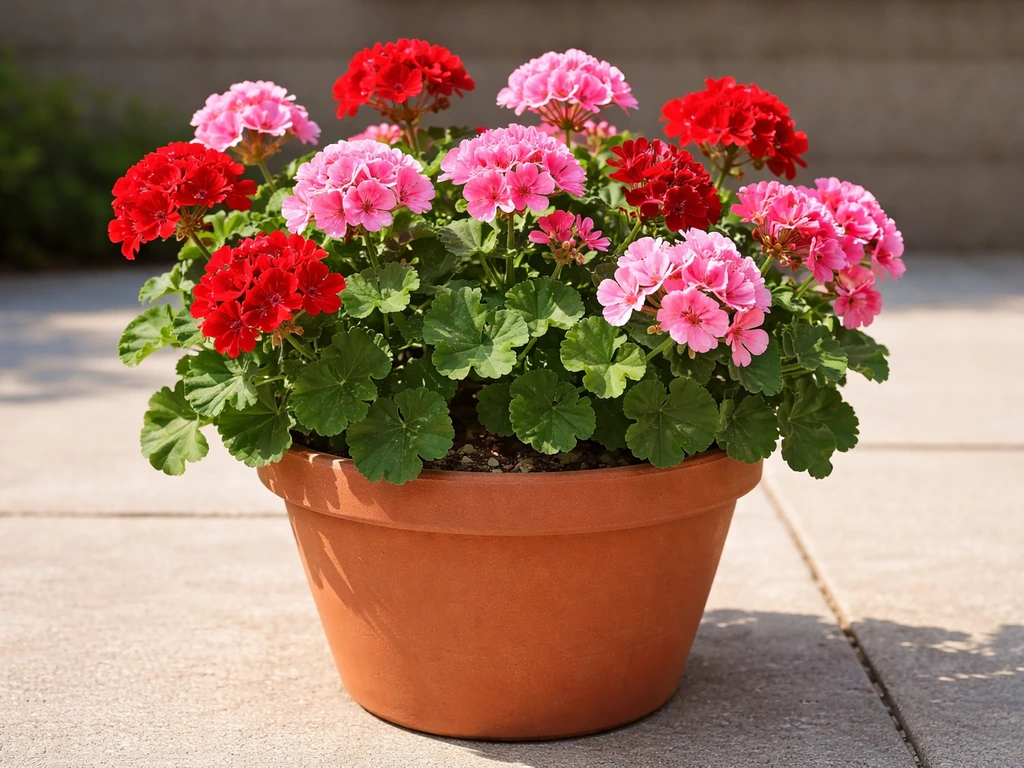
The name 'geranium' causes real confusion in garden centers. The bright-flowered plants sold as 'geraniums' in summer bedding displays are actually Pelargonium, a separate genus that is not frost-hardy in temperate climates. True hardy geraniums belong to the genus Geranium and are fully perennial in most temperate regions. The workaround most gardeners use is to call Geranium 'hardy geraniums' and Pelargonium 'tender geraniums,' which at least keeps things clear once you know the distinction. If your plant comes back every spring without any protection, it is almost certainly a true Geranium. If you bring it indoors every autumn, it is probably a Pelargonium. This guide is entirely about the perennial Geranium.
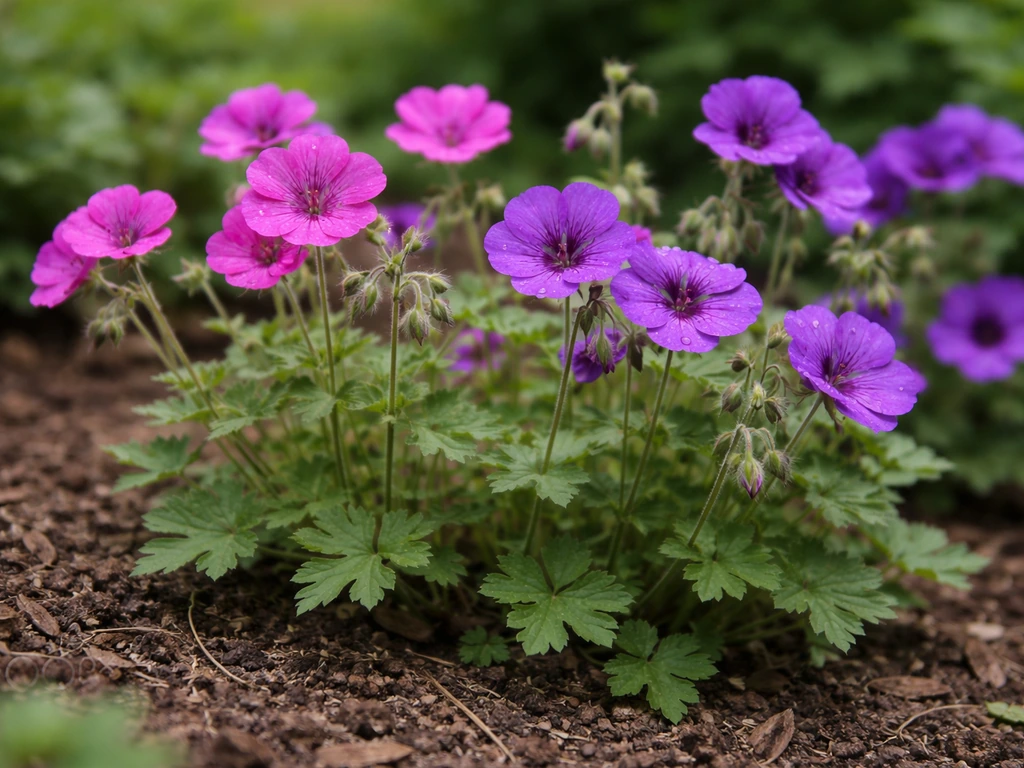
Within the Geranium genus there are dozens of species and hundreds of cultivars, so it helps to know which type you are working with. The most common ones you will encounter include Geranium 'Rozanne' (long-blooming, sprawling habit, violet-blue flowers), Geranium sanguineum (bloody cranesbill, compact, magenta to pink, very drought-tolerant once established), Geranium pratense (meadow cranesbill, tall, violet-blue, likes slightly richer soil), Geranium macrorrhizum (big-rooted cranesbill, excellent ground cover, semi-evergreen, very tough), and Geranium phaeum (dusky cranesbill, shade-tolerant, purple to near-black flowers). Each has slightly different preferences, and I will flag where those differences matter.
The growing conditions that make them thrive
Light
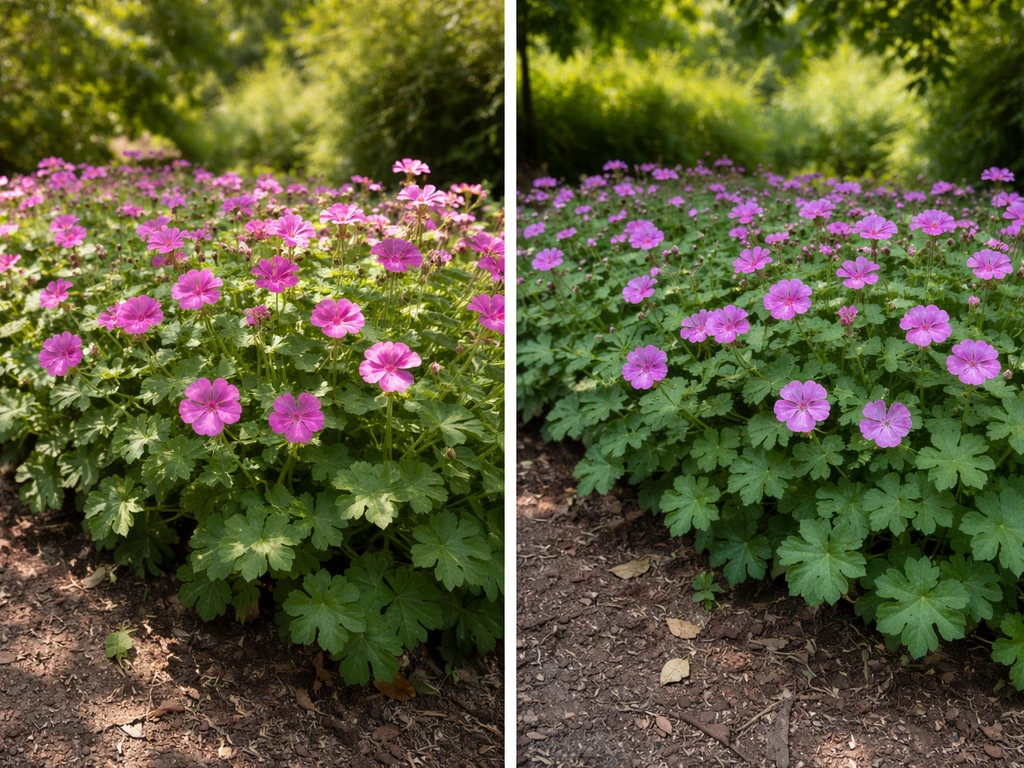
Most hardy geraniums do best in full sun to part shade (around 4 to 6 hours of direct sun per day). If you want the quickest way to decide, see where to grow geraniums based on your light and shade conditions. 'Rozanne,' G. sanguineum, and G. pratense all prefer a sunnier spot and will bloom more prolifically with good light. G. macrorrhizum handles deep shade better than most and is one of my go-to plants for dry shade under trees. G. phaeum actively prefers shade and is one of the few flowering perennials that genuinely thrives in low-light conditions. A common mistake is planting sun-lovers in deep shade and then wondering why they produce lanky stems and few flowers.
Soil texture and drainage
Hardy geraniums are not fussy about soil type, but they are very particular about drainage. They hate sitting in waterlogged soil, especially through winter. Well-drained loam is ideal, but they grow fine in sandy or even slightly stony ground as long as it does not stay wet. If your soil is heavy clay, I would strongly recommend either raised beds, adding generous grit (around 20 to 30 percent by volume) when backfilling the planting hole, or choosing G. macrorrhizum, which is among the most clay-tolerant of the group. In very rich, moist soils, some species (especially G. pratense) can become floppy and overblown, so lean, free-draining ground often produces neater, more floriferous plants.
Soil pH
A soil pH between 6.0 and 7.0 (slightly acidic to neutral) suits most hardy geraniums well. They are not acid-lovers like rhododendrons and will cope with slightly alkaline conditions without too much complaint. If your soil is very chalky (pH above 7.5), growth can become slow and leaves may yellow. A top-dress of organic matter (compost or leaf mold) each spring helps buffer pH and improve structure without needing elaborate soil amendments.
Growing from seed vs. divisions or starter plants
Growing hardy geraniums from seed
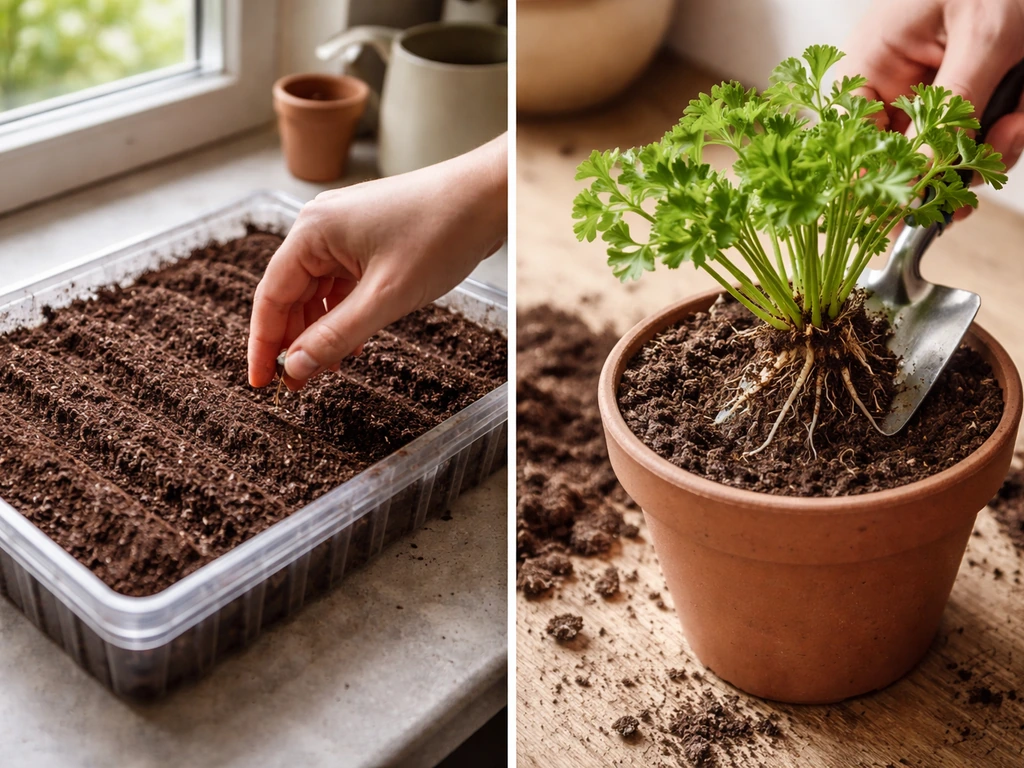
Growing from seed is the patient route. Many named cultivars (like 'Rozanne') do not come true from seed and must be propagated vegetatively, so seed-growing is mainly useful for species types like G. sanguineum, G. pratense, or G. phaeum. Hardy geranium seeds often have a hard coat and benefit from a period of cold stratification to break dormancy. The easiest method is sowing into pots of moist seed compost in autumn and leaving them outside through winter (exposed to natural cold and frost). By spring, germination usually follows. Alternatively, place stratified seeds in a sealed bag of moist vermiculite in the fridge for 4 to 6 weeks before sowing indoors in late winter. Germination can be patchy and slow (sometimes 3 to 4 weeks after cold stratification), so do not give up on a pot that looks empty. Grow seedlings on in a cool spot and pot up once they have a couple of true leaves. Expect to wait until the second year for a proper flower display.
Growing from divisions or plug plants
Divisions and plug plants are genuinely the better choice for most gardeners. They are faster, reliable, and let you grow named cultivars with predictable flower color and habit. If you are dividing an existing plant, dig up the whole clump in spring or autumn, use two garden forks back-to-back to split it apart, and replant the outer, younger pieces with healthy roots. Discard the woody center. Plug plants from nurseries can go straight into prepared beds in spring once frosts are past. Both methods typically give you flowering plants in the first season.
Planting timing and spacing
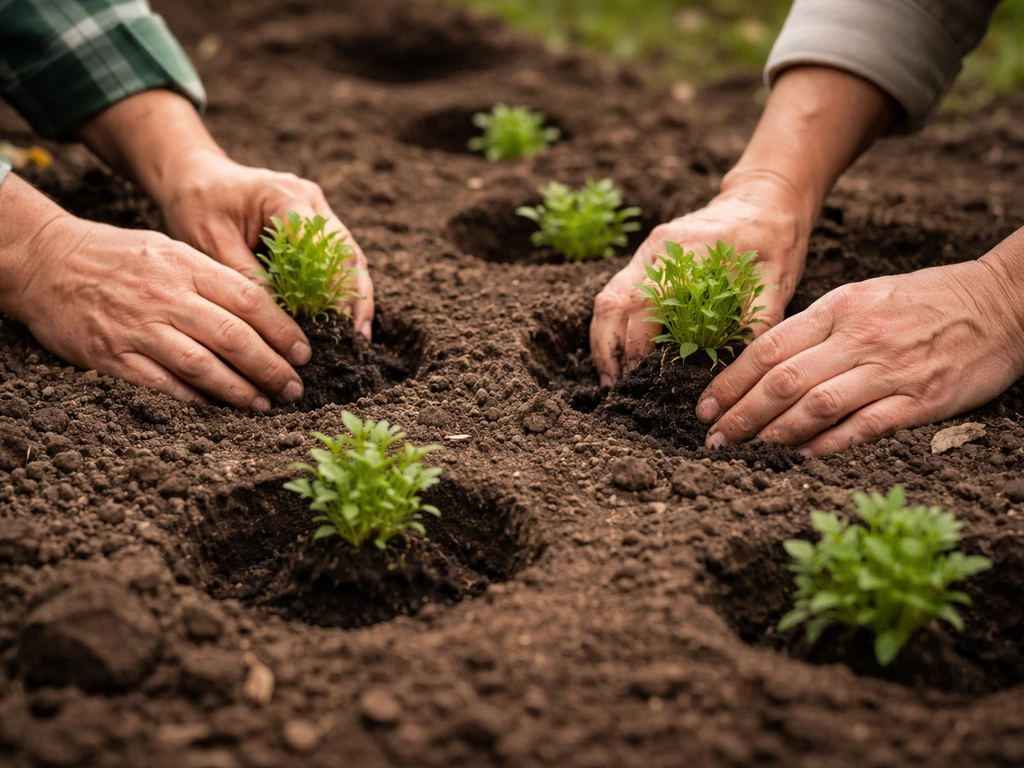
Spring and autumn are both excellent planting windows, and which you choose mostly depends on where you live. In cooler, wetter climates, autumn planting (September to October in the Northern Hemisphere) gives roots months to establish before summer heat arrives. In colder climates where winters are harsh, spring planting (once the last frost has passed and soil is workable, typically March to May depending on your zone) is safer because freshly planted crowns are more vulnerable to freeze-thaw cycles. Pot-grown plants from a nursery can technically go in anytime the ground is not frozen, but avoid planting in the height of summer heat if you can.
For spacing, smaller and more compact species like G. sanguineum can go in 30 to 40 cm (12 to 15 inches) apart. Larger, spreading types like 'Rozanne' or G. pratense need 45 to 60 cm (18 to 24 inches) of space. G. macrorrhizum, which is grown partly for its ground-covering ability, can be planted 30 to 45 cm apart and will knit together into a weed-suppressing mat within two seasons. Plant crowns at the same depth they were growing in the pot or, for bare-root divisions, just deep enough that the growing points are at or just below soil level. Planting too deep is one of the common reasons newly planted divisions sulk or rot.
Watering and feeding through the seasons
Watering
Newly planted hardy geraniums need regular watering for the first four to six weeks to help roots establish. Water deeply two or three times a week rather than a little every day, encouraging roots to grow down rather than stay near the surface. Once established (usually after a full growing season), most hardy geraniums are genuinely drought-tolerant, especially G. sanguineum and G. macrorrhizum. In a normal temperate summer, established plants often need no supplemental watering at all. In extended hot, dry spells (two or more weeks with no rain), give them a deep soak once a week. Overwatering established plants is more of a problem than underwatering: soggy soil is the fastest route to root rot.
Feeding
Hardy geraniums do not need heavy feeding. In fact, too much nitrogen produces lush, sappy growth at the expense of flowers. My approach is to top-dress with a 5 to 8 cm (2 to 3 inch) layer of garden compost or well-rotted manure in early spring, worked lightly into the surface. That is usually all these plants need for a full season of bloom. If your soil is very sandy and poor, a balanced granular fertilizer (something like a 5-5-5 or 10-10-10 NPK) applied once in early spring at the recommended rate is fine. Avoid high-nitrogen liquid feeds. For plants grown in containers, a balanced, low-nitrogen liquid feed once a month through the growing season keeps them healthy without overdoing it.
Mulching, deadheading, and the summer cutback
Mulching
A mulch layer in early spring does several things at once: it insulates roots, retains moisture through summer, suppresses weeds, and slowly improves soil structure as it breaks down. Use organic material (compost, bark chips, or leaf mold) applied 5 to 8 cm deep around the crown but not touching the stems directly. Mulching in autumn, after cutting back, also helps protect crowns from freeze-thaw damage in colder climates. For a fuller guide on keeping them healthy through the cold months, see how to grow geraniums over winter mulching in autumn, after cutting back. This is a quick 20-minute job that pays dividends across the whole growing season.
Deadheading
For most hardy geraniums, deadheading individual flowers is not really practical (there are simply too many small flowers to snip off one by one). Instead, the effective technique is to shear or cut back the whole plant once the first main flush of bloom fades and the foliage starts to look tired and tatty. This typically happens in midsummer for most species. Cut the plant back hard, to about 10 to 15 cm (4 to 6 inches) above ground. It looks brutal, but within two to four weeks the plant pushes fresh new foliage, and in most cases a second flush of flowers follows in late summer or early autumn. 'Rozanne' is an exception: it blooms almost continuously and rarely needs a hard cutback, though a light trim in midsummer helps if it gets sprawly.
Autumn and winter pruning
In autumn, once foliage dies back after the first hard frosts, cut all stems down to just above ground level. Some gardeners leave the dried stems and seed heads over winter for wildlife interest and then cut back in late winter or very early spring before new growth starts, which is equally fine. The important thing is clearing old growth before the new season's basal shoots emerge, or they get tangled in the dead material. G. macrorrhizum is semi-evergreen and benefits from just a light tidy in spring rather than a hard autumn cut.
Troubleshooting: why your hardy geraniums might not be thriving
Leggy, floppy growth and few flowers
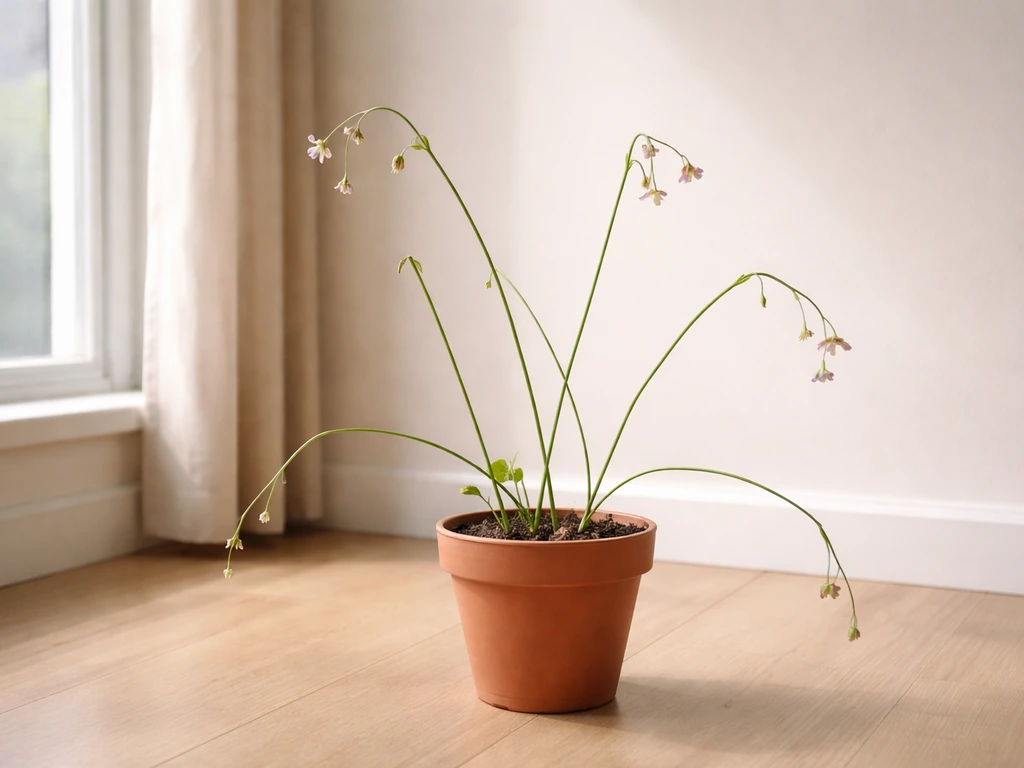
Legginess usually means one of two things: not enough light, or too much nitrogen. Move the plant to a sunnier spot if possible, or cut it back hard now and apply only compost (not a nitrogen-heavy feed) this season. Tall species like G. pratense in rich soil can be inherently floppy. Try growing them through a low plant support or alongside stiff-stemmed neighbors for natural support. If the problem recurs, switching to a more compact cultivar like G. sanguineum 'Album' or 'Striatum' makes life easier.
Bare patches and hollow centers in established clumps
A hollow or dead center in a clump that used to be dense is a classic sign the plant needs dividing. Most hardy geraniums benefit from division every three to four years. Dig and divide in spring or autumn, discard the old woody center, and replant the vigorous outer sections. You will likely end up with more plants than you started with, which makes them excellent for filling gaps or sharing with neighbors.
Winter damage
True Geranium species are generally very hardy (most tolerate temperatures well below freezing), but freshly planted divisions or plug plants in their first winter can sometimes suffer if the ground freezes and thaws repeatedly, heaving roots out of the soil. If you see crowns pushed up above soil level after a cold spell, press them back down gently and apply a mulch layer for insulation. In very cold zones (USDA Zone 4 or colder), a protective mulch over winter is good insurance even for established plants.
Pests and diseases
Hardy geraniums are largely problem-free, which is one of the reasons they are so popular. The most common issues you might encounter are listed here, along with what to do.
- Vine weevil: adult beetles notch leaf edges (mostly cosmetic), but the C-shaped white grubs in the soil eat roots and can kill plants. Check roots when dividing and treat with biological nematode control (Steinernema kraussei) in autumn.
- Slugs and snails: mainly a problem on young growth in spring. Use iron phosphate slug pellets, copper tape around pots, or go out at night with a torch and remove them by hand.
- Powdery mildew: a white, dusty coating on leaves, most common in hot, dry summers on plants that are too dry at the roots or in poor airflow. Water at soil level rather than overhead, ensure good spacing, and cut back affected foliage. A hard summer cutback often resolves this entirely.
- Leaf spot: brown or dark spots on leaves, usually fungal. Remove affected leaves, improve airflow by thinning congested clumps, and avoid wetting foliage. Rarely serious enough to need fungicide.
- Rust: orange pustules on leaf undersides. Remove affected leaves promptly, avoid overhead watering, and cut back hard if the plant is badly affected. Choose resistant cultivars if rust is a recurring problem in your garden.
Slow establishment and no flowering in year one
If a newly planted hardy geranium sits there doing not much in its first season, do not panic. Plants grown from small divisions or plugs sometimes spend their first year building a root system before putting energy into flowers. This is normal. Keep it watered through dry spells, do not over-feed it, and give it one more season before concluding something is wrong.
Which type suits your garden: a quick comparison
| Species / Cultivar | Best light | Typical height | Key strength | Watch out for |
|---|---|---|---|---|
| Geranium 'Rozanne' | Sun to part shade | 40-50 cm | Very long bloom period, nearly all season | Can sprawl; divide every 3-4 years |
| Geranium sanguineum | Full sun | 20-30 cm | Compact, drought-tolerant, tough | Spreads by seed; deadhead to control |
| Geranium pratense | Full sun to light shade | 60-80 cm | Tall, rich color, good for borders | Floppy in rich soil; may need support |
| Geranium macrorrhizum | Part to full shade | 30-40 cm | Best for dry shade and ground cover | Semi-evergreen; needs light tidy not hard cut |
| Geranium phaeum | Part to full shade | 40-60 cm | Excellent in deep shade, self-seeds gently | Flower color variable from seed |
Your next steps based on where you are right now
If you are just starting out and choosing plants, 'Rozanne' or G. sanguineum are the best starting points for most gardens: reliable, compact, and widely available. If you already have plants in the ground but they look tired or bare in the center, dig and divide them this autumn or next spring. If growth is lush but flowers are sparse, ease off any nitrogen feeding and check light levels. If you are seeing powdery mildew or floppy stems right now in early summer, cut the plant back hard: fresh growth and a second flush of blooms will follow within a few weeks. Hardy geraniums reward low-maintenance attention more than intensive care, and once you have a few established clumps, you will have more than enough to divide and fill the rest of your garden. If you want to expand your collection without buying more plants, you can also learn how to grow geraniums from clippings. To make your beds look even better, it helps to know what to grow with geraniums alongside them for long-lasting color and texture.
Once your plants are thriving, you might also want to think about companion planting, overwintering tender types if you grow any Pelargonium alongside them, or propagating new plants from cuttings to expand your collection. These topics are worth exploring as your confidence with growing this genus builds.
FAQ
My hardy geranium looks inactive after planting, should I replace it?
Even hardy geraniums can “go quiet” after planting if roots are still establishing. Check that the crown is at the correct depth and that the planting site drains well. Then keep watering only through establishment, avoid nitrogen-heavy feeding, and give it until at least the next main growing season before judging the plant as a failure.
What can I do if my hardy geranium gets powdery mildew?
Powdery mildew is usually a sign of airflow and humidity issues rather than a nutritional problem. Cut back the plant after the first bloom flush, thin where needed (especially if crowding occurred), and water at the soil level instead of wetting foliage. Removing heavily affected leaves can help stop spread.
How do I fix hardy geraniums that were planted too deep?
If the crown is planted too deep, roots can struggle to breathe and the plant may rot or remain sparse. Recheck depth by comparing to the pot-grown height mark (same level as the crown was in the container). If you only buried it slightly, wait until late season to correct carefully, because disturbing roots during hot weather increases stress.
Should I water hardy geraniums often or only during drought?
Hardy geraniums generally prefer a dry-to-moderate approach once established, so frequent light watering can be harmful in the long run. For new plants, aim for deep watering a couple of times per week during establishment, then switch to “soak only during dry spells.” Use a simple test, if the top few centimeters of soil are still moist, wait rather than water again.
Do hardy geraniums need winter mulch, and how thick should it be?
Yes, but winter mulch is about insulation and crown protection, not trapping wetness. Apply mulch after cutting back and after the ground has started to cool, keep it a few centimeters away from stems, and avoid thick, soggy layers in very wet gardens. In consistently rain-heavy climates, a thinner mulch plus improved drainage works better.
How can I tell if my hardy geranium is actually dead after winter?
True Geraniums typically die back to variable degrees depending on the species, then regrow from the crown. If plants are fully dead and do not regrow by late spring, check for crown firmness by gently scraping a small area near the crown. A firm crown suggests delayed growth, a hollow or mushy crown suggests rot from poor drainage or overwatering.
What changes when growing hardy geraniums in containers?
Container-grown geraniums can become water-stressed and can also suffer from winter wetness around the crown. Use a pot with excellent drainage, an airy potting mix, and do not let water sit in the saucer. In autumn, reduce watering, then keep the container protected from repeated freeze-thaw (an unheated shed or sheltered spot works), while still ensuring excess water can escape.
Is deadheading really unnecessary, or should I still remove spent blooms?
Some cultivars are so densely floriferous that they look better with a single midsummer shear rather than repeated deadheading. Cut back to the recommended height when the first flush fades, then avoid fertilizing right after the cut. This encourages fresh leaves first, then bloom, and reduces the risk of floppy, nitrogen-driven regrowth.
My hardy geranium keeps getting leggy, what’s the real cause and fix?
If leggy growth keeps returning, the most likely causes are insufficient light and overly rich feeding, especially nitrogen. Confirm you are getting roughly the cultivar’s light preference (many do best with several hours of direct sun). Then reduce fertilizer, use only a light spring top-dress, and consider relocating rather than just trimming repeatedly.
When is the best time to divide hardy geraniums, and how much should I disturb the roots?
Divide larger clumps only when the crown has become crowded or the center is hollow, then replant promptly at the correct depth. In very hot climates, avoid dividing in mid-summer and choose spring or autumn to reduce transplant stress. Discarding the woody center is normal, and replanting the outer sections usually gives the fastest re-establishment.
Next Article
What Do Geraniums Need to Grow Best: Light, Water, Soil
Get the exact light, watering, soil, temperature, fertilizer, and troubleshooting tips for lush geranium blooms in pots