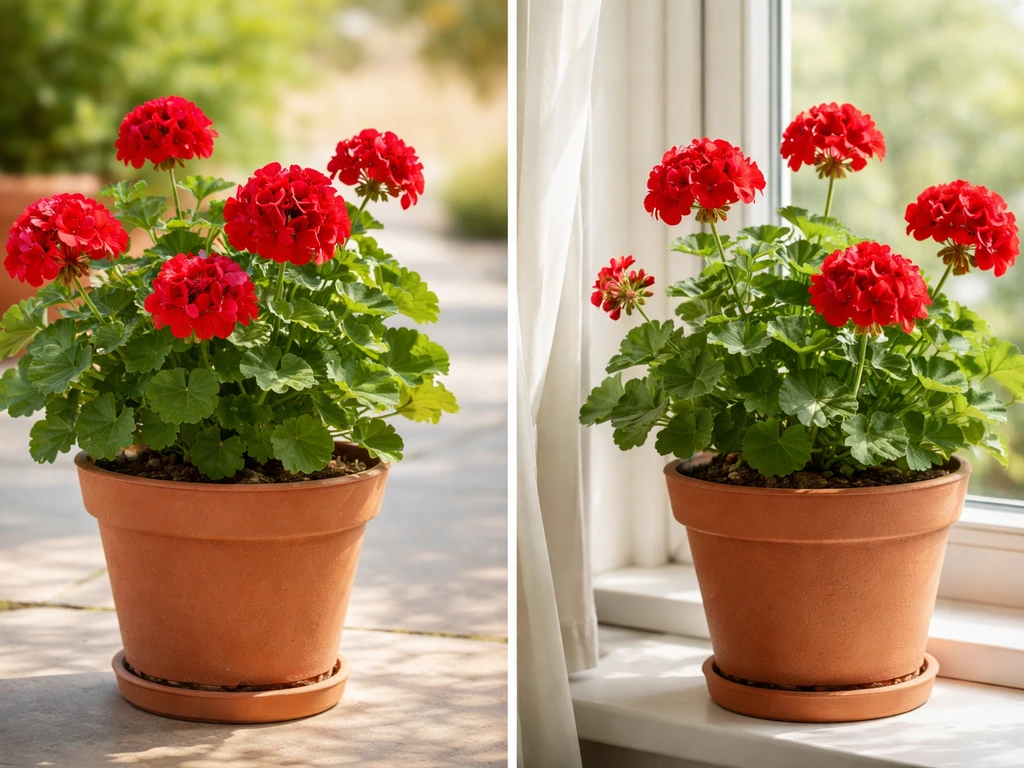
Geraniums need six things to reliably flower: plenty of direct sun (at least 6 hours), well-draining soil kept consistently moist but never soggy, temperatures between about 60 and 80°F, a low-nitrogen fertilizer applied every few weeks during the growing season, regular deadheading, and occasional pinching or pruning to keep plants bushy. Get those six things right and geraniums are some of the most rewarding flowers you can grow. The catch is that the word 'geranium' actually covers two very different plants, and their needs aren't identical, so the first step is figuring out which one you have.
What Do Geraniums Need to Grow Best: Light, Water, Soil

Harriet Whitmore
30 May 2026
Which geranium do you actually have?
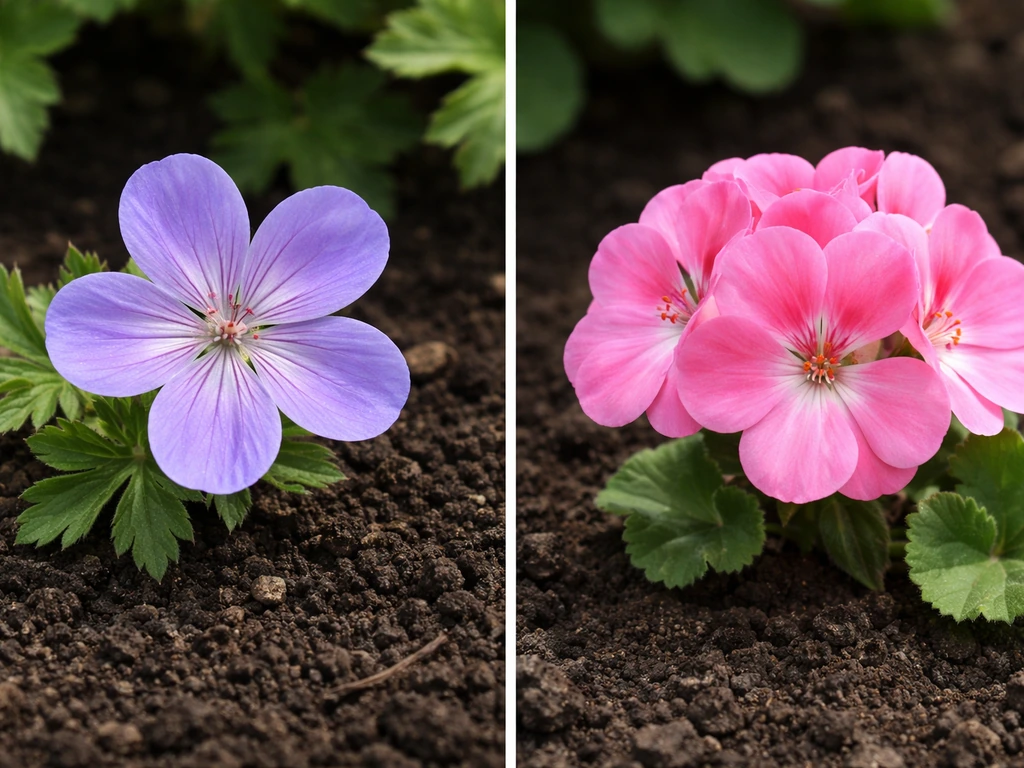
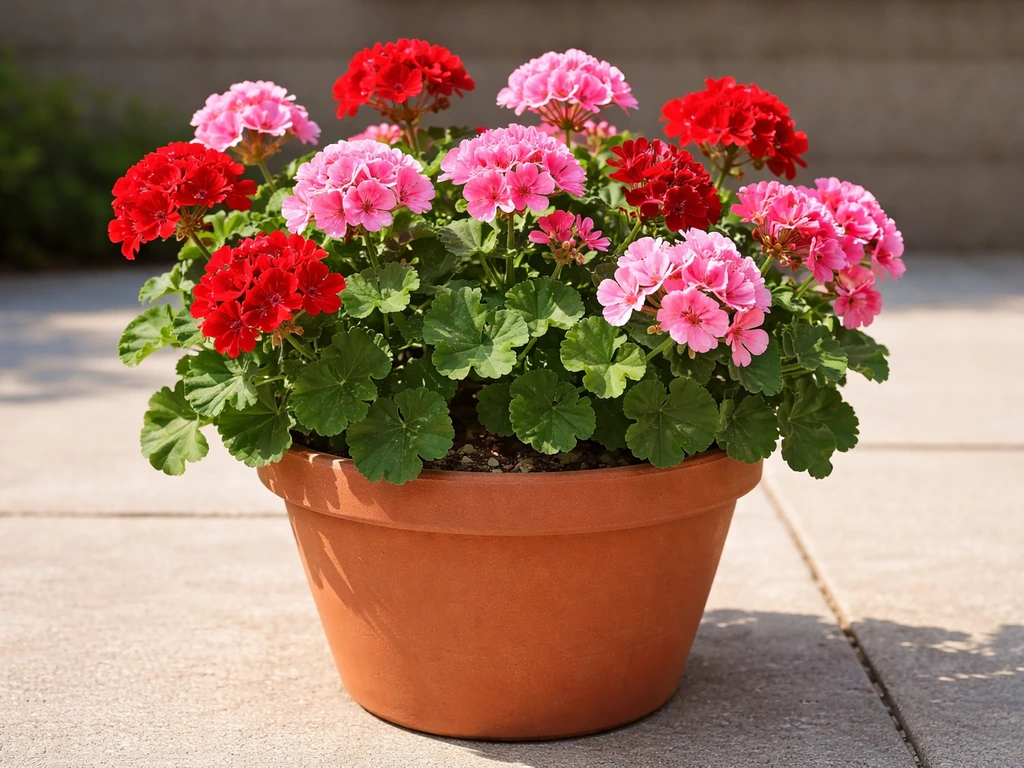
This matters more than most people realize. When garden centers label flats of bright, round-headed flowers as 'geraniums,' they're almost always selling pelargoniums (genus Pelargonium), not true geraniums (genus Geranium). Pelargoniums are the tender, often frost-sensitive plants you grow as summer annuals or houseplants. True geraniums, sometimes called cranesbills or hardy geraniums, are perennial plants that survive cold winters and behave very differently in the garden.
The quickest way to tell them apart is to look at the flowers. True geranium flowers have five equal-sized petals arranged in perfect radial symmetry, like a star. Pelargonium flowers are bilaterally symmetrical: two slightly larger petals on top and three smaller ones on the bottom. That asymmetry is a dead giveaway. Most of what you'll find at a big-box garden center in spring is pelargonium, sold in zonal, ivy, and scented varieties. Hardy cranesbills are usually found at specialty nurseries or in perennial sections.
This guide covers both types, but it flags where their needs split. If you're growing the classic red, pink, or white bedding plants, you're working with pelargoniums. If you have a spreading, perennial plant with smaller flowers that comes back every year on its own, you likely have a true cranesbill. Getting this straight will save you a lot of frustration when the advice doesn't seem to match what your plant is doing.
How much light geraniums actually need
Pelargoniums are sun lovers. They want a minimum of 6 hours of direct sunlight daily, and honestly they perform best with closer to 8. Indoors, put them in your sunniest south- or west-facing window. If your window light is weak or filtered, flowering will be disappointing. Outdoors, morning sun with some afternoon shade is acceptable in very hot climates (above 90°F regularly), but don't mistake shade tolerance for shade preference. Pelargoniums are not heat-tolerant in the same way that, say, portulaca is, so scorching midday sun in a hot zone can suppress blooming just as much as too little light. It's a balance, but err toward more sun in most climates.
True cranesbill geraniums are far more flexible. They grow well in full sun to partial shade, making them genuinely useful in spots where pelargoniums would struggle. True geraniums, also called hardy cranesbills, grow in full sun to partial shade in moist, well-drained soil, which matches Illinois Extension guidance. Many cranesbill varieties actually prefer dappled light or a few hours of shade per day, especially in warmer regions. If you're in a northern zone, full sun is usually fine. In zones 7 and above, aim for morning sun and afternoon shade for most cranesbill types.
Watering: the line between rot and wilting
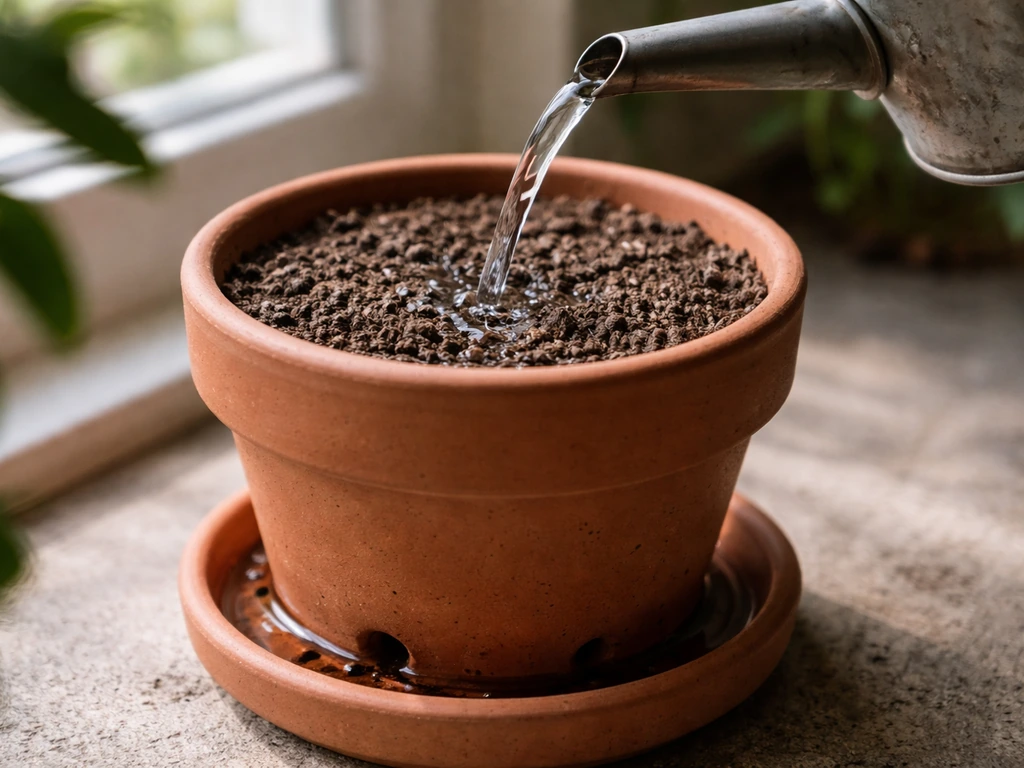
The most common mistake I see with pelargoniums in pots is overwatering. These plants want to dry out slightly between waterings, not sit in constantly wet soil. A practical approach: push your finger about an inch into the potting mix. If it feels dry at that depth, water thoroughly until water drains freely from the bottom of the pot. If it still feels moist, wait another day. When you do water, soak the whole root zone fully. Water only trickling over the surface without penetrating is just as bad as not watering at all, and a dried-out soilless potting mix can be genuinely difficult to rewet evenly.
For container-grown pelargoniums, drainage is everything. Every pot needs drainage holes, and if you've got a saucer underneath, empty it after watering so the roots aren't sitting in standing water. Root rot sets in fast in wet, airless conditions, and by the time you notice yellowing or wilting, it's often advanced. In garden beds, the same principle applies: consistent moisture without prolonged saturation. In hot weather you may water every two to three days; in cooler, cloudier stretches you might go a week between waterings. Calendar-based watering schedules rarely work well. Check the soil and let that guide you. UMN Extension’s established-tree and-shrub watering guidance also recommends checking soil moisture below the surface, such as 6, 9 inches down, before you water check soil moisture below the surface, such as 6–9 inches down, before you water.
Hardy cranesbills prefer moist, well-drained soil and are somewhat more forgiving about consistency than pelargoniums. Hardy geraniums are also often sold as cranesbills, so if you are wondering how to grow hardy geraniums, focus on keeping soil moist but well-drained Hardy cranesbills. They still don't want waterlogged roots, but established plants in garden beds handle irregular rainfall fairly well once they're settled in.
Soil and potting mix: drainage is the whole game
For container pelargoniums, skip standard garden soil entirely. It compacts, drains poorly, and invites disease. Use a soilless potting mix with good air porosity, ideally one that contains coarse peat or coir and a healthy proportion of perlite. A rough guide that works well: about two parts peat-based potting mix to one part coarse perlite. This keeps the mix light and free-draining while still holding enough moisture between waterings. The target pH for pelargoniums is roughly 6.0 to 6.5. Most commercial potting mixes fall in this range, but if you're mixing your own or working with local amendments, it's worth a quick pH test.
In garden beds, amend heavy clay soils with compost and coarse grit before planting. Raised beds with a loose, loamy mix work beautifully. True cranesbill geraniums are a bit less fussy about soil texture but still need good drainage. They'll tolerate slightly heavier soils than pelargoniums as long as water doesn't pool around the crown.
| Feature | Pelargonium (tender geranium) | True geranium (cranesbill) |
|---|---|---|
| Soil type | Soilless mix with perlite (containers) or loose, amended bed | Moist, well-drained loam; tolerates slightly heavier soils |
| pH range | 6.0 to 6.5 | 5.8 to 6.5 (adaptable) |
| Container use | Ideal; needs drainage holes and fast-draining mix | Possible but primarily grown in ground |
| Soil moisture | Allow slight drying between waterings | Keep consistently moist but not saturated |
Temperature, timing, and when to plant
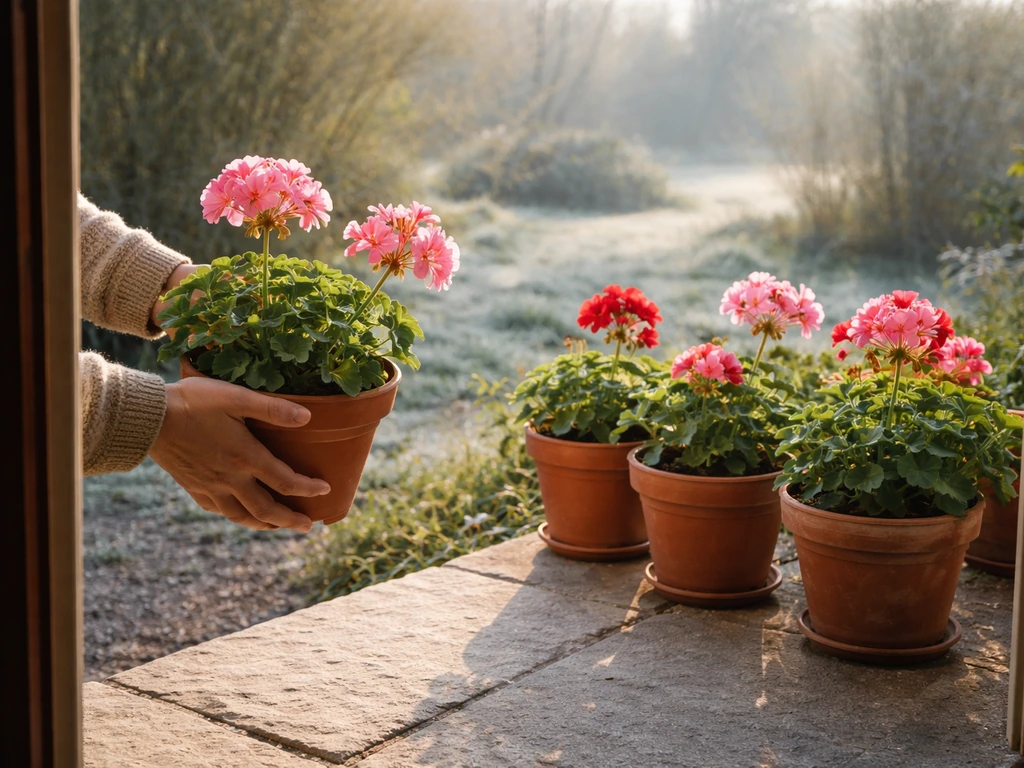
Pelargoniums are frost-tender. They won't survive a hard freeze and even a light frost can damage leaves and set the plant back significantly. If you're starting from seed, begin indoors 10 to 14 weeks before your last expected frost date. That's a long lead time compared to many annuals, so plan accordingly. If you're buying transplants from a nursery, wait until nighttime temperatures are reliably above 50°F before moving them outdoors. Night temperatures below 60°F can slow growth and reduce flowering, so the warmer side of that window is better.
Ideal daytime growing temperatures for pelargoniums are in the low to mid-70s°F, with nights in the mid-to-upper 50s to low 60s°F. They struggle in intense heat just as much as cold, which is why midsummer performance can drop off in zones 8 and above. In those climates, think of pelargoniums as a spring and fall flower, with a rest during the hottest weeks.
Hardy cranesbills follow a completely different timeline because they're perennials. Depending on your zone, they can be planted in early spring or fall. In zones 4 through 8, most cranesbill species are reliably winter-hardy and will go dormant, then return the following year. You don't need to start them early indoors or protect them from frost. Their season of interest aligns with spring through early summer for most varieties.
Planting timing by zone (pelargoniums)
| USDA Zone | Last Frost (approx.) | Start seeds indoors | Safe transplant date |
|---|---|---|---|
| Zone 5 | Mid-May | Late January to early February | Late May to early June |
| Zone 6 | Late April | Mid-January to early February | Mid-May |
| Zone 7 | Early April | Early January | Late April to early May |
| Zone 8 | Mid-March | Late December to early January | Late March to mid-April |
| Zone 9+ | Minimal frost risk | October to November for winter growing | Year-round with heat management |
Feeding for flowers, not just leaves
This is where a lot of gardeners go wrong. High-nitrogen fertilizers push lush, green foliage at the expense of flowers. For pelargoniums especially, you want a fertilizer where phosphorus is as high or higher than nitrogen, something in the range of 10-20-10 or a balanced 15-15-15. Phosphorus supports root development and bloom production, which is exactly what you're after.
For container pelargoniums, feed every two to three weeks during the growing season with a soluble fertilizer. A practical starting dose with a balanced 20-20-20 is about one tablespoon dissolved per gallon of water, applied when you water. Don't fertilize when the soil is bone dry, as this can burn roots. In garden beds, work a granular fertilizer like 10-20-10 into the soil at planting, and follow up with a liquid feed monthly during the flowering season. Slow down or stop feeding in late summer if you're preparing plants for overwintering.
Hardy cranesbills need much less feeding. A single application of balanced granular fertilizer in early spring, as growth resumes, is usually sufficient. Heavy feeding of cranesbills can produce floppy, oversized foliage and fewer flowers.
Pruning, pinching, spacing, and deadheading
If you do nothing else for your pelargoniums, deadhead them regularly. If you want more plants without buying new ones, try learning how to grow geraniums from clippings next pelargoniums. Removing spent flower heads redirects the plant's energy from setting seed into producing new blooms. For most varieties, you can simply snap or snip the old flower stalk off at its base where it meets the stem. Do this every few days during peak flowering and the difference in bloom production is dramatic.
Pinching is equally important, especially early in the season. When you pinch out the growing tip of a young pelargonium shoot, the plant responds by branching at that point and producing two stems where there was one. More stems means more flower heads. Pinch new transplants once or twice in spring and early summer to encourage a full, bushy habit. Once plants are well-branched and actively flowering, you can ease off.
For overwintered pelargoniums, RHS recommends a hard pruning in autumn or again in spring depending on your method, cutting stems back to a few inches to stimulate fresh growth. This keeps plants from becoming woody and sparse over time. Give pelargoniums in containers at least 8 to 10 inches of space from neighboring plants, and bed plants about 12 inches apart, to ensure good airflow and prevent disease.
For hardy cranesbills, the key pruning move is the post-flowering cutback. After the main flowering flush (often in June or July), cut the whole plant back close to the ground. This can feel drastic but it's completely normal practice and often called the 'Chelsea chop' or 'Hampton hack.' It clears away the tired, untidy growth, encourages a fresh flush of foliage, and in many varieties produces a second round of flowers in late summer. Remove individual spent flower stalks on cranesbills the same way you would with pelargoniums to extend the bloom period.
When things go wrong: common problems and fixes
No flowers or very few blooms
The most common culprits are too little light, too much nitrogen, or not deadheading. Start by honestly assessing how many hours of direct sun the plant is actually getting, not just bright indirect light but actual sun. If it's under 6 hours, move the plant. Check your fertilizer and switch to a lower-nitrogen, higher-phosphorus formula. And deadhead every few days. If the plant is putting energy into developing seeds, it has no biological reason to make more flowers.
Leggy, stretched-out growth
Legginess is almost always a light problem. When a pelargonium doesn't get enough light, it stretches toward whatever light source it can find, producing long, weak stems with large gaps between leaves and few flowers. Move the plant to a brighter spot and cut the leggy stems back by about a third to a half to encourage bushier regrowth. Then pinch the new shoots that emerge to encourage branching. For indoor plants, rotating the pot a quarter turn every week helps prevent one-sided stretching.
Yellow leaves
Yellowing leaves have several possible causes. Lower leaves yellowing and dropping is often normal aging, especially if upper growth looks healthy. Widespread yellowing combined with wet soil almost always points to overwatering or poor drainage, which can also set up root rot. Let the soil dry out more between waterings and check that drainage isn't blocked. Yellow leaves on a plant with dry soil can indicate underwatering or nutrient deficiency, in which case consistent watering and a balanced fertilizer feed should help. In some cases, yellowing indicates an iron or manganese deficiency related to soil pH being too high, so check your pH if other causes don't apply.
Wilting or drooping
Wilting that recovers quickly after watering is straightforward underwatering. But wilting in a plant with moist soil is more concerning and often signals root rot, where the damaged roots can no longer take up water even though it's available. If you suspect root rot, unpot the plant, trim away any black or mushy roots, let the root ball dry slightly, and repot into fresh, well-draining mix. It's not always possible to save a badly rotted plant, but catching it early gives you a good chance.
Common pests: aphids, whiteflies, and spider mites
Pelargoniums are reasonably pest-resistant, but you'll still encounter aphids, whiteflies, and spider mites on occasion, especially on indoor plants or in hot, dry conditions. For all three, insecticidal soap spray is a practical first-line treatment. It kills on contact by disrupting the pest's cell membranes, but it has no residual effect, so you need to spray thoroughly, covering the undersides of leaves where pests hide, and repeat every five to seven days until the problem is gone. Neem oil works similarly and adds some systemic protection. For spider mites specifically, increasing humidity around the plant and ensuring good airflow helps prevent reinfestation since mites thrive in hot, dry, stagnant conditions.
Mold, gray mold (botrytis), and fungal issues
Gray mold is the bane of geraniums in humid conditions or where airflow is poor. It appears as fuzzy gray growth on leaves, stems, or spent flowers. Remove affected plant material immediately and improve air circulation around the plant by spacing plants further apart or pruning for a more open habit. Avoid overhead watering, which keeps foliage wet. If you're overwintering plants indoors in a crowded space, botrytis can spread quickly, so check plants regularly and remove any soggy or dead material promptly.
Container vs. garden bed: quick setup guide
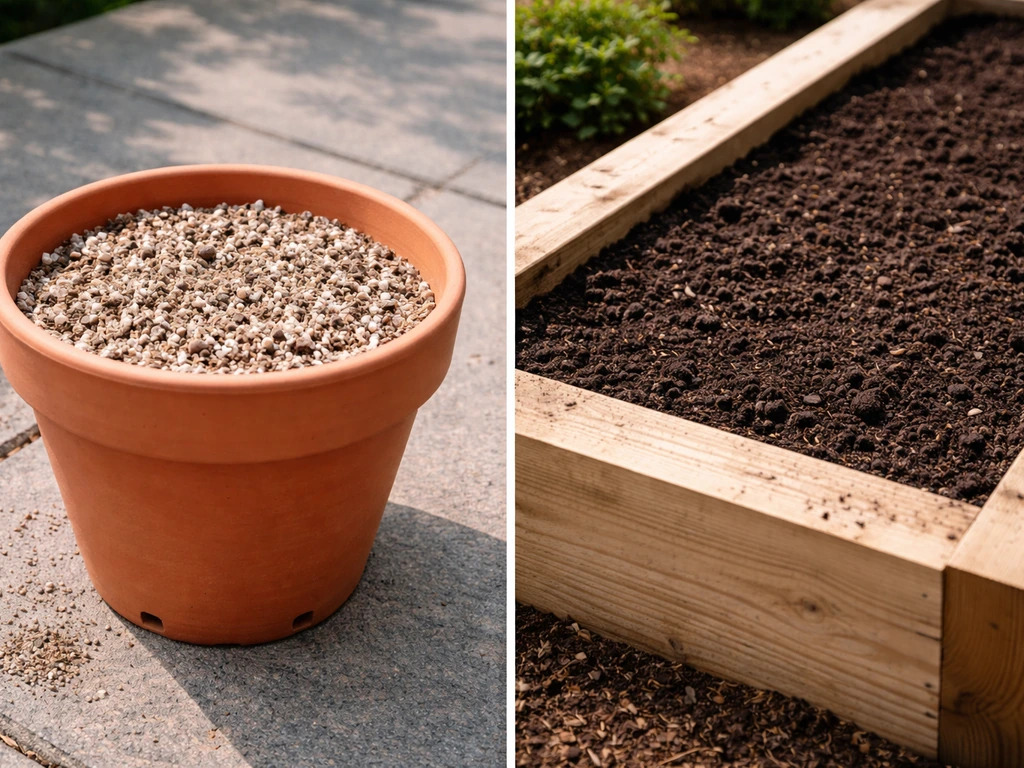
For containers, choose a pot that's appropriately sized (not too large, as excess soil around small roots stays wet too long) with drainage holes, fill with a peat and perlite mix, place in your sunniest spot, and plan to water and feed more frequently than you would for bed plants. Containers dry out faster and nutrients leach out with every watering.
For garden beds, prepare the soil with compost to improve drainage and organic matter, space pelargoniums about 12 inches apart to allow air circulation, and water at the base rather than overhead. Mulching lightly around (but not touching) the crown helps retain moisture and regulate soil temperature. Hardy cranesbills planted in beds need very little intervention once established and are actually quite low-maintenance compared to pelargoniums.
Once you've got the basics dialed in, it's worth thinking about what to grow alongside your geraniums, since companion planting can improve both aesthetics and pest management. Choose companions based on whether you have pelargoniums or true cranesbills, since their light needs can differ. If you're gardening in a shadier spot, understanding exactly where to grow each type of geranium can save you from repeated failures. And if you want to keep your plants from year to year without buying new ones every spring, learning how to grow geraniums over winter and how to grow geraniums from clippings are both genuinely useful next steps that build on everything covered here.
FAQ
Can I grow pelargonium or cranesbill geraniums in shade?
If you mean pelargoniums, bright shade usually leads to fewer blooms, aim for true direct sun at least 6 hours (morning light counts more than filtered light). For hardy cranesbills, partial shade is often fine, but in warm zones they do better with morning sun and afternoon shade rather than deep shade all day.
How often should I water geraniums if I do not want to check soil every day?
Use the finger-test as your rule of thumb, then adjust frequency by conditions. In containers, it is normal for watering to be more frequent during hot, windy spells and less frequent during cloudy stretches, so a fixed calendar schedule will usually miss the difference.
What is the best way to prevent root rot in containers?
Start with a pot that has drainage holes and never leave water in a saucer. Also avoid a pot that is much larger than the root ball, because extra soil stays wet too long and creates the airless conditions root rot needs.
My geranium flowers but they stop after a few weeks, what should I check first?
First check light quantity (not just brightness), then confirm you are deadheading. If light is adequate and you are removing spent heads, review fertilizer, overly nitrogen-heavy feed can keep plants leafy and reduce new blooms.
Do geraniums need a special fertilizer or can I use any flower food?
Geraniums respond best to low-nitrogen, bloom-supporting ratios (often balanced to higher phosphorus for pelargoniums). If your fertilizer label is high in nitrogen, switch formulas, and do not fertilize when the mix is bone dry because that increases root-burn risk.
Why are my geraniums getting leggy indoors even with a window?
A common cause is that the window does not provide enough actual direct sun hours. Try rotating the pot weekly, then move to the sunniest window you have, if it still stretches, consider supplementing with stronger light rather than relying on bright indirect light.
Can I take cuttings from my geraniums and root them the same way for both types?
Cuttings are usually easiest with pelargoniums, where rooting is straightforward and they grow as seasonal plants or houseplants. True cranesbills are perennials and propagation methods can differ, so match the technique to the plant type you actually have.
Should I deadhead cranesbills the same way as pelargoniums?
Yes, you can remove spent flower stalks the same basic way, snip or snap them back where they meet the stem. Also consider the post-flowering cutback after the main bloom flush for many varieties, because it can restart a fresh cycle.
How can I tell if yellow leaves are normal or a problem?
If only lower, older leaves yellow while the top growth stays healthy, that is often normal. If yellowing is widespread and soil stays wet, treat it as an overwatering or drainage issue and let the potting mix dry more between waterings.
What should I do if my geranium wilts but the soil feels moist?
Wilting with moist soil often indicates root damage, especially if roots are black or mushy. Unpot promptly, trim affected roots, let the healthy root ball dry slightly, and repot into fresh, well-draining mix.
When is the best time to prune geraniums for more growth?
For pelargoniums, pinch early to mid-season to encourage branching, then ease off once flowering is established. For hardy cranesbills, plan a larger cutback after the main spring or early summer bloom flush to tidy the plant and often promote a second growth period.
Are geraniums safe to use with mulch or should I keep soil bare?
In beds, light mulching can help with moisture and temperature, keep mulch from touching the crown to reduce rot risk. For containers, prioritize breathable potting mix and drainage over thick mulches, because soggy conditions develop quickly in pots.
Next Article
Where to Grow Geraniums: Best Spots, Soil, and Timing
Find where to grow geraniums with the right sun, soil drainage, timing, and fixes for leggy, wilted, or nonflowering pla