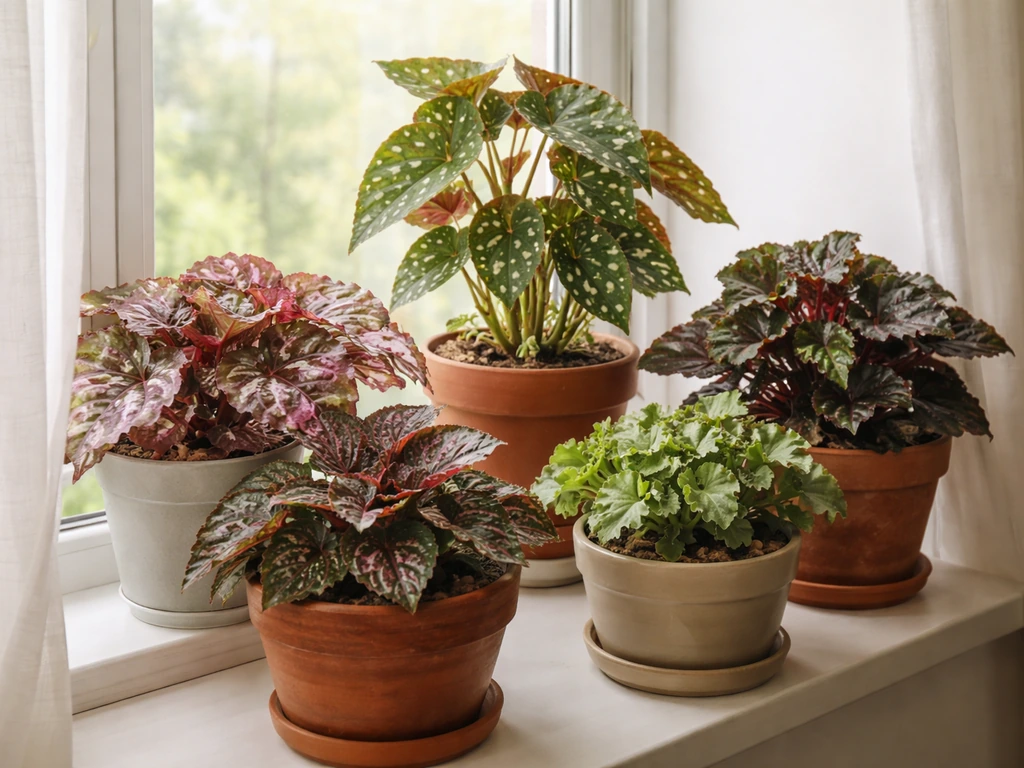
You can absolutely grow begonias outdoors and get a stunning display from late spring through fall, but the biggest mistake most gardeners make is treating all begonias the same. Wax (fibrous) begonias are tough little workhorses that handle beds, borders, and containers with minimal fuss. Tuberous begonias are showier but more demanding, especially around drainage and temperature. Get the type right, give them frost-safe timing, decent drainage, and consistent (not excessive) moisture, and begonias will reward you with color from planting right up until the first fall frost threatens.
How to Grow Begonias Outdoors: Step-by-Step Guide

Harriet Whitmore
24 May 2026
Choosing the right begonia type for outdoor growing
Not every begonia is equally suited to outdoor life, and picking the right one for your setup saves a lot of frustration. The two you'll most commonly grow outside are wax begonias (Begonia semperflorens) and tuberous begonias. There are also other types worth knowing about, like rhizomatous, cane (angel wing), and trailing or cascading varieties, each of which has its own quirks outdoors. If you specifically want cascading begonias, focus on giving them the right light and ensuring drainage so the trailing growth stays healthy trailing or cascading varieties.
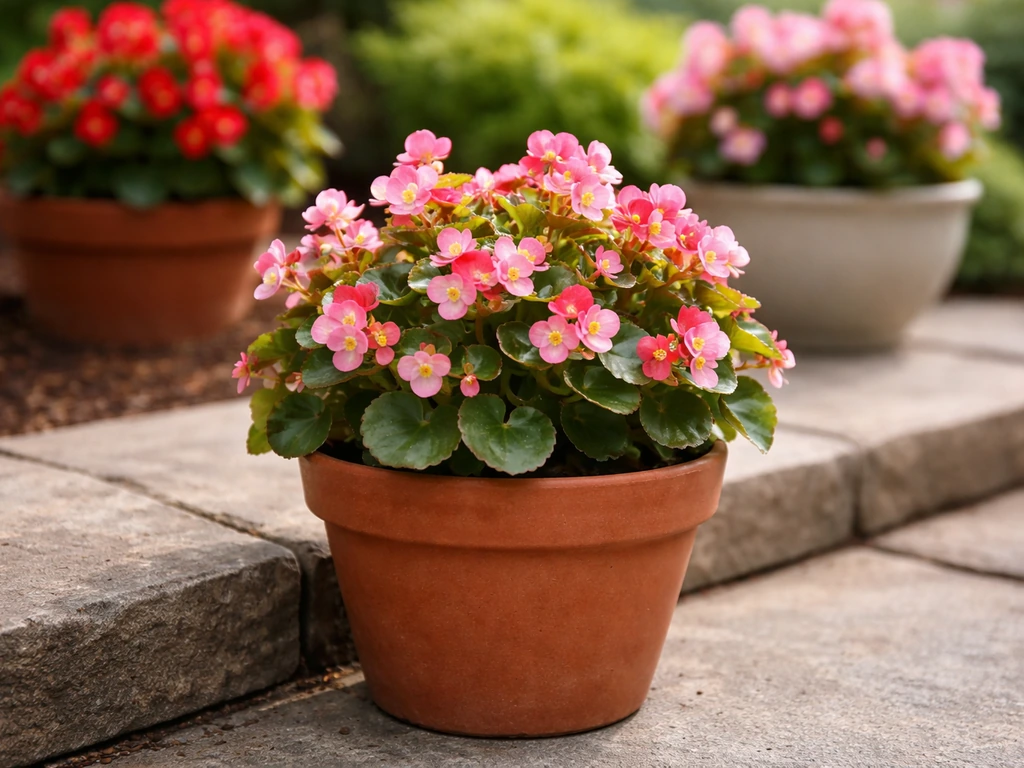
Wax begonias are the most forgiving outdoor option. They're compact, flower continuously from spring to frost, tolerate both sun and partial shade, and handle summer heat better than tuberous types. If you just want reliable color in a bed or border without a lot of fuss, start here. They're widely available as transplants in spring and are excellent bedding plants. Start with the right bedding begonia variety, then follow consistent outdoor timing, light, and drainage for the best results bedding begonias.
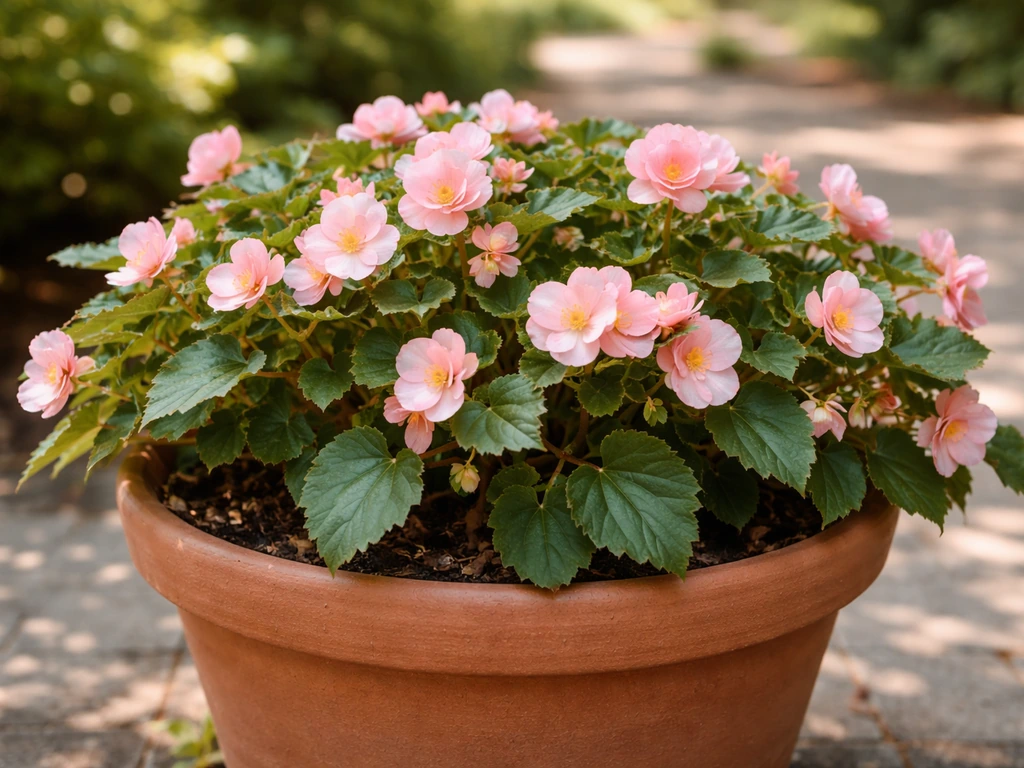
Tuberous begonias are the big, glamorous ones with camellia-like blooms. They're frost-tender (hardy only in USDA zones 9 to 11, so most of us treat them as annuals or dig the tubers each fall) and they genuinely need cooler temperatures, excellent drainage, and careful handling. They're worth the effort for containers, hanging baskets, and shaded spots, but they have less tolerance for heat, drought, and neglect than wax types.
Cane begonias (angel wings) and rhizomatous types can also go outside in summer, but they're more often kept as houseplants that summer outdoors in a sheltered spot. Cane begonias, often called angel wings, have more specific outdoor care needs than wax types, so it helps to follow the right growing steps. Trailing and cascading begonias shine in hanging baskets and window boxes. Trailing and cascading begonias in hanging baskets usually do best when you provide drainage-first potting mix and consistent, not excessive, moisture. Rieger begonias are typically indoor or cool-greenhouse plants and don't usually do well in outdoor summer heat. If you're wondering how to grow Rieger begonias, plan for consistent cool conditions and bright, indirect light rather than outdoor heat. If you're thinking about growing those types, each one has its own specific needs worth exploring separately.
| Begonia Type | Best Outdoor Use | Sun Tolerance | Heat Tolerance | Difficulty |
|---|---|---|---|---|
| Wax (Fibrous) | Beds, borders, containers | Full sun to partial shade | Good | Easy |
| Tuberous | Containers, hanging baskets, shaded spots | Partial to full shade | Low to moderate | Moderate |
| Trailing/Cascading | Hanging baskets, window boxes | Partial shade | Moderate | Easy to moderate |
| Cane (Angel Wing) | Sheltered patios, container accent | Bright indirect to partial shade | Moderate | Moderate |
| Rhizomatous | Shaded borders, containers | Shade to partial shade | Low | Moderate |
When to plant: outdoor timing by climate and frost risk
Begonias are frost-tender, full stop. Every type you're likely to grow outside will be damaged or killed by frost, so the timing rule is simple: don't rush them out. Wait until your last frost date has passed and nighttime temperatures are consistently above 50°F before you plant outdoors.
For wax begonias, the soil temperature matters too. UMN Extension recommends waiting until the soil hits at least 60°F before transplanting them out. In colder climates like Minnesota, that typically means late May or even early June. In warmer zones (7 and above), you're often looking at late March to mid-April. In the Deep South and mild coastal areas (zones 9 to 11), begonias can sometimes be planted even earlier and may persist year-round.
Tuberous begonias need the same frost-free window, but they also benefit from a hardening-off period of about two weeks before your last frost date. You start that process indoors or in a sheltered spot, gradually exposing them to outdoor conditions so the shift doesn't shock them. Skip this step and you risk scorched leaves, wilting, and setbacks that cost you weeks of the growing season.
If you're in the UK or similar maritime climate, the practical guidance from growers is to aim for May, once the risk of frost has clearly passed, and to harden off first regardless of type. For plug-grown begonias especially, that transition period is important because plugs grown under glass have no outdoor tolerance at all without acclimation. If you’re working with plug plants, the key is to transplant them carefully into warm, well-draining soil and keep moisture consistent so they establish quickly plug-grown begonias.
- Zones 3 to 5 (northern US, Canada): plant outdoors late May to early June after last frost
- Zones 6 to 7 (mid-Atlantic, Pacific Northwest): late April to mid-May
- Zones 8 to 9 (South, lower West Coast): late February to early April
- Zones 10 to 11 (Florida, Hawaii, Southern California): can plant nearly year-round; watch heat in summer
- UK and maritime Europe: aim for mid to late May after frost risk clears
Site and soil setup: light, drainage, and containers vs ground
Light requirements
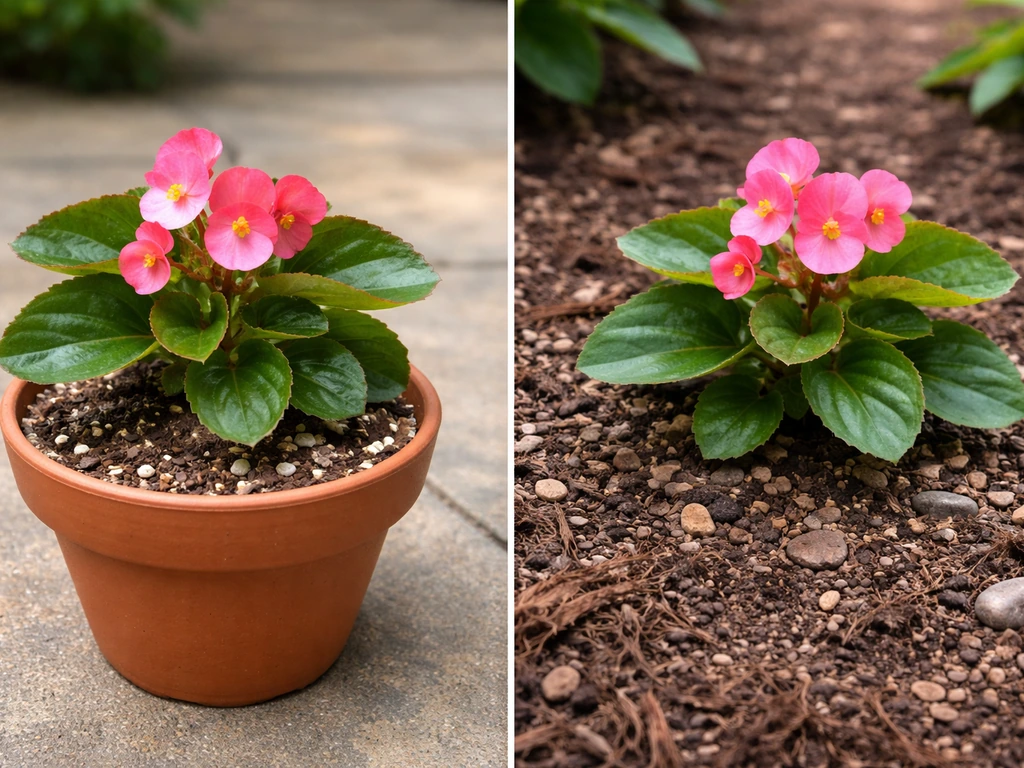
Wax begonias are more flexible with light than most people expect. They'll grow in partial shade and do reasonably well in full sun, especially the darker-leaved varieties. Tuberous begonias, on the other hand, really prefer bright indirect light or dappled shade. Direct afternoon sun will bleach and scorch their leaves, causing pale or whitish patches (that's sunscald, and it's one of the most common outdoor complaints). A spot with morning sun and afternoon shade is often ideal for tuberous types.
Soil and drainage
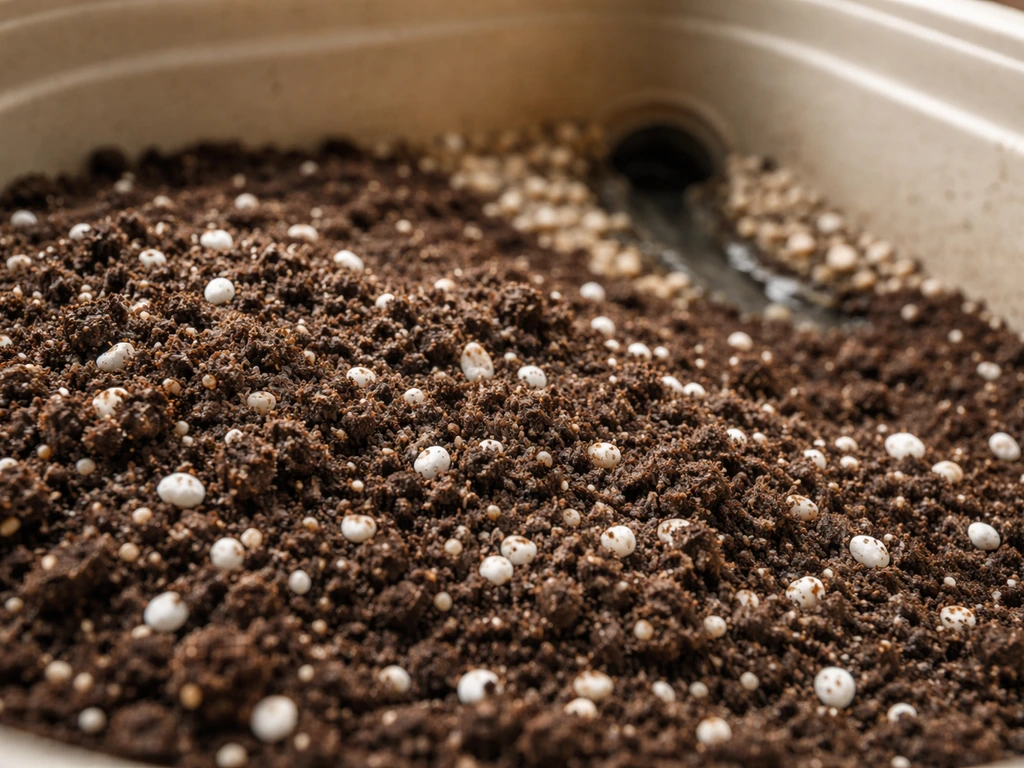
Drainage is non-negotiable for begonias, especially tuberous ones. Soggy roots lead to rot, and it happens fast. The American Begonia Society describes perfect drainage as the single most important factor for tuberous begonias, and I'd extend that to all outdoor types. For in-ground planting, if your soil is heavy clay, work in compost or coarse sand to open it up. A good target soil pH is 5.5 to 6.5, which is slightly acidic, and most garden soils in that range will work fine with some organic matter added.
If you want to mix your own soil for in-ground beds or large containers, the ABS recommends a ratio of 4 parts well-decayed organic matter (leaf mold or forest humus) to 1 part garden loam to 1 part coarse sand. That mix drains freely while still holding enough moisture and nutrients. For containers, a quality potting mix with perlite or bark added works well. Look for mixes that include peat moss, coco coir, or bark rather than dense compacted materials, and avoid mixes that are mostly sand, which can be too heavy and draining for begonia's fine roots.
Containers vs in-ground
Both work, but they suit different begonia types. Wax begonias are happy in the ground (space them about a foot apart) or in containers. Tuberous begonias are often better off in containers because you have complete control over drainage and can move them if temperatures spike or a cold snap threatens. Containers also make fall storage much easier: you can bring the whole pot inside to dry down the tubers rather than digging them from the ground. Whatever you use, make sure containers have drainage holes. No exceptions.
Planting begonias outdoors from seed vs tubers vs cuttings
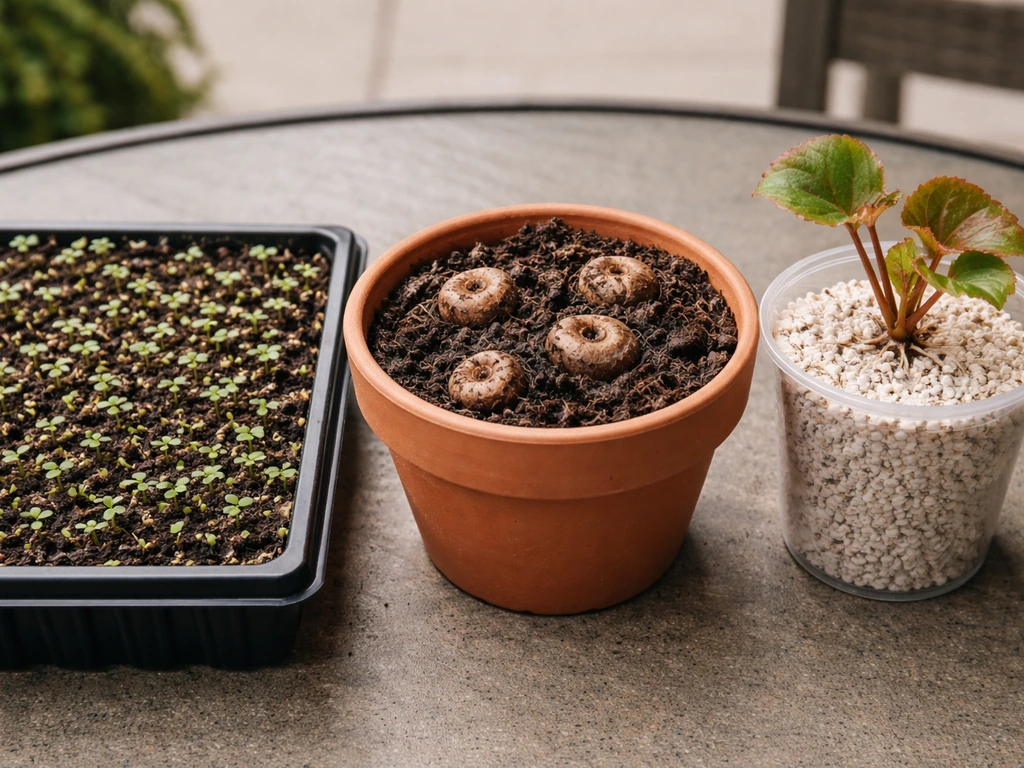
Starting from seed
Growing wax begonias from seed is very doable but requires patience. Start seeds indoors about 16 weeks before your planned outdoor transplant date. Begonia seeds are tiny (almost dust-like), so surface sow them on a moist, fine-textured seed-starting mix without covering them. They need light to germinate. Keep them at around 70 to 75°F and expect germination in 2 to 4 weeks. By the time you've hardened them off and the weather is right, you'll have robust transplants ready to go. It's a long lead time but a cost-effective approach if you need a lot of plants.
Planting from tubers
For tuberous begonias, starting from tubers is the most common approach. In late winter or early spring (about 8 to 10 weeks before your last frost), place tubers hollow-side up in shallow trays of barely moist potting mix. Keep them warm (around 65 to 70°F) in bright indirect light. Once shoots appear and the risk of frost has passed, you can transplant them to their outdoor spot after hardening off. If you're buying plants rather than starting from tubers, look for sturdy, compact transplants in spring and follow the same hardening-off process.
Using cuttings
Stem cuttings work well for wax begonias and cane types. Take a 3 to 4 inch cutting just below a leaf node, remove the lower leaves, and root it in moist perlite or a light potting mix. Roots usually form within 2 to 3 weeks in a warm spot. This is a great way to propagate plants from ones you overwintered indoors, and it lets you get ahead for the next season without buying new stock. Cuttings are also a good way to save a plant that has become leggy or has been partially damaged.
Watering, fertilizing, and temperature protection outdoors
Watering
Consistent moisture is the goal, not constant moisture. Begonias don't like to dry out completely, but they're also very sensitive to overwatering. The classic mistake outdoors is watering on a fixed schedule rather than checking the soil first. Stick your finger an inch into the soil: if it feels dry at that depth, water thoroughly; if it's still moist, wait. In hot weather, containers dry out faster and may need daily watering. In-ground plants in a shaded spot might only need water every few days. Water at the base of the plant rather than overhead to reduce the risk of fungal issues.
Fertilizing
Begonias are moderate feeders and benefit from regular fertilizing during the growing season. For wax begonias, UMN Extension recommends a monthly fertilizer with higher phosphorus than nitrogen to encourage continuous blooming. A balanced fertilizer works if you're growing mainly for foliage. For tuberous begonias, the same principle applies: something like a 15-30-15 (high phosphorus) formulation supports flowering rather than pushing excessive leafy growth. During the first few weeks outdoors, go lighter on nitrogen especially, as too much pushes soft leafy growth that's more vulnerable to pests and disease.
Protecting from temperature extremes
Begonias don't like cold, but they also struggle when temperatures climb above 85 to 90°F, especially tuberous types. If a late spring cold snap is forecast after you've planted, cover plants overnight with a light frost cloth or bring containers inside temporarily. During summer heat waves, move containers to a shadier, cooler spot and water more frequently. Mulching around in-ground plants helps moderate soil temperature and retain moisture. If you're in a region with extreme summer heat, afternoon shade is more important than almost anything else for keeping tuberous begonias happy.
Ongoing care and keeping the blooms coming
Wax begonias are self-cleaning, meaning spent flowers drop on their own and you rarely need to deadhead them. That's one reason they're so popular for low-maintenance bedding. Tuberous begonias, however, do benefit from removing spent blooms and any damaged or yellowing leaves. Deadheading redirects the plant's energy into producing new flowers rather than setting seed, and removing dead plant material reduces the habitat for fungal diseases.
Keep an eye out for common outdoor pests as the season progresses. Mealybugs, spider mites, thrips, scales, slugs, and snails are the main culprits for begonias outdoors. Slugs and snails are especially problematic in shaded, moist spots. If you notice irregular holes in leaves near the base of the plant, especially overnight, slugs are usually the culprit. Iron phosphate slug bait is effective and safer around kids and pets than metaldehyde-based products. For mites and thrips, a strong water spray or insecticidal soap often handles minor infestations before they get out of hand.
As fall approaches and frost becomes a real risk, you have two choices for tuberous begonias: dig the tubers and store them, or let frost kill the foliage and then retrieve the tubers. Either way, let the foliage die back naturally before digging if possible, allow tubers to dry in a cool airy space, and then store them in a dry medium (peat, vermiculite, or paper bags) at around 40 to 50°F through winter. Wax begonias are typically composted at season's end unless you want to take cuttings or bring a plant inside to overwinter.
Troubleshooting common failures and how to salvage plants
Wilting despite watering
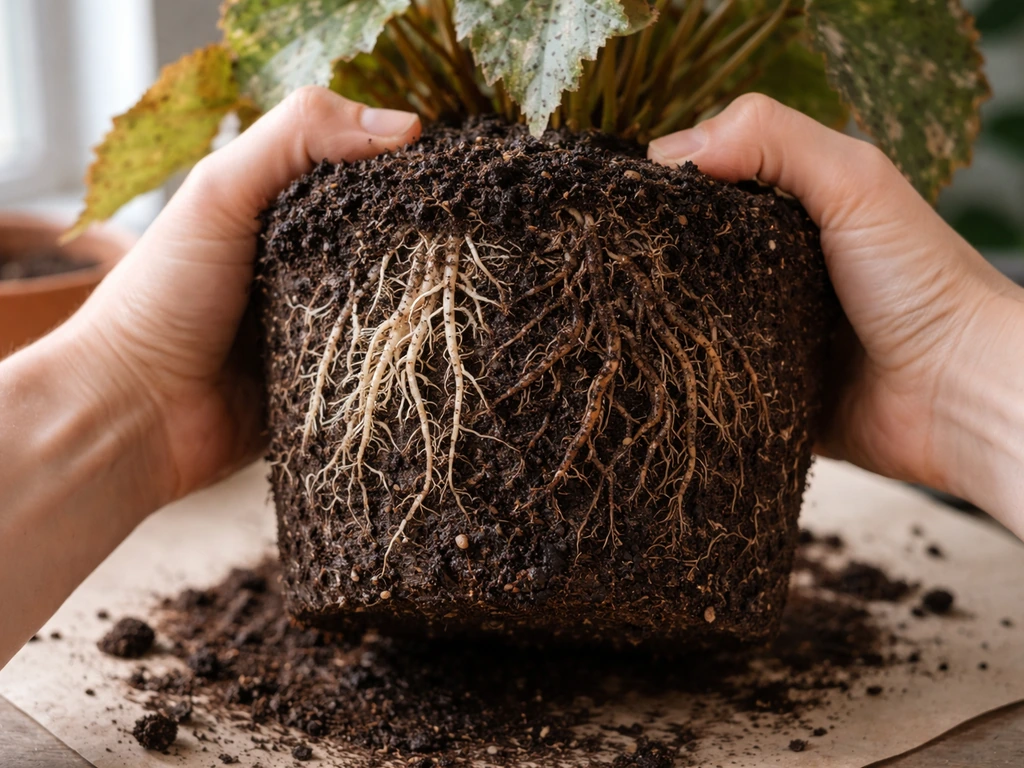
If a begonia wilts even though the soil seems moist, suspect root rot before anything else. Gently unpot the plant and check the roots. Healthy begonia roots are white or cream-colored. Brown, mushy, or foul-smelling roots mean rot has set in, usually from poor drainage or overwatering. To salvage: trim off all rotted roots with clean scissors, let the remaining roots air out briefly, repot in fresh, well-draining mix, and cut back on watering significantly. If the stem is also mushy at the base, the plant is usually too far gone. Take a healthy stem cutting and start fresh if any good growth remains.
Gray mold (Botrytis)
Gray mold is one of the most common begonia diseases outdoors, and it's especially problematic during cool, wet stretches. It starts as brown, water-soaked patches on leaves or flowers, often with a fuzzy gray coating as it progresses. Botrytis thrives in conditions around 62 to 75°F with high humidity and wet foliage for 4 or more hours. To manage it: remove and dispose of affected plant parts (don't compost them), improve air circulation around plants, avoid overhead watering, and if the infection is severe, apply a fungicide labeled for Botrytis. Spacing plants appropriately from the start is the best prevention.
Sunscald and heat stress
Pale yellow or white bleached patches on leaves, usually on the side facing the sun, are a classic sign of sunscald. This is especially common when begonias are moved outdoors abruptly without hardening off, or when a plant that's been in shade suddenly gets more sun than it can handle. You can't reverse the damage on affected leaves, but move the plant to a shadier location and the new growth should come in healthy. Remove the worst-looking leaves to tidy the plant and reduce stress.
Leggy, sparse growth with few flowers
If your begonias are stretching toward the light and producing few flowers, they're probably not getting enough light, or you've been overfeeding with nitrogen. Move them to a brighter spot (for shade-lovers, bright indirect light rather than deep shade makes a real difference in flowering) and switch to a higher-phosphorus fertilizer. For wax begonias that have gotten leggy mid-season, a light trim of the longest stems encourages bushier, more floriferous regrowth.
Slug and snail damage
Ragged holes in leaves, especially near the base of the plant or on lower leaves, with no visible insect present during the day, almost always means slugs or snails. They feed at night and hide under debris or in the soil during daylight. Hand-pick them at night with a flashlight, remove leaf litter and debris from around plants to eliminate hiding spots, and apply iron phosphate bait around affected plants. Rough-textured mulches like bark chips can also help deter movement.
Failure to thrive after transplanting
If newly transplanted begonias just sit there looking miserable for weeks without putting on any growth, the most likely causes are soil that's too cold, transplant shock from skipping hardening off, or root disturbance during planting. Give them a couple of weeks before panicking, keep them consistently moist (not wet), and don't fertilize heavily right after planting. If new growth hasn't appeared after three weeks, check the roots and consider whether the site conditions (temperature, light, drainage) match what the plant actually needs. Starting over from a healthy transplant is sometimes the most practical solution, especially if the growing season still has time left.
FAQ
What should I do if a late cold snap hits after my begonias are already outdoors?
Begonias need frost-free conditions, and for quick relief start by moving them out of any damp, wind-swept spot. If the temperature drops near freezing, cover individual plants or containers with a breathable frost cloth overnight, then remove it the next morning to prevent condensation on leaves.
How can I tell if my begonia container has bad drainage before problems start?
For tubs and pots, pull the pot slightly away from dense mulch and check drainage by watering once and watching how fast it drains, ideally within an hour. If water pools, top-dress will not fix it, repotting into a mix with more perlite or bark, or using a larger container with fresh mix, is the practical solution.
Can I grow begonias outdoors in very hot summers, and how should watering change?
Yes, you can, but do not increase water to compensate for heat. Instead, shift the plant to morning sun and afternoon shade, use a lighter touch with fertilizer, and water only when the top inch of soil dries. Wax types tolerate more heat than tuberous ones, but both suffer when foliage stays wet during hot afternoons.
What’s the best outdoor light setup if I want fewer leaf problems?
Choose the soil first, then decide on light: tuberous begonias like bright indirect light or dappled shade, and direct afternoon sun is a common trigger for sunscald. Wax begonias handle more sun, but if you see pale or bleached patches, move all types to a slightly shadier location and avoid abrupt sun jumps.
Should I deadhead begonias outdoors, and does it differ by type?
Do not deadhead wax begonias aggressively, since many flowers self-drop as they finish. For tuberous begonias, remove spent blooms and any yellowing leaves, and sanitize your pruners between plants to reduce the spread of gray mold.
My begonia looks wilted even though the soil is moist. Is there a way to diagnose quickly?
If leaves keep wilting while the soil feels damp, check for root rot by inspecting roots for cream or white color. When you see brown, mushy, or smelly roots, trim rot, repot into fresh well-draining mix, and pause fertilizing until you see new growth.
How long should I wait before assuming my outdoor begonias failed after transplanting?
Begonias often look “stuck” after transplanting because the site is too cold, the plant was not hardened off, or roots were disturbed. Give them a couple of weeks, water based on soil moisture (not a schedule), and wait to fertilize until they show new leaves.
Is it really important to water begonias at the base instead of overhead?
Overhead watering increases disease risk because leaves stay wet longer. Water at the base early in the day, and if you have overhead irrigation, adjust so that begonias do not get splashed or sprayed during humid evenings.
What’s the most likely cause of nighttime damage on begonia leaves, and how should I treat it?
If you see ragged holes on lower leaves with no obvious daytime insect, check at night with a flashlight for slugs and snails. Remove debris where they hide, then use iron phosphate bait around the plant, especially after watering or rain when they become more active.
How do I prevent and manage gray mold during rainy periods?
Start looking for gray mold when cool, wet weather keeps foliage damp for hours. Remove infected parts promptly, increase spacing and airflow, avoid wetting leaves, and if it is spreading rapidly, use a fungicide labeled for botrytis before symptoms advance further.
Is it worth propagating begonias outdoors to replace losses later in the season?
Yes, for wax begonias you can often keep cuttings going through the season for replacement plants, and for tuberous begonias, taking cuttings is less reliable than dig-and-store. If you want redundancy, keep a few stems rooted indoors early enough so you can replant if outdoor plants crash late season.
Can I move my begonias between shade and sun during spring acclimation?
Begonias can be moved in and out of partial shade, but the key is gradual acclimation. For newly moved plants, increase sun exposure over several days, and prioritize afternoon shade for tuberous types to prevent sunscald on new growth.
My begonias have lots of leaves but few flowers. What should I change first?
If feeding leads to lots of lush leaves with fewer blooms, cut back on nitrogen and switch to a fertilizer formulation higher in phosphorus. Also check spacing and light, since too much shade can mimic overfeeding by reducing flower production.
Next Article
How Do I Grow Begonias Successfully Step by Step
Step-by-step begonia care: choose the right type, plant, water, fertilize, manage light, and troubleshoot issues for blo