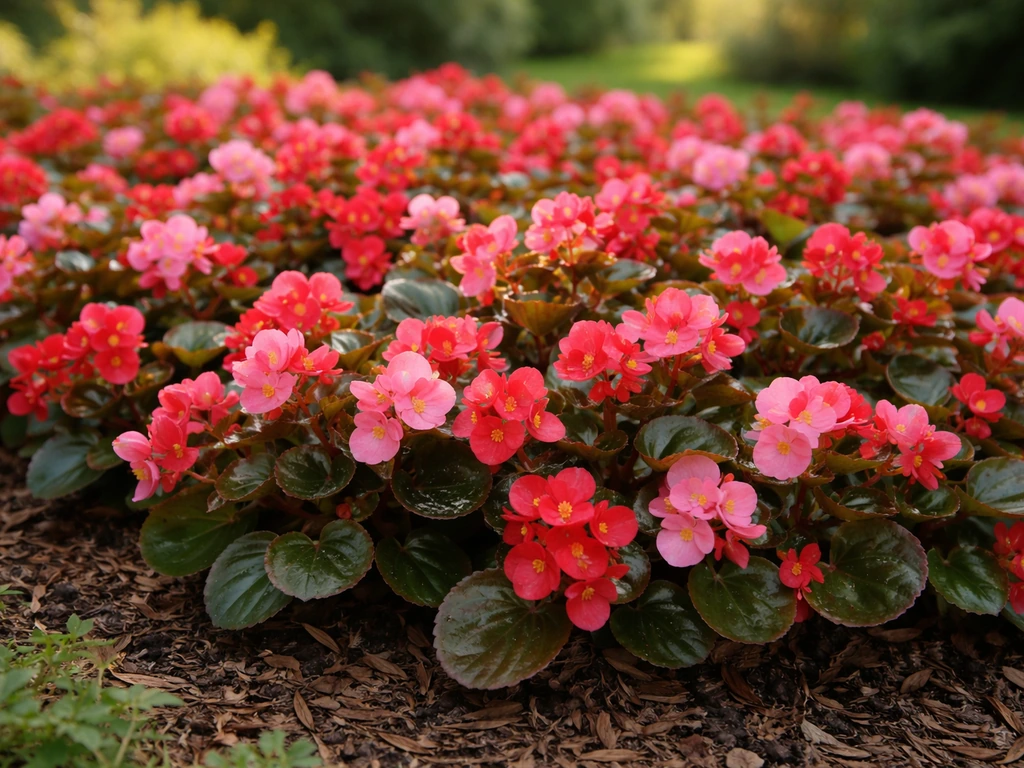
Begonia plug plants are one of the easiest ways to get a head start on the season without the fuss of growing from seed. You take a small, rooted transplant that's already a few weeks old, pot it up or plant it out, keep it warm and consistently moist (but never waterlogged), and within five to eight weeks you're looking at flowers.
How to Grow Begonias From Plugs: Step-by-Step Care

Harriet Whitmore
8 Jun 2026
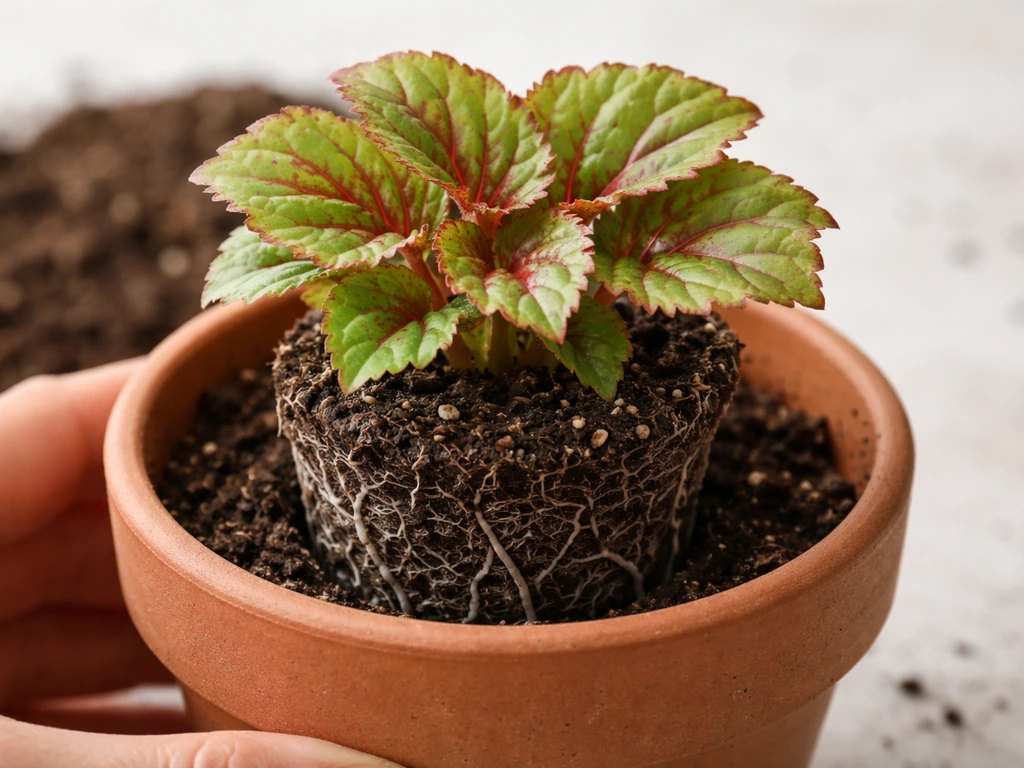
If you are growing cane begonias instead, the process is similar but you will want a slightly different light and feeding approach to support their taller, canelike stems how to grow cane begonias. The key things that trip people up are planting too deep, letting plugs dry out right after transplanting, or rushing them outside before the soil has warmed up. Get those three things right and begonia plugs are genuinely forgiving.
What begonia plugs actually are (and which types come this way)
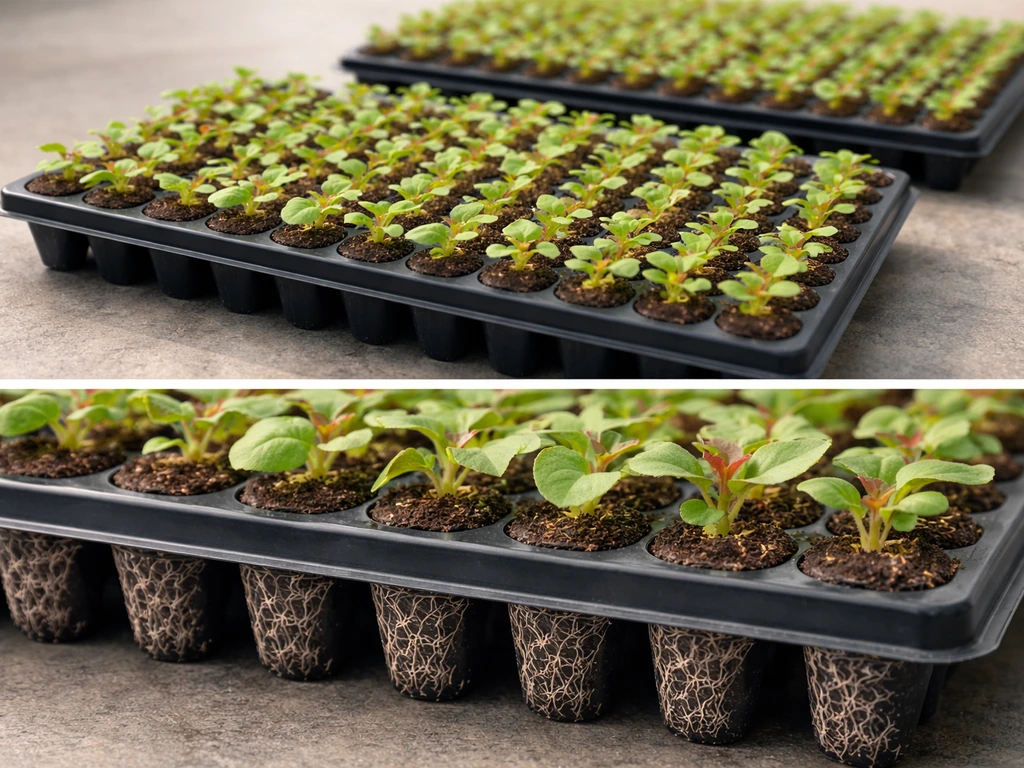
blank" rel="noopener noreferrer">A plug plant is a young, rooted plant that's been germinated and grown on in a small individual cell or substrate block. The root system is compact and intact, which means far less transplant stress compared to bare-root starts. You're essentially skipping the most difficult early stage of begonia growing and picking up the process at a point where the plant is already stable and ready to grow on.
Plugs are sized by the tray they were grown in. A 512 plug is tiny (about the size of your fingertip), takes around five to six weeks to finish after transplanting, and is best potted into an intermediate cell or small pot before going into a final container. A 288 plug is a bit chunkier and takes seven to nine weeks to finish. A 72 plug is the largest common size, often sold direct to home gardeners, and is practically ready to go straight into a final pot or bed. When you're buying plugs from a garden centre or mail-order supplier, the 72 is usually what you're getting.
Most begonia types are sold as plugs at some point in the season. Wax begonias (Begonia semperflorens, the classic bedding type) are the most widely available. Tuberous begonias, including trailing and cascading varieties, are commonly sold as plugs too, and these are worth treating a little more carefully because they're slower to establish and more sensitive to cold and wet.
Begonia Gryphon (a dramatic foliage type) also comes as a plug, with a typical transplant-to-finish window of five to six weeks. If you're growing bedding begonias, trailing begonias for hanging baskets, or cascading types, plugs are often the most practical starting point. For hanging baskets, use a lightweight, free-draining mix and make sure the plant gets bright light without staying soggy, so it keeps flowering instead of rotting how to grow begonias in hanging baskets.
When to plant begonia plugs
Timing depends on where you are and whether you're planting into containers under cover or straight outside. Begonias are frost-tender, full stop. Even a light frost will kill a plug that's been recently transplanted. As a general rule, wait until at least two weeks after your average last frost date before moving plugs outside, and don't plant into cold, wet soil regardless of the date on the calendar. The soil should feel genuinely warm to the touch. Cold, waterlogged soil is one of the fastest ways to lose a plug to rot.
If you're in a warmer climate (USDA zones 9 to 11), you can plant begonia plugs outdoors as early as late winter or early spring, when nighttime temperatures are consistently above 50°F (10°C). If you’re wondering how to grow begonias outdoors, start by matching your timing to your local last frost date and keep them in warm, well-drained conditions. In zones 6 to 8, late April through late May is the sweet spot depending on your specific location.
In zones 4 and 5, you're probably looking at late May to early June at the earliest for outdoor planting. If you're starting plugs under glass or indoors, you can pot them up any time from late winter onward, as long as you can maintain temperatures above 60°F (15°C) and have reasonable light.
| USDA Zone | Earliest Outdoor Planting | Notes |
|---|---|---|
| Zones 9–11 | Late February to March | Soil warm year-round; watch for excessive wet in winter |
| Zones 7–8 | Late March to mid-April | Watch for late cold snaps; soil temp should be above 55°F |
| Zones 6 | Late April to mid-May | Wait for settled, frost-free nights |
| Zones 4–5 | Late May to early June | Last frost can run into late May; harden off carefully |
Getting your pots or beds ready before the plugs go in
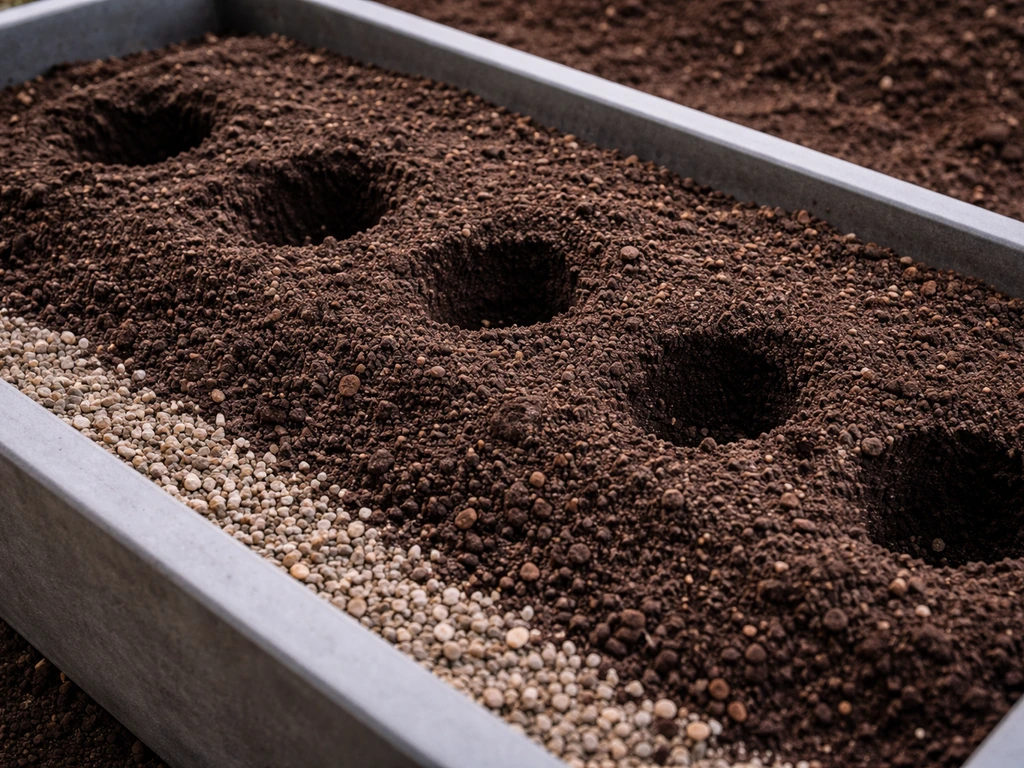
Drainage is the single most important thing to get right. Begonias will not tolerate sitting in wet soil, and plugs are especially vulnerable because their root systems are small and undeveloped. If you're planting in containers, use a good-quality peat-based or peat-free multi-purpose compost mixed with perlite (roughly 70:30 or similar) to keep the mix open and free-draining.
If you’re aiming to grow begonias in hanging baskets, prioritize excellent drainage and bright, indirect light so the plants don’t stay wet. Avoid heavy garden soil in pots entirely. Don't use a mix that already contains a lot of slow-release fertilizer or manure, as begonias can be sensitive to high nutrient levels early on and it can cause more problems than it solves.
For garden beds, dig the soil over to a reasonable depth (20 to 30cm works well) and work in some organic matter like garden compost or leaf mould to improve structure. If your soil is heavy clay, add grit or sharp sand to open it up. Begonias love a rich, loose, well-drained growing medium, but the key word is loose. Compacted or waterlogged ground is the enemy. Make sure pots have drainage holes that aren't blocked, and if you're planting in a low-lying bed that tends to sit wet after rain, raise the planting area slightly or choose a different spot.
Before you even pick up a plug, take a moment to inspect it. Check the leaves for any signs of fungal spotting, yellowing, or insect damage. Look at the root ball: the roots should be white or cream-coloured and firm, not brown and mushy. Checking for root disease or pest issues before transplanting saves you a lot of frustration later, because once a diseased plug goes into your pot or bed it can spread problems to nearby plants.
How to plant begonia plugs: step by step
- Water the plugs thoroughly about an hour before transplanting so the root ball is moist but not dripping.
- Make a planting hole in your prepared compost or soil that's just slightly larger than the plug's root ball.
- Set the plug in the hole so the top of the root ball sits at exactly the same level as the surrounding growing medium. Do not bury it deeper. Planting too deep is a common cause of stem rot with begonias.
- Firm the compost gently around the plug so there's good soil-to-root contact, but don't compact it so hard that you squeeze out air. A gentle press with your fingers is enough.
- Water in well immediately after planting, directing water at the base of the plant rather than over the leaves. This helps settle the compost around the roots without wetting the foliage.
- For containers, space plugs according to the variety. Bedding begonias generally work well at 20 to 25cm apart. Larger tuberous or trailing types need 25 to 30cm or more. Good spacing isn't just about final size — it also improves airflow between plants, which significantly reduces fungal disease risk.
- For garden beds, follow similar spacing but also consider that adequate room between plants allows them to dry out between rains, which matters a lot with begonias.
Light, temperature, water, and feeding after transplanting
Light
Begonias are broadly shade-loving plants, but the detail matters. If light is too low, you'll get weak, spindly growth and very few flowers. Wax begonias (semperflorens types) are the toughest in this regard and can actually handle full, direct sun all day in most climates, especially in cooler or cloudier regions. Tuberous begonias prefer dappled shade or morning sun with afternoon shelter, particularly in hot summers. Aim for bright indirect light or a few hours of direct sun in the morning as a starting point, and adjust based on how your plants respond. If you started plugs indoors under artificial light, getting them into natural light gradually is important, more on hardening off below.
Temperature
Begonias are happiest between 60°F and 75°F (15°C to 24°C). Below 50°F (10°C) at night and growth slows or stalls. Consistent cold also makes plants more vulnerable to fungal problems. If you're growing plugs indoors or in a greenhouse to start, maintaining a minimum of 60°F is worth the effort. Once outside and established in warm conditions, most begonias are fairly robust until temperatures start pushing above 90°F (32°C), at which point some shading and consistent moisture become more important.
Watering
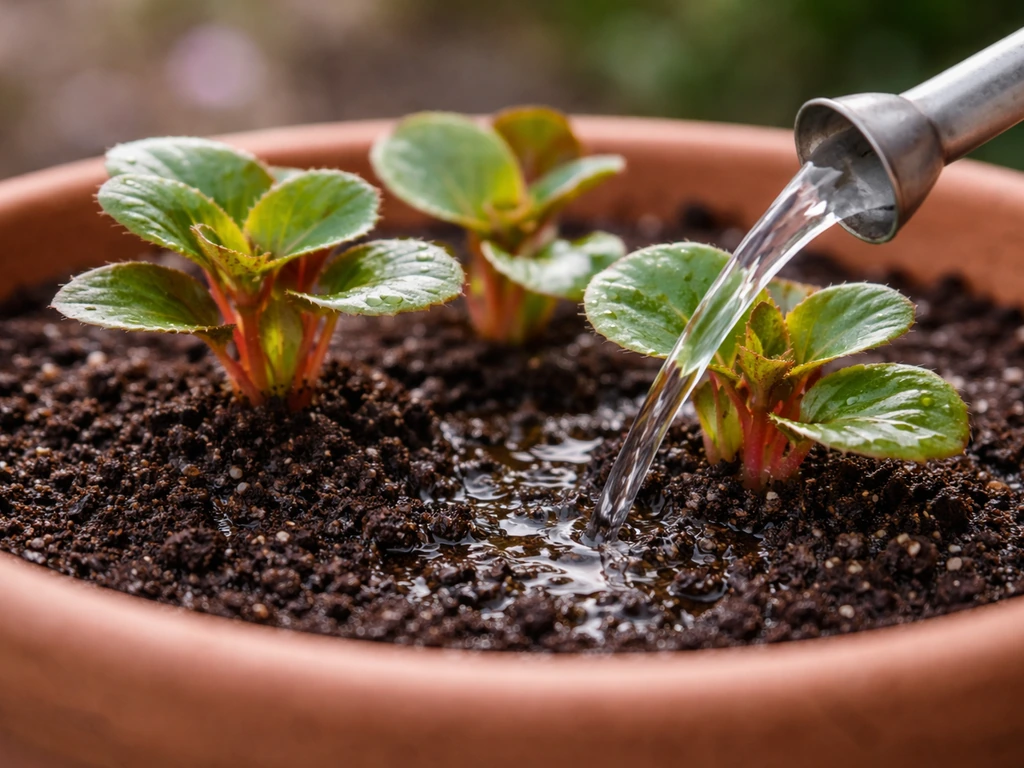
Right after transplanting, you want the growing medium to stay consistently moist for the first week or two while the roots establish into the new compost. After that, let the surface dry slightly between waterings, not bone dry, but not constantly damp either. Begonias have shallow root systems, so don't let the medium dry out completely or you'll get uneven, stunted growth. At the same time, constantly wet soil invites rot. Always water at the base of the plant, not over the leaves, to reduce the risk of fungal diseases like powdery mildew. In containers, check daily during warm weather as pots dry out fast.
Feeding
Hold off on feeding for the first two to four weeks after transplanting, especially if your compost contains some starter nutrients. Once plants are visibly growing actively and starting to produce new leaves, begin a regular feeding routine. A balanced feed like 20-20-20 every other week works well for general growth. For encouraging flowering specifically, switch to a fertilizer where phosphorus is higher than nitrogen: a formula like 15-30-15 or similar.
If you want more compact, floriferous plants, alternate your balanced feed with a higher-potassium formulation. The target for soil nutrient levels during begonia growth is an electrical conductivity (EC) of around 1. 2 to 1. 5, which in home gardening terms means you're feeding moderately and regularly rather than in large, infrequent doses.
Keeping the momentum going: ongoing care for flowers and healthy plants
Once begonias are established and producing new growth, they're relatively low-maintenance. The main things to stay on top of are watering consistency, regular feeding, and deadheading spent flowers. Most modern wax begonias are described as self-cleaning, meaning old flowers drop on their own, but checking regularly and removing any dead or rotting blooms keeps the plant looking neat and reduces the risk of Botrytis (gray mold) taking hold in damp, decaying material.
If you notice growth becoming a bit straggly or the plant getting stretched out, a gentle pinch of the growing tips encourages bushier, more compact growth and usually results in more flower buds. This is especially useful for tuberous and trailing begonias, which can get a bit lanky if not given a little attention in the early weeks. If you’re growing trailing begonias, also keep an eye on light and pinching so they fill out rather than getting too leggy. For tuberous types that need a cold period to trigger flowering, be patient: some varieties need five to eight weeks of cooler temperatures before they'll set buds reliably, so don't panic if flowering is slow to start in the first season.
Keep an eye on spacing as plants fill out. If they've grown together and the canopy is dense, improved airflow by removing a plant or trimming back some growth can prevent the humid, still-air conditions that grey mold thrives in.
Troubleshooting the most common plug problems
Wilting or drooping right after planting
Some wilting in the first day or two after transplanting is normal and usually temporary. The roots haven't fully connected with the surrounding compost yet, so the plant can't pull up water efficiently. Keep the medium consistently moist (not soaking) and provide shade for a few days to reduce moisture loss from the leaves. If wilting persists beyond three to four days and the soil is already moist, check the root ball: mushy, brown roots indicate rot, which is a different problem entirely.
Root rot and stem rot

Rot is almost always caused by a combination of too much moisture and poor drainage. If you pull the plug and the roots are brown and falling apart, or the stem is soft and discoloured at the base, the plant has likely been sitting in waterlogged conditions. The fix for future plugs is straightforward: improve drainage, water less frequently, and make sure planting depth is correct. A plug planted too deep traps moisture around the crown and invites rot from the top down. Unfortunately, a severely rotted plug usually can't be saved, it's better to remove it promptly to protect neighbours.
Leggy, stretched growth
If your begonias are growing tall and spindly with long gaps between leaves, they're not getting enough light. Move them to a brighter spot, more direct morning sun or a position with less overhead shade. Pinching out the growing tips will also encourage branching and a more compact habit. Leggy plants during the plug stage (before you received them) can sometimes be a sign the plugs were grown at low light levels, which can happen during commercial production. These plants are a bit more work but can usually be shaped up with a pinch and better light conditions.
Yellowing leaves
Yellow leaves have a few possible causes. Overwatering and root problems turn older lower leaves yellow first. Underfeeding causes a general, even yellowing across the plant. Cold temperatures, especially below 50°F at night, can also cause yellowing and a kind of sulking, stalled growth. Identify which is most likely based on your conditions. Check the roots, check whether you've been feeding, and check nighttime temperatures. Most yellowing issues resolve once the underlying cause is fixed.
No flowers
If your begonia plugs are growing healthy foliage but no flowers are appearing, a few things might be happening. First, check timing: from transplanting, most begonias take four to eight weeks to flower, so patience is legitimate advice here. If you want a similar flowering timeline for rieger begonias, see how to grow rieger begonias so you can compare timing and feeding priorities. Second, check your fertiliser: too much nitrogen encourages leafy growth at the expense of flowers.
Switch to a higher-phosphorus feed. Third, check light: too little light suppresses flowering across all begonia types. Fourth, for tuberous varieties in particular, temperature fluctuations or consistently cool nights can delay bud formation. Consistent warmth, bright light, and a phosphorus-forward feed are the three levers to pull.
Gray mold (Botrytis)
Gray mold is one of the most common fungal problems with begonias, and plugs are particularly vulnerable because they're small and often grown in humid conditions. It shows up as a fuzzy gray coating on dying flowers, damaged leaves, or soft stem tissue. Botrytis spores need free moisture on the surface of the plant to germinate, so prevention comes down to airflow and avoiding wet foliage. Water at the base, space plants properly, remove any dead or decaying material promptly, and if you're growing under cover, make sure there's adequate ventilation especially at night when temperatures drop and humidity rises.
Hardening off and moving plugs outside
If you've been growing begonia plugs indoors, in a greenhouse, or on a windowsill, they need to be gradually introduced to outdoor conditions before being planted out or left outside permanently. This process is called hardening off, and skipping it is one of the most reliable ways to lose healthy plants in a matter of days. Without gradual exposure, the combination of outdoor sun intensity, wind, and temperature fluctuation can scorch leaves and set plants back significantly.
Allow roughly two weeks for hardening off. Start by placing plants outside in a sheltered, shaded spot for just a few hours during the warmest part of the day, then bring them back in. Over the following days, gradually increase the time outdoors and begin introducing them to more light. By the end of week one, they should be able to spend all day outside in a partially sheltered position. In week two, start leaving them out overnight if temperatures are staying reliably above 50°F, and progressively move them into their final light position. By the end of two weeks, they should be fully acclimatised and ready to plant out permanently.
One thing worth noting: even after hardening off, avoid planting out during a cold snap or a period of heavy rain. Wait for a mild, settled spell. Begonia plugs that go into warm, moist (not wet) soil on a calm day after a proper hardening-off period will establish much faster and start flowering sooner than those rushed outside without preparation. Once they're in and growing, the approach for ongoing care is the same as covered above: consistent water, regular feeding, good light, and a close eye for the first few weeks.
FAQ
Can I grow begonia plugs in water or hydroponics to avoid soil issues?
Begonia plugs do not root reliably in plain water the way cuttings sometimes do. For plug plants, use a free-draining potting mix, keep the medium evenly moist, and focus on drainage rather than water alone. If you want a water-based system, treat it as a hydroponic setup with stable temperature, aeration, and nutrients from day one, not a simple water cup.
How do I tell whether my begonia plug is planted too deep or too shallow?
After potting or planting, the crown should sit at the same level it was in the plug tray, or just barely below the surface. If you can’t see any of the crown and the plug looks buried, pull it up slightly next time you transplant, because trapped moisture around the crown is a common rot trigger. If it’s too shallow, the roots dry quickly, so the medium should not pull away from the root ball.
What’s the best way to water begonia plugs in the first week without overdoing it?
Water thoroughly once, then keep the top layer slightly moist rather than soaking. A useful check is to press a finger into the mix about 1 inch down, if it feels damp you should wait, if it feels dry you should water. Avoid misting the foliage, especially at night, because damp leaves increase gray mold risk.
Do begonia plugs need to be shaded after planting, even if it’s warm out?
Yes, for a short adjustment period. Even when nighttime temperatures are safe, sudden sun intensity can stress young plants. Use bright shade or morning sun for the first few days, then increase light gradually. Wax begonias tolerate sun better, but plugs still benefit from a gradual move rather than immediate full sun.
Should I remove plug trays’ condensation or cover plastic during establishment?
If your plugs are under a clear cover or in a greenhouse dome, remove it or vent daily once roots have settled, otherwise humidity stays high and Botrytis risk increases. Condensation is a sign the airflow is too low, aim for steady conditions with ventilation rather than sealed, foggy glass.
What temperature is too cold for begonia plugs, especially at night?
Aim to keep nights above about 50°F (10°C) after transplanting. Cooler than that slows growth and can lead to yellowing or stalled plants, even if daytime temperatures look fine. If a cold night is expected, bring pots under cover or use a simple protective frame, but avoid wrapping plants tightly in wet conditions.
Why are my wax begonia plugs growing leaves but not flowering yet?
The most common causes are low light, too much nitrogen, or simply timing. Confirm you are getting bright light, and if you started feeding early, pause and then switch to a phosphorus-forward fertilizer once new growth is clearly underway. Also note that even with proper care, many begonia plugs take several weeks after transplanting to show flowers.
My plugs arrived leggy. Is pinching still worth it after I plant them?
Yes, pinching helps, even if legginess started before you received them. Wait until the plant is actively growing in its new pot, then pinch back the growing tips to encourage branching. Then correct light immediately, because pinching without more light often results in new but still weak growth.
How often should I fertilize begonia plugs once they start growing?
A safe schedule is light, regular feeding after the first few weeks, then adjust based on growth and color. If growth is healthy, feed every other week with a balanced fertilizer, then switch to a higher-phosphorus formula to encourage flowers. If you see very dark, lush leaves with few blooms, reduce nitrogen or shorten feed intervals rather than increasing dose.
What spacing should I use so begonias don’t get gray mold?
Use the mature plant size as your guide, not the plug size. In dense plantings, airflow drops and dead flowers and damp leaves linger, which favors Botrytis. If plants are crowding each other in the first month, thin or trim selectively to open airflow through the canopy.
Can I move begonia plugs outside and then bring them back in if temperatures change?
You can, but it increases stress and raises the chance of chilling, especially if nights dip near or below 50°F (10°C). If you must, keep them in a warm spot with good light, protect them from cold drafts, and avoid doing it repeatedly. For best results, commit to planting out only when conditions are consistently safe.
What should I do if only one plug in the pot seems sick or rotting?
Remove the failing plug promptly and discard it, don’t try to “save” it by trimming alone. Then check the rest for soft stems at the base and for any mushy, brown roots. Improve drainage and water discipline for the container because rot spreads through waterlogged conditions rather than through the plant touching.
How do I prevent yellow leaves without guessing?
Use a quick diagnostic sequence: check nighttime temperatures first, then check roots, then check feeding frequency. If lower leaves yellow first and the mix stays wet, it often points to overwatering or root stress. If the yellowing is more even and plants look pale or slow, it often points to underfeeding. If nights are below 50°F, expect “cold yellowing” or stalled growth until warmth returns.
Next Article
How to Grow Bedding Begonias: Complete Step-by-Step Guide
Step-by-step bedding begonia care: light, soil, watering, feeding, planting dates, and fixes for pests, yellow leaves, a