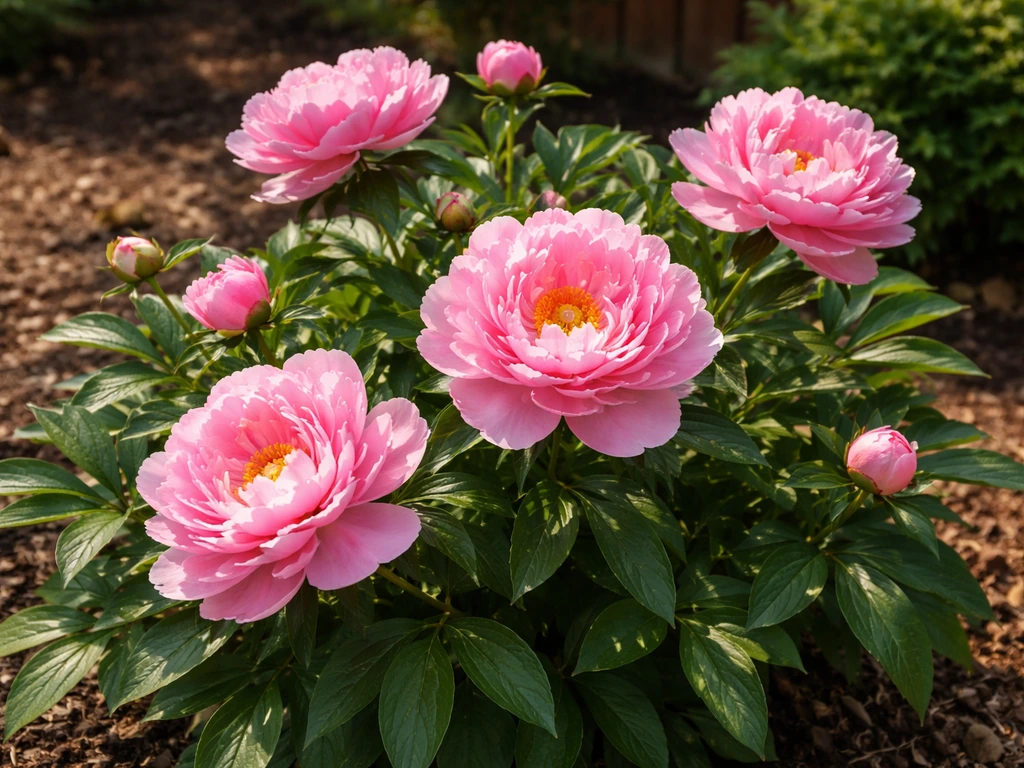
Peonies grow beautifully across most of Canada, and once they're established, they'll outlive you. The key is getting the first two years right: choosing a type that suits your zone, planting at the correct depth, and giving them a site with enough sun and decent drainage. If you're wondering how to grow peonies in Australia, start by matching the variety to your climate and giving it plenty of sun and excellent drainage. Get those three things right and you'll have reliable blooms every June for decades. Skip them and you'll spend years wondering why your peonies refuse to flower.
How to Grow Peonies in Canada: Step-by-Step Guide

Harriet Whitmore
11 Jul 2026
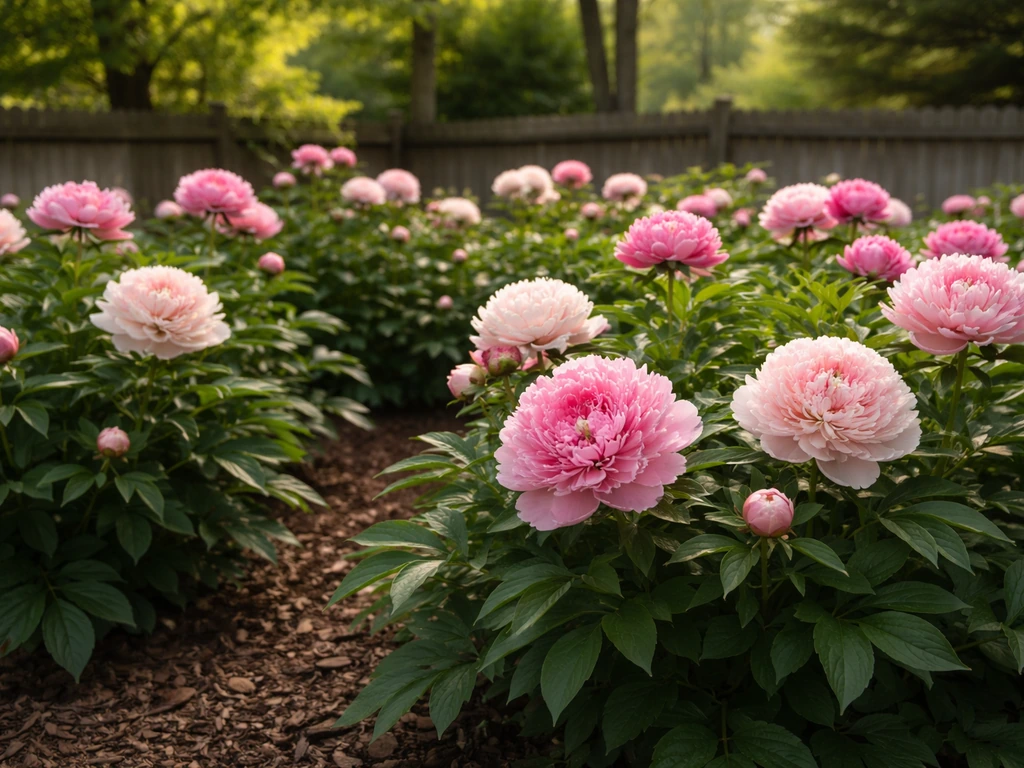
Choosing the right peony type for Canadian gardens
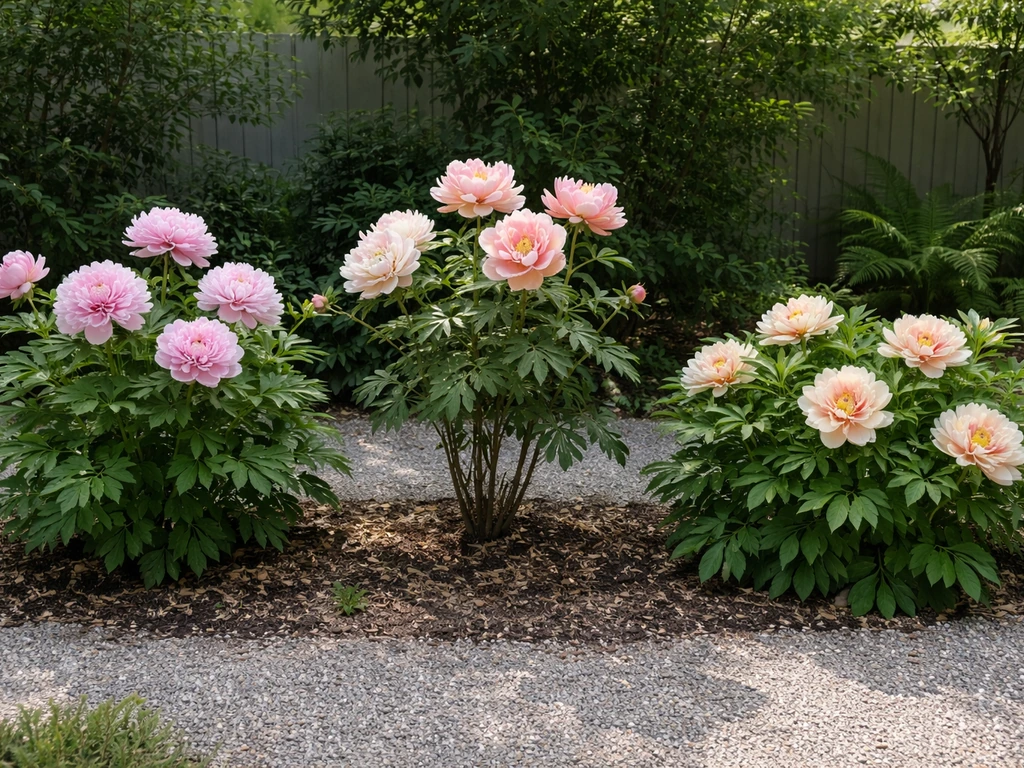
There are three main types to know about: herbaceous peonies, tree peonies, and Itoh (intersectional) peonies. Each behaves differently in the garden, and picking the wrong one for your climate is one of the fastest ways to end up with a plant that disappoints.
Herbaceous peonies (Paeonia lactiflora) are the classic choice for Canadian gardens. They die back completely to the ground every fall, re-emerge in spring, and are rated hardy from zones 4b to 7b according to Canada's Plant Hardiness Site. That covers the vast majority of populated Canada, from southern Ontario and Quebec right through the Prairies into British Columbia's interior and coast. If you're in a zone 3 area like northern Alberta or the Canadian Shield, you'll want to specifically seek out cultivars bred for cold hardiness, but even then, many herbaceous peonies survive with good snow cover.
Tree peonies are woody shrubs that don't die back in winter. They're stunning but less cold-hardy, and in zones 4 and 5 they need some winter protection to keep the stems alive. They're better suited to coastal BC, southern Ontario, and parts of Quebec where winters are milder or more consistent. The payoff is enormous flowers on an impressive shrub that can eventually reach 4 to 5 feet tall, but they're slower to establish and less forgiving of Canada's freeze-thaw cycles.
Itoh peonies (also called intersectional peonies) are a hybrid between tree and herbaceous peonies. As described by Assiniboine Park in Winnipeg, they combine the large, exotic-looking flowers of tree peonies with the cold hardiness of herbaceous types. Like herbaceous peonies, they die back to the ground in winter, which makes them much easier to manage in Prairie and cold-zone gardens. They're a bit pricier, but worth it if you want tree-peony-style flowers without the winter fuss.
| Type | Cold Hardiness | Dies Back in Winter? | Best For |
|---|---|---|---|
| Herbaceous (P. lactiflora) | Zones 4b–7b | Yes, completely | Most of Canada, easiest to grow |
| Tree Peony | Zones 5–8 (woody stems vulnerable) | No (woody stems persist) | Milder zones: coastal BC, southern ON/QC |
| Itoh / Intersectional | Zones 4–8 | Yes, completely | Prairies and cold zones wanting large flowers |
For most Canadian gardeners, especially those in zones 4 and 5, herbaceous peonies are the safest and most rewarding starting point. Itoh peonies are a great second purchase once you've got your first plants blooming. Tree peonies are for gardeners who know their site, have a milder zone, and are willing to be patient.
Best varieties and where they'll thrive by region
Canada's climate zones range from zone 0 in the far north to zone 8 along the BC coast, so variety selection matters more here than in places like Michigan or Ohio where conditions are more uniform. Here's a practical breakdown by region.
BC Coast and Lower Mainland (zones 7–8)
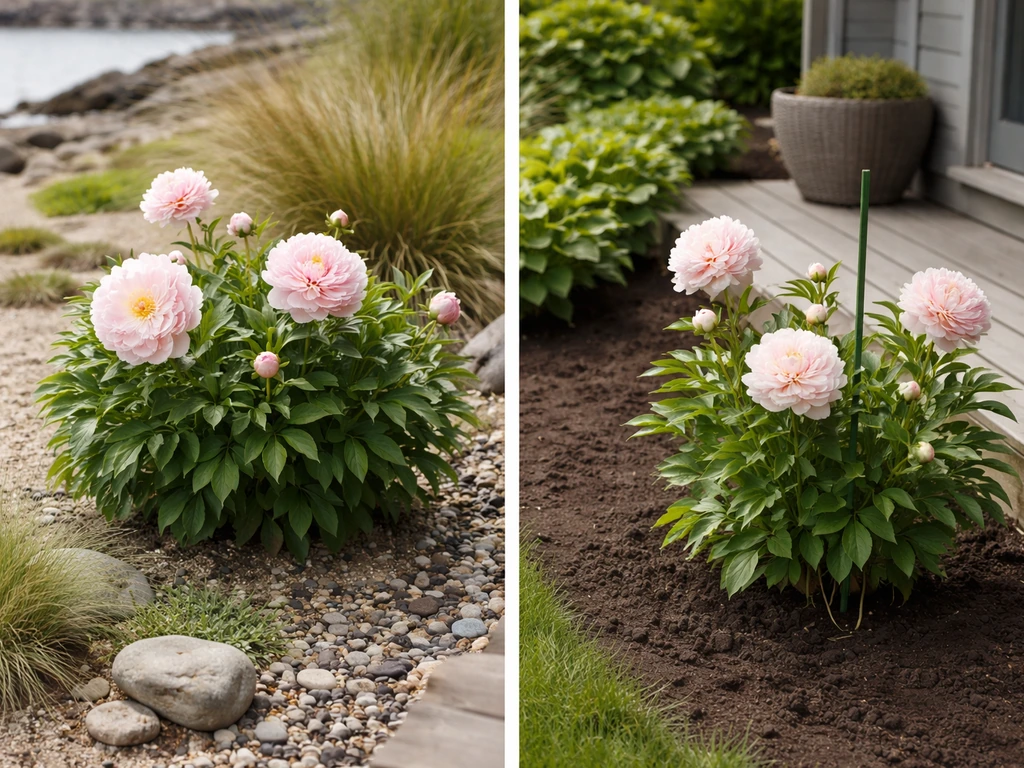
You have the most options here. Herbaceous peonies, Itoh peonies, and tree peonies all perform well. The main challenge is hot, dry summers rather than cold, so look for varieties noted for heat tolerance. 'Sarah Bernhardt' (double pink, one of the most popular classics), 'Festiva Maxima' (white with red flecks), and tree peony varieties like 'Hana Kisoi' (yellow) are all worth trying. Make sure drainage is good since BC winter rains can keep soil saturated.
Southern Ontario and Quebec (zones 5b–7a)
This is peony country. The cold winters provide the chill hours peonies need, and summers are warm enough to ripen the roots. Nearly any herbaceous cultivar does well here. Top picks include 'Karl Rosenfield' (deep crimson, excellent cut flower), 'Bowl of Beauty' (pink and cream, anemone form), 'Coral Charm' (coral-pink, fades beautifully), and 'Bartzella' for an Itoh variety with enormous yellow flowers. Tree peonies also work in zone 6 and above with minimal protection.
Prairies: Manitoba, Saskatchewan, and Alberta (zones 2b–5b)
This is where variety selection is critical. You need proven cold-hardy cultivars, ideally bred or trialed in Prairie conditions. For Alaska specifically, focus on the same basics, but prioritize the cold-hardy peony types and the most reliable drainage and winter protection for your area proven cold-hardy cultivars. Look for varieties rated to zone 3 or 4 specifically. The Canadian-bred 'Prairie Moon' and heritage varieties like 'Festiva Maxima' and 'Duchess de Nemours' have long Prairie track records. Itoh peonies from reputable Prairie nurseries are worth the premium. Winnipeg gardeners in particular have had great success with Itohs, since those plants die back fully and the roots are protected underground through the deep freeze.
Atlantic Canada (zones 5–6)
Nova Scotia, New Brunswick, and PEI are well within peony range. The maritime climate means milder temperatures but also higher humidity and more rainfall, which raises disease risk. Choose varieties with good botrytis resistance and space plants generously for airflow. 'Lemon Chiffon', 'Paula Fay', and 'Coral Sunset' are reliable performers that hold up in wetter conditions.
Site prep and soil: getting this right before you plant

Peonies live in the same spot for 30 to 50 years. Spending an afternoon preparing the planting site properly is one of the most valuable things you can do. A badly prepared site is almost impossible to fix once the plant is in the ground.
Sun is non-negotiable. Peonies need at least 6 hours of direct sunlight per day, and 8 is better. In the shadier parts of your garden, peonies will produce leaves but rarely bloom. This is one of the most common reasons gardeners in wooded lots or north-facing beds give up on peonies.
Drainage is equally critical. The American Peony Society is blunt about this: peonies should not be subject to wet conditions at any time of year. Sitting in waterlogged soil invites crown rot and Phytophthora root diseases, and in Canadian winters, freeze-thaw cycles in saturated soil can kill crowns outright. If your soil is heavy clay, you'll need to amend it before planting. Raised beds, or slightly raised planting mounds, are a legitimate strategy in poorly drained yards.
For soil pH, aim for 6.5 to 7.5. Most Canadian garden soils fall in this range naturally, but it's worth doing a quick soil test if you've had poor results with other plants. You can get inexpensive test kits at any garden centre, or send a sample to a provincial soil lab for a more detailed breakdown.
To prep the bed, dig down 12 to 18 inches and loosen the soil. Work in generous amounts of compost, well-rotted manure, or finely ground bark to improve both drainage and organic matter. The University of Maryland Extension recommends targeting at least 2% organic matter in garden soil, with 5 to 10% as the ideal for a dedicated flower bed. If your soil is straight clay or sand, this amendment step is what transforms it into something peonies can thrive in.
- Full sun: 6 to 8 hours minimum
- Well-drained soil, never waterlogged
- Soil pH: 6.5 to 7.5
- Organic matter: compost, aged manure, or bark mixed into the top 12–18 inches
- Avoid low spots where water pools after rain or snowmelt
- Keep away from tree roots that compete for water and nutrients
Planting timing and methods: bare-root, divisions, and containers
When to plant
Fall is the best time to plant peonies in Canada, full stop. If you are growing peonies in Alabama, you can still use fall planting strategies, but focus on heat and moisture management to help them establish. The American Peony Society recommends late August through October as the ideal window, and that lines up perfectly with Canadian conditions. Planting in fall gives roots time to settle before the ground freezes, and the plant gets the cold dormancy period it needs to bloom the following spring. Spring planting is possible but not recommended: spring-planted peonies spend their first year catching up and rarely bloom that same season.
For Prairie gardeners, aim for early-to-mid September to give roots 4 to 6 weeks of settlement before hard frost. In milder zones like coastal BC or southern Ontario, October planting is fine. Container-grown peonies purchased in spring can go in the ground as soon as frost risk is past, but manage your expectations for bloom that first year.
Planting depth: the most important detail

This is where most peony failures happen. Planting depth is the single most common reason peonies refuse to bloom. The 'eyes' (the reddish buds on the crown) should be set no more than 1 to 2 inches below the soil surface. If you want a quick checklist for conditions beyond Canada, this guide on how to grow peonies in oklahoma can help you dial in depth and setup for your site. Both Iowa State University Extension and Illinois Extension are very clear on this: deeper than 2 inches and blooming becomes unreliable. In clay soils that settle, err toward 1 inch rather than 2. In colder Prairie zones, 2 inches gives a bit more insulation without sacrificing bloom.
It feels counterintuitive to plant something so shallowly, especially when you're thinking about Canadian winters. But peonies actually need that cold exposure to set buds, and planting them too deep doesn't protect them from cold: it just prevents them from blooming. Trust the depth recommendation.
Planting bare-root divisions
Most mail-order peonies come as bare-root divisions with 3 to 5 eyes. Dig a wide, shallow hole, mound the soil in the center, and drape the roots over the mound with the eyes pointing up. Backfill gently, firm the soil to remove air pockets, and water well. Space plants 3 to 4 feet apart to allow for mature spread and good air circulation.
Planting container-grown peonies
Container peonies bought from a nursery are easier to handle but still need the same depth attention. When you remove the plant from the pot, check where the eyes sit and plant at the appropriate depth. Container plants sometimes arrive pot-bound or with soil settled deep in the container, which means the eyes are already lower than ideal. Adjust before you plant rather than assuming the pot depth is correct.
What about growing from seed?
Growing peonies from seed is a long game: most seedlings take 3 to 5 years to bloom, and species hybrids don't come true from seed, so you're essentially growing an unknown cultivar. It's an interesting project for patient gardeners who enjoy experimentation, but it's not a practical path if you want reliable blooms from named varieties. Stick to bare-root divisions or container plants.
Season-by-season care checklist
Spring (April to May)
- Remove any winter mulch gradually as temperatures warm, before shoots emerge fully
- Watch for red or pink shoots pushing through: this is a great sign
- Apply a balanced or low-nitrogen fertilizer once shoots are 2–3 inches tall
- Check soil drainage and clear any standing water from beds
- Install peony rings or grow-through supports early, before stems get tall
- Pull early weeds before they compete for nutrients
Summer (June to August)
- Enjoy blooms — most herbaceous peonies flower in June in zones 5 and 6
- Deadhead spent flowers by cutting back to the first leaf to keep the plant tidy
- Water deeply once a week during dry spells, aiming for the base of the plant, not the foliage
- Watch for botrytis (gray mold) on buds and stems — remove affected parts immediately
- After bloom, leave all foliage intact: it's photosynthesizing and feeding next year's roots
- Prune tree peonies right after flowers fade to avoid removing next year's buds
Fall (September to November)
- Cut herbaceous peony stems to 2–3 inches above ground after the first hard frost
- Remove and dispose of all cut stems and foliage — do not compost diseased material
- Plant bare-root divisions now (September in zones 3–5, October in zones 6+)
- Apply a light mulch (2–3 inches of straw or shredded leaves) over crowns in zones 3–4 after the ground cools
- Do not mulch too early: this delays dormancy and can cause crown rot
- Leave tree peony woody stems intact for winter — only remove dead wood in spring
Fertilizing, watering, and keeping plants healthy
Peonies are not heavy feeders, which is one reason they're so low-maintenance once established. Over-fertilizing, especially with high-nitrogen products, is a common mistake that gives you lush green plants with few or no flowers. Nitrogen pushes vegetative growth at the expense of blooming. This is worth repeating because it catches a lot of gardeners off guard: if your peony looks healthy and leafy but won't bloom, excess nitrogen is high on the suspect list.
Fertilize once in spring when shoots are 2 to 3 inches tall. Use a balanced granular fertilizer like a 10-10-10 or, better yet, a low-nitrogen formula like 5-10-10. A second light application of bone meal or superphosphate after flowering helps roots store energy for next year. Avoid high-nitrogen lawn fertilizers, which are sometimes accidentally applied to nearby flower beds.
For watering, peonies need about 1 inch of water per week during the growing season. In Canada's typically wet springs, you often don't need to water at all until June or July. During dry Prairie summers, deep weekly watering is more important. Always water at the base of the plant rather than overhead: wet foliage is the fastest path to botrytis and leaf spot. If you can set up a drip system or soaker hose for your peony bed, do it. It makes a real difference in disease prevention.
Staking and supports matter more than people expect. Full double-flowered herbaceous peonies like 'Sarah Bernhardt' or 'Karl Rosenfield' produce heavy blooms that fall face-first into the mud after rain. Get peony rings or grow-through wire cages into the ground early in spring, before stems reach 8 inches tall. By the time flowers open, the stems will have grown up through the support naturally and won't need tying.
Why your peonies won't bloom: the real reasons
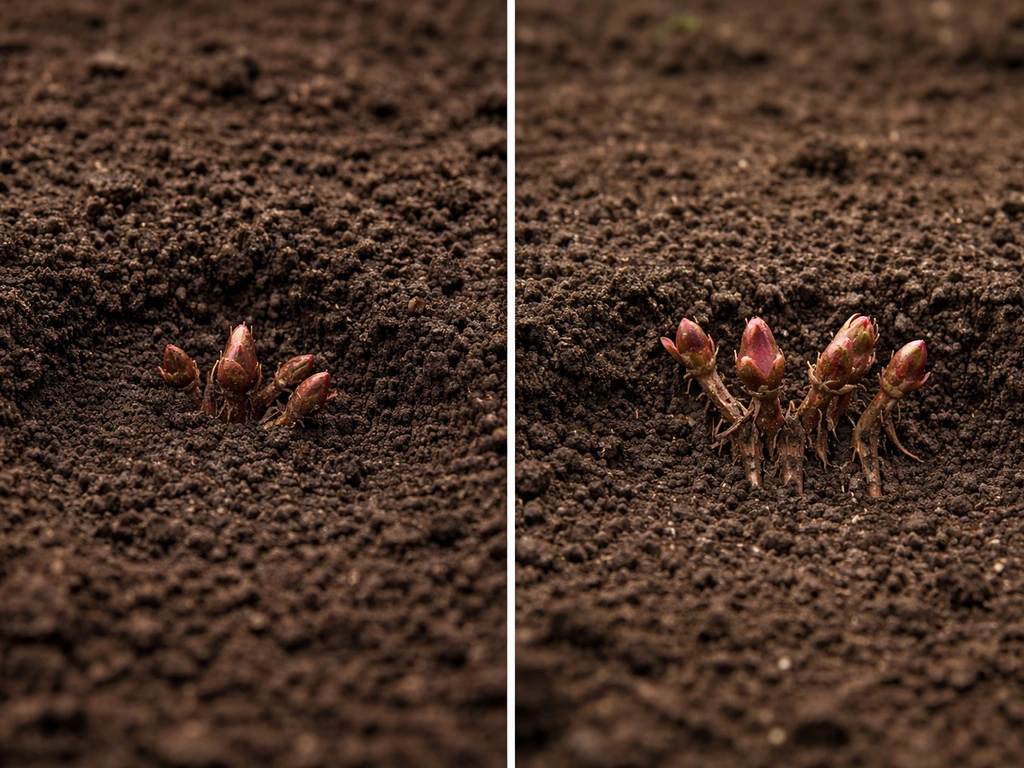
This is the question I hear most often from Canadian gardeners, and the honest answer is that non-blooming peonies almost always have a fixable cause. Here are the main ones, in rough order of how often I've seen them.
- Planted too deep: Eyes more than 2 inches below the soil surface is the single most common cause of failure to bloom. Iowa State University Extension is emphatic about this. If you've had a non-blooming peony for 3 or more years, carefully dig it up in fall and replant at 1 to 2 inches depth.
- Too much shade: Even partial shade can prevent blooming. Assess how many hours of direct sun your plant actually gets — not just how open the area looks. Trees and buildings cast more shade than you think.
- Too much nitrogen: If you've been fertilizing with a lawn-type fertilizer or heavy compost applications, you may have pushed vegetative growth at the expense of flowers. Ease off nitrogen and try a phosphorus-focused fertilizer.
- Too young: Peonies planted from bare-root divisions typically take 2 to 3 years to bloom reliably. Year one you may get nothing. Year two, a few buds. Year three, a proper show. This is normal and expected.
- Overcrowding or root competition: Peonies near tree roots, shrubs, or other aggressive perennials often fail to bloom because of nutrient and water competition. Give them their own space.
- Transplanting stress: Peonies that were recently moved or divided often skip a blooming year or two while re-establishing. If you divided a plant, be patient.
- Extreme cold damage (zones 3–4): In very cold zones without adequate snow cover, late-emerging buds can be damaged by a late frost. Consider a light mulch layer and monitor spring emergence.
Pests and diseases to watch for
Botrytis blight (gray mold) is the most common disease problem in Canada, especially in Atlantic and Pacific coast gardens where humidity is high. It shows up as dark, water-soaked patches on stems and buds, often with gray fuzzy growth. It thrives in wet, cool conditions. The main controls are cultural: remove and dispose of affected plant parts immediately, clean up all debris in fall, water at the base rather than overhead, and space plants for airflow. Fungicide sprays exist but are rarely necessary if you manage the environment well.
Leaf spot diseases create tan or brown spots on foliage later in summer. They're rarely fatal but look bad and reduce the plant's photosynthesis. Same approach as botrytis: good sanitation, avoid overhead watering, and remove spotted leaves. Do not compost any diseased material, ever: bag it and put it in the garbage.
Ants on peonies are famously misunderstood. They are not harming the plant. They're feeding on the nectar secreted by the buds and do not need to be there for the flowers to open (this is a long-standing myth). They're harmless and will disappear once flowering is over. If they bother you, shake the cut flowers outside before bringing them indoors.
Crown rot, usually caused by Phytophthora or related fungi, is almost always a drainage problem. If you're seeing mushy, rotted crowns and stems collapsing at the base, excess soil moisture is the culprit. Improving drainage and amending heavy soil before replanting is the solution, not a fungicide.
Winter protection and long-term care in Canada
Here's the good news: once an herbaceous peony is established in the right zone, it needs very little winter protection. The roots survive underground and the plant actually requires a cold dormancy period to bloom well the following spring. Trying to protect peonies from the cold in zones 4 and above often does more harm than good, especially if it delays dormancy or causes moisture to sit against the crown.
In zones 3 and very exposed zone 4 sites (think northern Alberta, parts of Saskatchewan outside urban heat islands), a light mulch of 3 to 4 inches of clean straw or shredded leaves applied after the ground has cooled in late fall is worthwhile. Apply it after cutting stems down, and remove it in early spring before shoots emerge. The goal is to moderate extreme temperature swings, not to keep the roots warm.
Cutting back herbaceous and Itoh peonies in fall is important both for aesthetics and disease prevention. Cutting back peonies in fall and cleaning up debris reduces the chance of common foliar disease problems, including those promoted by over-wet conditions and leftover dead residues Cutting back herbaceous and Itoh peonies in fall. Once stems have been killed by frost, cut them down to 2 to 3 inches above the ground and remove all the cut material from the garden. Leaving old foliage in place over winter harbors botrytis spores and other disease pathogens. The University of Wisconsin Extension specifically recommends cutting stems to near ground level and cleaning up thoroughly.
Tree peonies are handled differently. Leave the woody stems intact through winter since they contain next year's flower buds. In colder zones, you can loosely wrap the shrub with burlap for wind protection, but avoid tight plastic wrapping that traps moisture. In spring, remove dead or winter-killed wood only once you can see where new growth is emerging.
Long-term, peonies are remarkably self-sufficient. A well-established clump will improve and expand slowly over years without needing division, unlike many other perennials. If a clump becomes very large (over 10 to 15 years) and starts to bloom less, you can divide it in early fall. Dig the whole clump, rinse the roots, and cut into divisions with 3 to 5 eyes each. Replant at the correct depth and expect a bloom gap of 2 to 3 years as the divisions re-establish. It's worth it: each division becomes a new, vigorous plant.
Realistic bloom timeline expectations for Canada
Set the right expectations and you won't be disappointed. A bare-root division planted in fall may show a single stem or two the following spring with minimal or no bloom. By year two, you'll likely see a few flowers. By year three, most well-planted peonies are putting on a proper show. In zones 5 and 6 (southern Ontario, Quebec, BC interior), bloom time is typically late May to mid-June. In colder Prairie zones, expect June to early July. Itoh peonies often bloom slightly later than herbaceous types, extending the season.
If you're comparing notes with gardeners in adjacent U.S. states like Michigan or Ohio, your bloom window will typically be 1 to 3 weeks later due to cooler spring temperatures. Gardeners in the Pacific Northwest (including Oregon) deal with similar early-season rainfall challenges as those in Atlantic Canada, making disease management a shared priority across both regions. If you are growing peonies in Oregon, focus on strong drainage and good airflow to prevent common fungal issues in wet spring weather Pacific Northwest (including Oregon).
What to do this week to get started
If it's now summer (July 2026), the best thing you can do is choose your site, do your soil prep, and order bare-root divisions for fall delivery. Most reputable Canadian and mail-order nurseries ship bare-root peonies in September and October. Use the next few weeks to improve drainage, work in compost, and check the sunlight hours your chosen spot actually gets throughout the day. That soil preparation work now will make your fall planting straightforward and set you up for blooms as early as spring 2028.
- Identify a planting site with 6 to 8 hours of direct sun and good drainage
- Do a simple soil test to check pH (aim for 6.5 to 7.5)
- Order bare-root peony divisions from a Canadian nursery or reputable mail-order source for fall delivery
- Dig and amend your bed now: work in 3 to 4 inches of compost to a depth of 12 to 18 inches
- Install peony rings or grow-through supports before planting
- Plant bare-root divisions in September (Prairie zones) or October (southern and coastal zones) at 1 to 2 inches depth
- Mulch lightly in zone 3 to 4 after the first hard frost, then remove mulch in early spring before shoots emerge
FAQ
What should I do if my peonies were planted deeper than the recommended depth in Canada? (Can I rescue them?)
If your peonies are already planted too deep, you generally cannot fix it by digging one plant out a little. The safer approach is to leave established crowns alone and improve drainage and sunlight, then monitor for bloom over the next 1 to 3 seasons. If you must correct depth, do it in early fall when plants are going dormant, and keep disturbance minimal, replanting so the eyes end up about 1 inch below the surface in clay (about 2 inches in looser soils).
Can I transplant peonies in Canada if they are in the wrong spot? When is the best time?
Peony eyes are sensitive to being repeatedly disturbed. After a cutback and cleanup in fall, resist moving or replanting unless there is a drainage emergency, because transplanting often causes a bloom gap. If you need to relocate, aim for early fall, keep the roots intact as much as possible, and expect little to no flowering the first year and sometimes up to 2 years.
Can I grow peonies in containers in Canada, and how do I overwinter them?
Yes, they can work in Canada, but only if drainage is excellent and you manage overwintering carefully. Choose a large container (at least 16 to 18 inches wide), use a well-draining mix, and ensure the pot does not sit in water. For winter, either sink the pot into the ground or insulate loosely (not tight plastic) so the crown stays protected from freeze-thaw without trapping moisture.
My peony has big healthy leaves but no blooms, what are the most likely causes in Canada?
If you get strong leaf growth but no flowers, check nitrogen first. Also confirm the eyes are at the right depth (too deep is a top cause), and make sure the site gets at least 6 hours of direct sun. Finally, look for late frosts, because buds can be damaged even when the plant is healthy. A quick test is to observe whether stems and buds form normally by early spring.
How can I reduce botrytis and other fungal issues in humid regions like Atlantic Canada?
In rainy provinces, botrytis risk rises even if you water correctly. Practical prevention is to cut and remove all foliage after frost, space plants 3 to 4 feet apart, and water at the base with morning timing when possible. If your site stays wet for days after rain, consider raised mounds or dividing and replanting into a drier, higher spot.
Why are there ants on my peony buds, and should I be worried?
Ants do not indicate a problem, but they can signal that buds are producing nectar and are about to open. If you want to limit ants indoors, shake cut stems outdoors before bringing them inside. For the garden, focus on airflow and sanitation, not ant removal, since treating ants usually does not prevent the underlying disease drivers.
My peony flowers fall over after rain, what is the best way to prevent flopping in Canada?
If stems flop, it is usually because the flowers are heavy and the supports were not in place early enough, or the plants are overcrowded. Install peony rings or cages in early spring before stems reach about 8 inches tall. For dense clumps, consider dividing in early fall after a period of reduced blooming to restore spacing and airflow.
Do I need to test my soil before planting peonies in Canada, and what do I change if pH is off?
A soil test is especially useful if you have persistent growth problems or have amended the bed heavily with compost or manure. If pH is outside the 6.5 to 7.5 target, adjust with appropriate amendments rather than adding more fertilizer. If pH is fine but drainage is poor, fix drainage first, because wet soil issues can cause crown rot regardless of pH.
What pests or animals commonly cause peony problems in Canada, and how can I protect new plants?
Rats, voles, and deer are sometimes more damaging to young plantings than people expect. Protect bare-root divisions or newly planted crowns with physical barriers, like hardware cloth cages for the first season. For deer, use fencing or deterrents that do not rely on frequent reapplication, because peony leaves and buds can be targeted early in spring.
Can I deadhead peonies in Canada to get more blooms, and when should I stop deadheading?
Yes, but time it around establishment. If the plant has not yet fully recovered, you may reduce flower count by cutting too early. For best practice, remove spent blooms promptly to keep the plant from diverting energy to seed, but leave the foliage intact until fall frost so the crown can store energy for next year.
When should I divide peonies in Canada, and how long will it take to bloom again?
Dividing can help when blooming declines with age, but it is not needed on most peonies on a tight schedule. Plan for early fall, keep each division to 3 to 5 eyes, and replant at the correct depth. Expect a bloom gap of 2 to 3 years after division, so only divide when you have a reason (poor performance, overcrowding, or site redesign).
Next Article
How to Grow Peonies in Oklahoma: Planting to Bloom Guide
Learn how to grow peonies in Oklahoma with cultivar choice, planting timing, care calendar, winter protection, and fixes