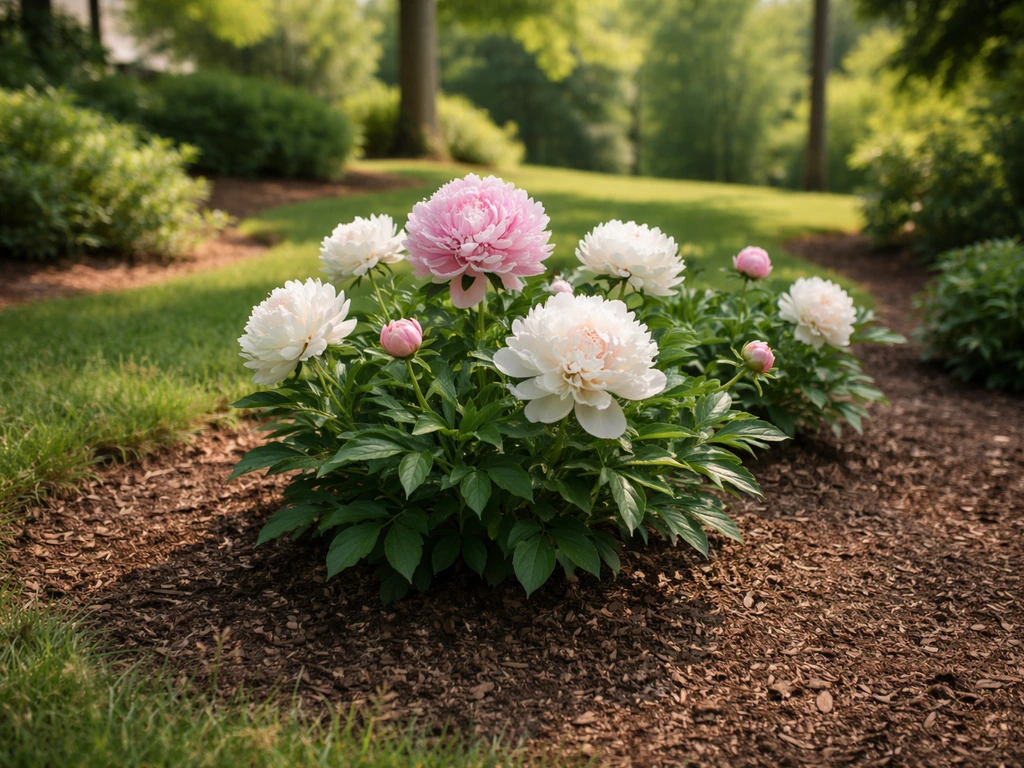
Ohio is genuinely one of the best places in the country to grow peonies. Most of the state sits in USDA Zones 5 and 6, which is right in the sweet spot for herbaceous peonies, and even the cooler Zone 4 pockets in northern Ohio aren't a problem for tough varieties. The main things that trip up Ohio gardeners aren't the cold winters but rather planting too deep, putting plants in poorly drained soil, and expecting blooms before the plants are ready. Get those three things right and you'll have peonies flowering reliably for decades.
How to Grow Peonies in Ohio: Planting, Care, and Troubleshooting

Harriet Whitmore
29 Jun 2026
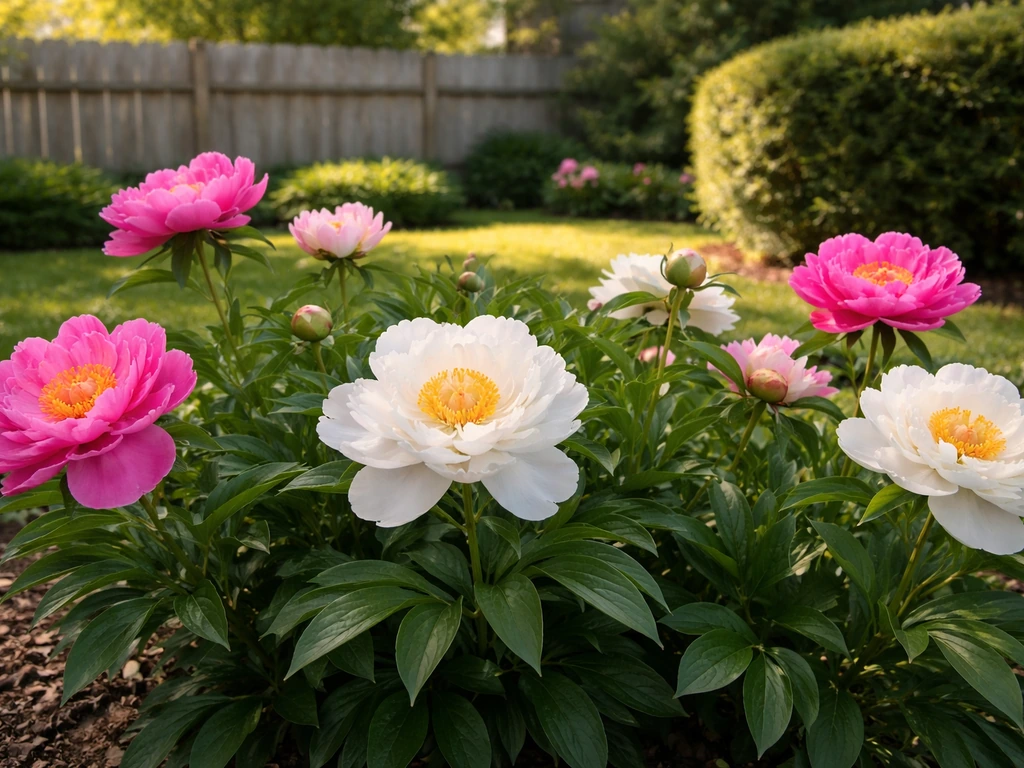
Why Ohio is great peony country
Peonies need a genuine winter dormancy period with enough cold to reset their bloom cycle, and Ohio delivers that consistently. Most of Ohio falls in Zones 5b through 6b, with some northern and inland areas touching Zone 5a or even Zone 4 in colder microclimates. Herbaceous peonies are reliably hardy from Zone 3 all the way through Zone 7, so virtually every Ohio gardener is gardening well within that range.
One thing worth knowing: the USDA hardiness zone system was originally designed around the survival of above-ground stems, not underground crowns and roots regenerating from below. For peonies, that means the zone rating is actually a bit conservative in your favor. What matters more for peony performance in Ohio is the freeze-thaw pattern through winter and spring, soil drainage during dormancy, and whether late frost events catch emerging buds. These are all manageable with good site selection and a bit of timing awareness.
Choosing the right peony type and variety
There are three main types of peonies you'll encounter: herbaceous, tree (woody), and intersectional (also called ITOH). Each has a different growth habit and a slightly different set of needs in an Ohio garden.
Herbaceous peonies
These are the classic garden peonies that die back to the ground every fall and re-emerge in spring. They're the easiest to grow in Ohio, the most widely available, and the most forgiving. If you're just starting out, start here. Bloom time in Ohio typically runs from mid-May through mid-June depending on the variety, and you can extend your season by planting early, mid, and late-season varieties together.
Good variety picks for Ohio include 'Sarah Bernhardt' (a reliable mid-season pink that's been performing in Ohio gardens for over a century), 'Karl Rosenfield' (a deep red that's a strong performer in Zones 5 and 6), 'Festiva Maxima' (an early white with a slight fragrance and exceptional hardiness), and 'Coral Charm' (an early-season coral that's become popular for its color and strong stems). For gardeners in the warmer Zone 6 areas of southern Ohio, late-blooming varieties like 'Bowl of Beauty' hold up especially well.
Tree peonies
Tree peonies are woody shrubs that keep their stems above ground year-round rather than dying back. They bloom a couple weeks before herbaceous types in Ohio, often in early to mid-May, and their flowers are spectacular but short-lived. They're hardy in Zones 4 through 9, so they handle Ohio winters fine as long as they're planted in a spot sheltered from desiccating winter winds. The main caution: the woody stems can be damaged by late spring freezes that catch emerging buds, so a north-facing slope or a spot with some wind protection is worth seeking out. They're slower to establish than herbaceous types and more expensive to buy, so treat them as a long-term investment rather than a quick win.
Intersectional (ITOH) peonies
ITOH peonies are hybrids between herbaceous and tree peonies. They die back like herbaceous types but produce tree-peony-style flowers in colors like yellow and coral that aren't available in standard herbaceous varieties. They're a bit pricier but they're vigorous, disease-resistant, and they perform very well in Ohio. 'Bartzella' (yellow) and 'Cora Louise' (white with lavender center) are two that consistently do well in Zone 5 and 6 gardens.
| Type | Hardiness (USDA) | Bloom Time in Ohio | Dies Back in Fall? | Best For |
|---|---|---|---|---|
| Herbaceous | Zones 3–7 | Mid-May to mid-June | Yes | Beginners, reliable bloom, widest variety selection |
| Tree (woody) | Zones 4–9 | Early to mid-May | No (woody stems persist) | Large shrub effect, early bloom, sheltered spots |
| Intersectional (ITOH) | Zones 4–8 | Late May to mid-June | Yes | Unique colors (yellow, coral), disease resistance, vigorous growth |
Picking the right spot in your Ohio garden
Site selection is where most peony failures actually begin, so spend more time here than you think you need to. To tailor these same basics for your garden, see our guide on how to grow peonies in Oregon, including climate and timing tips. Peonies are a 20-to-30-year commitment once they're established, and moving them is stressful for the plant and a real pain for you.
Sun
Peonies want full sun, meaning at least 6 hours of direct sunlight per day. In Ohio's hot and humid summers, morning sun with some afternoon shade is actually a nice bonus because it prolongs flower life and reduces disease pressure from the heat. But shaded spots under trees or near buildings are a consistent bloom-killer. If a spot gets fewer than 6 hours, pick a different location.
Soil and drainage
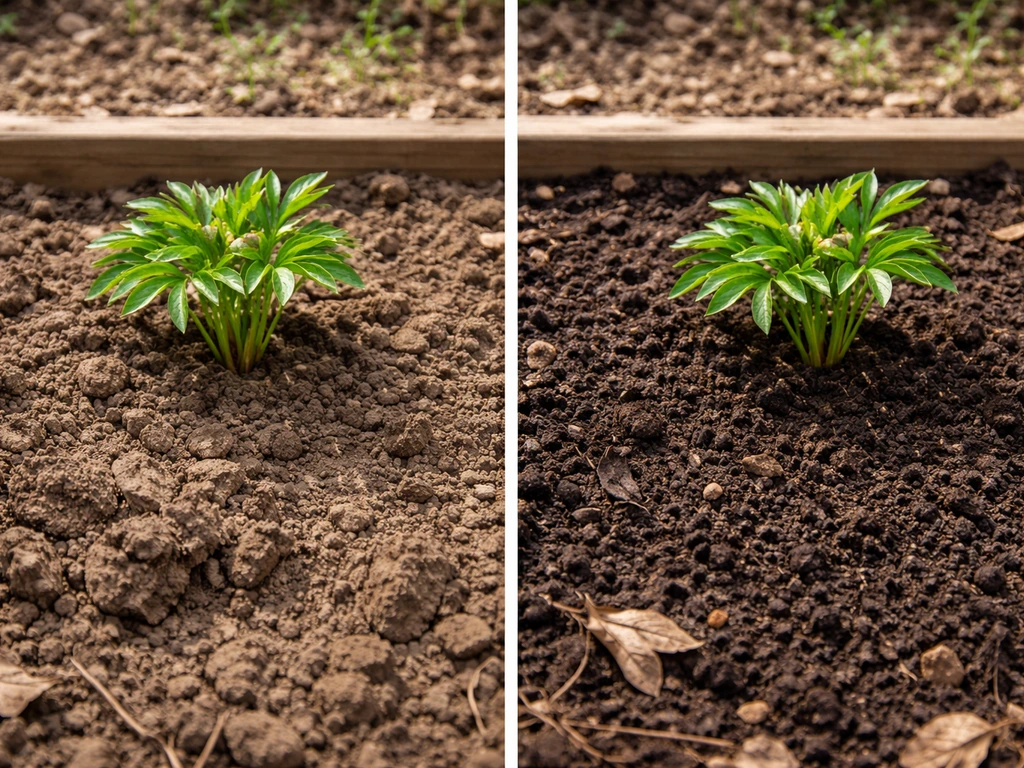
This is the single most important site factor in Ohio. Many parts of Ohio have heavy clay soil, particularly in the central and northwest regions, and clay that holds water around peony crowns in winter and spring is a recipe for crown rot. You need a spot where water drains away from the crown quickly after rain. If you want to grow peonies in Oklahoma, start by choosing a site with excellent drainage and the right amount of sun for your local conditions right spot. If you dig a hole, fill it with water, and it's still standing several hours later, you have a drainage problem that needs fixing before you plant.
The fix for clay soil is to amend generously with compost (at least 3 to 4 inches worked in 12 inches deep) and consider planting on a slight raised bed or gentle slope where water naturally moves away. Peonies prefer a slightly acidic to neutral pH, somewhere around 6.5. If you haven't done a soil test, your local Ohio State University Extension office can help with that affordably, and it takes the guesswork out of amendment decisions.
Spacing and placement
Give herbaceous peonies at least 3 feet of space in every direction, and 4 feet is better. They need good air circulation to minimize the fungal disease pressure that Ohio's humid summers can bring. Tree peonies need 4 to 5 feet. Don't crowd them against fences, walls, or other plants. Also keep them away from the drip lines of large trees where root competition and shade will both work against them.
Planting peonies in Ohio: timing, depth, and technique
When to plant
Fall is the ideal planting time in Ohio, specifically from mid-September through October. Planting in fall gives roots time to establish before the ground freezes, and the plant experiences the full winter dormancy cycle it needs to prepare for spring blooms. Once you understand the timing, depth, and drainage basics from Ohio growing, you can apply the same principles to learn how to grow peonies in Australia for your local climate. Spring planting works if you're buying container-grown plants rather than bare roots, but bare-root divisions planted in spring will almost certainly sit dormant and do very little that first season. Mail-order bare roots typically ship in fall for a reason.
Planting depth: get this right
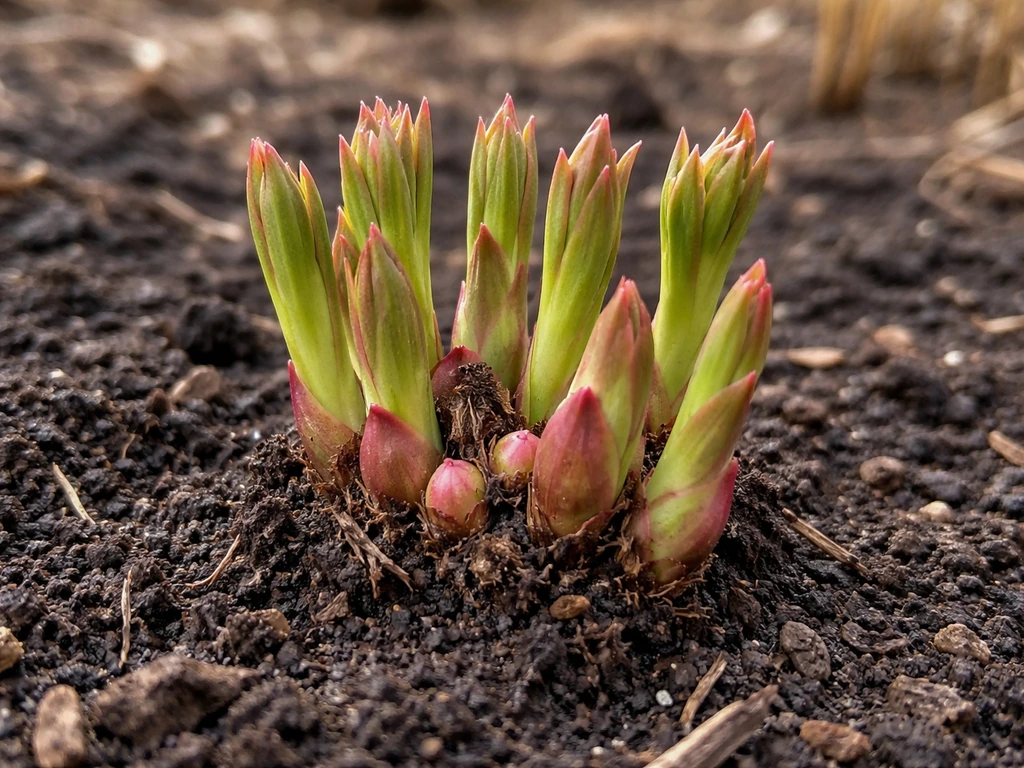
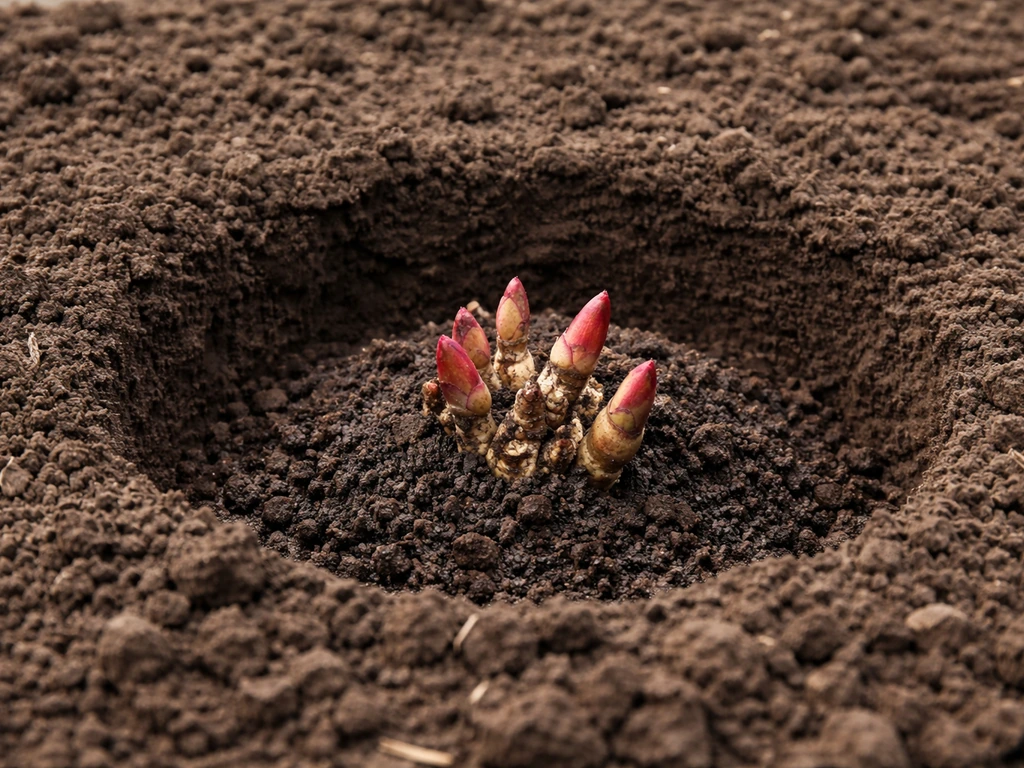
Planting depth is the single most common reason peonies don't bloom, and it's entirely preventable. For herbaceous peonies, the eyes (the pinkish-red growth buds on the crown) should be no more than 1 to 2 inches below the soil surface. In Ohio's Zone 5 areas, 1.5 to 2 inches is appropriate. In the warmer Zone 6 areas of southern Ohio, even 1 inch is fine. Too deep and the plant will grow leaves but never bloom, sometimes for years. If you're planting a bare-root division, lay it in the hole and actually measure the eye depth before backfilling. It's worth the extra minute.
For tree peonies, the graft union (the swollen point where the tree peony top was grafted onto an herbaceous rootstock) should be planted 4 to 6 inches below the soil surface. This encourages the tree peony to develop its own roots and eventually become self-sustaining rather than depending on the rootstock. ITOH peonies are planted the same as herbaceous types: eyes 1 to 2 inches deep.
How to plant step by step
- Dig a hole 12 to 18 inches deep and about 18 inches wide.
- Mix the removed soil with 2 to 3 shovelfuls of compost and a handful of low-phosphorus bone meal or superphosphate to encourage root development.
- Backfill enough amended soil to position the crown so eyes sit 1 to 2 inches below the final soil surface.
- Set the bare root on the mound, spread roots outward naturally, and check eye depth carefully before adding more soil.
- Backfill gently, firming soil to remove air pockets but not compacting it.
- Water thoroughly to settle the soil around the roots.
- Do not mulch heavily over the crown in the first winter — a light 2-inch layer of straw around (not over) the crown is enough.
Keeping peonies happy: watering, mulch, and feeding
Watering
Established peonies are surprisingly drought-tolerant once they've been in the ground a few years, but newly planted peonies need consistent moisture through their first growing season. Aim for about 1 inch of water per week from rain or irrigation during the growing season. Overhead watering in the evening is a mistake in Ohio's humid climate because wet foliage overnight encourages botrytis blight, a common fungal problem. Water at the base of the plant in the morning when possible. Once summer heat sets in and the plant has finished blooming, you can ease off unless Ohio is having a genuine drought.
Mulch
Mulch is useful for moisture retention and weed suppression around peonies, but it needs to be managed carefully near the crown. Keep mulch pulled back 2 to 3 inches from the crown itself at all times. A 2-inch layer of shredded bark or wood chips works well across the rest of the root zone. In fall, after cutting back herbaceous types, you can add a thin layer of loose mulch for winter insulation, but remove it promptly in early spring before the eyes start emerging. Leaving mulch piled on the crown going into spring is a setup for crown rot and buried eyes.
Fertilizing
Less is more with peony fertilizer, especially nitrogen. Too much nitrogen pushes lush leafy growth at the expense of blooms and makes plants more susceptible to disease. In early spring when eyes are just emerging, a light application of a low-nitrogen, balanced fertilizer (something like a 5-10-10 formula) worked into the soil around the drip line is appropriate. After blooming, a small dose of potassium-rich fertilizer helps strengthen roots going into summer. Skip the fertilizer entirely after late July in Ohio, you don't want to push new growth that won't harden off before fall.
Ohio seasonal care calendar
Spring (March through May)
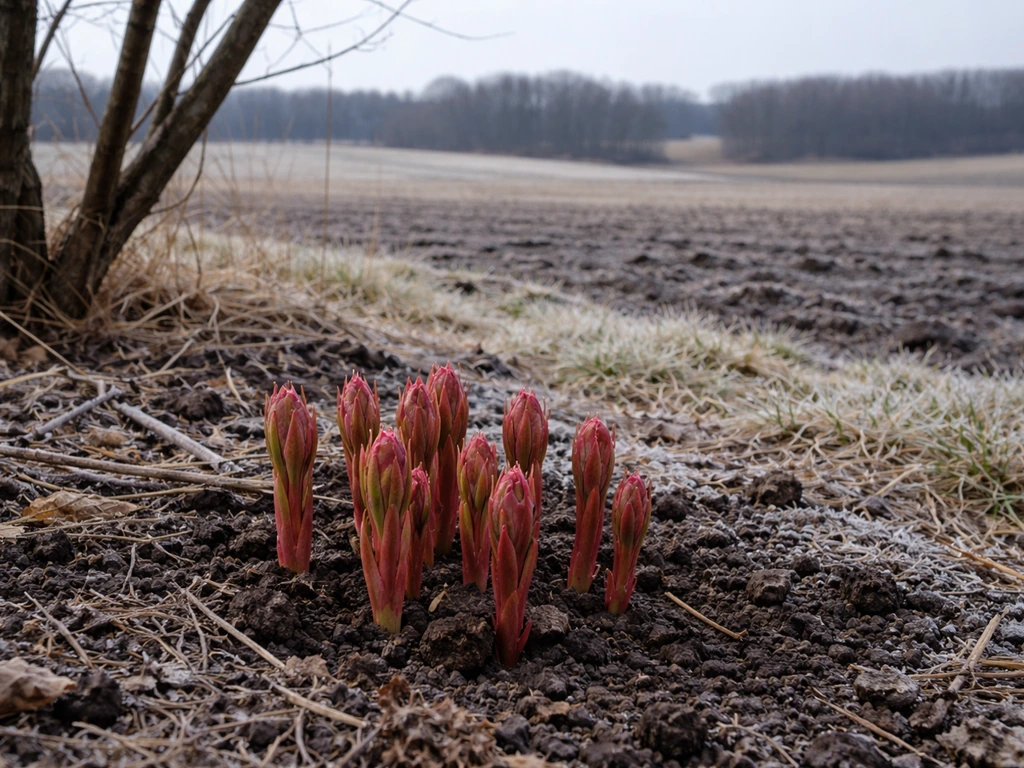
Watch for the reddish-pink eyes emerging from the soil in March and early April. As soon as you see consistent growth, remove any winter mulch from the crown area. This is a good time to apply your early-season fertilizer and check for signs of botrytis on emerging stems (look for brown, rotted base sections). Install peony cages or grow-through supports before stems get taller than 6 to 8 inches, it's much easier before the foliage fills in. In Ohio, tree peonies bloom first, often in early to mid-May. Herbaceous types follow through May and into June. Enjoy the blooms, but if you want cut flowers, cut them in the morning when buds are just starting to open.
Summer (June through August)
After blooming is done, peonies transition into their foliage phase, which is doing important work even if nothing is visually dramatic. The leaves are manufacturing energy and storing it in the roots for next year's blooms. Don't cut back foliage in summer, don't let the plants dry out completely in a hot dry spell, and deadhead spent flowers if you haven't already to keep things tidy. Watch for powdery mildew in late summer, especially in wetter years, good air circulation is your best prevention. Hold off on any fertilizer after late July.
Fall (September through November)
Fall is when you do most of the real work for the following year. September and October are your planting window for new bare-root divisions. For established plants, wait until the foliage of herbaceous types has been killed by frost before cutting stems back to about 2 to 3 inches above the ground. Don't compost the cut stems if there's been any disease present, bag them and put them in the trash to break the disease cycle. Clean up fallen leaves from the ground around the plant for the same reason. Lightly top-dress around the plant with compost. For tree peonies, don't cut back the woody stems, just clean up the fallen leaves.
Troubleshooting common Ohio peony problems
Plant won't bloom
This is far and away the most common complaint, and there are a handful of specific causes to work through. First, check planting depth, if eyes are more than 2 inches below the soil surface, the plant may grow vigorously but won't bloom. Gently excavate and check. Second, consider age: newly planted peonies typically bloom lightly or not at all in the first year or two, and it's normal to wait until year three for a full display.
Third, evaluate sun, less than 6 hours a day will suppress blooming. Fourth, excessive nitrogen fertilizer (including runoff from a nearby lawn fertilization program) pushes foliage at the expense of flowers. Fifth, an unusually warm, dry late winter or early spring that causes late frost damage to emerging buds can wipe out a year's bloom even on a perfectly healthy plant.
Transplant shock
Peonies really dislike being moved, and transplant shock is real and can last two to three years. If you've moved an established plant, be patient. Make sure it was replanted at the correct depth, keep it well watered through its first season in the new spot, and don't fertilize heavily, let it focus on reestablishing roots rather than pushing growth. Avoid moving peonies in spring or summer. Fall is the only good window, and even then, expect a setback before recovery. For step-by-step guidance on timing, planting depth, and soil needs for Canada, see how to grow peonies in Canada.
Crown rot and stem problems
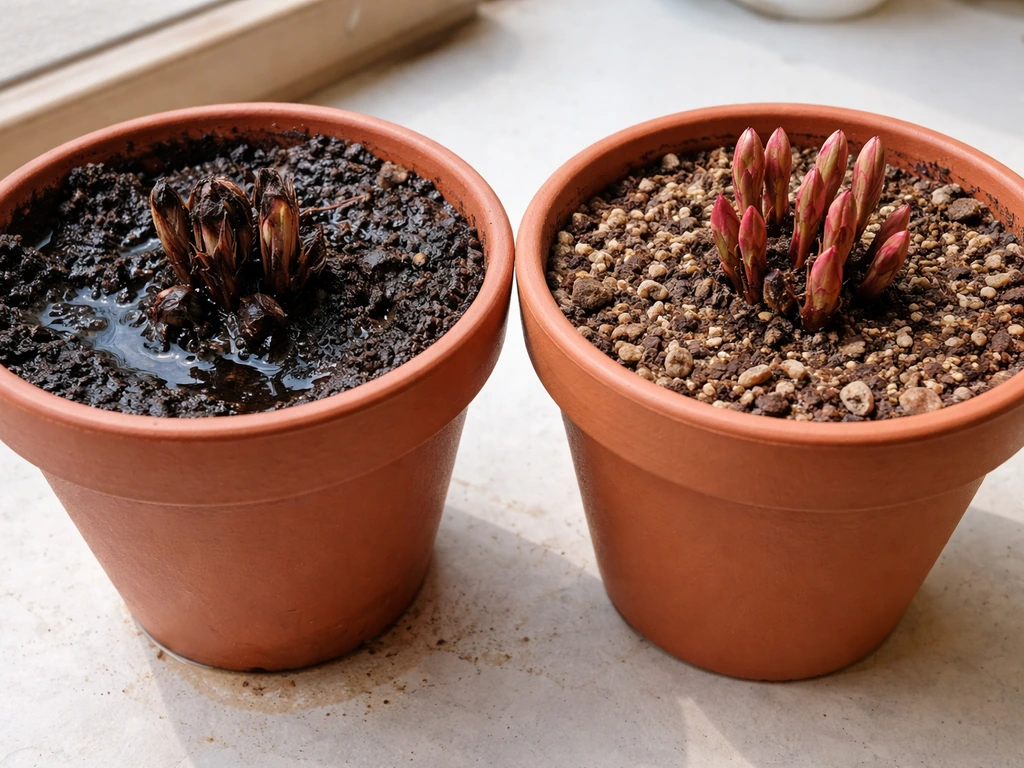
Crown rot is almost always a drainage issue in Ohio. Peony crowns sitting in saturated soil, especially through winter, will rot. If you're losing plants to crown rot, the solution is improving drainage before replanting rather than just replacing the plant. Botrytis blight is a fungal disease that causes brown, water-soaked lesions at the base of stems in cool, wet spring weather, it's common in Ohio and it can kill stems before buds even open. Remove and destroy affected stems immediately, improve air circulation, avoid overhead watering, and clean up all debris in fall. Copper-based fungicides applied early in spring can help as a preventive in gardens with a history of the problem.
Pests
Ants are the most visible peony pest, but they're not actually harming the plant, they're eating the sugary sap from buds and they'll move on once flowering is done. The real pests to watch for in Ohio are thrips (which damage petals and cause browning), Japanese beetles (which feed on open flowers in mid-summer), and scale insects on tree peonies. For Japanese beetles, hand-picking in the morning when they're sluggish is more effective than traps, which tend to attract more beetles than they catch. Scale on tree peonies can be treated with horticultural oil in early spring before growth starts.
Dividing peonies and planning for the long term
What to expect in years one through three
The old gardening saying about peonies is: 'the first year they sleep, the second year they creep, the third year they leap.' This is accurate. A bare-root planted in fall may emerge with a few short stems the first spring and produce zero or one bloom. Year two typically brings more foliage and a handful of flowers. By year three, a well-sited, properly planted peony should be producing a real display. If it's not blooming by year four, that's when you should start systematically checking depth, sun, soil, and nutrition.
When and how to divide
Peonies don't need to be divided on any fixed schedule the way some perennials do, a well-placed herbaceous peony can thrive for 50 years or more without division. You'd divide to propagate new plants, to share with other gardeners, or if a clump has become genuinely overcrowded and is declining in bloom. Division time in Ohio is early fall, September to early October, before the ground gets hard.
Dig the entire clump, wash the roots clean, and use a sharp clean knife to cut the crown into sections, each with 3 to 5 healthy eyes and a good portion of root. Replant immediately at the correct 1 to 2 inch depth. Divided sections typically take 2 to 3 years to return to full bloom, so don't divide a peony right before a garden tour.
Winter protection
Established herbaceous peonies in Ohio don't need winter protection, their crowns are underground and the cold is actually what they need for dormancy. Newly planted divisions in their first winter can benefit from a light layer of straw placed around (not over) the crown to moderate freeze-thaw heaving. Tree (woody) and herbaceous peonies both benefit from well-drained sites and can be affected by winter freeze, thaw and soil conditions during dormancy [well-drained sites and winter freeze–thaw](https://www. gardendesign.
com/peony/types. html). Remove it in early March before growth begins. Tree peonies in exposed northern Ohio locations may benefit from a burlap windscreen to prevent winter desiccation of the woody stems, but this isn't necessary in sheltered spots.
ITOH types need nothing beyond what you'd do for standard herbaceous peonies. If you want to grow peonies in Alabama, focus on the right peony types, proper planting depth, and managing heat and winter chill more carefully.
If you're gardening in neighboring states and wondering how advice scales, conditions in Ohio are closest to Michigan in the north and shift toward warmer patterns in the southern border counties, where some considerations overlap with what growers in more moderate climates deal with. In Michigan, you’ll still want to focus on winter hardiness, planting depth, and drainage, but local timing can vary by region how to grow peonies in Michigan. The core advice stays the same: the right depth, the right drainage, and patience are what turn a peony planting into a legacy garden plant.
FAQ
How long should it take for peonies to bloom after planting in Ohio?
Expect little to no bloom in the first season, then gradually more in years two and three. If you planted at the correct eye depth and get green growth but no flowers by year four, start troubleshooting sun, depth, nitrogen runoff, and winter bud damage rather than assuming the variety is wrong.
What’s the best way to measure peony planting depth so it actually blooms?
Dry-fit your soil to the hole, set the crown in place, and measure from the crown’s eye to the final soil line before backfilling. Because soil settles, you can leave a slight cushion, then water in thoroughly and top off if needed so the eye ends up about 1 to 2 inches below the surface for herbaceous and ITOH types.
Can I grow peonies in a container in Ohio?
Yes, but it’s usually harder to get reliable blooms because containers dry out faster and insulation during winter freezes matters. Choose a very large pot (roughly 18 inches or wider), use excellent drainage mix, plant to the correct eye depth, and plan to protect the pot from freeze-thaw extremes without burying the crown in soggy insulation.
How do I tell the difference between ants, thrips, and other peony problems?
Ants on buds are typically normal, they feed on sap and usually disappear after flowering. Thrips show up as streaking or browning and distorted petals, often with silvery scarring. If you see bud drop or base lesions, focus on botrytis and cultural changes instead of only treating insects.
Should I cut back herbaceous peonies as soon as leaves look bad in late summer?
No, do not cut foliage during summer just because the plant looks tired. Peony leaves are gathering energy for next year’s flowers. If disease shows up, remove only affected parts, improve airflow, and do the main clean-up after frost kills the foliage.
My peony has lots of leaves but no flowers, what’s the most likely cause in Ohio?
The top culprits are planting too deep, too little sun (under 6 hours), and excess nitrogen from fertilizer or lawn runoff. Also confirm the plant is old enough, if it’s within the first two years, it can look vigorous but still not flower fully yet.
What drainage “test” should I do before planting peonies in Ohio clay soil?
Dig the planting area and fill the hole with water, then watch how quickly it drains. If the water is still sitting for several hours, you need a raised bed or slope solution and more soil amendment before planting, because crown rot risk stays high even if the overall yard “seems fine.”
How should I water newly planted peonies during Ohio’s rainy springs?
Aim for consistent moisture without keeping the crown constantly wet. Water at the base in the morning, and if you’ve had heavy rain, slow down irrigation rather than topping up. Mulch helps, but keep it pulled back from the crown to avoid trapping damp conditions.
Is mulch helpful or harmful for peonies in Ohio winters?
Mulch is helpful for moisture and weeds, but it can cause crown rot if piled on the crown or left mounded going into spring. Pull mulch back 2 to 3 inches from the crown, and for winter insulation, use only a thin, loose layer around the plant, then remove promptly in early spring.
What should I do if my peonies get hit by a late frost and buds turn brown?
Remove clearly damaged stems only if you see active rot or mushiness at the base. Otherwise, leave healthy foliage to recover, then focus on airflow and proper watering. Late frost damage can wipe out that year’s blooms even in perfect gardens, so evaluate depth and drainage first the following season if flowering doesn’t rebound.
Do I need to divide peonies often in Ohio?
Usually no. Well-sited herbaceous peonies can thrive for decades without division. Divide only to propagate or if a clump becomes overcrowded and bloom quality declines, and do it in early fall so divisions have time to reestablish before freeze-up.
How do I handle crown rot or botrytis if I’ve had it before?
Crown rot is primarily prevented by drainage improvements, not by replacing plants. For botrytis, clean up all debris in fall, avoid overhead watering, improve spacing for airflow, and consider a preventive copper-based spray early in spring if you have a history of the problem.
Next Article
How to Grow Peonies in Alabama: Planting and Care Guide
Learn how to grow peonies in Alabama with variety tips, planting depth, site prep, seasonal care, and fixes for heat and