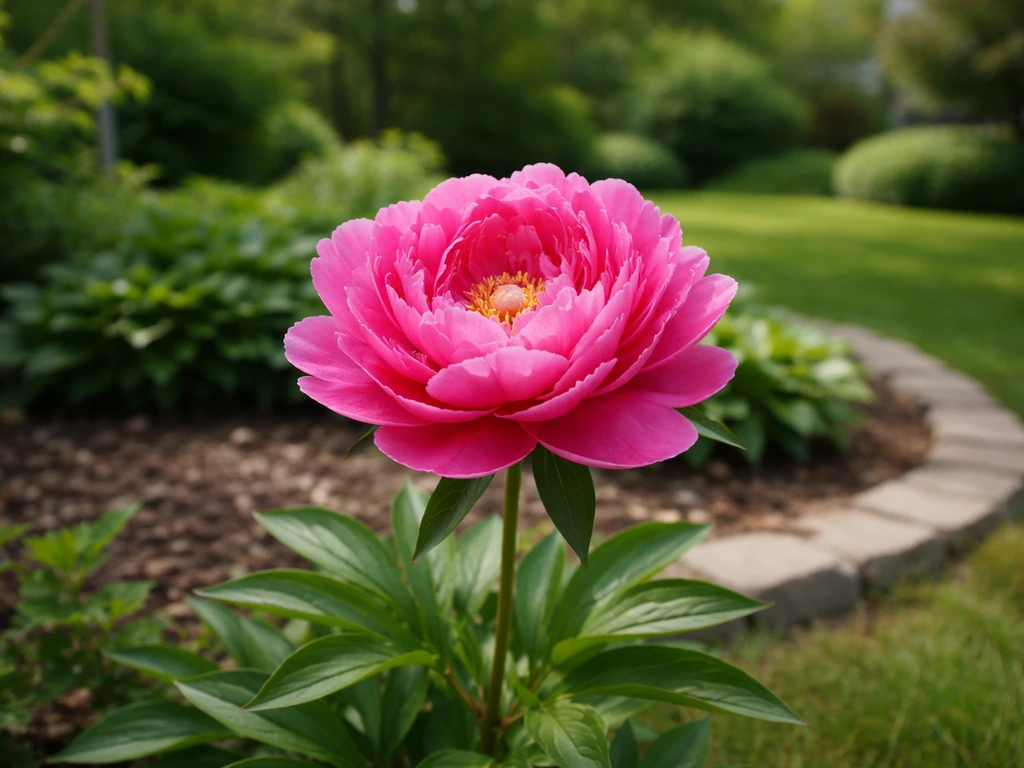
You can absolutely grow peonies in Alabama, but you have to be selective about the type you choose and disciplined about how you plant them. If you’re wondering how to grow peonies in Alaska, the key is matching chill requirements and choosing the most reliable cold-hardy varieties for your exact location grow peonies in Alabama.
How to Grow Peonies in Alabama: Planting and Care Guide

Harriet Whitmore
27 Jun 2026
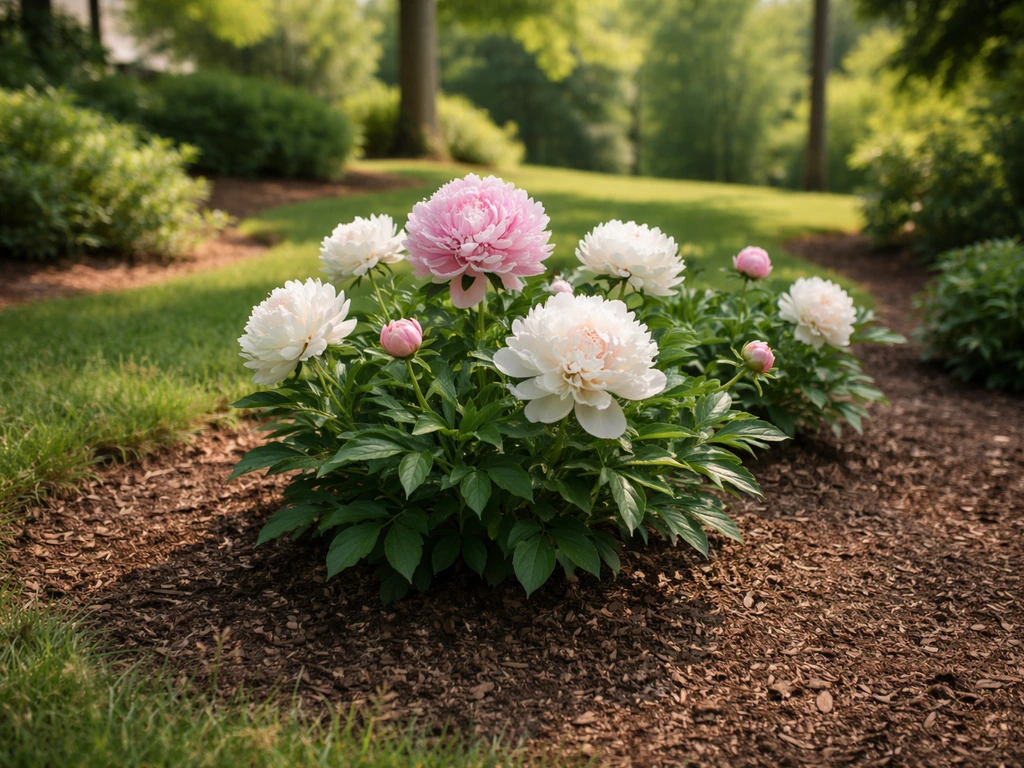
Most of Alabama falls in USDA zones 7b to 8b, which means summers are hot and humid and winters are mild enough that some peony varieties never quite get the cold exposure they need to bloom reliably. The good news: intersectional (Itoh) peonies and a handful of herbaceous varieties handle the heat and lower chill hours better than anything else, and gardeners in the northern third of the state have even more options.
Expect a learning curve, but expect blooms too.
Peonies in Alabama: what's actually realistic
The honest truth about growing peonies in Alabama is that success depends heavily on where in the state you are. Northern Alabama (roughly Huntsville and above) gets enough winter chill to support a wider range of herbaceous peonies. Central Alabama is trickier, and the further south you go toward Mobile and the Gulf Coast, the fewer cold hours you accumulate.
Most peony varieties need somewhere between 500 and 1,000 chill hours (time spent below 45°F) to break dormancy and flower well. Alabama's chill-hour totals vary dramatically, from around 900 hours in the northern highlands to fewer than 400 in coastal areas. The Alabama Cooperative Extension at Auburn actually tracks chilling data for various locations across the state, so you can look up a number close to your specific county and use that as your planning baseline.
In zones 8a and 8b (think Birmingham south), peonies may still bloom but will establish more slowly and may skip years when winters run unusually warm. That's not failure, it's just the reality of pushing a plant slightly beyond its comfort zone. Northern Alabama gardeners are in genuinely good shape and can expect consistent performance with the right variety. Think of this as a challenge with a path forward, not a dead end.
Pick the right peony type for Alabama heat
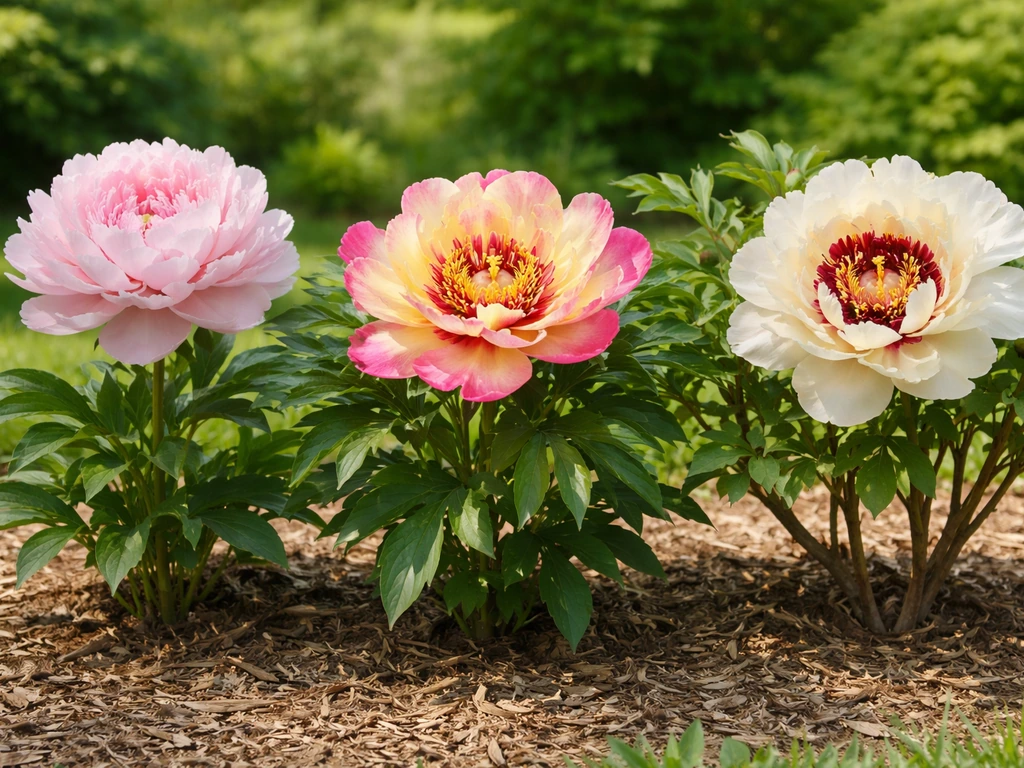
There are four types commonly grown in home landscapes: herbaceous peonies (the classic soft-stemmed kind that die back to the ground each winter), tree peonies (woody shrubs that hold their structure year-round), intersectional or Itoh peonies (a cross between herbaceous and tree types, with woody-ish stems that still die to the ground each fall), and woodland peonies (Paeonia japonica). For Alabama, intersectional peonies are your best bet, hands down. They tolerate heat better than standard herbaceous types, require fewer chill hours to flower reliably, and produce an abundance of large blooms over a longer period. If you're in northern Alabama and want to try herbaceous types, look specifically for early-blooming cultivars and varieties bred for lower chill requirements.
Tree peonies are an interesting option for Alabama because they actually need fewer chill hours than most herbaceous peonies and their woody stems survive mild winters without issue. They bloom earlier in spring, often before the heat sets in, which works in your favor. The downside is they're slower to establish and more expensive up front. Woodland peonies are best suited to part-shade situations and don't tolerate heavy clay or wet soils, which rules them out for a lot of Alabama garden beds.
Variety picks worth trying in Alabama
- Intersectional: 'Bartzella' (yellow, incredibly heat tolerant), 'Cora Louise' (white with lavender center), 'Yankee Doodle Dandy' (vivid pink-red), 'Hillary' (salmon-pink)
- Herbaceous for northern Alabama: 'Festiva Maxima' (early blooming, white with red flecks), 'Kansas' (deep red, reliable), 'Sarah Bernhardt' (classic pink, widely available)
- Tree peonies: Japanese and Chinese varieties in soft colors; look for locally sourced plants when possible since they'll have been acclimated to regional heat
Site selection and soil prep: get this right before you plant
Peonies want full sun, ideally 6 to 8 hours a day. If you're wondering how to grow peonies in Oregon specifically, focus on your local winter chill, choose varieties that match it, and plan for strong drainage and full sun. In Alabama's summer climate, a spot with morning sun and some afternoon shade protection actually works well once the plant is established, since it slows petal fade on the blooms. Avoid planting near large tree roots or right up against a foundation, both compete with peonies for nutrients and water.
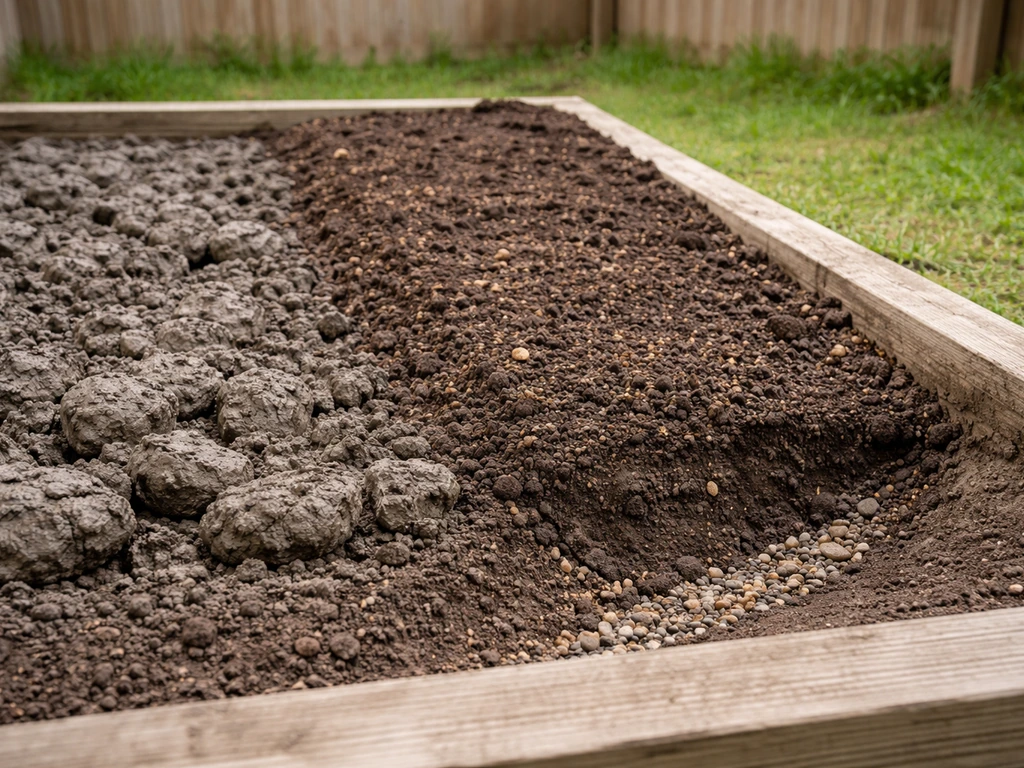
Drainage is non-negotiable. Alabama's heavy clay soils in many parts of the state hold water, and peonies sitting in soggy soil will rot. If your site stays wet after rain, build a raised bed or mound, or amend heavily with compost and coarse sand before planting. Aim for at least 18 to 24 inches of loose, well-draining soil beneath your planting area.
Soil pH matters more in Alabama than in most other states. Alabama soils commonly range from pH 4 to 8, and acidic soils cause more gardening headaches here than almost anything else. Peonies prefer a pH of 6. 5 to 7.
0, which is slightly acidic to neutral. Because the Alabama Cooperative Extension notes that low pH is the most common soil problem statewide, do yourself a favor and get a soil test through your county extension office before planting. If your pH is below 6. 5, work in garden lime according to your test results.
If you're in the Black Belt region where soils can run alkaline (above 7. 0), sulfur additions may be needed. Testing first means you're not guessing, and it costs very little.
When and how to plant peonies in Alabama
The best time to plant peonies in Alabama is fall, specifically October through early November. If you’re wondering how to grow peonies in Canada, the same basics apply: plant in fall, get the depth right, and match varieties to your winter conditions the best time to plant peonies in Alabama is fall. Planting in fall gives roots time to settle in before winter and positions the plant perfectly to take advantage of whatever cold hours your location accumulates.
Spring planting is possible but results in slower establishment because roots are adjusting at the same time the plant is trying to push growth. If you've already missed fall, plant as early as possible in late winter or very early spring before heat builds.
Planting bare-root peonies step by step
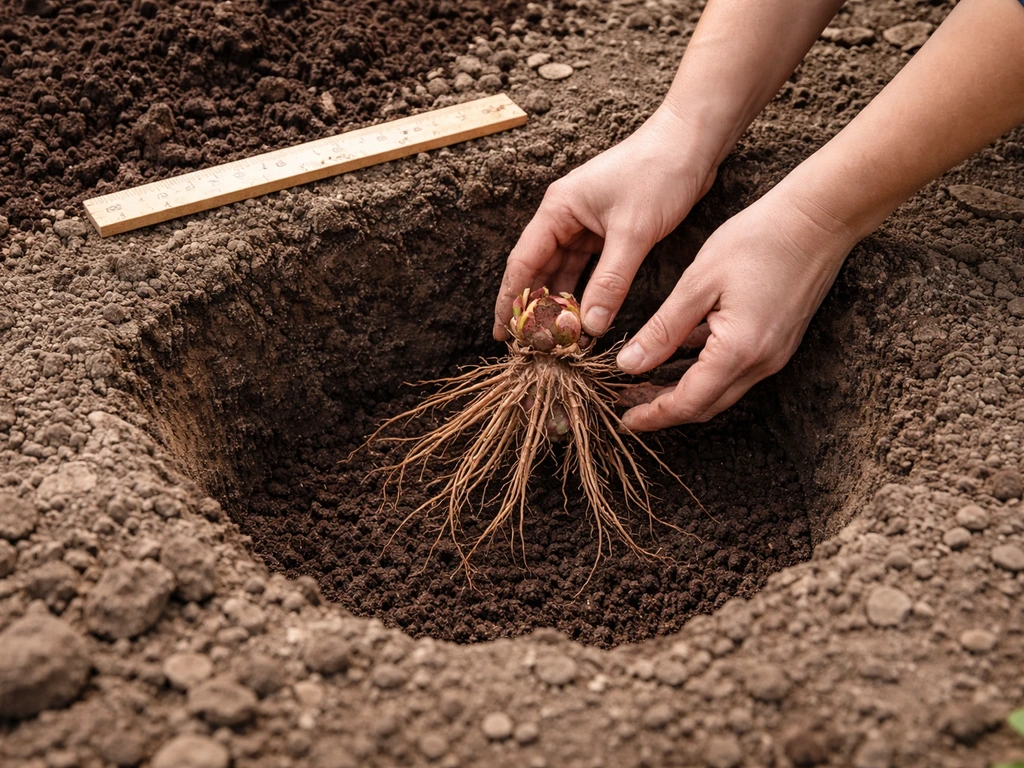
- Dig a hole about 18 inches wide and 12 to 18 inches deep. Loosen the sides and bottom so roots can spread.
- Mix a generous amount of compost into the backfill soil. Skip high-nitrogen fertilizers at planting time.
- Build a small mound of amended soil in the center of the hole so the root can splay naturally over it.
- Place the bare root so the pink or red 'eyes' (buds) face upward. Position them so the eyes sit no more than 1 to 2 inches below the finished soil surface. In Alabama's warmer climate, planting even closer to 1 inch deep is often better than the 2-inch maximum.
- Backfill gently, firm the soil, and water thoroughly. Don't pack the soil so tightly that you shift the crown downward.
- Mark the spot clearly so you don't accidentally dig into it.
Planting depth is the single most critical factor in whether peonies bloom, and it's where most Alabama gardeners go wrong. Walters Gardens, one of the leading peony growers in North America, lists correct depth as the most critical aspect of planting success. Too deep and the plant may never bloom, or it will take years longer than it should. Too shallow and the crown risks drying out. In warm climates like Alabama, erring slightly shallow is safer than planting deep. The American Peony Society is specific: eyes no more than 2 inches below the soil surface.
Planting potted peonies
Potted peonies are a bit more forgiving because the root system is intact. Dig a hole wide enough to accommodate the root ball with a few inches of clearance on all sides. Remove the plant from the pot carefully, keeping the root ball intact. Set the crown at the correct depth (eyes 1 to 2 inches below soil surface), backfill, and water in well. If the nursery potted the plant deeply in the container, you may need to adjust the planting so the crown isn't buried too far. Check the depth before you backfill.
Spacing and initial watering
Space peonies 3 to 4 feet apart. They're long-lived plants that can sit in the same spot for decades, so give them room. Water deeply after planting and keep the soil consistently moist (not wet) through the first growing season. Once established, peonies are surprisingly drought tolerant, but during the first year in Alabama's heat you'll need to water during dry stretches, especially from June through September.
Seasonal care from fall planting through summer dormancy
Fall and winter
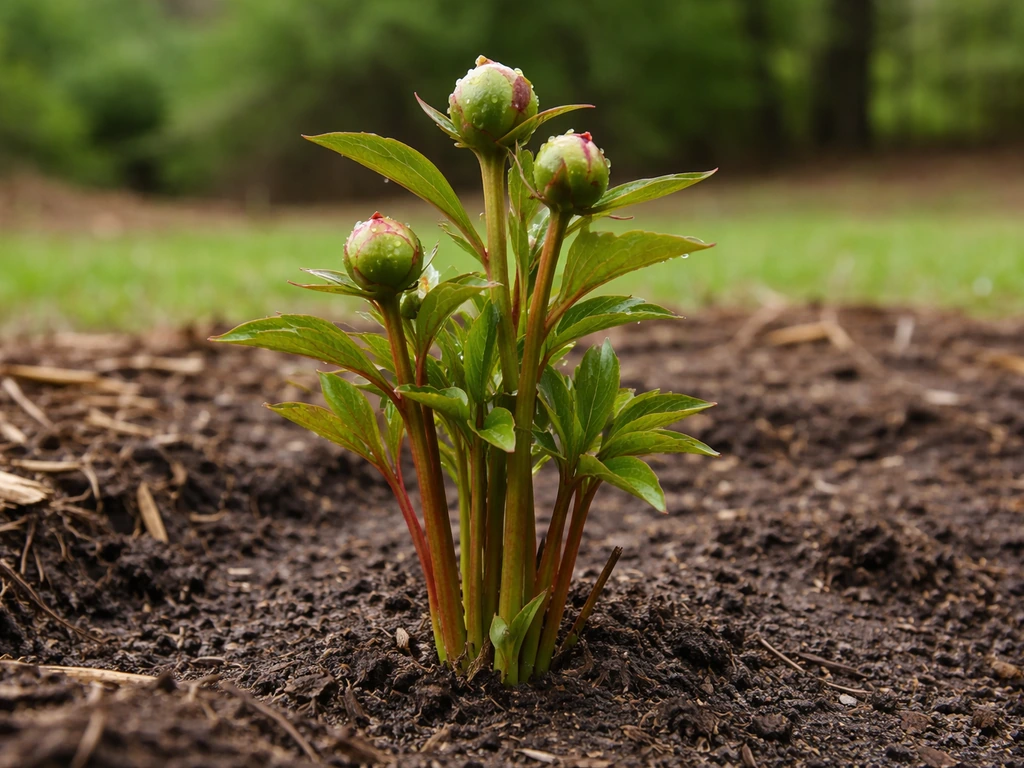
After planting in fall, very little needs to happen. If you're in northern Alabama and temperatures dip reliably below freezing, a light layer of mulch (straw or shredded leaves, about 2 to 3 inches) can help insulate the crown through freeze-thaw cycles. Penn State Extension recommends waiting until the ground is frozen before applying winter mulch, and pulling it back early in spring so you don't delay bud emergence. In central and southern Alabama where hard freezes are infrequent, skip heavy mulching or keep it very light.
Spring: emergence and bloom
Peonies in Alabama typically emerge in late February to March in the south and March to early April in the north. Peonies in Ohio also emerge in spring, but the timing depends on your local winter chill and hardiness zone how to grow peonies in ohio. Once you see the red or pink nubs pushing through the soil, pull back any mulch so they're not impeded.
Apply a low-nitrogen, balanced fertilizer (something like a 5-10-10 or 10-20-20) around the drip line of the plant, not directly against the stems or crown. The American Peony Society specifically cautions against high-nitrogen lawn-type fertilizers because they push soft, weak growth that's more vulnerable to disease, which is especially problematic in Alabama's humid conditions.
Blooms typically arrive in April in Alabama, sometimes late March in southern zones. The flowers don't last long in warm weather, usually 7 to 14 days per plant, so enjoy them. Deadhead spent blooms to keep things tidy, and the American Peony Society confirms this doesn't harm the plant. Leave the foliage completely intact through summer and into fall, even when it starts to look tired in August heat. The leaves are feeding the roots and building energy for next year's bloom.
Summer
Summer is the hardest season for peonies in Alabama. They're not actively growing, the heat is intense, and humidity creates ideal conditions for fungal disease. Keep the area around plants clean by removing fallen leaves and debris. Water during extended dry spells but don't overwater. If foliage looks rough by late summer, that's normal. Just don't cut it back prematurely.
Fall cutback
Once herbaceous and intersectional peonies die back after the first frost, cut the stems down to about 2 to 3 inches above the soil. This is important for disease management: the fungal spores that cause Botrytis (gray mold) survive in infected plant debris on and around the crown. Clean up all the cut foliage and do not compost it if it showed any signs of disease. Dispose of it in the trash. Tree peonies are different: do not cut them back. Just remove dead or weak wood in late winter.
Why your Alabama peonies aren't blooming (and how to fix it)
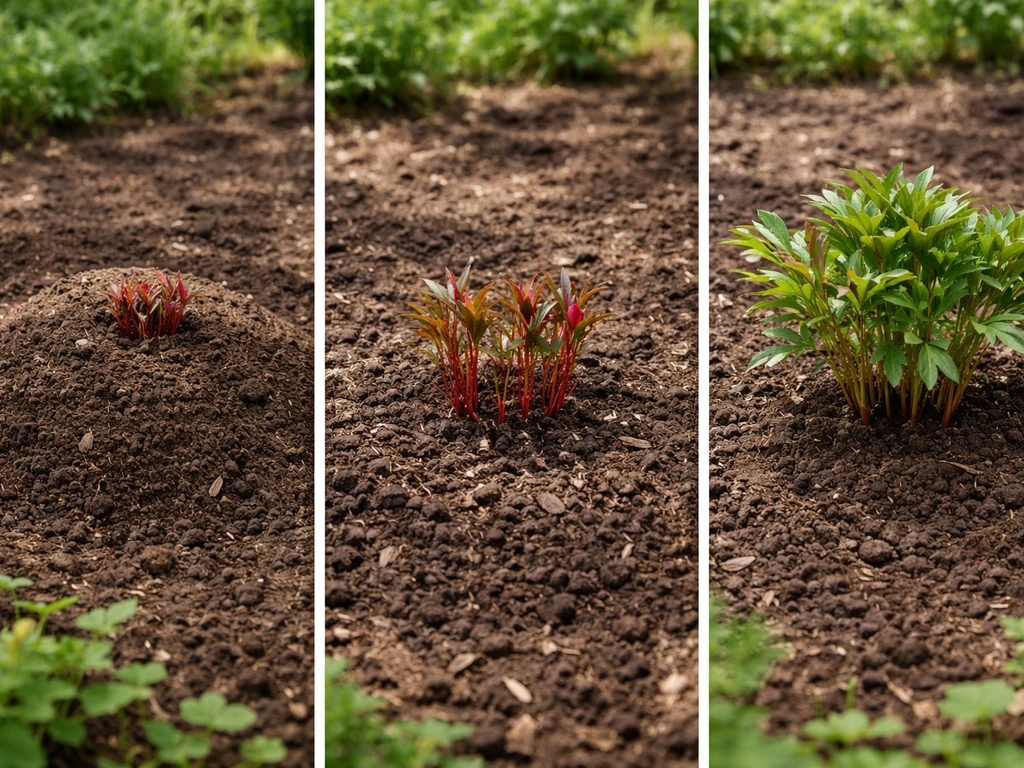
Failure to bloom is the number one complaint from Alabama peony growers, and there's almost always a fixable cause. Here are the main culprits: If you are asking specifically how to grow peonies in Oklahoma, start by blank" rel="noopener noreferrer">matching chill hours and soil conditions to the variety you choose.
| Problem | Likely Cause | Fix |
|---|---|---|
| No blooms, healthy foliage | Crown planted too deep | Carefully dig and replant with eyes at 1 to 2 inches below surface |
| No blooms in warm winters | Insufficient chill hours | Switch to intersectional or tree peony varieties with lower chill requirements |
| No blooms in first year | Normal establishment | Be patient; peonies can take 2 to 3 years to bloom after planting |
| Buds die before opening | Botrytis (gray mold) fungal infection | Improve air circulation, reduce moisture on foliage, apply fungicide early in spring |
| Wilting stems in spring | Peony wilt (Botrytis paeoniae) | Remove and dispose of affected tissue; clean up debris; avoid overhead watering |
| Yellowing or stunted growth | Soil pH too low or poor drainage | Test soil and adjust pH; improve drainage or raise bed |
| Soft, rotting crown | Crown rot from waterlogged soil | Improve drainage; do not overwater; replant in raised bed if needed |
Botrytis and fungal disease in Alabama's humidity
Botrytis blight is the most common peony disease, and Alabama's humid summers make it a real threat. It shows up as brown, wilting stems in spring, [gray moldy growth on tissue](https://hort. extension. wisc.
edu/files/2024/04/Peony-Disorders-A2563. pdf), and buds that blacken and fail to open. The fungus survives on infected plant debris and even on crown bud scales, so cleanup is your best defense. Texas A&M notes that Botrytis can cause watery crown rot that destroys the entire plant if left unchecked.
Remove infected material immediately, keep debris cleaned up year-round, and make sure your plants have good air circulation. Powdery mildew can also appear on foliage in late summer, especially when days are warm and nights are cool, but it's rarely fatal. Powdery mildew can also appear on foliage in late summer, especially when days are warm and nights are cool, but it's rarely fatal gray mold (Botrytis) and mildew on peony foliage and stems.
Good air circulation and avoiding overhead watering helps with both.
Ants on your blooms: not a problem
If you see ants crawling all over your peony buds, relax. They're feeding on the sugary nectar secreted by the flower buds and they're not hurting anything. The University of Missouri Extension describes this as a mutualistic relationship that's completely harmless. If you want to bring blooms indoors, cut them at the 'marshmallow stage' (buds that feel soft but haven't opened yet) and rinse the ants off gently with water. That's all it takes.
Spider mites in dry spells
During hot, dry Alabama summers, spider mites can infest peony foliage, causing stippling and a dull, dusty look on leaves. Check the undersides of leaves for tiny mites and fine webbing. A strong spray of water can knock populations down. Insecticidal soap or neem oil works well for heavier infestations. This is more of a nuisance than a serious threat, but it's worth catching early.
Your practical next steps: what to do today
Whether you're starting fresh or already have plants in the ground that aren't performing, here's how to move forward with clarity. If you planted peonies too deep and they haven't bloomed in three or more years, dig them up carefully in fall, adjust the crown depth, and replant. It's worth the effort. If you've been trying standard herbaceous varieties in central or south Alabama without success, don't give up on peonies entirely. Try intersectional types instead. If you want a more Alabama-specific guide, start with how to grow peonies in Australia by matching the cultivar to your local climate and season timing Try intersectional types instead..
Alabama peony checklist
- Confirm your zone and approximate chill hours for your Alabama county (Auburn Extension has location-specific data)
- Choose intersectional peonies for zones 8a/8b; add herbaceous options in zone 7b and cooler
- Get a soil test and correct pH to 6.5 to 7.0 before planting
- Select a site with 6 or more hours of sun and excellent drainage
- Plant in October or November for best results
- Set crown eyes at exactly 1 to 2 inches below soil surface — no deeper
- Space plants 3 to 4 feet apart and water well through the first year
- Use low-nitrogen balanced fertilizer in spring; apply at the drip line, not on the crown
- Cut back herbaceous stems completely in fall and dispose of all debris
- Expect 2 to 3 years before peak blooming begins
Simple Alabama planting timeline
| Month | What to Do |
|---|---|
| August to September | Order bare-root peonies from a reputable nursery; get soil test done |
| September to October | Amend soil, adjust pH, improve drainage if needed |
| October to November | Plant bare roots at correct depth; water in well |
| December to February | Light mulch in northern Alabama if ground freezes; leave plants alone otherwise |
| February to March | Pull back mulch; watch for emerging buds; apply balanced fertilizer |
| March to April | Enjoy blooms; stake if needed; deadhead spent flowers |
| May to August | Keep soil moist during dry spells; monitor for fungal issues; do not cut foliage |
| October to November | Cut back dead stems; clean up debris; compost only disease-free material |
If you're reading this in late spring or summer and missed the fall planting window, use this time to prepare your site, get your soil tested, and order plants for fall delivery. Most bare-root peonies ship in September and October, and that's exactly when you want them in the ground. A little preparation now means you're not scrambling when planting season arrives.
Growing peonies in Alabama takes more intentionality than growing them in Michigan or Canada, where cold winters do a lot of the work for you. To get the best results, follow a Michigan-specific plan for chill hours, sun, and soil so your peonies can bloom reliably. But with the right variety and correct planting depth, it's genuinely doable, and the blooms are worth it.
FAQ
Do peonies need a lot of winter chill in Alabama, and how can I tell if mine will bloom here?
Yes, bloom reliability depends on chill hours for the specific cultivar. If your county is in the south part of the state (where chill can drop below about 500 hours), prioritize intersectional or early-blooming, lower-chill herbaceous types, and expect occasional skipping in unusually warm winters. The most practical check is to use your local extension chill data and buy cultivars marketed for similar chill ranges.
Is it better to plant peonies in full sun or morning sun with afternoon shade in Alabama?
Full sun (about 6 to 8 hours) is best for flowers, but Alabama heat can stress blooms. If you have a very hot site, morning sun plus light afternoon protection can reduce petal fading once plants are established. For new plantings, avoid heavy shade all day, which can weaken flowering and encourage fungal problems from poor airflow.
What’s the most common planting mistake that causes peonies not to bloom in Alabama?
Planting depth, burying the crown too deeply is the most frequent reason for zero or delayed blooms. In Alabama’s warm conditions, erring slightly shallow is safer than planting deep. Measure from the soil surface to the peony eyes (no more than about 2 inches), and verify the depth before backfilling, especially with potted plants.
Should I fertilize peonies in the first year after planting in Alabama?
Often you should wait until the plant is actively established before feeding heavily. If you do fertilize, use a low-nitrogen, balanced fertilizer and apply it around the drip line, not against the crown. Overfeeding, especially with lawn-type high-nitrogen products, can produce soft growth that increases disease risk in humid summers.
Can I cut peony foliage back early if it looks bad in August?
It’s tempting, but don’t. Keep foliage intact through summer and into fall because leaves feed the roots and build next year’s bloom energy. If foliage becomes diseased, only remove and dispose of infected portions carefully, otherwise leave it until the normal dieback period.
How do I handle Botrytis blight if it shows up on my peonies in spring?
Remove infected stems and any plant material showing gray growth or bud blackening as soon as you notice it. Clean up debris during the season, improve airflow by spacing plants properly, and avoid overhead watering to reduce leaf wetness. If your plant keeps declining year after year, consider moving it to a better-draining site and reassessing variety choice for your chill level.
My peony buds have ants on them. Should I worry or spray?
Usually no. Ants are typically attracted to nectar from buds and are not the cause of poor blooming. If you want to cut blooms for indoors, snip at the soft 'marshmallow stage' and rinse gently to remove ants, which is safer than spraying and stressing the plant.
What should I do about peonies that keep getting spider mites during dry spells?
Start by checking leaf undersides for stippling and fine webbing. A strong water spray can knock populations down, then use insecticidal soap or neem oil if they rebound. Apply early in the infestation cycle and avoid treating in peak heat or direct sun to prevent leaf burn.
Can I grow tree peonies or woodland peonies in Alabama, and what are the tradeoffs?
Tree peonies can work in Alabama because they often need fewer chill hours and their woody structure survives mild winters, but they establish slowly. Woodland peonies are more finicky, they prefer part shade and dislike heavy clay or wet soil, so they can struggle in many Alabama landscapes unless you can deliver very well-draining conditions.
What’s the best way to move or replant a peony that won’t bloom (or was planted too deep)?
If it’s been at least a few years without blooms, transplant in fall. Dig carefully to minimize root damage, set the crown at the correct depth when replanting, then water in well and keep the soil lightly moist through the first growing season. If drainage is poor where it sits, fix that first (raised bed, mound, or soil amendment) because depth alone won’t help if the crown stays too wet.
I missed fall planting. Can I still plant peonies in spring in Alabama?
Spring planting is possible but it often slows establishment and can reduce bloom performance that year. If you must plant in spring, do it as early as possible before heat ramps up, and focus on keeping the plant hydrated without letting the crown sit in wet soil. Plan to invest more in year-one care, since roots and growth are competing during warm weather.
Next Article
How to Grow Peonies in Michigan: Planting to Blooms
Michigan-specific steps to grow peonies from planting to blooms, including depth, care, winter protection, and no-bloom