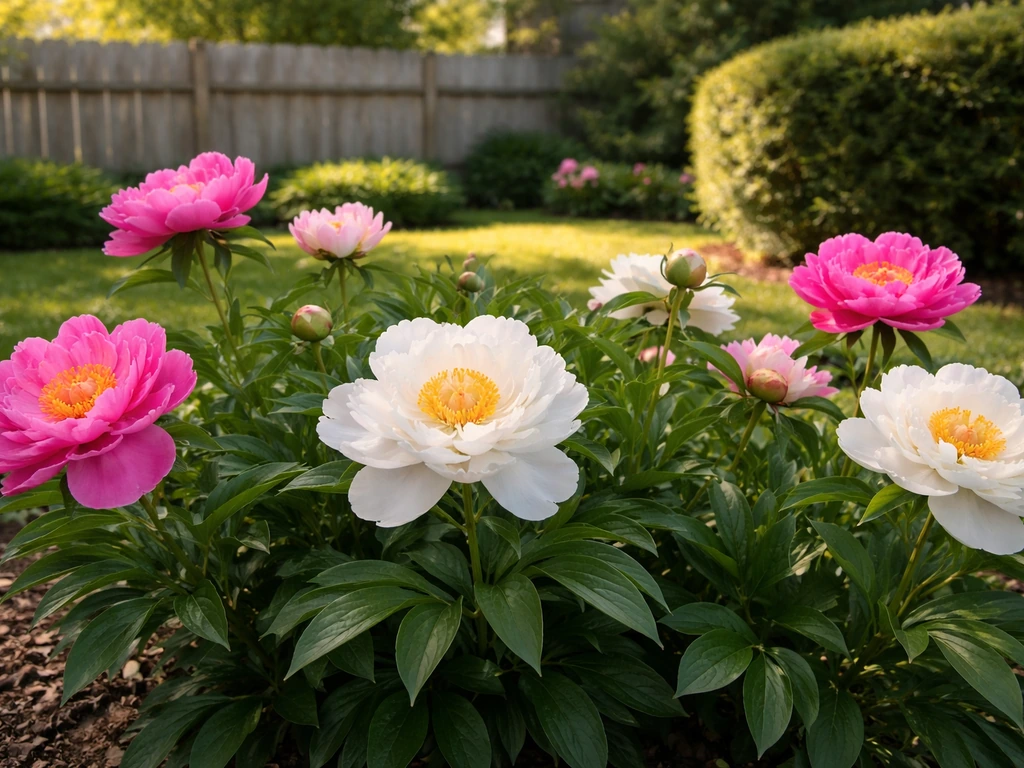
Yes, peonies can grow and bloom reliably in Oklahoma, but they need a little more careful setup than they do in cooler northern states. Oklahoma sits right at the warmer edge of peony territory, and the biggest challenges are the state's hot summers, unpredictable late frosts, and freeze-thaw cycles in winter. Get the variety right, plant at the correct depth, and give them full sun with good drainage, and you can absolutely have peonies blooming beautifully every spring in your Oklahoma garden.
How to Grow Peonies in Oklahoma: Planting to Bloom Guide

Harriet Whitmore
3 Jul 2026
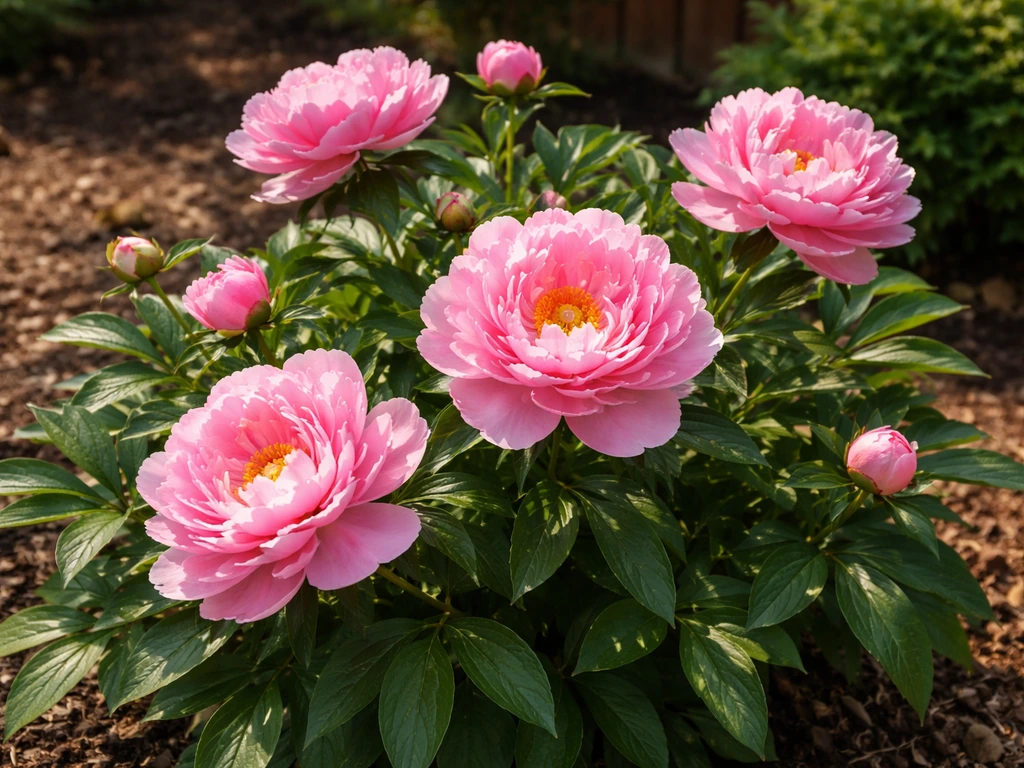
Can peonies actually thrive in Oklahoma?
Oklahoma spans USDA hardiness zones 6a to 7b, and most of the state falls right in the sweet spot for growing herbaceous peonies. Peonies need a certain number of chilling hours each winter to set flower buds, and Oklahoma winters deliver enough cold most years to satisfy that requirement. The trickier issue is the southern end of the state (zone 7b), where winters are milder and chilling hours can sometimes fall short. If you're gardening in the Oklahoma Panhandle, you're in cooler zones and peonies generally do even better there.
The other challenge is late spring frosts. Oklahoma's weather can swing dramatically in March and April, and a hard frost after peony buds emerge can kill those buds for the season. OSU Extension specifically flags late frosts as a real threat to peony bloom reliability in the state. That said, this is manageable, and experienced Oklahoma peony growers work around it with good variety selection and a little extra attention during late winter.
Compared to growing peonies in states like Michigan or Ohio, Oklahoma gardeners do need to pay closer attention to heat tolerance and summer stress. If you want to grow peonies in Michigan, start by matching the variety to your local zone and planning for cold winters and spring bloom timing Compared to growing peonies in states like Michigan or Ohio, Oklahoma gardeners do need to pay closer attention to heat tolerance and summer stress.. Peonies go dormant in summer heat, which is actually fine, but they need to build enough energy in spring before the heat shuts them down. Think of Oklahoma as a place where peonies can thrive with the right setup, not a place where they struggle to survive.
Tree peonies vs herbaceous peonies: what to grow in Oklahoma
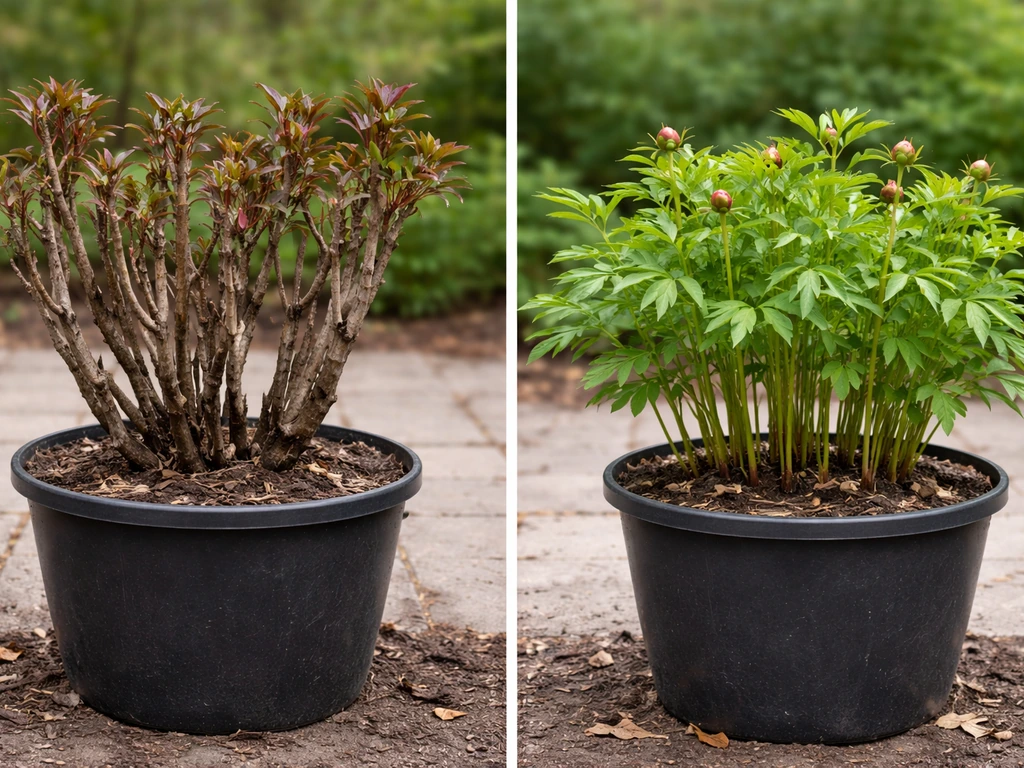
For most Oklahoma gardeners, herbaceous peonies are the right starting point. They're easier to find, easier to plant, less expensive, and well-proven across zones 6 and 7. They die back to the ground each winter, which actually protects them from the worst freeze damage, and they come back reliably every spring. Most of the planting and care guidance in this article focuses on herbaceous types.
Tree peonies are woody shrubs that don't die back in winter, and they can grow in Oklahoma with some extra care, especially in the northern part of the state. They often bloom a week or two earlier than herbaceous types, which can actually be a disadvantage in Oklahoma since they're more exposed to late frost on their flowers. They're also significantly more expensive and take longer to establish. If you're an experienced gardener who wants to try them, site them in a spot with some wind protection and afternoon shade to reduce heat stress.
Itoh peonies, also called intersectional peonies, are a cross between tree and herbaceous types. They combine the large flowers of tree peonies with the hardiness and die-back habit of herbaceous types. They're excellent performers in zones 6 and 7 and worth trying if you want something a little different. They're pricier but tend to bloom later than herbaceous types, which can help dodge late frosts.
Best cultivar choices for Oklahoma conditions
When choosing cultivars, prioritize varieties rated for zones 6 and 7, look for late-blooming types that are less likely to be caught by late frosts, and choose varieties known for heat tolerance. Here are some solid options for Oklahoma gardens:
- 'Sarah Bernhardt': A classic pink double-flowered herbaceous peony that's extremely reliable and widely available. Blooms mid-to-late season, which helps avoid frost timing in Oklahoma.
- 'Karl Rosenfield': A deep red double with strong stems. Mid-season bloomer, good heat tolerance, widely available.
- 'Felix Crousse': Another reliable red double, mid-to-late season. Very adaptable to southern garden conditions.
- 'Festiva Maxima': White with crimson flecks, early-to-mid season. One of the most fragrant varieties and very long-lived.
- 'Coral Charm': A semi-double coral-colored variety that's become very popular. Early season, so watch for frost; stunning flowers and good vigor.
- Itoh 'Bartzella': A standout yellow intersectional peony that blooms later than most herbaceous types, reducing frost risk. Excellent disease resistance.
Avoid ultra-early-blooming cultivars if you're in central or southern Oklahoma, where late frosts are common into early April. Early-season varieties can get their buds zapped before they open.
Picking the right spot and getting the soil ready
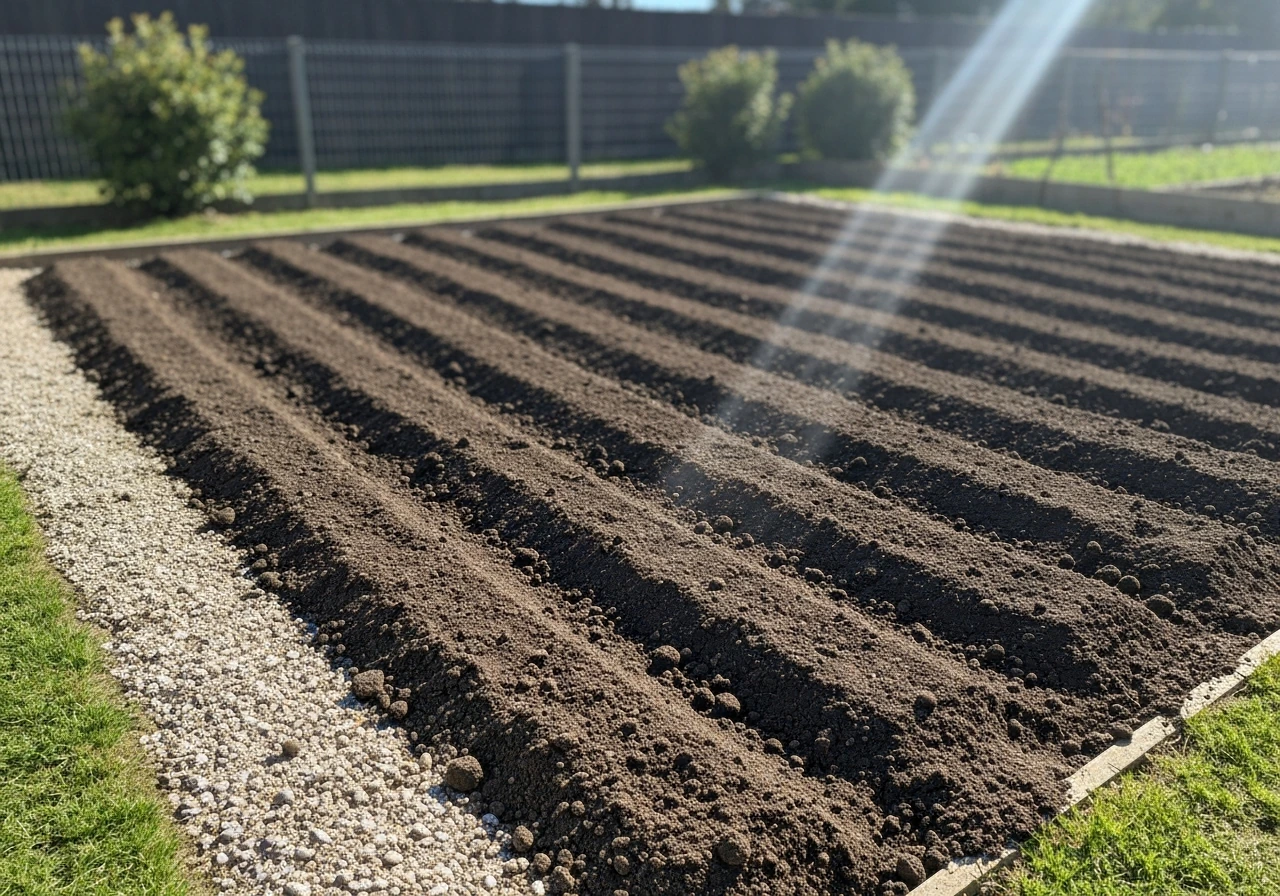
Sunlight is non-negotiable. Peonies need at least 6 hours of direct sun daily, and 8 hours is better. In Oklahoma's summer heat, some afternoon shade won't hurt the plant itself, but insufficient spring sun is a top reason peonies fail to bloom. If you're wondering how this compares to growing peonies in other climates, see our guide on how to grow peonies in Canada. K-State extension specifically notes that peonies planted in too much shade simply won't flower. Don't tuck them in a corner or under a tree canopy.
Drainage matters just as much as sun. Peonies sitting in wet soil will rot. Oklahoma's clay-heavy soils in many parts of the state can hold water too long, so you may need to amend heavily or build up a raised bed. Test your drainage by digging a hole about 12 inches deep, filling it with water, and seeing how long it takes to drain. If it's still sitting there after a few hours, you have a drainage problem to fix before planting.
Soil pH should be between 6.5 and 7.0. Oklahoma soils can trend slightly alkaline in some areas, so it's worth doing a soil test through the OSU Extension service before planting. If your pH is too high, work in some sulfur to bring it down. If it's too low, add lime. Either way, you want the pH dialed in before your plants go in the ground.
Prepare a planting area about 18 to 24 inches deep for each plant, digging in plenty of compost or aged organic matter to improve both drainage in clay soils and water retention in sandy soils. For spacing, give herbaceous peonies at least 3 feet between plants and 3 feet from other large plants. They resent crowding and won't bloom well if competing for light and air circulation.
When and how to plant peonies in Oklahoma
Fall is the ideal time to plant peonies in Oklahoma, specifically from late September through October. If you are also looking for how to grow peonies in Australia, the main priorities are matching your variety to local winter chill and giving plants reliable sun and drainage how to grow peonies australia. Planting in fall gives the roots time to establish before the ground freezes, and the plants will be ready to push growth and possibly bloom the following spring. Spring planting works too, especially for container-grown plants, but fall-planted peonies tend to establish faster and often bloom a year earlier.
Planting bare-root peonies
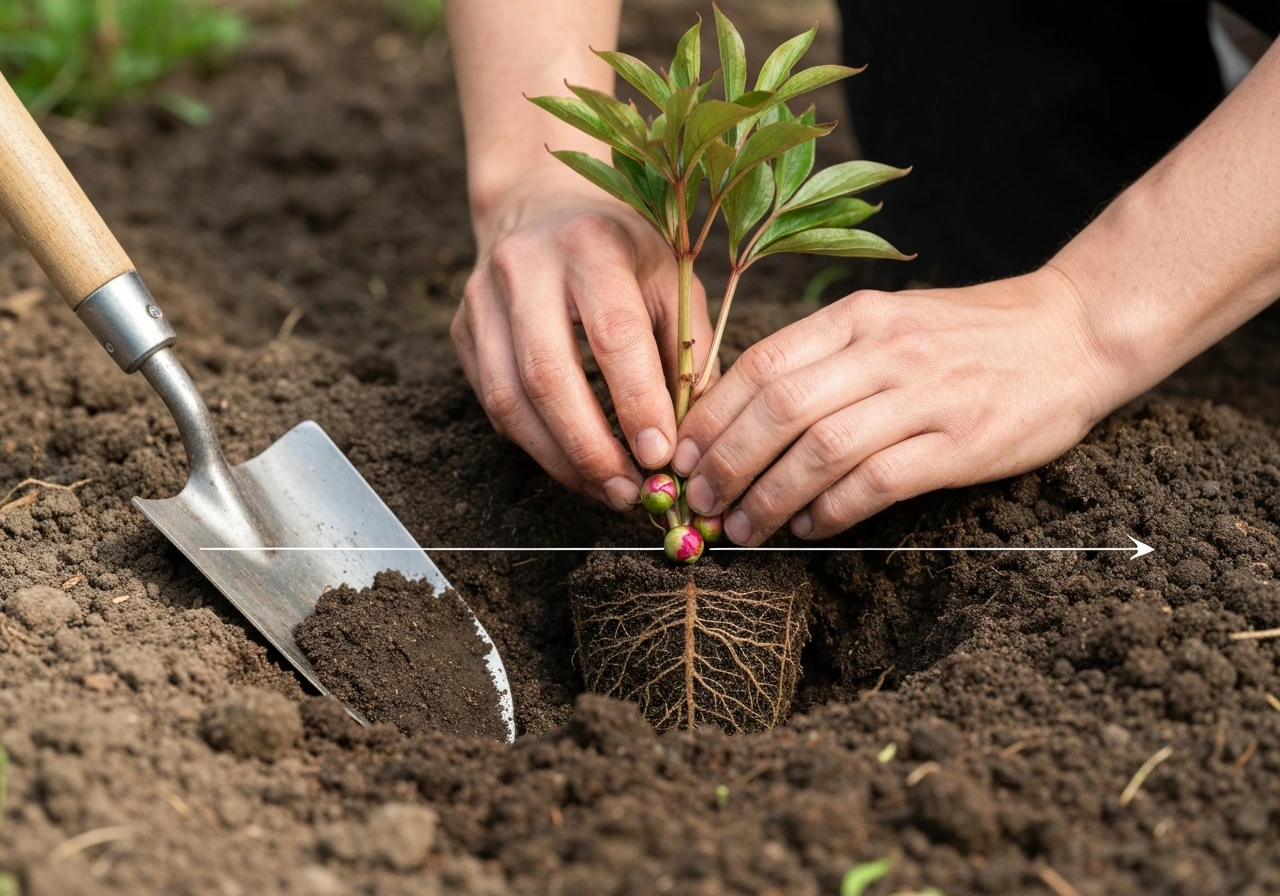
Bare-root divisions are the most common way to buy peonies, and the planting depth is the single most critical detail. Place the buds (also called eyes, the reddish growth points on the root) so they sit 1 to 2 inches below the soil surface. Both the American Peony Society and Penn State Extension recommend this depth for most climates. Some sources say as shallow as 1 inch, and in warmer zones like Oklahoma's southern areas, staying closer to 1 inch rather than 2 inches can actually help ensure the plant receives enough winter chill. Planting too deeply is one of the most common reasons peonies never bloom.
- Dig a hole about 12 to 18 inches wide and deep enough that the eyes will sit at the right depth when the root rests on a mound of soil.
- Build a small mound of amended soil in the center of the hole and drape the root over it so the crown sits at the correct depth.
- Backfill with amended soil, firming it gently around the roots to remove air pockets.
- Water thoroughly after planting to settle the soil.
- Mark the planting spot, because the crown won't show above ground until spring.
Planting container-grown peonies
Container plants are more forgiving of timing and can be planted in spring through early summer if kept watered. The key is to maintain the same planting depth. When you take the plant out of the pot, check where the eyes sit and make sure they end up 1 to 2 inches below the surface in your garden. When transplanting, position peony eyes so they sit about 1 to 2 inches below the soil surface, which is the planting depth Wisconsin Extension recommends make sure they end up 1 to 2 inches below the surface in your garden.. Don't plant deeper just because the soil level in the pot was higher. Water consistently during the first season, since container-grown plants establishing in Oklahoma's summer heat need more attention than fall-planted bare-root divisions.
A note on starting from seed: peony seeds are extremely slow to germinate and can take two or more years just to sprout, then another three to five years to bloom. It's not a realistic path for most home gardeners. Divisions and bare-root plants are the practical route.
Oklahoma peony care through the seasons
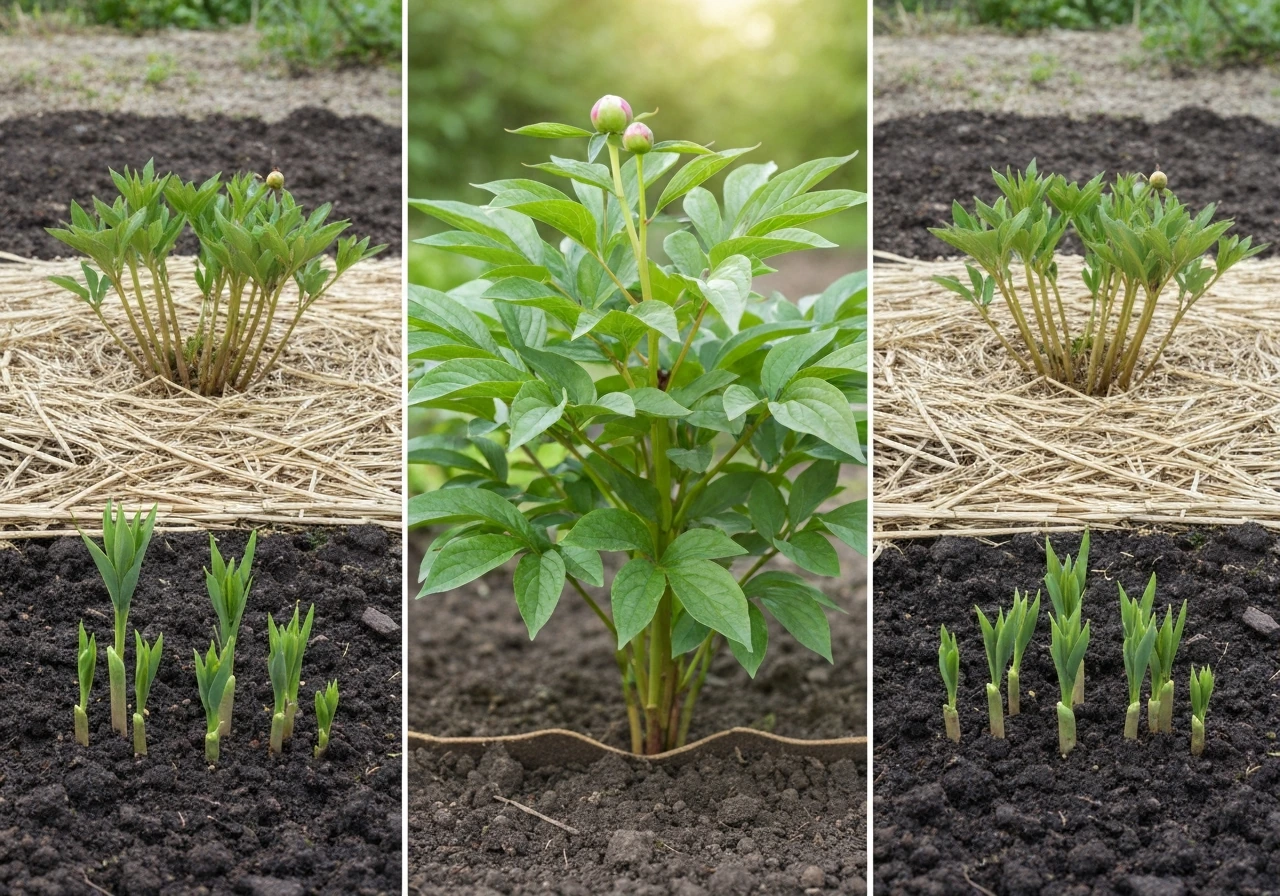
Once your peonies are in the ground, the ongoing care routine is pretty straightforward. Here's how to work through the year in Oklahoma.
Spring (March through May)
As soon as you see growth emerging, make sure mulch isn't piled directly on top of the emerging shoots. Pull it back a few inches from the crown. Watch the forecast for late frosts in March and early April. In Ohio, you can use many of the same site, soil, and frost-protection strategies to help peonies bloom reliably late frosts. If a frost is coming and your buds are developed, cover the plants overnight with a frost cloth or even an old bedsheet. In the first spring after planting, it's worth removing any flower buds that form. I know that's disappointing, but letting the plant put its energy into roots rather than flowers in year one pays off significantly in years two and three. Iowa State Extension backs this up.
Watering
Peonies are not heavy water users once established, but they need consistent moisture during spring when they're actively growing and flowering. In Oklahoma's often dry springs, plan on watering deeply once or twice a week if rainfall isn't providing at least an inch per week. Water at the base of the plant rather than overhead to reduce fungal disease risk. After plants go dormant in summer, you can back off significantly. Avoid soggy soil at all times.
Fertilizing
Go easy on fertilizer, especially nitrogen. Too much nitrogen produces lush leafy growth at the expense of flowers, and this is a noted cause of non-blooming peonies per Clemson HGIC. A light application of a balanced slow-release fertilizer (something like 10-10-10) in early spring as growth emerges is enough. You can also apply a low-nitrogen fertilizer like superphosphate or bone meal at planting time to encourage root development. After the plant blooms, a light feeding with a low-nitrogen fertilizer helps the plant build energy reserves for next year.
Mulching and weed control
Apply 2 to 3 inches of organic mulch like shredded bark, straw, or chopped leaves around your peonies to retain moisture and suppress weeds. Keep mulch a few inches away from the crown to avoid rot and to ensure the crown doesn't get buried too deeply over time. Weed regularly, especially in the first season when plants are establishing. Peonies don't compete well with aggressive weeds, and keeping the bed clean also improves air circulation, which reduces fungal disease problems.
Summer through early fall (June through September)
Once blooming is done and the heat arrives, peonies shift into maintenance mode. The foliage stays green and functional through summer, continuing to photosynthesize and build energy for next year's bloom. Don't cut the foliage back early just because it looks a little tired. Let it do its job until late fall.
Staking, pruning, and protecting peonies through winter
Staking
Many peony varieties, especially double-flowered types, have heavy blooms that flop over in rain or wind. Oklahoma gets both, often together in spring. Support your plants with wire peony cages or tomato cages installed in early spring before the stems get too tall. Getting the supports in place before the stems reach about 6 inches means you don't have to wrestle them through foliage later. Single and semi-double varieties tend to have stronger stems and may not need staking.
Fall pruning
Cut herbaceous peony stems all the way to the ground in fall, after the first frost kills the foliage. Don't compost this material if there's any sign of disease. Bag it and put it in the trash. The American Peony Society specifically recommends this clean-up to reduce overwintering of botrytis and other fungal diseases. For tree peonies, don't cut them back. They're woody shrubs and only need dead wood removed in spring.
Winter protection
In most of Oklahoma, established herbaceous peonies don't need heavy winter protection once they've been in the ground a full season. If you’re wondering how to grow peonies in Alaska, pay close attention to winter survival and choose varieties that can handle colder zones and long frosts. The main winter risk for newly planted peonies is freeze-thaw heaving, where alternate freezing and thawing pushes the crown up out of the soil. K-State extension notes that first-winter mulching is primarily to prevent this heaving rather than to protect from cold itself. After your first fall cut-back, apply 3 to 4 inches of straw, pine needles, or chopped leaves over the crown area. OSU Extension confirms that organic mulch helps moderate soil temperature fluctuations and reduces freeze-thaw damage. Remove this mulch in early spring before new growth emerges.
For southern Oklahoma gardeners in zone 7b, it's worth mulching every winter as a standard practice, since temperatures can fluctuate widely and occasional mild winters may not provide enough chilling hours for consistent blooming.
Troubleshooting the most common Oklahoma peony problems
Peonies won't bloom
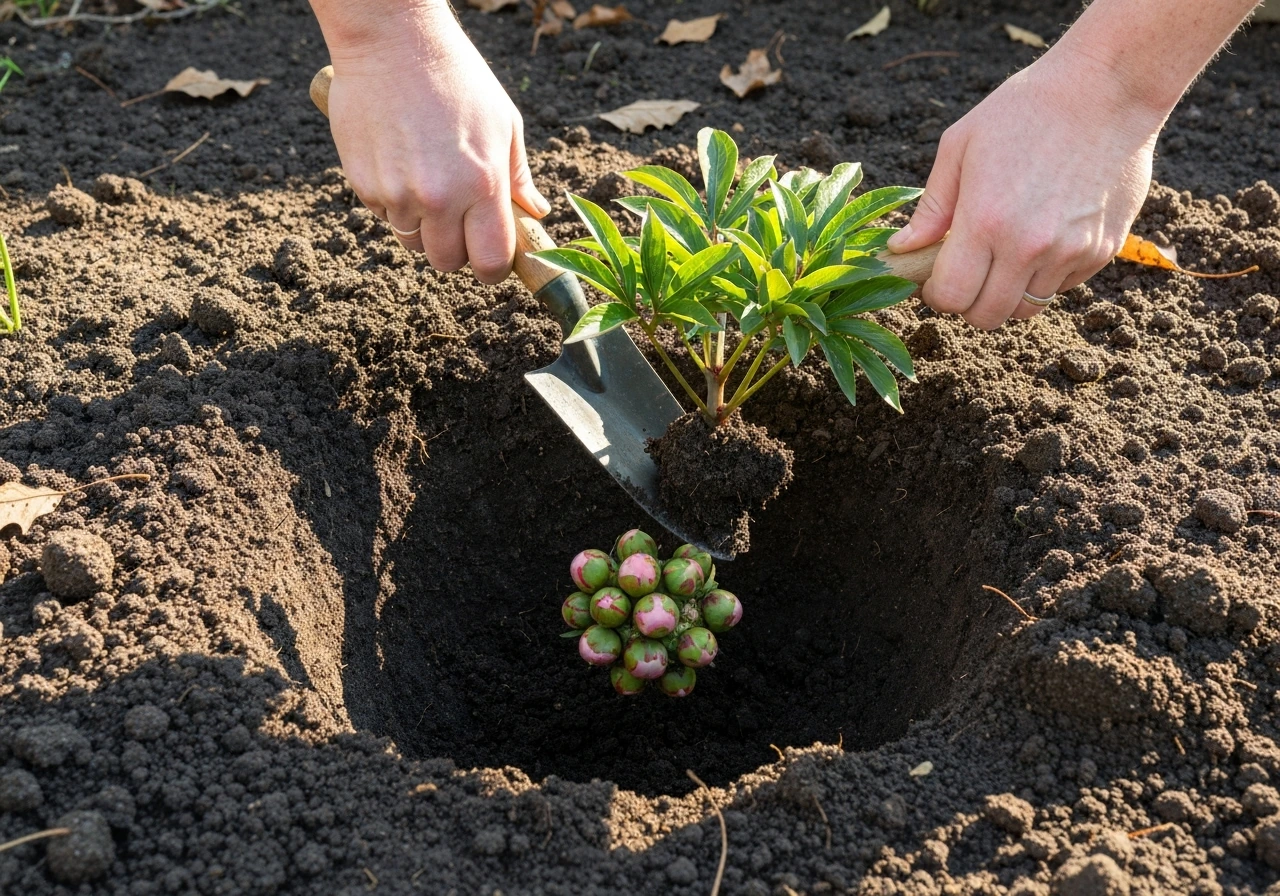
This is the most common frustration, and it almost always has an identifiable cause. Here are the main culprits to check:
- Planted too deep: If the eyes are more than 2 inches below the surface, the plant may grow fine but never bloom. Dig it up in fall and replant at the correct depth.
- Too much shade: Fewer than 6 hours of direct sun will suppress or eliminate flowering. Relocate to a sunnier spot.
- Too much nitrogen fertilizer: Lush green growth but no flowers is a classic sign. Cut back on fertilizing and avoid high-nitrogen products.
- Plant too young or recently divided: New divisions, especially small ones, often take 2 to 3 years to bloom. Be patient.
- Late frost damage: Buds present but blasted brown and dead after a cold snap. Nothing to do for that season; protect earlier next year.
- Overcrowding: If the plant has been in the ground 10 or more years without division, it may be too crowded. Divide in fall.
Botrytis blight and other fungal diseases
Botrytis blight is the most common peony disease everywhere, including Oklahoma, and it's particularly active in wet, rainy springs. You'll see stems collapsing at the base, a gray fuzzy mold on affected plant parts, and buds that turn brown and fail to open. Missouri Botanical Garden identifies botrytis as the most prevalent peony disease, especially in damp seasons. The best management is prevention: clean up all foliage in fall, don't work around wet plants, ensure good air circulation through proper spacing, and avoid overhead watering. If you catch it early in the season, a copper-based fungicide can help slow the spread.
Powdery mildew can also appear on peony foliage later in the season, showing up as a white or gray powder on leaves. It rarely kills the plant but weakens it. Improve air circulation and avoid wetting the foliage. Fungicide applications are an option if it's severe.
Ants on peonies
Ants crawling on peony buds are completely harmless. They're attracted to the sugary sap on the buds and do not cause the buds to open (that's a persistent myth). You don't need to do anything about them.
Winter damage and spring recovery
If your peony crowns get heaved up out of the soil during winter, gently push them back down and firm the soil around them as soon as you notice in early spring. If a late frost kills emerging buds, the plant itself is almost certainly fine. It will grow foliage that season and should bloom the following year. Give it good care, don't dig it up, and be patient.
A quick comparison: herbaceous vs tree vs Itoh peonies for Oklahoma
| Type | Hardiness in Oklahoma | Bloom time | Frost risk | Ease of growing | Cost |
|---|---|---|---|---|---|
| Herbaceous | Excellent (zones 6-7b) | Mid to late spring | Moderate with mid/late varieties | Easiest | Low to moderate |
| Tree peony | Good in zones 6-7a | Early spring | Higher (blooms early) | More demanding | High |
| Itoh (intersectional) | Excellent (zones 6-7b) | Late spring | Lower (blooms late) | Easy to moderate | High |
For most Oklahoma gardeners, the recommendation is simple: start with herbaceous peonies, choose mid-to-late season varieties, and expand to Itoh types once you have a feel for how peonies perform in your specific microclimate.
What to buy, where to find it, and what to expect in years one through three
Buy bare-root divisions from reputable specialty peony nurseries or mail-order suppliers. Look for divisions with at least three to five eyes, since very small divisions with only one or two eyes can take two or more years to bloom according to the American Peony Society. Local garden centers in Oklahoma often carry containerized peonies in spring, which work well if you missed the fall bare-root window.
For sourcing, specialty online nurseries give you the widest variety selection and often ship bare-root divisions at the right planting time for your region. Some good search terms: 'herbaceous peony bare-root divisions zone 6,' or look for nurseries that specifically mention southern peony culture. Local Master Gardener plant sales through OSU Extension are also a great source, often offering locally-proven varieties.
Here's what to realistically expect after planting: In year one, you may get no bloom at all, and that's completely normal. The plant is establishing roots. In year two, you might see one or two flowers, maybe more if the division was large and you planted in fall. By year three, most well-planted peonies are putting on a real show. K-State extension notes that divisions typically take about three years to return to full bloom and size. If you plant this fall, year three puts you at 2029, and you should have a genuinely impressive plant by then.
If your site turns out to be less than ideal, don't be afraid to move a peony. Fall is the time to do it: cut the foliage, dig the root carefully, replant at the correct depth in the better location, and treat it like a new planting. It'll take another year or two to recover and bloom, but it's far better than leaving it in a bad spot indefinitely. Growing peonies in Oklahoma is genuinely achievable, and the payoff of those big, fragrant spring blooms is absolutely worth the patience. For more details tailored to Oregon climates, follow this guide on how to grow peonies in Oregon.
FAQ
How close to the ground can I plant peonies in southern Oklahoma to avoid winter chill or bud issues?
Stay with the 1 to 2 inch rule for the eyes below the soil surface, but in zone 7b aim closer to 1 inch (not touching the soil). If you bury them deeper to “protect” them from cold, you often reduce or eliminate blooming because the buds sit too deep to get the right season cues.
Do peonies need to be watered differently before they bloom in Oklahoma?
Yes. In Oklahoma, focus watering on active spring growth, when peonies are forming flower buds and then stretching. Water deeply once or twice per week if you are not getting about an inch of rain, and keep water off the foliage (use a soaker hose or water at the base) to reduce botrytis risk.
What’s the best way to protect peony buds from late frost without harming the plant?
Use a frost cloth or an old bedsheet only as an overnight cover, and remove it the next morning. Do not trap a warm, humid environment in the daytime, and do not push mulch or fabric down onto the crown, since burying or smothering the crown can encourage rot.
Can I grow peonies in Oklahoma in a container?
You can, but they still need the right depth for the eyes (1 to 2 inches below the potting level) and consistent moisture during establishment. Choose a large pot with excellent drainage, and plan for winter swings by insulating the pot area lightly rather than covering the crown with thick, wet material.
How do I tell if my peony is growing but not blooming, and what should I check first?
Start with planting depth and sunlight. The most common Oklahoma non-bloom causes are buds planted too deep and plants not getting enough direct spring sun. If depth and sun are correct, then check soil drainage (wet roots) and avoid heavy nitrogen, which drives leaf growth at the expense of flowers.
Should I fertilize peonies after they bloom in Oklahoma?
A light, low-nitrogen feed can help them build energy reserves, especially if your soil is poor. Avoid repeating nitrogen-rich products in late spring or summer, since excess nitrogen can increase lush foliage and reduce bloom quality the next year.
My peony crowns keep heaving up in winter. What can I do besides replanting?
For new plantings, the goal is to prevent freeze-thaw movement. After your first fall cutback, apply 3 to 4 inches of straw, pine needles, or chopped leaves over the crown zone, and remove it in early spring before shoots emerge. If heaving recurs, re-seat the crown and firm the soil around it as soon as you notice.
Is it normal that ants are on my peony buds?
Yes. Ants are attracted to the sugary sap on unopened buds, and they do not cause the buds to fail to open. There is usually nothing to treat, focus instead on frost damage, depth, and sun if buds keep browning or not opening.
What should I do about flop after my peonies bloom, especially during rainy springs?
Install support early. Place wire peony cages or tomato cages when stems are still short (around 6 inches), so you are not forcing stems through dense foliage later. If you wait too long, flowers are already heavy and stems can bend and stay weak.
When should I cut back peony foliage in Oklahoma, and what if the plant looks sick?
For herbaceous peonies, cut stems to the ground after the first frost kills the foliage, then bag and discard material that shows signs of disease. Do not compost diseased foliage. Tree peonies are different, only remove dead wood in spring.
Can I move a peony to a better spot in Oklahoma, and when is the best time?
Yes, and fall is the best window. Cut back foliage, dig carefully, replant at the correct depth in the new site, and treat it like a fresh planting. Expect a recovery year or two, especially if the plant is moved within a spot that is too shady or too wet.
Next Article
How to Grow Peonies in Ohio: Planting, Care, and Troubleshooting
Step-by-step guide for growing peonies in Ohio: varieties, planting depth, seasonal care, and fixes for no blooms and ro