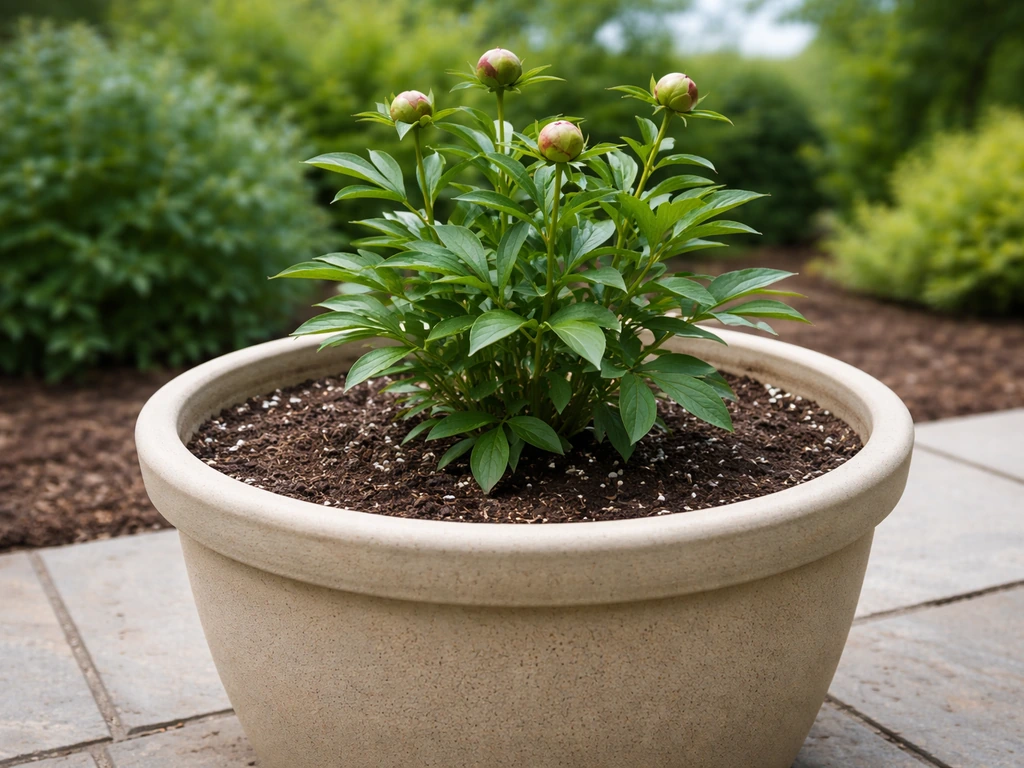
Fern peony (Paeonia tenuifolia) is one of the most distinctive peonies you can grow, with finely cut, feathery leaves that look almost like a fern frond and vivid crimson blooms that appear in May before most other peonies even think about opening. It's a fully herbaceous perennial, meaning it dies back to the ground each autumn and re-emerges in spring, growing 30 to 60 cm tall. Growing it from seed takes patience (usually 3 to 5 years to first bloom) but it's very rewarding, and once established it's a long-lived, low-maintenance plant that rarely needs moving.
How to Grow Fern Peony and Fern Leaf Peony From Seed

Harriet Whitmore
23 Jun 2026
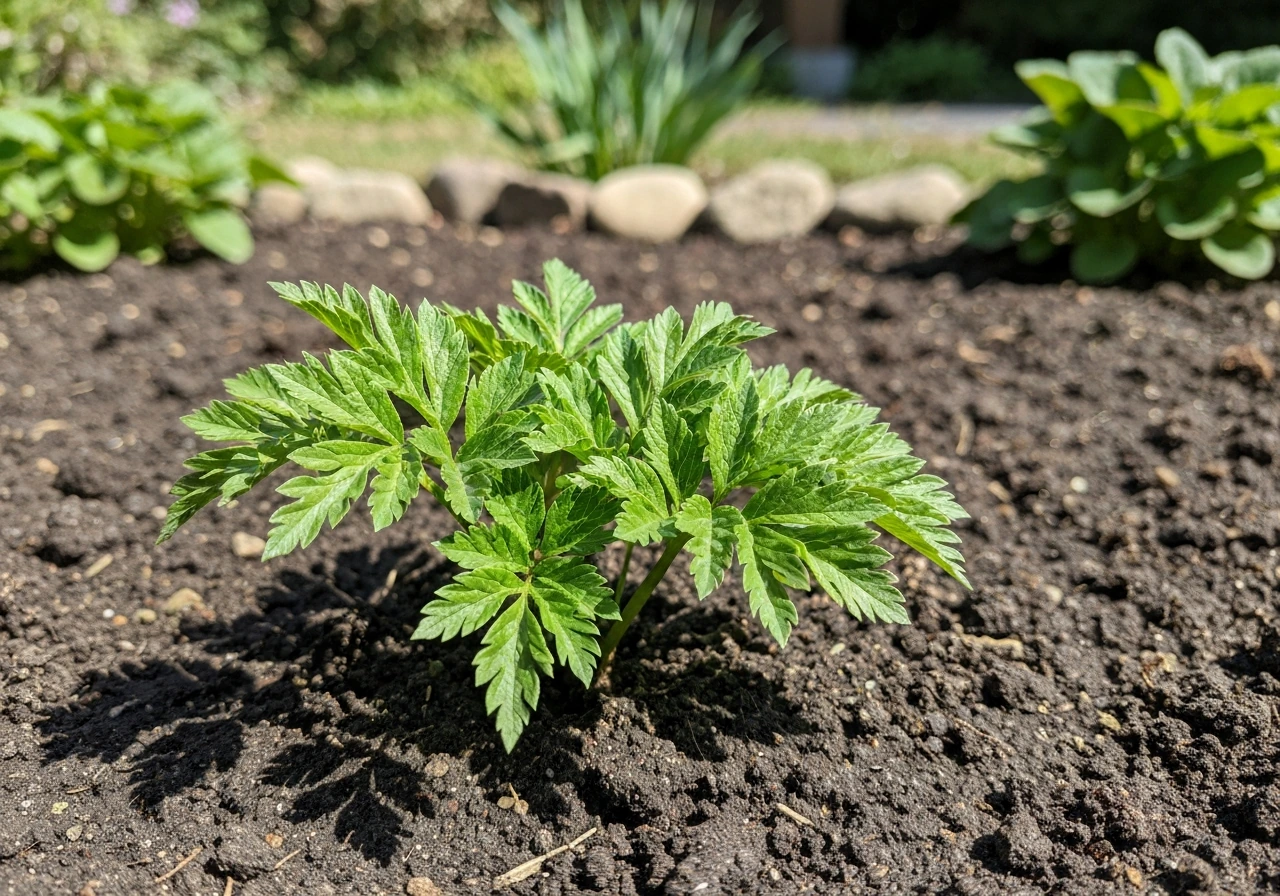
Make sure you have the right plant
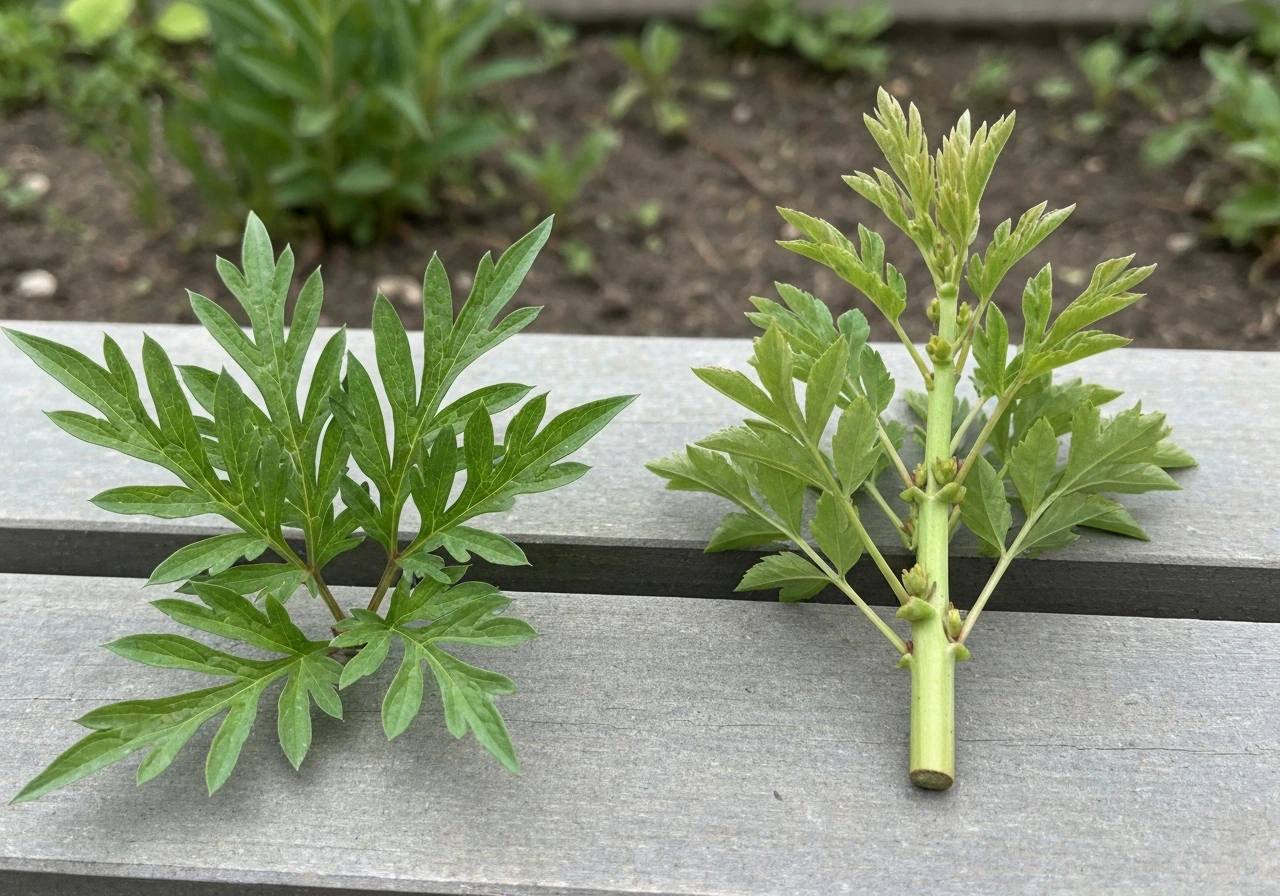
Before you do anything, confirm you actually have Paeonia tenuifolia. This species is the one most commonly sold and described as 'fern-leaf peony' or 'fern-leaved peony,' and it's confirmed as such by the American Peony Society. The key identifier is the leaf: the leaflets are so finely divided they look like green threads, much narrower than any other peony species. If your plant has broader, more oval leaflets even when young, it may be a close relative rather than true tenuifolia. The Peony Society uses leaf-segment width as one of the primary distinguishing characters between P. tenuifolia and similar species, so look carefully.
It's also worth clarifying that fern peony is not a tree peony. Tree peonies are woody, shrubby plants with permanent stems that stay above ground all year. P. tenuifolia is herbaceous, like a standard garden peony, which matters because the care and planting depth rules are different. If you're also growing a Sarah Bernhardt or other classic herbaceous variety, the general care principles overlap, but fern peony has some quirks worth knowing. If you are specifically trying to grow a Sarah Bernhardt peony, use the same general principles for planting and care, but adjust for that variety’s different bloom timing and needs.
Choosing the right spot
Fern peony is not flexible about sun. It needs full sun, ideally 8 or more hours of direct light per day. Less than that and you'll get weak growth and almost certainly no flowers. I've seen gardeners try to squeeze peonies into a spot that gets afternoon shade and wonder why they never bloom, this is almost always the reason. Pick the sunniest spot in your garden and commit to it, because peonies genuinely hate being moved once established.
Drainage is the other non-negotiable. Peonies sitting in waterlogged soil will rot, and fern peony is no exception. You want soil that drains freely after rain. If your garden tends to hold water, raise the bed slightly or work in plenty of coarse grit before planting. The ideal soil is deep, rich in organic matter, and sits at a pH of 6.5 to 7.5, slightly acidic to neutral. If you're unsure of your pH, a basic soil test kit from a garden center is worth the small investment.
Spacing matters too, not just for aesthetics but for disease prevention. Planting at around 100 cm apart from neighboring plants allows good airflow around the foliage, which significantly reduces the risk of botrytis (grey mold), a common peony problem in humid or damp seasons.
Planting from divisions or bare-root crowns
If you're starting with a purchased bare-root division or crown rather than seed, autumn is the best time to plant in most climates. The American Peony Society specifically advises against spring planting for herbaceous peonies because it doesn't give the plant enough time to establish before the growing season, and you effectively lose a year of progress. Early autumn planting lets roots settle in before the ground freezes.
The single most important thing about planting depth is this: the buds (eyes) on the crown should sit no more than 2 to 3 cm below the soil surface. This is shallow, shallower than most people's instinct. Planting too deeply is the number one reason peonies produce healthy foliage but never flower. Too deep, and the plant is physically inhibited from blooming; it may go years producing only leaves. If you're in doubt, err on the side of shallower rather than deeper.
- Dig a hole wide enough to spread the roots without bending them, usually 30–40 cm across.
- Work compost or well-rotted organic matter into the base of the hole.
- Position the crown so the eyes sit 2–3 cm below soil level.
- Backfill gently, firm in lightly, and water well to settle the soil.
- Do not mulch right over the crown — keep mulch a few centimeters away from the base to avoid insulating the buds too deeply.
If you're transplanting a young seedling or a division from an existing plant, handle the roots carefully and minimize disturbance. Many peony species, including P. tenuifolia, transplant best when they're young rather than mature. Once established, moving them sets back flowering by at least a year, often two.
Growing fern peony from seed
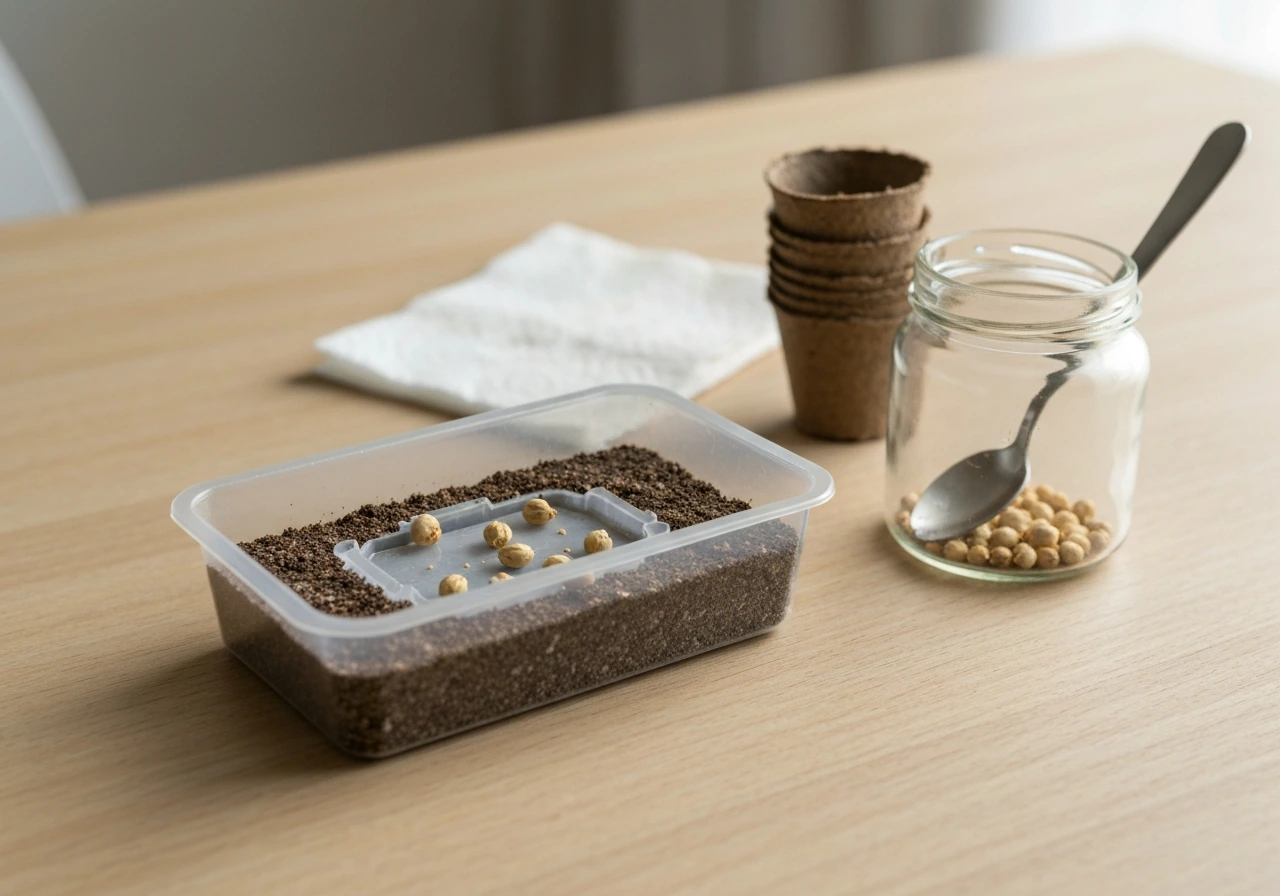
This is where fern peony gets interesting and, honestly, a bit humbling for first-timers. If you want a step-by-step guide for paulownia how to grow, follow the same approach and start by choosing the right spot, soil, and timing Growing fern peony from seed. Peony seeds have complex dormancy requirements, they won't just germinate if you pop them in a pot of compost in spring. You need to take them through a specific sequence of temperature phases before germination will happen reliably. Skip or rush this process and you'll be staring at a pot of nothing for a long time.
Seed freshness and handling
Start with the freshest seed you can get. Allowing peony seed to dry out before sowing can delay germination by an entire extra year, that's not a small setback when you're already looking at a multi-year timeline. If you're collecting seed yourself, sow it as soon as it's ripe rather than storing it through winter. If you're buying seed, look for suppliers who store it properly and ship it cool.
The temperature cycling process
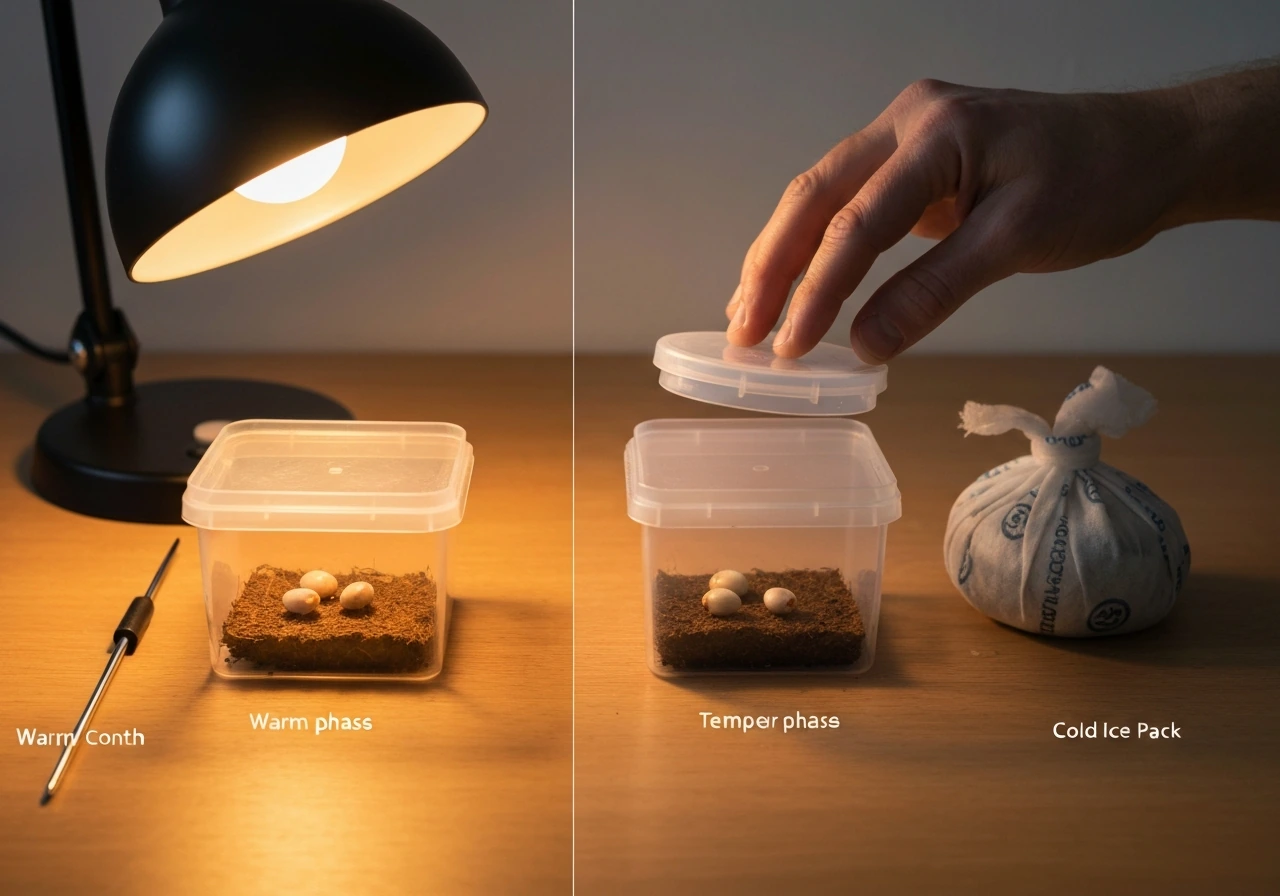
Peony seeds need a sequence of warm then cold conditions to break dormancy. The root system develops during a warm phase, then the shoot emerges after a cold phase. The American Peony Society's seed-growing guidance indicates you need approximately 60 to 90 days at each stage. The Peony Society also has detailed resources specifically on temperature treatments for peony seed, and it's worth reading their current guidance because the exact temperatures and timing are important to get right.
- Warm phase (root development): After sowing, keep seeds at around 20–25°C for 60–90 days. This encourages the radicle (root) to develop underground even before you see anything.
- Cold phase (shoot development): Move seeds to cold conditions — around 4–5°C, like a refrigerator or cold frame through winter — for another 60–90 days. This breaks the shoot dormancy.
- Return to warmth: Bring seeds back to ambient temperatures in late winter/early spring to trigger shoot emergence.
How to sow
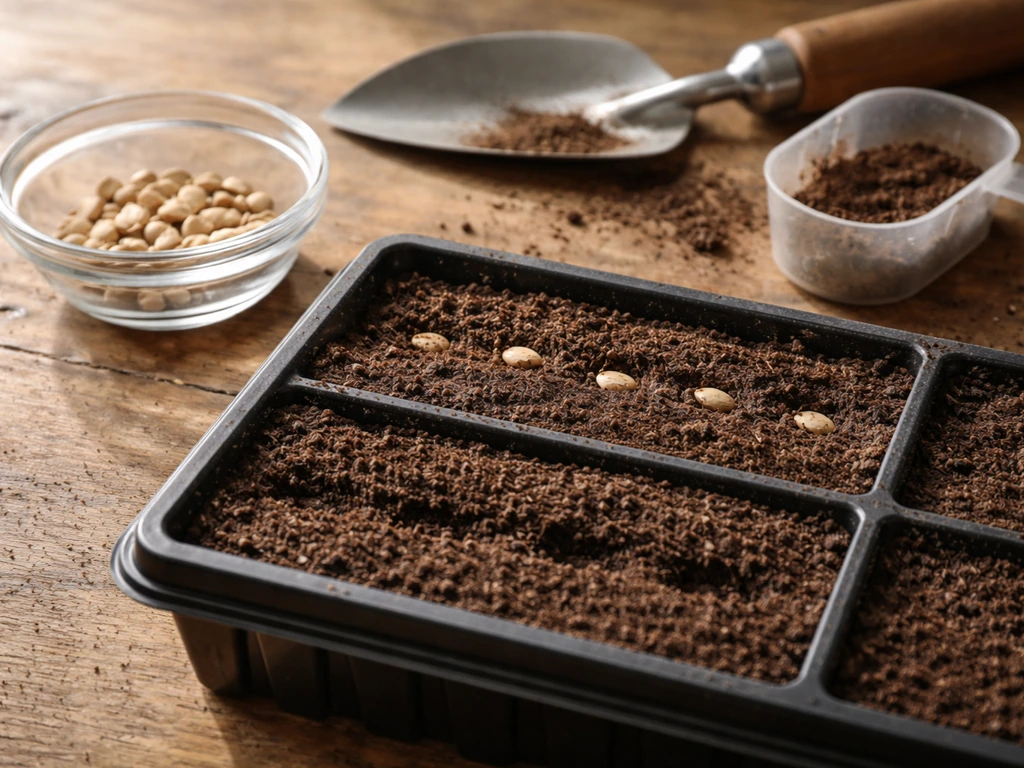
You can sow directly into the ground or into deep pots or seed trays. While this guide is for fern peony, the same planter principles apply if you want to grow peonies in a planter. Use a light, well-drained, sterile seed-starting mix to reduce the risk of damping off, a fungal problem that kills young seedlings, usually caused by overwatering, poor drainage, overcrowding, or too much shade. Press seeds into the surface and cover with no more than 1.5 cm (about half an inch) of compost or fine grit. Deeper than that and emergence becomes unreliable. Keep the medium just barely moist, not wet.
If you're direct sowing outdoors in autumn, you can let natural winter temperatures provide the cold phase, which often works well for gardeners in Zones 4 through 7. Label your sowing spot clearly, seedlings are tiny and easy to accidentally weed out. Germination in the second spring (after one full winter cycle) is common when seeds go in the ground in early autumn.
What to expect from germination
Don't panic if nothing appears for months. Some seeds will send up a shoot in the first spring after their cold period; others with incompletely broken dormancy may wait until the second spring. This is normal peony behavior, not seed failure. The American Peony Society is explicit about the patience required, germination is slow, development is slow, and seedlings typically won't bloom for 3 to 5 years. That sounds like a long time, but the plant you get is exactly what you grew, and that's genuinely special.
One honest caveat: seed-grown plants will not be identical to the parent. There is natural genetic variability, so flower color, petal count, and even slight differences in foliage can appear. Most seedlings from P. tenuifolia will be recognizably fern peony, but expect some variation. If you need a specific named cultivar exactly replicated, division is a better route than seed.
Year-round care
Watering
Established fern peonies are reasonably drought tolerant once their roots are deep. For the first year or two after planting, water regularly during dry spells to help the root system develop. After that, water during prolonged dry periods but avoid keeping the soil constantly moist, consistent waterlogging will eventually cause crown rot. Young seedlings need more consistent moisture but should never sit in wet compost.
Feeding
Go easy on fertilizer. The American Peony Society specifically warns against high-nitrogen feeds (including lawn fertilizers), which push soft, lush growth that's more susceptible to fungal disease. If your soil is reasonably rich in organic matter, you may not need to fertilize at all. If you do feed, use a balanced or low-nitrogen fertilizer in early spring, applied around the drip line of the plant rather than directly over the crown. Don't overdo it.
Mulching
A light mulch around the plant in autumn helps regulate soil temperature and retain moisture, but keep it away from the crown. If you pile mulch directly over the buds, you're effectively planting them deeper, which, as covered above, is one of the main reasons peonies don't bloom. A few centimeters of clearance around the crown is all you need.
Autumn and winter
Cut back the foliage and stems in autumn once they die back, and remove them from the garden entirely rather than leaving them as mulch. This is a sanitation step that reduces overwintering disease spores, the American Peony Society includes this in their basic care guidance for a reason. Clean up also prevents botrytis spores from sitting near the crown through winter. In cold zones, a light protective covering over the crown after the ground cools is fine, but remove it in early spring before new growth emerges.
Troubleshooting common problems
| Problem | Likely Cause | What to Do |
|---|---|---|
| Seeds not germinating | Incomplete temperature cycling, dried-out seeds, or sown too deep | Check your warm/cold phase timing; keep seeds fresh; sow at no more than 1.5 cm depth |
| Seedlings dying after emergence (damping off) | Overwatering, poor drainage, or non-sterile mix | Use sterile seed mix, reduce watering, improve airflow, avoid overcrowding |
| Plant produces leaves but no flowers | Planted too deep, too much shade, plant too young, or recently moved | Check bud depth (should be 2–3 cm), ensure 8+ hours sun, wait if plant is under 3 years old |
| Buds form but don't open (blasted buds) | Late frost damage or botrytis infection | Protect emerging growth from late frosts; improve spacing and airflow to reduce botrytis |
| Grey mold on stems or buds (botrytis) | Humid conditions, poor airflow, or debris left from previous season | Remove affected material immediately; improve spacing; do thorough autumn cleanup |
| Transplant shock/wilting after moving | Root disturbance, planting at wrong time, or planted too deep | Water consistently, avoid moving established plants, plant in autumn not spring |
| Weak or sparse growth in seedlings | Underdeveloped root system (normal in year 1–2) | Be patient; maintain consistent moisture and a sunny position; do not overfeed |
When to expect flowers and how to encourage them
Paeonia tenuifolia typically blooms in May, and it's one of the earliest peonies to flower, species peonies generally bloom before shrubby and hybrid garden peonies. This early flowering is one of the things that makes it so appealing in a garden where you want a long succession of peony blooms through spring. If you want more specific peonies how to grow them guidance, focus on getting the light, soil drainage, and planting depth right how to encourage them.
From seed, expect to wait 3 to 5 years for first bloom. From a division or purchased crown, you might see flowers in the second or third year, sometimes the first if the division is large enough and planted correctly in autumn. If your plant is 4 or 5 years old and still not flowering, work through this checklist:
- Are the buds/eyes planted at the correct 2–3 cm depth, not deeper?
- Is the plant getting at least 8 hours of direct sun daily?
- Has the plant been disturbed or moved recently? If so, give it another full growing season.
- Is there evidence of late frost damage to buds in spring?
- Is the plant getting too much nitrogen, causing leafy growth at the expense of flowers?
Address whichever of these applies and you'll almost always see improvement. The Missouri Botanical Garden specifically lists these factors (too deep, too shaded, late frost, too young or recently disturbed) as the main no-bloom causes for P. If you’re specifically wondering how to make peony roots grow, check that the crown isn’t too deep, the light is adequate, and the roots aren’t being disturbed while they establish. tenuifolia, and in my experience that list covers the vast majority of cases.
Timing and zone guidance
Fern peony is quite cold-hardy and performs well across a wide range of climates, but your timing for sowing and planting should shift depending on where you are.
| Climate Zone | Bare-Root Planting | Seed Sowing (Outdoor) | Expected Bloom |
|---|---|---|---|
| Zones 3–4 (very cold winters) | September, as early as possible | Late August to early September (for natural cold stratification) | May, once established |
| Zones 5–6 (cold winters) | September to October | September to October | May |
| Zones 7–8 (mild winters) | October to November | October; may need refrigerator cold phase if winters are unreliable | April to May |
| Zones 9+ (warm winters) | Not ideal; P. tenuifolia needs cold dormancy | Refrigerator stratification essential; results less reliable | Unreliable without cold period |
If you're in the UK or similar temperate maritime climates, autumn planting from September through October works well, with natural winter conditions providing an adequate cold phase for seeds sown in the ground. For a UK-focused walkthrough, see also our guide on peony how to grow uk for practical steps on planting, spacing, and timing. For a broader overview of growing peonies in UK conditions, the same timing principles apply, though the relatively mild winters may occasionally need a supplement of refrigerator cold treatment for seed that isn't stratifying naturally.
For gardeners in warmer zones considering whether to grow peonies in a container or raised bed to gain better control over soil conditions and drainage, those approaches can help, but cold requirement is the real limiting factor for fern peony specifically, not just drainage or soil. A raised bed improves drainage and soil quality, but it won't provide the cold dormancy period the plant needs in Zone 9 and above.
One final point: wherever you are, once your fern peony is established and flowering, leave it alone. This is a plant that genuinely resents disturbance, and a healthy plant in good soil with good sun can live for decades without needing division or significant intervention. The work you put in during the first few years sets you up for a garden plant that outlasts almost anything else you grow.
FAQ
Can I grow fern peony in a pot, and will it flower the same way as in the ground?
You can, but the limiting factor is the dormancy cold period. Use a large container with very fast drainage, plant the crown no deeper than 2 to 3 cm below the surface, and plan to protect roots from freeze-thaw heaving (not insulate over the crown). In warm-winter climates you may still need to provide a true cold treatment for seed or young plants.
How long can I keep fern peony seeds before sowing, and what’s the best storage approach?
Fresh seed is the safest bet. If you must store, keep it cool and dry, and avoid letting it fully dry out and harden before stratification begins. Even short storage delays can push germination back by a year, so match storage conditions to your temperature-treatment plan and start stratification as soon as feasible after purchase.
What temperature treatment should I use for fern peony seed, and what happens if I do it out of order?
Fern peony seed typically needs alternating warm and cold phases before a shoot can emerge, with timing measured in weeks, not days. If you reverse the order or shorten one phase, germination may not trigger reliably and seedlings may wait an extra spring cycle or never fully break dormancy.
Should I soak fern peony seed before starting the warm phase?
Usually no long soak. Peony seed has complex dormancy, and soaking can increase the risk of rot in poorly aerated media. If you do any pre-treatment, keep it brief and start with a sterile, barely moist seed-starting mix to prevent damping off.
My seedlings keep dying, what are the most common causes?
Most failures come from damping off (too much water, low airflow, and dense or non-sterile mix). Use a sterile mix, keep moisture “just barely moist,” avoid overcrowding, and give the tray enough light so seedlings do not stretch and stay damp.
When is it safe to transplant peony seedlings out of trays or pots?
Wait until seedlings are sturdy enough that they have formed a reliable root mass and can handle disturbed soil. Minimize handling, move with as much root ball as possible, and expect delayed flowering by at least a season if roots are jostled. Also keep the crown placement correct, even if the seedling starts to look like it’s “sitting high”.
How do I know if my fern peony is planted too deep?
After planting, you should be able to locate the crown so the buds are no more than 2 to 3 cm below the soil line. If the crown settles deeper over time, you may need to lightly adjust the surrounding soil once the plant is dormant (not while actively growing). If you can’t access it without damaging roots, focus on preventing further burial with proper mulch placement.
Why does my plant have lots of leaves but no flowers, what’s the most likely cause?
The top causes are almost always too little light (especially too much shade) or planting depth (buds buried too deep). Secondary causes include disturbed roots in the first couple of years and heavy nitrogen feeding that promotes foliage at the expense of buds.
Do late frosts affect fern peony blooming, and what can I do?
Yes. A late frost can damage emerging shoots, delaying flowers or preventing them that year. If you can, use temporary frost protection only during cold nights once shoots appear, and remove it in the morning to avoid heat buildup and soggy conditions.
How much fertilizer is safe for fern peony, and what should I avoid?
Avoid high-nitrogen feeds and lawn fertilizer formulas. If your soil is already rich, you may not need fertilizer at all. If you feed, use a balanced or low-nitrogen product in early spring, apply at the drip line, and stop before the plant is actively pushing soft, lush growth.
Should I mulch fern peony, and how do I prevent it from stopping blooms?
Mulch helps with temperature swings and moisture consistency, apply it in autumn after growth finishes, and keep it a few centimeters away from the crown. Don’t mound mulch over the buds, because that effectively increases planting depth and is a common reason peonies fail to bloom.
How often should I water established fern peony, and how do I avoid rot?
In years 1 to 2, water during dry spells to help roots establish, but do not keep soil constantly wet. After establishment, water only during prolonged drought. The quickest rot risk is persistent winter wetness plus poor drainage, so prioritize drainage improvements before adding extra irrigation.
Is it worth dividing fern peony if I want more plants?
You can, but it’s often slow and can delay flowering. Fern peony resents disturbance, so only divide when necessary, use sharp clean tools, keep root damage minimal, and do it when plants are dormant. For identical offspring of a specific flower, divisions are better than seed.
Next Article
Can You Grow Peonies in a Planter? Container Guide
Yes, you can grow peonies in a planter with the right pot size, drainage, crown depth, hardy varieties, and overwinter c