Paulownia is one of the fastest-growing flowering trees you can put in a home garden, and with the right variety, site, and a bit of patience, you can go from seed or seedling to a tree covered in fragrant purple blooms in just a few years. The key is matching the species to your climate zone, giving it full sun and well-drained soil, and understanding that this tree rewards good early preparation far more than constant fussing once it's established.
Paulownia How to Grow: A Step-by-Step Guide for Bloom

Harriet Whitmore
11 Jun 2026
Choosing the right paulownia type and site
There are several species worth knowing about before you buy anything. Paulownia tomentosa (princess tree) is the most widely available and is hardy in USDA zones 5B through 9, which covers a huge portion of North America. Paulownia fortunei is similarly tough, rated zones 5 through 11, and produces those familiar spring purple flowers before the leaves emerge. If you're in a cooler climate or want something bred for site tolerance and frost hardiness, newer hybrid selections like NordMax 21 have been developed specifically for those conditions. P. elongata is another species you'll see in RHS references, popular in UK and European gardens.
For site selection, the single most important call you'll make is choosing a location that is sheltered from strong wind. Paulownia has large, soft leaves that tear and stress badly in exposed spots, and young trees can snap in gusty conditions. Beyond wind protection, pick a spot with deep soil because shallow or compacted ground stunts root development fast. One practical note: tree roots can extend underground roughly three times the distance to the edge of the crown, so keep your paulownia at least 10 to 15 feet away from foundations, sidewalks, and underground utilities.
You should also be aware that P. tomentosa in particular is considered invasive in parts of the eastern United States. It spreads aggressively by both root and seed and has naturalized widely. Before planting, check whether it is restricted in your state or county. If you're in an area where it's a concern, a non-seeding hybrid or a more contained species is a responsible choice.
Soil, sun, and climate requirements
Paulownia is flexible about light but does best in full sun. It will tolerate partial sun or partial shade, but bloom production drops noticeably in shadier spots. When you're thinking about sun exposure, aim for at least six hours of direct sun per day if you want good flowering.
Soil is where a lot of gardeners run into trouble. Paulownia wants deep, moist, but well-drained soil. Waterlogged ground is a reliable way to kill a young tree or at least stunt it for years. If your soil is heavy clay, improve drainage before planting by working in organic matter or, in severe cases, raising the planting area slightly. On the pH side, paulownia generally prefers a slightly acidic to neutral range. If your soil pH is below 4.8, establishment becomes genuinely difficult and you should consult your local extension office about amendments or whether paulownia is even a good fit for that site.
For climate, the key stressor in cooler zones is late spring frosts catching the flower buds, which form the previous autumn and are exposed on bare branches before leaves emerge. In regions where the first autumn frost arrives before mid-November, frost damage to young trees and winter dieback are real risks. The tree itself will often resprout from the base or roots even after hard winters, but you may lose a year or two of flowering in the process.
How to grow from seed vs seedlings or cuttings
Starting from seed
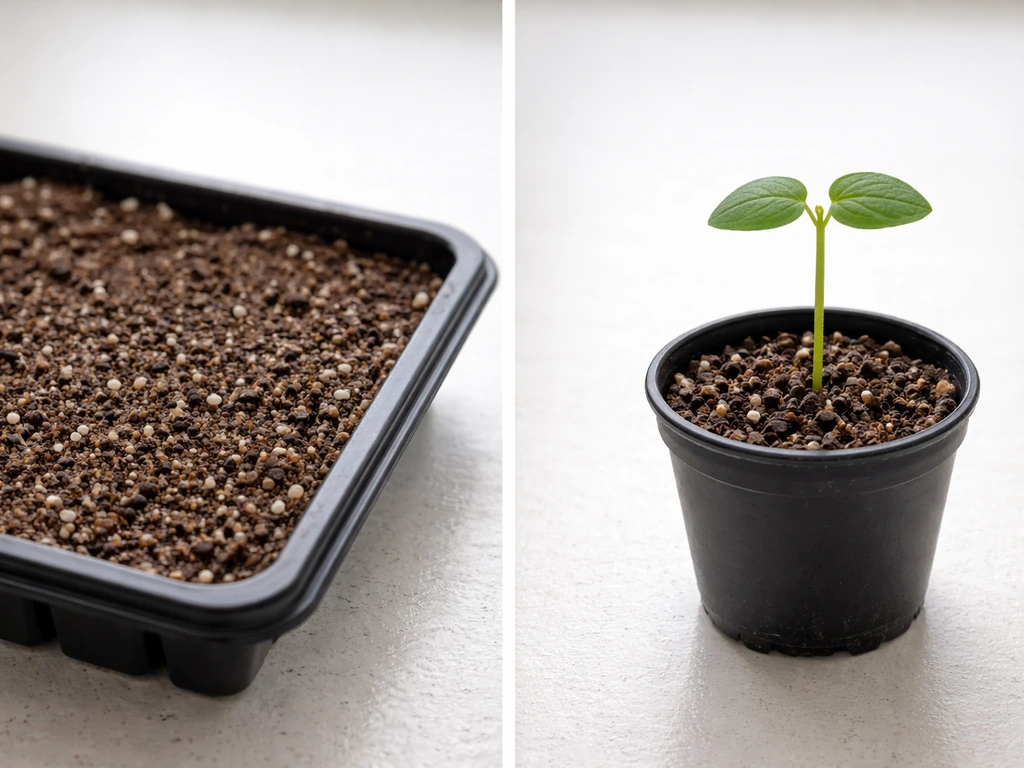
Paulownia seed is tiny and needs light to germinate, which means you must surface-sow it rather than covering it with compost or soil. Press the seed lightly onto moist seed-starting mix, mist gently, and cover the tray with a clear lid or plastic wrap to retain humidity. Do not bury the seeds. This is probably the most common mistake I see people make when growing paulownia from seed, and it leads to zero germination.
Germination can be inconsistent unless you pre-treat the seed. Cold stratification at around 4°C (39°F) for about two months is the most effective approach. Store the dry seed in a sealed bag in the fridge for those two months before sowing. Research has shown that cold stratification significantly improves germination rates in both light and dark conditions compared to untreated seed, so it's worth doing even if the packet doesn't mention it. You can also try gibberellic acid (GA3) as an alternative to stratification if you're in a hurry, though cold treatment is simpler for most home gardeners.
After stratification, sow in late winter or early spring indoors under grow lights or in a bright greenhouse. Germination typically happens within one to three weeks at warm temperatures (around 20 to 25°C). Seedlings grow fast and will need potting up quickly. Grow them on in good light and do not overwater at the seedling stage, as damping off is a genuine risk.
Starting from nursery seedlings or cuttings
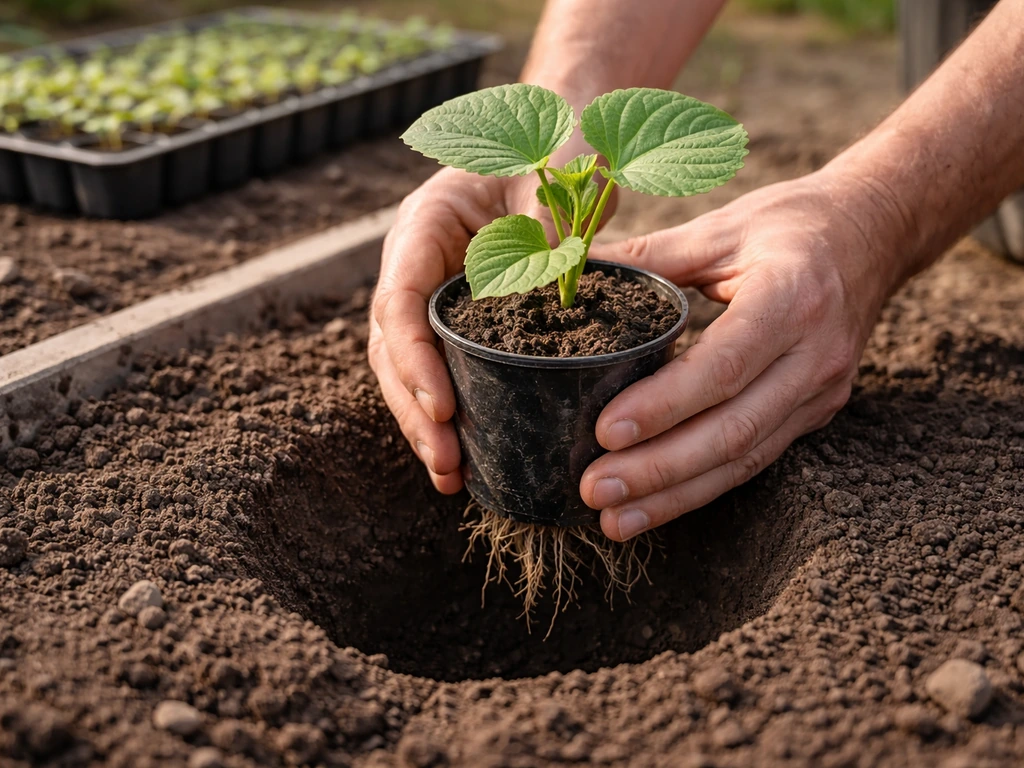
Honestly, for most home gardeners, buying a nursery-grown seedling or small potted tree is far more reliable than seed. You skip the germination gamble entirely and can put a tree in the ground that already has a solid root system. When transplanting from a container, plant in the next container size up if you're potting on, or plant at exactly the same depth it was growing in the nursery pot. Planting too deep is a leading cause of poor establishment and slow growth, so take your time to get the depth right.
Root cuttings are another option. Paulownia regenerates vigorously from roots, which is actually why it can become invasive, and you can use pencil-thick root sections about 10 to 15 cm long taken in late winter, placed horizontally just below the soil surface, to produce new plants. This works well if you already have an established tree and want to propagate it, but it isn't usually the first approach for a beginner starting from scratch.
Planting timeline and spacing
The best time to plant paulownia is spring, after the risk of hard frost has passed, or early autumn while the soil is still warm enough for root establishment before winter. Spring planting generally gives young trees the longest growing season to get established, which is particularly important in zones 5 and 6 where winters are harder.
For spacing, if you're planting a single specimen tree in a home garden, give it at least 5 to 6 metres (roughly 16 to 20 feet) of clear space all around. Paulownia can reach over 30 feet tall when allowed to grow freely, and the spread is substantial. If you're planting multiple trees, for example in a coppiced or pollarded arrangement where you cut them back annually for large ornamental foliage, you can space them 2 to 3 metres apart. In that managed form, they stay much smaller and the giant tropical-looking leaves become the main attraction rather than the flowers.
Container growing is possible but genuinely challenging for the long term given how vigorous paulownia grows. It works best for the first year or two while you're establishing a young tree before moving it into the ground, or for gardeners in marginal zones who want to overwinter trees under cover.
Use a large, free-draining container and move up in pot size as the tree grows rather than jumping straight to a huge pot, which can cause the roots to sit in wet compost. A Paulownia grower guide PDF also recommends using sterile container practices, including moving to the next size up when potting to reduce transplant shock [Use a large, free-draining container and move up in pot size as the tree grows rather than jumping straight to a huge pot](https://www.
paulowniamp. wordpress. com/wp-content/uploads/2010/06/growersguide-5-27-10. pdf).
Watering, fertilizing, and pruning
Watering
Water immediately and thoroughly after planting. For the first growing season, keep the soil consistently moist but not saturated, especially during dry spells. Once established after one to two full seasons, paulownia becomes reasonably drought tolerant, though it still performs best with regular moisture during dry summers. Mulching around the base (keeping mulch away from the trunk itself) helps retain moisture and moderate soil temperature.
Fertilizing
Paulownia is a hungry grower and responds well to feeding. A balanced slow-release fertilizer applied in early spring as the tree breaks dormancy is a good starting point. Avoid heavy nitrogen applications later in the season as this pushes soft growth that is vulnerable to early frosts. If your soil pH is off (particularly if it's too acidic), address that before throwing fertilizer at a struggling tree, because nutrient uptake is impaired when the pH is wrong.
Pruning and training
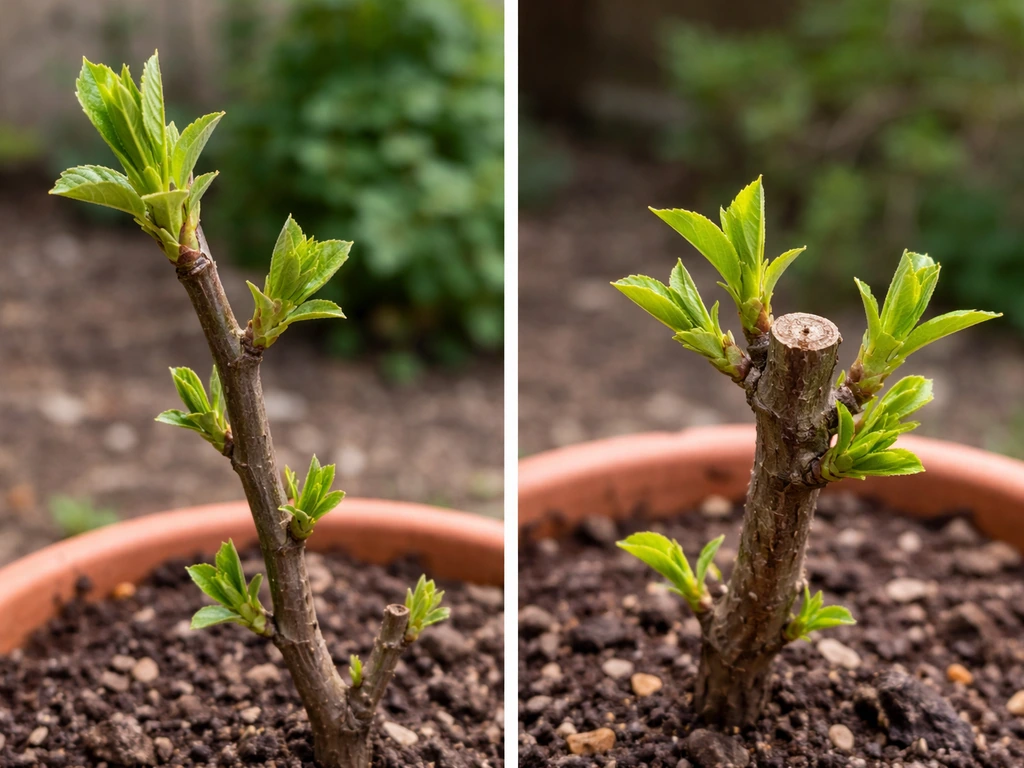
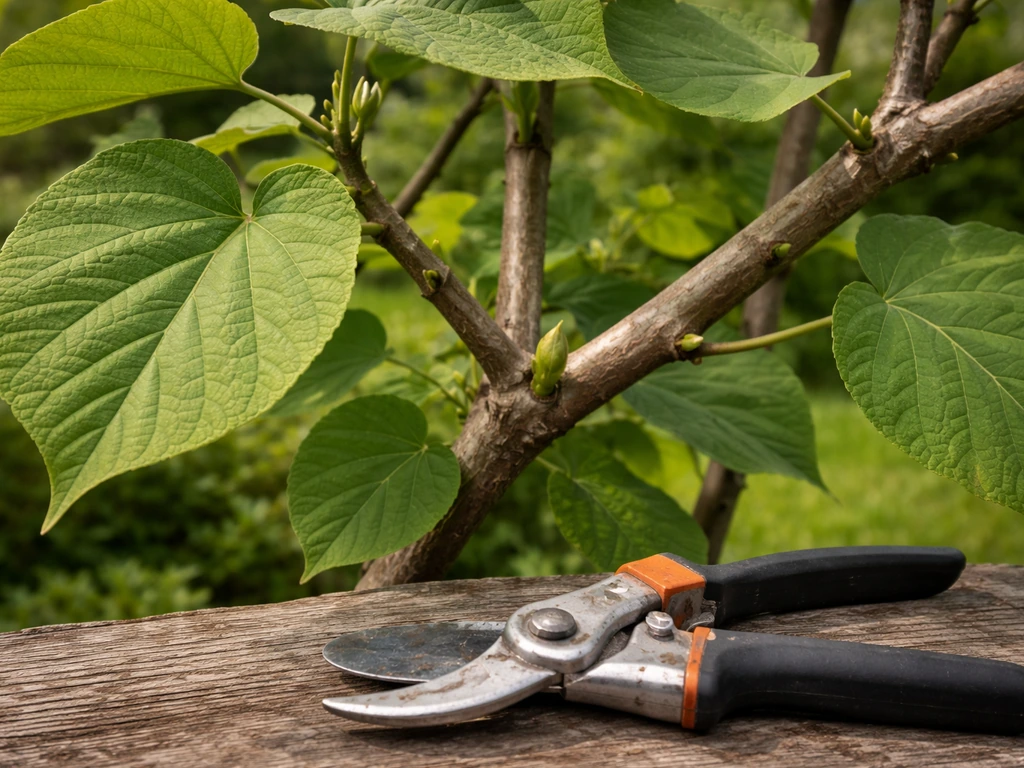
Pruning strategy depends on what you want from your tree. If you want the spectacular spring flowers, leave the tree to develop naturally without hard pruning because flowers form on previous year's wood. Cutting the tree back hard will remove the flower buds and you'll wait another year for blooms. For a flowering specimen, limit pruning to removing dead or crossing branches and shaping lightly in late winter before growth starts.
If you want that dramatic coppiced look with enormous leaves up to a metre wide, cut the tree back hard each year in late winter or early spring. The resulting single shoot can grow phenomenally fast and produces the most impressive foliage, but you sacrifice the flowers entirely. Oregon State University notes this technique can channel all the tree's energy into a single dominant shoot. It's a real statement in a garden but it's a different tree in terms of what you're growing it for.
Troubleshooting common problems
| Problem | Likely cause | Fix |
|---|---|---|
| Seeds won't germinate | Seeds covered with soil, or no cold stratification | Surface-sow only, pre-chill seed at 4°C for 2 months before sowing |
| Seedlings damp off | Overwatering combined with poor airflow | Reduce watering, improve ventilation, use sterile seed-starting mix |
| Slow establishment after planting | Planted too deep, waterlogged soil, or wrong pH | Check planting depth matches nursery pot, improve drainage, test and amend pH if below 4.8 |
| Flower buds die before opening | Late spring frost hits bare-branch buds | Plant in a sheltered location, choose a more frost-tolerant variety or hybrid in colder zones |
| Leaf scorch or tearing | Wind exposure | Relocate or add windbreak planting, choose a more sheltered site next time |
| Poor leaf colour or stunted growth | Nutrient deficiency often linked to low pH | Test soil pH, lime if too acidic, apply balanced fertilizer in spring |
| Caterpillar or mite damage | Occasional pest pressure on soft young leaves | Hand-remove if light, use neem oil for mites; healthy trees generally outgrow minor pest damage |
The most common frustration I hear from gardeners is failed germination from seed. Nine times out of ten, the seed was either covered with compost or not pre-treated. Start fresh, stratify the seed properly, surface-sow on a clear day indoors, and germination is usually not the struggle people expect. The second most common issue is planting in a waterlogged spot and then wondering why the tree looks miserable after two years. Drainage is non-negotiable.
Growth expectations, flowering timeline, and long-term care
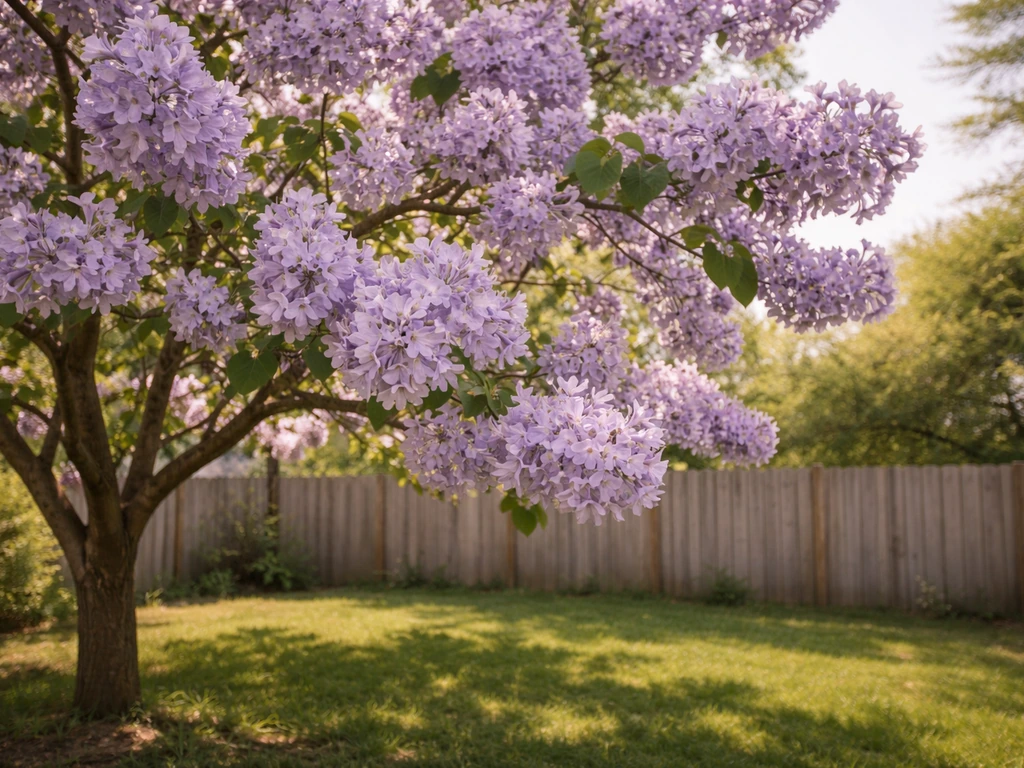
Paulownia is genuinely one of the fastest-growing ornamental trees you can grow, which is part of what makes it exciting. Under good conditions, a young tree can put on 1 to 2 metres of height in a single season. A tree grown from a healthy nursery seedling planted in spring can realistically flower within three to five years, sometimes sooner in warmer zones. Flowering happens in early spring, typically late April to early May depending on your location, before the leaves emerge. The display is striking: long clusters of lavender to purple trumpet-shaped flowers covering bare branches.
From seed, you're typically looking at a longer wait, often five to seven years to first bloom, though again this varies considerably with climate and growing conditions. If you want flowers sooner rather than later, start with a nursery tree rather than seed.
For long-term care, mature paulownia trees are relatively low-maintenance. Continue with the spring fertilizing routine, maintain moisture especially during the first few dry summers, and inspect the tree in late winter before bud break to remove any winter-damaged or dead wood. If the tree suffers serious frost damage or dieback, cut back to healthy wood in spring. Paulownia resprouts vigorously from the base and roots, and a tree that looks dead after a brutal winter will often surprise you with strong new growth by early summer.
One long-term management note worth keeping in mind: because paulownia spreads by seed and by root, deadhead spent flower clusters before seed pods form if you're in an area where spread is a concern. This is simple to do and keeps you in control of where the tree goes over time.
If you're a gardener who enjoys growing other ornamental flowering trees and shrubs alongside paulownia, the general principles around soil health, drainage, and correct planting depth will be familiar territory, since those fundamentals matter just as much for plants like peonies as they do for trees. If you want to grow peonies in the UK, focus on choosing a sunny, well-drained spot and planting at the right depth for reliable flowering.
If you want to encourage peony roots, focus on deep, well-drained soil and give the crowns room so the underground system can expand steadily plants like peonies. If you are also growing peonies, make sure they get ample sunlight and well-drained soil for the best blooms. If you are also planning container blooms, you can apply similar soil and drainage checks when learning can you grow peonies in a planter.
Peonies can also do well in a raised bed, especially if you manage drainage and give them the right sun exposure plants like peonies. Because the same basics matter for peonies too, you may want to follow a few targeted tips for how to grow Sarah Bernhardt peony alongside your paulownia.
If you want another elegant flowering plant for the same garden mindset, learn how to grow fern peony and match it to the right light, moisture, and soil.
FAQ
Can I grow paulownia from seed without stratifying it first?
You can try, but expect much lower and more inconsistent germination. If you skip cold treatment, ensure the seed stays on the surface, mist the tray regularly, and keep temperatures around 20 to 25°C. For most gardeners, two months of refrigerated stratification is the difference between “nothing” and “a tray of seedlings.”
How do I keep paulownia seedlings from damping off?
Use a sterile seed-starting mix, keep the surface evenly moist but not wet, and increase airflow (for example, vent the plastic cover briefly each day once you see sprouts). Overwatering after germination is a common cause of collapse, so water only when the top layer looks dry.
What’s the safest way to determine correct planting depth when transplanting?
Plant at the same depth as the nursery pot, look for the soil line on the trunk, and avoid burying that line. If you pot up first, don’t bury deeper in the next container either, because deeper planting slows root and shoot establishment even when drainage is good.
How much wind protection does paulownia really need?
More than you might expect. Even moderate gusts can tear large leaves, which stresses the young tree and slows growth for an entire season. Choose a spot near a fence, hedge, or solid structure (without creating waterlogged soil), and avoid corners that funnel wind.
Why does my paulownia stop growing after the first year?
The most common causes are waterlogged soil, too-deep planting, or late-season nitrogen that creates soft growth vulnerable to frost. Check whether the root zone is staying saturated after rain, then confirm the planting depth matches the original soil line.
Will paulownia bloom in the shade if my yard is partially covered?
It may grow, but flowering drops noticeably with less than full sun. If you want blooms, aim for at least six hours of direct sun daily and avoid planting under dense canopy where mornings are shaded.
My flowers got hit by late frost. Will the tree still bloom next spring?
Often it will resprout vigorously, but you may lose a year or two of flowering because buds form the previous autumn and are exposed before leaves emerge. To reduce losses, pick a site with some shelter and avoid low pockets where cold air settles.
Is it true paulownia can be invasive, and what can I do to reduce spread?
Yes, certain types spread aggressively by seed and roots in some regions. Practical control steps include removing spent flower clusters before seed pods mature, keeping seedlings from establishing nearby, and checking local restrictions before planting.
Can I keep paulownia in a container long term?
It’s difficult long term because growth is vigorous and roots expand fast. For best results, treat containers as a temporary “establishment” step, use a large free-draining pot, and plan for a ground transplant once the tree is actively growing and frost risk is lower.
How often should I water a newly planted paulownia?
For the first growing season, keep the soil consistently moist but not saturated, especially through dry spells. Once established after one to two full seasons, it becomes more drought tolerant, but it still performs best with supplemental watering during prolonged summer dryness.
Should I fertilize if my soil pH is very acidic?
Be cautious. If soil pH is extremely low, nutrient uptake can be poor, so “more fertilizer” may not help and can worsen stress. If pH is below about 4.8, confirm with a soil test and consult local extension guidance before applying amendments or feeding.
What pruning should I do if I want flowers but also need to shape the tree?
Keep pruning light. For flowering, remove dead or crossing branches and do minimal shaping in late winter before growth starts, because hard pruning removes the previous-year wood where spring buds form.
If I cut paulownia back hard for foliage, will it ever flower?
Usually no, because annual hard cutting removes the wood that would carry next spring’s buds. You can get dramatic leaf growth, but it’s a tradeoff, think of it as growing for foliage rather than bloom.
How can I tell whether poor performance is from drainage or from frost damage?
Poor drainage typically shows as consistently wet soil, slow leaf expansion, and gradual decline. Frost damage usually appears as dead or blackened shoots after bud break, followed by vigorous regrowth from the base if the roots survived.
Next Article
When Do Begonias Start to Grow? Timing, Types & Planting Calendar
When do begonias start to grow: clear planting dates, timelines by type, and quick care fixes for reliable starts.