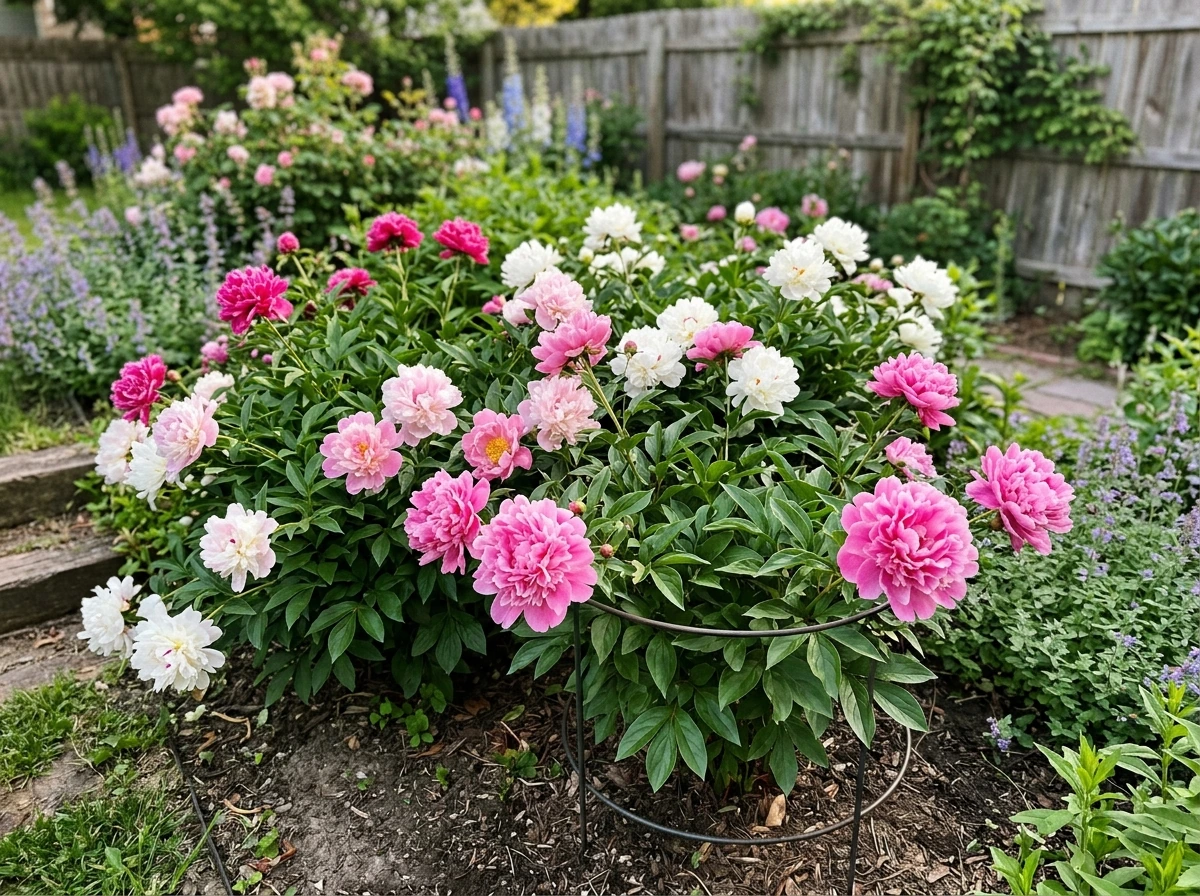
Yes, you can absolutely <a data-article-id="1C42F3D3-BB75-4818-BF8C-9F443029B03D">grow peonies from roots</a>, and honestly, it's one of the most reliable ways to get them started. When gardeners talk about growing peonies from roots, they usually mean bare-root peonies: dormant root divisions that are sold without soil, often with a handful of reddish buds (called eyes) visible on the crown. These are the same plants sold as potted peonies in spring, just at an earlier, more economical stage. Buy the right roots, plant them at the right depth at the right time of year, and you'll have peonies that outlive most other plants in your garden. If you want the bigger picture after planting basics like depth and timing, this is a great step toward how to grow peonies.
How to Grow Peonies From Roots: Planting and Care Guide

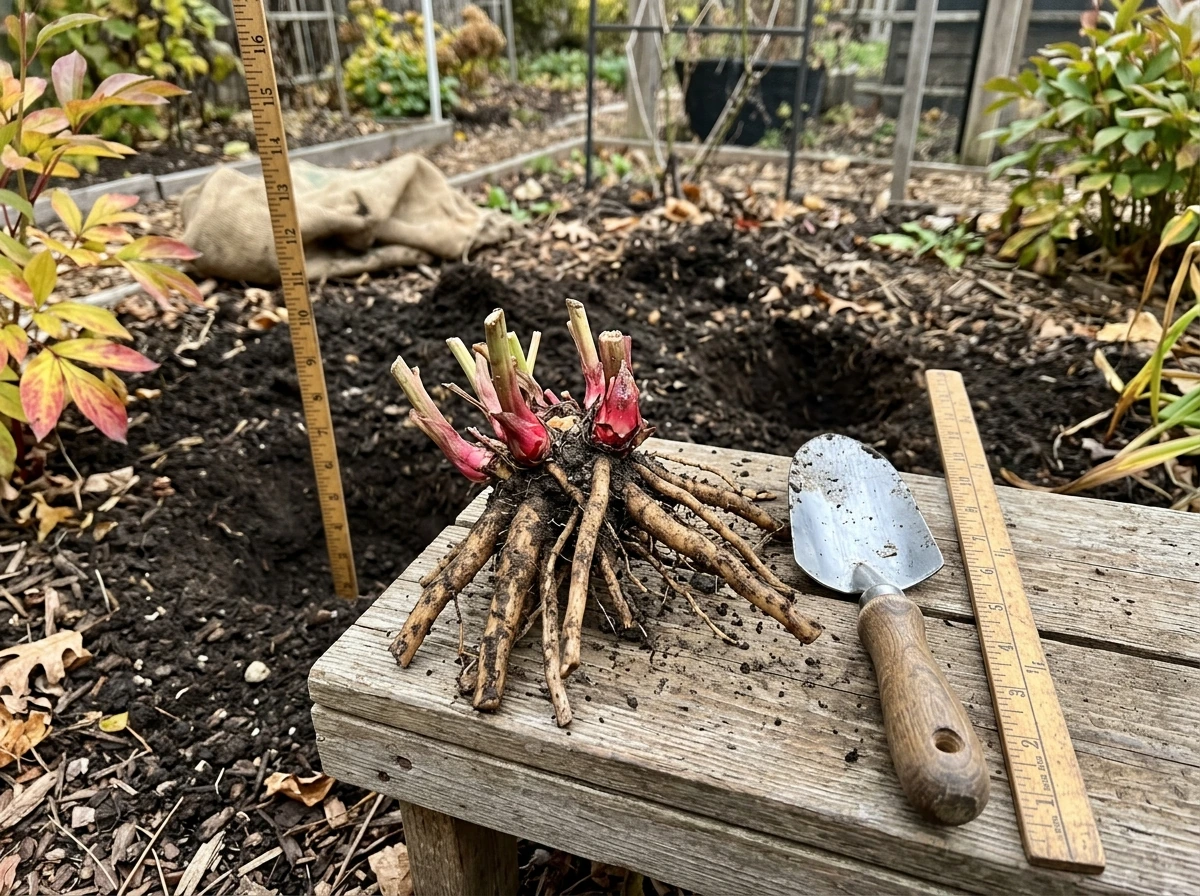
Bare roots vs. rooted divisions: what's actually the difference?
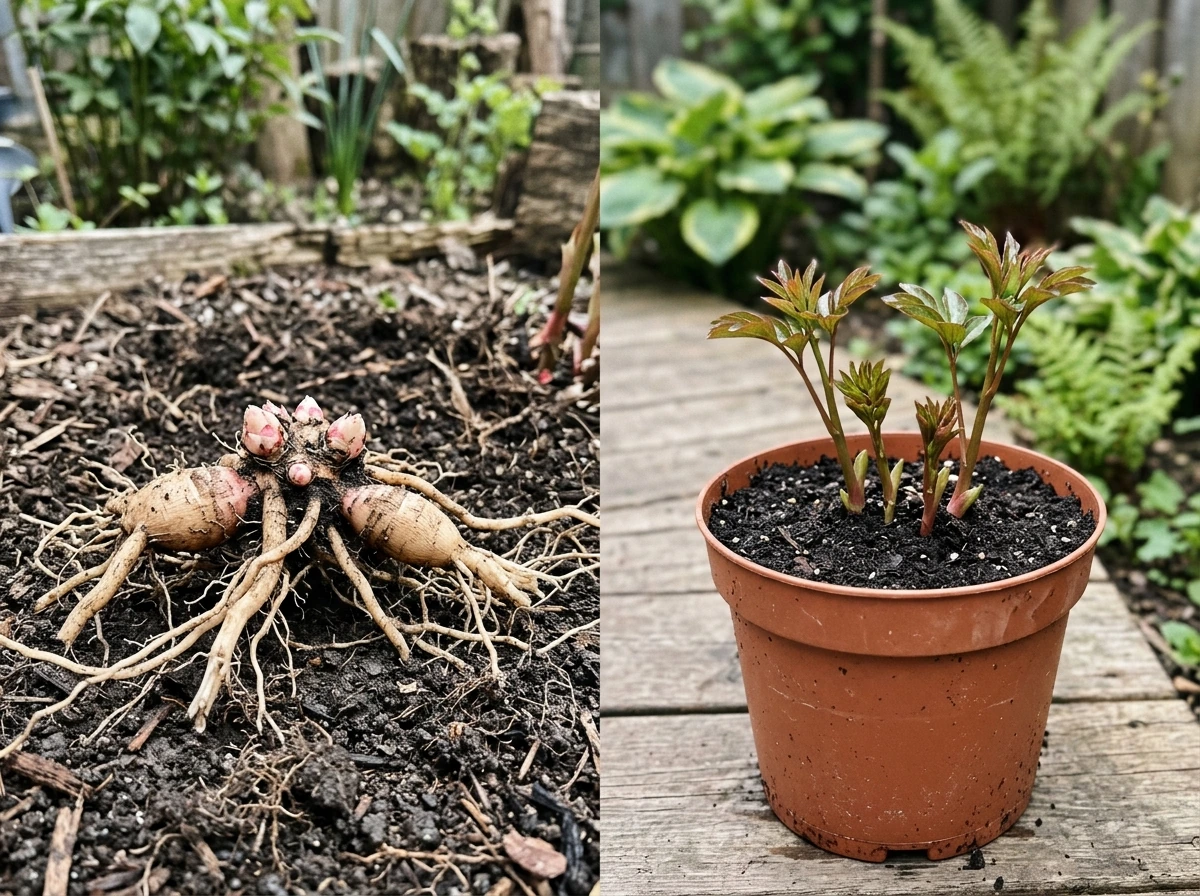
The terms 'peony roots,' 'bare-root peonies,' and 'peony divisions' all refer to essentially the same thing: a chunk of peony crown with attached storage roots and visible growth buds. When a mature peony clump is dug up and split apart, each piece becomes a division. Those divisions are what nurseries and mail-order growers sell as bare-root peonies. So if you see any of those terms on a product listing, you're looking at the same type of planting material.
What you're NOT dealing with here is a seed or a cutting. Peonies grown from seed take many years and may not resemble the parent plant. Growing from stem cuttings is its own process, if you're looking for guidance, see how to grow peonies from stem. This guide is focused specifically on the bare-root division method, which is the standard way most home gardeners get peonies established quickly and reliably. If you want to dig into stem propagation, that's a separate topic worth exploring on its own.
What to look for when buying peony roots
A good bare-root peony is a division from a 3- or 4-year-old plant with 3 to 5 eyes (growth buds) on the crown. The eyes are the reddish or pinkish nubs you'll see clustered at the top of the root mass. They look a little like fat, pointed fingers pushing up from the crown. More eyes generally means a stronger start, but don't obsess over getting a root with 10 eyes. Three to five is the standard and it's enough.
The storage roots themselves should feel firm, not mushy or shriveled. A bit of surface dryness is fine since they're bare-root, but if the roots are completely desiccated or have soft, rotting spots, pass on them. Look for roots that are fleshy and intact. Broken roots are okay as long as the crown and eyes are healthy.
For variety, choose based on your climate zone and what you actually want from the plant. Herbaceous peonies (the classic garden kind that die back to the ground each winter) are the most forgiving and the most common. They're hardy in Zones 3 through 8, which covers most of the US. If you're in the warmer end of that range, look for varieties with lower chill hour requirements. Itoh (intersectional) peonies are another solid option for slightly warmer zones and have a longer bloom period, though they're pricier. Tree peonies are a different beast entirely and are planted differently, so stick with herbaceous or Itoh bare roots for this method.
When to plant and how to prepare the site
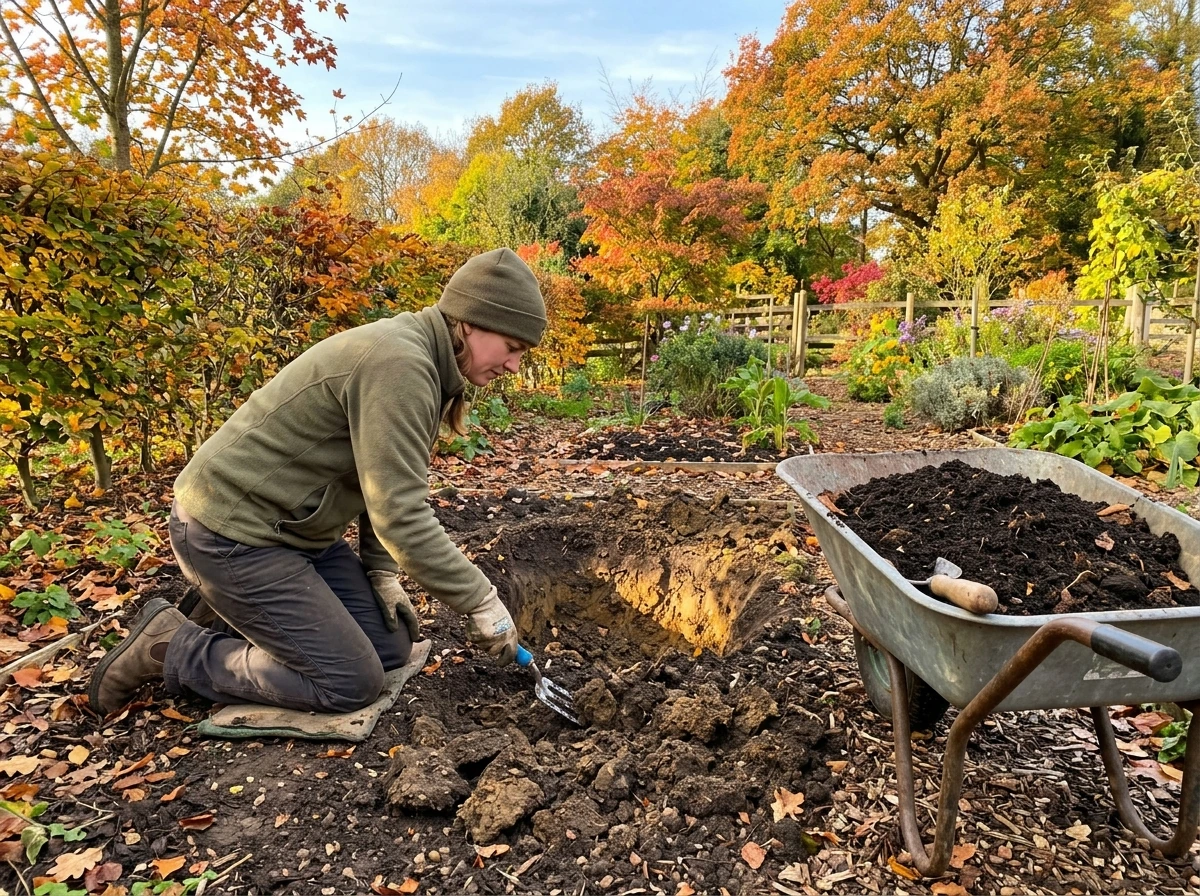
Fall is the right time, full stop
Peonies make the majority of their root growth in fall. Planting in fall gives the roots time to settle in and develop new fine roots before the ground freezes, which sets them up for a much stronger spring. The American Peony Society is clear on this: spring planting is not recommended and does not give you any size advantage the following year. In fact, spring-packaged bare roots at garden centers are often leftover stock that missed the fall planting window, meaning they're already stressed before you even get them home.
In most of the US, your planting window is late September through October. If you're in Zones 7 or 8, you can stretch that into later fall since your ground stays workable longer. The rule of thumb is simple: plant any time the soil is still unfrozen. Don't wait until December in a Zone 5 garden, but don't rush to plant in August either, since the roots need cool soil to establish well.
Site prep: sun, drainage, and soil
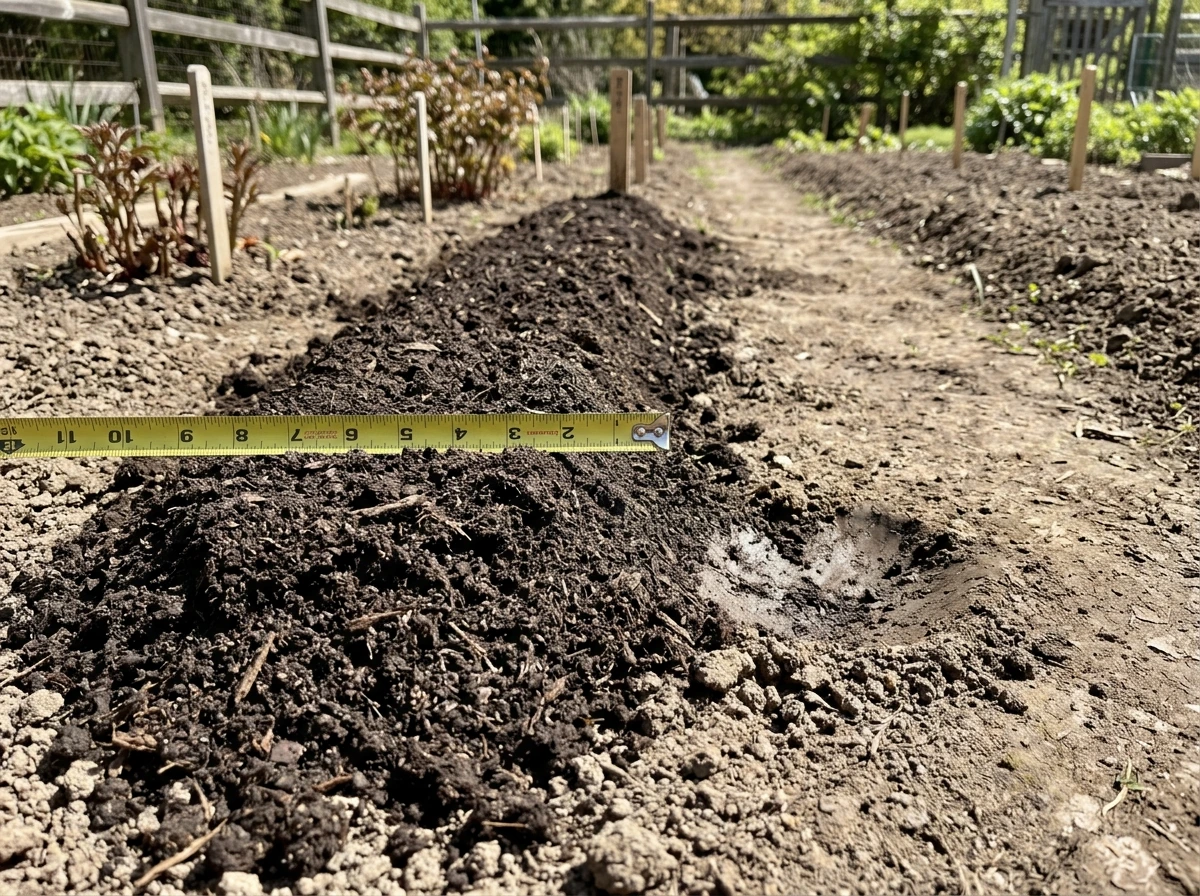
Peonies need full sun, meaning at least 6 hours of direct sunlight daily. This is non-negotiable for good flowering. They also need well-drained soil. Poor drainage is one of the top reasons peony roots rot before they ever get going, so if your garden has heavy clay or tends to stay waterlogged, either amend the soil heavily with compost and grit or raise the bed a few inches.
Dig your hole wider than you think you need, about 18 inches wide and 12 to 18 inches deep. Loosen the soil at the bottom and mix in compost to improve structure. Peonies are long-lived plants (we're talking decades), so spending 20 extra minutes on soil prep now is absolutely worth it. If your soil is very alkaline or very acidic, aim for a pH between 6.5 and 7.0. Peonies aren't fussy about much, but they do prefer that neutral-to-slightly-acidic sweet spot.
Space your plants at least 3 to 4 feet apart. They grow bigger than most people expect, and crowding them limits airflow, which can lead to fungal problems down the road.
How to plant peony roots: the step-by-step
Depth is the single most critical factor when planting bare-root peonies. Get this wrong and the plant may survive but never bloom. The eyes (buds) on the crown should be positioned no more than 1 to 2 inches below the soil surface. Most sources agree on 2 inches as the safe maximum depth. Some growers say the eyes should sit just barely under the surface, about 1 inch down. If you're in doubt, err on the shallower side.
- Dig your hole wide and deep enough to accommodate the root spread without cramping. The hole should be about 18 inches wide.
- Build a small mound of loose soil in the center of the hole. This lets you set the crown at the right height while the roots drape naturally outward and downward.
- Set the bare root on top of the mound with the eyes facing upward. Position the crown so the topmost eyes will sit about 1 to 2 inches below the surrounding soil level when you fill in the hole.
- Spread the storage roots outward and downward over the mound. Don't force them into an unnatural angle. If a root is broken or too long, trim it cleanly rather than folding it.
- Backfill carefully with your amended soil, working it gently around the roots to avoid air pockets. Check the depth of the eyes as you fill, since it's easy to accidentally bury them too deep.
- Firm the soil lightly around the crown but don't compact it heavily.
- Water thoroughly to settle the soil and eliminate any remaining air gaps.
That depth rule bears repeating because it trips up so many gardeners: eyes deeper than 2 inches can mean years of foliage with no flowers at all. Iowa State University Extension specifically flags planting too deeply as a leading cause of peonies that grow well but won't bloom. Shallow is safer than deep.
Watering, fertilizing, and mulching after planting
Watering
After planting, water your peonies well to help the soil settle around the roots. For the first week or two, keep the soil from drying out completely while the roots are getting established. After that initial period, peonies are fairly drought-tolerant once they're in the ground, but don't ignore them during dry spells, especially in their first full growing season. The key watering windows that matter most are during spring growth and before the flower buds form.
Fertilizing
Don't rush to fertilize newly planted peonies. In the first fall after planting, skip the fertilizer entirely and just let the roots establish. Once your plant is growing in its first or second spring, you can start a light fertilizing routine. A balanced fertilizer (something close to a 1-1-1 ratio, meaning equal nitrogen, phosphorus, and potassium) applied twice a year works well: once in spring just before new growth pushes up, and again in fall after the foliage has been cut back.
Avoid high-nitrogen fertilizers. Excess nitrogen pushes leafy green growth at the expense of flowers, which is the opposite of what you want. If you're using a general garden fertilizer, check the label and make sure the nitrogen number isn't dramatically higher than the other two numbers.
Mulching
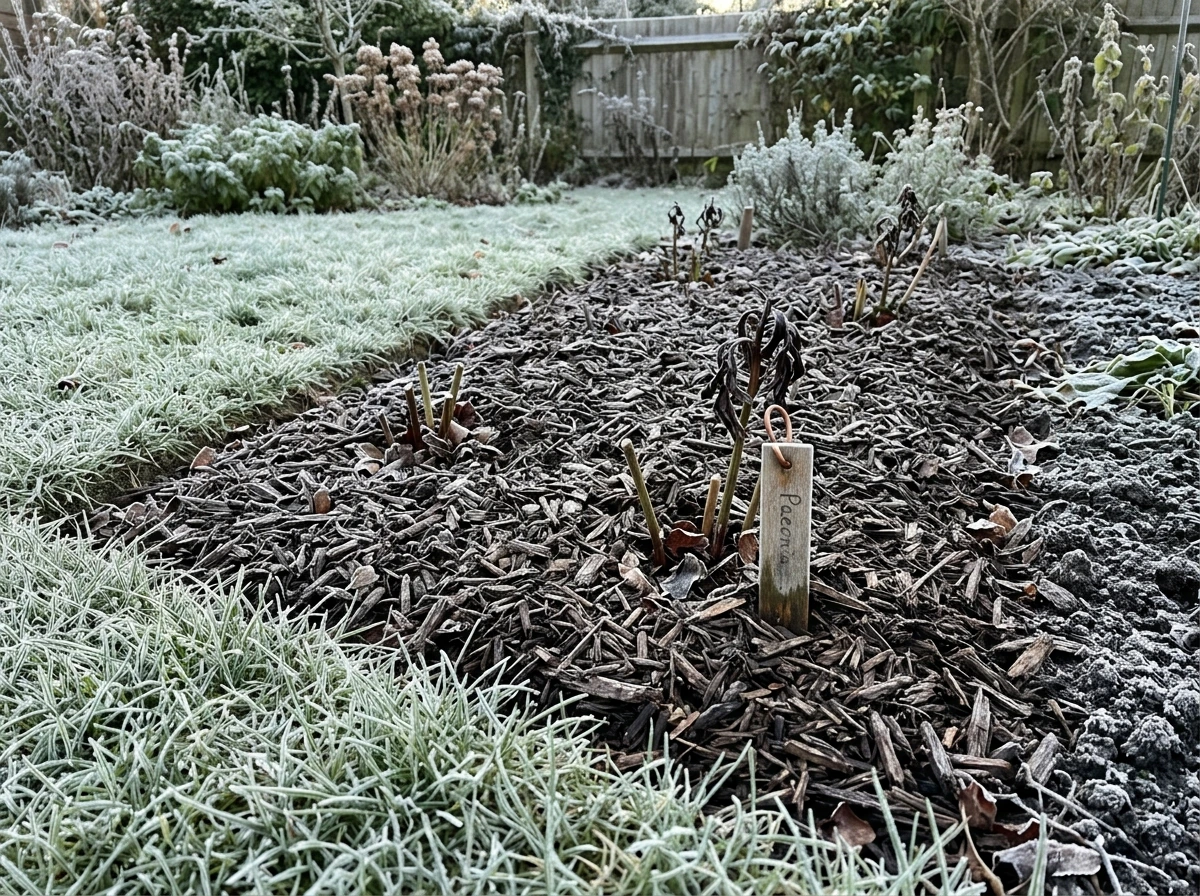
Mulching newly planted peonies is helpful for winter protection, but timing matters. Apply mulch after the soil has frozen, not right after planting. If you mulch too early (before the ground freezes), you can trap warmth and moisture around the crown, which invites rot and can interfere with the natural hardening-off process. Once the soil has frozen, a layer of wood chips or bark mulch over the planting area protects against freeze-thaw cycles that can heave the crown upward. In spring, pull that mulch back from the crown so it doesn't insulate it when you want growth to push through.
What to realistically expect in year one (and two, and three)
Here's the part that surprises most first-time peony growers: peonies are slow. That's not a defect, it's just how they work. In the first year after planting a bare root, you might see just one or two short stems emerge in spring. You might get a bud that doesn't fully open, or no bud at all. This is completely normal. The plant is putting its energy into establishing its root system underground, not into flowering.
Most bare-root peonies take 2 to 3 years to produce a real bloom display. By year two, you'll typically see stronger stems and possibly your first flowers. By year three, if the plant is well-sited and properly planted, you should have a properly blooming peony. The payoff is that once established, peonies bloom reliably for decades with very little intervention.
Don't dig up a peony in year one because you think it didn't work. Give it the full growing season to show you what it's doing. If you see any green growth at all, the root is alive and establishing. That's success, even if it looks underwhelming.
Troubleshooting: when things don't go as planned
| Problem | Likely Cause | What to Do |
|---|---|---|
| No growth at all in spring | Root planted too deep, or root was damaged/diseased at purchase | Check planting depth — dig carefully and see if the crown is more than 2 inches down. Reposition if needed. Inspect for rot. |
| Foliage grows well but no flowers | Eyes planted too deep, excess nitrogen, or plant is too young | Confirm depth is 1–2 inches. Switch to a balanced fertilizer. Be patient if the plant is only 1–2 years old. |
| Root is mushy or rotting | Poor drainage or crown buried too deep under wet soil | Improve drainage before replanting. Raise the bed or amend with grit. Replant shallower. |
| Plant emerges then collapses in spring | Botrytis (gray mold) fungal disease, common in wet springs | Remove and dispose of affected stems. Improve airflow by spacing plants properly. Avoid overhead watering. |
| Crown heaves out of ground over winter | Freeze-thaw cycles pushing roots up | Apply mulch after soil freezes to insulate. Press heaved crowns back down gently in early spring before growth starts. |
| Buds form but blast (turn brown before opening) | Stress from drought, late frost, or botrytis | Water consistently during bud formation. Protect from late frosts with a cloth cover. Remove affected buds promptly. |
Your next steps right now
If it's late March and you're reading this today, the honest answer is that you've just missed the ideal bare-root planting window for this growing season. The best bare-root planting time is fall. That said, if you can find a potted peony at a local nursery in spring, you can plant it now with reasonable success. Just know it may be a slower start than a fall-planted bare root.
The most useful thing you can do right now is plan ahead for fall. Order bare-root peonies from a reputable mail-order grower (they ship in fall when timing is right), choose your site, and spend the summer improving your soil and drainage if needed. When your bare roots arrive in September or October, you'll be ready to plant them perfectly, at the right depth, in the right spot, at exactly the right time.
Peonies are genuinely one of the most rewarding plants you can grow. The patience required in years one and two pays off with decades of spectacular blooms. Get the depth right, plant in fall, don't overdo the nitrogen, and you'll be in great shape. For more on overall peony growing requirements, including light, soil, and climate considerations, exploring the broader guidance on what do peonies need to grow will fill in any remaining gaps.
FAQ
Can I grow peonies from roots if the “eyes” are dried out or missing?
If the crown has at least one healthy, firm eye, the division can still recover, but if all eyes look shriveled, blackened, or mushy, the chance of sprouting drops a lot. When you receive the roots, inspect the crown closely and discard any divisions with rot around the eye area.
What should I do with bare-root peony roots if I cannot plant immediately after buying?
Keep them cool and slightly dry, ideally around refrigerator temperatures (not frozen). Wrap roots loosely in slightly damp paper, place them in a breathable bag, and check them every few days to prevent softening or mold. Plant as soon as soil is workable.
How do I measure planting depth correctly when burying peony roots?
Use the top of the crown as your reference point, not the longest roots. Set the crown so the eyes land about 1 to 2 inches below the soil surface, then verify after backfilling because settling can change the final depth.
Will peonies sprout if I planted the eyes too deep or too shallow?
They may still grow foliage, but deep planting commonly delays or prevents flowering for years, while shallow planting can increase winter heaving and crown damage. If you catch the issue early (before hard freezes), adjust carefully, but avoid repeated disturbances once established.
How do I tell the difference between “normal slow growth” and a problem like rot?
Normal slow growth means you see at least some green shoots in spring, even if minimal. Rot signals include a soft, collapsing crown, foul odor, or persistent browning without any new growth. If you suspect rot, remove affected material and improve drainage next to the remaining roots.
Can I grow peonies from roots in containers on a balcony or patio?
Yes, but only if the container is large enough and drainage is excellent. Use a deep pot (often at least 18 to 24 inches deep), ensure no waterlogging, and note that container peonies need careful winter protection to prevent crown freeze-thaw cycles.
Do I really need well-drained soil, or will compost fix everything?
Compost helps, but it does not fully solve persistent waterlogging. If your spot stays wet after rain or has standing water, raising the bed or choosing a higher location is usually more effective than amendments alone for preventing root rot.
Should I fertilize the first spring after planting bare-root peonies?
Wait until you see active growth in spring before applying anything. Apply a light, balanced feed rather than a heavy dose, and stop if growth is weak but persistent rot symptoms are present, which indicates a site or drainage problem rather than a nutrition issue.
Is it safe to use bone meal or high-phosphorus fertilizer when growing peonies from roots?
Generally, avoid trying to “target” nutrients with very specific products. A balanced fertilizer that is not nitrogen-heavy is simpler and safer. Too much of any nutrient can disrupt growth, and peonies do not benefit from aggressive feeding early on.
How often should I water newly planted bare-root peonies?
In the first week or two, water enough to keep the root area from drying out completely, then transition to watering based on rainfall. The most important times are during spring shoot growth and right before buds form, when consistent moisture supports flower development.
Does mulching help, or can it cause problems for planted peony roots?
Mulching helps protect against freeze-thaw heaving, but apply it only after the soil has frozen. If you mulch too early, you can trap warmth around the crown and increase the risk of rot, plus you may need to pull mulch back in spring to avoid insulating new growth.
What spacing should I use if I want to avoid fungal issues later?
Stick to at least 3 to 4 feet between divisions to maintain airflow as the plants mature. If you have a humid microclimate, err toward the larger spacing, and avoid planting peonies where overhead sprinklers wet the foliage.
When can I move or divide a peony grown from roots?
Avoid moving or dividing during the first year unless there is a major issue like drainage failure or extreme crowding. Peonies resent disturbance, and relocation often resets the bloom timeline for multiple years, so plan a permanent site when possible.
How long should I expect before full blooms, and what’s the best sign of progress?
Expect limited growth or few buds in year one, stronger stems in year two, and more consistent flowering by year three if planted at the correct depth and in good sun. The best progress sign is healthy spring foliage emerging each year, even if blooms take longer.
How to Grow Peonies: Planting, Care, and Troubleshooting
Learn how to grow peonies with step-by-step planting, care, and fixes for no blooms, poor growth, and big flowers.