
You can grow pincushion protea (Leucospermum, often called pincushion protea) from cuttings at home, but it takes patience and the right setup. Semi-hardwood cuttings taken in late summer work best, rooted in a free-draining, low-nutrient mix with bottom heat and good airflow. Roots can take 8 to 16 weeks to form, and you won't see first blooms for 2 to 4 years. That timeline sounds long, but if you nail the rooting conditions and avoid the two biggest killers (waterlogged media and rich compost), you'll get there. Here's exactly how to do it.
How to Grow Pincushion Protea From a Cutting

Harriet Whitmore
1 Jun 2026
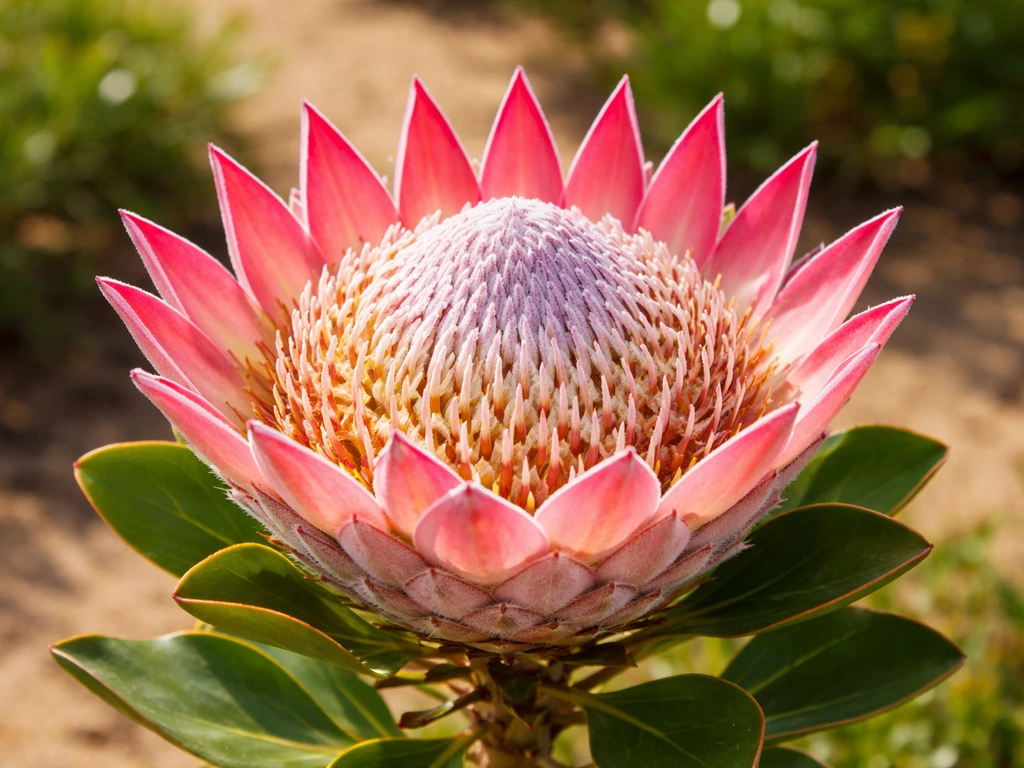
What pincushion protea actually needs (and why cuttings make sense)
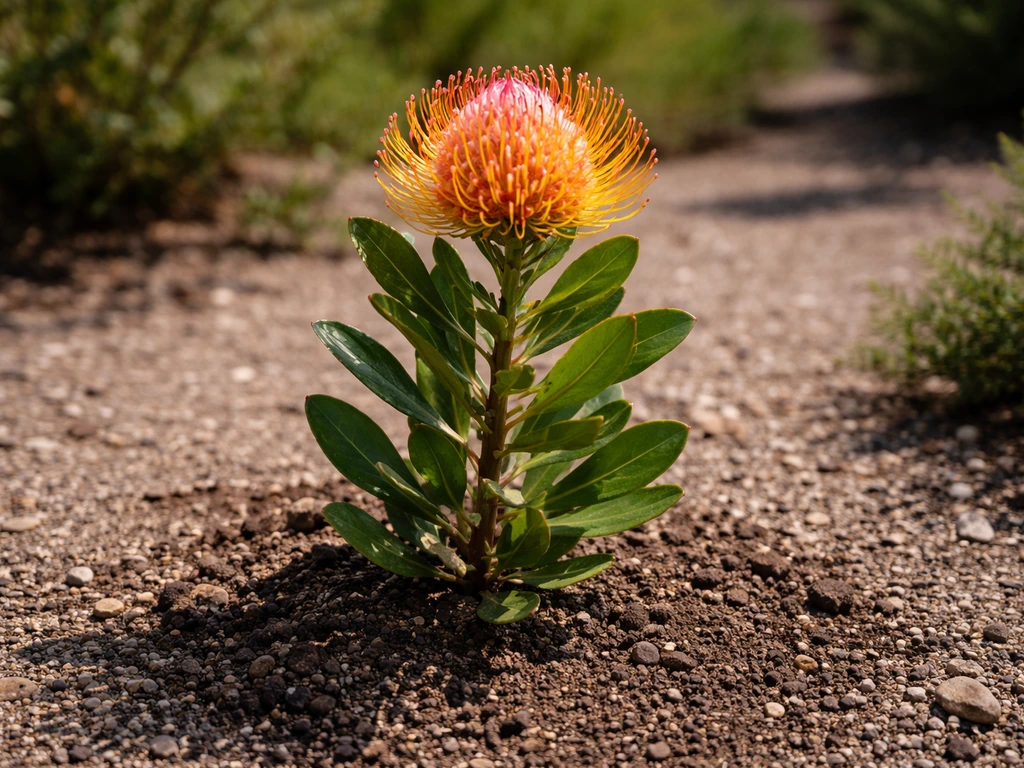
Pincushion proteas are South African fynbos natives, which means they evolved on nutrient-poor, acidic, perfectly drained soils in full sun. That background shapes everything about how you grow them. They hate rich compost, they hate wet feet, and they're surprisingly sensitive to phosphorus (even small amounts from standard fertilizers can kill them). The RHS describes ideal growing conditions as poor, neutral to acid, well-drained soil in a frost-free, sheltered position with full sun. Keep that picture in mind throughout propagation and planting.
As for why cuttings rather than seed: seed-grown proteas are slow (3 to 5 years to bloom) and variable. Cuttings from a plant you know and like will give you a genetically identical copy and shave some time off that wait. The trade-off is that proteas are not the easiest plants to root from cuttings. Success rates in home conditions typically run 40 to 70 percent depending on timing and technique, so take more cuttings than you think you need.
When to take cuttings and what to look for
Timing matters more than most people realize. The sweet spot is late summer to early autumn (roughly late January to March in the Southern Hemisphere, or August to September in the Northern Hemisphere). At this point, the current season's growth has had time to mature slightly but hasn't gone fully woody. You want semi-hardwood: stems that are firm and no longer floppy, but still have a little flex and haven't turned grey-brown all the way through.
Pick a healthy, pest-free parent plant. Choose stems that grew this season, are pencil-thick (around 3 to 5mm diameter), and have no flower buds. A cutting with a bud is already directing its energy toward flowering, not rooting. Aim for tip cuttings 8 to 12cm long. If the only stems available are thicker or older, heel cuttings (where you pull the side shoot off with a small strip of older bark attached) can also work well and sometimes root faster.
Preparing the cutting before you stick it
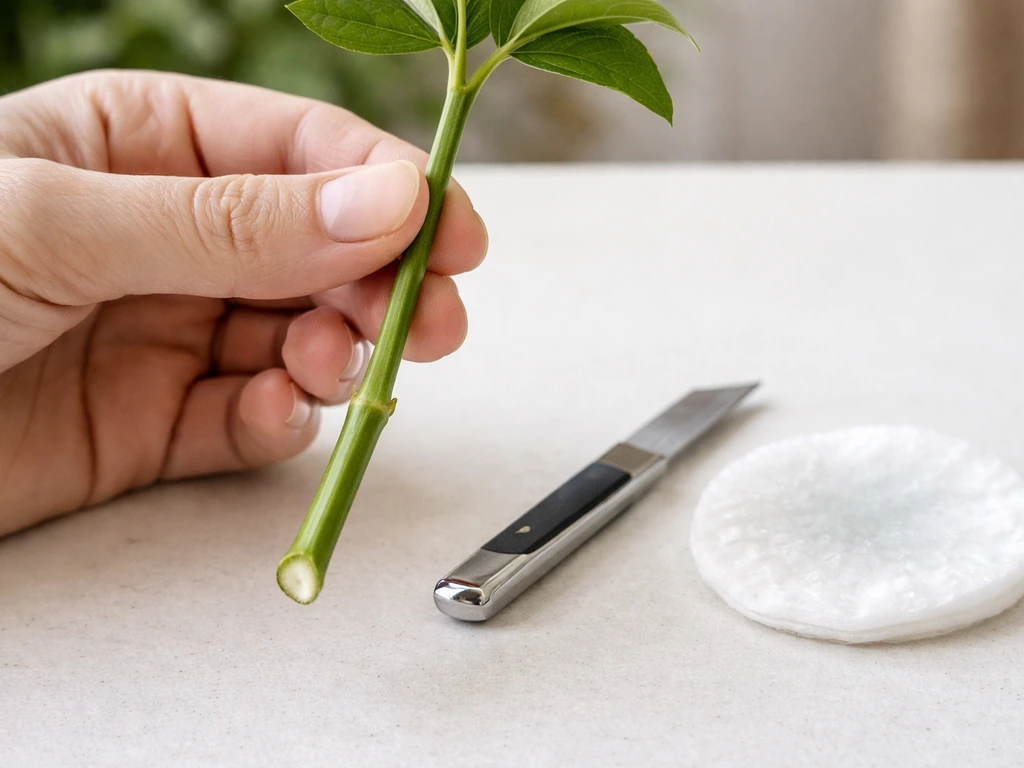
Use a clean, sharp blade (I wipe mine with rubbing alcohol between cuts). Make a clean, angled cut just below a leaf node. Strip the leaves from the bottom third to half of the cutting so no foliage is buried in the rooting mix, since buried leaves rot quickly and spread fungal issues to the cutting base. On pincushion proteas, the remaining upper leaves can be trimmed by about a third if they're large, which reduces moisture loss while roots are forming.
Rooting hormone isn't strictly required, but I've consistently seen better and faster results using it, especially an IBA (indole-3-butyric acid) formulation at a 3000 to 8000 ppm concentration, which is the medium-strength gel or powder you'll find labeled for semi-hardwood cuttings. Dip or dust the bottom 1 to 2cm of the stem and tap off any excess powder. Let gel formulations sit for about 5 seconds before sticking.
How to root pincushion protea cuttings step by step
The rooting medium is critical. Proteas need near-zero nutrients at this stage and exceptional drainage to prevent stem rot. A mix of equal parts coarse perlite and coarse river sand (or horticultural grit) works very well. Coarse construction-grade sand can be used for rooting cuttings, while very fine sand can retard root formation due to poor aeration. Some growers add about 10 to 20 percent composted pine bark fines for slight moisture retention, but avoid peat or standard potting mix entirely. The medium should feel gritty, drain instantly, and hold almost no residual moisture when squeezed.
- Fill small individual pots (7 to 9cm) or a deep tray with the perlite/sand rooting mix. Individual pots are better because you won't disturb other cuttings when checking for roots.
- Water the medium thoroughly and let it drain completely before inserting cuttings.
- Use a dibber or pencil to make a hole before inserting the cutting so you don't scrape off the rooting hormone.
- Insert the cutting so 3 to 4cm of bare stem is buried, firming the medium gently around it.
- Place the pots in a humid enclosure. A clear plastic bag propped up off the foliage, a humidity dome, or a cold frame all work. The goal is 70 to 80 percent humidity without condensation dripping directly onto the cuttings.
- Provide bottom heat if possible. A propagation heat mat set to 18 to 22°C (65 to 72°F) at the base of the pots significantly improves rooting speed and success rate.
- Keep the setup in bright but indirect light. Direct sun at this stage overheats the cuttings and dries the medium too fast.
- Check moisture every 3 to 5 days. Mist lightly if the surface looks dry, but never let the medium become soggy. If condensation is building up inside the dome, increase ventilation slightly.
- Begin checking for roots after 6 to 8 weeks by gently tugging a cutting. Resistance means roots are forming. Wait until you see roots poking from drainage holes before moving to the next step.
At 18 to 22°C and the right medium, most cuttings will show some root development between 8 and 12 weeks. Slower rooting (up to 16 weeks) is normal in cooler conditions or with thicker stems. Don't rush this stage.
Transplanting rooted cuttings and getting them settled

When roots are clearly established (you'll see them at the drainage holes and the cutting resists a gentle tug), it's time to pot up. Handle the root ball carefully: protea roots are relatively fragile at this stage and don't like being disturbed more than necessary. I usually unpot gently and move the whole root ball intact rather than shaking off any mix.
The potting mix matters enormously. Use a protea-specific mix or make your own: roughly 50 percent coarse sand or perlite, 30 percent composted pine bark, and 20 percent fine grit. The pH target is 5.5 to 6.5. Avoid mixes containing added fertilizer, especially any with phosphorus. Standard potting composts almost always have too much phosphorus for proteas, so read the label. A terracotta pot with multiple drainage holes works well because it breathes and prevents water sitting around the roots.
After transplanting, water in gently and place the pot in a sheltered spot with bright indirect light for the first week or two. This short rest period helps the plant adjust. Don't fertilize yet, and don't let the pot sit in a saucer of water. Over the next few weeks, gradually introduce more direct sun until the plant is getting full sun for most of the day.
Light, soil, watering, and feeding for long-term growth
Pincushion proteas need full sun once established. At least 6 hours of direct sun per day is the minimum for good growth and eventual flowering. In hotter climates, some afternoon shade during the first summer is fine, but err toward more sun rather than less.
Watering is where most people go wrong. Established plants are surprisingly drought-tolerant, and overwatering is far more damaging than underwatering. During the growing season, water when the top 3 to 5cm of the medium is dry. In winter or cool, wet weather, reduce watering significantly. The golden rule is: if in doubt, wait another day.
Feeding is genuinely minimal for proteas. A slow-release fertilizer specifically formulated for proteaceae (phosphorus-free or very low phosphorus) can be applied once in spring. Some growers skip fertilizer entirely if the soil is well-prepared. Never use standard rose fertilizers, tomato feeds, or general-purpose feeds, as their phosphorus content can cause leaf chlorosis and root damage. If you want to top-dress, a handful of composted pine bark around the base once a year works well and gently acidifies the soil.
What goes wrong and how to fix it
Growing proteas from cuttings has a real learning curve, and specific problems come up again and again. Here's how to diagnose and respond to the most common ones.
Cutting goes limp or collapses in the first week
This usually means the cutting is losing water faster than it can absorb it. Increase humidity immediately (close the dome or seal the bag more tightly), make sure the cutting isn't sitting in direct sun, and check that the rooting medium isn't bone dry. Removing a few more leaves can also help reduce moisture loss. If the stem has gone soft and dark at the base, that cutting is gone. Remove it to prevent fungal spread and start fresh.
Stem rot at the base (damping off)
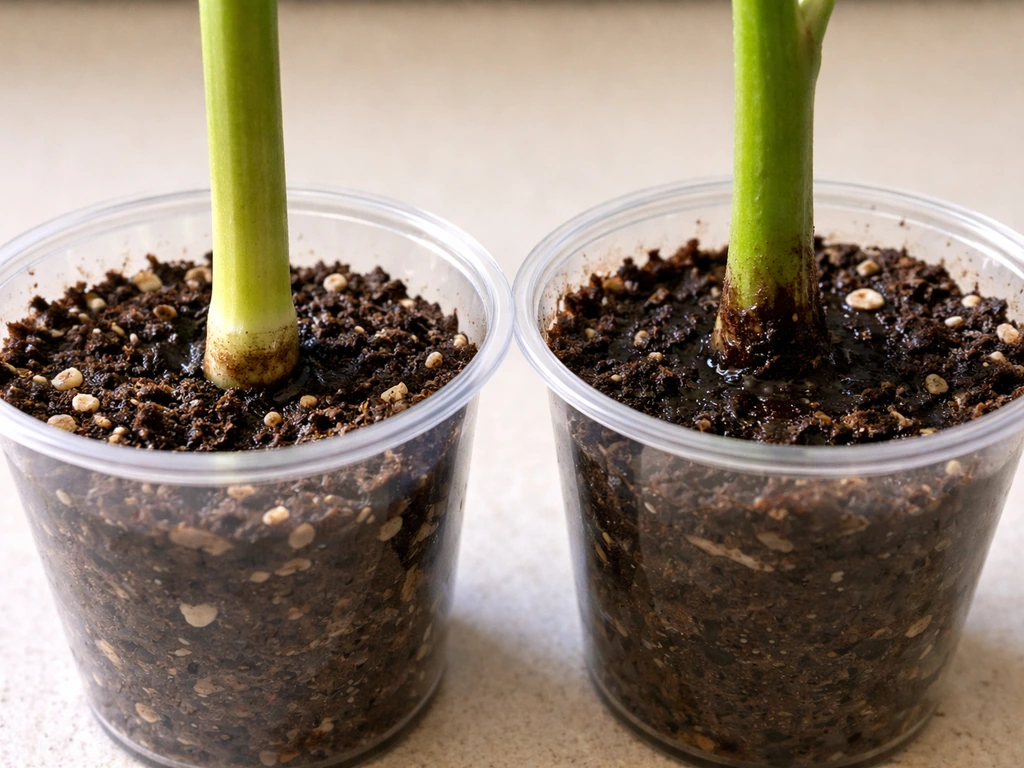
A soft, dark, mushy base almost always means the medium is staying too wet, or airflow is too restricted, or both. Check your drainage mix is genuinely free-draining (squeeze a handful tightly and it should crumble, not stay compacted and wet). Make sure you're not overwatering. If rot has affected only one cutting in a batch, remove it immediately and increase ventilation. A light dusting of sulphur powder or a dilute copper-based fungicide on the other cuttings can prevent spread.
No roots after 12+ weeks
If cuttings look alive but aren't rooting, the most likely culprits are: the cutting was too young (soft) or too old (fully woody), the temperature was too low (below 16°C at the base), or no rooting hormone was used. Try fresh cuttings with rooting hormone, bottom heat, and check that temperatures are consistently in the 18 to 22°C range at the pot base. Also check that the medium isn't too dry at the critical stem-base depth.
Yellow leaves after transplanting
Yellowing after potting up is often a phosphorus toxicity reaction (if any fertilizer was in the mix) or a pH problem making nutrients unavailable. Test the soil pH and adjust toward 5.5 to 6.5 with sulfur if too alkaline. Switch to a phosphorus-free feed. If the yellowing is between the veins (interveinal chlorosis), it can indicate iron or magnesium deficiency related to pH issues. A foliar spray of chelated iron can help in the short term while you sort the underlying soil pH.
Slow or stalled growth
Proteas grow slowly by nature, so stalled growth often just means the plant is establishing its root system before putting on visible top growth. Give it time. If there's genuinely no growth for months and the plant looks unhealthy, check watering frequency (both over and under), confirm full sun exposure, and look at the roots for signs of rot. Plants that were transplanted too early (before roots were fully established) often stall and need a recovery period.
Hardening off, planting outdoors, and when to expect flowers
If you rooted your cuttings indoors or under cover, they need to be hardened off before going outside permanently. Start by putting the pots outside in a sheltered, partially shaded spot for a few hours each day, then gradually increase exposure over 2 to 3 weeks until they're in full sun all day and spending the nights outdoors too. This process prevents sunscald and wind damage to leaves that have only known protected conditions.
The right time to plant out depends on your climate. Pincushion proteas need frost-free conditions. If you're also wondering how to grow plumeria pudica, you'll want to focus on warmth and a well-drained soil that dries slightly between waterings Pincushion proteas need frost-free conditions. blank" rel="noopener noreferrer">The RHS recommends growing them outdoors in a frost-free, sheltered border. In mild coastal climates (think USDA zones 9 to 11, or equivalent), you can plant rooted cuttings out in spring once overnight temperatures are reliably above 5°C. In colder areas, pot culture is the practical long-term solution: grow in a large container that can be moved to a protected spot over winter. A south-facing wall or sunny fence provides useful shelter and reflected warmth.
Now for the honest part about blooming: pincushion proteas grown from cuttings typically flower for the first time in 2 to 4 years. If you want a step-by-step guide specifically for agapanthus, the basics are simpler and are mainly about choosing the right spot, spacing, and watering schedule how to grow agapanthus. Plants in ideal conditions (full sun, excellent drainage, good airflow, no frost stress) tend toward the shorter end of that range. Plants that have been stressed, moved around a lot, or grown in suboptimal light will take longer. The first flush of bloom is often modest, with more spectacular flowering from year 3 or 4 onward as the plant builds a stronger framework. If you're used to fast-flowering annuals, this is a different kind of gardening project, one that genuinely rewards patience.
| Stage | Typical Timing | Key Success Factor |
|---|---|---|
| Taking cuttings | Late summer to early autumn | Semi-hardwood tip, 8 to 12cm, no flower buds |
| Rooting | 8 to 16 weeks | Bottom heat 18-22°C, gritty low-nutrient medium, high humidity |
| First pot up | When roots show at drainage holes | Protea-specific mix, no phosphorus fertilizer, good drainage |
| Hardening off | 2 to 3 weeks before planting out | Gradual sun and wind exposure |
| Planting out | Spring in frost-free conditions | Sheltered, full sun, well-drained position |
| First blooms | 2 to 4 years from rooting | Consistent full sun, correct pH, minimal feeding |
If you enjoy growing other plants with specific cultivation needs, many of the same principles around drainage, pH awareness, and patient establishment apply to other flowering shrubs and perennials. Pieris japonica has very different needs than protea, so once yours are established you can use the right soil, light, and watering approach for each plant type how to grow Pieris japonica. If you’re also wondering how to grow primulas, you’ll find that success comes down to choosing the right soil, light, and consistent moisture for your variety. The attention to detail you develop growing proteas will serve you well across a whole range of more challenging plants.
FAQ
Can I root pincushion protea cuttings in water like many plants?
It usually fails. Protea cuttings are set up to root in an almost nutrient-free, gritty, fast-draining medium so the stem base stays aerated. Water tends to deprive the cutting of oxygen at the base and encourages rot, especially after the bottom leaves are stripped.
Should I use a rooting hormone even if I get decent results without it?
If you want to improve consistency, yes. A light dusting or medium-strength IBA dip on the bottom 1 to 2 cm helps speed and raise strike rates, particularly when the cuttings are borderline in age (too soft or too woody).
What’s the best way to tell if my rooting medium is truly “free-draining” (not just damp)?
Do a squeeze test and a drainage check. When squeezed, the mix should crumble and not hold a wet, compact clump, and when poured into a container it should empty quickly rather than sitting in a saturated state for long periods.
How many cuttings should I take if I’m doing this at home for the first time?
Take more than you think you need. Even with the right timing and technique, home success is often around 40 to 70 percent, so taking extra lets you discard failed cuttings and still end up with enough rooted plants.
Is it okay if the cuttings develop leaves but no roots?
Yes, it can happen early, but don’t assume it means rooting is underway. Early leaf survival is often about moisture control under the dome. If roots are not visible around 8 to 12 weeks (or at the drainage holes), check base temperature, airflow, and that the cutting is not too young or too old for semi-hardwood.
What should I do if some cuttings wilt under the dome despite good humidity?
First move them out of direct sun and increase airflow slightly without drying the medium. Then check the medium at the stem base depth, not just the surface. If the base turns soft or dark, remove that cutting immediately to prevent spread.
My cuttings are rooting but turning yellow later, what’s the most likely cause?
The two most common causes are phosphorus presence and pH being too high. Even small amounts from common fertilizers can trigger symptoms, test pH toward 5.5 to 6.5, and switch to a phosphorus-free, proteaceae-appropriate feed if you fertilize later.
Do I need to fertilize once roots form, or can I wait?
Wait. After potting up, keep the plant on low or no fertility until it shows active growth. Start feeding only with a phosphorus-free slow-release product formulated for proteaceae, typically in spring, because early fertilizer can damage roots.
When potting up, should I break up or shake off the rooting medium from the cutting?
Avoid disturbing the base. Protea roots are delicate, so unpot gently and transplant with the root ball intact. Shaking can tear roots and set the plant back, especially if the new mix is very dry or too rich.
What container size and pot type should I use for long-term growth?
Use a pot with multiple drainage holes, and choose terracotta if you struggle with overwatering. A larger container helps reduce temperature swings for roots, but it should never be so oversized that the mix stays wet for long periods.
How do I harden off rooted cuttings without burning them?
Increase exposure gradually over 2 to 3 weeks. Start with sheltered, bright conditions, then add morning sun first. Keep nights outdoors only once nights are reliably mild, because cold snaps can shock tender new growth.
Can pincushion protea grow in a greenhouse or indoors permanently?
It’s possible short-term for establishment, but flowering and long-term health generally require outdoor-like full sun and excellent airflow. If indoors, replicate full sun with strong light and a temperature-stable location, and still prioritize very fast drainage and a phosphorus-free nutrition approach.
Why won’t mine flower after several years even though the plant looks healthy?
Insufficient full sun and stress from pH or watering issues are common. Aim for at least about 6 hours of direct sun once established, let the medium dry properly between waterings, and avoid any fertilizer with added phosphorus, since both light and nutrition balance affect future bud formation.
Is frost the only weather risk when planting out in the ground?
No. Waterlogged winter soil and cold wind also cause losses. Even if temperatures are above freezing, keep the site highly drained, ideally with shelter from harsh weather, and consider raised beds or extra grit if winters are wet.
Next Article
How to Grow Primulas From Seed to Bloom Step by Step
Step-by-step primula seed growing: conditions, stratification, seedling care, outdoor timing, troubleshooting to bloom
