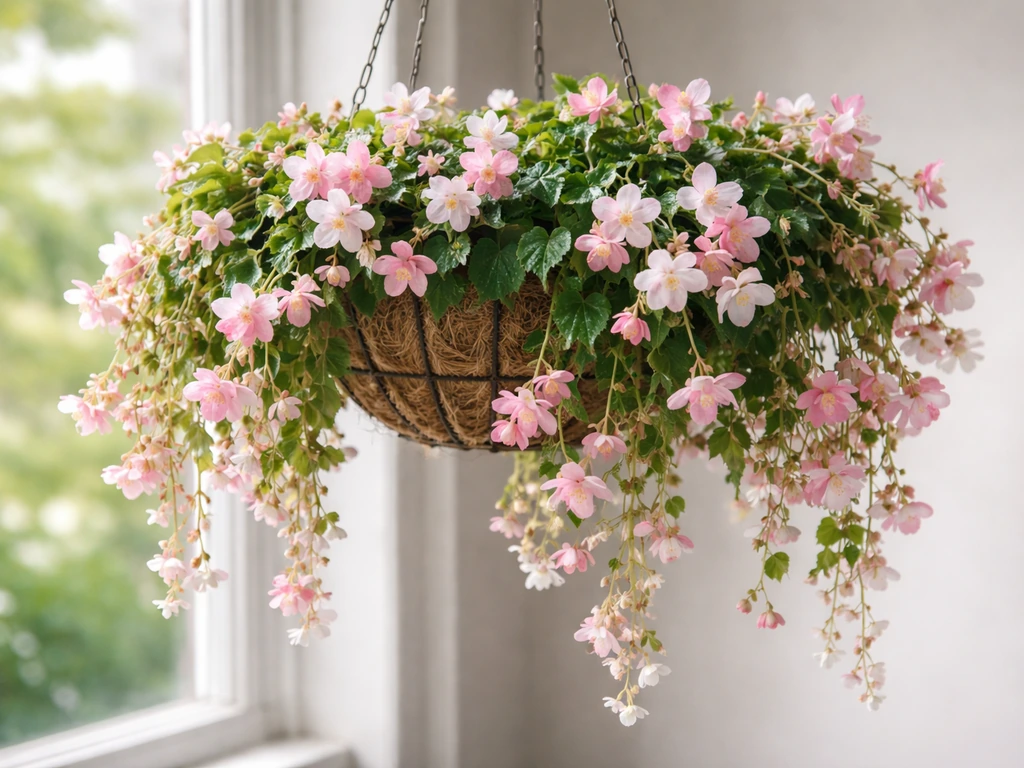
Cascading begonias thrive in bright indirect light, a loose free-draining potting mix, consistent moisture without waterlogging, and a regular diluted fertilizer routine during the growing season. Get those four things right and you'll have long trailing stems loaded with blooms from late spring right through to the first frost.
How to Grow Cascading Begonias: Step-by-Step Care Guide

Harriet Whitmore
10 Jul 2026
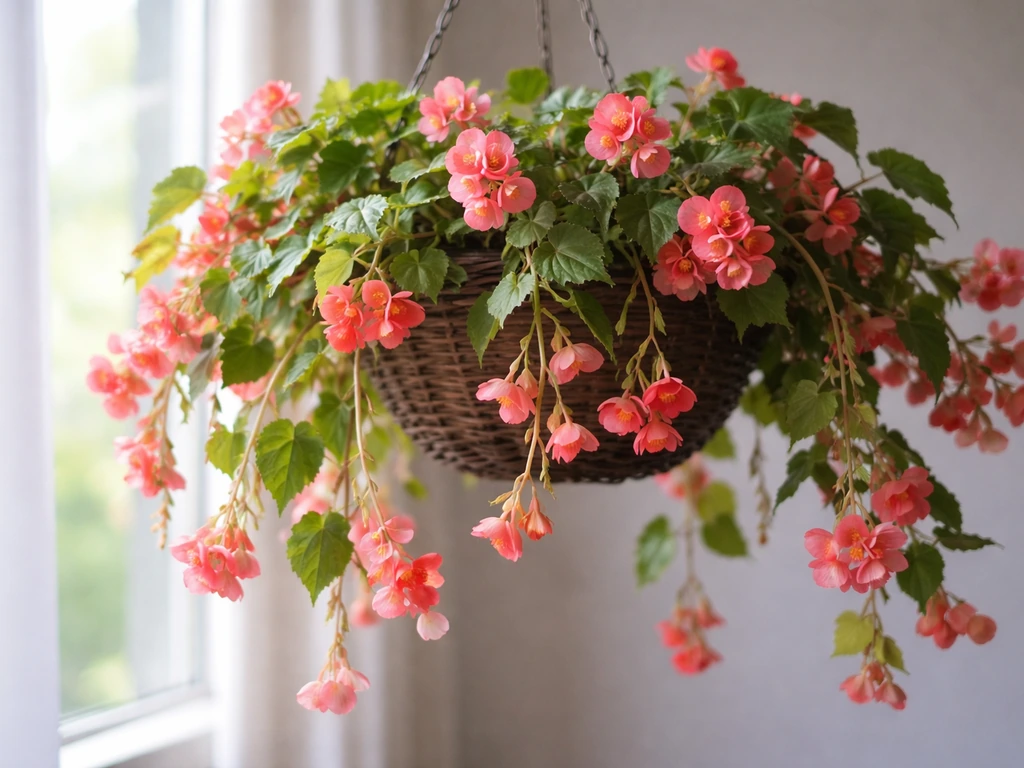
What 'Cascading Begonias' Actually Means (and How to Identify Your Type)
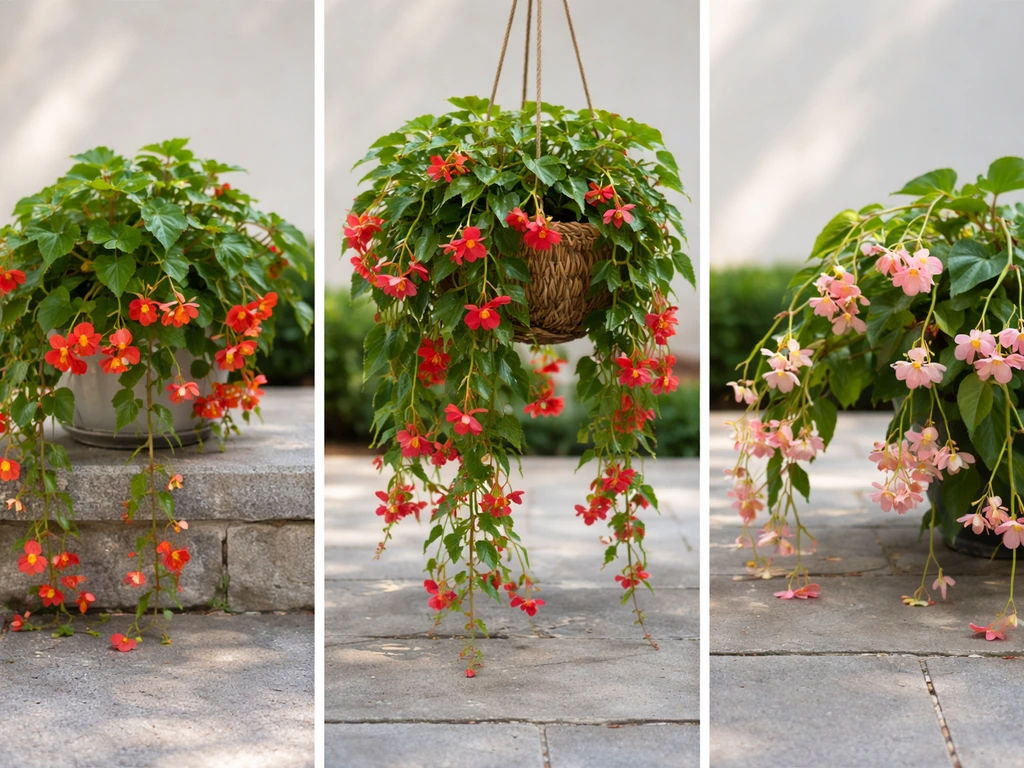
The term 'cascading begonia' isn't a single species. It's a loose description covering any begonia that hangs, trails, or arches downward from a container or hanging basket. When most gardeners search for cascading begonias, they're usually growing one of three main types, and knowing which one you have changes how you care for it. Trailing begonias are not the same as other begonia types, so matching care to the right group helps them thrive care for it.
The most common type you'll find at garden centers right now is Begonia boliviensis and its cultivated hybrids. These are tuberous begonias with a naturally pendulous habit, long narrow lance-shaped leaves, and bright flowers with four elongated pointed petals. Colors range from red and orange to pink and white. Popular series like 'Bossa Nova' and 'Groovy' belong here. If your plant came in a hanging basket with slim, elegant leaves and the flowers look almost like little trumpets or stars, this is almost certainly what you have.
The second group is trailing-scandent begonias, a category recognized by the American Begonia Society. These begonias have a naturally lax or trailing stem habit and are typically grown for their foliage as much as their flowers. They propagate easily from cuttings and tend to be more tolerant of indoor conditions than boliviensis types. If you have a plant with smaller flowers but beautiful patterned or textured leaves that drape over the sides of a pot, you're likely in this group.
A third source of confusion is Rieger begonias (Begonia x hiemalis), which are sometimes sold with trailing language on the label. If you suspect you have Rieger begonias, the key is giving them the right indoor light and consistent moisture so they keep producing dense, double blooms. Rieger begonias are technically a different hybrid group bred primarily as indoor plants, with densely doubled flowers. They don't trail as dramatically as boliviensis types and have their own distinct care needs. If your cascading begonia has very full, rose-like flowers and came in a small indoor pot, it may well be a Rieger type rather than a true trailing variety.
The simplest identification trick is to look at the flowers and the leaves together. Boliviensis types have narrow, obliquely lance-shaped leaves and open, pointed-petal flowers. Trailing-scandent types vary more widely but usually have smaller, simpler blooms. Rieger types have large, distinctly doubled blooms. Once you know your type, everything else gets easier.
Light, Temperature, and Getting the Container Setup Right
How Much Light They Actually Need
Cascading begonias want bright light but not intense midday sun. The American Begonia Society is clear on this: trailing types need plenty of light, but harsh afternoon sun scorches the leaves and stresses the plant. In practice, morning sun with afternoon shade is close to ideal. Think of an east-facing porch, a spot under a pergola that gets dappled light, or the bright end of a shaded patio.
For Begonia boliviensis specifically, Proven Winners categorizes their light needs as part sun (4 to 6 hours) to full sun (6 or more hours), but that full-sun tolerance is really about morning and evening light rather than brutal midday exposure. In hotter climates, I'd always default to the part-sun end of that range. If your plant is in full afternoon sun and the leaves look pale or scorched at the edges, move it somewhere with afternoon shade and you'll see it recover within a week or two.
Too little light causes the opposite problem: long, weak stems with few flowers. If your cascading begonia is producing lots of lush green growth but barely any blooms, it almost always needs more light. Moving it a couple of feet closer to a bright window or out of deep shade outdoors usually fixes it.
Temperature: Their Comfort Zone Is Narrower Than You Think
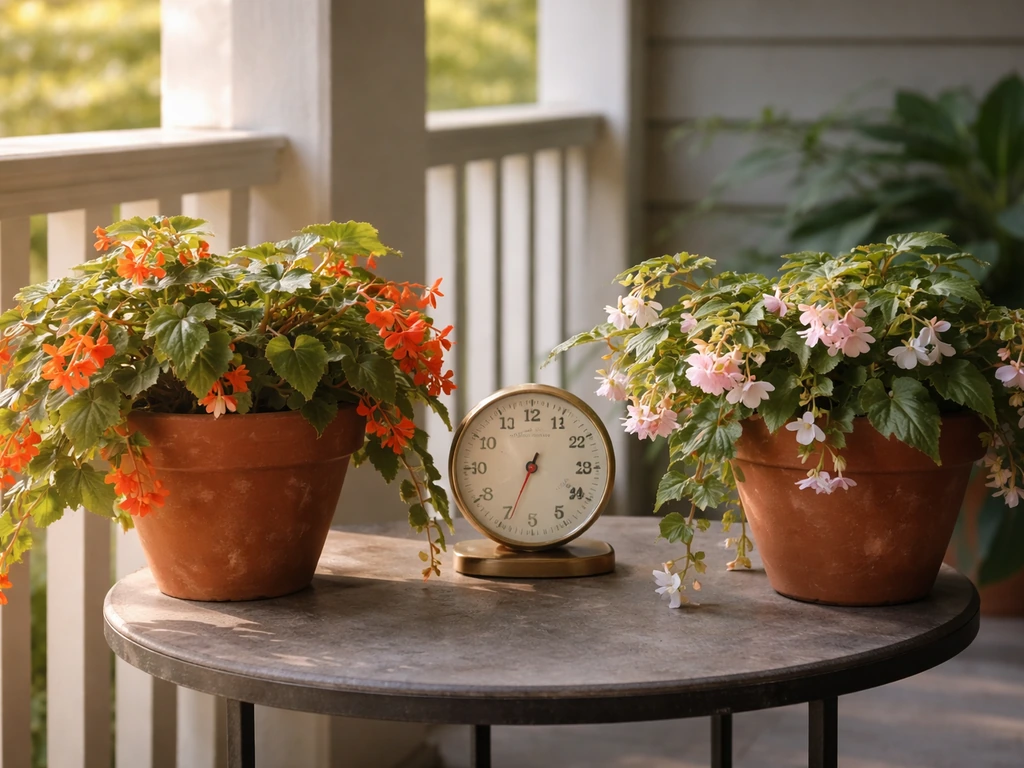
The ideal temperature range for trailing begonias is 58 to 72°F (15 to 22°C). Both the ABS and the RHS agree on this range, and it matters more than most people expect. Below 55°F, growth slows dramatically and cold-damaged leaves turn translucent or mushy. Above about 85 to 90°F, begonias often go into heat stress: they drop buds, look limp in the afternoon, and can develop fungal problems because of reduced airflow and stressed tissue.
If you're in a climate with very hot summers, don't give up on cascading begonias. The trick is positioning. A spot that gets morning sun and stays shaded from about noon onward keeps the microclimate cooler and makes a real difference. You can also bring hanging baskets under cover during heat waves.
Pots, Containers, and Drainage Setup
Cascading begonias are almost always grown in containers, and the container choice matters a lot. Hanging baskets work beautifully because the trailing stems have space to fall naturally and airflow around the roots helps prevent rot. If you want the most reliable results, follow a simple routine for light, water, and feeding in your hanging basket so your begonias keep blooming how to grow begonias in hanging baskets.
For boliviensis types, a 10 to 12 inch basket or container gives enough root room without overwatering risk. One of the most common mistakes I see is planting begonias in pots that are too large: begonias don't like being overpotted because all that extra damp soil around the roots invites rot. The ABS recommends repotting only to the next size up, not jumping two or three sizes at once.
Drainage is non-negotiable. Whatever container you use, it must have drainage holes. I'd also add a layer of coarse material (perlite or gravel) at the base if you're using a decorative outer pot without drainage, and still be careful not to let water pool at the bottom.
The Best Potting Mix
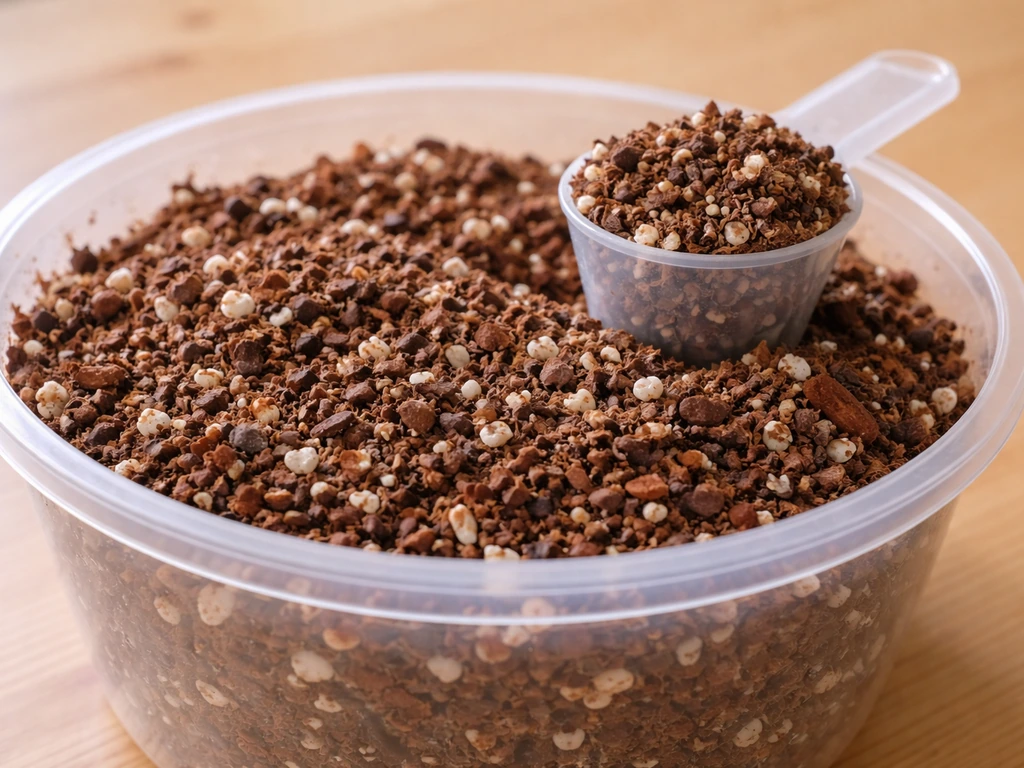
Standard multipurpose compost is often too dense and retains too much moisture for begonias. You want something loose, slightly acidic, and fast-draining. A simple mix that works well: combine two to three parts good-quality peat-based or coir-based compost with one part perlite and one part vermiculite. The perlite keeps drainage sharp, the vermiculite retains just enough moisture without waterlogging. The ABS suggests a mixture based on well-decayed leaf mold or forest humus, a small amount of garden loam, and coarse sand, which achieves the same balance. The key is that water should flow through freely and the mix should never feel compacted or soggy.
Planting and Getting Started: Buying Plants vs. Starting From Scratch
Buying Plug Plants or Established Starts
For most home gardeners, buying plug plants or pre-grown starter plants in spring is the fastest and most reliable route to cascading blooms in the first season. To learn the practical steps for starting them from plugs, see this guide on how to grow begonias from plugs. If you're reading this in July 2026 and haven't started yet, this is genuinely the best option right now. Look for compact, healthy plants with no yellowing leaves and a few buds or blooms already showing. Pot them up into your prepared mix, water in gently, and they'll establish quickly.
Starting from Tubers
If you're working with boliviensis-type tubers, start them indoors in late winter or early spring, about 8 to 10 weeks before your last frost date. Press the tuber hollow-side up into moist compost just at the surface, keep it warm (around 65 to 70°F), and shoots will emerge in a few weeks. Don't bury them deep. Once shoots are a few inches tall and nighttime temperatures are reliably above 55°F, move them outside gradually.
Propagating from Cuttings
Trailing-scandent begonias and boliviensis types both root easily from stem tip cuttings. Take a cutting just below a node (about half an inch below), making sure the node hasn't flowered yet. Remove lower leaves, stick the cutting into moist perlite or a perlite-compost mix, and keep it warm and bright but out of direct sun. One important detail from the ABS: don't cover the cuttings with a plastic bag or humidity dome. Covered cuttings tend to rot because they stay too wet. Expect roots in 12 to 14 days, with the cutting fully established in around four weeks.
Growing from Seed
Seed-starting cascading begonias is possible but genuinely difficult and time-consuming. Begonia seeds are tiny (almost dust-like), need light to germinate, and take many weeks to reach transplant size. Unless you really want the experience, I'd skip it and buy starts. If you do go this route, start indoors 16 to 20 weeks before your last frost, surface-sow on moist compost under bright light, and keep temperatures around 70°F.
Watering and Fertilizing for Nonstop Blooms
Watering: The Balance That Makes or Breaks Begonias
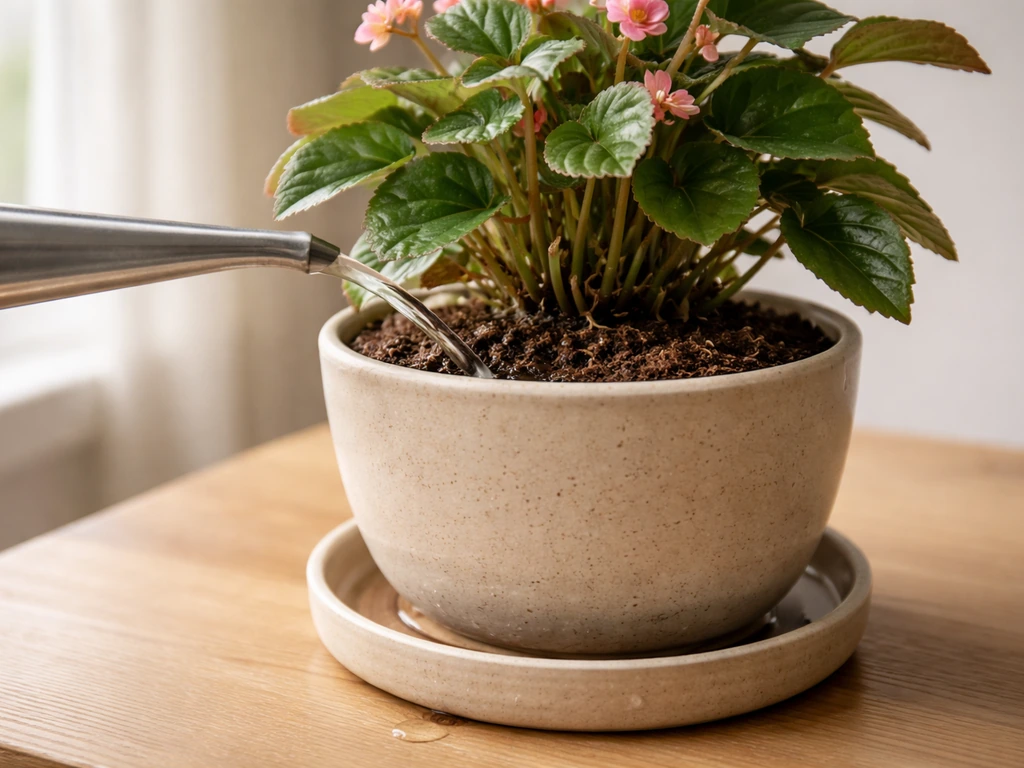
Begonias want consistent moisture but genuinely hate soggy roots. The rule I follow is to water thoroughly when the top inch of the potting mix is dry, then let it drain fully. Never let the pot sit in standing water. In hot summer weather, containers may need watering every day or two. In cooler periods or when growth slows, dial it back significantly.
Water at the base of the plant rather than overhead if you can. Wet leaves and flowers invite botrytis and other fungal problems. If you do water from above, do it early in the morning so the foliage dries quickly during the day.
Fertilizing for Long, Heavy Bloom
Cascading begonias in containers are heavy feeders because regular watering flushes nutrients out of the potting mix. Start feeding about two to three weeks after potting up, once the plant is established and showing active growth. During the main growing season (roughly late spring through summer), a balanced fertilizer like 10-10-10 applied weekly at half strength works well as a baseline.
To push flowering, switch to a higher-phosphorus formula like 15-30-15: phosphorus is the nutrient most directly linked to flower production, and this shift makes a noticeable difference in bloom quantity. Alternatively, a slow-release granular fertilizer worked into the surface at planting (following label rates) provides a consistent background level you can supplement with diluted liquid feed during peak growing season.
Cut back fertilizing in late summer as days shorten and growth naturally slows, and stop altogether once you're preparing the plant for dormancy or overwintering.
Training, Pinching, and Keeping Cascades Full and Bushy
Pinching for Fullness
Left completely unpinched, cascading begonias can become sparse and stringy with long bare stems and flowers only at the tips. Pinching back the growing tips when the plant is young (3 to 4 inches tall) encourages branching and produces a much fuller, more floriferous plant. Simply nip off the top inch or so of each stem with your fingers or clean scissors. Repeat this once or twice in early spring before the plant gets going in earnest. Those pinched tips, by the way, are perfect propagation material.
Deadheading and Managing Spent Blooms
Boliviensis-type cascading begonias are often described as self-cleaning, meaning spent flowers drop on their own. In my experience this is partly true but not completely: removing spent blooms and any developing seed pods yourself is still worthwhile because it redirects the plant's energy into producing new flowers rather than setting seed. Check the plant every week and remove anything brown, wilting, or slimy. This also helps with disease prevention since decaying plant material is a prime entry point for botrytis.
Dealing with Leggy Growth Mid-Season
If your cascading begonia develops long bare stems mid-season, you have a couple of options. You can cut stems back by about a third, which encourages fresh branching lower down. Feed with a balanced fertilizer after cutting to support the flush of new growth. Alternatively, if the legginess is mainly at the base of the basket where light is poor, repositioning the container somewhere brighter will slow the problem from progressing. Leggy, sparse growth is almost always a light issue at its root.
Common Problems and How to Fix Them
| Problem | Likely Cause | Fix |
|---|---|---|
| Wilting despite moist soil | Root rot from overwatering or poor drainage | Check roots for brown/mushy tissue; repot into fresh dry mix, improve drainage, reduce watering frequency |
| Wilting in afternoon heat | Heat stress, not drought | Move to afternoon shade; water in the morning; avoid watering hot foliage |
| Soft brown stems at the base | Pythium or other root/stem rot | Remove affected stems, let soil dry partially, improve airflow; severe cases may not recover |
| Gray fuzzy patches on leaves or flowers | Botrytis (gray mold) | Remove affected tissue immediately; improve air circulation; water at base in the morning; reduce humidity |
| White powdery coating on leaves | Powdery mildew | Improve airflow; avoid overhead watering; apply a sulfur-based or potassium bicarbonate spray |
| Large irregular brown leaf spots | Botrytis or fungal leaf spot | Increase spacing/airflow, remove affected leaves, reduce leaf wetness |
| Pale, washed-out leaves in bright spots | Too much direct sun | Move to bright indirect light or morning sun only |
| Yellowing lower leaves | Overwatering, nitrogen deficiency, or natural aging | Check moisture level; feed with balanced fertilizer; remove yellow leaves |
| Sticky residue or fine webbing on leaves | Aphids or spider mites | Spray with a strong water stream; treat with insecticidal soap or neem oil |
| White cottony clusters in leaf joints | Mealybugs | Dab with isopropyl alcohol on a cotton swab; treat with insecticidal soap; repeat weekly |
| Few or no flowers despite healthy foliage | Too little light or too much nitrogen | Move to a brighter spot; switch to a higher-phosphorus fertilizer like 15-30-15 |
Root rot is by far the most common killer of cascading begonias and it almost always comes down to the same two things: overwatering and poorly draining potting mix. If you've got a plant that's wilting and the soil feels wet, don't water it more. Tip it out, inspect the roots, cut away any brown or mushy sections, dust with a fungicide powder if you have it, and repot into fresh dry mix with improved drainage. Caught early, begonias can recover from root rot.
Botrytis (gray mold) is the other problem I see come up repeatedly, especially in cool damp conditions or when plants are crowded. The UMD Extension makes a useful point here: control improves significantly by lowering humidity, reducing leaf wetness, and increasing air circulation. That practically means spacing plants further apart, removing any dead or decaying material promptly, and always watering early in the day. There's no substitute for good airflow.
Seasonal Care and Overwintering by Climate
Spring: Getting Started
Don't rush cascading begonias outside in spring. Wait until nighttime temperatures are reliably above 55°F before moving them outdoors permanently. If you want a deeper, step-by-step guide on how to grow begonias outdoors, start with the light and temperature setup first moving them outdoors permanently. If you're starting tubers, get them going indoors 8 to 10 weeks before your last frost. Plug plants bought from a nursery in spring should be hardened off over 7 to 10 days (gradually increasing outdoor exposure) before being left out permanently.
Summer: Peak Growing Season
This is when cascading begonias really perform. Keep up with watering, feeding, and deadheading. In climates with very hot summers (consistently above 90°F), provide afternoon shade and monitor for heat stress. Container plants may need watering daily in peak summer heat. This is also the best time to take cuttings if you want to propagate for next year.
Fall and Overwintering: Your Options by Climate
What you do in fall depends entirely on your climate and whether you're working with tuberous types or trailing-scandent types.
- Mild climates (frost-free, zones 9–11): Boliviensis types can stay outdoors year-round with a rest period in winter. Reduce watering significantly as growth slows, stop fertilizing, and let the plant rest. It should regrow from the tuber in spring.
- Cooler climates (zones 6–8): Treat cascading begonias as tender perennials. After the first light frost blackens the foliage, dig up the tubers, shake off soil, and dry them thoroughly for a week or two in a warm airy spot. Store in paper bags in a cool, frost-free location (around 50°F) through winter. Replant in spring.
- Cold climates (zones 5 and below): Tuberous cascading begonias are not cold-hardy. Grow them as annuals and simply compost the spent plants after frost, or invest the time in digging and storing tubers. The UMN Extension notes that in Minnesota and similar climates, growing begonias as annuals is a perfectly valid option.
- Trailing-scandent types: These are typically not tuberous and don't have a dormancy period the same way. Bring them indoors before the first frost, keep them in a bright spot at room temperature, and they'll carry on growing as houseplants through winter. Cut back if necessary to manage size.
One thing worth knowing: tuberous begonias have what the ABS calls an obligate winter dormancy, meaning the plant needs that rest period regardless of temperature. Even if you keep a tuber warm all winter, it may not perform as well the following season without a proper rest. Embrace the dormancy rather than fighting it.
How This Compares to Other Begonia Types
If you're also growing other begonias alongside your cascading types, there are a few differences worth keeping in mind. Bedding begonias (the compact wax types) are generally more sun-tolerant and need no overwintering effort if treated as annuals. Cane begonias grow upright rather than trailing and have different pruning needs. Rieger begonias are primarily indoor plants with their own distinct care routine. Understanding which type you're growing matters a lot, because the watering, light, and dormancy requirements are genuinely different across the family.
FAQ
Can I grow cascading begonias outdoors year-round?
It depends on your winter lows and whether you have tuberous types. Trailing-scandent types may survive mild winters with protection, but most people still treat them as seasonal in colder regions. Tuberous begonias generally require a true winter rest, so keeping them “active” indoors or outdoors without a dormancy period often leads to weaker growth and fewer blooms next season.
Why are my cascading begonias dropping buds or flowers even though I water regularly?
Bud drop is often a light or heat-stress signal. Check whether they are getting harsh afternoon sun, temperatures are near or above the mid 80s, or airflow is poor. Also make sure you are not letting the potting mix stay consistently wet, because root stress can look like sudden bud drop even when watering seems “correct”.
Do cascading begonias like to be misted or kept in a humid spot?
They benefit from normal humidity, but avoid misting or wetting leaves. Keeping foliage damp increases botrytis risk, especially in cool or crowded conditions. If you want more humidity indoors, use distance and airflow (for example, a humidifier nearby or grouping plants), rather than spraying the plant directly.
How can I tell if my begonia is overwatered versus underwatered?
Overwatered begonias often look limp while the soil feels wet, and leaves may look translucent or develop mushy areas. Underwatered plants usually have drier soil and leaves that wilt more quickly, but the potting mix is not wet. If the soil is wet and the plant wilts, stop watering, inspect roots, and repot if needed.
What pot size should I use, and how do I know if my container is too large?
For most cascading begonias, especially boliviensis types, going up only to the next size is safer than jumping many inches. A container that stays wet for a long time after watering is too large or too dense. If the top inch dries quickly but water lingers at the bottom, you likely need a smaller pot or a more free-draining mix.
Is leaf yellowing always a watering problem?
Not always. Yellowing can be from overwatering, low light, or fertilizer imbalance. If older leaves yellow and stems look soft, suspect soggy conditions or poor drainage. If new growth is pale and blooms are scarce, increase light first. If growth is vigorous but leaves look washed out, reduce feeding slightly and ensure you are using a balanced fertilizer.
Should I deadhead cascading begonias every week?
For boliviensis types, spent blooms may drop on their own, but removing dead flowers and any forming seed pods still helps keep the plant focused on new blooms. In practice, a weekly 2 to 3 minute check is worthwhile, especially to remove anything brown, wilting, or starting to rot.
My plant has long bare stems and flowers only at the tips. What’s the fastest fix?
First, confirm light levels. Leggy growth is almost always the result of insufficient light, so repositioning to brighter conditions is the most effective step. If light is already good or the plant is very sparse, cut stems back by about a third to trigger branching, then resume balanced feeding after new growth appears.
When is the best time to take cuttings, and can I root them in water?
Cuttings are easiest when the plant is actively growing, typically during spring through summer. Rooting in moist perlite or a perlite-based mix is more reliable than water for many begonias, since water rooting can leave delicate roots that struggle after transplant. If you use a rooting mix, keep cuttings warm and bright, out of direct sun, and avoid covering them with a humidity dome to prevent rot.
Can I propagate from leaf cuttings?
Stem tip cuttings are the dependable method for cascading begonias described in the guide. Leaf cuttings can work for some begonias, but cascading types vary widely, and success rates are often lower. If your goal is next year’s flowering plant, stick with node-based stem cuttings and root them in a fast-draining medium.
What should I do when the season ends and temperatures drop?
Don’t move outdoors too early in spring, and in fall you need a plan based on type. For tuberous begonias, plan for obligate winter dormancy even if you can keep them warm. For trailing-scandent begonias, reduce watering as growth slows and keep them in suitable indoor light or treat them as seasonal, depending on your local winter conditions.
Next Article
How to Grow Trailing Begonias Step-by-Step for Blooms
Step-by-step guide to grow trailing begonias from cuttings or seed, with light, potting, watering, pruning, and bloom tr