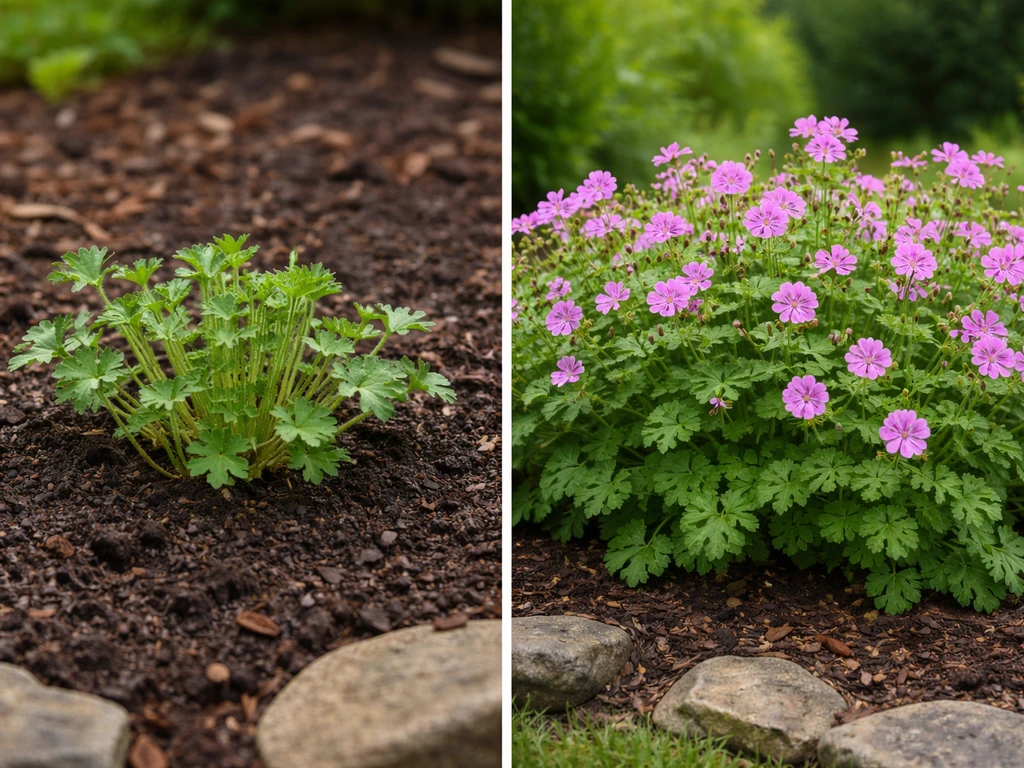
You can absolutely grow geraniums in Texas, but the key is treating them like the heat-sensitive, cool-season performers they really are. In most of Texas, geraniums (specifically the common zonal types, Pelargonium × hortorum) bloom beautifully in spring and fall, go dormant or struggle through brutal summers, and may or may not survive winter depending on where you live. The trick is to work with that rhythm instead of fighting it: start seeds indoors in early February, get plants in the ground after your last frost, protect or bring them in before hard freezes, and choose the right type for your specific region.
How to Grow Geraniums in Texas From Seed to Bloom

Harriet Whitmore
6 Jul 2026
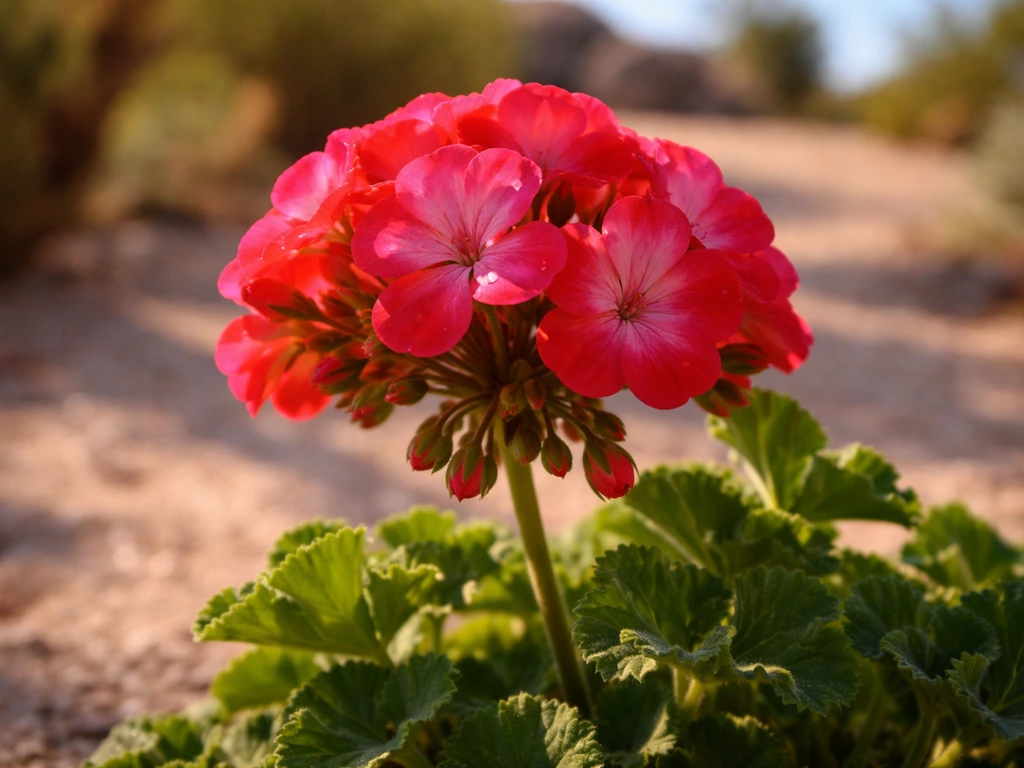
Choose the right geranium type for Texas
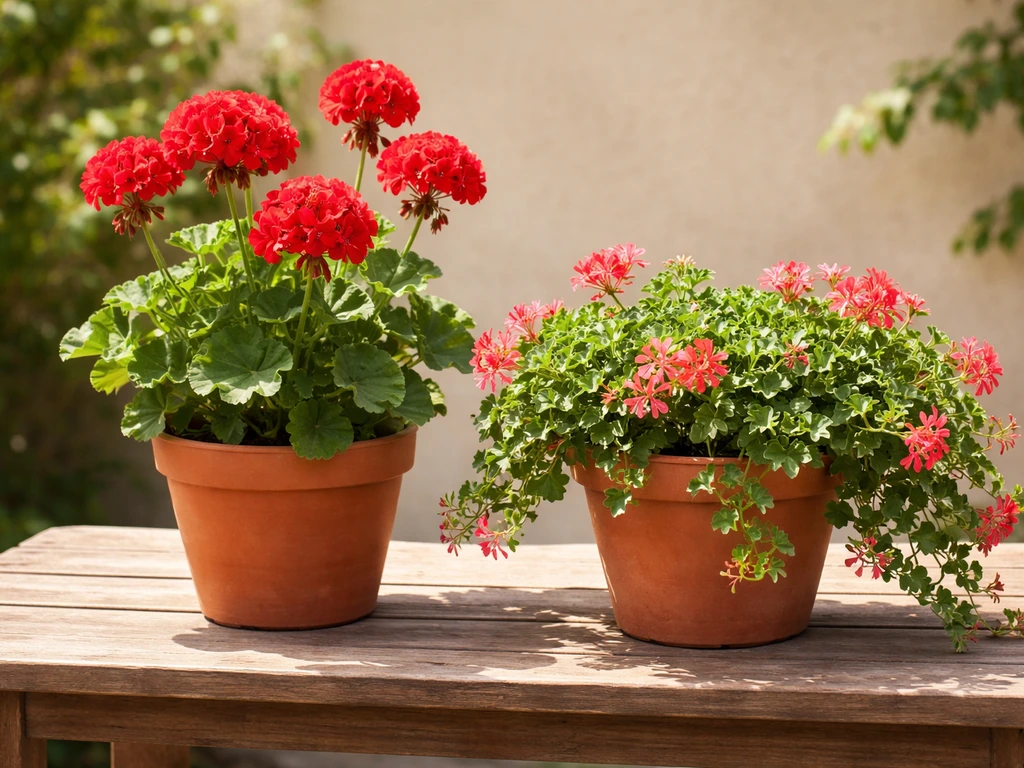
Not all geraniums behave the same in Texas heat, so picking the right type upfront saves a lot of frustration. Here's a quick breakdown of the main types you'll encounter and how they hold up in Texas conditions.
| Type | Botanical Name | Texas Use | Heat Tolerance | Notes |
|---|---|---|---|---|
| Zonal geranium | Pelargonium × hortorum | Beds, containers | Moderate | Most common; best in spring/fall; struggles in peak summer |
| Ivy geranium | Pelargonium peltatum | Hanging baskets, containers | Low–Moderate | Zones 9A–10A; bring indoors for winter in most of TX |
| Martha Washington | Pelargonium × domesticum | Containers, cool spots | Low | Prefers cooler temps; short bloom window in TX |
| True cranesbill | Geranium sanguineum | Perennial beds | Good | Hardy zones 3–9; survives TX winters; different look/use |
| Scented geraniums | Pelargonium spp. | Containers, herb gardens | Moderate | Grown more for foliage/fragrance than showy blooms |
For most Texas home gardeners chasing big colorful blooms, zonal geraniums are the go-to. They're tough enough to handle spring and fall conditions and come in a wide range of reds, pinks, salmons, and whites. If you want something trailing for a hanging basket on a covered porch, blank" rel="noopener noreferrer">ivy geraniums are gorgeous but need more winter protection. Martha Washington geraniums are frankly difficult in Texas because they need cool nighttime temperatures to set buds, which gives you a very narrow window. True perennial geraniums (cranesbills) are a completely different plant and actually come back year after year across most of Texas, but they produce smaller, more delicate flowers. If you're interested in growing those, that's worth exploring as its own topic alongside perennial geraniums more broadly.
For heat tolerance among zonal varieties, look for names like 'Americana,' 'Pinto,' 'Maverick,' or the Multibloom series. These were bred to handle warm conditions better than older varieties and hold up reasonably well through late spring before Texas temperatures go truly punishing.
Texas planting timeline and zone-based timing
Texas spans USDA zones 6 through 10, so your planting window shifts significantly depending on where you are. The general rule is: transplant outdoors after your last average frost date, but also plan for the summer heat wall that arrives in June or July.
| Region | Last Average Frost | Start Seeds Indoors | Transplant Outdoors | Fall Planting Window |
|---|---|---|---|---|
| North Texas (Dallas/Fort Worth, Zone 7) | Around March 12 | Early–Mid February | Mid-March to early April | Mid-September to October |
| Central Texas (Austin/San Antonio, Zone 8) | Late February–Early March | Late January–Early February | Early to mid-March | Late September to November |
| South Texas (Houston/Rio Grande Valley, Zone 9–10) | January–February or frost-free | December–January | February–March | October to December |
| West Texas (El Paso, Zone 8–9) | March–April | Early–Mid February | Late March to April | September to October |
Dallas/Fort Worth gardeners should note that the average last freeze is around March 12, which means a mid-to-late March transplant date is a reliable target. Houston gardeners have a much earlier window since hard freezes are rare and brief. The important thing to remember is that geraniums aren't fans of temperatures above 90°F for extended stretches, so the spring bloom window in Texas is real but shorter than in cooler states. Planting a second round in early fall, when temperatures drop back into the 70s and 80s, gives you another excellent bloom cycle before winter.
Starting geraniums from seed: indoor setup to transplant
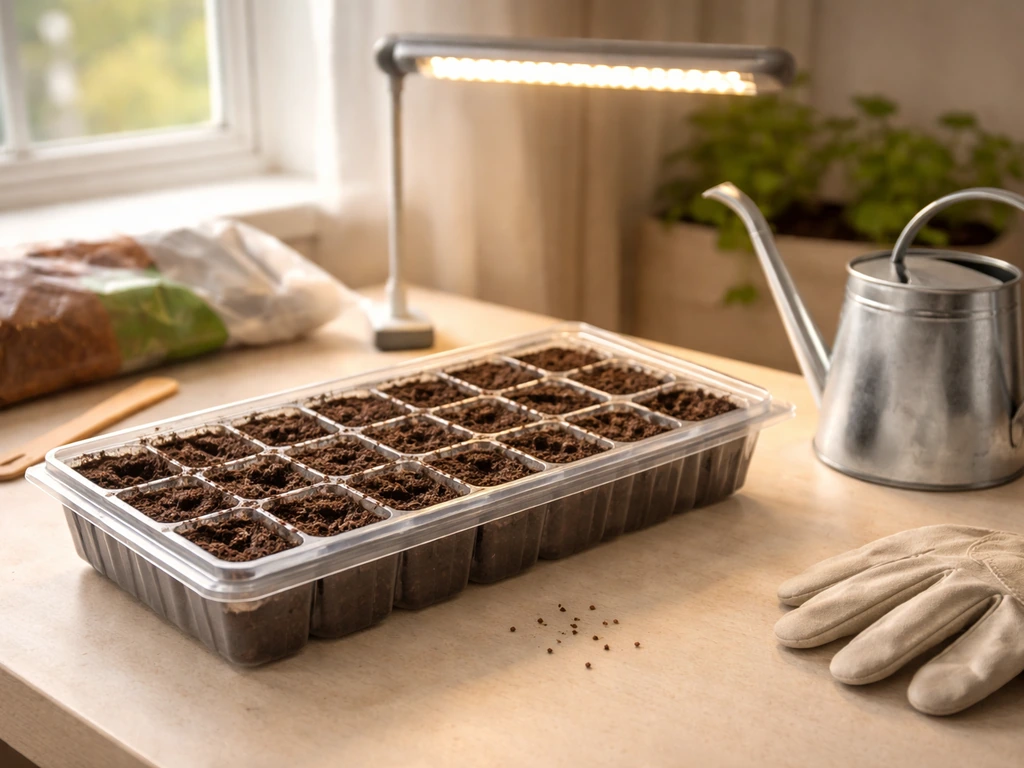
Growing geraniums from seed takes a bit more patience than buying transplants, but it's genuinely satisfying and much cheaper when you want a lot of plants. The critical thing is starting early enough indoors because geraniums need 10–12 weeks from seed to a transplant-ready size.
Sowing the seeds
Aim to sow seeds in early to mid-February for North and Central Texas, or in late January if you're in South Texas. Fill cell trays or small pots with a fine, moist seed-starting mix. Sow one seed per cell and cover with about 1/8 inch of growing media. That shallow covering matters: too deep and germination is erratic.
Geranium seeds germinate in about 7–10 days when conditions are right. The target temperature is 70–75°F during the day and 60–65°F at night. A heat mat under your trays makes this much easier to control, especially in February when indoor temperatures can swing. Once you see sprouts, move the tray to your brightest light source immediately.
Growing on under lights
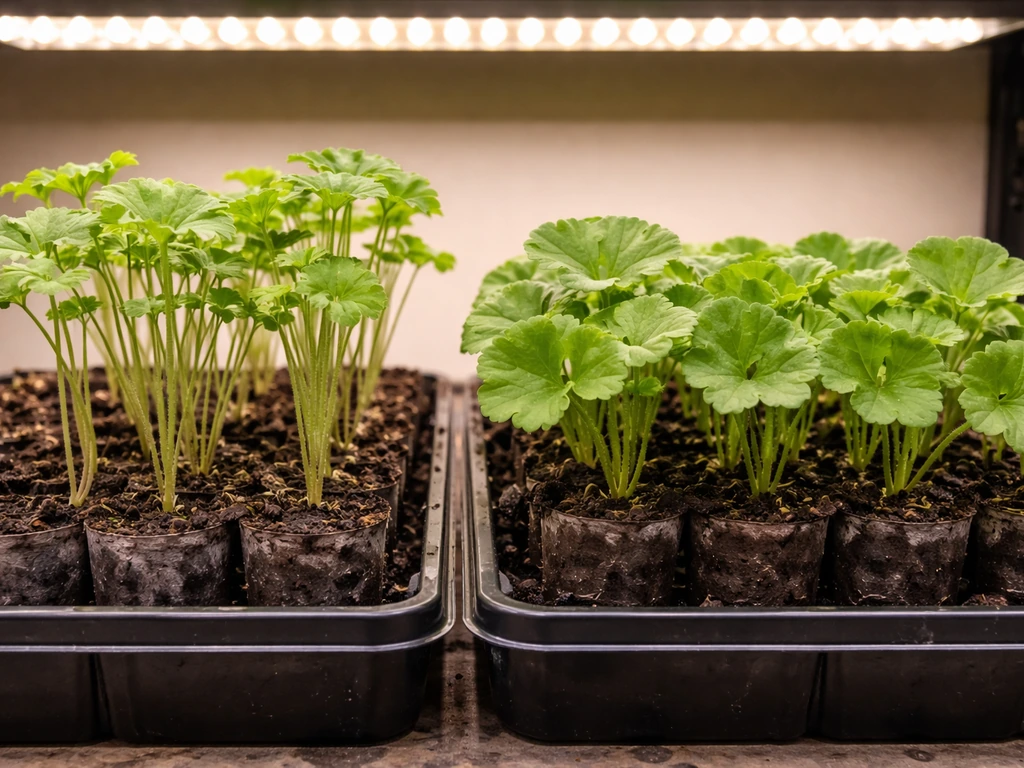
Geranium seedlings are notoriously prone to getting leggy indoors if light is insufficient, which is one of the most common problems I see. A south-facing window in February often isn't strong enough. A simple shop-light setup with full-spectrum LEDs positioned 2–4 inches above the seedlings for 14–16 hours a day works much better. Keep temperatures in the 70–75°F range during the day and let them cool to 60–65°F at night. This warm-cool cycle actually helps build stocky, strong stems rather than weak, stretched ones.
Hardening off and transplanting
About 7–10 days before you plan to transplant outdoors, start hardening off your seedlings. This just means gradually introducing them to outdoor conditions: start with an hour or two of filtered shade outside, then slowly increase sun exposure and time outdoors over the course of a week to 10 days. Texas spring wind can be brutal on tender seedlings, so protect them from strong gusts during this period. Once nights stay reliably above 40°F and your last frost date has passed, you're safe to transplant. Space zonal geraniums 12–18 inches apart in beds, or one plant per 10–12 inch container.
Sun, soil, watering, and fertilizing for Texas heat
Sunlight
Zonal geraniums want full sun to partial shade, which in Texas language means at least 6 hours of direct sun with some afternoon protection in hotter months. During peak summer (July and August), even full-sun-tolerant varieties do better with light afternoon shade, especially in Central and South Texas. Morning sun with eastern exposure is often ideal because it delivers strong light during the cooler part of the day and protects plants from the most intense afternoon heat.
Soil
Geraniums need well-drained soil with a neutral to slightly alkaline pH, which actually suits a lot of Texas soils naturally. The RHS Plant Details for Pelargonium × hortorum notes that zonal geraniums grow best in well-drained fertile soil with a neutral to alkaline pH well-drained soil with a neutral to slightly alkaline pH. The biggest in-ground problem in Texas is clay-heavy soil that holds too much moisture after rain. If your soil is dense or poorly draining, amend beds with compost and coarse sand before planting. When adding granular fertilizer before planting, work it into the soil to a depth of about 3–4 inches and water it in thoroughly. For containers, use a high-quality potting mix with good drainage, not garden soil, which compacts and drains poorly in pots.
Watering in Texas conditions
Geraniums like it on the drier side between waterings. The mantra I follow is: water deeply, then let the top inch or two of soil dry out before watering again. In containers during hot Texas weather (100°F days), this might mean watering every 1–2 days. In the ground with good soil, you may only need to water every 3–4 days during hot spells. Always water at the base of the plant, not overhead, to keep foliage dry and reduce fungal pressure. It's worth noting that parts of North Central Texas, East Texas, and northern South Central Texas have historically experienced dry root-zone conditions that can sneak up on container gardeners especially, so check moisture levels regularly rather than going by a fixed schedule.
Fertilizing
Geraniums are moderate feeders. For in-ground plants, a balanced slow-release granular fertilizer (something like 10-10-10 or similar) worked into the bed before planting gives them a good start. During the growing season, a liquid bloom fertilizer (higher phosphorus, like a 15-30-15) applied every 2–3 weeks encourages consistent flowering. For container geraniums, where nutrients leach out faster with regular watering, I use a liquid fertilizer every 2 weeks from spring through fall. Back off on fertilizing during the heat of summer when the plants are stressed, and resume in September when fall growing conditions return.
Mulching and heat management
A 2–3 inch layer of mulch around in-ground geraniums helps regulate soil temperature and retain moisture, both of which are especially valuable during hot Texas springs and falls. Keep mulch pulled back a few inches from the stem to prevent rot. In peak summer, if your geraniums are in the ground and struggling, it's okay to cut them back by about one-third, water consistently, and wait for fall to revive them rather than giving up on the plants entirely.
Container vs in-ground growing tips
Both approaches work well in Texas, and honestly, containers give you more control over the specific challenges Texas presents. If you're also wondering how to grow periwinkle plant, the good news is you can use similar sun and watering principles to keep it thriving. Here's how I think about the tradeoffs.
| Factor | Containers | In-Ground |
|---|---|---|
| Heat management | Move to shade during extreme heat | Fixed location; choose wisely |
| Watering | Dries out faster; needs closer monitoring | Holds moisture longer; less frequent watering |
| Soil control | Use premium potting mix; full control | Amend existing soil; varies by location |
| Winter protection | Bring indoors easily | Mulch heavily or may lose plant |
| Bloom performance | Often blooms more freely with root restriction | Can spread more but needs good drainage |
| Drainage | Use pots with drainage holes; never let sit in water | Critical to avoid root rot in clay soils |
For most Texas gardeners, containers are actually the better choice for geraniums, not because in-ground doesn't work, but because you can move plants to ideal spots as seasons change. Use terracotta or fabric pots rather than dark plastic ones, which absorb heat and can cook roots in Texas summers. A 10–12 inch pot works for one zonal geranium, but a 14–16 inch pot allows more root space and gives you more room to add companion plants. Whatever you use, make sure there are drainage holes and that water flows freely out the bottom every time you water.
Troubleshooting: when things go wrong
No blooms or very few flowers
If your geraniums are green and growing but not blooming, the most likely culprits are insufficient light, too much nitrogen fertilizer, or heat stress. Make sure plants are getting at least 6 hours of direct sun. If you've been heavy-handed with a high-nitrogen fertilizer (the first number on the label), you're encouraging leaves over flowers: switch to a bloom-booster formula with higher phosphorus. During July and August in Texas, it's also completely normal for geraniums to stop blooming in the heat. They're not dead, just waiting for cooler temperatures.
Leggy, stretched growth
Long, weak stems with few leaves and sparse flowers are almost always a light problem. Indoors, this happens when seedlings or overwintering plants don't get enough light. Move them to a brighter location or supplement with grow lights. Outdoors, it can happen in overly shaded spots. Pinching back the growing tips by about 1/3 encourages the plant to branch out and become bushier, which leads to more flower stems. Do this in early spring and again in early fall for the best shape.
Yellow leaves
Yellow leaves are the geranium distress signal that can mean several different things, which makes it a bit tricky to diagnose. The most common cause in Texas containers is overwatering: roots sitting in wet soil start to rot, the plant can't take up water or nutrients, and leaves turn yellow even though the soil looks moist. Let the soil dry out, improve drainage, and cut off any mushy roots before repotting. Underwatering can also cause yellowing, but those leaves tend to feel dry and crispy rather than soft. Nutrient deficiency (particularly nitrogen or iron) can also cause yellowing, often starting with older lower leaves. A balanced fertilizer application usually resolves this within a couple of weeks.
Stem and root rot
Rot problems in Texas are usually traced back to overwatering, poor drainage, or both. The fungal pathogens most commonly involved include Pythium, Rhizoctonia, Fusarium, and Botrytis, all of which thrive in wet, poorly aerated conditions. Signs include blackened or mushy stem bases, wilting despite moist soil, and roots that are brown and slimy instead of white and firm. The fix starts with improving drainage, reducing watering frequency, and increasing air circulation around plants. Remove and destroy severely affected plants to prevent spread. Fungicide drenches can help in mild cases, but fixing the conditions that caused the rot is more important than treating the symptom.
Gray mold (Botrytis blight)
Botrytis shows up as fuzzy gray mold on flowers, petals, or leaves, especially during humid periods or when plants are crowded. It's triggered by wet foliage, poor air circulation, and cool damp conditions. Remove affected flowers and leaves immediately. Improve spacing between plants to increase airflow, water only at the base of the plant (never overhead), and avoid letting plants sit in stagnant humid conditions. This is especially relevant during Texas fall when rains pick back up and temperatures cool.
Aphids, whiteflies, and spider mites
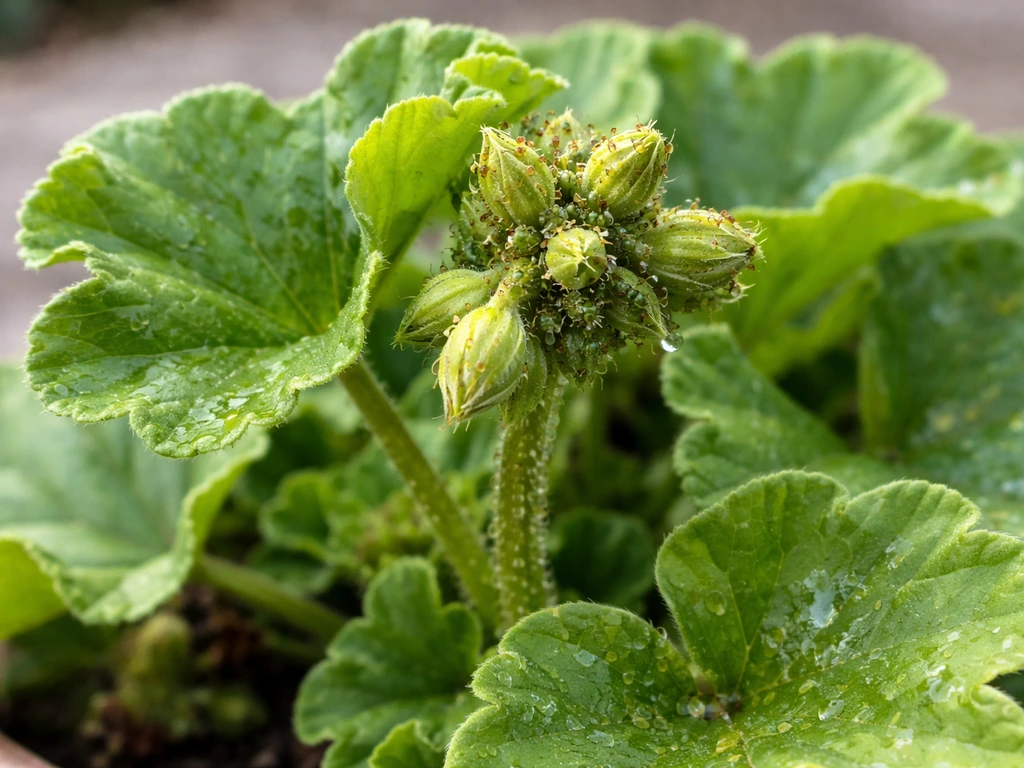
Aphids cluster on new growth and flower buds, leaving behind sticky honeydew. A strong spray of water knocks most of them off; insecticidal soap or neem oil handles persistent infestations. Whiteflies congregate on the undersides of leaves, cause yellowing, and leave honeydew that leads to black sooty mold on leaf surfaces. Yellow sticky traps catch adults, and insecticidal soap applied to leaf undersides controls populations. Spider mites are a dry-heat pest, showing up in Texas during hot summers as fine webbing and mottled, bleached-looking leaves. Mites hate humidity: a regular spray of water on leaf undersides plus neem oil applications usually keeps them in check. Check plants frequently during summer because all three pests can explode quickly in Texas heat.
Overwintering and annual vs perennial expectations in Texas
Whether your geraniums survive Texas winters depends almost entirely on where in Texas you are and what type you're growing. Here's the honest breakdown.
In South Texas and the Rio Grande Valley (Zone 9–10), zonal and ivy geraniums can survive outdoors year-round with minimal protection. A light freeze might knock back the top growth, but established plants often recover from the roots. In Central Texas (Zone 8), zonal geraniums are borderline: they may come back after mild winters but will die in a hard freeze. In North Texas (Zone 7), treat zonal geraniums as annuals unless you're willing to bring them indoors. Ivy geraniums (hardy only to zones 9A–10A) need indoor protection anywhere north of the Rio Grande Valley.
If you want to overwinter geraniums in containers, the simplest method is moving the pots indoors before first frost to a cool, bright location (a south-facing window or a garage with supplemental light). Cut the plant back by about half, reduce watering to just enough to keep stems from shriveling, and resume normal care in February when you see new growth. Alternatively, you can take cuttings in late summer, root them indoors, and grow those as new plants the following spring. This is actually my preferred approach because it gives you vigorous young plants rather than stressed overwintered ones.
True perennial cranesbills (Geranium sanguineum) are a completely different story. They're hardy to zone 3, which means they reliably overwinter across all of Texas and come back each spring without any special treatment. If you want a low-maintenance perennial geranium for Texas, these are worth exploring separately alongside other perennial flower options. If you want the bigger picture on how to grow perennials in Texas, start with the basics of choosing varieties, soil, and seasonal timing perennial flower options.
Your next steps right now
Here's what to do based on where we are in the season (July 2026, peak summer). Don't try to fight Texas July heat with new plantings. Instead, use this time to plan and prepare so you're ready for the fall window, which is genuinely one of the best geranium seasons in the state.
- Decide whether you're doing fall seed starting or buying transplants. If starting from seed, plan to sow in late July to mid-August indoors under lights to have transplant-ready plants by mid-September.
- Check your last fall frost date for your region and count backward to determine your transplant deadline for fall planting.
- If you have existing geraniums that look rough right now, cut them back by one-third, reduce fertilizing, keep consistent moisture without overwatering, and move containers to morning-sun/afternoon-shade locations until temperatures drop.
- Amend your planting beds now if needed: work in compost, check drainage, and adjust pH if your soil is highly acidic.
- Choose heat-tolerant zonal varieties like Americana, Pinto, or Maverick series for best results in Texas conditions.
- For overwintering decisions: check which USDA zone you're in and decide now whether you'll bring containers indoors, take cuttings in late September, or simply treat plants as annuals and start fresh next spring.
- Set up a consistent pest-monitoring routine: check leaf undersides weekly for whiteflies and mites, which peak during hot dry weather.
FAQ
Can I grow geraniums in Texas year-round, or do they always die back in summer?
Most Texas gardeners get spring and fall bloom, then summer dormancy or stalling, especially when temperatures stay above about 90°F. In the Rio Grande Valley and much of South Texas, some zonal and ivy types can persist outdoors with minimal protection, but they still typically slow down during the hottest stretches.
What’s the best way to start geranium seeds so they don’t fail in Texas indoor conditions?
Use a seed-starting mix that drains well and keep seed coverage shallow (about 1/8 inch). If germination is uneven, the most common causes are sowing too deep or cold nights at your window, so consider a small heat mat and verify your nighttime temps stay in the mid-60s°F range.
My geranium seedlings are tall and floppy indoors, how do I fix that before transplanting?
Leggy growth is almost always low light rather than watering. Move seedlings closer to a strong light source (grow lights about 2 to 4 inches above) and keep them on a long daily light schedule (around 14 to 16 hours). Avoid fertilizer until they are sturdier, since extra nitrogen can worsen soft growth.
How do I harden off geraniums in windy Texas springs without losing them?
Start in filtered shade and bring them outdoors only during mild parts of the day. Increase direct sun gradually, but keep them protected from gusts by using a windbreak (like a nearby fence or placing containers against a sheltered wall) during the first few days outside.
What are the signs my geraniums are suffering from heat stress, and should I shade them?
When plants stop blooming but still look green, heat is often the cause. In July and August, it helps to provide light afternoon shade, especially in Central and South Texas, and to keep soil moisture consistent (do not let containers fully dry out). Shading is about reducing harsh afternoon sun, not removing all light.
How often should I water geraniums in Texas if I’m using containers?
Check moisture by feel, not by the calendar. During extreme heat, a 10 to 14 inch container may need water daily or every other day, but only if the top inch is dry. Ensure water runs freely from the bottom each time, otherwise roots can rot even if you water frequently.
Why are my geranium leaves turning yellow, but the soil still seems wet?
That pattern commonly points to root stress from poor drainage or overwatering. Let the soil dry more between waterings, remove any mushy roots if needed, and confirm that your potting mix and pot drain quickly (no saucer sitting with standing water).
How do I prevent rot and mold on geraniums during humid Texas fall weather?
Prioritize airflow and dry foliage. Space plants properly, water at the base, and remove affected flowers or leaves immediately. If your geraniums are crowded, even good watering habits can lead to gray mold and stem issues during cool, damp weeks.
What should I do if my geranium is growing well but not flowering in Texas?
The most common causes are insufficient direct sun (less than about 6 hours) and fertilizer imbalance. If you have been feeding with a high-nitrogen blend, switch to a bloom-focused fertilizer (higher phosphorus) and reduce feeding during peak summer stress.
Should I deadhead geraniums in Texas, and does it make a difference?
Yes, removing spent blooms helps keep plants looking tidy and can encourage additional flower set during the active seasons (spring and fall). In extreme summer heat, deadheading alone usually cannot overcome temperature stress, but it helps once cooler conditions return.
What’s the easiest way to overwinter geraniums in Texas containers without losing them?
Move pots indoors before the first hard freeze to a cool, bright spot, then cut the plant back by about half. Water just enough to prevent shriveling, and resume regular feeding and watering once you see new growth in late winter.
Can I overwinter geraniums in the ground in North Texas?
Zonal geraniums are usually not reliably hardy in North Texas (around Zone 7) and are typically treated as annuals unless you can bring them indoors. Ivy geraniums are even less forgiving north of the Rio Grande Valley, so plan on container overwintering or starting fresh in spring for best results.
What container size is actually enough for one geranium plant in Texas heat?
For one zonal geranium, a 10 to 12 inch pot can work, but a 14 to 16 inch container performs better in Texas because it holds moisture and nutrients longer. Always use a pot with drainage holes and consider light-colored or breathable materials if your summers are intense.
If my geranium gets aphids or spider mites in Texas summer, what’s the quickest safe response?
Start by dislodging aphids with a firm water spray. For persistent issues, use insecticidal soap targeted to leaf undersides. For spider mites, they often surge in hot, dry weather, so increase humidity around plants with careful misting on leaf undersides and follow up with neem if needed.
Is it worth growing true perennial cranesbills in Texas instead of zonal geraniums?
If you want a long-lived plant that reliably comes back each spring, cranesbills (perennial geraniums, not Pelargonium) are a better match for Texas winters. They generally produce smaller, delicate flowers, but they are far less dependent on overwintering strategy than zonal geraniums.
Next Article
How to Grow Perennial Geraniums From Planting to Blooms
Step-by-step how to grow perennial geraniums from planting to repeat blooms, with care, pruning, and pest fixes.