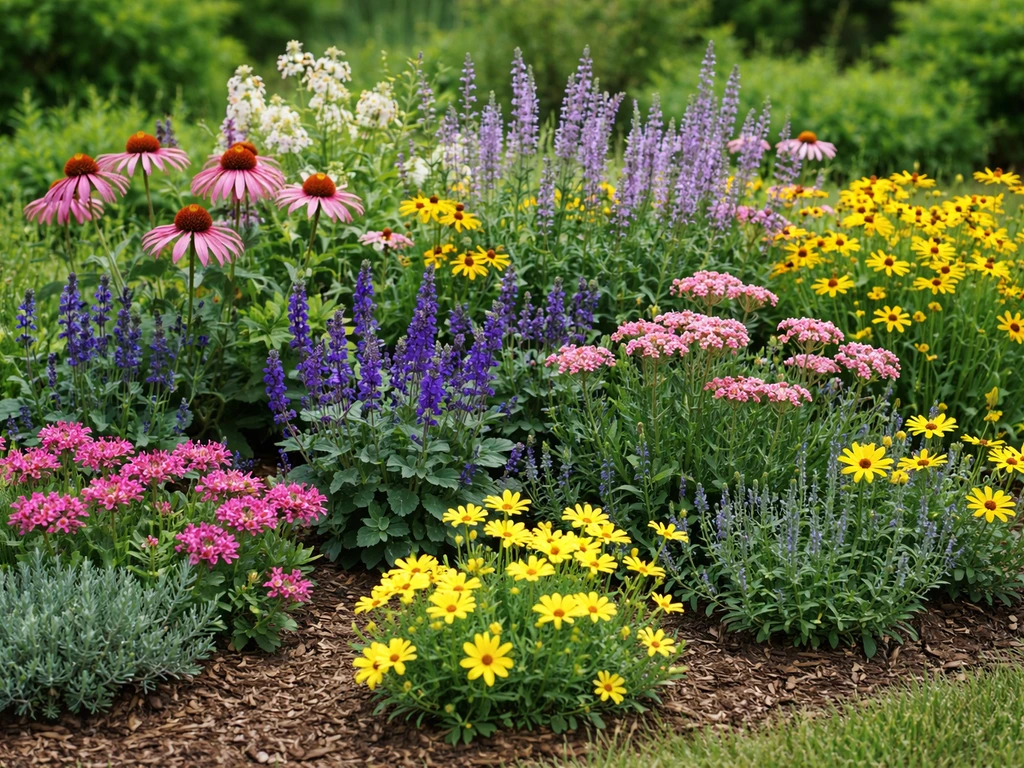
Martha Washington geraniums (Pelargonium × domesticum) grow best in cool, bright conditions with well-draining potting mix, consistent moisture without waterlogging, and regular light feeding. They bloom most heavily in spring and early summer, slow down in summer heat, and can rebloom in fall if you cut them back and keep temperatures cool. Most gardeners start them from nursery plants or softwood cuttings rather than seed, but seed-starting is absolutely possible with the right setup. Here's everything you need to know to grow them successfully. If you want a broader guide beyond this specific plant, learn how to grow perennials by matching each variety to its light, soil, and watering needs.
How to Grow Martha Washington Geraniums From Seed to Bloom

Harriet Whitmore
26 Jun 2026
What Martha Washington geraniums actually are (and why they're different)
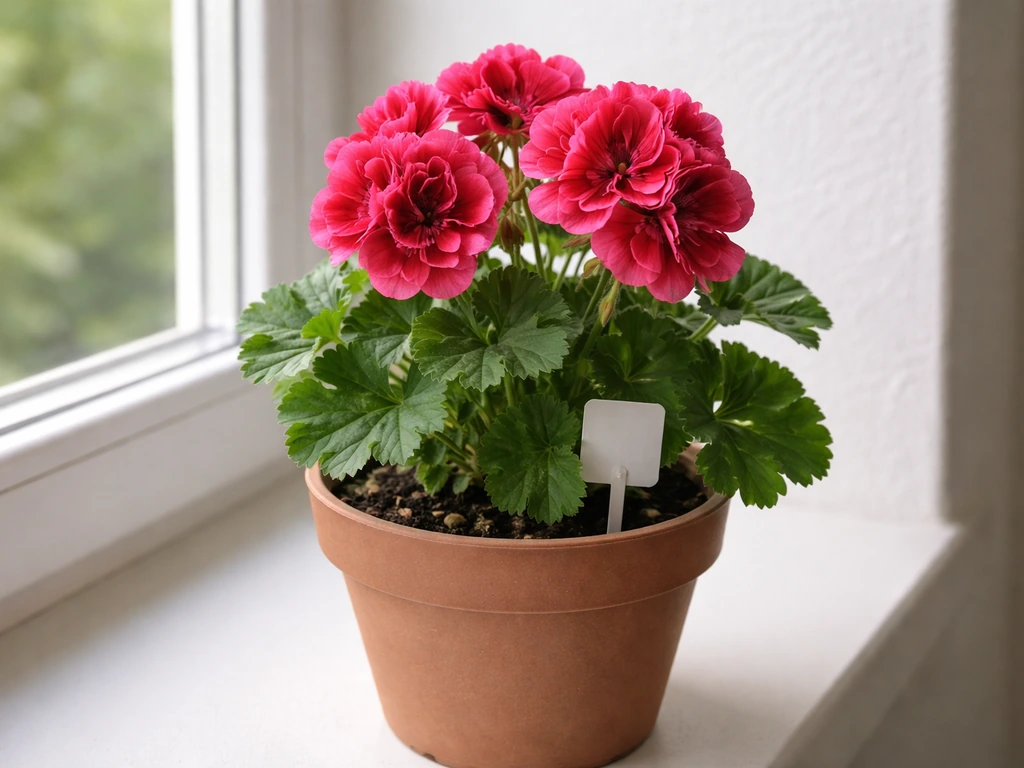
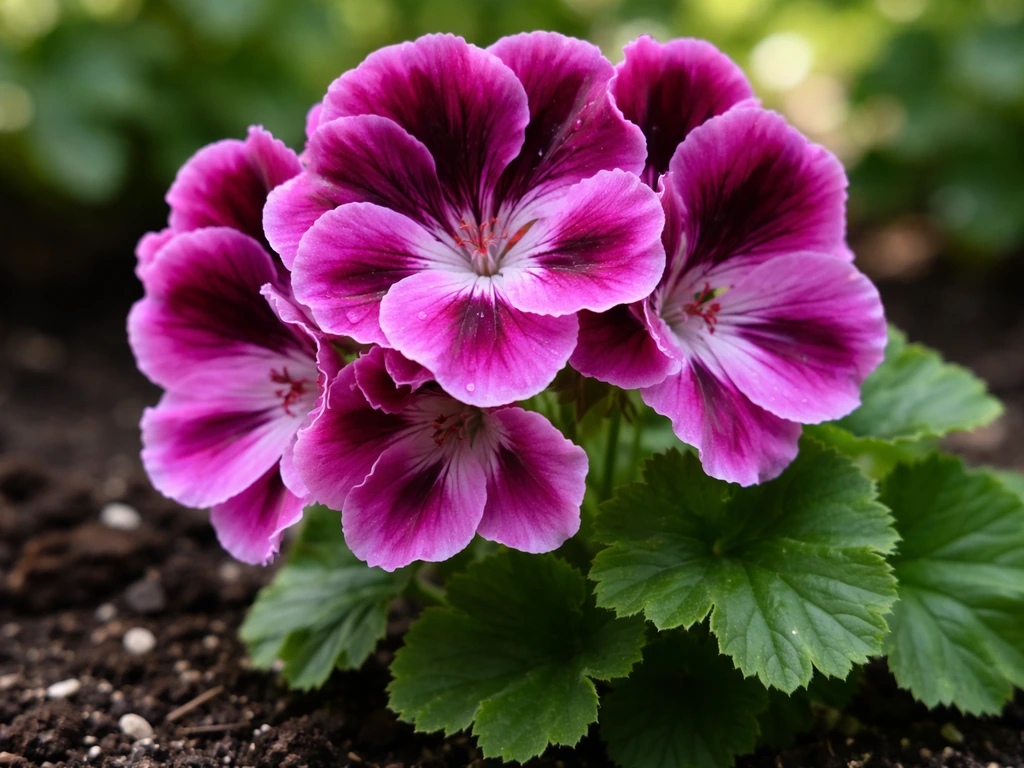
Martha Washington geraniums are technically Regal pelargoniums, classified as Pelargonium × domesticum. You'll also hear them called Regal geraniums or Lady Washington geraniums depending on where you shop. Despite the common name 'geranium,' they're pelargoniums, not true geraniums (which are cranesbills and a very different plant). Blooming Expert’s comparison of geranium versus pelargonium notes that true geraniums (cranesbills) and zonal pelargoniums differ in symmetry, and that gardeners often end up searching for the shade-tolerant true geraniums when they actually mean pelargoniums true geraniums and pelargoniums differ in symmetry. That distinction matters practically because pelargoniums have specific temperature and light preferences that true geraniums don't share.
What sets Martha Washingtons apart from the more familiar zonal geraniums (Pelargonium × hortorum) you see everywhere in garden centers is their flower shape and their cool-season preference. They produce large, showy, trumpet-shaped blooms with dramatic markings in shades of pink, purple, red, white, and bicolor combinations. The leaves are rounded with deeply serrated edges and have a slightly velvety texture. These are bushy, evergreen perennials in mild climates, but most gardeners in colder zones grow them as container plants or annuals.
Florists and nurseries typically sell Martha Washington geraniums as flowering pot plants during cooler seasons, which is exactly when they look their best. That's a useful clue about their needs: if you see them for sale in late winter or early spring, that's the season they're built for. As for propagation, the RHS recommends softwood cuttings taken from spring to autumn as the standard method. A similar approach works for plugs, too: keep the plug evenly moist, provide bright light, and transplant once roots fill the container how to grow geraniums from plugs. Growing from seed is slower and less predictable, but it works if you're patient. Most home gardeners buy a started plant or take cuttings from an existing one.
Light, temperature, and timing: getting the season right
Martha Washington geraniums are cool-season bloomers, and this is the single most important thing to understand about them. They set buds and flower best when nighttime temperatures stay between 50°F and 60°F (10°C to 15°C) and daytime temperatures stay below 75°F (24°C). Once heat sets in above that range consistently, flowering slows and often stops entirely. This is why you'll get the most spectacular display in spring and again in fall in most climates.
For light, aim for bright indirect light or a few hours of direct morning sun. Indoors, a south- or east-facing window works well. Outside, a spot with morning sun and afternoon shade is ideal, especially once temperatures climb. In hot climates, full shade in summer is not just acceptable but necessary. Too much direct afternoon sun in warm weather accelerates bud drop and leaf scorch, two of the most frustrating problems growers run into.
Timing depends on where you live. In most of the U.S., the prime growing and blooming window runs from late February through June. In mild coastal climates (think Pacific Northwest or coastal California), they can bloom from late winter almost continuously through early summer. In hotter inland areas or the South, you're essentially gardening around the cool shoulder seasons. In Texas, the key is timing your blooming season around cooler weather and giving outdoor plants afternoon shade during hot spells. For gardeners curious about heat-tolerant alternatives, zonal geraniums handle summer conditions far better than Martha Washingtons do.
Soil, containers, and potting setup
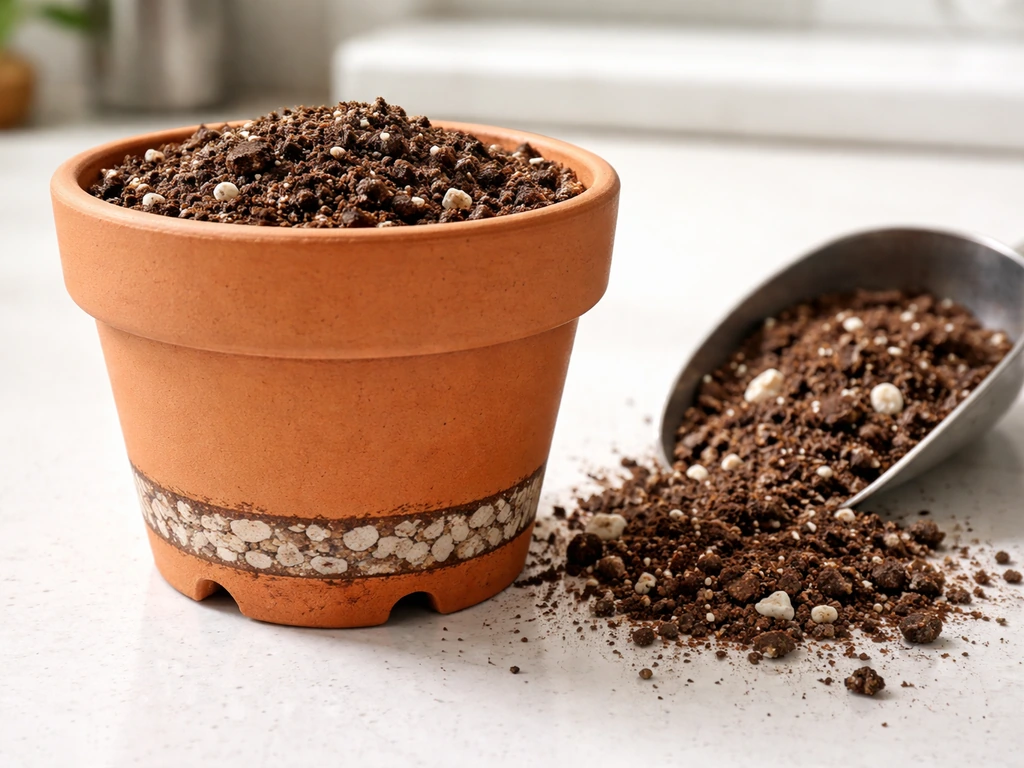
Drainage is non-negotiable. Martha Washington geraniums hate sitting in wet soil, and root rot is one of the fastest ways to lose a plant. Use a high-quality, well-draining potting mix rather than heavy garden soil. A mix formulated for containers works well, or you can improve a standard potting mix by blending in about 20 to 25 percent perlite to increase aeration and drainage speed.
Container choice matters more than most gardeners realize. Choose a pot that's only slightly larger than the root ball, because oversized pots hold excess moisture around the roots and increase rot risk. A terra cotta pot is an excellent choice because it breathes and dries out faster than plastic or glazed ceramic, which helps prevent overwatering mistakes. Make sure the pot has drainage holes at the bottom, and don't add a layer of gravel at the bottom of the pot as that actually raises the water table inside the container.
When planting or repotting, set the plant so the crown (where the stem meets the roots) sits at or just slightly above the soil surface. Burying the crown deeper invites stem rot. Firm the soil gently around the roots to eliminate air pockets, water thoroughly once, then hold off and let the top inch of soil dry before watering again.
Growing from seed: what to expect and how to do it
I'll be honest: starting Martha Washington geraniums from seed is the slow route, and germination can be inconsistent. But if you enjoy the seed-starting process and want to grow specific varieties, it's worth attempting. Start seeds indoors 12 to 16 weeks before your last expected frost date, which for most growers means starting in November or December for spring blooms.
Germination
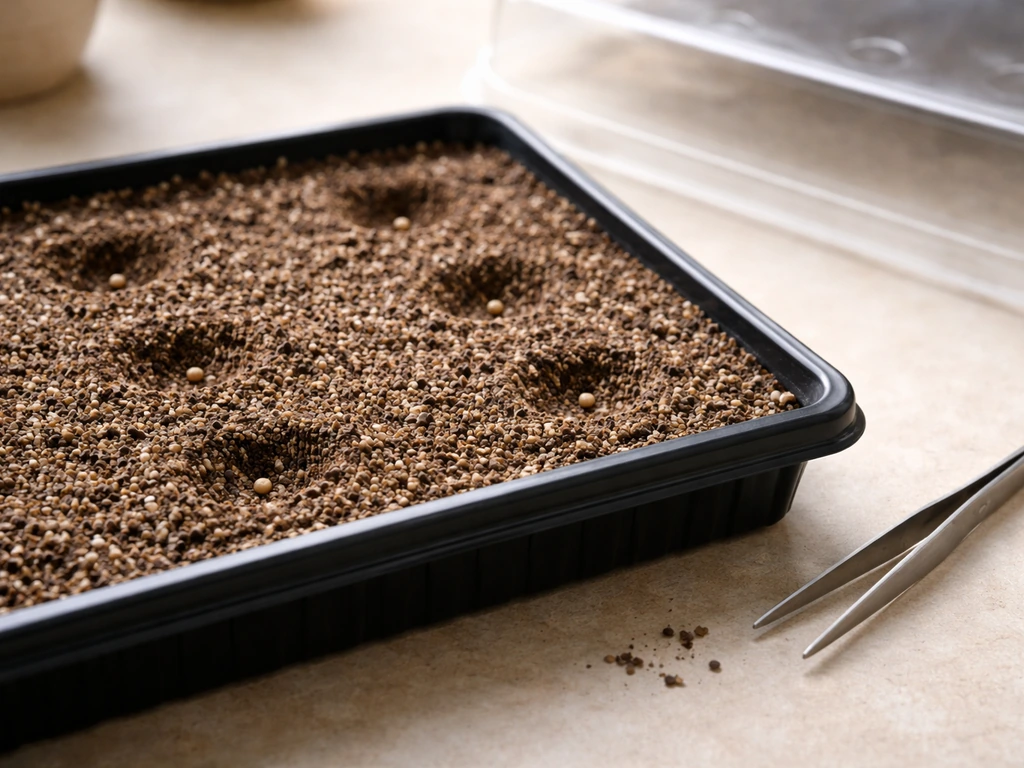
Use a sterile seed-starting mix in shallow trays or individual cells. Sow seeds at a depth of about 1/8 inch (3 mm), just barely covered with mix. Pelargonium seeds have a hard coat, so lightly nicking or scarifying each seed with fine sandpaper before sowing can improve germination rates significantly. Maintain a soil temperature of 70°F to 75°F (21°C to 24°C) using a heat mat. Keep the mix consistently moist but not soggy, covering the tray with a clear humidity dome until germination begins. Expect germination in 7 to 21 days, though it can be longer. Uneven germination is normal.
After germination: thinning and transplanting
Once seedlings emerge, remove the humidity dome and move them to bright light immediately to prevent them from stretching toward the light and going leggy. If you sowed multiple seeds per cell, thin to the strongest single seedling by snipping the extras at soil level rather than pulling them out (which disturbs the remaining root). Grow seedlings on under strong light, keeping temperatures on the cooler side (60°F to 65°F) once they're established to encourage bushy, compact growth.
Transplant seedlings into individual 4-inch pots once they have two to three sets of true leaves, handling the roots gently. Pot up into larger containers as growth progresses, always sizing up gradually. At this stage, the same drainage-focused potting mix described above applies. Seedling-grown plants take longer to reach blooming size than plants started from cuttings, so patience is genuinely required here.
Watering and fertilizing for the best blooms
Water thoroughly when the top inch of soil feels dry, then let it approach dryness again before watering. This 'drench and dry' rhythm works far better than frequent shallow watering, which encourages shallow roots and creates conditions for fungal disease. In cooler weather when the plant isn't actively pushing growth, it needs less water. In warm weather when growth speeds up, check moisture more frequently. Always water at the base of the plant rather than overhead to keep foliage dry.
For fertilizing, use a balanced liquid fertilizer (something like a 10-10-10 or a bloom-booster formula with higher middle and last numbers) diluted to half strength every two weeks during the active growing and blooming season. Avoid high-nitrogen formulas, which push leafy growth at the expense of flowers. When growth slows in summer heat or during a dormant or rest period, cut back fertilizing to once a month or stop entirely until the plant shows signs of active growth again.
One thing I've learned the hard way: don't fertilize a stressed or dry plant. Always water first, let the soil settle, then apply fertilizer. Feeding a thirsty plant with concentrated fertilizer is a reliable way to burn the roots.
Pinching and pruning for a compact, floriferous plant
Martha Washington geraniums naturally want to get leggy, especially if they're not getting enough light. Pinching and pruning are your main tools for keeping them bushy and productive. Pinching means using your fingers or clean scissors to remove the growing tip of each stem just above a leaf node. Do this when plants are young and actively growing to encourage them to branch out rather than just growing tall. Each stem you pinch creates two new stems, which means more potential flowering points.
Once plants have finished their spring bloom flush, cut them back by about one-third to one-half. This harder pruning removes spent flowering stems, opens up the plant structure, and triggers new growth that will carry the next flush of blooms. It feels aggressive at first, but geraniums respond well to it. After cutting back, reduce watering slightly and ease off fertilizer for two to three weeks while the plant redirects energy into new growth.
Deadhead spent flowers regularly throughout the blooming season. Simply pinch or cut off the entire flower stem down to its base rather than just removing the petals. This keeps the plant tidy and signals it to keep producing blooms rather than setting seed.
Troubleshooting common problems
Leggy, stretched growth
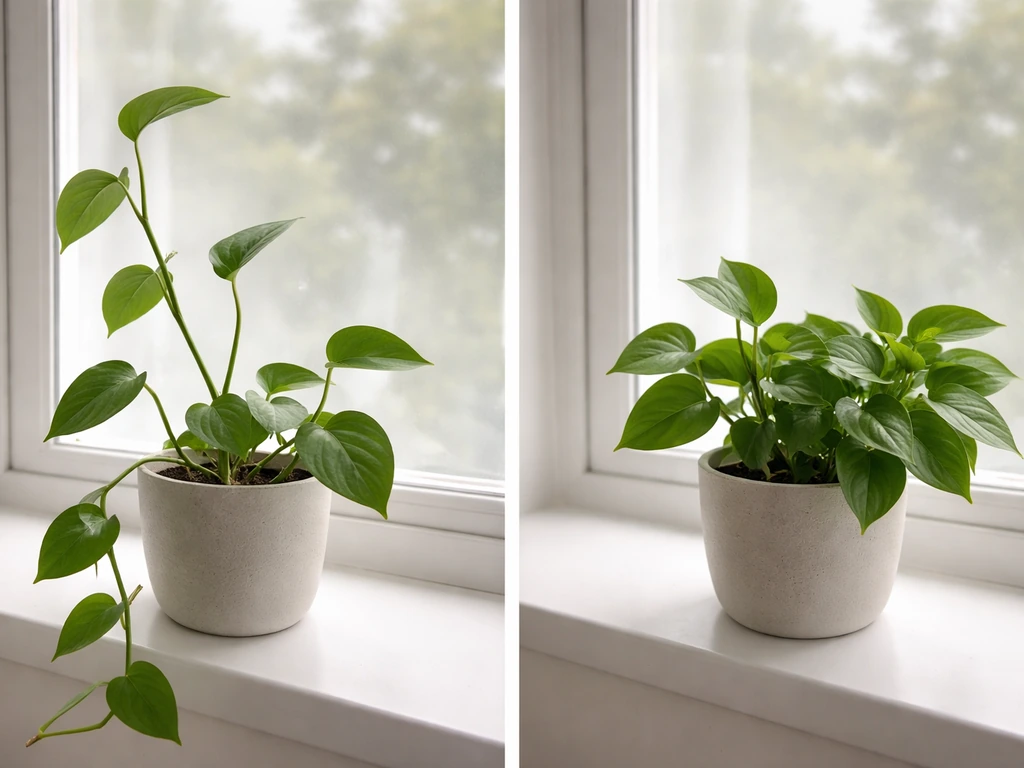
Legginess almost always comes down to insufficient light. Move the plant to a brighter spot, pinch back the long stems to encourage branching, and if you're growing indoors, consider supplementing with a grow light. Heat can also cause stretching, so check that temperatures aren't creeping too high.
Poor germination from seed
If seed germination is slow or patchy, the most likely culprits are old or poorly stored seed, soil temperature that's too cool, or insufficient moisture during the germination window. Try scarifying seeds before sowing, use a heat mat to hold 70°F to 75°F consistently, and make sure the seed-starting mix stays evenly moist without becoming waterlogged.
Yellowing leaves
Yellow leaves can signal several things. Lower leaves yellowing and dropping is often normal as the plant matures, but widespread yellowing usually points to overwatering, root rot, or nutrient deficiency. Check the roots for mushy, dark tissue (a sign of rot), adjust your watering rhythm, and consider whether the plant has been in the same pot long enough to exhaust the soil nutrients. If the yellowing starts between the leaf veins while the veins stay green, that pattern (called interveinal chlorosis) suggests an iron or magnesium deficiency, often correctable with a micronutrient supplement.
Bud drop
Buds dropping before they open is one of the most disheartening problems with Martha Washingtons. The most common triggers are temperature swings, sudden changes in light, inconsistent watering, or heat stress. These plants don't like to be moved once they're in bud. Find the right spot before buds form and try to keep conditions as stable as possible through the bloom period.
Fungal diseases
Botrytis (gray mold) and other fungal issues thrive when air circulation is poor and foliage stays wet. Water at the base rather than overhead, space plants so air moves freely around them, and remove any dead or dying leaves promptly. If you spot gray fuzzy growth on stems or leaves, remove the affected parts immediately and treat with a copper-based fungicide. Prevention through good airflow and dry foliage is far more effective than treatment after the fact.
Common pests
Aphids, whiteflies, and spider mites are the most frequent visitors. Inspect plants regularly, especially on the undersides of leaves. For light infestations, a strong spray of water can knock back aphids and spider mites effectively. For persistent problems, insecticidal soap or neem oil applied in the evening (to avoid burning foliage in heat or direct sun) usually brings things under control. If you're growing outdoors, bringing plants inside for winter is the biggest opportunity for pest introduction, so inspect carefully before moving them.
| Problem | Most Likely Cause | Fix |
|---|---|---|
| Leggy growth | Too little light or too much heat | More light, pinch back stems |
| Yellowing leaves (overall) | Overwatering or nutrient depletion | Adjust watering, repot or fertilize |
| Interveinal yellowing | Micronutrient deficiency | Apply micronutrient or chelated iron supplement |
| Bud drop | Temperature swings, moving plant, heat stress | Stable conditions, avoid moving in bud |
| Gray mold (Botrytis) | Poor airflow, wet foliage | Improve airflow, remove affected parts, copper fungicide |
| Aphids or whiteflies | Pest infestation | Water spray, insecticidal soap, neem oil |
| Root rot | Overwatering, poor drainage | Reduce watering, repot in well-draining mix |
| No germination from seed | Cold soil, old seed, dry conditions | Heat mat, fresh seed, even moisture, scarify seed coat |
Year-round care and getting reliable blooms season after season
Getting Martha Washington geraniums to bloom reliably year after year is really about working with their seasonal rhythm rather than against it. Think of their annual cycle in four phases: active bloom (spring), summer rest (when heat shuts down flowering), fall rebloom (if temperatures cool again), and winter dormancy or slow indoor growth.
- Spring (prime bloom season): Keep plants in a bright, cool location, water and fertilize consistently, and deadhead spent flowers regularly to extend the bloom period.
- Early summer (post-bloom): After flowering winds down, cut plants back by one-third to one-half, reduce watering and fertilizing, and move them to a cooler, shadier spot if outdoors temperatures are climbing past 75°F.
- Late summer to early fall: Resume light fertilizing as temperatures drop. If plants have been outside, watch nighttime temperatures. Once nights consistently dip below 65°F, plants will start pushing new growth and setting buds again.
- Fall rebloom: Given good light and cool nights, you can get a secondary bloom flush from late September through November in many climates. This is the reward for cutting back and resting the plant properly over summer.
- Winter (frost-free zones): In USDA Zones 9 to 11, Martha Washington geraniums can be kept outdoors year-round in a protected spot. In colder zones, bring containers inside before frost and grow them in a bright, cool room (ideally 50°F to 55°F nights) to keep them alive for the next season.
If you're in a cold climate and want to overwinter your plant indoors, a cool garage or unheated sunroom that stays frost-free (but not warm) is actually better than a heated living room. Warmth encourages soft, leggy growth without the light to support it. A bright, cool windowsill is the next best option. Water sparingly through winter, just enough to keep the stems from shriveling, and begin regular watering and feeding again as days lengthen in late winter.
One practical tip if you want to expand your collection without buying new plants every year: take softwood cuttings in late summer or early fall. Cut a 3 to 4 inch stem tip just below a node, remove the lower leaves, let the cut end callous for an hour or two, then stick it in a small pot of barely moist perlite or seed-starting mix. Keep it in bright indirect light and don't overwater. Most cuttings root within three to four weeks. This is genuinely the easiest way to propagate Martha Washington geraniums, much faster and more reliable than starting from seed.
Martha Washington geraniums do have a reputation for being fussier than their zonal cousins or the common perennial geraniums (cranesbills) you might grow in a border. That reputation is mostly about their temperature sensitivity, not any deep complexity. Understand that they need cool, bright conditions and you're already ahead of most of the problems. If you want to grow periwinkle successfully, focus on the variety’s sun needs, well-draining soil, and consistent moisture during establishment cool, bright conditions. Get those basics right and you'll find they're actually quite rewarding, producing some of the most dramatic blooms of any container plant you can grow.
FAQ
Can I start Martha Washington geraniums outdoors from seed, or do I need to start indoors?
In most climates, you will get better results starting indoors because the seeds need steady warmth (about 70°F to 75°F) and cool temperatures later for good bloom. If you direct sow outside, inconsistent soil temperatures and cooler nighttime swings often lead to patchy germination and plants that are too small to bloom before heat shuts them down.
How do I tell if my “geranium” is actually Martha Washington (Regal) versus a true geranium or zonal type?
Check the label for Pelargonium × domesticum (often sold as Regal or Lady Washington). True geraniums (cranesbills) are different plants and will not respond the same way to the cool-night bloom requirement. Zonal types (Pelargonium × hortorum) handle heat better, so if your plant survives summer but never follows a cool-season bloom pattern, it may not be Martha Washington.
What’s the safest watering schedule to prevent root rot in containers?
Use the “drench and dry” approach the article describes, but also judge by container weight, not just finger testing. Lift the pot after watering and again a day or two later, you should feel a clear lightening as the soil dries. If the pot stays heavy for several days, you are watering too soon, even if the top inch feels dry.
Why are my buds falling off before they open even though I water properly?
Bud drop commonly happens when conditions shift during the bud stage. The biggest culprits are moving the plant after buds form, sudden light changes (for example, taking it from indoors to a bright patio), and day to night temperature swings. Keep it in the same spot and avoid rotating the pot during bloom.
Is it okay to water from above if I’m careful?
For Martha Washingtons, watering at the base is a better default because it keeps foliage drier and lowers gray mold risk. Overhead watering can be especially problematic in humid, cool weather or when plants are crowded, even if you think the leaves dry quickly.
What pot size should I use, and how quickly can I repot?
Choose a pot only slightly larger than the root ball to reduce excess moisture. Repotting is easiest once the plant is actively growing, typically in spring or during the period it’s putting out new shoots. If you repot during cool-season bud formation, you may trigger shedding or slow growth because the roots are disrupted.
My seedlings are leggy, but I also see some yellowing. Is it light or nutrient trouble?
Legginess usually points to insufficient light, fix it immediately by moving to brighter light or using a grow light. Yellowing, however, can indicate overwatering or poor drainage in addition to nutrients. Check whether stems are still firm and whether the soil dries properly between waterings, if the mix stays wet or roots look dark and mushy, reduce watering before adding fertilizer.
When should I pinch, and will it delay blooming too much?
Pinch while plants are young and actively growing, usually after they have enough foliage to support branching. You are likely to see later blooms compared with unpinched plants, but the tradeoff is a fuller plant with more flowering points, which usually improves overall flower count during the cool-season window.
Can I fertilize at half strength immediately after repotting?
Wait until the plant shows clear new growth and the soil has dried back appropriately. Repotting temporarily stresses roots, feeding too soon (especially if the mix stays wet) increases the chance of root burn or leaf yellowing. Resume half-strength feeding on a consistent schedule once growth restarts.
My plant has yellow leaves, some lower leaves are dropping. When should I worry?
A small amount of lower-leaf yellowing and shedding can be normal as the plant matures. Widespread yellowing, especially if the leaves are soft or the plant looks overall weak, usually signals overwatering, root issues, or nutrient deficiency. If yellowing appears between veins while veins remain greener, consider a micronutrient (iron or magnesium) approach rather than simply increasing general fertilizer.
How can I reduce fungal problems like botrytis besides spraying?
Prioritize airflow and a dry foliage surface. Space plants so leaves are not touching, remove dead flowers and dying leaves quickly, and avoid watering late in the day when leaves stay wet overnight. If you must treat, start by pruning out affected tissue promptly, because treatment is harder when outbreaks have spread.
What’s the best way to overwinter if my winters get chilly but not freezing?
If you can keep the plant frost-free but cool, a garage or unheated sunroom is often better than a warm living room, because warmth encourages leggy growth without enough light. Water sparingly, just enough to prevent shriveling, and return to regular watering and feeding as light levels rise in late winter.
Can I propagate Martha Washingtons by cuttings any time, or is there a best window?
Softwood cuttings root more reliably in spring through early autumn, with late summer or early fall being a common easy window. Let the cut end callous briefly before potting, use a barely moist airy medium, and keep light bright but indirect to reduce rot. Rooting typically takes a few weeks, but avoid overwatering during that period.
Are Martha Washington geraniums ever “too cold” indoors?
Yes, very cold indoor drafts can slow growth and make leaves drop or turn unpleasantly stressed, even if the plant is designed for cool blooming. Aim for consistently cool, not chilly, temperatures and protect plants from direct window drafts at night. If nighttime temperatures drop far below the 50°F to 60°F target, you may see reduced flowering.
How do I know when to water during summer heat when flowering slows?
Even though they slow down in heat, the plant still needs moisture management. Check more frequently, but still follow drench and dry, if the top inch is dry and the pot is light, water thoroughly. If the mix stays wet in warm weather, you are likely overwatering, which can lead to rot while the plant is not actively using water.
Next Article
How to Grow Perennials: Planting, Care, and Troubleshooting
Step-by-step guide to grow perennials from choosing plants and soil to watering, feeding, seasonal care, and fixes.