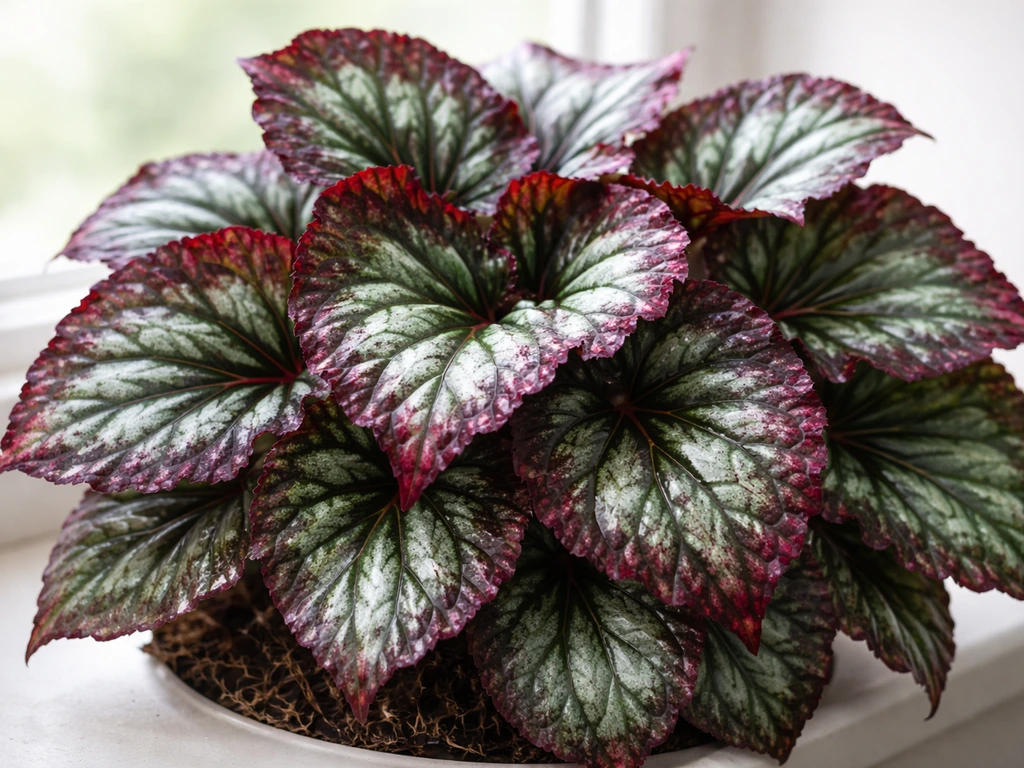
Begonia semperflorens, the wax begonia, is one of the most reliably flowering plants you can grow. Given warmth, reasonable light, well-drained soil, and consistent moisture, it will bloom from late spring until frost without much fuss. The real trick is getting the conditions right at the start: these plants hate cold, hate wet roots, and will sulk rather than flower if you push them into deep shade or full scorching sun without some adjustment. Nail those basics and you will have a plant that practically flowers itself.
How to Grow Begonia Semperflorens: Step-by-Step Care

Harriet Whitmore
4 Jul 2026
What begonia semperflorens actually is and what it needs
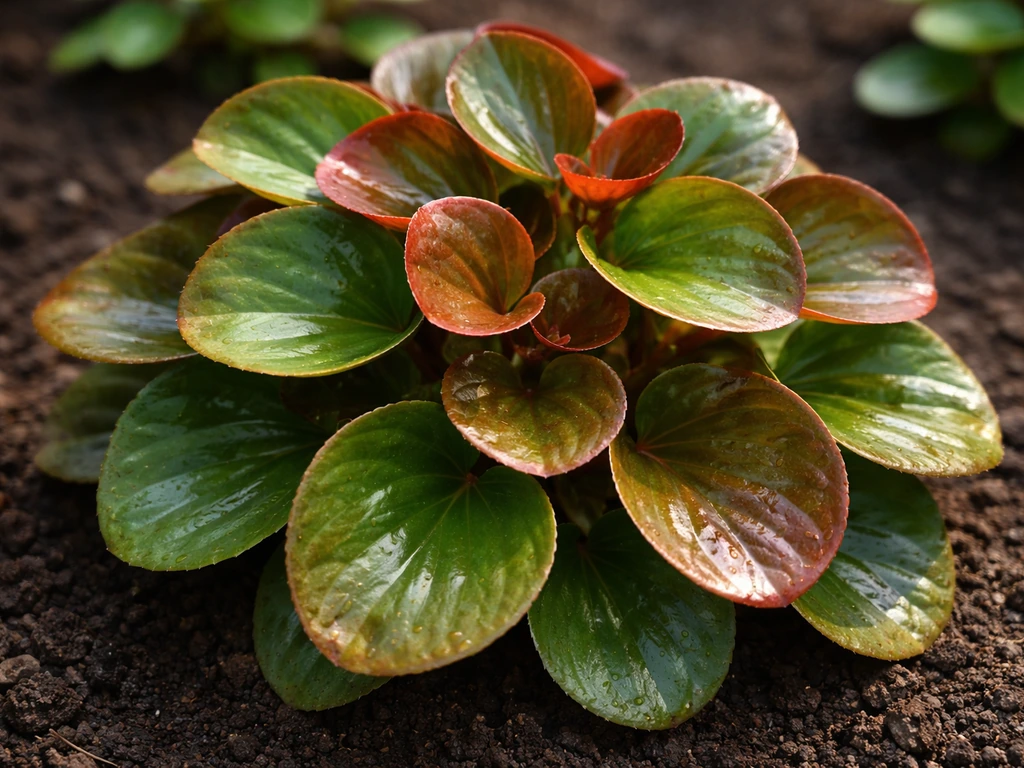
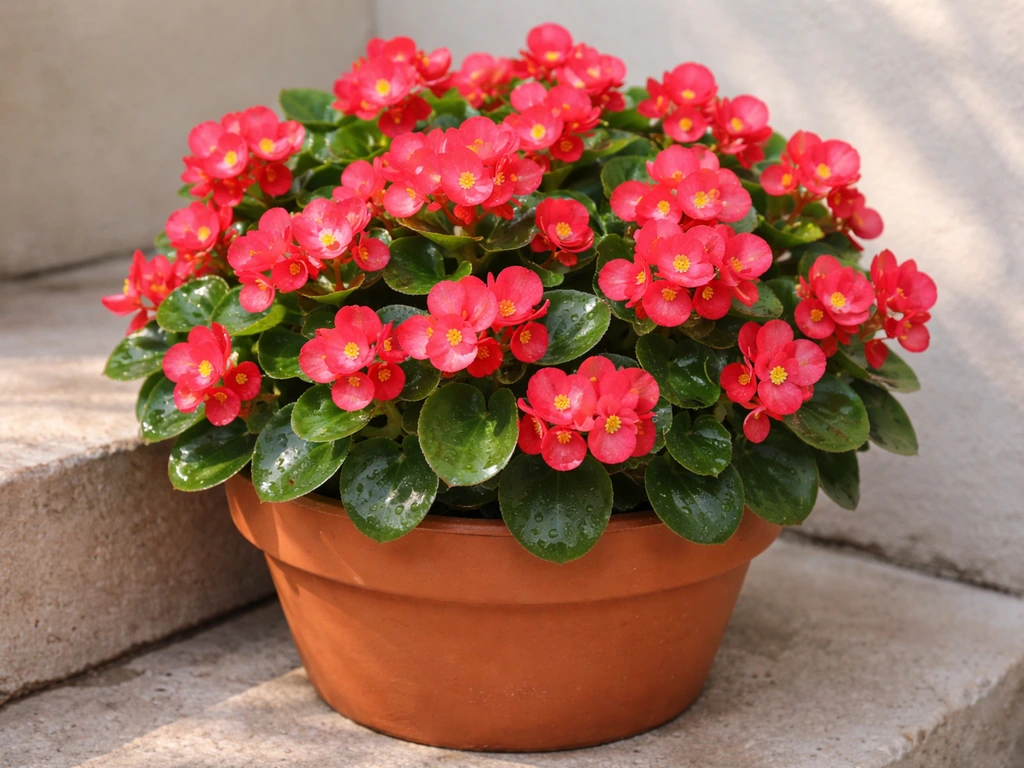
Wax begonias are compact bedding plants, typically 6 to 12 inches tall and 6 to 15 inches wide, with waxy rounded leaves that can be green, bronze, or reddish depending on the variety. The flowers come in white, pink, red, and bicolors, and under good conditions they are essentially continuous from planting until a hard frost stops them. The name 'semperflorens' means 'always flowering,' which is exactly what they do when they are happy.
The non-negotiables for this plant: warmth (no frost tolerance whatsoever), good drainage (root rot is the number one killer), consistent but not excessive moisture, and enough light to fuel flowering without scorching the leaves. Everything else is detail.
Getting the light, temperature, and spacing right
Wax begonias are marketed as shade plants, but they actually perform best in partial shade rather than deep shade. In cooler northern climates, they can handle full sun reasonably well. In hot climates, especially anything resembling a low desert, light shade is not optional: full afternoon sun will stress the plants and reduce flowering. The sweet spot is about 6 hours of dappled or filtered light. Indoors, place them in bright indirect light, near a window that gets good light but not direct rays burning through the glass.
Temperature is where a lot of people go wrong. Wax begonias genuinely do not tolerate frost, and cold nights slow them down noticeably. Aim for daytime temperatures between 65 and 75°F (18 to 24°C) for indoor growing. Outdoors, wait until nights are reliably above 50°F (10°C) before planting out. In most of the US that means late May or early June in zones 5 to 6, mid-May in zones 7 to 8, and April in zones 9 and above.
Spacing matters more than most people realize. Plant them 8 to 12 inches apart in beds. It seems generous when they are small transplants, but adequate spacing keeps air moving between the plants, which significantly reduces fungal disease pressure later in the season. Cramped plants stay damp longer and invite problems.
Starting from seed vs. cuttings: which works better for you
Both methods work well, but they suit different situations. If you want to grow begonia corms instead, the process is different from seed and cuttings and starts with choosing the right corm and preparing it for planting. Seeds are cheap and give you a huge number of plants, but they require patience and a bit of equipment. Cuttings are faster and simpler if you already have a plant or can get hold of one.
Starting from seed
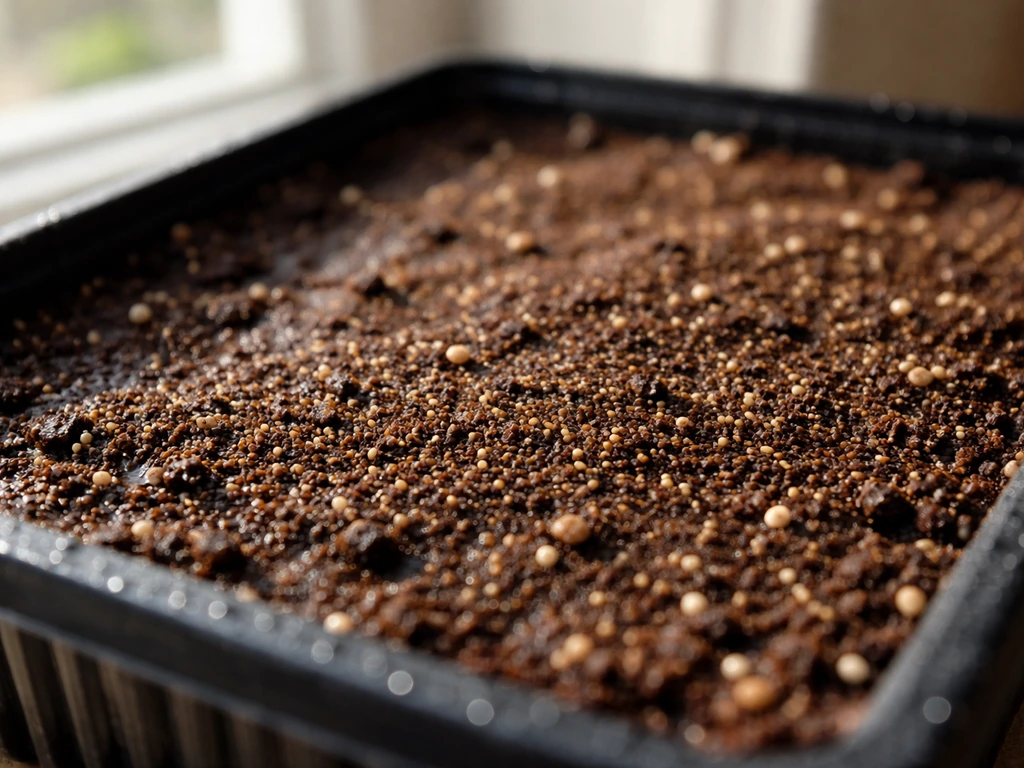
Begonia semperflorens seeds are tiny and require light to germinate, so never cover them with soil. Sow them on the surface of a moist, fine seed-starting mix, press lightly, and place the tray under grow lights or on a very bright windowsill. Germination temperature should be 72 to 80°F (22 to 27°C): a heat mat under the tray makes a real difference here. Under good conditions you will see radicle emergence in about 6 to 10 days. Keep the mix consistently moist but not waterlogged, covering the tray loosely with a clear lid or plastic wrap to retain humidity until seedlings emerge.
Because wax begonias need around 12 to 16 weeks from seed to transplant-ready size, start them indoors in late January or February for spring planting. That timing feels early, but these are slow-growing seedlings and you want good-sized plants by the time outdoor conditions are right. If you want the quickest route to a healthy stand, you can also learn how to grow begonia maculata from cuttings and seedlings.
Starting from cuttings
If you have access to an existing plant, stem cuttings are genuinely easy with wax begonias. If you want a dependable way to start new polka dot begonia plants, stem cuttings are one of the easiest options. Take a 3 to 4 inch cutting just below a node, remove the lower leaves, and stick it into a small pot of perlite or a perlite-and-vermiculite mix. Avoid heavy potting soil for rooting: it holds too much moisture and increases the risk of stem rot before roots establish. A porous medium keeps things aerated while still providing enough moisture for root development.
Cover the cutting loosely with a clear bag or place it in a propagator to keep humidity up, but leave a small gap for fresh air circulation to prevent mold. A rooting temperature of around 72°F (22°C) speeds things up considerably. Roots typically develop within 2 to 3 weeks. Once you see healthy new leaf growth, the cutting has rooted and can be potted into regular mix.
Soil mix and container setup that actually supports flowering
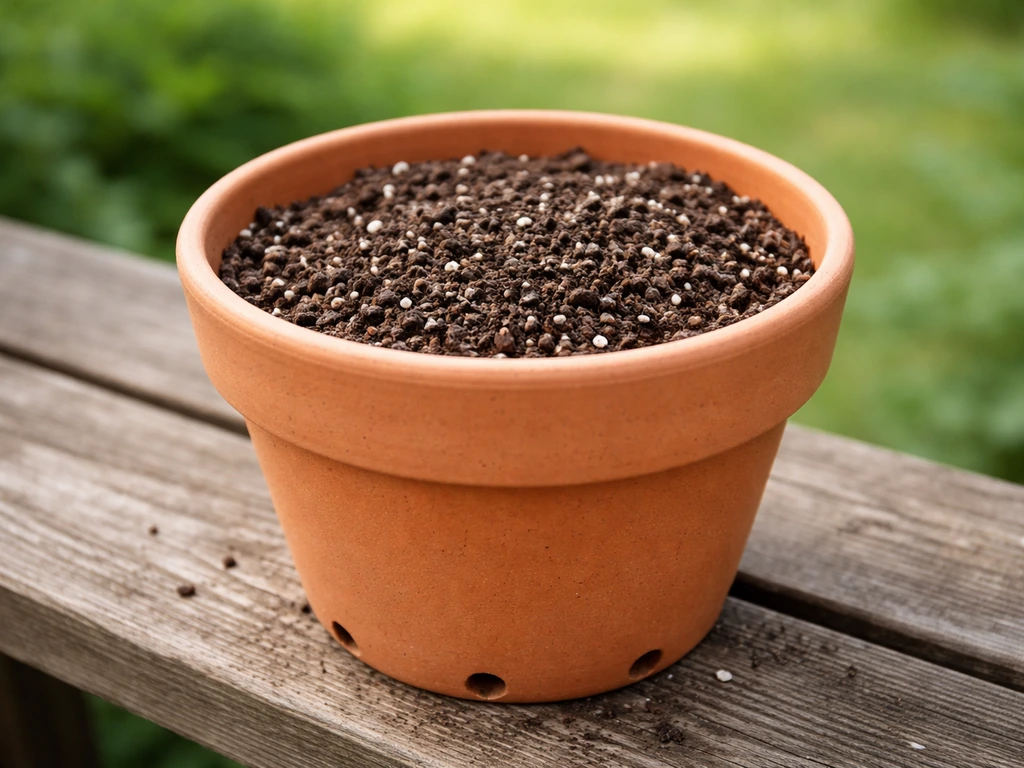
The single most important thing about your growing medium is drainage. Montbretia (Crocosmia) is a different plant with similar “bright light and good drainage” priorities, but it has its own planting and corm-care timing. Wax begonias will tolerate a range of soil quality but they will not survive waterlogged roots. For containers, use a good quality peat or coir-based potting mix amended with around 20 to 30 percent perlite. That ratio keeps the mix moisture-retentive enough for steady growth while ensuring water moves through rather than sitting around the roots.
For beds and borders, work in compost to improve fertility and structure, and make sure the site doesn't collect standing water after rain. Raised beds and slopes naturally drain better than flat compacted ground.
When choosing containers, make sure every pot has drainage holes, no exceptions. A pot without drainage will cause root rot sooner or later, usually sooner. For 6 to 12 inch plants, a pot in the 6 to 8 inch diameter range per plant works well, or you can grow several together in a wider planter. The wider the container, the fuller and more impressive the clump will look. Avoid using very large pots with small plants because the excess unused soil stays wet for too long and invites root problems.
Watering and feeding through the bloom season
Water when the top inch of soil is dry. That's really the whole watering strategy. Begonia semperflorens likes consistently moist soil but hates being soggy. To get rex begonias looking their best, focus on bright, gentle light, steady moisture, and a well-draining mix tailored to their needs how to grow rex begonia. In warm weather, container plants may need water every day or two. In cooler, cloudier conditions, you might go three to four days. Rather than following a fixed schedule, just check the soil. If the top inch is dry, water thoroughly until it drains from the bottom. If it's still moist, leave it.
When you water, water at the base of the plant rather than overhead. Wet foliage sitting overnight is a direct invitation to botrytis and powdery mildew. For botrytis and powdery mildew on begonias, UC IPM also emphasizes sanitation and appropriate spray timing at the first signs of mildew as part of an integrated control approach Wet foliage sitting overnight is a direct invitation to botrytis and powdery mildew.. This matters more in humid climates and in indoor settings where airflow is limited.
For feeding, a balanced liquid fertilizer diluted to half strength, applied every 2 to 4 weeks during the active growing season, keeps them flowering steadily without overloading the roots with salts. More fertilizer is not better here: excessive feeding leads to salt buildup in the soil that can damage roots and actually reduce flowering. If you see crusty white deposits on the soil surface or around the pot rim, flush the pot thoroughly with plain water and back off on feeding for a few weeks.
Indoor vs outdoor growing and when to move plants
Wax begonias are typically grown as outdoor bedding annuals in most climates, but they transition to indoor plants really well, which makes them useful in containers that you can move with the seasons. If you want more step-by-step guidance on how to grow a begonia beyond these wax begonia specifics, follow the complete guide. The key is timing those transitions correctly.
| Climate Zone | Move Outdoors (approx.) | Move Indoors (approx.) | Notes |
|---|---|---|---|
| Zones 5–6 | Late May to early June | Mid-September | Watch for early frosts; nights below 50°F signal it's time |
| Zones 7–8 | Mid to late April | Late October | Can push to early November in warm years |
| Zones 9–10 | March to April | December or keep outside | May need shade protection in summer heat |
| Zone 11+ | Year-round outdoors possible | N/A unless desired | Protect from intense midday sun |
When bringing plants indoors for fall and winter, do it before nights consistently drop below 50°F (10°C). Don't wait for the first frost warning: cold-stressed plants take a while to recover their flowering momentum indoors. Once inside, place them in your brightest window or under grow lights. Indoors in winter, heating systems dry the air significantly, so watch soil moisture more carefully and consider grouping pots together to slightly raise local humidity.
Outdoor plants need hardening off when you move them outside in spring. If you started plants indoors or are buying nursery transplants, set them in a sheltered, partly shaded spot for about a week before moving them to their final location. This avoids leaf scorch and shock from the transition in light intensity and wind exposure.
Fixing the most common problems
Leggy growth and poor blooming
If your wax begonias are growing tall and spindly with few flowers, the most likely culprit is insufficient light. Move them to a brighter spot. Indoors, a windowsill may not be enough in winter: a supplemental grow light set to run for 12 to 14 hours makes a significant difference. Outdoors, check whether surrounding plants or structures have started shading them as the season progresses. Leggy plants can also be cut back by about a third, which encourages bushier growth and fresh flowering stems.
No flowers even in good light
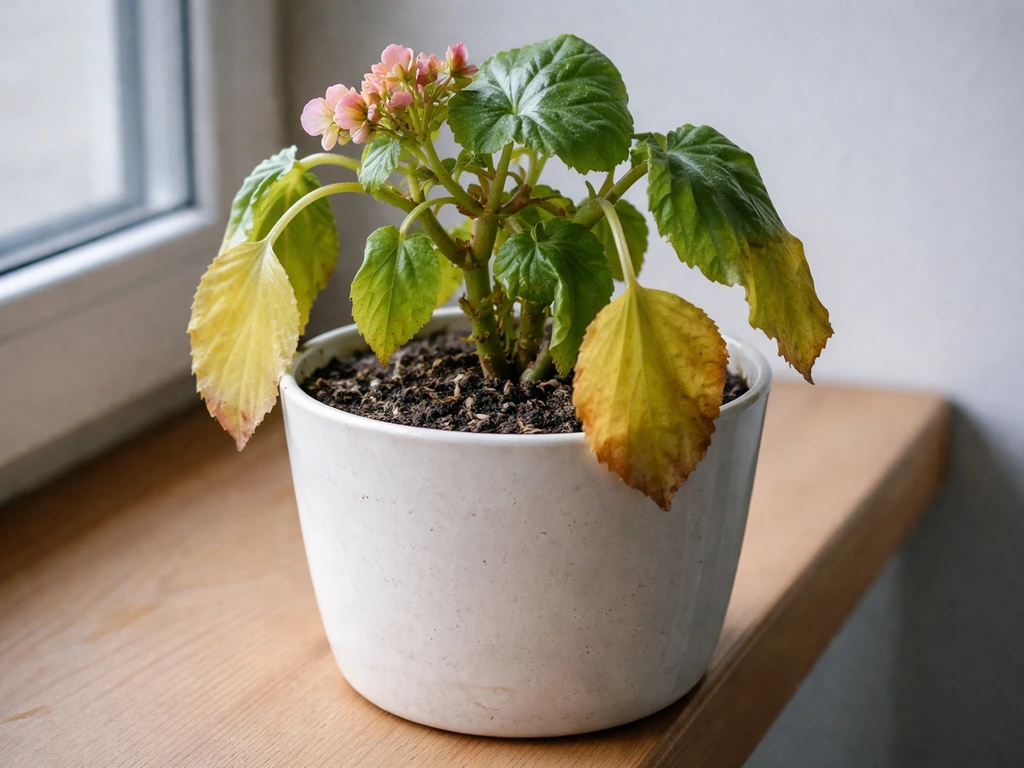
If light isn't the issue, look at temperature and feeding. Plants that are too cold slow down and stop flowering. Temperatures consistently below 55°F (13°C) will do this even without frost damage. Overfeeding with high-nitrogen fertilizer pushes leafy growth at the expense of flowers: if you've been feeding heavily, switch to a fertilizer with a higher middle number (phosphorus) or simply dilute what you're using further and feed less often.
Root rot and overwatering
Wilting that doesn't recover after watering, yellowing lower leaves, and a musty smell from the soil all point to root rot, usually caused by Pythium or similar pathogens in overly wet conditions. At this point the plant is usually in serious trouble. If you catch it early, remove the plant from its pot, cut away any black or mushy roots, let the remaining roots air dry briefly, and repot into fresh, dry mix in a clean pot with good drainage.
Sterilize the old pot before reusing it. Prevention is far easier than cure: well-draining mix and the top-inch watering rule will keep you out of this situation. You can also grow begonias in water, using a rooted cutting in a clean jar and refreshing the water regularly to prevent rot.
Powdery mildew and botrytis
Powdery mildew shows up as white powdery patches on the leaves. It does not need wet leaves to spread, so even well-managed plants can get it in humid, poorly ventilated conditions. At first sign, improve airflow around the plants and remove affected leaves. Fungicide sprays labeled for powdery mildew can be applied early to slow spread. Botrytis (gray mold) causes brown, water-soaked spots on leaves and flowers, usually in cool, damp, stagnant conditions. Remove affected plant material, improve spacing and airflow, and water at the base rather than overhead. Both diseases are much easier to manage early than after they've spread.
Common pests
Wax begonias can attract mealybugs, spider mites, and occasionally whiteflies, especially on indoor plants. Mealybugs leave cottony white clusters in leaf joints; spider mites cause stippled, dusty-looking foliage and fine webbing. For light infestations, wipe leaves with a damp cloth or use a diluted neem oil spray. Avoid introducing infected plants to your collection without quarantining them first, since pests spread fast once established. Check the undersides of leaves regularly, especially on indoor plants, because that's where infestations start and where you can catch them early.
FAQ
Can I treat begonia semperflorens as a true perennial and keep it outdoors year-round?
Usually no, because it has no real frost tolerance. In milder areas you can leave it outside if nights stay consistently warm, but in most climates it is grown as a bedding annual. If you want to save it, bring it indoors before nights drop below 50°F (10°C) and give it a bright window or grow lights to maintain flowering.
Why are my wax begonias flowering less after I move them outdoors or into a brighter window?
Transitions in light intensity can temporarily stall blooms. Acclimate plants for about a week in a sheltered, partly shaded spot, then increase light gradually. Also confirm temperatures are warm, because cold nights below about 55°F (13°C) reduce flowering even if the plant is not frost damaged.
What’s the best way to water wax begonias in containers to avoid root rot?
Use the top-inch rule, water only when the top inch is dry, then water thoroughly until it drains out the bottom. Never let the pot sit in a saucer of runoff, and avoid overhead watering because wet foliage overnight increases risk of botrytis and powdery mildew.
Do wax begonias need fertilizer year-round, or only when they are growing?
Fertilize during active growth only, typically spring through late summer. In winter indoors, cut back or stop feeding if growth slows, then resume when you see steady new leaves. If you notice crusty salt deposits on the soil surface or rim, flush with plain water and pause feeding for a few weeks.
How do I fix a begonia semperflorens that is leggy and not blooming?
First check light level, since insufficient light is the most common cause. Move to brighter partial shade or add a grow light indoors, aiming for long daily exposure. If light is already good, check temperature and feeding, and consider cutting back the plant by about a third to trigger bushier regrowth.
Should I deadhead wax begonias to get more flowers?
It helps. Removing spent flowers and any deteriorating blooms reduces seed production energy and keeps the plant looking tidy, which often improves the appearance of continued flowering. It is not as critical as light and drainage, but it can help in containers where deadheads accumulate quickly.
What type of potting mix is safest if I tend to overwater?
Choose a peat or coir-based mix amended with about 20 to 30% perlite, and use a pot with drainage holes every time. If you tend to stay on the wet side, leaning slightly higher on perlite for better aeration is better than choosing a “moisture-retentive” mix that stays wet too long.
How can I tell early whether my begonia semperflorens is suffering from root rot versus normal stress?
Root rot signs include wilting that does not rebound after watering, yellowing lower leaves, and a musty smell from the potting mix. Normal stress from light or temperature usually improves after adjustments and warm conditions. If it smells off and roots go dark or mushy, treat it promptly by trimming damaged roots and repotting into fresh dry mix.
Can I propagate wax begonia from seed if I want plants sooner for next season?
You can, but it is a timing game because seedlings need about 12 to 16 weeks to reach transplant size. Start indoors early (often late January or February for spring bedding) and use a heat mat to keep germination temperatures in the 72 to 80°F (22 to 27°C) range. Also remember seeds must stay uncovered because they require light to germinate.
My seedlings keep damping off. What should I change?
Damping off usually comes from consistently wet conditions combined with poor airflow or sterilization issues. Use a fine, well-drained seed-starting mix, avoid leaving the tray saturated, and provide gentle airflow. Keep the lid or cover loose enough to limit excess condensation, and remove any seedlings that collapse early to prevent spread.
What pests are most likely on indoor wax begonias, and how do I catch them early?
Mealybugs, spider mites, and sometimes whiteflies are common indoors. Inspect leaf undersides frequently, since infestations start there, and look for cottony clusters at leaf joints (mealybugs) or stippled dusty leaves and fine webbing (spider mites). Quarantine new plants and treat early to prevent rapid buildup.
Next Article
How to Grow Rex Begonias: Care, Propagation, Troubleshooting
Step-by-step care for rex begonias: light, soil, watering, humidity, propagation, and fixes for rot, pests, and faded le