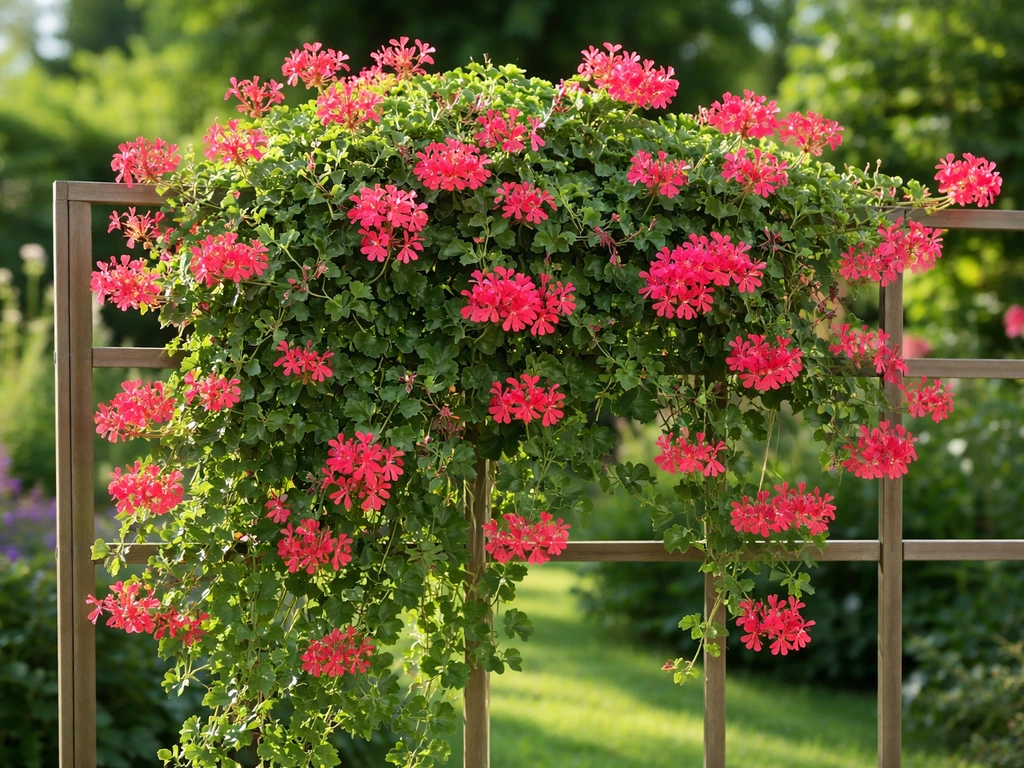
Scented geraniums (actually members of the Pelargonium genus, not true geraniums) are some of the most rewarding plants you can grow. They're tough, fast-growing, and will reward you with fragrant foliage in rose, lemon, mint, cinnamon, apple, and a dozen other scents, plus small but pretty flowers, for months on end. The key to getting them right is giving them full sun, very well-draining soil, and a 'dry it out before you water again' approach. Nail those three things and pretty much everything else is manageable.
How to Grow Scented Geraniums: Care, Propagation, and Troubleshooting

Harriet Whitmore
7 Jul 2026
What actually are scented geraniums?
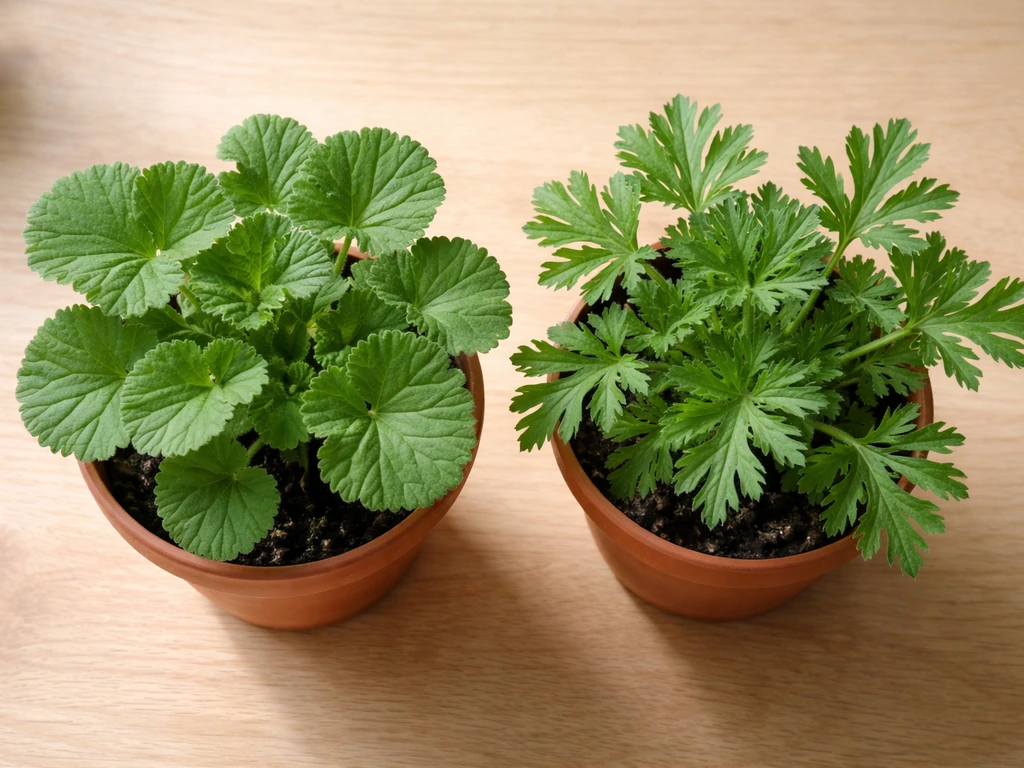
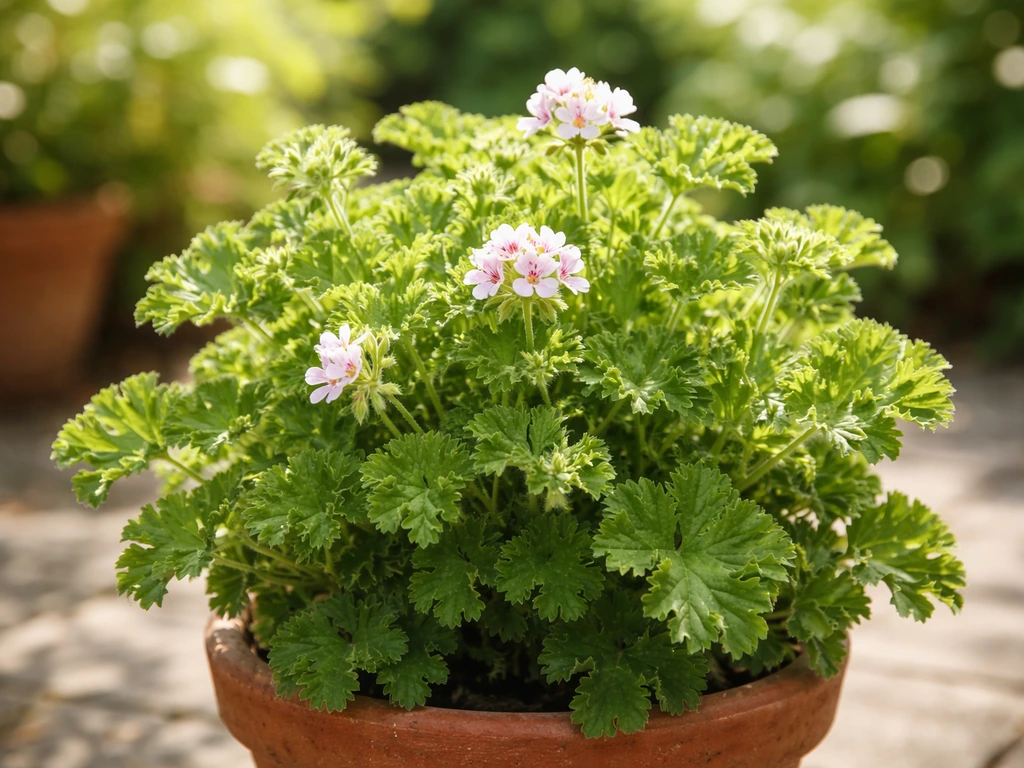
When most people search for scented geraniums, they mean scented-leaf pelargoniums: a group of Pelargonium species grown primarily for their aromatic foliage. The oils in their leaves and stems are released when you brush or rub the plant, and the range of scents is genuinely impressive. These are different from the common bedding geraniums (Pelargonium x hortorum) and climbing types you might grow for bold flower color. If you're interested in those, they have their own slightly different care requirements worth exploring separately.
The botanical naming can be confusing, so here's a quick cheat sheet. What you find sold as 'rose geranium' is usually Pelargonium graveolens or Pelargonium capitatum, both rose-scented and widely grown, including commercially for geranium oil used in perfumery. Pelargonium crispum gives you a strong lemon scent with distinctively crinkled, wavy leaves. Pelargonium x fragrans covers the spicy, eucalyptus-like, nutmeg, and cinnamon types. Then there's a huge range of cultivars within these species offering apple, peppermint, coconut, and even chocolate-rose notes. All of them are grown the same basic way.
Choosing the right type and cultivars
For beginners, rose-scented types like Pelargonium graveolens 'Graveolens' or 'Attar of Roses' are the most forgiving and the most widely available. They grow vigorously, root easily from cuttings, and produce an immediately recognizable fragrance. Lemon-scented varieties like Pelargonium crispum 'Variegatum' are slightly more compact and tidy, which makes them great for pots on a windowsill or a small patio. Lemon-scented varieties like Pelargonium crispum 'Variegatum' are slightly more compact and tidy, which makes them great for pots on a windowsill or a small patio how to grow geranium plant. Peppermint geranium (Pelargonium tomentosum) has large, velvety leaves and a cool, fresh scent, it's showier as a foliage plant but does prefer slightly more shade than most.
If you want flowers as well as fragrance, look for cultivars that have been selected for both, rather than going purely by scent category. Most scented geraniums produce small, pretty flowers (typically in pink, lilac, or white) rather than the showy flower heads of bedding pelargoniums, so set your expectations accordingly and lean into what they're actually brilliant at: aromatic foliage that fills a room or garden space with scent every time you walk past.
Best growing conditions: light, temperature, and humidity
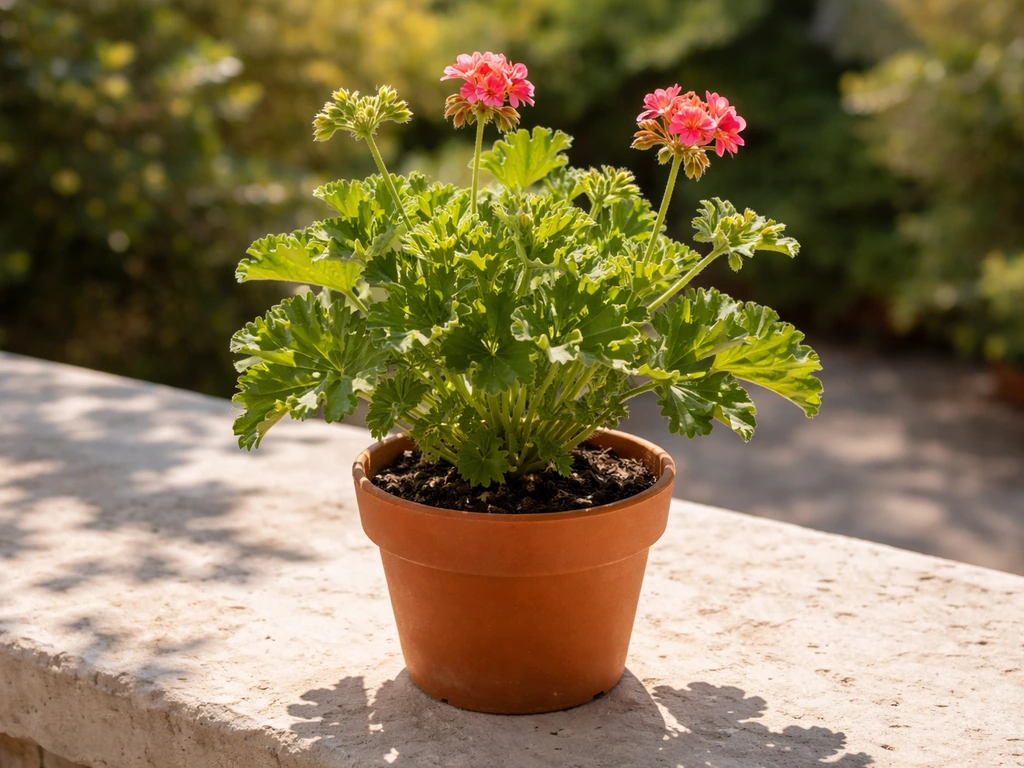
Scented geraniums want as much sun as you can give them. Full sun (at least 6 hours of direct light daily) does two important things: it powers good flowering and, critically, it helps the plant develop the aromatic oils in the leaves. A plant grown in shade will survive but the fragrance will be noticeably weaker. If you're growing indoors, put them on your sunniest windowsill, ideally south- or west-facing. This is one situation where 'bright indirect light' genuinely isn't enough, direct sun through glass is fine.
Temperature-wise, scented geraniums thrive between about 60–75°F (16–24°C). They handle heat reasonably well as long as they're not sitting in waterlogged soil, but they don't like frost at all. The RHS is clear that these are not hardy plants. They can survive and even continue flowering if kept above about 45–50°F (7–10°C), but anything below that and you risk losing them unless you're prepared to overwinter carefully (more on that below). Humidity is not really a concern either way, they cope well in normal household or garden humidity and don't need misting.
Soil, pots, and watering: getting the basics right
If there's one thing that kills more scented geraniums than anything else, it's wet roots. Pelargoniums are from dry, rocky regions in South Africa and their roots are genuinely intolerant of prolonged moisture. The ideal potting mix is free-draining: a standard peat-free compost or potting mix with around 25–30% added perlite or coarse grit works well. Some experienced growers go even heavier on the inorganic component, a mix that's nearly half perlite, particularly if they tend to water generously. The goal is a mix that drains almost immediately and doesn't stay wet for days.
Always use containers with drainage holes. This sounds obvious but it makes a real difference. When you water, water thoroughly so that some drains out of the bottom, then leave the plant alone until the top inch or two of compost feels dry to the touch. In practice, this often means watering every 5–10 days in summer, and even less in autumn and winter. During cool, cloudy weather especially, resist the urge to water on a fixed schedule, check the soil first. Pythium root rot, which is the main disease threat for these plants, is almost always triggered by overwatering in cool conditions. If your plant is wilting but the soil feels wet, overwatering is your first suspect, not underwatering.
Terracotta pots are genuinely better than plastic for scented geraniums because they're porous and help the soil dry out faster. That said, any pot with drainage holes will work fine if you're disciplined about watering. Avoid putting gravel or broken crocks at the bottom of the pot, research suggests this can actually create a perched water table and keep the bottom of the root zone wetter, not drier.
Starting from seed vs. cuttings
Growing from cuttings (easier and faster)
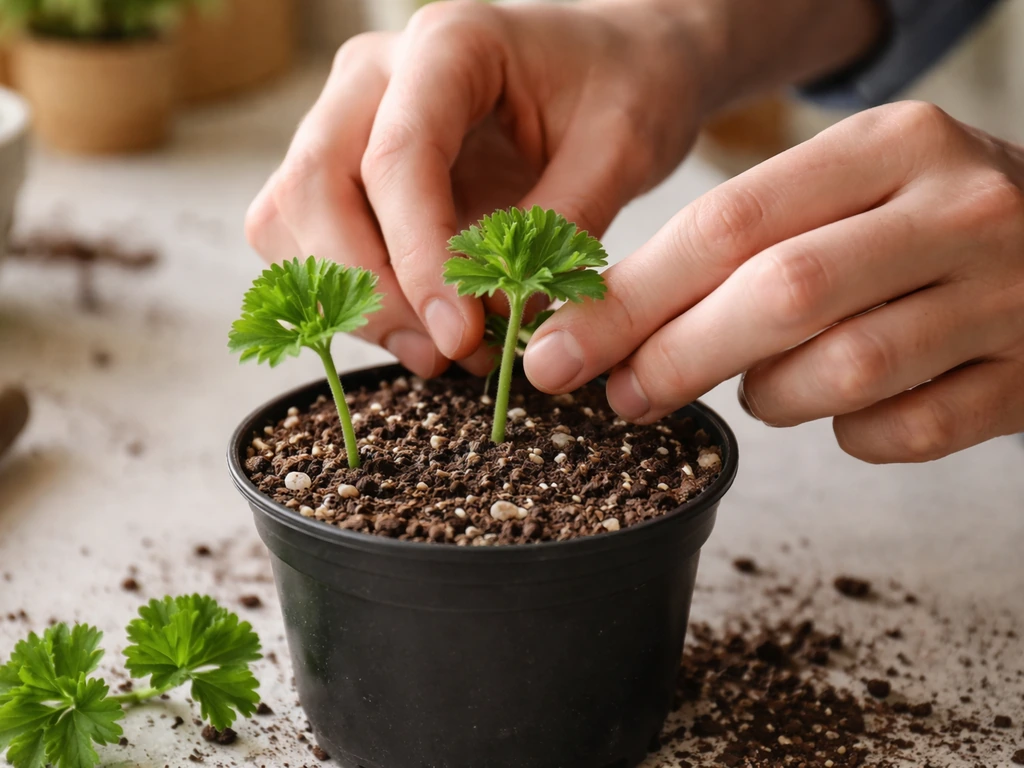
Cuttings are the standard way to propagate scented geraniums, and with good reason: they root reliably, you get a plant identical to the parent, and you skip a whole season of waiting. If you specifically want to grow gypsophila, the key is using a sunny spot with well-drained soil and watering only after the soil dries out how to grow gypsophila. Spring and early summer are the classic times, but late summer also works well. Take a cutting about 3–4 inches long just below a leaf node, remove the lower leaves to leave a clean stem, and let the cut end dry out for an hour or two (this helps prevent rot at the wound). Then push it into a small pot of gritty, free-draining compost or straight perlite.
You don't need rooting hormone, these root readily without it. Keep the cutting in bright light but out of direct scorching sun until it roots, and keep the compost barely moist rather than wet. Syngenta’s geranium production guidance also emphasizes keeping cuttings in bright conditions while avoiding excess moisture, using media and irrigation practices aimed at preventing overly wet conditions during early growth blank" rel="noopener noreferrer">Geranium Quantum Easy Grow Guide v2. Rooting time varies by variety; some go in two weeks, others can take four to six weeks, so be patient. Once you see new growth appearing at the top, roots have established and you can start treating it like a regular plant. If you want to expand into other garden favorites beyond scented geraniums, learn how to grow geums for long-lasting color.
Growing from seed (slower but satisfying)
Starting scented geraniums from seed takes longer but it's completely doable, especially if you're starting in late winter or early spring. Sow seeds about 1/8 inch deep in a fine seed-starting mix, keep temperatures around 65–75°F (18–24°C), and expect germination in about 7–10 days under good conditions. Consistent warmth is more important than anything else at this stage. Once seedlings emerge, the biggest risk is insufficient light making them tall and spindly before they've even got going. Get them under a grow light or on your brightest windowsill immediately after germination, leggy seedlings that stretch toward the light never quite recover their compact shape.
Feeding, pruning, and pinching for bushy, blooming plants
Scented geraniums are not heavy feeders. During the active growing season (spring through summer), feed every two to three weeks with a balanced liquid fertilizer or a low-nitrogen, potassium-rich fertilizer to encourage both foliage quality and flowering. Ball Seed’s ornamental plants plug growing chart is production guidance that gives a day/night temperature and fertilizer-rate framework and notes that controlling stretch involves low nitrogen and phosphorus plus careful water management for pelargonium plug stages. Avoid high-nitrogen feeds, too much nitrogen pushes lush, soft, floppy growth at the expense of fragrance and flowers. In autumn, reduce feeding significantly. If you're keeping the plant just ticking over in winter rather than actively growing, stop feeding altogether until growth resumes in spring.
Pinching is the most important care task most beginner growers skip. When a young plant has grown three or four sets of leaves, pinch out the growing tip between your fingers. This forces the plant to branch out sideways rather than growing tall and lanky. Repeat this two or three more times as the season progresses and you'll end up with a full, bushy plant rather than a spindly one. Once the plant is flowering, deadhead regularly, removing spent flower heads encourages the plant to produce more blooms rather than setting seed, and it also helps reduce the risk of grey mold getting a foothold in dying petals.
Getting the most fragrance and flowers
The single biggest factor in fragrance intensity is sunlight. The aromatic oils that give scented geraniums their characteristic smell are produced in the leaf glands, and full sun is what drives oil production. A plant in shade will be far less fragrant than the same plant in full sun. Beyond that, placing your plants somewhere you'll brush past them regularly, at the edge of a path, near a doorway, on a patio table, means you'll naturally trigger the scent release throughout the day. The fragrance doesn't just float freely the way a rose does; it needs physical contact to release properly.
Keep the plant relatively compact through regular pinching and don't let it get too large and woody before cutting it back. Younger growth tends to have higher oil content and stronger scent than old woody stems. Moderate stress, slightly drier conditions and lean feeding, also appears to concentrate the oils, which is why these plants have such strong fragrance in their native dry, sunny habitat. You don't want to stress them severely, but you definitely don't need to baby them with rich compost and constant watering.
Troubleshooting common problems
Leggy, stretched growth
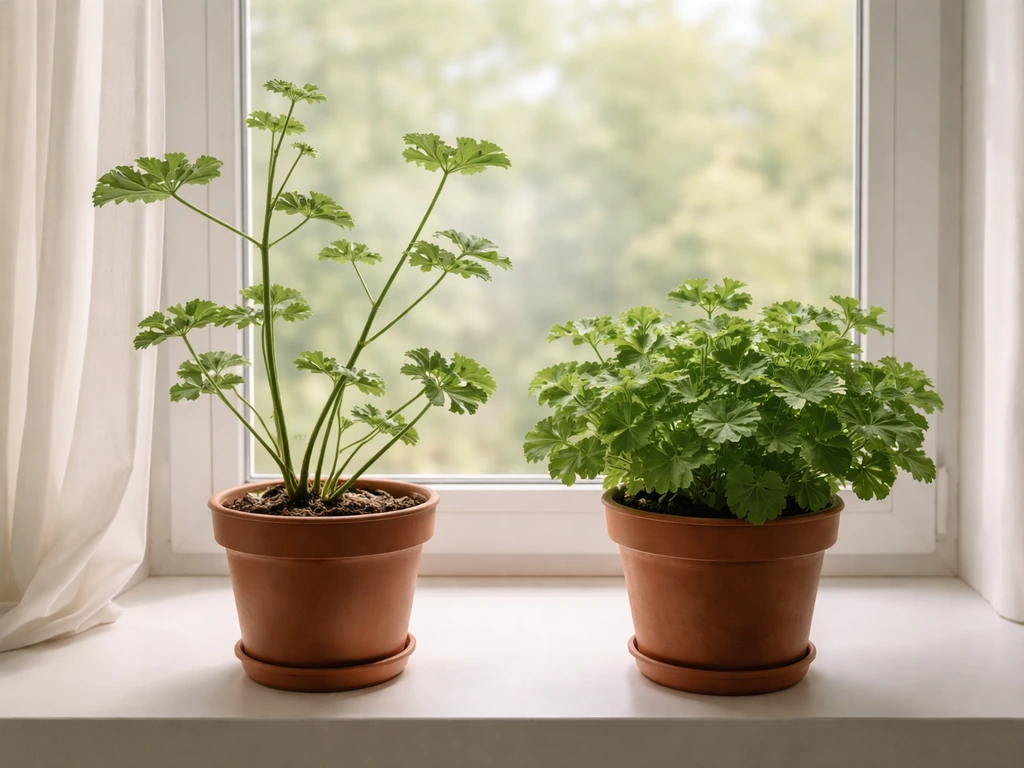
This is almost always an insufficient light problem. If your scented geranium is growing long, spindly stems with widely spaced leaves, it needs more direct sun. Move it to a sunnier spot and cut back the leggy stems to a healthy set of leaves, then pinch the new growth as it comes in to encourage branching.
Yellowing leaves
Yellow leaves can mean a few different things. Lower leaves yellowing and dropping off as the plant matures is perfectly normal. But widespread yellowing combined with soggy soil and wilting usually points to root rot from overwatering. Check the roots: healthy roots are white and firm, while rotted roots are brown, mushy, and smell bad. If you catch it early, repot into fresh dry compost, cut off the damaged roots, and reduce watering going forward. If yellowing is accompanied by dry soil and the plant looks hungry, it may just need a feed.
Failure to flower
If your plant is growing well but not flowering, the most likely culprit is low light. Scented geraniums need bright direct sun to flower well. Overfeeding with nitrogen can also delay flowering by pushing the plant into producing lots of leafy growth instead. Switch to a lower-nitrogen feed and make sure the plant is getting at least 6 hours of direct sun.
Pests to watch for
- Whitefly: Look for small white insects clustering on the undersides of leaves. They're most common in warm, sheltered conditions. Yellow sticky traps help monitor and catch them, and neem oil sprays are a practical organic treatment.
- Vine weevil: Adults notch leaf edges at night; larvae eat roots underground and can cause sudden plant collapse. Check the roots of any plant that wilts for no obvious reason, especially in autumn. Use nematode biological control in late summer.
- Root mealybugs: Less visible than standard mealybugs because they live on the roots, but they look like small white cottony clusters when you unpot the plant. Treat by drenching with an appropriate insecticide and repotting into clean compost.
- Thrips: Cause silvery streaking or speckling on leaves. Remove affected foliage and treat with neem oil or insecticidal soap.
Diseases to watch for
- Pythium root rot: The main disease risk, caused by overwatering especially in cool conditions. Prevention is everything here — free-draining compost, drainage holes, and disciplined watering.
- Grey mold (Botrytis): A fuzzy grey fungal growth that typically starts on dead or damaged tissue, especially spent flowers or damaged leaves. Remove affected material promptly, improve air circulation, and avoid getting foliage wet when watering.
- Geranium rust: Orange-brown powdery pustules on the undersides of leaves. Remove affected leaves, improve air circulation, and avoid overhead watering. It spreads via spores so catching it early matters.
- Bacterial leaf spot/wilt (Xanthomonas): Causes angular brown spots on leaves or sudden wilting. This is harder to treat once established — remove affected plants or heavily infected stems, avoid overhead watering, and don't propagate from infected material.
Seasonal care and overwintering
In the ground or in outdoor containers, scented geraniums follow a fairly predictable seasonal pattern in most temperate climates. Spring is the time to take cuttings, repot if needed, and start feeding. By early summer the plants should be actively growing and flowering. Keep up with pinching and deadheading through summer, and water regularly but carefully. In late summer, if you want to take cuttings to overwinter as insurance, this is a good time to do it.
As temperatures start dropping in autumn, bring container plants indoors before the first frost. Scented geraniums are not frost-hardy and even a light frost can cause serious damage. Before bringing them in, cut the plants back by about a third to a half, this reduces stress, limits the amount of space the plant takes up indoors, and removes any pest-harboring growth. Reduce watering significantly and stop feeding, or feed only very lightly if the plant is kept in a warm, sunny spot where it continues growing actively.
For overwintering storage in a cool place like an unheated garage or basement, aim to keep temperatures between 45–55°F (7–13°C). Water very sparingly, just enough to prevent the compost from drying out completely and the stems from shrivelling. Overwatering during this dormant or semi-dormant period is probably the most common reason plants don't make it through the winter. In a warm, bright spot like a heated conservatory or sunny windowsill, scented geraniums can keep growing and flowering almost year-round, but they'll still need less water and feed than during summer.
In spring, once temperatures are reliably above 50°F (10°C), you can move plants back outside (harden them off gradually over a week or two first), resume regular watering, and start feeding again. Cut back any winter-damaged or leggy growth to a healthy node and the plant will regrow quickly. Most scented geraniums are surprisingly resilient and will bounce back from a lot, as long as their roots haven't been sitting in wet soil.
Quick reference: scented geranium growing conditions at a glance
| Factor | Ideal Conditions | Common Mistake to Avoid |
|---|---|---|
| Light | Full sun, 6+ hours direct sun daily | Placing in shade or bright indirect light only |
| Temperature (growing) | 60–75°F (16–24°C) | Leaving outdoors when frost threatens |
| Overwintering temperature | 45–55°F (7–13°C), frost-free | Overwintering somewhere too cold or too warm and wet |
| Soil/compost | Free-draining mix with 25–30% perlite or grit | Dense, moisture-retaining potting compost alone |
| Watering | Thoroughly, then allow soil to dry before watering again | Watering on a fixed schedule regardless of soil moisture |
| Feeding | Balanced feed every 2–3 weeks in spring/summer; none in winter | High-nitrogen feeds or feeding during winter dormancy |
| Pruning/pinching | Regular pinching of growing tips; cut back by 1/3–1/2 in autumn | Letting plants grow tall and leggy without pinching |
FAQ
Can I grow scented geraniums indoors year-round?
Yes, but only if you control the light and moisture. Use a south- or west-facing window if possible, rotate the pot every week, and keep a saucer empty so excess water cannot wick back into the drainage holes. During winter, let the top 1 to 2 inches dry fully before watering again, and expect slower growth and weaker scent compared with summer outdoor light.
What’s the biggest mistake people make when propagating scented geranium cuttings?
Avoid taking cuttings from plants that are already wet or stressed. Choose healthy, non-flowering stems, and aim for cuttings with at least one leaf node. After inserting into gritty mix, covering the pot with plastic often increases rot risk because it traps moisture, use bright light and keep the compost barely moist instead.
My plant looks healthy but the fragrance is weak, what should I check first?
For scented-leaf pelargoniums, the plant wants warm roots and high light, not constant watering. If you see pale, weak growth plus fewer scent oils, first increase direct sun (or use a grow light) and only then adjust feeding. If the soil is drying normally and stems are still floppy, review whether you are using a low-nitrogen feed and watering thoroughly but infrequently rather than little-and-often.
Why isn’t my scented geranium flowering?
This usually points to either insufficient direct sun or nitrogen-heavy feeding. Move to the brightest location you have with at least 6 hours of direct light, then switch to a low-nitrogen, potassium-leaning fertilizer. Also confirm you are deadheading, because allowing spent blooms to set seed can reduce the push for additional flowers.
What should I do if I suspect root rot?
A sudden odor or brown mushy roots strongly suggest root rot. If caught early, unpot, remove all damaged roots, and repot into fresh dry, gritty mix in a clean pot with good drainage. After repotting, wait until the compost dries again before watering thoroughly, and do not use a larger pot than needed, smaller pots dry more reliably.
Do I need to plant scented geraniums somewhere specific for the best smell?
Yes, but remember the fragrance oils release on contact. Place pots where you will brush past them, like along a path edge, near a doorway, or on a patio table, and consider trimming to keep the plant at a convenient height for access. If you want stronger scent indoors, rubbing leaves often releases more oil than simply letting the fragrance drift.
What’s the correct way to water scented geraniums during winter?
Overwinter success depends on the balance of temperature and dryness. In a cool storage area (around 45–55°F), water only to prevent complete drying, never keep the compost constantly damp. In a warm, bright spot, you can keep watering more than in cool storage, but still reduce compared with summer and do not resume heavy feeding until new growth is clearly active.
How can I tell normal leaf drop from a problem?
The leaf color alone can be misleading. Lower leaf yellowing near the base is often normal, but widespread yellowing paired with wilting and moist compost suggests overwatering. If yellowing happens with dry compost, it may be mild thirst or nutrient shortage, then water properly and resume feeding on a low-nitrogen schedule.
Should I put gravel in the bottom of the pot to improve drainage?
Yes, especially in containers, because potting mixes can stay too wet. Do not add gravel at the bottom, it can create a perched water zone. Use a gritty mix with enough perlite or coarse grit (aim roughly 25 to 30% added inorganic material) and choose terracotta or any pot that dries quickly while still having drainage holes.
How should I bring scented geraniums indoors before frost?
Cut plants back by about one third to one half before bringing them indoors to reduce stress and pest-harboring growth. Then reduce watering and stop feeding unless they are still actively growing in a warm, bright location. Finally, watch for spider mites and whitefly after moving indoors, check leaf undersides weekly and isolate any problem plants.
Next Article
How to Grow Climbing Geraniums: Step-by-Step Care Guide
Step-by-step care for climbing geraniums: planting, light, soil, training on trellises, feeding, seasonal tips, fixes.