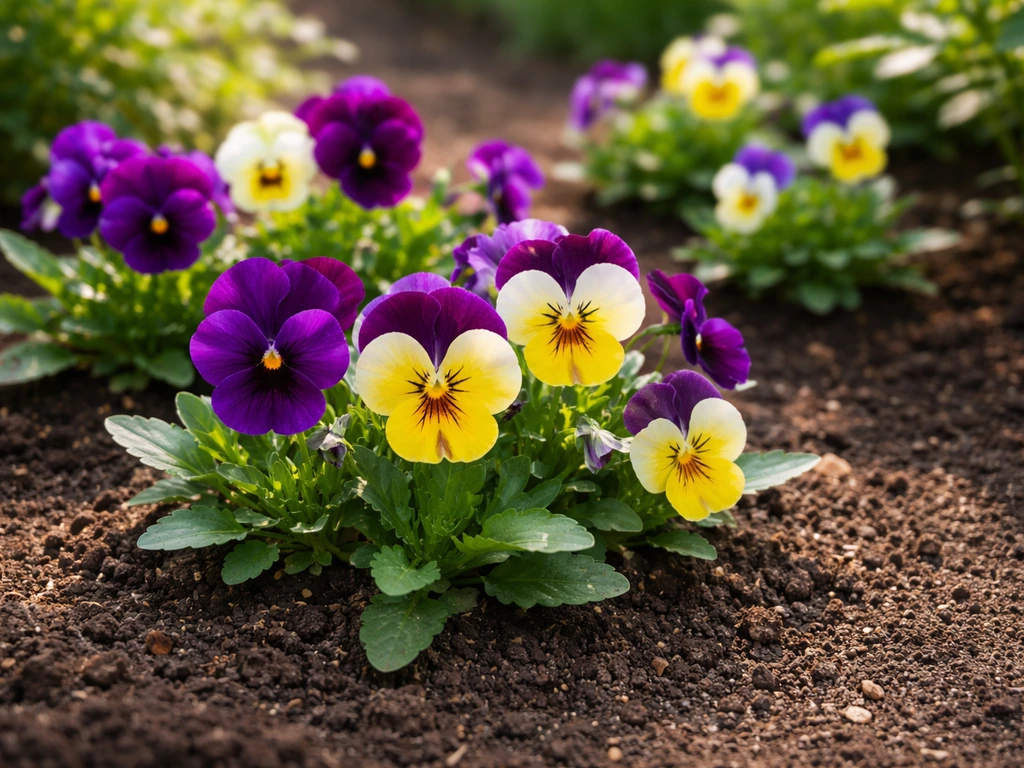
To get purple pansies in Animal Crossing: New Horizons, you need to breed blue pansies together. Blue pansies aren't sold directly, so you first breed red and yellow pansy seeds to make orange pansies, then breed two blue pansies (which come from red and red) to eventually produce the purple offspring. It takes a few days and a bit of grid setup, but once you understand the color path, purple pansies are very achievable.
How to Grow Purple Pansies in ACNH Seed to Bloom Guide

Harriet Whitmore
27 May 2026

What purple pansies mean in ACNH (and when they can appear)
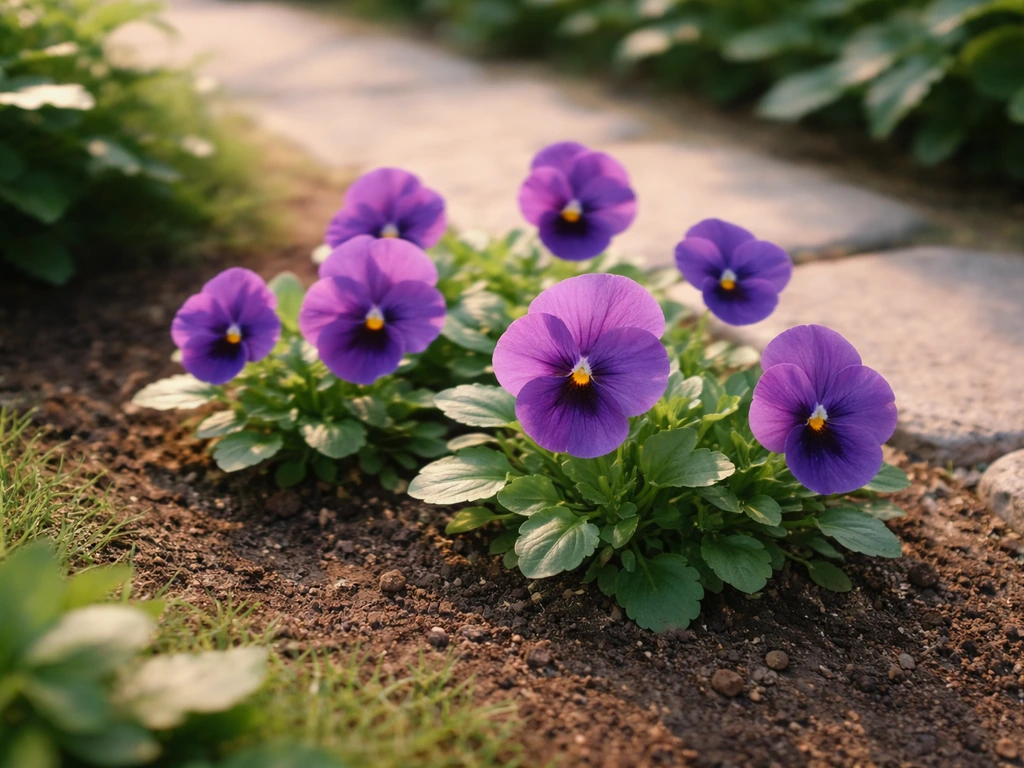
Purple pansies are a hybrid color in ACNH, meaning they don't come from any seed packet you can buy at Nook's Cranny. They only exist as the result of breeding two flowers with the right genetic combination. In practical terms, that means you have to earn them through your flower grid rather than just shopping. They're one of the rarer hybrid colors, which makes them satisfying to display, and a lot of players use them in garden designs precisely because they feel like something you worked for.
As for availability, pansy seeds show up at Nook's Cranny during the months they're in season. If you want a head start on where to grow pansies, check what season they’re available in and plan your planting grid around that timing pansy seeds. If you want to know exactly when to start planting and breeding for purple pansies, focus on the seasonal availability of pansy seeds in your hemisphere when to grow pansies. In the Northern Hemisphere, pansies are typically available from about November through April, with peak availability in the cooler months. Southern Hemisphere players see them shifted by six months, so roughly May through October. You need those base seeds (red, yellow, and in some paths, white) to start your breeding chain, so check Nook's Cranny daily during pansy season. The shop rotates its flower seed selection each day, so if pansies aren't stocked today, check again tomorrow.
The hybridization path to purple
Here's the part most guides gloss over: you can't just plant any two flowers next to each other and hope for purple. ACNH flowers carry hidden genetic values that determine what color offspring they produce, and the specific seed-bought colors have consistent genetics that make certain pairings reliable. For purple pansies, the most direct route is:
- Buy red pansy seeds and yellow pansy seeds from Nook's Cranny.
- Plant red next to yellow in a checkerboard (alternating) grid and water them daily.
- Wait for orange pansies to appear as offspring.
- Now plant two of those orange pansies next to each other.
- Water daily and wait. A portion of the offspring will be purple pansies.
The orange-to-purple step is the key insight. Orange pansies bred from red and yellow seeds carry the right internal gene values to produce purple when paired together. Not all orange pansies are created equal genetically, but the ones you breed from Nook's Cranny red and yellow seeds reliably carry those values, so stick to seed-bought parents rather than using wild-found or traded flowers unless you're certain of their origin. If you want help turning this into a step-by-step purple mum setup, follow the same breeding and watering logic for purple mums in Animal Crossing: New Horizons how to grow purple mums animal crossing.
There's also an alternative path using blue pansies. To use the blue pansies route, start by breeding two red pansy seeds together until you get blue, then breed those blues to work toward purple. Blue pansies come from breeding two red pansy seeds together (yes, two reds make blue, which surprises a lot of players). Once you have two blue pansies, breeding them together can also yield purple. That path takes longer because you're doing two intermediate steps before you even start chasing purple, so the orange-to-orange route tends to be faster for most players.
| Path | Parent Flowers Needed | Intermediate Step | Speed to First Purple |
|---|---|---|---|
| Orange route (recommended) | Red + Yellow seeds | Breed to get Orange, then Orange x Orange | Faster, fewer steps |
| Blue route | Red + Red seeds | Breed to get Blue, then Blue x Blue | Slower, but works |
How to set up your planting grid for success
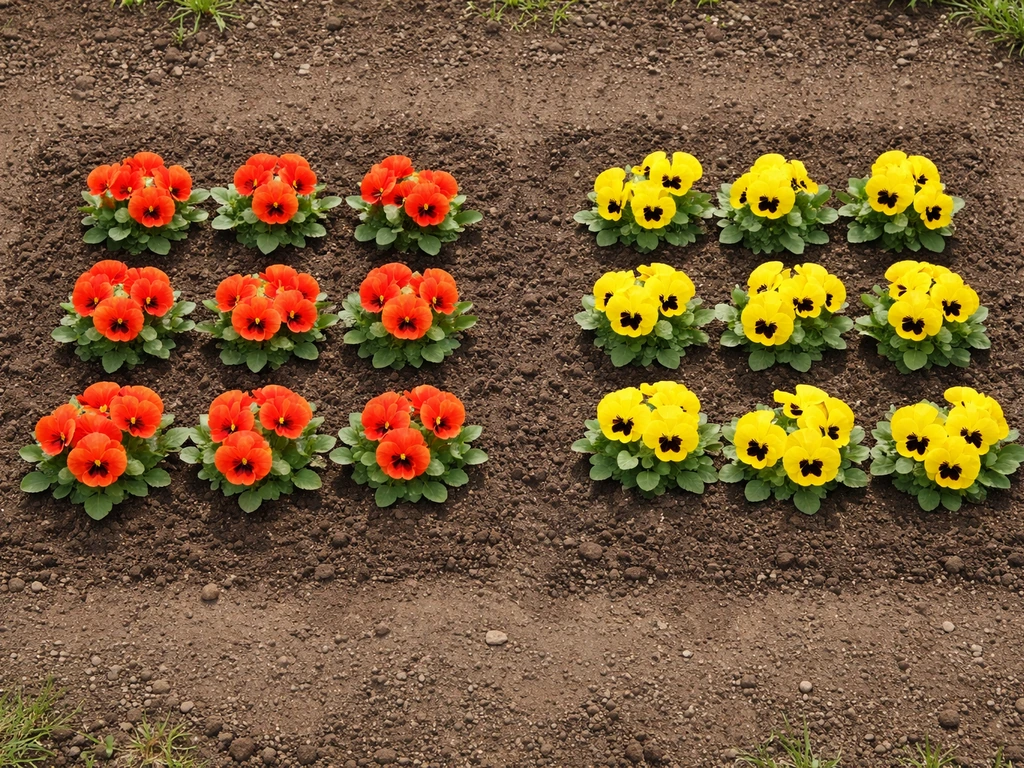
Flower breeding in ACNH only happens between flowers planted adjacent to each other, either directly side by side or diagonally. The standard method that most players swear by is the checkerboard grid: plant flowers in alternating squares so each flower has open ground diagonally adjacent to it. That open square is where offspring can appear. If you pack flowers in solid rows with no gaps, there's nowhere for a new flower to spawn.
For your orange-to-orange breeding setup, place two orange pansies diagonally adjacent with empty tiles around them. A simple 2x2 block works: put orange flowers in two diagonal corners and leave the other two corners empty. When conditions are right, offspring spawn in those empty spots. You can scale this up into longer alternating rows once you have more orange parents to work with.
Location on your island doesn't matter much for breeding. Flowers grow and breed just as well near the beach as on a clifftop. What does matter is that the tiles where you want offspring to appear are genuinely empty and not blocked by furniture, fencing, or other flowers. Keep the area tidy and don't fence in your breeding grid in a way that fills all the adjacent spots.
Day-to-day care: watering and the growth stages
Flowers in ACNH go through four growth stages: seed, stem, bud, and bloom. Breeding can only happen once flowers reach the bud or bloom stage, so freshly planted seeds need a couple of days to mature before they start contributing to your hybrid setup. Water them daily to move through the stages as quickly as possible.
Watering is the single most important daily task. A flower needs to be watered by blank" rel="noopener noreferrer">at least one player on a given day to have a chance of producing offspring the next morning. When you water a flower and it sparkles, that's the visual confirmation it's been watered and is eligible to breed. To make your pansies grow bigger, keep watering consistently and make sure your breeding tiles stay clear so blooms develop without interruptions make pansies grow bigger. If you skip watering, no offspring will appear from that flower the next day, full stop. Make it a habit to water your breeding grid every time you open the game.
Bonus: if five or more unique island visitors water your flowers on the same day, the breeding chance increases significantly. If you have friends or people on your friend list who are active in ACNH, invite them to visit and water your garden. It genuinely speeds things up, and it's a fun reason to have people over.
Why your purple pansies aren't showing up
This is the section I wish someone had handed me early on, because there are a handful of specific reasons purple refuses to appear even when you think you're doing everything right.
- Wrong orange pansies: If your orange pansies didn't come from red x yellow Nook's Cranny seeds, they may carry different genetics and won't reliably produce purple. Always trace your orange pansies back to seed-bought reds and yellows.
- Flowers aren't blooming yet: Breeding only happens at the bud and bloom stages. If you just planted your orange parents, give them 2 to 3 days to mature before expecting results.
- Forgot to water: Even one missed watering day means zero offspring that next morning. Check every session.
- No empty adjacent tiles: If all the tiles around your breeding flowers are occupied, there's nowhere for an offspring to appear. Clear some space.
- Expecting 100% purple odds: Orange x orange doesn't produce all-purple offspring. You'll also get yellow, orange, and other colors mixed in. Purple is just one possible outcome from that pairing, so be patient and keep going.
- Cloning instead of breeding: A single flower surrounded by other same-color flowers may clone itself instead of producing a hybrid. Isolating your orange pair away from other orange flowers reduces cloning interference.
The biggest trap is using orange pansies from an unknown source, like one a friend gifted you or one you found on a mystery island. To grow purple Queen plants, you’ll want to start with healthy seeds or cuttings and then provide consistent light, watering, and soil conditions. Without knowing their genetic background, you can't guarantee they'll produce purple. If you're stuck, restart with confirmed seed-bought parents and rebuild your orange generation from scratch. It's annoying but usually solves the problem quickly.
Scaling up: making more purple pansies once you have one
Once that first purple pansy appears, the fastest way to get more is to clone it. Cloning happens when a flower has no adjacent partner of a different color and instead reproduces a copy of itself. To clone a purple pansy, isolate it in a spot where only empty tiles surround it, water it daily, and it will eventually spawn an identical purple offspring. No guesswork about genetics, no mixed-color offspring. You're just duplicating what you already have.
You can also continue running your orange x orange breeding grid at the same time to generate more purple pansies naturally. The more pairs of orange parents you have working in parallel, the more chances for purple offspring each morning. Once you have three or four purple pansies, start a dedicated cloning row for those and let your orange grid keep producing new ones too.
One tip that saves a lot of island space: designate a specific fenced or roped-off area as your breeding zone and a separate area as your display garden. Move purple pansies to the display area only once you have enough clones built up. That way you're not constantly raiding your display garden to feed the breeding grid, and your island stays organized.
If you want to go even faster, check online communities for players who are gifting purple pansies. Having just one or two gifted plants to add to your cloning operation can jump-start production by several days. That said, if you're the type who wants to breed your own (and it's genuinely satisfying when that first purple pops up), stick with the seed route.
Your checklist for today
- Check if pansy seeds are available at Nook's Cranny today (look for red and yellow pansy seeds specifically).
- If seeds are in stock, buy at least 6 to 10 of each color to give yourself enough parents to work with.
- Set up a checkerboard grid: red flowers alternating with yellow flowers, with open diagonal tiles between pairs.
- Water every flower in the grid today and every day after.
- Once orange pansies appear, relocate them into their own orange x orange breeding pairs with empty adjacent tiles.
- Keep watering the orange parents daily and check each morning for new offspring.
- The moment a purple pansy appears, move it somewhere isolated and start cloning it immediately.
- Invite friends to water if you want to boost your odds faster.
- If nothing is appearing after several days, double-check that your orange parents came from seed-bought reds and yellows, and that all adjacent tiles are empty.
FAQ
Why aren’t my orange pansies producing purple, even though I’m watering every day?
Check that you are using orange pansies that originated from the Nook’s Cranny breeding chain, not orange flowers from gifts, mystery islands, or trades. If the genetics are unknown, the orange-to-orange pairing may never reach the purple combination. A reliable fix is to rebuild your orange parents from confirmed seed-bought reds and yellows.
How do I know which tiles to leave empty for purple pansy offspring to spawn?
Leave empty ground in diagonally adjacent positions to your breeding flowers (the checkerboard method works best). If you fill every surrounding tile with flowers, fencing, paths, or furniture, there is no open spot for offspring to appear, so nothing new will spawn the next morning.
Can I speed up purple pansy breeding by placing more orange flowers close together?
More nearby flowers does not equal faster results if it blocks valid breeding spots. You want a grid where each target orange pair has at least one open adjacent tile for offspring to spawn. Use a dedicated breeding zone with clear, empty tiles rather than crowding.
When exactly should I expect purple pansies to show up after watering?
Offspring appear the next morning after you water the eligible buds or blooms. If your flowers are still at seed or stem stage, they are not ready to breed yet, so you will not see results until they reach bud or bloom.
Does it matter if my breeding flowers are near the beach or on a cliff, like does location affect purple pansies?
Location on your island does not matter for breeding outcomes. What matters is that the specific adjacent tiles where offspring can spawn are genuinely empty and not blocked by other flowers or placed items.
Should I keep purple pansies in the breeding grid, or move them out once they appear?
For efficient production, isolate purple pansies and move them out of the crowded breeding area. If they stay mixed with your breeding grid, they can take up space and interfere with the open-tile pattern you need for consistent offspring spawning.
What’s the difference between breeding and cloning, and when should I use cloning for purple pansies?
Breeding uses adjacent pairs that produce new hybrid colors. Cloning duplicates the same flower color when a flower has no adjacent partner of a different color. Clone once you have at least one purple pansy, then keep it surrounded by empty tiles so it can reproduce reliably without changing the color mix.
How many waterers from visitors helps, and can friends mess up my setup?
Having five or more visitors water the flowers on the same day increases breeding chance significantly. They generally will not harm your genetics, but you should make sure visitors only water in your intended breeding zone so they don’t waste time watering display or blocked areas.
If I got an orange pansy from a friend, can I still use it to make purple?
You can try, but you cannot guarantee it has the exact genetic origin needed for the purple outcome. If purple never appears after multiple cycles, the practical next step is to restart the orange generation using only seed-bought parents to remove that uncertainty.
Can I use the blue pansy route instead of orange-to-orange, and is it worth the extra time?
Yes, you can. The blue route requires two intermediate steps (red to blue, then blue to purple), so it usually takes longer. It can be worth it if you already have blue pansies established, but for most players the orange-to-orange chain is faster.
What do I do if my flowers keep growing but nothing new spawns in the empty tiles?
First confirm every breeding flower is at bud or bloom stage, then confirm those flowers show the sparkle on the day you watered them. If you see no sparkle, the flower is not eligible to breed, and skipping even one day for that tile will prevent next-morning offspring.
How do I set up a small breeding area so I don’t run out of space?
Start with a compact 2x2 pattern for orange-to-orange (orange in two diagonal corners, other corners empty) and scale up once you have enough orange parents. Keep breeding and display areas separate using fencing or ropes so you can expand without constantly moving flowers around.
Next Article
Where to Grow Pansies: Best Spots, Soil, and Timing
Where to grow pansies: best sun, soil, drainage and timing for cool weather blooms in beds or containers.