Pansy 'Swiss Giant' is one of the most rewarding pansies you can grow, producing large, velvety blooms up to 3–4 inches across in a wide mix of colors. Start seeds indoors 10–14 weeks before your last frost date at a soil temperature of 65–70°F, expect germination in 7–14 days, and count on flowers roughly 60–70 days after sowing. Give them cool weather, full to part sun, rich well-draining soil, and consistent moisture, and they'll put on a show that genuinely stops people in their tracks.
Pansy Swiss Giant How to Grow: Seed to Bloom Guide

Harriet Whitmore
19 Jun 2026
What 'Swiss Giant' is and what to expect
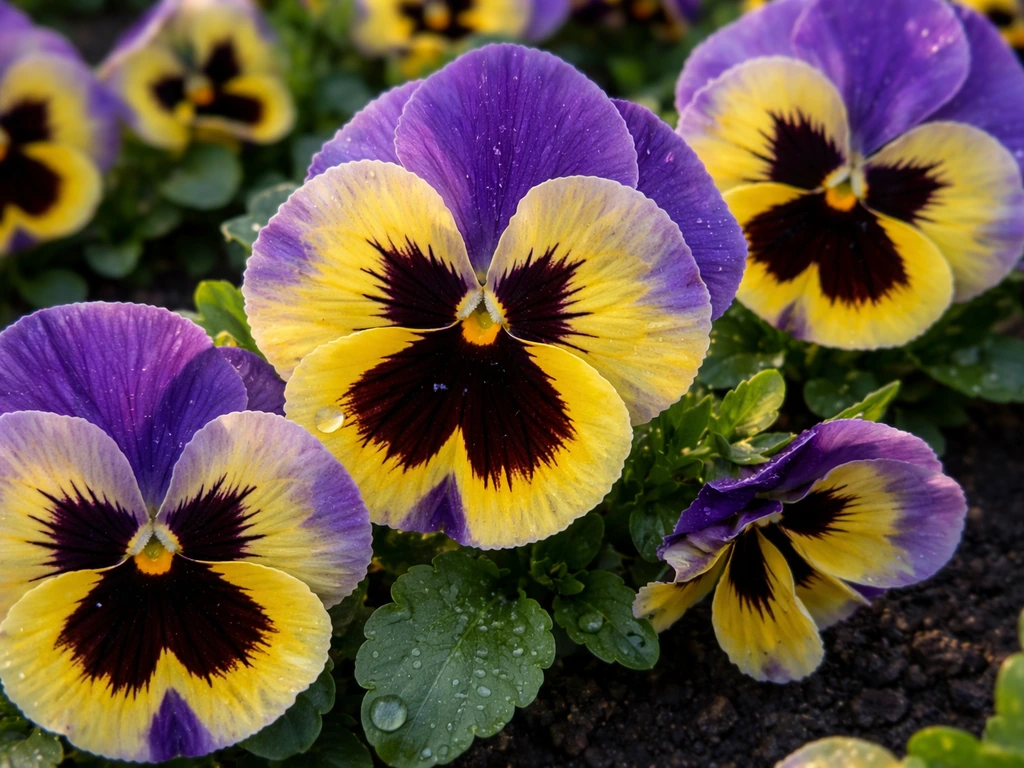
Swiss Giant is a large-flowered strain of Viola × wittrockiana, the common garden pansy. If you want pansies to grow bigger, focus on cool weather, generous sun, and consistent moisture so they can fully form those oversized blooms large-flowered strain. The name refers to the oversized blooms rather than the plant itself, which stays compact at around 6–9 inches tall. Where a standard pansy might give you 1.5–2 inch flowers, Swiss Giant delivers blooms closer to 3–4 inches, often with bold face markings and a velvety texture that photographs beautifully. The color range in mixed formula packets is genuinely impressive: deep purples, clear yellows, wine reds, sky blues, apricots, and bicolors all come from a single sowing.
Technically, garden pansies are short-lived perennials, but in practice almost everyone grows them as annuals or biennials. Garden pansies (Viola × wittrockiana) are typically grown as biennials or annuals because after a few years their stems become long and scraggly blank" rel="noopener noreferrer">Pansy. After a season or two the stems get long and scraggly and flowering declines sharply, so a fresh sowing each year is really the better plan. The payoff is that Swiss Giant can flower in its first year from seed, sometimes in as few as 9 weeks from sowing under ideal conditions, though 60–70 days is the more reliable expectation. Pansies are cool-season plants, meaning they perform best when daytime temperatures sit between 45°F and 65°F. They'll tolerate light frost but start to sulk and stop flowering once summer heat arrives. If you are growing purple pansies in ACNH, the same cool-weather timing and consistent care style helps you keep them thriving.
The best growing conditions for big blooms
Light
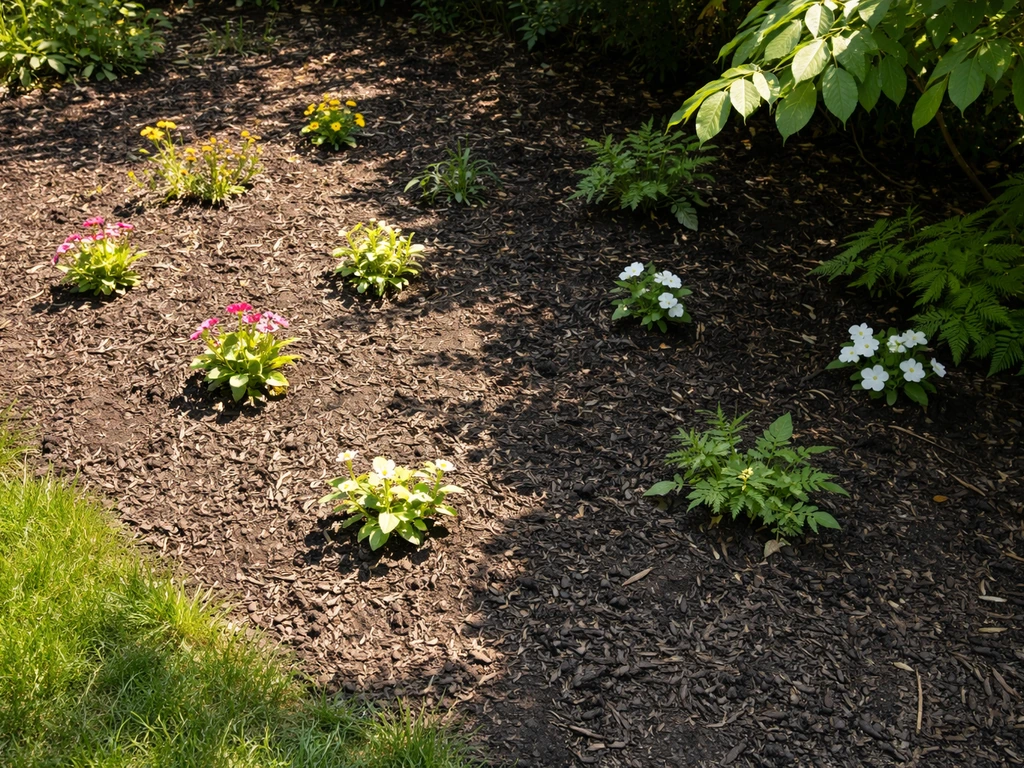
Swiss Giant performs best in full sun to partial shade, which in pansy terms means at least 4–6 hours of direct light. In cool spring and autumn weather, full sun is ideal and encourages the most prolific flowering. If you're growing them through late spring into early summer, a spot with morning sun and afternoon shade will buy you extra weeks of bloom before heat shuts them down. If you want specific answers on where to grow pansies in your yard or region, focus on a cool spot with plenty of light and good drainage morning sun and afternoon shade. In the South or warm-winter zones, afternoon shade is almost essential for extending the season.
Temperature
This is the most important factor with pansies and the one most beginners underestimate. Swiss Giants thrive between 45°F and 65°F. They can handle a light frost down to about 28°F once established and hardened off. Above 75°F they stop flowering, and sustained summer heat will kill them outright. This is why pansies are planted in early spring or autumn in most climates, not summer. If you're wondering when to grow pansies for the best blooms, aim for early spring or fall so the plants stay in their cool-season comfort zone early spring or autumn.
Soil
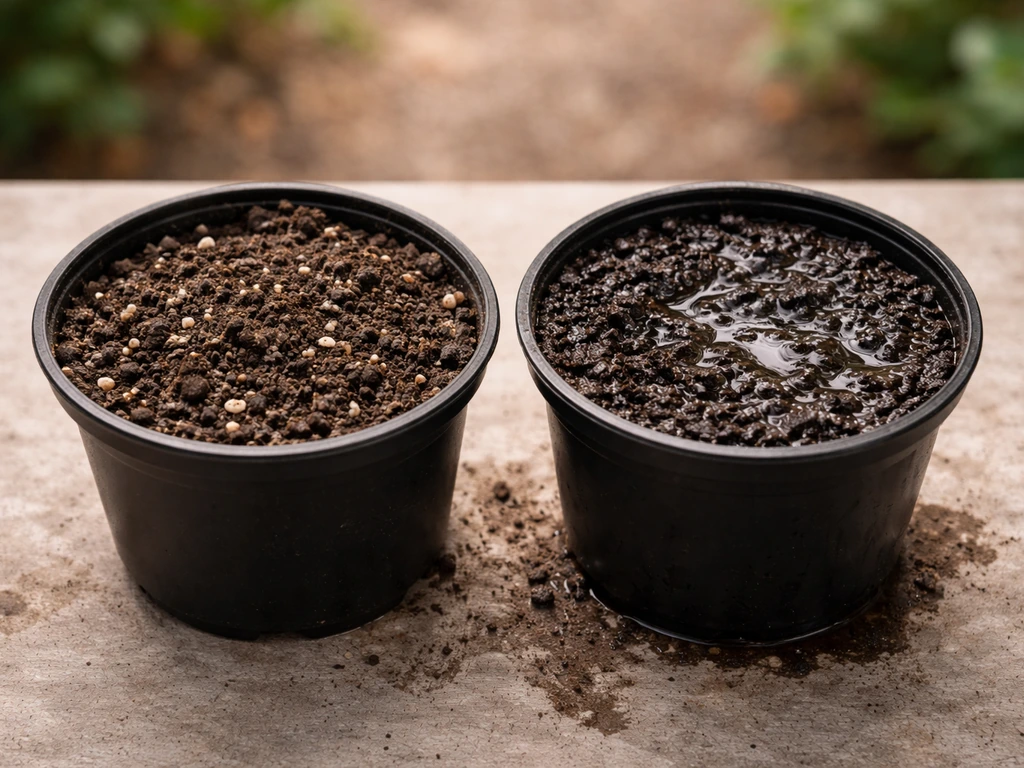
Good drainage is non-negotiable. Swiss Giants hate sitting in wet soil, and waterlogged roots invite fungal problems fast. Aim for a loose, fertile, slightly acidic to neutral soil with a pH between 5.5 and 6.5. I always work in a generous amount of compost before planting, both to improve drainage in heavy clay and to boost moisture retention in sandy ground. A balanced, slow-release granular fertilizer mixed into the bed at planting gives seedlings a head start without the risk of burning young roots.
Spacing
For a variety producing blooms this large, airflow matters. Space Swiss Giant transplants 6–9 inches apart. Planting tighter than 6 inches creates humidity traps that encourage botrytis and other fungal issues. A bit of space between plants also lets each one bush out naturally and fill in without competition, which actually gives you better coverage than crowding them.
Starting Swiss Giant from seed
Timing your sowing
The timing here is where most people go wrong, so let's be specific. Pansies need cool weather to thrive, which means you're working backwards from your planting window, not your last frost date. If you want a complete walkthrough, see how to grow a pansy for the full start-to-finish guide. For spring blooms, count back 10–14 weeks from when you want to transplant outside (usually 4–6 weeks before your last frost). For autumn blooms, sow in mid to late summer so transplants go in the ground 6–8 weeks before your first autumn frost. In mild-winter climates (USDA zones 7–10), autumn-sown plants can bloom right through winter and into spring.
Germination
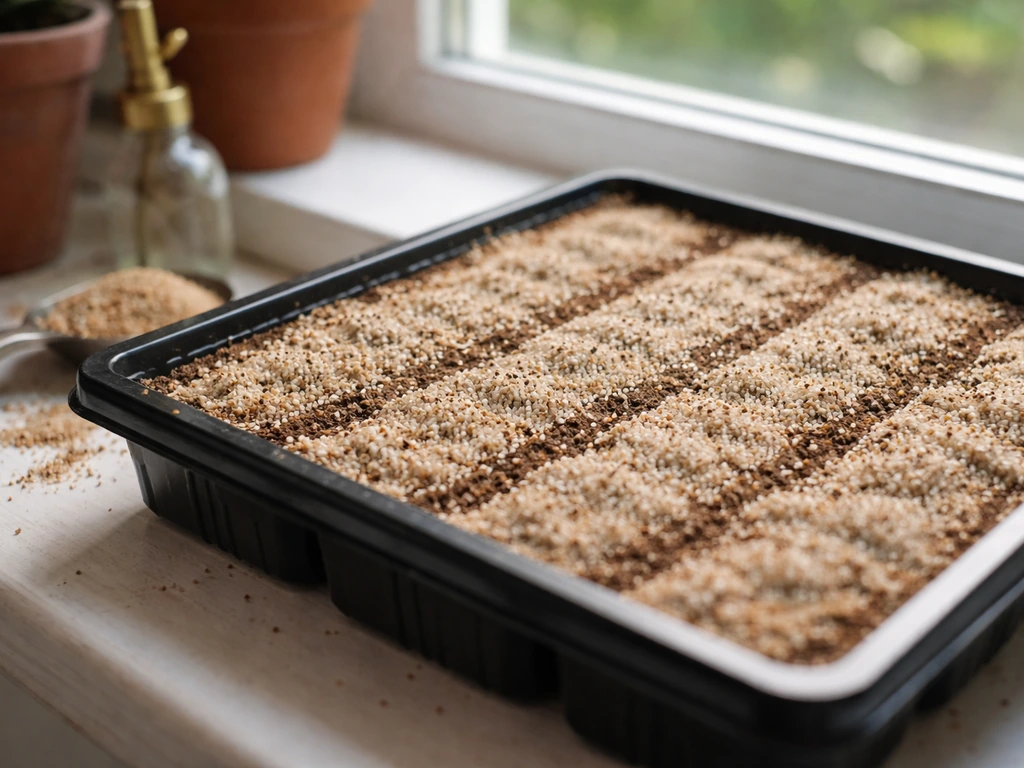
Fill seed trays or small cells with a fine, damp seed-starting mix. Sow seeds at the surface, pressing them lightly into the mix, then cover with a thin layer of vermiculite or mix (about 1/8 inch) because pansy seeds need darkness to germinate. Keep the soil temperature between 65–70°F. I use a seedling heat mat set to the lower end of that range, checking with a soil thermometer rather than guessing. Germination typically happens in 7–14 days. If your temps stray above 70°F, germination slows dramatically or fails entirely, which surprises a lot of beginners who put their trays on top of a warm refrigerator.
Seedling care
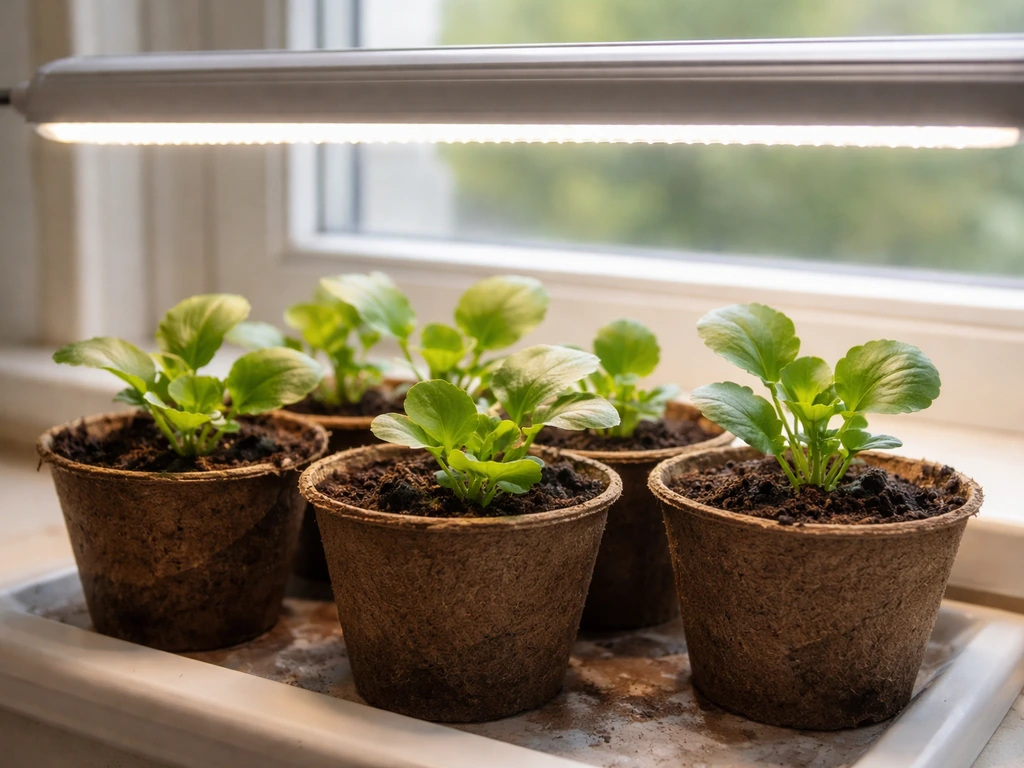
Once seedlings emerge, move them somewhere bright immediately. A sunny south-facing windowsill or, better yet, grow lights positioned 2–3 inches above the seedlings work well. Weak light is the single biggest cause of leggy, floppy Swiss Giant seedlings. Keep the soil consistently moist but not soggy, watering at the base to keep foliage dry. When seedlings develop their second set of true leaves, thin or transplant to one plant per cell. About two to three weeks before you plan to put them outside, begin hardening them off: start with an hour or two of outdoor shade, gradually increasing exposure to direct sun and cooler temperatures over 7–10 days.
Getting Swiss Giants into the ground
Step-by-step planting timeline
- Determine your target outdoor planting date (4–6 weeks before last spring frost, or 6–8 weeks before first autumn frost).
- Count back 10–14 weeks from that date and sow seeds indoors.
- At germination (7–14 days), move seedlings to bright light immediately.
- At 3–4 weeks, thin to one seedling per cell and begin a diluted liquid feed.
- At 7–10 days before planting, begin hardening off outdoors.
- Plant out when seedlings are 3–4 inches tall with 3–4 true leaves, spacing them 6–9 inches apart.
- Water in well and apply a light mulch to moderate soil temperature and retain moisture.
Transplanting tips
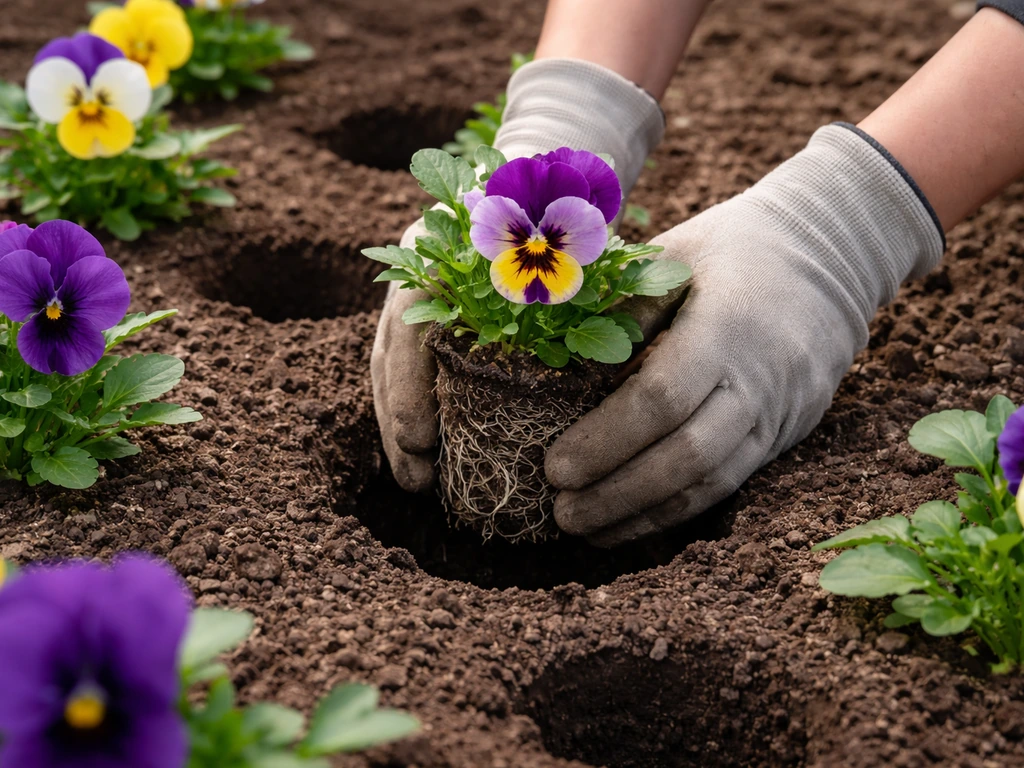
Plant on a cloudy day or in the early evening to reduce transplant stress. Dig holes slightly larger than the root ball, set the plant at the same depth it was growing in its cell, and firm the soil gently around the roots. Water immediately with a diluted liquid fertilizer to settle the roots and give them a quick boost. If a surprise frost is forecast in the days after planting, cover plants with a light frost cloth. Established Swiss Giants can handle light frost reasonably well, but freshly transplanted seedlings are more vulnerable for the first week or two.
Watering and feeding for the biggest flowers
Consistent moisture is key to keeping Swiss Giant blooms large and the plants productive. Aim to keep the top inch of soil moist at all times during active growth. In cooler weather that might mean watering every 2–3 days; in warmer, drier spells, daily watering may be needed. Always water at the base of the plant rather than overhead. Wet foliage sitting overnight is a reliable recipe for botrytis, which is a gray mold fungal disease that spreads quickly through a pansy bed. If you're growing purple mums in Animal Crossing, you can also use the same careful moisture and airflow habits to help flowers stay healthy and bloom well botrytis.
For feeding, I use a balanced liquid fertilizer (something in the 10-10-10 or 5-5-5 range) diluted to half strength every two weeks once plants are established. Too much nitrogen and you'll get lush leafy growth at the expense of flowers. If you notice the foliage is dark green and lush but flowering is poor, dial back nitrogen and switch to a formula slightly higher in phosphorus (the middle number), which encourages blooms. Slow-release granules mixed into the soil at planting can supplement the liquid feeding and reduce how often you need to remember to feed.
Troubleshooting the most common problems
Leggy, floppy seedlings
This is almost always a light problem. Pansy seedlings that don't get enough direct light stretch toward whatever source they can find, producing weak, spindly stems that never fully recover. If you're growing on a windowsill, rotate the tray daily and add supplemental grow lights if seedlings start leaning. If they're already leggy, you can bury the stems slightly deeper when transplanting, which helps a bit, but prevention is much easier than the fix.
Poor germination
If your seeds aren't germinating in 14 days, temperature is the most likely culprit. Check your soil temperature with a thermometer rather than relying on ambient room temperature. Above 70°F or below 60°F and germination slows to a crawl or stops. Also check that seeds are covered with a thin layer of mix or vermiculite since pansy seeds need darkness. Old seeds (more than 2–3 years) also have significantly reduced viability, so always start with fresh seed if possible.
Damping off
Damping off is a fungal condition where seedlings suddenly collapse at the base of the stem and die. It's caused by overwatering and poor airflow. Use a sterile seed-starting mix, never garden soil in trays, and water from below by sitting trays in water rather than soaking from above. A small fan providing gentle air circulation around seedlings makes a real difference. Once damping off appears, it spreads quickly, so remove affected seedlings immediately.
Aphids and other pests
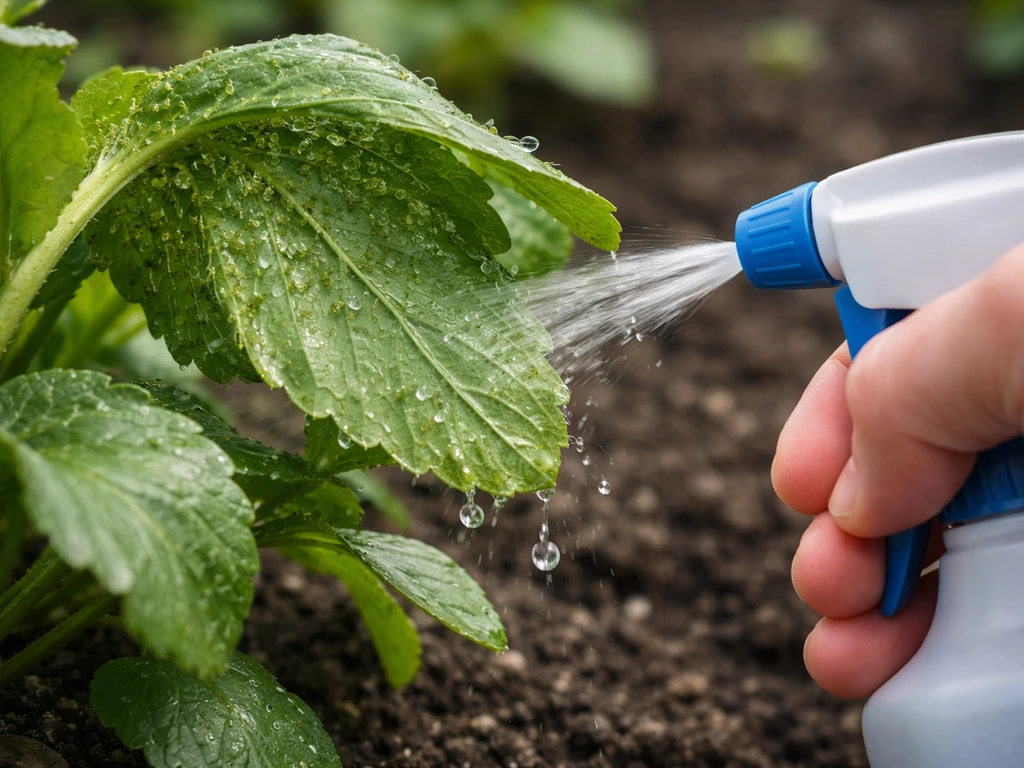
Aphids are the most common pest on Swiss Giant pansies. Check the undersides of leaves regularly, especially in spring when populations build fast. A strong spray of water dislodges them effectively and is my first line of defense. Insecticidal soap spray works well for heavier infestations. Slugs can also be a problem on young transplants, especially in wet conditions. A ring of grit or diatomaceous earth around the base of plants provides some deterrence.
Late or no flowering
If your Swiss Giants are growing well but not flowering, the usual reasons are: temperature is too high (above 65–70°F and they often pause flowering), too much nitrogen in the feed, or the plants are still too young. Make sure you're counting 60–70 days from sowing for realistic expectations. In heat, there's little you can do except wait for cooler weather or provide afternoon shade. Adjusting your feed toward a higher phosphorus formula and ensuring the plants are getting adequate light are the other practical levers to pull.
Keeping them blooming as long as possible
Deadheading
Deadheading, which means removing spent flowers before they set seed, is the single most effective thing you can do to extend the bloom period of Swiss Giant pansies. If you want to try a specific variety like Purple Queen, the same basics for light, cool weather, and deadheading apply, just with attention to its particular bloom timing how to grow purple queen. Once a pansy sets seed, it signals the plant to slow flower production. Pick or pinch off faded blooms every few days. It takes about 5 minutes per plant and genuinely makes a noticeable difference in how long and how abundantly they flower. If you let seed pods form and ripen, flowering drops off fast.
Protecting from cold
Established Swiss Giant pansies can handle temperatures down to around 28°F with some protection. When frost is forecast, a light frost cloth or even a sheet laid over the plants overnight protects them effectively. In mild-winter climates, pansies planted in autumn can be left in the ground through winter and will resume flowering strongly as temperatures warm in late winter and spring. In colder climates (zones 4–6), treat them as annuals and compost after the first hard freeze.
Managing summer heat
Once sustained daytime temperatures climb above 75°F, Swiss Giants start declining. Flowering stops, stems stretch, and plants become more susceptible to disease. You can extend their life a few weeks by providing afternoon shade, mulching heavily to keep roots cool, and keeping up with watering, but it's a holding action rather than a solution. In hot climates, accept that spring pansies are a short-season treat and plan to pull them when summer heat arrives, replacing them with heat-tolerant annuals. Then start a fresh batch for autumn, which is often the best Swiss Giant display of the year in warmer regions. If you meant doing this in Animal Crossing, you can use the same basic growing approach, then apply the game-specific rules for watering and harvesting spring pansies are a short-season treat.
End-of-season tips
If your plants have performed well and you want to try saving seed, let a few pods mature fully on the plant and collect them just before they split open. Swiss Giant seed viability decreases over time, so use saved seed within a season or two. For most gardeners, fresh commercial seed gives more reliable germination and better-quality flowers. Pull spent plants at the end of the season, compost them (unless disease was present), and refresh the bed with compost before the next planting. A well-maintained bed that's been amended each season gets progressively easier to work with and supports healthier, more vigorous pansy growth year after year.
| Task | Timing | Key detail |
|---|---|---|
| Sow seeds indoors | 10–14 weeks before outdoor planting | Soil temp 65–70°F, cover seeds for darkness |
| Germination | 7–14 days after sowing | Move to bright light immediately on emergence |
| Begin hardening off | 7–10 days before transplanting | Gradual outdoor exposure, start with shade |
| Transplant outdoors | 4–6 weeks before last spring frost | Space 6–9 inches apart, water in well |
| First flowers | 60–70 days from sowing | Earlier possible in ideal cool conditions |
| Deadhead regularly | Every 2–3 days through bloom period | Prevents seed set, extends flowering |
| Autumn sowing (warm climates) | Mid to late summer | For winter-to-spring display in zones 7–10 |
| Pull or compost plants | When heat exceeds 75°F consistently | Replace with heat-tolerant annuals |
FAQ
Can I grow pansy Swiss Giant from seed outdoors instead of starting indoors?
You can, but only if your outdoors temperatures stay cool during germination, roughly 60–70°F, and you can keep the soil evenly moist. In many climates, outdoor sowing lands you in warmer weather too soon, so indoors-started plants usually produce earlier and more reliable blooms.
What should I do if my Swiss Giant seedlings germinate but then stop growing?
Check temperature and light first. Germination can happen in the 65–70°F target, but slow growth often occurs when seedlings are kept too cool (below about 60°F) or too dark, causing weak plants that take longer to establish.
How can I tell if leggy seedlings are due to light versus watering?
Light shortage makes seedlings lean and produce long, thin stems with small, pale leaves. Overwatering more often causes damp, collapsing stems or persistent wilting even though the soil feels wet. If you see stretching without disease signs, increase light intensity and keep seedlings dry enough to avoid sogginess.
Is it better to thin seedlings in the tray or wait and separate them later?
Thin in the tray or cell as soon as they have their second true leaves. Delaying separation leads to crowded roots and fragile stems, which increases transplant shock and can reduce the chance of reaching the bigger 3–4 inch blooms.
How deep should I plant Swiss Giant transplants so the blooms stay large?
Plant at the same depth as they were in the cell. If they are already leggy, you can bury stems slightly deeper, but avoid covering the crown too aggressively, since overly buried crowns can stay wet longer and raise rot risk in cool, damp weather.
Do Swiss Giant pansies need fertilizer if I already used compost?
Compost helps soil structure and basic fertility, but it does not reliably supply the phosphorus balance that supports flowers. For best results, use a light feeding schedule once plants are established, and avoid boosting nitrogen, which commonly trades blooms for leafy growth.
My pansies have lots of leaves but very few flowers, what should I change first?
Reduce nitrogen and verify they are actually getting enough direct light. Even with correct fertilizer, blooms often fail when daytime temperatures creep high or the plants get under 4–6 hours of direct sun, so adjust both before changing anything else.
How often should I water, and how do I avoid overwatering in cool weather?
Use a “top inch” check. If the top inch is still moist, wait, if it feels dry, water thoroughly at the base. In cool, rainy spells, more frequent watering increases botrytis risk because foliage stays wet and soil stays saturated longer.
What’s the safest way to prevent botrytis in a crowded bed?
Follow spacing (about 6–9 inches) and water at the base, not overhead. Also keep dead or dying blooms removed promptly, since decaying petals and seed pods can become a disease hotspot when airflow is limited.
Are diatomaceous earth and grit safe to use around young pansies?
They can be effective for slugs and some crawling pests, but apply carefully so you do not over-dust young crowns and leaves. Reapply after heavy watering or rain, since the protection wears off when surfaces get wet.
When should I deadhead, and does it really make a difference on Swiss Giant?
Deadhead every few days during active bloom, removing faded flowers before they fully form seed pods. This is one of the biggest drivers of longer bloom because pansies shift energy to seed once pods develop.
Can I extend Swiss Giant into early summer, or is it a lost cause?
You can extend them briefly if you start providing afternoon shade before heat spikes, mulch to keep roots cool, and keep watering consistent. Above sustained hot weather, flowering usually stops regardless, so plan to replace with heat-tolerant plants once you see clear decline.
Is it worth saving seed from Swiss Giant, or should I buy fresh seed?
Seed saving is possible if you let a few pods fully mature, but viability drops over time. For dependable germination and consistent quality, most gardeners use fresh commercial seed each season, especially if you want uniform, big blooms.
Why did my seeds fail to germinate after 14 days, even though I kept them warm?
Common causes are too much heat, seeds planted without the darkness they need, or old seed. If soil temperature stayed above 70°F, germination can stall. Also confirm you covered seeds with a thin layer of mix or vermiculite, since light can reduce sprouting.
Next Article
How to Grow Purple Queen: Seed to Bloom Guide
Seed to bloom guide for Purple Queen: start seeds, best soil and light, transplant care, troubleshooting, and bloom timi