
To get bigger pansy blooms faster, focus on three things above everything else: plant at the right soil temperature (soil around 45–65°F is the sweet spot), feed with a phosphorus-forward fertilizer every two to three weeks, and deadhead religiously. Miss any one of those and you'll wonder why your pansies look stubbornly small and slow. Get all three right and you'll see noticeably larger flowers within a few weeks.
How to Make Pansies Grow Bigger and Faster

Harriet Whitmore
7 Jun 2026
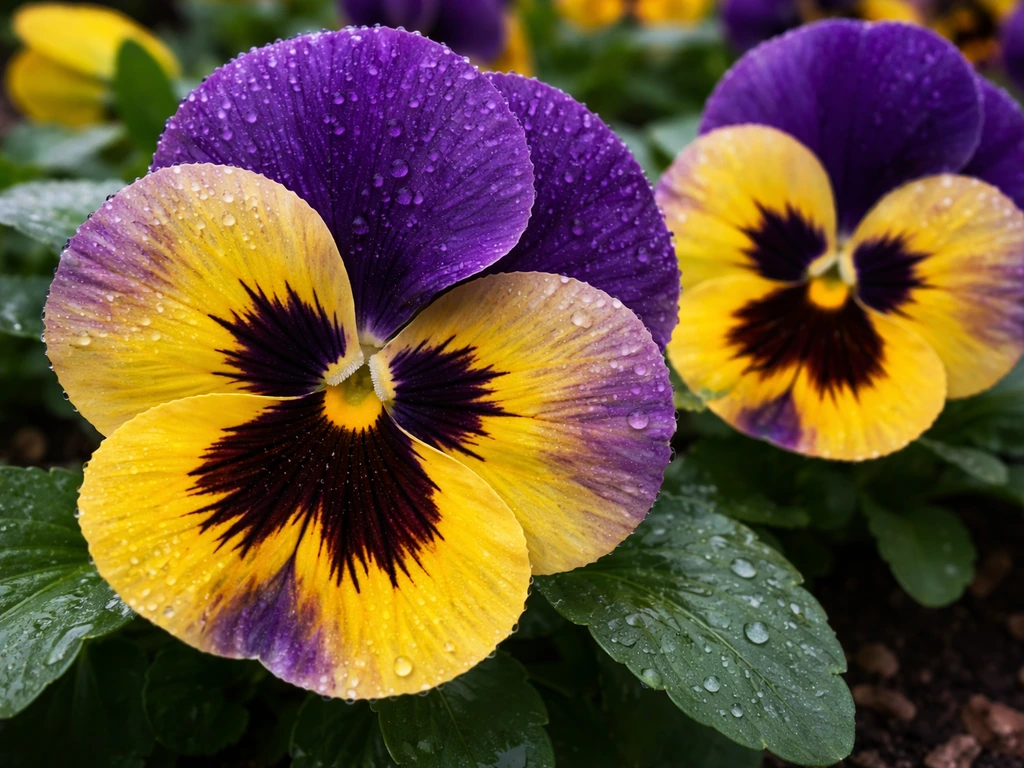
What 'bigger' and 'faster' actually means for pansies
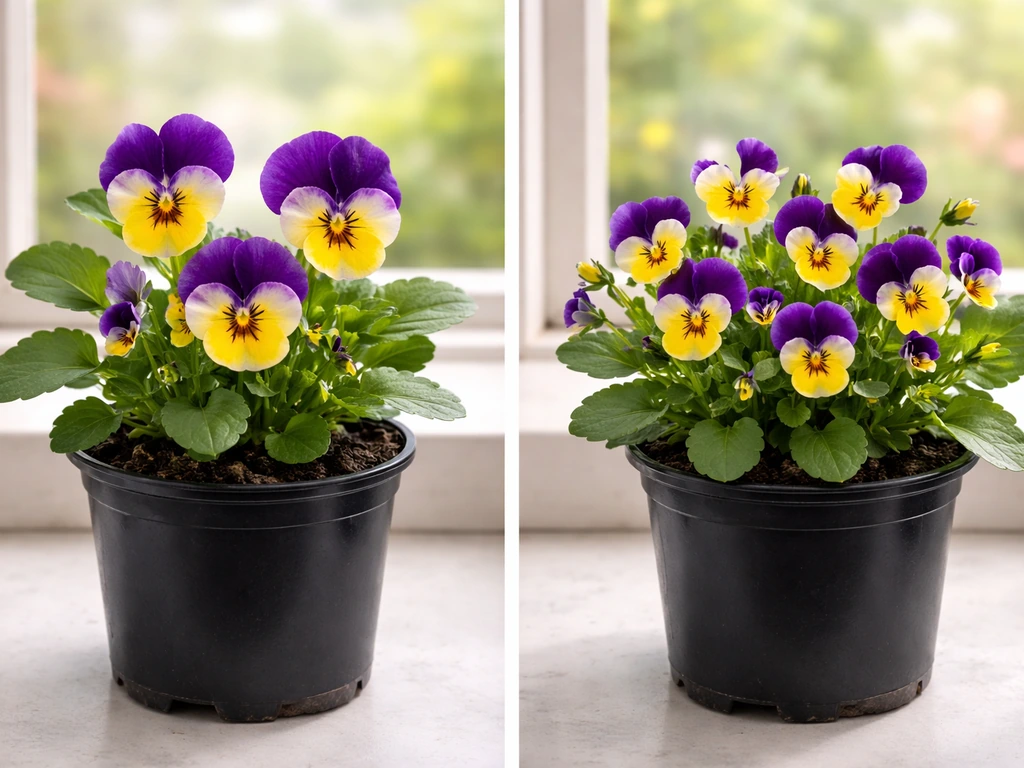
Before you start tweaking your routine, it helps to know what you're actually optimizing for, because 'bigger pansies' can mean two different things. It might mean larger individual flower faces, which is mostly about genetics (variety choice) and nutrition. Or it might mean a fuller, faster-growing plant that puts out more blooms overall, which is more about timing, temperature, and pruning. Most gardeners want both, and the good news is that the steps overlap a lot. But if your flowers are tiny no matter what you do, that's usually a variety problem or a nutrient problem. If your plant is slow and leggy, that's almost always a temperature or light problem.
Pansies are cool-season plants, full stop. They evolved to thrive in that narrow window of mild weather in spring and fall. Trying to push them in summer heat or before soil has warmed from a hard winter is fighting their biology, and you'll lose. Work with the season, choose the right variety for what you want, and the rest of the advice in this guide will actually make a difference. If you want to use the same idea in Animal Crossing, aim for purple mum flowers during the right season and keep repeating the breeding and care steps Work with the season.
Pick the right variety and seed or start plan
Variety choice is probably the most underrated factor in getting large pansy blooms. Not all pansies are created equal in terms of flower size. If you've ever grown standard pansies and felt the flowers were underwhelming, switching to a large-flowered series can feel like a cheat code. The Swiss Giant types, for example, are bred specifically for oversized blooms and are worth trying if big flower faces are your goal. Panola and Delta series are known for good cold tolerance and strong performance, while Colossus and Matrix series regularly produce 3-inch-plus blooms with the right care.
If you're starting from seed, give yourself a head start: pansy seeds need around 10 to 14 weeks from sowing to transplant-ready seedlings, so count backwards from your target planting date. Sow indoors in a cool spot (60–65°F soil temperature is ideal for germination) and keep them out of direct heat. If you're buying transplants from a nursery, choose stocky, compact plants with deep green leaves and no yellowing. Avoid anything that's already blooming heavily in a small cell tray since those plants have often been pushed fast with high nitrogen and may stall after transplanting.
The growing conditions that actually matter
Light
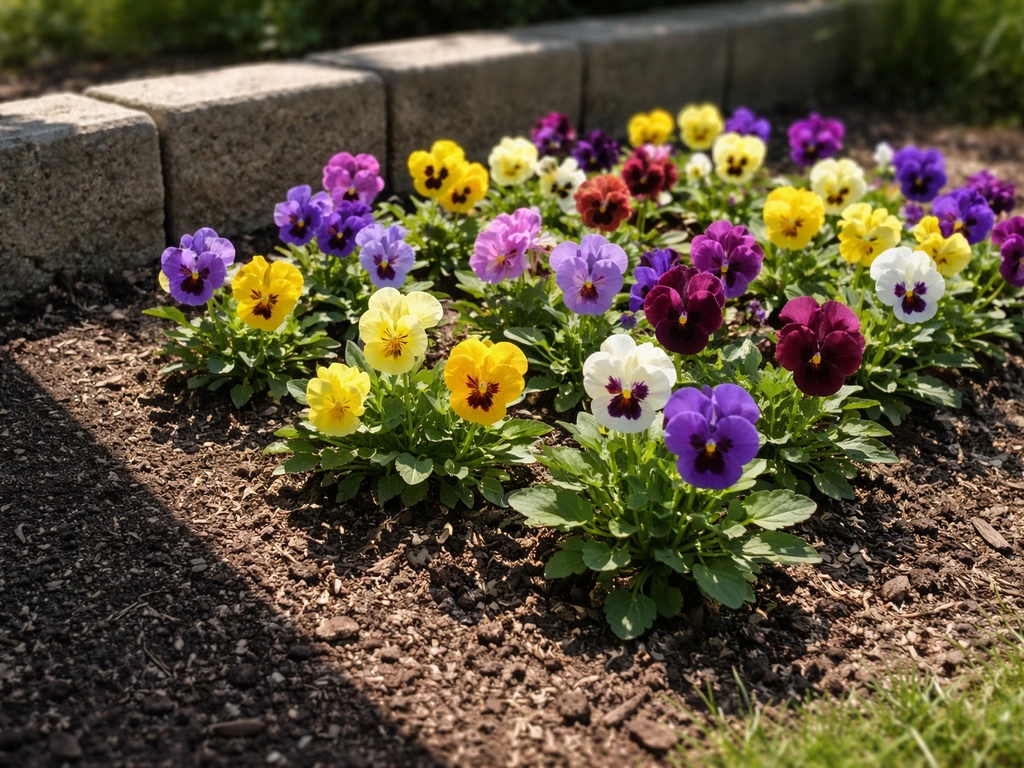
Pansies need full sun to perform their best, ideally six or more hours per day. In cooler climates and during spring or fall, full sun is your friend and encourages compact, floriferous growth. In warmer climates or late spring when temperatures start climbing, a bit of afternoon shade can actually extend your bloom period by keeping plants from overheating. Morning sun with afternoon shade is a solid compromise if you're in a warm region trying to stretch the season.
Temperature
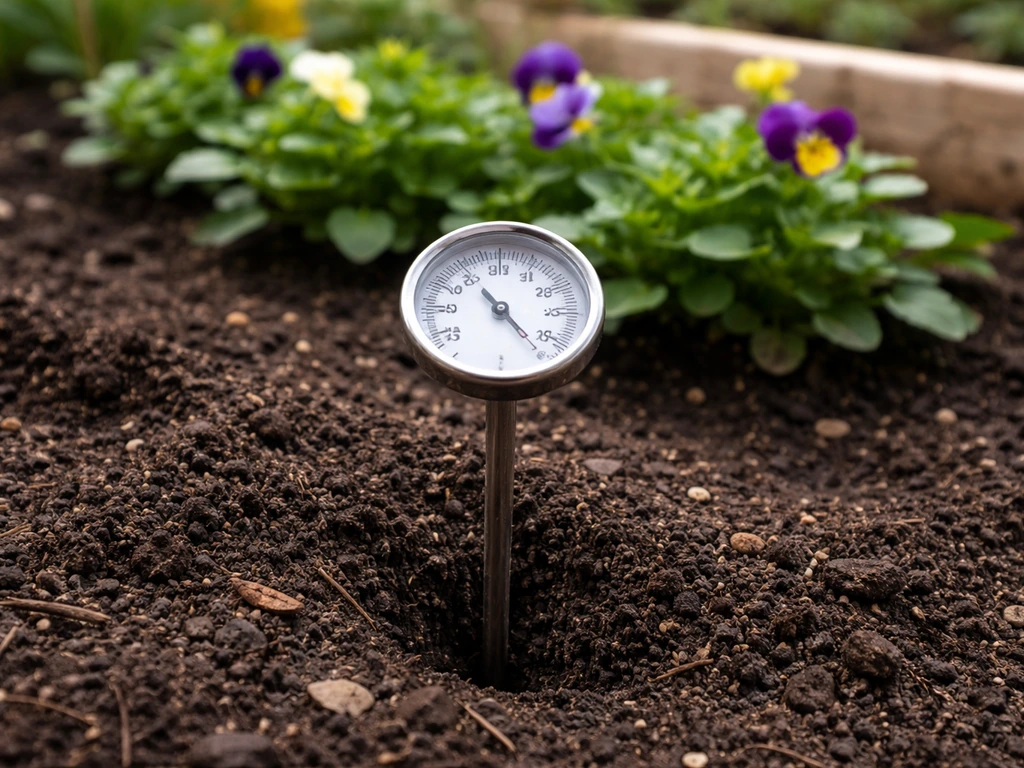
This is where most gardeners get into trouble. blank" rel="noopener noreferrer">According to UGA Extension research, pansy roots essentially shut down when soil temperatures drop below about 45°F. Plant too early in fall when the soil is still warm and you'll get leggy, yellowing plants. Plant too late when soil is already cold and the roots can't establish. The target window is soil temps between 45°F and 65°F. Air temperatures of 45–65°F during the day and above freezing at night are ideal for active growth and large blooms. Once daytime temps consistently hit the 70s°F, pansies start declining regardless of what else you do.
Spacing
Crowded pansies compete for nutrients, water, and light, and the result is smaller blooms. Space transplants 6 to 10 inches apart depending on the variety. Larger-flowered types need the wider spacing to develop properly. I know it looks sparse at planting time, but they fill in fast and the airflow also helps prevent fungal problems.
Soil and nutrients: what to feed for larger blooms
Pansies prefer slightly acidic soil with a pH between 5.4 and 5.8, as recommended by UF/IFAS. Outside that range, even if you're feeding correctly, nutrient uptake suffers and blooms stay small. If you haven't checked your soil pH, a basic test kit from a garden center is worth the few dollars. Amend with sulfur to lower pH or lime to raise it, and work it in at least a few weeks before planting if possible.
For feeding, the key is balance: too much nitrogen (the first number on a fertilizer bag) gives you lush green leaves but modest flowers. You want a fertilizer with moderate nitrogen and higher phosphorus (the middle number), since phosphorus drives root development and blooming. A 10-20-10 or similar formulation applied every two to three weeks works well. USU Extension recommends watering thoroughly before applying fertilizer, which helps protect roots from fertilizer burn and improves uptake. I follow that advice and water first, then apply a liquid balanced fertilizer the same day.
During the peak of the growing season, some gardeners switch to a bloom-booster formula (something like 5-20-10) to push flower size. This is especially effective in the four to six weeks after transplanting when plants are establishing and beginning to set buds.
Watering, deadheading, and the care habits that push growth

Watering the right way
USU Extension recommends about 1 inch of water per week during the growing season, applied thoroughly rather than in shallow daily sprinkles. Deep, infrequent watering encourages roots to grow downward, which makes for more robust plants and larger blooms. Shallow watering keeps roots near the surface where they're vulnerable to temperature swings. I water at the base of the plant, not overhead, to avoid wetting foliage and inviting fungal disease.
Deadheading: the single most impactful habit
Deadheading, which means removing spent blooms before they set seed, is the most reliable way to keep pansies blooming bigger and longer. When a plant is allowed to form seeds, it shifts its energy away from producing new flowers. UF/IFAS specifically notes that removing old faded flowers extends the flowering period. I try to deadhead every three to four days during peak bloom. It sounds like a lot but it only takes a few minutes and the payoff in bloom size and quantity is dramatic. Pinch or snip the spent flower plus its stem back to just above a leaf node.
Light pruning and cutting back
If your pansies get leggy mid-season, don't be afraid to cut them back by about one-third. This is especially useful in early fall plantings that got a bit stretched. A hard trim followed by a feeding and consistent watering will often trigger a flush of compact new growth and fresh blooms within two to three weeks.
Soil maintenance between watering
USU Extension also advises working the soil lightly around plants when it's dry enough after rain or watering. This breaks up surface crust and improves aeration. While you're at it, weed aggressively. Weeds compete directly with pansies for nutrients and moisture, and a neglected bed full of weeds is one of the quieter reasons pansies underperform.
Troubleshooting small blooms and slow growth
When something's going wrong with pansies, the symptoms usually point pretty clearly to the cause. Here are the most common problems and what to do about them:
| Symptom | Likely Cause | Fix |
|---|---|---|
| Tiny flowers despite regular care | Wrong variety or too much nitrogen | Switch to a large-flowered series; reduce nitrogen, increase phosphorus |
| Leggy, stretched stems | Too warm, too early planting, or insufficient light | Check soil temp; move to full sun; cut back by one-third and let recover |
| Yellowing leaves | Planted in warm soil (above 70°F), pH off, or overwatering | Check soil temp and pH; allow soil to dry between waterings |
| Slow germination from seed | Soil too warm or too cold for germination | Aim for 60–65°F soil during germination; use a cool indoor space |
| Bloom slowdown mid-season | Heat stress, skipped deadheading, or low phosphorus | Deadhead consistently; shade in afternoon; feed with bloom booster |
| Wilting despite wet soil | Root rot from poor drainage or overwatering | Improve drainage; let soil dry between waterings; check for crown rot |
| Chewed leaves or distorted growth | Aphids, slugs, or cutworms | Inspect undersides of leaves; use insecticidal soap for aphids; use slug bait or diatomaceous earth |
Root problems deserve a special mention because they're often invisible until things look really bad. Pansies need well-draining soil. If you're growing in containers, make sure there are drainage holes and use a quality potting mix rather than garden soil, which compacts badly in pots. In beds, work in compost before planting to improve structure and drainage.
Seasonal planting timelines and climate-zone adjustments
Pansies have two main planting windows depending on your climate zone, and getting these right is what separates a great pansy season from a frustrating one.
| Region / Zone | Spring Planting | Fall Planting | Notes |
|---|---|---|---|
| Zones 3–5 (cold climates) | As soon as soil works, late March to April | Not practical; hard frost ends season early | Focus on spring; choose cold-tolerant series like Delta or Panola |
| Zones 6–7 (moderate climates) | Late February to April | September to October | Two solid seasons possible; mulch fall plants for winter survival |
| Zones 8–9 (warm climates) | February to March (brief spring window) | October to November for winter/spring bloom | Fall planting is often the better season; avoid warm soil in fall |
| Zones 10–11 (hot climates) | November to February only | October to December | Treat as a winter annual; expect plants to decline by February or March |
In warmer zones, the fall planting timing is especially tricky. UGA Extension warns that planting too early into warm temperatures causes yellowing foliage and leggy growth, because the plant is stressed before it can establish. Wait until soil temperatures are reliably below 65°F before transplanting fall pansies in Zones 7 and above. In some years that means waiting until mid to late October even if the garden center has transplants available in September.
For gardeners in cool climates growing from seed, the timeline matters a lot. If you want spring transplants ready for a late March or April planting, count back 10 to 14 weeks and start seeds indoors in January. Keep the seed-starting area cool and well-lit, and harden off seedlings for one to two weeks before transplanting outdoors.
Your action plan: what to do starting today
If you already have pansies in the ground and want to improve them right now, work through this sequence:
- Check your soil temperature with an inexpensive probe thermometer. If it's above 70°F, focus on afternoon shade and wait out the heat rather than fertilizing aggressively.
- Deadhead everything. Go through your plants today and remove every spent bloom down to a leaf node. This alone can trigger new buds within a week.
- Water deeply (about 1 inch) at the base of the plants, then apply a bloom-boosting fertilizer (higher in phosphorus) the same day.
- Check for weeds and pull them out. Work the soil surface gently around each plant with a hand fork if it's crusty.
- Note your spacing. If plants are closer than 6 inches apart, consider thinning to give remaining plants more room.
- If plants are leggy, cut back by about one-third after watering and fertilizing. New compact growth usually appears within two to three weeks.
- Set a reminder to repeat deadheading every three to four days and feeding every two to three weeks for the rest of the season.
If you're planning ahead and haven't planted yet, your biggest leverage is variety selection and timing. Choose a large-flowered series suited to your climate, wait for the right soil temperature window, prepare your bed with compost and a pH check, and you'll be ahead of most gardeners before a single seed goes in the ground. If you're wondering when to grow pansies for the biggest, fastest blooms, timing the planting window around cool weather is the key step. The basics of how to grow a pansy well are really the foundation here, and once you've got those dialed in, the specific tweaks for bigger blooms fall into place naturally. For a variety-specific example, follow these same timing, light, and feeding steps when you’re learning how to grow purple queen. In Animal Crossing, the same “right conditions and timing” idea is what helps blue pansies grow well too how to grow blue pansies. To make the most of your garden space, use these tips on where to grow pansies for the best light, temperature, and overall performance. If you want the fastest route to success, follow these steps in the full guide on how to grow a pansy well.
Pansies reward attention. They're not demanding, but they do respond strongly to the right conditions and consistent care. Get the temperature timing right, feed for blooms not just foliage, and deadhead consistently, and you'll have flowers that look genuinely impressive rather than just filling in a gap in the border.
FAQ
How can I tell whether my pansies are small because of variety or because of feeding?
If your goal is larger individual blooms rather than more flowers, prioritize variety (large-flowered series) plus correct phosphorus and deadheading. If you’re seeing lots of foliage but smaller faces, cut back on high-nitrogen feeding and switch to the higher-phosphorus blend during active bud formation, then keep up the 45°F to 65°F soil window as closely as possible.
My nursery pansies were blooming when I bought them. Will deadheading and feeding help, or will they stall anyway?
Yes. A simple way to reduce stalling is to remove any spent flowers and pinch back long growth, then water thoroughly and wait 24 to 48 hours before your first fertilizer after transplant. Also avoid feeding immediately if the plant looks stressed from heat or transplant shock, because uptake is less efficient.
What should I do if temperatures start climbing into the 70s and my feeding plan is already scheduled?
Use fertilizer sparingly when plants are hot-stressed or roots are not active. During warm spells when daytime temps are in the 70s, hold off on extra feeding and focus on shade, consistent watering, and removing faded blooms. Resume your regular feed schedule once cooler conditions return and plants show renewed growth.
How do I know whether I’m watering deeply enough to help pansies grow bigger flowers?
For best results, water at the soil level and then stop until the surface begins to dry slightly, rather than daily sprinkles. If you’re unsure whether you watered deeply enough, check moisture 2 to 3 inches down, container-friendly mixes should feel evenly moist but not soggy.
Do I have to deadhead every single flower, or can I just snip the petals off?
Pansies can keep blooming longer with deadheading, even if they keep throwing new buds. The key is to remove the whole spent flower and stem back to just above a leaf node, then keep an eye out for plants that set seed pods. If seed pods form, your “bigger blooms” effort slows down.
What’s the best way to cut back leggy pansies without reducing flower size?
When you cut back by about one-third, do it when plants still have healthy leaves and the weather is mild. After trimming, give a thorough watering and a phosphorus-forward feed, then avoid heavy nitrogen boosts. Within 2 to 3 weeks you should see compact new growth and fresh buds if the soil and light conditions are right.
Why do my pansies look small in containers even though I’m fertilizing and deadheading?
Overcrowding is a common cause of smaller blooms, but in containers the problem is often mix quality plus root restriction. Make sure pots have drainage holes, use a potting mix that stays airy, and do not pack plants tightly, a slight spacing increase in containers often gives noticeably larger flower faces.
Can soil pH stop pansies from responding to fertilizer and deadheading?
Yes, and it matters. If pH is too high or too low, even a correct fertilizer ratio may not translate into blooming because nutrient uptake drops. Test your soil (or container mix if possible), then correct with sulfur or lime ahead of planting and recheck if you made significant amendments.
How much shade is too much if I’m trying to keep pansies from overheating?
In cool seasons, pansies do best with at least 6 hours of direct sun. In warmer areas, afternoon shade can prevent overheating, but too much shade reduces flower size and makes plants leggy. If blooms are small and stems stretch, increase morning light first and reduce dense afternoon shade.
What’s the most common reason pansies still stay small even after deadheading?
Yes, and it’s a frequent mistake. If you deadhead but don’t correct light, temperature, spacing, or fertilizer balance, you’ll still get fewer big blooms. Troubleshoot in this order: sun amount, soil temperature for active growth, plant spacing, then switch to moderate nitrogen and higher phosphorus.
Will mulching help larger blooms, or does it make pansies worse?
Start by removing existing weeds around the base without disturbing roots too aggressively, then add a thin layer of mulch that doesn’t bury the crown. Mulch helps keep soil moisture steadier, which supports bloom size, but avoid thick mulching that stays cold or overly wet.
What signs mean I should stop troubleshooting fertilizer and instead check root and drainage issues?
If root or drainage problems are suspected, check for slow growth plus yellowing, limp plants, or patchy decline. In beds, improve structure by mixing in compost and ensuring water drains off the surface, in containers, replace compacted mix with a fresh, well-draining potting mix and confirm drainage holes are open.
How often should I fertilize to make pansies grow bigger without overfeeding?
Overly frequent feeding can worsen foliage at the expense of flowers, especially when nitrogen is high. Stick to feeding every 2 to 3 weeks during active cool-season growth, and water thoroughly before application to reduce root burn risk and improve nutrient uptake.
Can I still get bigger blooms if my pansies were planted too early or too late in the season?
You can often salvage late-season plantings by focusing on temperature fit and stress reduction. Add afternoon shade in warm spells, maintain deep watering, deadhead consistently, and consider a cut-back by one-third if they get leggy, then feed with phosphorus-forward fertilizer only when growth resumes.
Next Article
How to Grow Purple Pansies in ACNH Seed to Bloom Guide
Step-by-step how to grow purple pansies in ACNH from seeds to bloom, including breeding logic, care tips, and fixes.
